

In the realm of business, proper vehicle maintenance is not just an operational expense; it’s a strategic investment. A robust vehicle maintenance program cultivates reliability and optimizes the performance of your fleet, ensuring that your operations run smoothly without unexpected interruptions. By understanding the definition and importance of vehicle maintenance programs, delving into their key components, and exploring best practices for implementation, business owners can safeguard their investments and enhance their bottom line.
Guardians of the Road: How a Vehicle Maintenance Program Safeguards Performance, Safety, and Longevity
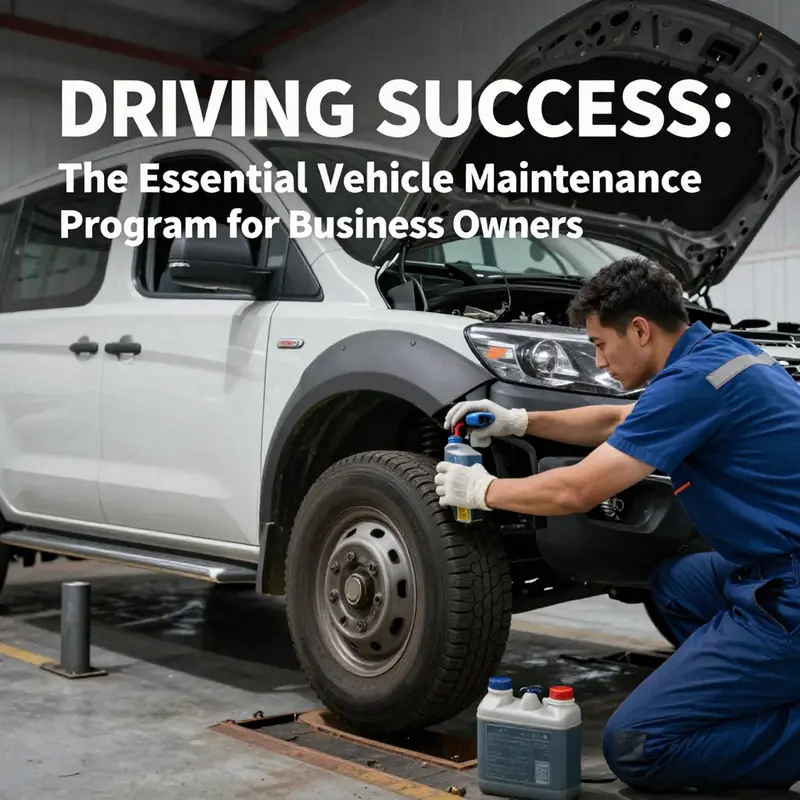
A vehicle maintenance program is more than a schedule of chores. It is a disciplined, forward-looking approach to keeping a machine that shares our daily rhythms—from commute routes to long-haul trips—performing at its best. At its core, a maintenance program embodies the simple, enduring principle of prevention over cure. Rather than waiting for warning lights to glow or noises to appear, it asks a more fundamental question: what can be checked, lubricated, tightened, or replaced now to prevent a disruption later? This mindset is not just about avoiding breakdowns; it is about safeguarding people, resources, and the environment, all while preserving the vehicle’s value over time. The formalization of that mindset into a structured program is what industry professionals recognize as a vehicle maintenance program: a planned, documented sequence of inspections, services, and repairs aligned with technical standards and the vehicle’s owner’s manual.
If the road is the theater of constant change—weather, load, road surface, and driving styles—the maintenance program provides a steady rhythm that accommodates those changes without letting performance slip. It anchors every action in established standards and reliable practices, which is why reference to national and international guidelines matters. In the context of a contemporary framework, the Chinese national standard GB/T 18344-2025, titled Technical Specifications for Automotive Maintenance, Inspection, and Diagnosis, has become a touchstone for how maintenance is defined, performed, and audited. This standard emphasizes consistency, traceability, and safety, ensuring that what is done to a vehicle is supported by a recognized benchmark rather than ad hoc decision-making. For practitioners, this means a shared language and set of expectations across manufacturers, service providers, and fleets.
The practical value of a maintenance program begins with the obvious yet essential: regular inspections. A vehicle lives in a world of critical systems that must be checked routinely. Brakes must be assessed for effectiveness and wear; tires require correct pressure, adequate tread depth, and even wear; lights must illuminate properly to communicate with others on the road; fluids—engine oil, coolant, brake fluid, windshield washer—must stay within prescribed levels and conditions; belts and hoses must show signs of aging or cracking before failure. The goal is clear: detect a potential issue in time to prevent a breakdown, not just fix it after the fact. In everyday terms, this is the difference between a driver who glances at the gauge cluster and a program that formally records mileage, time, and service history to reveal patterns that ordinary observation would miss.
A second pillar is scheduled servicing. This involves performing a defined set of tasks at predetermined intervals. Some of these tasks are intuitive—oil and filter changes, air filter changes, cabin filter replacement, tire rotation, brake pad inspection or replacement. Others are more technical, like inspecting spark plugs for wear, testing the braking system for residual efficiency, or checking the cooling system for overheating risks. The specificity of these tasks matters because each one is chosen to prevent a cascade of failures: a dirty air filter can reduce fuel efficiency and power; worn brake pads compromise stopping distance; degraded fluids can corrode components or reduce protection under heat. The precise intervals for these tasks are not arbitrary. They are grounded in manufacturer guidelines, vehicle type, and operating conditions. This is why the maintenance manual is a perennial reference: it translates complex engineering into actionable steps that a technician can follow with confidence.
Third, adherence to manufacturer guidelines is pivotal. The owner’s manual is not a relic of the past but a living document that shapes every maintenance decision. It contains mileage-based or time-based intervals tuned to a vehicle’s design and intended use. For instance, many conventional gasoline cars have oil-change intervals that cluster around every 5,000 to 10,000 kilometers or a handful of months, while electric vehicles may adopt different cadences reflecting their unique propulsion systems. Following these guidelines is not about compliance for compliance’s sake; it is about aligning maintenance tasks with the vehicle’s engineered tolerance, component wear rates, and operating environments. When a maintenance program tracks these guidelines, it can better predict wear, allocate resources, and minimize downtime.
The standard also recognizes that maintenance cannot be one-size-fits-all. Specialized maintenance becomes necessary when conditions diverge from the standard operating environment. Extreme weather, for example, imposes unique demands. Cold temperatures can thicken fluids, reduce battery efficiency, and increase tire rolling resistance. Hot climates can accelerate fluid evaporation and boost cooling system burden. A robust program anticipates these realities by adjusting fluid choices, battery checks, and cooling performance tests to the prevailing conditions. Similarly, driving in harsh environments—dusty roads, salt exposure, or salted winter roads—accelerates wear on filters, seals, and lubrication points. The program includes periodic inspections that specifically target these risk factors, with service tasks that compensate for the accelerated aging.
If the vehicle has suffered an accident or a severe event—driving through deep water or a collision—the maintenance program expands to address post-event realities. Inspections become more comprehensive, including checks for hidden damage that might not be immediately apparent, such as steering alignment, suspension integrity, or electrical system faults that can manifest after a jolt or water exposure. This emphasis on post-event evaluation embodies the preventive objective: identify issues that could compromise safety or reliability before they escalate into costly repairs or safety hazards.
Beyond the obvious mechanical concerns, the program also contends with specialized maintenance for different propulsion systems and vehicle classes. Electric vehicles, for example, require specialized testing of high-voltage systems, including insulation resistance checks and adherence to stringent electrical safety standards. The high-voltage domain demands certified tools, trained technicians, and clear safety protocols. Diesel trucks and other heavy-duty commercial vehicles introduce another layer of complexity, often using operating hours or engine runtime as scheduling metrics rather than distance alone. This approach reflects the realities of fleets that accumulate hours of operation, idling time, and heavy-duty cycles that can wear components differently from typical passenger cars. In all these cases, the program remains anchored in the same preventive philosophy while adapting to the distinctive wear patterns of each technology and use case.
The practical implementation of a maintenance program hinges on clear structure and disciplined execution. In a household setting, daily maintenance is a driver’s responsibility: checking fluid levels, tire pressure, lights, and cleanliness. This is not merely routine housekeeping; it is a sensorium that helps catch small deviations before they become visible failures. Level 1 maintenance, conducted by professional repair shops, typically occurs every 5,000–10,000 kilometers or roughly every six months for electric vehicles. Level 1 emphasizes cleaning, lubrication, tightening, and the inspection of critical systems. Level 2 maintenance, scheduled every 20,000–30,000 kilometers or annually, expands the diagnostic scope, including more thorough checks of the electrical and electronic subsystems, along with high-voltage system evaluations for EVs, where insulation resistance standards may be specified (for instance, checking that insulation resistance remains above a defined threshold such as five megaohms). For internal combustion engine vehicles, Level 3 maintenance represents a deeper disassembly and overhaul of major components, typically aligned with longer-distance intervals around 35,000 kilometers, depending on the specific model and usage pattern. These levels are not rigid cages; they are reference points that guide technicians in progressively deeper exploration as the vehicle ages and accumulates miles or hours.
The maintenance program’s architecture must accommodate specialized requirements without compromising its universal value. Hybrid and electric powertrains introduce battery pack health, thermal management, and charging system integrity to the fore. For EVs, routine checks may include battery cooling system performance, high-voltage cable integrity, and software updates that influence charging efficiency and range stability. In contrast, diesel fleets, with their emphasis on durability and load-bearing performance, may prioritize fuel system integrity, exhaust after-treatment, and engine hours-based scheduling to reflect operating realities. The overarching takeaway is that a robust maintenance program is both standardized and flexible, capable of scaling its depth and focus to reflect the vehicle’s design, its mission, and the operating theater in which it runs.
The importance of such a program cannot be overstated. Safety is the immediate and most tangible benefit. Regular inspections of brakes, tires, steering, and suspension directly reduce the likelihood of failure in critical moments. Reliability and performance follow, as a well-maintained vehicle consistently delivers the expected power, handling, and efficiency. Cost savings accrue over time by preventing minor issues from ballooning into expensive repairs and by preserving fuel economy and component longevity. Regulatory compliance, especially for commercial fleets, requires that maintenance be documented and auditable. Adhering to guidelines helps ensure fleets meet obligations set by transport authorities, which in turn supports safe road use and environmentally responsible operation. Regarding environmental impact, well-tuned engines and properly functioning emission-control systems operate more cleanly, producing fewer pollutants and enabling smoother, more efficient operation. In this sense, maintenance is not a luxury but a stewardship practice that aligns safety, economy, and sustainability.
The formalization of the maintenance program also yields a practical, auditable record of what has been done and when. A systematic log supports decision-making, revealing patterns such as recurring components that wear faster than expected, or periods when performance dips despite routine servicing. When tracked persistently, data can inform predictive maintenance—identifying the subtle signs that foretell a future fault before it happens. For fleet managers, this translates into optimized maintenance windows, reduced unplanned downtime, and more accurate budgeting. For individual owners, it translates into greater confidence behind the wheel and a clearer sense of the vehicle’s value trajectory over time. The alignment between preventive actions and the vehicle’s actual needs is the essence of a mature maintenance program.
To connect this broader vision with accessible knowledge, consider a concise overview of the concept that frames maintenance as a continuous, practical activity rather than a series of one-off tasks. Readers seeking a compact definition can explore a focused resource that outlines how maintenance translates into daily practices, inspections, and services that form the backbone of vehicle reliability. This simple reference helps knit together the everyday habits of drivers with the formal routines of service providers, highlighting the continuity between personal responsibility and professional care. For a direct, reader-friendly entry point, see the practical overview at What is vehicle maintenance.
The program’s design also emphasizes the human elements that sustain it. Frontline technicians bring diagnostic acumen and hands-on expertise, translating complex systems into actionable steps. Drivers contribute real-time observations, such as unusual sounds or changes in braking feel, that alert the team to potential issues between scheduled visits. Fleet supervisors translate this information into a cadence of inspections, ensuring that tasks are not skipped in the pressure of daily operations. In this integrated workflow, the vehicle becomes a partner in a disciplined process rather than a passive recipient of attention. The shared language of standards, checklists, and records builds trust across all stakeholders and creates a feedback loop that strengthens safety and efficiency over time.
Finally, the maintenance program is not a static rulebook but a living framework that evolves with technology and policy. As automated safety features, advanced driver-assistance systems, and connected diagnostics become more prevalent, the program adapts to incorporate new checks, data streams, and maintenance strategies. This evolution is not a departure from the preventive core; rather, it is an expansion of it, enabling more precise interventions, better traceability, and more proactive risk management. When interpreted through the lens of GB/T 18344-2025, the framework becomes a harmonized standard that unites best practices from manufacturers, service professionals, and regulatory bodies into a cohesive path toward safer, more sustainable mobility.
In summary, a vehicle maintenance program is a comprehensive, prevention-first approach that couples disciplined scheduling with a deep understanding of vehicle systems. It recognizes that safety, reliability, and efficiency emerge from routine, well-documented care and from the disciplined application of standards. It is the shared backbone of individual ownership and professional fleet management, translating technical knowledge into a reliable, ongoing guarantee that a vehicle will perform when it is needed most. As such, it is not merely a set of tasks but a strategic commitment to safer roads, smarter resource use, and longer automotive lifespans. The road to sustained performance is paved with regular checks, thoughtful diagnostics, and a culture that treats maintenance as an essential aspect of responsible mobility. For readers who want to deepen their understanding of maintenance concepts and their practical implications, the linked overview provides a concise entry point that complements the deeper exploration offered here and links to related topics and resources within this article ecosystem. The external anchor to the national framework grounds the discussion in formal standards, ensuring that this chapter articulates a clear, robust picture of what maintenance programs are and why they matter in today’s driving environment.
Beyond the Checklist: Designing a Proactive Vehicle Maintenance Program for Safety, Reliability, and Longevity
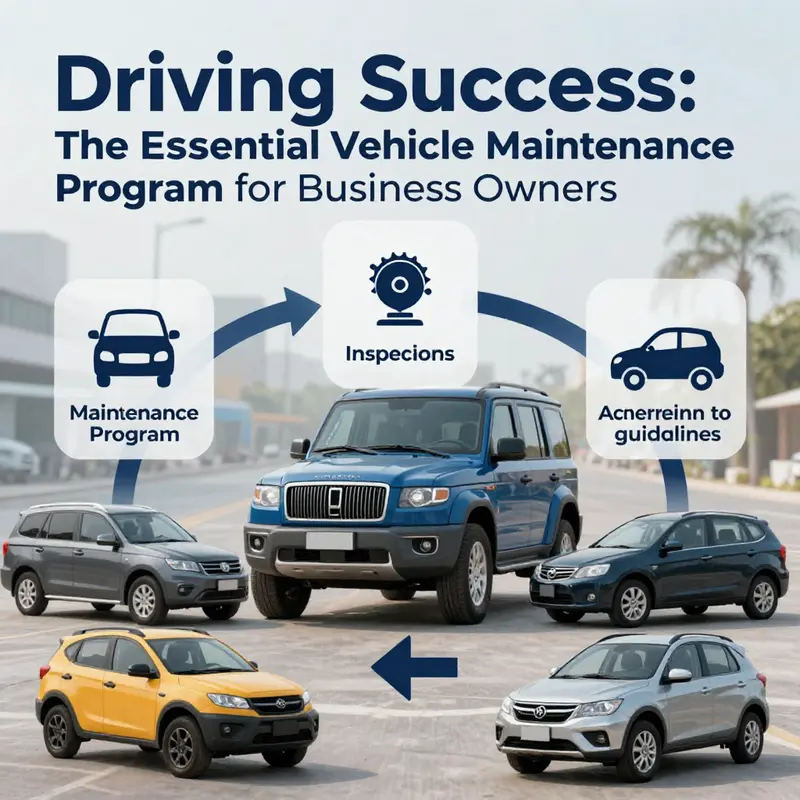
A vehicle maintenance program is not merely a set of tasks to tick off at regular intervals. It is a living framework that translates engineering insight into everyday reliability. For individuals and fleets alike, its value lies in a deliberate balance between what manufacturers recommend and how a vehicle performs under real-world conditions. When a program is well designed, it treats maintenance as a strategic asset rather than a nuisance—one that preserves safety, protects value, and minimizes downtime. This perspective begins with a simple principle: prevention over cure. By anticipating wear, early signs of trouble, and the quirks of specific operating environments, a program becomes a steady ally that keeps everything from the engine to the tires operating in their optimal range. The result is not only fewer emergencies but also more predictable service, improved fuel efficiency, and a longer, healthier life for the vehicle.
The backbone of any robust maintenance program is the cadence of scheduled service. Manufacturers publish service intervals that reflect tested mileages or elapsed time. Oil changes, filter replacements, brake inspections, and tire rotations form the core routine. Yet the true strength of a program comes when those schedules are translated into a living routine that acknowledges a vehicle’s particular duties. A truck that spends long hours on dusty roads, a family car that shuttles kids between activities, or a city bus that runs through peak traffic—they all wear differently. A good program respects these differences, adjusting the default intervals based on duty cycle, climate, and historical performance data. It is this contextual tuning that prevents the most common pitfalls of over- or under-servicing.
Preventive maintenance pushes beyond the basics to address wear and tear before it becomes a failure. Wear-prone components such as belts, hoses, suspensions, and braking systems demand attention not only at fixed dates but when indicators accumulate. Vibration, unusual noises, soft brakes, or creeping changes in fuel economy are signals in the language of the vehicle. A preventive mindset treats these signals as data points, not annoyances. Proactively replacing parts before they fail reduces the risk of roadside breakdowns and completes maintenance cycles with far less disruption to operations. The discipline rewards the operator with steadier performance—even under harsher conditions—and with a level of certainty that is priceless when schedules squeeze tight and every mile counts.
An effective program thrives on transparent record keeping. A detailed logbook, whether paper-based or digital, becomes the memory of the vehicle. It tells you when a service happened, what was done, who performed it, and what parts were used. Without accurate history, it is easy to misjudge the remaining life of a component or misread the urgency of a repair. Digital fleet management systems have transformed this discipline by offering centralized, real-time access to service logs, parts records, and technician notes. They enable cross-checks across fleets, support warranty claims, and provide a clear trail for audits and regulatory compliance. A robust documentation culture also makes it possible to forecast future needs, optimize inventory, and benchmark performance across vehicles or routes.
Diagnostics sit at the heart of modern maintenance. Today’s vehicles are equipped with sophisticated onboard diagnostics (OBD-II) that translate a potentially opaque set of symptoms into actionable insights. Diagnostic tools, whether handheld readers or cloud-connected software, reveal fault codes, sensor readings, and system states that illuminate the path to repair. Technicians who read these signals accurately can distinguish between a quick fix and a deeper issue, reducing downtime and avoiding unnecessary part changes. The power of diagnostics lies not only in pinpointing problems but in validating the cause. A misread symptom can lead to cascading repairs and wasted resources; precise interpretation keeps the maintenance lean and effective.
The human element remains indispensable. Training and certification for technicians ensure that a maintenance program does not become an empty ritual. Skilled technicians bring a blend of theory, hands-on practice, and awareness of evolving technologies. Regular training keeps them aligned with industry standards, safety protocols, and new diagnostic approaches. Certification adds a layer of quality assurance, signaling that work is performed to consistent, responsible standards. When teams stay current, maintenance moves from a series of isolated tasks to a coordinated workflow that enhances safety, reliability, and accountability across the entire operation.
Inventory management is the quiet workhorse of a maintenance program. Efficiently sourced parts and supplies prevent delays that cost time and money. A well-run inventory system tracks what is in stock, what is on order, and what needs to be replenished based on usage patterns and upcoming service milestones. It avoids both overstocking and stockouts, balancing cost with speed. In practice, good inventory management reduces downtime by ensuring that the right parts are available exactly when they are needed. It also supports budgeting by turning maintenance into a predictable, controllable expense rather than a variable, alarm-driven cost center.
Regulatory compliance and safety standards shape the framework of every professional maintenance program. Local, state, and federal rules governing emissions, inspections, and driver hours create non-negotiable guardrails. A robust program includes regular audits and checks that verify adherence to these standards. The aim is not just to avoid penalties but to elevate safety and environmental performance. When compliance is integrated into the routine, it becomes a natural byproduct of high-quality work rather than an afterthought, reinforcing the trust that customers, regulators, and operators place in the system.
Measuring performance turns maintenance from activity into insight. Key performance indicators (KPIs) such as mean time between failures (MTBF), maintenance cost per mile, and vehicle uptime offer a quantitative lens on effectiveness. Tracking these metrics over time reveals trends, highlights bottlenecks, and flags underperforming assets. With a data-driven approach, maintenance managers can allocate resources more intelligently, adjust preventive maintenance schedules, and prove the value of the program to stakeholders. The best programs treat metrics as a feedback loop, not as a punitive scorecard; they use numbers to learn, adapt, and improve continuously.
The integration of maintenance activities into a broader fleet management ecosystem is essential for coherence and efficiency. Fleet management software ties together scheduling, budgeting, work orders, and reporting into a single, navigable interface. This integration eliminates silos, improves cross-department coordination, and accelerates decision-making. When maintenance data is accessible to procurement, operations, and safety teams, everyone operates from a shared understanding of vehicle health and risk. The resulting synchronization translates into smoother maintenance events, faster repairs, and more reliable service levels across the fleet.
A robust maintenance program also contends with the realities of breakdowns and emergencies. No system can eliminate every failure, but a well-prepared plan can minimize downtime when trouble strikes. Emergency response and breakdown support—ranging from roadside assistance to rapid on-site diagnostics and expeditious towing networks—are critical components of resilience. Partners and internal capabilities must be identified and rehearsed so that when a vehicle fails, there is a clear, practiced path to restore service with minimal disruption. In practice, this means pre-negotiated response times, layered support options, and documented escalation procedures that an on-call team can follow under pressure.
As the environmental and operating context shifts, so too must a maintenance program. Extreme weather, dusty or salted environments, or exposure to water and road hazards require adjustments in fluids, battery health checks, seal inspections, and corrosion prevention. A proactive program considers climate and geography as second-order drivers of maintenance, not afterthoughts. That awareness informs not only which parts to stock but how to schedule service windows to avoid peak heat, cold, or wet periods that stress systems differently. The aim is ongoing readiness: a vehicle should leave a maintenance bay with the confidence that it can perform reliably across its expected conditions.
A practical takeaway is that a maintenance program is an orchestration, not a collection of isolated tasks. It blends the cadence of scheduled servicing with the vigilance of preventive care, the discipline of record-keeping, and the intelligence of diagnostics. It rests on the competence of skilled technicians and the discipline of disciplined data collection. It leans on inventory strategy to keep repairs fast, on regulatory literacy to maintain compliance, and on performance analytics to guide continual improvement. When done well, it becomes more than a cost center; it becomes a source of strategic advantage that translates into safer journeys, steadier operations, and a longer, more productive life for every vehicle in the fleet.
For readers seeking a practical example of how these ideas translate into everyday practice, a detailed exploration of practical maintenance tips can be found in the Vehicle Tricks blog. It presents thoughtful, scenario-driven guidance that can inform a start-to-finish maintenance plan and help you tailor the program to your specific use case. Vehicle Tricks blog
Finally, the literature on fleet maintenance emphasizes a data-driven, preventive approach as the gold standard for reducing total cost of ownership and maximizing uptime. It is not enough to check boxes; the best programs cultivate a culture of diligence, curiosity, and continuous improvement. They align the daily work of technicians, drivers, and managers with a shared understanding of vehicle health and a common standard for safety and service. As organizations refine their practices, they not only protect the assets but also empower people—drivers who rely on dependable equipment, maintenance staff who trust their tools, and leaders who depend on predictable performance. Those outcomes—safety, reliability, and value—are the true measurements of a successful vehicle maintenance program.
External resources reinforce this perspective and offer additional frameworks for implementation. For a broader look at best practices in fleet maintenance, see the foundational guidelines provided by industry standards bodies and management platforms, which codify preventive, mandatory principles and offer scalable models for Level I through Level III maintenance as needed. https://www.fleetmanagement.com/
null
null
Final thoughts
By understanding the significance of a vehicle maintenance program, its key components, and implementing best practices, business owners can ensure their fleets remain reliable and efficient. Investing time and resources into maintenance not only prevents costly repairs but also extends the life of vehicles, ultimately contributing positively to your business’s success. With a proactive approach, you can safeguard your assets and focus on driving your business forward.