
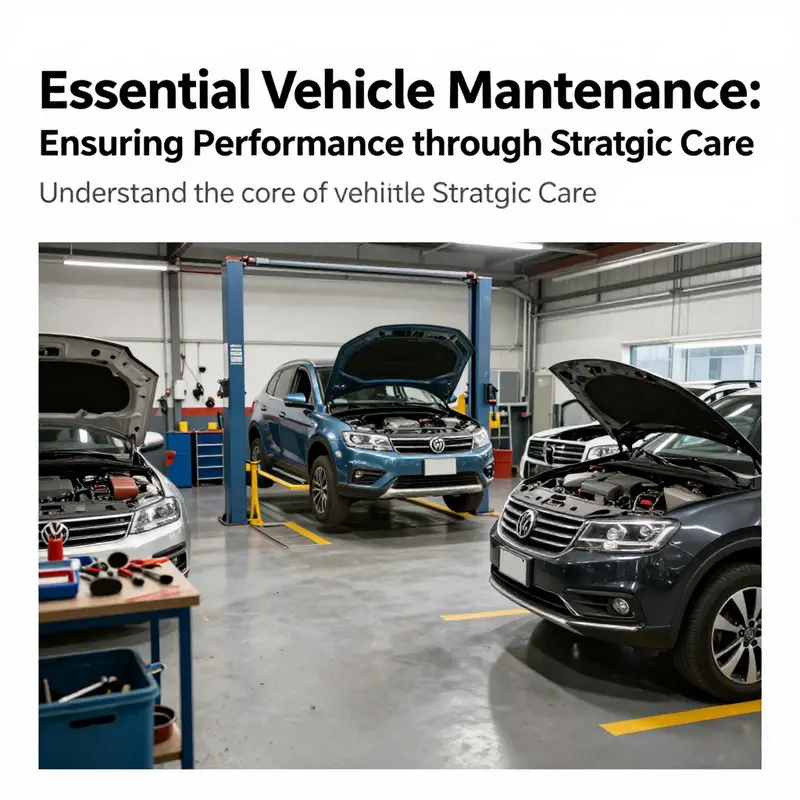
For business owners, maintaining a fleet of vehicles is not just about keeping operations running smoothly; it’s about ensuring safety, efficiency, and maximizing asset value. Vehicle maintenance consists of several fundamental components, each playing a critical role in keeping vehicles in optimal condition. This article delves into the essential elements of vehicle maintenance: fluid management, filter replacement, tire care, and mechanical checks. Each chapter will explore how these aspects contribute to the overall health of your vehicles, ensuring they perform reliably for your business endeavors.
Lifeblood Under the Hood: Fluid Management as the Core of Vehicle Maintenance
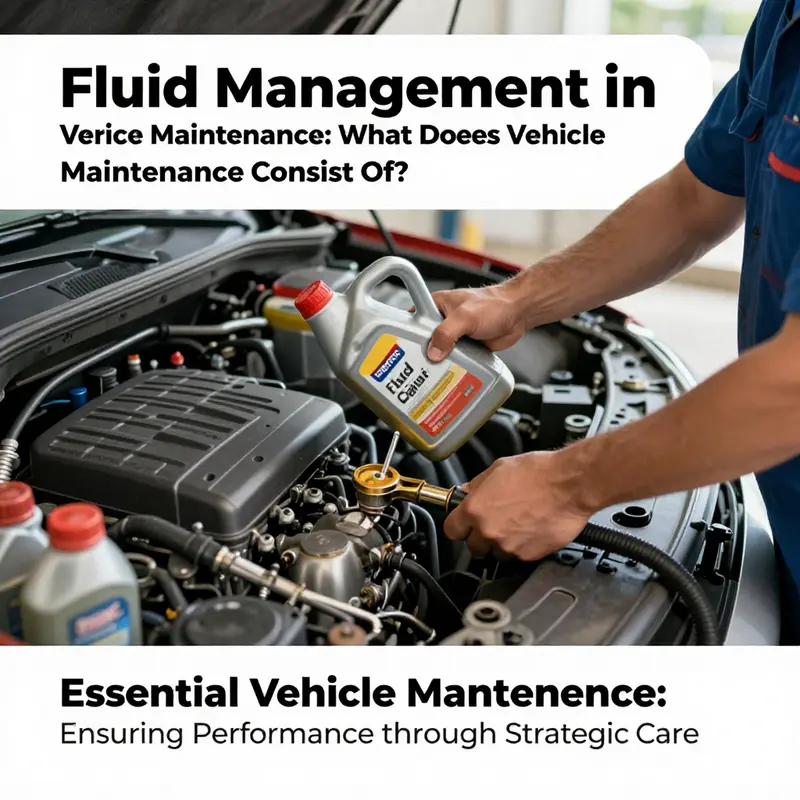
Fluid management is more than a routine checklist item. It is the quiet, continuous work that keeps a vehicle reliable, safe, and ready for the road ahead. When we talk about what maintenance consists of, the fluids system stands as the invisible backbone of the mechanical and electrical worlds that work together inside a modern vehicle. It is the steady rhythm that prevents heat from becoming a hazard, lubricates the moving parts that would otherwise burn from friction, and helps the brakes, steering, and transmission perform with predictability. In this sense, fluid management is not a separate task but a thread that weaves through every other part of maintenance. The engine oil that lubricates the heart of the machine, the coolant that keeps the coolant channels in balance, the brakes’ lifeblood, and the fluids that help steering and transmission move smoothly all share the same purpose: to preserve the integrity of systems that, if neglected, will deteriorate quickly and costly repairs will follow.
To understand fluid management as a core component, it helps to consider the range of fluids involved and the roles they play. Engine oil is perhaps the most familiar. It is not merely a lubricant but a cleaner, a heat conductor, and a shield against wear. A well-chosen grade, appropriate to the engine’s design and operating environment, reduces metal-to-metal contact, stabilizes temperatures, and aids in carrying away microscopic particles that would otherwise abrade surfaces. The decision between conventional, synthetic, or semi-synthetic oil is not merely about price. It is about performance under extremes of heat, cold, and load. The manufacturer’s guidelines, which synthesize years of engineering and testing, set the interval for oil changes. Those intervals can vary widely—from tight, high-stress engines in performance-oriented designs to the more forgiving cycles in some light-use vehicles—yet the principle remains the same: oil degrades with use, and the consequences of degraded oil are measurable, expensive, and avoidable with timely changes.
Coolant, or antifreeze, operates on a different axis but with the same seriousness. Its primary job is to keep the engine from overheating while providing protection against freezing in cold climates. It also prevents corrosion within the cooling system and helps maintain a stable operating temperature, which in turn preserves the efficiency of the combustion process and the longevity of the engine. The quality of coolant, its concentration, and the absence of leaks influence how well the system performs. A coolant that has lost its protective additives or has become acidic can corrode radiators, hoses, and water pumps, leading to leaks, reduced heat transfer, and, ultimately, engine damage. The small, often overlooked act of checking coolant levels and inspecting hoses can forestall major failures and expensive repairs.
Brakes rely on a different family of fluids that are every bit as critical to safety. Brake fluid is designed to transfer force through a hydraulic system, turning pedal travel into rotor engagement with minimal loss of pressure. But brake fluid is hygroscopic; it absorbs moisture from the air over time. That characteristic lowers the boiling point of the fluid, which can lead to vapor formation in the lines during heavy braking or high-speed stops. The result is spongy braking feel, reduced stopping power, and the potential for brake fade when conditions demand quick, confident stopping. Regular replacement or flushing is not optional; it is an essential part of maintaining braking performance and, by extension, occupant safety.
Power steering fluid, in vehicles that still rely on hydraulic assist, reduces steering effort and ensures precise control. While many modern vehicles migrate toward electric power steering, the fluid’s properties remain relevant in older designs or in some specialized systems. The fluid’s condition affects pressure delivery, response time, and the smoothness of steering inputs. When the fluid is degraded or contaminated, steering can feel stiff, inconsistent, or noisy. Even in electric systems, the hydraulic assist line may encounter fluid-related checks that ensure resonance-free performance and thermal stability.
Transmission fluid lubricates and cools the transmission’s internal components and is a cornerstone of smooth gear changes. In automatic transmissions, the fluid also serves as a hydraulic medium that creates the pressure necessary for gear engagement. Over time, transmission fluid can oxidize, accumulate particulates, and lose its viscoelastic properties. Service intervals that include fluid exchange or top-offs are critical to preserve shifting clarity and prevent harsh or slipping gears. Manual transmissions, while sometimes requiring different maintenance approaches, still benefit from clean, adequate lubrication to reduce wear and heat generation in synchronizers and gears.
Even something as simple as windshield washer fluid has its place in the broader scope of maintenance. While it does not affect the engine’s reliability in the same direct way as oil or coolant, a clear windshield is a safety device. Visibility matters for reaction time, awareness, and the ability to navigate adverse conditions. In winter months, de-icer formulations in washer fluid can prevent glaze, improving the driver’s field of view and reducing the risk of on-road incidents.
The scope widens further when considering vehicles that push the boundaries of performance and technology. Electric-drive vehicles, with their high-voltage battery systems, rely on dedicated coolant circuits to maintain battery temperature within a narrow band. Battery thermal management is vital for safety, longevity, and sustained performance. In such vehicles, the fluid ecosystem expands to include separate coolant loops for the motor, inverter, and battery pack. The discipline remains the same: monitor levels, check for leaks, ensure proper flow, and confirm that the thermal management system is not compromised by air pockets or contamination. This broader context highlights a fundamental truth: fluid management is not a narrow function but a cross-cutting principle of vehicle design and operation. It binds mechanical, electrical, and thermal domains into one continuous cycle of check, service, and verification.
A practical way to visualize these systems is to consider how maintenance schedules are built. Most modern maintenance plans operate on a calendar and a mileage framework that reflects typical wear and stress patterns across the vehicle’s life. Fluid checks and changes are embedded in these plans because fluids are consumables. They degrade through use. They are exposed to heat cycles and contaminants. They interact with filters and seals, and their failure can cascade into more serious failures elsewhere in the vehicle. The systematic approach to fluid management involves regular inspection, top-offs when levels are low, careful replacement when a fluid has degraded, and opportunistic checks for leaks and signs of contamination in the system. This is the essence of preventive care, where a few minutes of attention can stop a breakdown before it starts and protect both safety and value in the long run.
To connect theory with practice, imagine a routine service where a technician checks each fluid reservoir, tests the condition of hydraulic and air lines for cracks or leaks, and confirms that the cooling system’s radiator, hoses, and cap are sealing properly. The momentary act of checking a pale, sludgy oil versus a clean, amber oil isn’t just a matter of color. It reveals the oil’s life history: burning conditions, fuel dilution, contamination by dirt or metal particles, and a trace of coolant that might be leaking into the crankcase. The same applies to transmission fluid, where odors and color changes can provide early warnings of overheating or internal wear. The brake fluid’s clarity and lack of cloudiness indicate moisture content levels, which reveal moisture ingress that would reduce braking effectiveness under load. Even windscreen washer fluid, while seemingly trivial, serves as a reminder that the fluid ecosystem touches every driver decision that affects safety and comfort on the road.
These considerations gain additional nuance when we look at design features meant to protect the fluid systems themselves. Some modern cooling and hydraulic routes include drainage spouts and carefully engineered duct layouts that divert rainwater and other liquids away from sensitive components like radiators and electronic modules. Such details reflect a broader commitment to safeguarding the fluid system from environmental intrusions that could compromise performance. They illustrate how fluid management is not merely a set of maintenance tasks but part of the vehicle’s overall resilience strategy.
The interplay between fluid management and the other elements of maintenance becomes clear when you view a vehicle as an integrated ecosystem. Fluid levels influence engine combustion stability, which in turn affects emissions, fuel economy, and power delivery. The thermal balance created by the coolant system supports both engine efficiency and exhaust after-treatment systems. Clean, stable hydraulic and transmission fluids support predictable gear shifts and reliable braking performance. Even the seemingly peripheral fluids contribute to safety and comfort by ensuring visibility through clean windshield washers. In short, fluid management is the connective tissue that keeps the vehicle’s heart beating smoothly and its nervous system responding promptly to driver input.
But what does this mean for a car owner in practical terms? It means adopting a mindset that treats fluid health as a proxy for overall health. It means resisting the impulse to “tend to the big things” while neglecting the routine checks that occur with oil, coolant, and other fluids. It means using the owner’s manual as a guide not for the novelty of the best-possible scenario but for the most realistic, temperature, load, and fuel-quality conditions your vehicle will experience. It means acknowledging that fluids are not forever. They wear out, they degrade, and they exhibit early signs of failure in ways that you can learn to recognize: rising engine temperatures, longer braking distances, or a transmission that hesitates as it attempts to select a gear. Each symptom is a message from the vehicle that a fluid system needs attention.
To further connect the threads, consider the role of regular maintenance documentation. A well-kept service history that records oil change intervals, coolant top-ups, brake fluid replacements, and transmission fluid service creates a durable baseline. When the vehicle is older, or when it experiences unexpected driving conditions, this history becomes a map that helps technicians diagnose problems more quickly and accurately. In this sense, fluid management is not only about preventing failures; it is also about maintaining traceability and confidence in the vehicle’s ongoing performance.
The case for inclusive, proactive fluid management grows stronger when we recognize how fluid health echoes in the vehicle’s future performance and resale value. A vehicle whose fluid systems have been well cared for is less likely to require major, disruptive repairs. It tends to be more reliable, safer to operate, and more economical over time. This is not a theoretical claim; it is the observable outcome of a maintenance approach that treats fluids as a living component of the machine, not merely a backdrop to more dramatic repairs. And because fluid management sits at the intersection of mechanical function, safety, and efficiency, it naturally integrates with the broader conversation about what maintenance consists of. It reminds us that maintenance is not a one-off event but a continuous discipline that supports every other system on the vehicle.
A practical takeaway for readers is to view the recommended maintenance schedule as a living document rather than a static list. Each fluid category has its own cadence, yet those cadences synchronize with the vehicle’s overall operating profile. When the manual calls for an oil change every few thousand miles and a coolant check between seasons, those are not competing demands. They are coordinated steps designed to preserve the engine’s life, safeguard the cooling loop, and protect the integrity of hydraulic and transmission systems. The goal is to keep the vehicle in a state that minimizes surprises and maximizes safety, efficiency, and longevity. In this light, fluid management is a craft as much as a procedure: a habit formed by attention, discipline, and a clear understanding that even the smallest top-off or filter change contributes to a larger ecosystem of reliability.
To connect to the broader article, which surveys what vehicle maintenance consists of, it is useful to recognize how fluid management integrates with the more mechanical and electrical checks described in other chapters. Fluid levels interact with oil filters that trap contaminants, with air filters that influence engine performance, and with fuel systems that deliver clean energy. The interplay matters because a small decrease in one area can cascade into performance degradation elsewhere. The chapter on fluid management thus serves as a bridge between theory and practice, explaining why certain tasks matter in the daily life of a driver and how those tasks reflect the deeper design philosophy behind modern vehicles. For those who want a quick framework, a concise summary can be found in a broader overview of vehicle maintenance that outlines how routine fluid checks underpin the health of the entire vehicle system. What does vehicle maintenance entail? It includes those fluid checks and changes among many other tasks, and this chapter has offered an integrated view of why that is the case. If you’d like to explore a concise overview in more reader-friendly terms, you can read a related explainer here: What does vehicle maintenance entail.
In closing, fluid management is not simply a maintenance line item; it is the sustained care that keeps the vehicle’s interior ecosystems and exterior performance in balance. It is the evidence that good maintenance is practical, observable, and impactful in daily driving. By attending to engine oil, coolant, brake fluid, power steering fluid, transmission fluid, and even windshield washer fluid with intent and regularity, drivers invest in reliability, safety, and the long-term value of their vehicle. The science behind this care is robust, the practice straightforward, and the payoff tangible: fewer breakdowns, smoother operation, and a vehicle that remains faithful to its promises over time. External resources offer further validation of this approach, including guidance on high voltage battery cooling in electric-drive platforms, which underscores the universality of fluid management principles across vehicle types: https://www.tesla.com/support/vehicle-maintenance
Filters: The Quiet Guardians of Your Vehicle — How Filter Replacement Shapes Reliable Maintenance
Filters: The Quiet Guardians of Your Vehicle — How Filter Replacement Shapes Reliable Maintenance
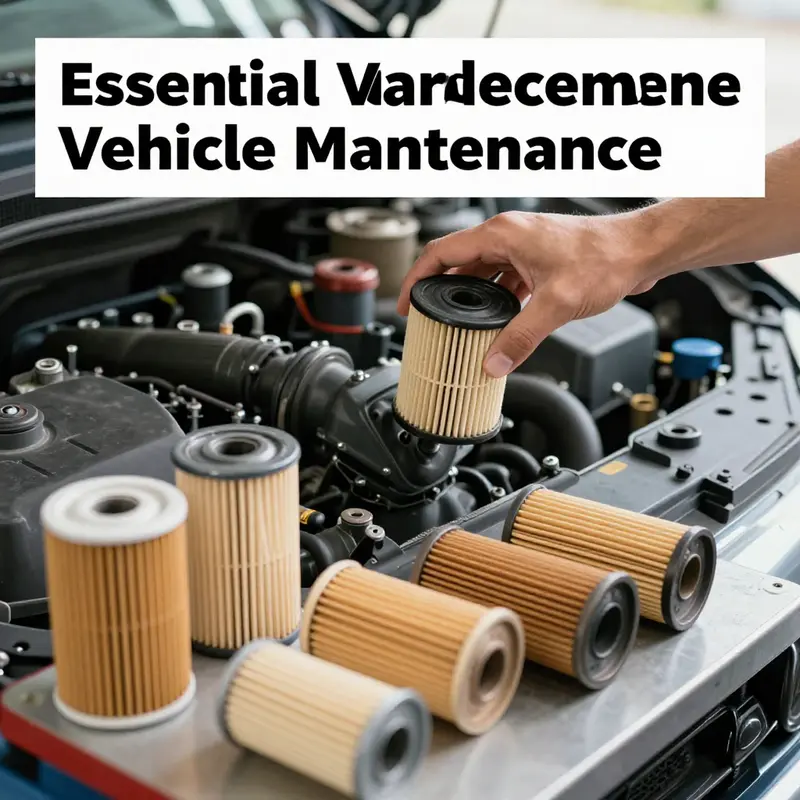
Filter replacement is one of those maintenance tasks that feels small while delivering outsized benefits. It rarely attracts attention until a clogged filter starts to cause symptoms you can no longer ignore. Yet filters protect the engine, the fuel system, the cabin environment, and even the lifespan of fluids and components. In the context of what vehicle maintenance consists of, filters sit at the intersection of preventive care and system protection. They keep contaminants out, ensure efficient operation, and reduce wear. Understanding why each filter matters, when to replace it, and how to integrate replacements into a broader maintenance plan turns a routine job into a strategic investment in safety, economy, and longevity.
A vehicle contains several filters, each designed for a specific role. The air filter keeps dust and debris out of the combustion chamber. The oil filter removes metal particles and contaminants from engine oil. The fuel filter cleans fuel before it reaches injectors and pumps. The cabin air filter protects the occupants and HVAC system from pollen, dust, and pollutants. Each of these components plays a distinct role in system health. When one filter degrades, it affects more than its immediate domain. A clogged air filter reduces engine breathing, lowering power and fuel efficiency. A failing oil filter allows abrasive particles to circulate, increasing wear. A contaminated fuel filter may restrict flow and strain the fuel pump. A blocked cabin filter reduces ventilation and degrades air quality.
The decision about when to replace a filter cannot rely on guesswork. Vehicle manufacturers publish recommended intervals for filter changes in the owner manual. These intervals reflect engineering design, expected contaminant loads, and service life under normal conditions. Yet many drivers operate in conditions that differ from that baseline. Driving in dusty environments, heavy stop-and-go traffic, or extreme climates shortens filter life. Road salt, construction dust, and agricultural particulates are examples of contaminants that accelerate degradation. For that reason, a good maintenance plan adapts manufacturer guidance to local realities. Inspect filters visually at scheduled intervals and adjust replacement timelines when environmental stressors increase.
Routine replacement is not only about timing. The method matters. For example, replacing an engine air filter is generally straightforward and fast. Many vehicles use a replaceable pleated paper element housed in a plastic box. When replacing it, ensure the housing seals properly and that no leaves or debris remain inside. A poorly seated filter or a missing seal defeats the purpose of the replacement. Similarly, oil filter changes should pair with an oil change. When you replace the oil but leave a loaded filter in place, you allow contaminants to remain trapped where they can re-enter the oil stream as conditions change. During a combined oil-and-filter service, inspect the old filter for unusual deposits or metal shavings. Those clues can reveal early wear or engine problems that merit further diagnosis.
Fuel filter replacement follows a similar logic, yet it carries its own safety points. Fuel systems operate under pressure, and changing a fuel filter can expose fuel to open air. Proper procedures minimize fire risk and prevent introducing air into the lines. Additionally, some modern vehicles feature fuel filters integrated in the tank or within the fuel module. Those filters may not be intended for routine service and might be replaced only when symptoms appear or during major repairs. Learn the specific layout for your vehicle before attempting replacement. Professional service may be the safer option for complex or high-pressure fuel systems.
Cabin air filters receive less attention among mechanically minded drivers but matter greatly for comfort and health. They trap pollen, dust, and exhaust particles that would otherwise enter the passenger compartment. In urban or high-pollen areas, a clogged cabin filter reduces HVAC efficiency and can promote unpleasant odors or fogging. Replacing cabin filters is typically inexpensive and quick. Yet it has immediate perceptible benefits: cleaner air, stronger airflow, and fewer HVAC odors. If anyone in your household suffers from allergies, more frequent cabin filter changes are a simple, impactful step.
A deeper understanding of filters highlights their role as guardians of fluids and moving parts. Oil and fuel filters directly influence the chemical and mechanical environments inside engines and fuel systems. Particles the size of sand grains or smaller can act as abrasive agents inside tight clearances. Over time, these particles accelerate wear on bearings, cylinder walls, and injection system components. Filters catch and hold most of these particles, but their capacity is finite. Once capacity nears exhaustion, pressure differentials increase. Modern filters incorporate bypass valves to keep flow constant even when clogged. While this prevents immediate starvation, it also allows unfiltered fluid to circulate. That is the moment when a clogged filter becomes a risk rather than a protection.
The practical consequences of neglected filters add up quickly. Loss of engine performance from a clogged air filter reduces fuel efficiency and increases emissions. Blocked fuel filters can lead to stalling, poor acceleration, or difficulty starting. A saturated oil filter can cause oil pressure fluctuations, which may trigger warning lights or cause inadequate lubrication during demanding conditions. Beyond these immediate performance issues, the long-term cost is clear: more frequent component replacements, premature wear, and higher repair bills. Filter replacement is therefore a cost-effective preventive measure. It preserves performance and reduces the chance of expensive repairs caused by contamination.
Integration is key. Filter replacement should not be a siloed activity. It fits naturally into broader service events. For instance, during an oil change, replace the oil filter and inspect related elements like the oil pan gasket, drain plug, and the condition of the drained oil. During a tune-up or scheduled inspection, check the air filter and fuel filter. Cabin filter replacement pairs well with HVAC inspections. By grouping these tasks, you reduce labor time and avoid missed opportunities. A holistic maintenance schedule ties filter changes to fluid changes, tire checks, brake inspections, and electronic diagnostics. This integrated approach ensures that filters are not the only items maintained, and it exposes related wear patterns early.
Records matter. Keep a simple log of filter replacements and the conditions present at the time of service. Note odometer readings, dates, and any observations about the removed filter. Photos of heavily contaminated filters can be useful documentary evidence if warranty claims or further diagnostics become necessary. Well-kept records also guide future intervals. If you find a fuel filter clogged early in one season, you can anticipate more frequent changes that year. When a workshop replaces filters, ask for the old units back or for a technician to show them to you. Seeing the degree of contamination helps you internalize the importance of this preventive step.
Deciding between professional service and DIY replacement depends on the filter type and your comfort with mechanical tasks. Many air, oil, and cabin filters are designed for accessible, user-friendly replacement. These tasks require simple tools and basic safety care. Fuel filter replacement or systems requiring special tools or calibration are best left to professionals. Improper installation of filters can lead to vacuum leaks, fuel leaks, or bypassed seals. If you choose to DIY, follow torque specifications and sealing procedures exactly. Use new gaskets or O-rings when provided, and ensure proper orientation. A wrongly fitted filter may offer no protection at all.
Environmental responsibility is an important dimension of filter replacement. Used filters contain trapped contaminants and, in the case of oil filters, residual lubricants. Dispose of them according to local regulations. Many service centers accept used filters for recycling, or they partner with recycling programs that extract the metal and dispose of waste oil safely. Improper disposal contaminates soil and water. If you handle filter replacements yourself, research municipal hazardous waste collection services or approved recycling centers. Responsible disposal protects the environment and often complies with legal requirements.
There are also cost considerations and ways to stretch value without cutting corners. Purchasing filters from reliable sources and choosing the correct specification for your vehicle is more effective than buying the cheapest option. Filters that match manufacturer specifications ensure proper fit and filtration efficiency. Some filters promise extended service intervals; they may be effective under certain conditions but require a careful evaluation of your driving environment. When in doubt, follow manufacturer recommendations and adjust for harsher conditions rather than relying on extended-interval claims.
Symptoms of filter-related issues are usually detectable if you know what to look for. Reduced engine power, poor throttle response, and elevated fuel consumption suggest restricted air or fuel flow. Frequent engine misfires or rough idling can indicate fuel contamination or clogged injectors resulting from inadequate filtration. Elevated exhaust smoke may be linked to poor air-fuel balance due to filter restriction. For oil filters, sudden oil pressure drops or cloudy oil on dipstick checks hint at filtration problems. For cabin filters, faint musty smells, reduced airflow from vents, or windshield fogging when the HVAC runs are clear signs of a clogged cabin filter.
Beyond symptom recognition, preventative checks can reduce surprises. At routine intervals, perform these quick inspections: remove the air filter and hold it to a light source. If light does not pass through most of the media, replacement is due. Check the cabin filter for visible dirt or discoloration. Inspect hoses leading to the airbox for tears or gaps that could allow unfiltered air in. For oil filters, look for signs of external leaks around the gasket area after an oil change. For fuel systems, note any recurrent fuel-related symptoms and trace them to the filter and pump before more serious components fail.
Modern vehicles also introduce nuanced considerations. Some engines employ advanced filtration strategies, such as secondary fuel filters, additional in-line filters, or integrated filtration inside modules. Diesel engines and turbocharged gasoline engines often face higher particulate loads and may need more robust filtration or more frequent servicing. Hybrid and electric vehicles reduce some filter needs — for example, no engine oil filter in a pure electric vehicle — but they still have items like cabin air filters and, in some designs, coolant filters. Understanding the specific architecture of your vehicle is essential for effective maintenance.
Communication with your service provider improves outcomes. Ask technicians to describe the condition of replaced filters and to point out any anomalies. A proactive technician will mention when a filter required unusually early replacement and will explain possible causes. That explanation can trigger targeted checks, such as inspecting a failing air intake snorkel or a deteriorating fuel sieve. If you handle your own maintenance, join vehicle owner forums or consult maintenance guides to compare experiences with others who drive similar models in similar environments. Peer knowledge helps calibrate your maintenance schedule to real-world conditions.
Finally, think of filters as part of a larger philosophy of preventive vehicle care. They are low-cost components that defend expensive systems. Replacing a filter is rarely glamorous, but it reduces risk and maintains performance. When filters are managed as part of a structured maintenance plan, they contribute to predictable ownership costs, safe operation, and retained vehicle value. Ignoring them invites hidden damage that shows up later as higher repair bills and downtime.
For a concise overview of what vehicle maintenance consists of, including the role of filters within scheduled care, consult this practical guide on vehicle maintenance. It aligns the routines discussed here with broader service system thinking and helps place filter replacement into your complete maintenance plan: what is vehicle maintenance?
For additional reading on recommended intervals and detailed perspectives from a reputable source, see the related discussion at Autocar: https://www.autocar.co.uk/car-review/what-does-vehicle-maintenance-consist-of
Tire Care and Mechanical Checks: The Practical Heartbeat of Vehicle Maintenance
Tire Care and Mechanical Checks: A Continuous, Practical Guide
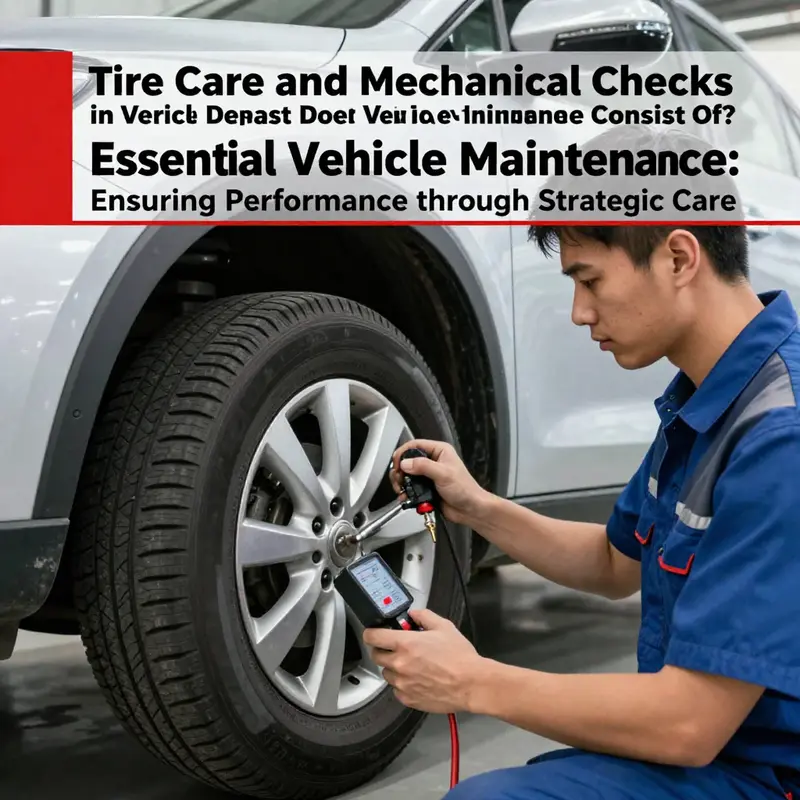
Tire care and mechanical checks form the practical heartbeat of vehicle maintenance. They are where routine habits meet mechanical reality, and where small, regular actions prevent large, expensive failures. Tires translate engine power into motion and hold the vehicle to the road. Mechanical systems keep that motion controlled, safe, and reliable. Together, they determine safety, fuel use, ride quality, and long-term ownership cost. This chapter weaves together the essential tasks, observations, and decision points that keep tires and mechanical systems in working order, with clear practices you can adopt whether you handle maintenance yourself or manage it with a shop.
Tires deserve constant attention because they wear and fail under many stresses. A tire carries the vehicle’s weight and absorbs shocks from rough roads. Rapid acceleration, hard braking, tight turns, potholes and curb impacts all create concentrated stress. Over time these stresses change the tire’s shape and compound small defects into serious problems. Regular pressure checks are the single most effective daily habit. Underinflation increases rolling resistance, reduces fuel economy, and causes excess heat that weakens internal tire structure. Overinflation concentrates wear down the center of the tread and reduces the tire’s footprint, degrading grip. Use the vehicle manufacturer’s pressure recommendation, not the number molded into the tire sidewall. Check pressure cold, before driving, and inspect each tire visually for sidewall bulges, embedded objects, cuts, or cracking.
Tread depth and wear pattern give immediate clues to alignment, suspension, and inflation issues. Uneven wear across a tire suggests misalignment, worn suspension components, or inconsistent pressures. Feathered wear often points to incorrect toe settings or worn ball joints and tie rods. Center wear versus edge wear separates inflation problems: center wear signals overinflation, while edge wear indicates underinflation. Use a simple tread gauge or a coin to check depth regularly. Replace tires whose tread is worn past safe limits or which show deep chips, cords, or exposed plies.
Rotation and balancing extend tire life and preserve consistent handling. Rotating tires at the intervals recommended in the owner’s manual balances the wear between driven and non-driven wheels. Balancing corrects small weight imbalances that cause vibration and uneven tread wear. Wheel alignment keeps the wheels pointed correctly relative to one another and the road. Misalignment not only accelerates tire wear but degrades steering feel and handling. Have alignment checked if you notice the vehicle pulling to one side, if the steering wheel is off-center, or after hitting a curb or pothole at speed.
Tire repairs and replacements should prioritize safety over cost. Small punctures in the tread area can often be repaired professionally if the damage is limited and the inner structure is intact. Sidewall damage is non-repairable because the sidewall flexes and bears load; replacement is the safe choice. Keep a usable spare and a toolkit for roadside repairs if your vehicle lacks a full-size spare. Modern vehicles often have run-flat tires or tire repair kits; understand your vehicle’s system and practice using it, or you may face a dangerous or expensive surprise.
Contaminants and storage matter. Oil, gasoline, solvents and certain chemicals degrade tire rubber. If tires come into contact with such substances, clean them promptly with water and mild detergent. When a vehicle is parked for long periods, store it away from direct sunlight and extreme temperature swings. UV light and heat accelerate rubber aging, stiffening the compound and making it prone to cracking. If long-term storage is expected, move the vehicle occasionally or use stands to relieve load from the tires.
Tire pressure monitoring systems (TPMS) reduce the need for guessing, but they are not a substitute for manual checks. Sensors can fail or lose calibration. A slow leak can go unnoticed until the system detects a very low pressure. Make manual pressure checks part of your routine and inspect the sensor valves during rotations or service.
Tires do more than affect safety. They play a major role in fuel economy and emissions. A tire under the correct pressure reduces rolling resistance and improves miles per gallon. Proper alignment and balanced wheels reduce drag and wear, saving fuel and money across thousands of miles. If you want a deeper discussion on how regular care reduces fuel consumption, see this practical guide on how vehicle maintenance saves on gas expenses: how vehicle maintenance saves on gas expenses.
Authoritative safety guidance is available and useful. For actionable tips and official recommendations on tire safety, consult national resources, such as the NHTSA tire safety page (https://www.nhtsa.gov/vehicle-safety/tire-safety).
Moving from tires to the mechanical systems they support, inspections should be systematic and repeatable. A checklist approach helps ensure nothing is missed. Start with fluids and lubrication because they are the lifeblood of moving parts. Engine oil reduces friction, carries heat away, and traps contaminants. Follow manufacturer guidelines for oil type and change interval. Modern engines often require synthetic oils with stricter change intervals. Check oil level with a dipstick when the engine is cool, and look for signs of contamination such as milky discoloration, which could indicate coolant in the oil.
Transmission and differential fluids also need periodic inspection and replacement. These fluids protect gears and bearings under heavy load. Low levels or dirty fluid can indicate leaks or internal wear. Power steering fluid and brake fluid play distinct roles and have different replacement intervals. Brake fluid absorbs moisture over time, which reduces boiling point and degrades braking efficiency. Regularly check brake fluid condition and level. If the fluid is dark or contains visible particles, have it flushed and replaced.
Belts and hoses live a hard life. Rubber belts drive alternators, pumps and compressors. Cracks, glazing, or missing ribs on a belt indicate wear. Hoses carry coolant and vacuum; soft spots, softening, bulges, or leaks signal impending failure. When replacing belts, follow recommended tension settings. Over-tightening shortens bearing life; under-tightening reduces accessory performance.
The braking system is critical to inspect thoroughly and frequently. Brake pads and shoes wear with use, and rotors or drums can develop scoring or warping from heat. Many pads have wear indicators that create a noise or trigger a sensor when replacement is due. A spongy pedal can indicate air in the lines or degraded fluid. Brake lines should be checked for corrosion, kinked sections, and proper routing. ABS and electronic braking aids require functional sensors and clean wiring; sensor fouling or damaged tone rings can create false warnings. Always service brakes in a clean area and follow torque specifications for caliper and wheel fasteners.
Suspension components control ride, handling, and tire contact. Shock absorbers and struts damp vertical motion. Worn shocks cause body roll, increased braking distances, and uneven tire wear. Bushings isolate road noise and take alignment loads; when they degrade, alignment geometry shifts under load. Inspect ball joints, control arm bushings, sway bar links, and tie rods for play and deterioration. Grease fittings on serviceable joints prolong life; sealed joints must be replaced when worn. Steering racks and power steering systems should be checked for leaks and proper operation. A tight, responsive steering feel signals healthy components.
Fasteners and structural checks are often overlooked yet critical. Vibrations and road shocks can loosen bolts and nuts over time. Inspect and torque critical fasteners on suspension mounts, engine mounts, and chassis brackets to recommended values. Loose hardware can lead to catastrophic component separation. Use a calibrated torque wrench and follow sequence patterns for critical assemblies.
Electrical and sensor systems are the vehicle’s nervous system. Start with the battery and its terminals. Clean terminals prevent voltage drop and poor starting. Test the battery under load to estimate remaining capacity. Alternator output should charge the battery properly; low output hints at worn brushes, diodes, or belt slippage. Wiring and connectors should be free of corrosion and secure. Look for chafed insulation where wiring runs near moving parts or sharp edges.
Lighting and signal systems are simple but essential. Check headlights, taillights, turn signals, hazard lights, and interior lights regularly. Replace bulbs or repair circuits promptly. Faulty lighting reduces visibility and increases accident risk. For vehicles with advanced sensors and cameras, cleanliness is vital. Even light dust, mud, or debris on a camera lens or lidar window can reduce sensor effectiveness and corrupt data. Clean sensors with soft, non-abrasive materials and non-corrosive cleaners. When cleaning, protect nearby electronic controls to avoid short circuits and damage.
Specialized vehicles with on-board monitoring equipment, like inspection trucks, require extra care. Calibration is as important as cleanliness. Sensors drift over time and under temperature changes. Establish a calibration schedule and record each calibration event. Keep spare sensors or calibration standards on hand when field work demands continuous operation. Protect sensitive instrumentation from vibration with appropriate mounting and damping.
Maintenance is not only about replacing parts. It is about preserving working ability through predictable, documented actions. Keep a clear, dated record of every inspection, fluid change, repair, and replacement. A maintenance log shows trends: rising oil consumption, gradual leakage, or accelerating brake wear. These trends allow predictive maintenance. Predictive maintenance reduces downtime and can prevent failures before they happen. If you manage a fleet, centralize records and analyze them periodically for recurring issues or part lifetimes. That data informs procurement and training decisions.
Proper storage and environmental protection extend component life. Avoid leaving vehicles exposed to prolonged moisture, salt spray, or UV light. Corrosion control starts with cleaning and extends to protective coatings on vulnerable metal parts. For vehicles stored long-term, use battery maintainer devices to preserve charge and prevent sulfation. Stabilize fuel in gasoline engines if storage exceeds a few months, and run the engine occasionally to circulate fluids and maintain seals.
Deciding what to service yourself and what to outsource depends on skill, tools, and safety. Tasks like pressure checks, fluid top-offs, basic filter replacements, and visual inspections are accessible to many owners. Procedures requiring lifts, press tools, torquing to specification, or complex diagnostics are safer in professional hands. Use proper personal protective equipment when working on brakes, batteries, and other hazardous systems. Dispose of used fluids and filters responsibly at designated collection centers.
A maintenance program becomes effective when it is predictable and consistent. Establish intervals based on manufacturer guidance, but also adapt them to operating conditions. Vehicles used in severe service—heavy towing, dusty roads, extreme temperatures, or frequent stop-and-go trips—need more frequent inspection and faster fluid changes. Keep a simple checklist for each service visit that includes tires, brakes, fluids, filters, lights, battery, belts, hoses and fasteners. Check and record values such as tire pressure, oil level, and brake pad thickness so changes over time are visible.
Finally, safety and practicality guide every maintenance choice. When replacing components, use parts that meet or exceed the original specification. Follow torque values, tightening sequences, and service procedures. Protect electronic modules during work by disconnecting the battery when appropriate and grounding yourself against static discharge. Test the vehicle after any significant intervention. A short road test under safe conditions reveals loose fasteners, alignment issues, brake irregularities or warning lights.
Tire care and mechanical checks are not separate chores; they are parts of the same system. Good tires reduce strain on suspension and brakes. Proper lubrication reduces stress on drivetrain components. Clean sensors improve braking and stability systems. A disciplined maintenance habit preserves safety, optimizes fuel use, and extends component life. Adopt a consistent routine, keep clear records, and know when to call a professional. These practices keep the vehicle ready, reduce unexpected downtime, and help protect occupants and the vehicle’s value over time.
Final thoughts
In conclusion, effective vehicle maintenance encompasses fluid management, filter replacement, tire care, and thorough mechanical checks. Each component is integral to maintaining the safety, reliability, and longevity of vehicles within a business fleet. By prioritizing these maintenance tasks, business owners can enhance the efficiency of their operations, reduce downtime, and maximize asset value. Regular maintenance is not just a cost—it’s an investment in your fleet’s performance.