
For business owners utilizing vehicles, maintenance is not just a routine chore but a crucial component of operational efficiency and safety. Understanding what constitutes essential maintenance items on a vehicle can save costs and enhance performance while ensuring the reliability of your fleet. This guide explores critical areas, including engine fluid management, braking systems, and tire and suspension care, providing insights for better management decisions and adopting practices that align with long-term business goals.
The Engine’s Quiet Lifeline: Delving into Fluids, Belts, and the Rhythm of Vehicle Maintenance
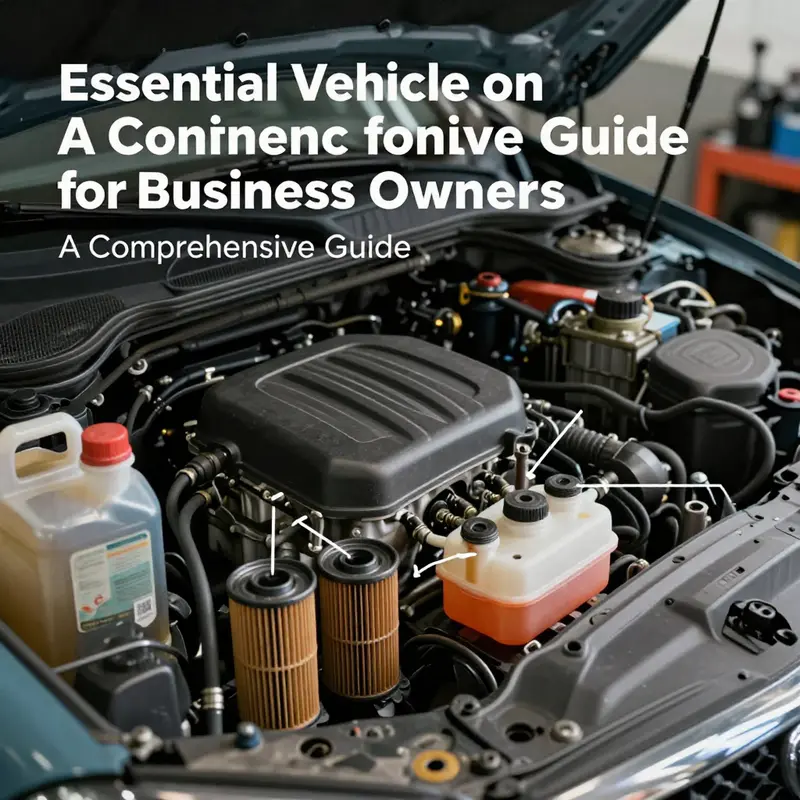
The engine is the heart of a vehicle, yet its vitality is often measured not by noise or power alone but by the quiet integrity of a suite of support systems that keep it lubricated, cooled, and synchronized with every turn of the wheels. When we talk about maintenance items, the engine and its fluids form the most immediate conversation. They are the daily guardians of performance and longevity, the first line of defense against overheating, friction, and fuel inefficiency. A well-tuned engine rewards careful attention with smoother starts, steadier idle, consistent acceleration, and, materially, a longer life for components that would otherwise wear out prematurely. This chapter follows that logic, tracing how inspection of fluids, hoses, and related components becomes a practical practice rather than a ceremonial ritual. It also links the routine tasks to real-world outcomes, such as fuel economy, emissions, and the vehicle’s resale value, which hinge on a well cared-for core system rather than on cosmetic upkeep alone.
Begin with the fluids, the lifeblood that travels through the engine and surrounding subsystems. Each fluid has a distinct role, a color and a clarity that tell a story about conditions inside the machine. Engine oil, the most familiar, does more than lubricate. It calms hot metal surfaces, carries away microscopic particles, and helps maintain the engine’s temperature balance by conducting heat away from the moving parts. The basics of oil care are simple in concept but important in practice. Mineral oil typically requires replacement every roughly 5,000 kilometers under normal driving, while semi-synthetic extends to about 7,500 kilometers, and full synthetic to around 10,000 kilometers. In real-world conditions, many drivers see longer intervals, but the manufacturer’s guidelines remain the most reliable compass. Driving in extreme heat, towing heavy loads, or frequently short trips that don’t bring the engine to operating temperature can shorten these intervals. Even the best oil cannot compensate for neglected filtration, contamination, or a degraded oil screen; hence the oil filter, which acts as a sieve, must be changed in concert with the oil to preserve the oil’s lubricating integrity and to prevent abrasive debris from circulating through the engine’s bearings and cam lobes.
Air enters the combustion chamber after passing through an air filter that has the dual job of keeping dust from wearing cylinders and throttle bodies and ensuring optimal air-fuel ratios for efficient combustion. Replacing the air filter at intervals of roughly 10,000 to 20,000 kilometers prevents contaminants from sneaking into the engine, improving combustion efficiency and reducing unnecessary strain. The fuel system has its own filtration stage, which helps to maintain pressure and protect injectors and pumps. A typical replacement interval for the fuel filter sits around 20,000 to 40,000 kilometers, though some modern fuel-delivery systems are designed with filters that last longer or shorter, depending on design and fuel quality. Regular attention here helps sustain steady fuel delivery and consistent combustion, which in turn supports smoother acceleration and better fuel economy over time.
Cooling system maintenance stands apart because temperature control is a nonnegotiable driver of engine longevity. Coolant, or antifreeze, is not merely a colorfully dyed liquid; it contains corrosion inhibitors and additives that protect passages, prevent freezing, and aid heat transfer. The coolant should be refreshed every two to three years, or per the manufacturer’s outlined schedule. When coolant degrades, it can form sludge or lose its protective properties, allowing hotspots to develop and potentially causing head gasket failure or warped engine components. A simple visual check—color, clarity, and the presence of oily or metallic films—goes a long way toward catching early coolant-related issues before they become expensive repairs. This is why a trained technician will often supplement a fluid-level check with a fast visual scan of hoses and clamps to ensure there are no signs of seepage.
The belts and hoses that cluster around the engine bay are the connective tissue of the vehicle. The serpentine belt, or any drive belt that powers accessories such as the alternator and the air conditioning compressor, must display a clean surface with no cracks, fraying, or excessive wear. A failing belt can slip, crack, or snap, and the consequences range from a drained battery to an immobilized cooling fan. Hoses convey not only coolant but also refrigerant lines, vacuum lines, and sometimes fuel lines, depending on the design. They should be free of bulges, soft spots, or signs of leakage. A deteriorating hose can burst under pressure, causing overheating or sudden loss of coolant. The diagnostic eye, in routine service, should sweep for perishing insulation, brittle sections, and any early signs of leaks around hose connections. Early replacement saves the stress and risk of roadside failures.
In parallel with fluid health, the engine’s immediate performance hinges on clean spark plugs, a healthy air intake, and a reliable battery. Spark plugs are the ignition’s champions, translating the air-fuel mixture into a controlled flame that begins the combustion sequence. Intervals for plug replacement vary widely with the type of metal used. Nickel alloy plugs typically require attention around 20,000 to 30,000 kilometers, platinum plugs around 40,000 to 60,000 kilometers, and iridium plugs can stretch to 80,000 to 100,000 kilometers. The differences reflect a balance between durability and conductive efficiency. A worn spark plug can cause misfires, rough idle, and reduced fuel economy, particularly under load or during cold starts. The air intake system should also be periodically inspected for clogged or dirty air filters that can throttle power and waste fuel. Battery health matters as well; corroded terminals or insufficient charge can throw off starting reliability and, in severe cases, lead to an abrupt shutdown of electronic systems mid-journey. Each of these components contributes to the engine’s ability to deliver the promised performance without demanding excessive fuel or emitting unnecessary exhaust.
Beyond the obvious fluids and components, a deeper diagnostic approach becomes valuable as the ecosystem ages. Technicians often rely on diagnostic tools to read fault codes from the vehicle’s onboard computer, which can highlight issues long before they become audible or visible. A compression test may reveal cylinders that are not sealing properly, hinting at worn rings or valve problems that could erode engine efficiency and reliability. A visual examination of the exhaust system can reveal leaks, damaged catalytic converters, or degraded seals that permit harmful emissions to escape or that reduce engine efficiency via backpressure or incomplete combustion. Taken together, these diagnostics help confirm whether a maintenance item is simply performing within tolerances or signaling a looming failure that would demand more invasive interventions later.
The value of this maintenance logic extends far beyond the mechanical. Vehicles that stay within well-managed maintenance cycles tend to run more efficiently. When engines operate with clean oil and properly functioning filters, friction is minimized, heat is managed, and fuel is more effectively translated into forward motion. The improved efficiency manifests as steadier miles per gallon, lower emissions, and a reduced likelihood of sudden breakdowns that can escalate repair costs. In practice, owners who adopt a disciplined fluid and component check timetable often report quieter idling, crisper throttle response, and a more predictable driving feel. The sense of reliability that comes from knowing the core systems are healthy contributes to confidence on the road and to a more predictable depreciation curve when it comes time to sell or trade the vehicle.
In terms of day-to-day habits, the most actionable routine for engine and fluid health is a regular self-check combined with a professional service cadence. A monthly glance at the oil dipstick and coolant reservoir is a practical starting point; note color, level, and the presence of any film or particulates. If the oil appears unusually dark or gritty, or if the coolant shows a rusty tinge, it is time to schedule a service visit. Checking the transmission fluid and power steering fluid, where applicable, helps ensure hydraulic systems maintain their pressure and response without surging or chatter during gear changes. The air and fuel filtration deserve equal attention, especially in areas with dusty roads or heavy traffic where filter clogging can occur with surprising speed.
This approach also invites a more thoughtful engagement with maintenance intervals. Manufacturer guidelines anchor the schedule, but the actual life of a component depends on operating conditions, climate, driving style, and load. For example, a vehicle that spends most of its time in stop-and-go urban driving may accumulate contaminants in the oil and degrade filters faster than one that mostly travels on highways in temperate conditions. The same logic applies to coolant and belts; heat exposure, humidity, road salt, and vibration can all influence wear rates. As a result, the period between full-service visits should be adjusted to reflect lived realities, not only the calendar. The goal is to maintain a steady rhythm: routine checks, preventative replacements before failure, and the occasional deeper diagnostic to catch hidden issues that routine checks might miss.
For readers seeking a concise reminder of how this theory translates into practice, consider this point: even small, routine checks can reveal a lot about a vehicle’s health. A dipstick reading this week that shows oil of normal level but unusually dark color may indicate contaminants or poor oil quality, prompting an oil change and a filter inspection. A coolant that remains at the correct level but shows a murky hue or signs of oil in the reservoir could signal a leak in a head gasket or another cooling system fault. By tracking changes in color, level, and cleanliness, drivers can catch issues early and avoid the cascading effects of heat, friction, and fuel waste that arrive when maintenance is postponed. It is not merely a matter of adding maintenance for maintenance’s sake; it is about preserving engine health, protecting other components that depend on it, and sustaining the vehicle’s performance envelope over the long run.
The broader literature and professional guidance reinforce this integrated view of engine and fluid maintenance. Comprehensive engine inspection practices emphasize a fluid-level audit that extends beyond the obvious: engine oil, coolant, brake fluid, transmission fluid, power steering fluid, and windshield washer fluid. These fluids each illuminate a different subsystem: oil for lubrication and cooling, coolant for temperature management, transmission fluid for gear shifts, and power steering fluid for steering assist. A technician’s early-stage evaluation considers both level and quality—color, clarity, and the absence of particulates—because these traits are the most direct indicators of a system’s health. In many cases, a careful diagnostic sequence begins with these surface checks and proceeds to deeper tests such as a compression assessment or exhaust analysis, thereby creating a logical ladder from simple observation to precise diagnosis. Through this lens, maintenance becomes not a series of discrete tasks but a cohesive program that sustains engine life, supports reliability, and preserves performance at every mile.
As you settle into this framework, the practical question becomes how to translate theory into a reliable routine. The guideposts are simple: follow the manufacturer’s service intervals, adjust for your climate and driving conditions, and remain attentive to signs of abnormal operation. A few core practices can anchor your routine: check fluid levels monthly, watch for changes in color or smell that could signal contamination or overheating, inspect belts and hoses for wear during regular wash and wax days, and ensure the air and fuel filtration systems are not overdue for service. When in doubt, a professional inspection that includes a belt and hose assessment, a spark plug check, and a compression test can be a wise investment. It is the difference between a vehicle that runs well for years and one that begins to demand frequent, costly repairs.
For readers who want a pragmatic touchstone that connects these maintenance ideas to everyday driving costs, a concise viewpoint is worth noting. Routine maintenance does more than preserve performance; it can translate into tangible savings on fuel and repairs over the life of the vehicle. By replacing oil and filters on schedule, maintaining clean air and fuel filtration, and keeping coolant, belts, and hoses in good condition, you reduce the fuel you burn per mile and minimize the chances of expensive breakdowns. This is why maintenance is often described as a form of insurance against unpredictable repair bills and depreciating vehicle value. It is a forward-looking discipline that pays dividends when you need reliable transportation the most, whether for daily commutes, family trips, or business travel.
If you would like a practical link to a broader discussion of how regular maintenance translates into fuel efficiency and cost savings, you can explore this overview: how vehicle maintenance saves on gas expenses. It provides a concise synthesis of how common maintenance actions reduce friction, optimize combustion, and conserve fuel over time. In addition, the engine and fluids conversation here aligns with the broader body of research that emphasizes preventative care as the most efficient way to protect both performance and value. For a deeper technical foundation of engine inspection, see the external reference that synthesizes diagnostic practices, compression testing, and exhaust system evaluation. It reinforces the idea that proactive engine care is a cornerstone of responsible vehicle ownership, one that resonates with the daily experiences of drivers who value reliability, efficiency, and long-term cost control.
External resource: Vehicle engine health and inspection practices offer a comprehensive view of diagnostic approaches, leak detection, and system integrity. For a deeper technical context, see the external reference: https://www.datamyte.com/blog/vehicle-engine-inspection-a-comprehensive-guide
Steady Stoppage, Lasting Confidence: Maintaining the Braking System as a Core Vehicle Maintenance Item
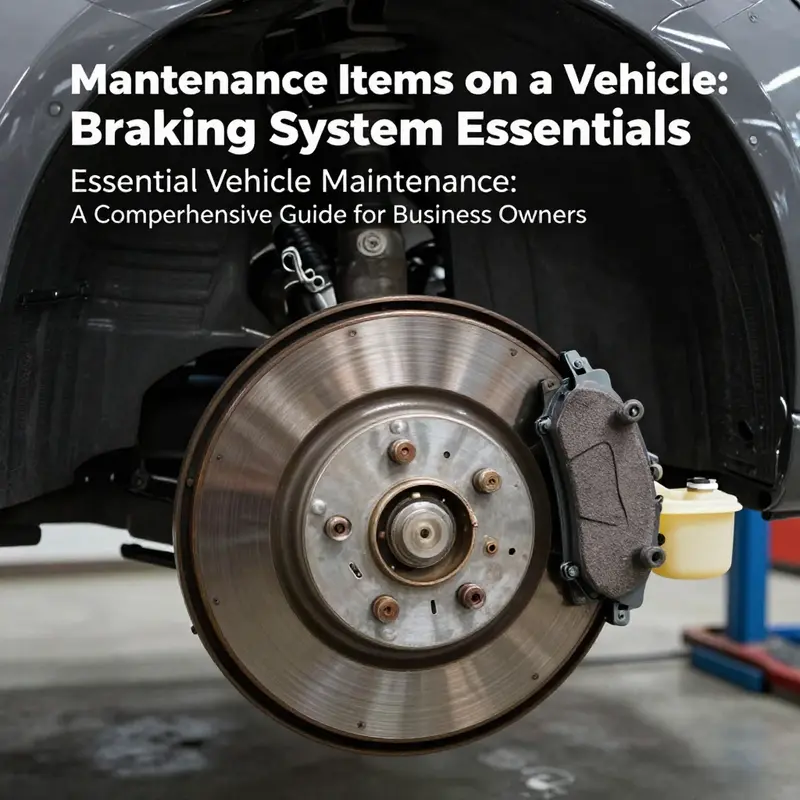
The braking system is more than a feature of a vehicle; it is the safety nerve, firing a careful signal from pedal to pavement with every press. In the broader landscape of maintenance, brakes occupy a special place because their performance directly correlates to the driver’s ability to control speed, adapt to changing road conditions, and respond to emergencies. The maintenance items tied to this system are not just routine chores; they are deliberate acts of stewardship that protect passengers, cargo, and the vehicle itself. A well-kept braking system delivers stopping power with predictable feel, consistent bite, and minimal fade, even after miles of heavy use or cold, damp days. The path to that reliability lies in understanding the components, recognizing the signs of wear, and sticking to practical intervals informed by how a vehicle is used and under what conditions it operates. While each vehicle designer may tune the braking system a bit differently, the core maintenance principles remain remarkably consistent: inspect, measure, refresh, and test, with attention paid to the unique demands of your driving environment.
At the heart of the braking system are several interacting components that deserve regular attention. Brake pads and rotors, the front-line pair in most vehicles, convert hydraulic pressure into the friction that slows and stops the wheels. Pads wear down with every application, and the rotors beneath them wear in response to that contact. The process is continuous for as long as the vehicle is in use, so a practical maintenance mindset is to check for wear before it becomes audible or feels inconsistent. In many vehicles, the recommendation is to replace pads when they reach a thickness of about 3 millimeters; this threshold helps protect the rotors from scoring or warping, which would demand more extensive and costly service later. The idea is simple: a little preventive action early on saves more extensive work down the line, preserving stopping power and vehicle value.
Alongside pads and rotors, the brake fluid plays a pivotal supporting role. This fluid transmits the force from the driver’s foot to the braking hardware and also lubricates and cushions the moving parts within the hydraulic system. Because brake fluid is hygroscopic, it absorbs moisture from the air over time. That moisture lowers the boiling point of the fluid and can cause a softer pedal feel, longer stopping distances, and potential damage to seals and components. For most manufacturers, a brake fluid flush and replacement every two years, or after a certain distance—often in the neighborhood of forty thousand to sixty thousand kilometers depending on the model—acts as a simple, critical preventive measure. It’s a small service with a outsized impact on consistency and safety, especially in hot or high-demand driving where braking temperatures climb.
Beyond the main pads, rotors, and fluid, the brake lines and the master cylinder contribute to the reliability of braking performance. A quick visual check for corrosion, leaks, or cracks in lines helps catch a problem before it translates into pressure loss or a soft pedal. Leaks may not always be dramatic; a tiny drop here and there can degrade braking efficiency over time. The master cylinder, which creates the hydraulic pressure that moves fluid through the lines, can also wear or fail in ways that gradually diminish braking performance. Routine inspection of these lines and the housing around the master cylinder keeps the system honest and responsive when you need it most.
In some vehicles, the rear braking mechanism uses drums rather than discs. Brake drums can be a surprisingly capable design, particularly in commercial or heavy-load scenarios where reliability and water evacuation in wet conditions matter. The presence of drum brakes on the rear wheels adds another dimension to maintenance: drums require inspection for cracks, wear, or warping, and they may affect how the vehicle apportions stopping power under heavy braking or in adverse weather. High-quality drum designs can evacuate water efficiently, reducing the risk of hydroplaning and maintaining predictable behavior on wet roads. That durability, however, often comes with a higher upfront cost than standard drum configurations or alternative designs. Yet for fleets and work vehicles where reliability and uptime are critical, the performance payoff can be substantial.
Seasonal preparation for the braking system also deserves attention, particularly as weather shifts. Winter driving introduces unique demands: colder temperatures, wet or salted roads, and longer stopping distances. Before snow arrives, it’s prudent to verify the entire system’s readiness. A battery check is a sensible starting point because modern braking systems increasingly rely on electronic assist features and sensors that depend on steady electrical power. A weak battery can impair performance of electronically assisted brakes or braking systems with start/stop features. Beyond the battery, a small list of emergency tools becomes a prudent addition to the vehicle’s safety kit. Jumper cables or a portable, lithium-powered jump starter can be a lifesaver if a vehicle’s electrical system falters in the cold. While these tools aren’t direct braking components, they support safe operation when winter challenges arise and you need to move the vehicle to a safer location.
Another important habit is to monitor the feel and response of the brake pedal as you drive. A pedal that feels soft, spongy, or travels farther than usual is a warning sign that warrants inspection of the fluid, lines, or master cylinder. A vibration or pulsation in the brake pedal or steering wheel during braking can indicate warped rotors or, less commonly, issues with the wheels or suspension that interact with braking forces. Brake pad and rotor inspection should be done not only when service lights appear but as part of a routine, scheduled inspection that aligns with vehicle use and driving environment. For drivers who routinely carry heavy loads, drive in mountainous terrain, or operate in large urban areas with frequent stops, more frequent checks may be appropriate. Adopting a thoughtful maintenance cadence—shorter intervals for more demanding use—helps sustain stopping power and reduces the likelihood of abrupt, unexpected performance changes.
The practical routine of maintenance also emphasizes the quality of consumables and the execution of the service itself. The choice of brake pads matters; some pads are engineered for quiet operation, others for better initial bite, longer life, or lower dust production on wheels. The rotor’s condition is equally important; a rotor that’s deeply grooved or warped will require more aggressive intervention that can affect steering feel and brake balance. Fluid quality is often overlooked, but it is as essential as the pads in ensuring a consistent brake pedal and predictable response under repeated braking. Even new pads can fail to deliver if the hydraulic fluid has degraded or contaminated the system. In short, the braking system rewards a holistic approach to maintenance—one that treats pads, rotors, fluid, lines, and supporting components as a single, interconnected network.
An integrated maintenance mindset also means linking braking practice to the broader question of vehicle upkeep. It’s easy to focus on engine oil, tires, or battery health and relegate braking to a secondary concern, but this is a misalignment with how modern vehicles operate. Brakes are the active safety interface that translates mechanical effort into controlled deceleration. Maintaining them is an investment in safety and reliability across all seasons and road conditions. When we examine the full spectrum of maintenance items for a vehicle, brakes anchor the conversation because they have direct, immediate consequences for driver safety. They also serve as a tangible reminder of how seemingly simple maintenance tasks—inspecting wear, replacing a pad set, flushing fluid—compound in value when performed consistently over years of ownership. The discipline of brake maintenance, thus, illustrates a core principle of vehicle care: small, timely interventions build a solid platform for all other systems to perform well.
As drivers become more mindful about maintenance, they naturally begin to see how braking performance reflects the overall health of the vehicle. A car with well-maintained brakes will often ride more smoothly, track more predictably through turns, and maintain better control in wet or slippery conditions. The pedestrian corollary is that a vehicle with a trustworthy braking system gives a driver greater confidence to push responsibly in everyday driving—whether navigating a busy urban corridor or merging onto a rain-slicked highway. The confidence that comes from predictable braking reduces stress and lets a driver focus on the road, traffic flow, and trip planning rather than the nagging concern that the vehicle might not respond promptly when it matters most.
In practical terms, the maintenance plan for the braking system becomes a rhythm: schedule a pad and rotor inspection at regular service intervals or whenever a wear indicator is activated or a change in pedal feel is noticed; monitor brake fluid every year or two and flush when necessary; inspect lines for corrosion or leaks during every tire or suspension service; and consider the rear drum brakes as part of the overall system health, especially on vehicles where drums remain in use. This rhythm is not about rigid compliance but about maintaining a state of readiness. It’s about ensuring that when you press the pedal, you experience a consistent, confident stop that aligns with your expectations and driving realities. If a vehicle has driven hundreds of thousands of kilometers or spent long hours transporting heavy loads, the braking system’s maintenance story becomes even more important. In such cases, more frequent inspections and perhaps a proactive components upgrade strategy may be warranted to sustain the same level of stopping power you expect from new or near-new brakes.
The holistic view of braking maintenance also invites reflection on the trade-offs involved in choosing brake components. For example, high-quality brake drums, while more expensive upfront, can offer robust performance, reliable water evacuation in wet conditions, and durability under heavy use. These attributes contribute to lower risk of sudden loss of braking effectiveness during critical moments and can translate into lower long-term maintenance costs for fleets or work vehicles. Of course, the decision to opt for drum brakes—or to keep them in a vehicle that uses them—depends on a variety of factors including vehicle type, weight distribution, and typical operating conditions. Yet the central message remains the same: the maintenance strategy should be aligned with the system’s design goals and the driver’s safety expectations. This alignment ensures that the braking system continues to deliver dependable performance without sudden, costly failures down the line.
For readers seeking a deeper dive into the specific technical considerations of brake drums and related components, there is value in examining detailed specifications and performance analyses from authoritative sources. These materials can illuminate how design choices influence heat dissipation, wear patterns, and braking balance under various load conditions. While different models will present unique data, the underlying principles of proper inspection and timely replacement hold true. To connect the practical guidance in this chapter with more specialized information, consider the broader conversation about vehicle maintenance as a whole and how braking is one of its most consequential chapters. If you’re exploring these ideas further, you may find it useful to reflect on the broader concept of maintenance and how it frames every decision about keeping a car safe and reliable. What is vehicle maintenance?
In sum, maintenance of the braking system is not merely a technical obligation; it is a core expression of responsible vehicle ownership. It anchors safety in daily driving and preserves the vehicle’s intended performance. By treating brake pads, rotors, fluid, lines, and drums as a unified system, drivers can establish a maintenance discipline that aligns with the vehicle’s design and their own driving realities. The payoff is felt not only in shorter, more predictable stopping distances but also in a sense of confidence that comes from knowing the brakes will respond when needed. When you plan service intervals, you are not chasing arbitrary milestones but anchoring safety to a practical, repeatable routine. That routine, repeated over the years, becomes the quiet backbone of reliable transportation—an everyday act that translates into peace of mind on every journey.
External resource for further context on brake drum design and performance can be found here: https://www.autocar.co.uk/car-review/hyundai-county/brake-drum-specifications-and-performance
Steady Ground, Safe Roads: Tire Care and Suspension Essentials
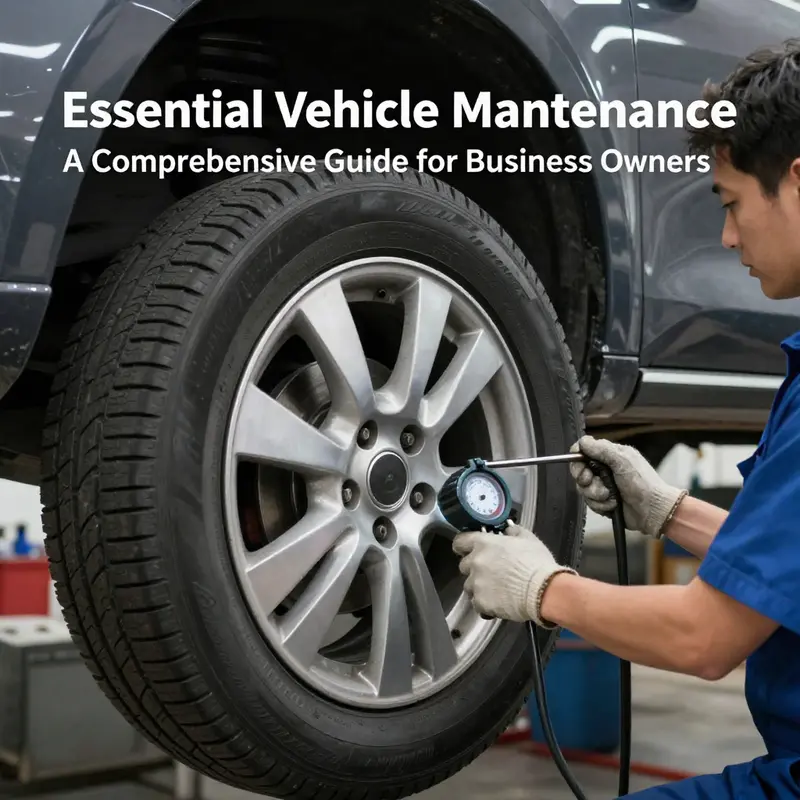
Tires and suspension form the quiet backbone of any vehicle maintenance plan. They are not flashy like new features, but without well cared for tires and a healthy suspension, every other aspect of car care loses traction. The relationship between tires and suspension is intimate: tires provide the sole contact with the road, while the suspension shapes how that contact is managed through bumps, turns, and braking. When either component falls out of balance, results ripple through handling, braking distance, ride quality, and even fuel efficiency. This is why a thoughtful, consistent approach to tire care and suspension maintenance sits at the heart of a reliable, safe, and efficient vehicle.
Tires carry the load of traction, braking, and steering. They are the part that touches the road; their condition communicates a clear signal about road readiness. Start with simple checks: monitor tire pressure monthly and before long trips, with tires cold to avoid variations from heat. Under inflated tires are not merely less efficient; they are a safety risk. When tires run low on air, they heat up as you drive, and that heat can degrade the rubber and lead to cracking, tread separation, or even a blowout. The physics are straightforward: less air means more flex, more heat, and more wear on a smaller footprint. The guidance is practical: use a reliable gauge, check when cold, and follow the manufacturer recommended pressure for your load and driving conditions. The effect extends beyond safety; fuel economy improves and tire life lengthens when wear is even.
Alongside pressure, rotation plays a central role in extending tire life and preserving even contact with the road. Rotating tires on a regular schedule distributes wear more evenly across all four corners, reducing the likelihood of a single worn edge that can pull the vehicle or alter steering response. The typical rotation interval falls in the vicinity of 8,000 to 10,000 kilometers or about 5,000 to 6,000 miles, depending on tire type, drivetrain layout, and driving habits. In practice, a rotation becomes more than a routine swap; it is an opportunity to inspect tires for cuts, bulges, or unusual wear patterns that might signal alignment issues, suspension wear, or road hazards. Even small, early signs deserve attention. A tire with a slow chord of wear on one side, or a notch that appears atypically deep, may indicate a misalignment, a bent wheel after a pothole, or a suspension component that is starting to fail. The rotation then doubles as a diagnostic step, guiding whether the next service should be an alignment or a deeper suspension inspection.
Inspection remains the ongoing heartbeat of tire care. Regular checks for cuts, bulges, or uneven wear help catch problems before they become abrupt failures. Pay particular attention to sidewall integrity, as damage there often signals an impact that can compromise the tire even if tread depth looks acceptable. Tread depth itself is a clear safety signal; most jurisdictions set a limit around 1.6 millimeters as the minimum safe depth, but many drivers opt for earlier replacement to preserve wet weather grip and overall stability in challenging conditions. Seasonal variation matters as well; in colder climates, aggressive wear can emerge faster due to harsher road surfaces and salt exposure. In all cases, a tire that looks worn or damaged is a tire that should be evaluated by a professional before the next trip. These visuals—tread depth, even wear, and absence of cracks—together provide a practical snapshot of whether a tire needs service or replacement.
Beyond the tread, the tire’s interaction with the road is influenced by the condition of the rims and by environmental exposure. Potholes, road debris, and curbs can inflict hidden structural damage that may not be immediately obvious but can have profound implications down the line. Bent rims can alter wheel alignment, which in turn affects steering feel and tire wear patterns. Internal tread separation can occur in rare cases after severe impacts, underscoring why daily driving habits and occasional rough road encounters deserve attention during tire checks. Fluids that leak nearby, such as oil, fuel, or antifreeze, can degrade rubber compounds if they come into contact with the tire surface or the sidewall over time. While this risk is less common than normal wear and tear, staying aware of such exposures and cleaning off any spills promptly helps preserve tire integrity and prolongs life.
The suspension system, meanwhile, is the framework that translates road texture into ride feel and control. It is a collection of shocks or struts, springs, control arms, bushings, and connections that work together to keep tires in contact with the road while damping the jolts from bumps and potholes. The signs of suspension wear are often indirect but telling. Uneven tire wear can signal misalignment or worn shocks. A rider or driver might notice a bouncy ride after a jump or bump, a tendency to drift or pull to one side, or a change in steering responsiveness after hitting a pothole. These symptoms should prompt a visual inspection of components and often an alignment check. The suspension does not merely cushion the ride; it also preserves steering geometry and tire contact, both of which are critical to predictable handling and short stopping distances in emergencies.
Routine maintenance is the best defense, and a practical approach keeps suspension in balance with tires. Visual inspections should be part of every service interval, with a focus on the shocks or struts for signs of oil leakage, worn bushings, or bent components. A thriving suspension also benefits from regular alignment checks to ensure the tires wear evenly, the vehicle tracks straight, and driver inputs translate precisely into wheel movement. The recommended cadence for a thorough suspension check tends to fall in the range of every 10,000 to 15,000 miles, or at least once a year for many drivers, depending on road conditions and driving style. A professional assessment during these intervals can catch subtle wear before it becomes a problem that triggers more expensive repairs or compromises safety. The interaction between suspension and tires means that even a small misalignment or a worn shock can manifest as uneven wear, a jittery ride, or changes in steering feedback. Recognizing this interconnectedness encourages a holistic approach: treat tires and suspension not as separate maintenance items but as a system that must be checked together and within the context of how the vehicle is driven and loaded.
From the standpoint of a comprehensive maintenance plan, treating tire care and suspension as central items aligns with a broader strategy that includes engine health, braking systems, and electrical components. The objective is not merely to avoid a flat or an uncomfortable ride but to sustain predictable handling, short stopping distances, and efficiency across a vehicle’s life. In practice, this means building tire pressure checks into your monthly routine, scheduling rotations according to your vehicle’s specifics, and arranging professional alignments when wear patterns begin to diverge from the expected. It also means recognizing that suspension work, while sometimes less visible than tire wear, has a profound impact on how the vehicle performs under load, during cornering, and when confronted with sudden braking. The more you understand these links, the better you can plan preventive maintenance rather than episodic repairs. For a concise overview that frames maintenance as a cohesive discipline, see what is vehicle maintenance.
In practical terms, a month-to-month mindset makes sense. Check tire pressure first, then inspect for visible wear during a quick walk around the vehicle. Note any odd ride feel, bouncing after a bump, or changes in steering that accompany rough roads. If a tire shows uneven wear after a rotation, schedule a more thorough inspection that includes whether the wheels are properly aligned and whether suspension components such as shocks or struts are functioning as designed. It is not necessary to chase every tiny issue immediately, but building a habit of periodic checks, regular rotations, and occasional alignments keeps costs down and safety high. When this approach is combined with a cautious driving style that avoids hard impacts, it reinforces the longevity of tires and suspension alike. The end result is a vehicle that handles predictably, rides smoothly, and consumes fuel more efficiently because rolling resistance remains optimal and contact with the road is consistent across all driving conditions.
Anchor your maintenance plan to simple, repeatable actions: check tire pressure monthly, rotate tires at the recommended interval, inspect tread depth and sidewalls, and schedule an alignment or suspension service as wear dictates. These steps do not require specialized equipment beyond a quality pressure gauge and a quick visual walk around, yet their cumulative effect is substantial. They reduce the risk of sudden tire failure, preserve steering accuracy, and help ensure that braking performance remains consistent in wet or slippery conditions. As you build these habits, you also reinforce the kind of proactive mindset that underpins all good vehicle stewardship.
Final thoughts
A proactive approach to vehicle maintenance not only ensures safety and reliability for the fleet but also supports the overall efficiency of business operations. By focusing on critical components such as the engine and fluids, braking systems, and tires and suspension, business owners can make informed decisions that prolong vehicle life and enhance performance. Regular maintenance checks contribute to lower operational costs and prevent unexpected breakdowns, making it essential for any business relying on vehicles.