
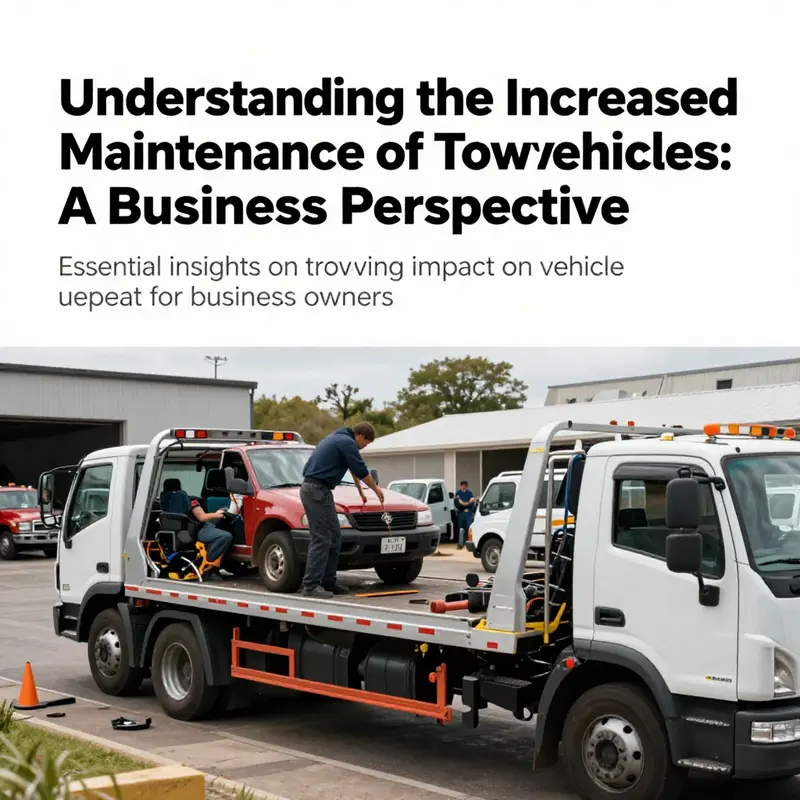
As a business owner utilizing tow vehicles, understanding the implications of towing on maintenance is crucial. Frequent towing of heavy loads places extra demands on vital components such as the engine, transmission, brakes, and tires. Each of these areas requires heightened attention to ensure safety and reliability in your operations. In the following chapters, we will delve into the causes of increased maintenance, with a specific focus on the stress these vehicles endure. We will explore engine and transmission strain, brake system considerations, tire wear and replacement, and recommended maintenance practices, providing you with the necessary knowledge to maintain your fleet effectively.
Carrying the Load: Navigating Engine and Transmission Stress in Tow Vehicles
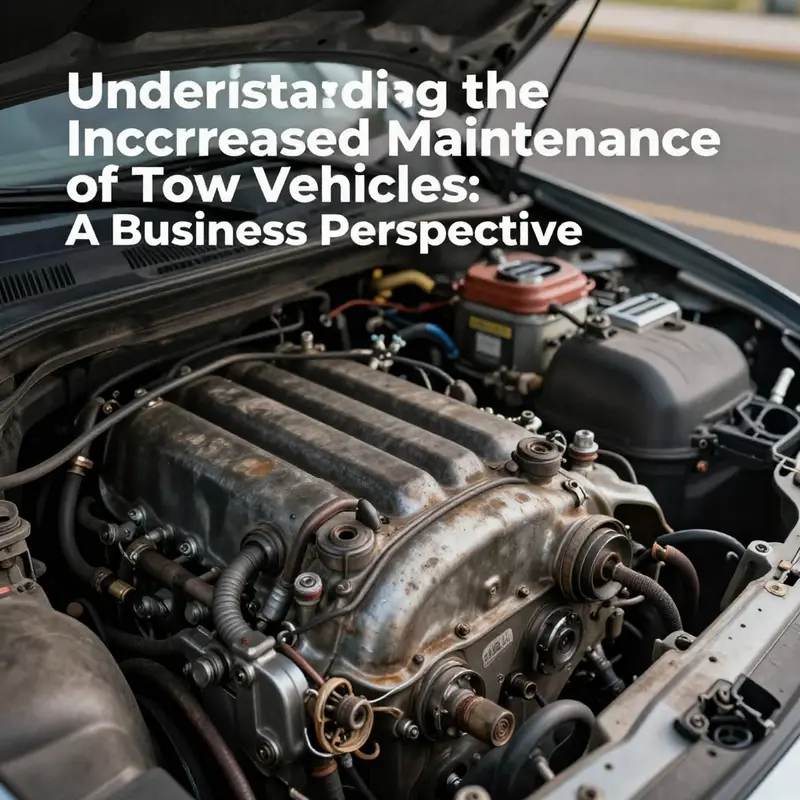
Towing places a heavier burden on a vehicle than ordinary daily driving, and the maintenance implications follow that logic. When a trailer or a large load is attached, the engine must generate more power to move not just the vehicle but the combination behind it. The transmission must manage higher torque and greater heat, especially during long pulls up grades or when maneuvering in traffic with a camping trailer in tow. This added demand does not merely translate into a one-time service every so often; it reshapes the entire maintenance rhythm of the tow vehicle. For many owners, the result is a practical reality: more frequent inspections, more vigilant fluid checks, and a more deliberate approach to every component that comes into contact with the load. The key is to recognize that towing is not an occasional lifestyle choice but a pattern of use that elevates stress across the drivetrain, cooling system, and suspension in ways that standard maintenance schedules cannot fully accommodate without adjustment.
The engine’s job, in essence, becomes more strenuous the moment towing begins. The extra load pushes the engine to operate at higher power and, in doing so, increases heat generation. Heat is the invisible adversary of long-term reliability. It accelerates wear on pistons, rings, valves, and cylinder walls, and it can influence fuel economy in ways that ripple through the whole system. When the vehicle climbs a hill with a heavy trailer, the engine must hold higher RPMs for longer periods, and that sustained effort translates into more rapid aging of lubrication and higher thermal stress on bearing surfaces. The transmission mirrors this pressure. It must handle the added torque and the recurring surge of heat that accompanies uphill pulls or when towing at highway speeds into headwinds. Transmission fluid degrades more quickly under higher temperatures and sustained loads, thinning and losing some of its protective properties. The result is a higher likelihood of wear and, in worst cases, overheating events that can hasten the path to costly repairs unless proactive measures are taken.
This is not a fate sealed for every tow vehicle. The difference between a routine, well-managed tow and a maintenance nightmare often comes down to how well the owner anticipates the extra strain and adapts the maintenance plan accordingly. Vehicle manufacturers acknowledge this in towing guidelines, and the broader automotive literature consistently points to the same core areas: the engine oil, the cooling system, and the transmission are the three systems most heavily impacted by towing. The coolant circulation must keep pace with the engine’s increased output and the additional heat generated by the drivetrain. The cooling system’s capacity can be a limiting factor if the radiator, hoses, and fans are aging or if the radiator cap is not maintaining proper pressure. In the same vein, the drivetrain, including the transmission, is the heartbeat of a trailer setup. A warning older drivers sometimes hear in the shop is not about the trailer or the hitch at all, but about the quiet, creeping fatigue in the engine and transmission that builds up when the vehicle is asked to work harder over time.
To appreciate what this means in practical terms, consider the critical maintenance areas that demand closer attention when towing becomes part of a vehicle’s routine. Regular oil changes remain foundational, but towing requires using oil that can stand up to higher thermal cycling and more frequent revs. The general rule is to perform more frequent oil changes using high-quality oil suited for heavy-duty use. This approach helps ensure the engine maintains smooth oil film integrity when it is under sustained load, reducing the risk of abnormal wear. It also supports engine cleanliness, helping to minimize deposits that could impair combustion efficiency or exacerbate heat buildup. The emphasis on oil changes is not simply a matter of extending engine life in a vacuum; it translates directly into safer, more reliable performance when pulling, especially in demanding conditions like steep grades or variable weather.
Equally important is cooling system maintenance. The cooling system acts as the vehicle’s fever management team. When towing, the engine runs hotter for longer periods, increasing the demand placed on the cooling circuit. Owners should routinely check coolant levels and inspect for leaks, while also paying attention to the radiator and hoses for signs of wear or swelling. A modest drop in coolant or a soft hose can become a serious problem once the vehicle is carrying a load up a long incline. Regularly inspecting the radiator for debris and ensuring the fan operation is sound can pay dividends in preventing overheating. The thermostat’s function becomes more critical, too. A thermostat that sticks or fails to open at the right temperature can create hot spots in the engine and complicate torque delivery when towing. Keeping the cooling system in peak condition is not a supplementary task but a central pillar of towing preparedness.
Transmission health, perhaps, sits at the apex of towing maintenance concerns. Regular transmission fluid checks take on new importance when towing is part of the routine. Heat and torque load accelerate the rate at which transmission fluid oxidizes and degrades, a process that can reduce lubricity and cooling efficiency. The practice is to inspect the transmission fluid level and condition if towing frequently. In some cases, this means more frequent fluid replacement in line with manufacturer guidance that accounts for the added load. It is not simply about replacing fluid; it is about ensuring that the fluid remains at an appropriate viscosity and protection level to manage slip and heat under heavy-duty conditions. This awareness translates to real-world outcomes: less abrasion of gears, more consistent shifting, and a lower probability of transmission failure under towing stress. As with oil, the emphasis should be on quality fluid and timely changes guided by the vehicle’s service calendar and the specifics of how the vehicle is used when towing.
A third, essential pillar of maintenance is adherence to manufacturer guidelines for towing. Vehicle manufacturers publish weight ratings, hitch requirements, and recommended service intervals that reflect the extra stress towing imposes on the drivetrain and chassis. Following these guidelines helps minimize mechanical stress and preserve safety. Proper hitch equipment is a key companion to maintenance because it ensures that weight is distributed as intended and that the load path through the vehicle’s structure is sound. Mismatched equipment can cause abnormal strain on suspension components, which may not only affect ride quality but also steer more stress toward the drivetrain. In practice, this means inspecting the hitch setup for proper attachment, verifying that the load rating is appropriate for the trailer and cargo, and ensuring that the weight distribution is balanced. When these systems are properly matched, the vehicle is better equipped to handle the demands of towing without imposing disproportionate wear on engine and transmission components.
The interplay among engine, cooling, and transmission is where a tow vehicle’s maintenance narrative becomes most coherent. A driver who spends hours behind the wheel pulling a heavy trailer may notice that the engine runs hotter, the transmission shifts with a bit more effort, and the overall fuel economy trends downward. The reality is not a sign of fault but of usage pattern. It is a signal that maintenance must adapt to the pattern if longevity and reliability are to be preserved. The maintenance plan, then, becomes a living document that factors in miles towed, weight, grade profile, ambient temperatures, and the frequency of towing sessions. In other words, the more frequently towing occurs, the more vigilant the maintenance schedule must be, with emphasis on oil quality, cooling system vigilance, and transmission health.
To illustrate how these concepts translate into practical planning, imagine a typical weekend camper who tows a mid-size trailer along a scenic byway. The vehicle may spend several hours a week in towing duty, with varying loads and route profiles. The driver should anticipate more frequent oil and filter changes using oil designed for higher-stress conditions. They should also commit to periodic cooling system inspections—checking coolant level, hose integrity, radiator performance, and belts that might wear faster under the increased workload. Transmission maintenance should include routine checks of fluid level and condition, especially after long tows or hot days, and adherence to a fluid replacement schedule that acknowledges higher operating temperatures. The goal is not to chase every potential issue preemptively but to build a maintenance routine that reduces risk, keeps the vehicle performing predictably, and minimizes the chance of a roadside failure during a tow.
This approach aligns with the broader guidance offered by safety and transportation authorities, which emphasize adjusting maintenance schedules according to usage patterns. When towing is regular, vehicles require service intervals that address extra cooling needs, drivetrain wear, and the additional load borne by all components connected to the hitch and suspension. The objective is clear: maintain optimal performance while controlling the long-term cost of ownership. Tow vehicle maintenance is, fundamentally, about preventing the small wear points from evolving into large, expensive problems. It is about recognizing that towing adds a layer of complexity to the ownership experience and treating that complexity with a disciplined, informed maintenance routine.
For readers seeking a concrete reference point on how manufacturers view towing in real-world terms, consider exploring the practical implications of towing capacity by year for a well-known tow-capable SUV. The guide provides a sense of how weight limits and design considerations influence maintenance expectations. It is a useful complement to the general guidance discussed here, offering a vehicle-specific frame of reference that can help translate the theory of engine and transmission stress into actionable maintenance planning. Ford Explorer towing capacity by year: ultimate guide. This link offers a contextual example of how manufacturers’ weight ratings and design choices frame the maintenance tasks that owners should schedule to keep a tow vehicle performing reliably across the seasons.
Beyond the mechanical aspects, the financial dimension of towing maintenance deserves attention. The higher tasks frequency and potential wear translate into increased service costs, especially if towing is a sustained pattern rather than a casual weekend activity. The incremental expense of more frequent oil changes, cooler-system checks, and careful transmission care must be weighed against the cost of potential failures that could occur without adequate maintenance. In practice, the investment in proactive upkeep—regular fluid checks, timely replacements, and preventative inspections—tends to reduce the probability of expensive repairs, prevent safety risks on the road, and keep the towing experience smooth and dependable. The overarching message is pragmatic: treat towing as a high-demand operation, and your maintenance plan should reflect that by embracing more frequent, higher-quality service with attention to the components most stressed by the load.
For those who want to deepen their understanding of how to protect the drivetrain specifically during towing, authoritative guidance emphasizes practical, actionable steps rather than generic warnings. Regularly monitor oil and coolant, inspect the transmission fluid, and confirm that your hitch and load distribution system are properly configured. The goal is to sustain engine performance and transmission protection under load, while also preserving tires and brakes that bear extra workload. In sum, towing creates a coherent maintenance narrative in which engine, cooling, and transmission health are the central chapters. When owners commit to a disciplined routine that reflects this reality, they tend to experience fewer unexpected failures and a more confident towing experience overall. The knowledge is straightforward, the application practical, and the benefits tangible, especially for drivers who regularly rely on their tow vehicles to bear weight and carry out important tasks.
External resource for further guidance on protecting the transmission when towing is available to readers who want a deeper dive into the topic. This resource complements the chapter’s focus on prevention and proactive maintenance, offering detailed strategies for maintaining transmission health under load and tips to avoid common failures that can arise during towing tasks. https://www.consumerreports.org/cars/towing-tips/protect-your-transmission-when-towing-a-trailer/
Tow Vehicle Maintenance Under Load: The Brake System as the Frontline of Increased Demands
Every time a tow vehicle pairs with a trailer, the road becomes a shared stage for extra effort, risk, and responsibility. The question of whether maintenance increases is not answered by a single duty cycle or a single component; it is answered by the entire system’s performance under heavier-than-ordinary strain. When you tow, you do not just amplify the weight you move; you alter the way every critical subsystem works under load. From the moment you hitch up, the brake system is tasked with controlling momentum not only for the tow vehicle alone but for the entire combination. The brakes become the gatekeepers of safety, and their condition, cooling, and reliability become bellwethers for the overall health of the towing setup. This chapter unfolds a cohesive view of why maintenance needs to adapt when towing becomes routine, and how the brake system, in particular, drives a broader conversation about upkeep that extends beyond the obvious wear items.
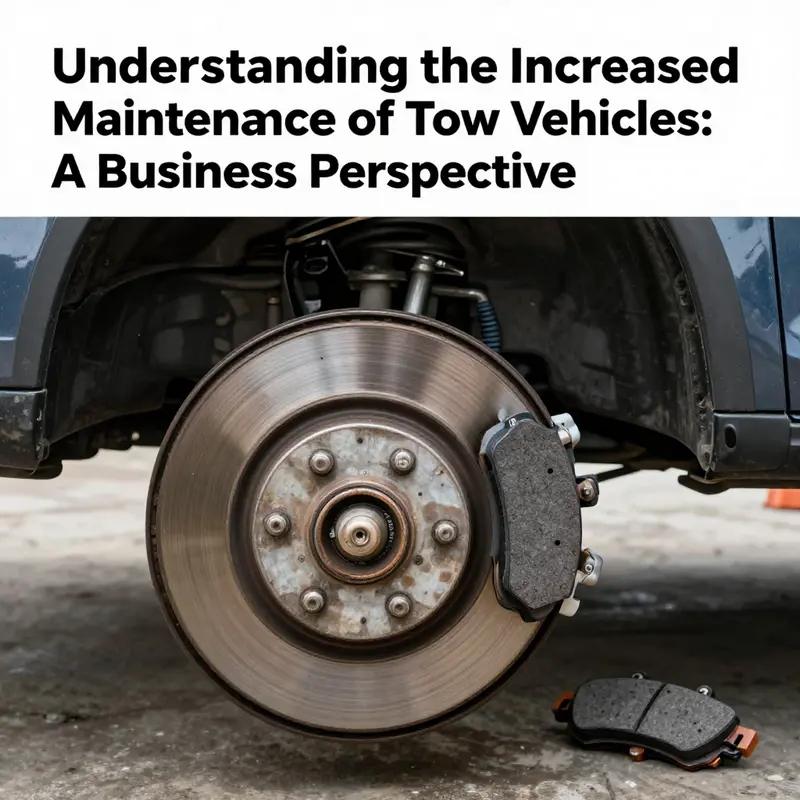
The added weight and inertia of a trailer transform how your tow vehicle behaves at every stop. Ordinary driving already challenges brakes, but towing intensifies that challenge. The brakes must shed not only the vehicle’s own kinetic energy but also the trailer’s share of momentum. The consequences of this cumulative demand show up earliest in temperature, then in wear, and finally in performance. Under sustained braking, temperatures rise higher and faster, pushing brake fluid toward its boiling point and potentially degrading the hydraulic seal integrity. This environment accelerates wear on pads and rotors, and can also take a toll on calipers, which are pressed into service longer and under greater heat. The net effect is a higher cadence of inspections and part replacements than would be typical for a non-towing scenario.
The mechanics of this wear are fairly straightforward. Friction converts kinetic energy into heat, but when a trailer is attached, the energy to dissipate increases. Pads must press against rotors longer, and ro tors accumulate heat more quickly due to the added friction from the extra load. The consequence is not merely hotter brakes; it is a higher probability of brake fade during extended descents or heavy braking on steep grades. Brake fade is the moment when a driver senses that braking power declines as temperatures soar. To avert that decline, many towing setups rely on more than just larger rotors or heavier pads; they depend on brake fluid with higher boiling points, efficient cooling paths, and, when appropriate, a dedicated towing brake upgrade that can sustain performance without overheating.
Recognizing these demands early prompts a practical, proactive approach to maintenance. For a tow vehicle, a brake system designed with towing in mind—whether through factory-rated upgrades or aftermarket enhancements approved by the vehicle maker—makes a substantial difference in how long the rest of the drivetrain lasts. Larger rotors and calipers provide more surface area to dissipate heat and greater braking torque to counteract the trailer’s inertia. High-performance or heavy-duty pads improve stopping power while resisting brake wear under elevated temperatures. In tandem with physical upgrades, the quality and consistency of brake fluid become a central focus. Fluid with a higher boiling point is less likely to absorb moisture and vaporize under heat, reducing the risk of brake fade and maintaining predictable pedal feel. Modern braking systems also rely on precise hydraulic pressure management and electronic aids such as ABS and ESC to modulate braking forces across wheels. When towing, ensuring these electronic systems function correctly in the towing configuration is crucial. Any mismatch in sensor readings or control logic can compromise stability and stopping performance at critical moments.
The argument for upgrading the brake system is not merely about performance; it is also about life-cycle cost. Without upgrades, the tow vehicle may experience accelerated wear on pads, rotors, and calipers, resulting in more frequent replacements. The increased heat load can also take a toll on wheel bearings and seals, which can fail more quickly under the vibrational and thermal stress of towing. Inspections that would be routine for a non-towing vehicle—pad thickness checks, rotor surface measurements, and leak checks in hydraulic lines—take on greater importance when a trailer is part of the equation. In this context, routine maintenance becomes a proactive shield against unexpected failure, not just a response to a problem after it arises.
From the driver’s seat, this reality translates into practical habits that extend beyond the brake system itself. Before any trip, a comprehensive brake check should be part of the pre-departure routine. This check includes pad and rotor wear assessment, listening for abnormal grinding or buzzing sounds during light braking, and confirming that brake fluid levels remain within the recommended range. A visual inspection of the brake lines for signs of cracking or leaking can catch issues before they escalate, especially where heat and vibration are constant companions on the road. On longer trips, particularly when descending grades, monitoring the brake bias—how evenly braking force is distributed between front and rear wheels—becomes more than a preference; it becomes a safety concern. Any imbalance can indicate worn components, sticking calipers, or compromised hydraulic lines, and it can you alert you to the need for service before a heat cycle makes the problem worse.
Of course, the brakes do not operate in a vacuum. The engine and transmission contribute to the overall thermal and mechanical load on the vehicle, and their health is interdependent with brake system performance. The engine must deliver enough torque to move the loaded payload while keeping exhaust and cooling within safe limits. When request ranges exceed what the cooling system can comfortably manage, the engine temperature climbs, and synthetic or conventional fluids can thin out or degrade, prompting slower response and less efficient power transfer. The transmission experiences a similar pressure profile. Towing raises the load on the transmission, requiring more robust cooling and, potentially, a higher-grade fluid. A heat-soaked transmission, much like overheated brakes, diminishes efficiency and accelerates wear. If a vehicle is consistently towing in hilly terrain or at high speeds, it becomes essential to verify that the cooling system—radiator capacity, fan operation, and any auxiliary coolers—meets the extra demand. A well-cooled system helps keep the brake fluid and the hydraulic channels from encountering excessive heat through the entire drivetrain, thereby supporting a higher degree of reliability.
The discussion naturally extends to the tires and suspension, since the tire is the only thing connecting the heavy towing assembly to the road. Tires experience not just greater vertical load but also elevated heat, especially during sustained braking and descent. The load rating must complement the weight of the trailer, and tire construction should be capable of withstanding higher temperatures without rapid tread wear. Regular tire rotations become more valuable in towing scenarios as a way to promote even wear and to preserve grip when braking in variable conditions. Proper tire pressure is essential, since underinflation intensifies heat buildup and underinflation reduces braking efficiency by altering contact geometry. Alignment and suspension components also face intensified forces. Worn ball joints, bushings, or shocks can degrade braking stability by allowing wheel misalignment or excessive body movement under heavy deceleration. These issues, if unchecked, can ripple into steering response problems, which is particularly risky when negotiating curves or negotiating road irregularities with a loaded trailer.
All these threads converge on a central point: towing alters the maintenance equation across the vehicle, but the brake system remains the clearest, most visible indicator of when maintenance has slipped. A vehicle that routinely tows must adopt a maintenance philosophy that treats braking as a system with amplified service intervals, not as an optional add-on. That philosophy begins with a clear understanding of the vehicle’s base capacity and the towing load, then extends to upgrading or validating the brake hardware for the added duty. Manufacturers often recommend heavy-duty kits or specific components for towing beyond nominal capacity, and while upgrades carry a cost, they frequently translate into longer component life and safer performance once on the road. Even if a upgrade is not pursued, adherence to maintenance schedules that reflect towing stress is non-negotiable. Regular inspections, fluid condition checks, and attention to ABS/ESC function in the towing configuration should occupy a central place in vehicle maintenance planning.
An important facet of maintaining braking performance lies in information access. The body of guidance from official sources is robust, yet it is easy to underestimate its relevance in everyday use. To bridge the gap between theory and practice, many drivers find value in practical maintenance resources that address the realities of towing. For example, learning how electronic stability control systems respond in towing scenarios can help a driver interpret warning signals or pedal feel changes that would otherwise be dismissed as normal. A resource that digs into service considerations for electronic stability control can be a valuable companion to the maintenance routine; see how-to-service-electronic-stability-control-expert-tips-tricks, which offers practical tips on testing and maintaining ESC behavior when towing. This kind of reference can reinforce prudent habits and help the driver recognize when a system needs professional attention rather than waiting for symptoms to escalate into a safety risk.
Beyond the brake system itself, a well-managed towing program embraces a holistic routine. The maintenance schedule should be calibrated to actual usage, as suggested by official guidance from transportation authorities. Vehicles used regularly for towing will accumulate higher engine and transmission heat, more frequent coolant and fluid changes, and more frequent inspections of the hitch and trailer connections. The hitch itself is a critical interface; loose or corroded connections can add to bearing and suspension wear, create misalignment, or even lead to safety-lailure incidents under braking. Keeping the hitch secure, lubricated, and correctly torqued is a basic but essential step that should be included in a pre-trip inspection routine. With the hitch properly secured, the braking system retains its effectiveness, and steering response remains predictable. In many ways, the tow vehicle becomes a continuous feedback loop: the better you maintain the brakes, the less stress the engine and transmission endure, which in turn preserves the overall reliability of the vehicle for future towing tasks.
For readers who want to explore more about towing-related maintenance in a broader context, it’s useful to consult trusted public resources that outline safe practices and recommended service intervals. Official guidelines emphasize that maintenance schedules should be adjusted based on usage patterns and the extra stresses introduced by towing. Following these guidelines helps reduce the risk of costly repairs and safety incidents, while also supporting longer vehicle life and smoother, more predictable towing performance. It is worth noting that in practice, the alignment of maintenance with actual use is a more accurate predictor of reliability than a generic, one-size-fits-all service interval. If your tow regimen involves frequent trips over mountain passes, long descents, or repeated starts and stops on hilly terrain, you should anticipate more frequent brake inspections, heat-management checks, and fluid refreshes than the baseline recommendations for non-towing operation.
As you plan future trips or campaigns that involve towing, you might want to consider building a maintenance journal that records brake wear, pad thickness, rotor surface condition, fluid ages, and cooling system temperatures observed during trips. A simple log can turn a routine maintenance task into a data-driven practice that flags the moment a component approaches its wear limit. This is not merely about protecting the asset; it is about ensuring safety for every mile traveled with a trailer attached. The more systematic the approach, the more confident a driver can be while navigating the predictable and unpredictable demands of the road.
The responsibility does not end with the driver’s awareness. Mechanics and technicians who service tow vehicles must appreciate the amplified demands of towing and tailor their inspections accordingly. A diagnostic approach that prioritizes the brake system, the cooling pathways, and the hydraulic integrity of the braking system will identify issues before they become expensive failures. When advising customers, technicians can reinforce the importance of matching brake upgrades to the vehicle’s towing capacity and the expected operating conditions. They can also emphasize the ongoing importance of ABS and ESC function in the towing configuration, ensuring that electronic aids maintain harmony with mechanical performance rather than becoming a source of confusion under load. In sum, the increased maintenance required for tow vehicles is not an isolated phenomenon confined to one subsystem; it is a coordinated, proactive discipline that sustains safety, reliability, and confidence on the road.
For readers who want a practical reminder of the broader framework that governs towing safety and maintenance, consult official standards and guidelines. These resources provide structured, scenario-based insights into safe towing practices, including brake system integrity, which is central to the overall performance of the tow vehicle. By treating braking as the front line of maintenance—while keeping engine cooling, transmission health, tires, and hitch integrity in mind—you can maintain a towing program that protects both the vehicle and the people on board. The key takeaway is clear: towing magnifies wear and thermal stress, and the best defense is a disciplined maintenance routine that reflects that reality. To reinforce this approach with authoritative guidance, refer to the National Highway Traffic Safety Administration (NHTSA) towing guidelines, which offer detailed recommendations on brake system integrity and safe towing practices. These guidelines can serve as a concrete reference point for both drivers and technicians aiming to keep tow vehicles safe, reliable, and ready for the road ahead.
Internal link note: For a practical perspective on maintaining advanced stability systems in towing situations, you can explore additional hands-on guidance at how-to-service-electronic-stability-control-expert-tips-tricks.
External reference: For a deeper dive into official towing safety guidelines that frame these considerations, see https://www.nhtsa.gov/vehicle-towing-safety.
Tire Wear and Tow Safety: Keeping Traction on the Move
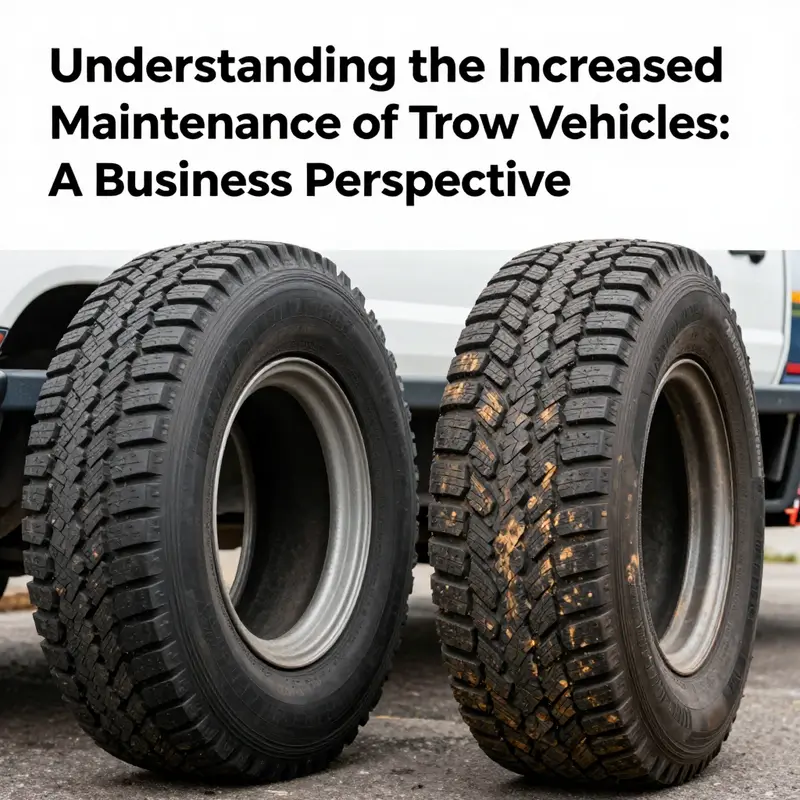
Tow…ing increases tire stress and heat, so the tires wear faster and handling can become unpredictable. The tire is the only road contact, and its condition dictates braking, steering, and stability under load. Regular inspection of tread depth and wear patterns is essential in tow setups. The primary wear drivers should watch for includes inner-edge wear from improper weight distribution, center wear from over-inflation, and edge cupping from misalignment.\n\nImportant maintenance steps include: check tire pressures when cold before towing; use the recommended cold inflation pressure for loaded and unloaded states; rotate tires more frequently when towing; ensure all tires are matched in size and rating; and seek professional alignment if wear patterns diverge from expectations. Selecting tires with appropriate load ratings and heat resistance helps maintain performance during long tows.\n\nIn short, proactive tire care—monitoring wear, maintaining proper pressures, rotating regularly, and ensuring alignment—supports safer, more predictable towing performance and can extend tire life even under heavy loads.
Tow Vehicle Maintenance Under Load: Understanding the Elevated Demands and Practical Upkeep
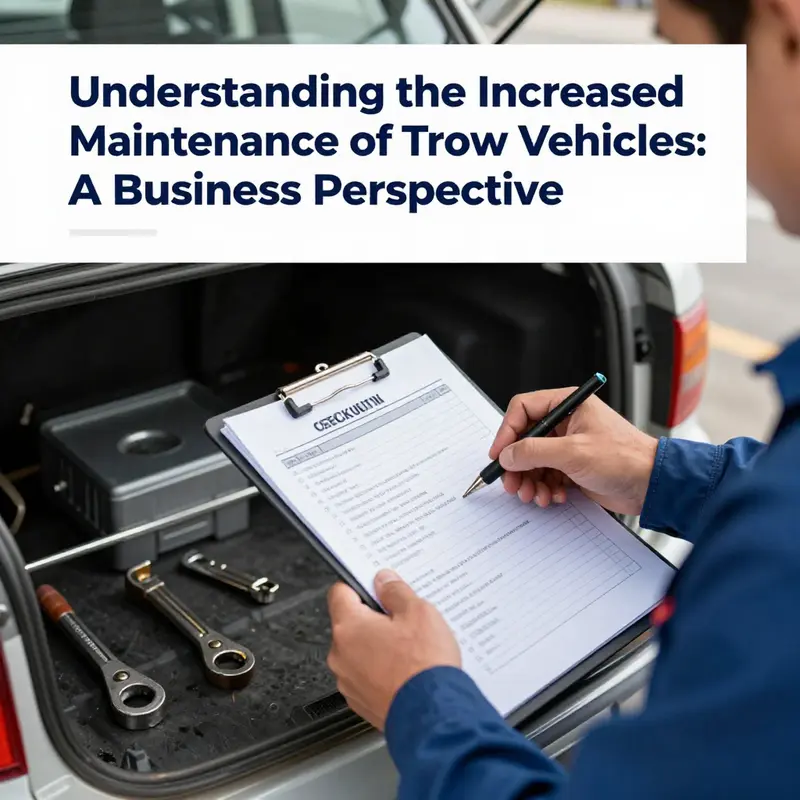
When a vehicle spends more time hauling a trailer, boat, or heavy gear, the wear pattern shifts noticeably. The extra mass translates into greater engine effort, heightened cooling demands, more stress on the transmission, more aggressive braking, stiffer suspension loading, and increased tire heat and wear. This isn’t merely a matter of bigger bills at the shop; it is a balance between safety, reliability, and cost over the long haul. The questions aren’t whether towing increases maintenance needs, but how to align maintenance practices with the realities of your specific towing patterns. A clear understanding of the elevated demands helps drivers anticipate maintenance windows rather than chase problems after the fact. This approach also aligns maintenance with safety considerations that can rarely be separated from performance, especially when long trips, hilly terrain, or heavy payloads are involved. In other words, towing changes the cost calculus, and it changes the timing and focus of the upkeep rather than eliminating it altogether.
The engine, being the heart of the vehicle, bears a larger burden when towing. Even with modern engines designed for efficiency, the extra load requires more robust cooling and lubrication strategies. Regular oil changes remain foundational, but the choice of oil becomes more meaningful when a tow vehicle operates at higher loads for extended periods. Synthetic oils, particularly those formulated for higher-temperature operation, can help maintain viscosity and film strength under stress. The guidance from maintenance literature consistently points to oils in the SAE 5W-30 or 10W-40 range for engines that routinely pull heavy loads. This choice supports quicker lubrication during cold starts while providing robust film strength as the engine climbs to high temperatures under load. Beyond oil, the cooling system deserves heightened attention. Coolant levels, concentration, and the condition of hoses and clamps should be checked more frequently when towing in hot climates or across long stretches of highway where the engine is consistently working. In some setups, drivers consider an upgraded cooling solution—a heavier radiator or an auxiliary cooler—to manage heat buildup during repeated hill climbs or long pulls. While not every tow scenario requires such upgrades, recognizing the potential for overheating and planning accordingly can prevent costly engine damage and improve reliability on the road.
The transmission faces a parallel but distinct challenge. When a vehicle tows heavy loads, the transmission works harder, and heat becomes a leading enemy. The solution isn’t simply to drive slower; it is to manage heat so the gearbox does not degrade fluid performance or accelerate wear. Tow-rated vehicles often benefit from using the transmission fluid type specified by the manufacturer for towing scenarios, as these formulations are designed to handle higher temperatures and heavier loads. More frequent fluid changes are commonly recommended for heavy use—typically every 30,000 to 50,000 miles under sustained towing conditions. In many cases, an aftermarket transmission cooler provides a meaningful safety margin by dissipating heat that would otherwise accumulate during long pulls or frequent stop-and-go traffic in mountainous areas. The key is to avoid letting the transmission overheat, which can lead to slip, degradation of clutches, and, ultimately, failure. Regular checks of transmission lines and the cooler for leaks, proper routing, and secure connections are essential as part of pre-trip and routine maintenance.
Brakes, too, feel the bite of towing demands in a practical sense. Stopping distances lengthen with a loaded trailer, and that reality translates into more frequent inspections and proactive attention to braking components. Brake pads and rotors experience faster wear when towing, and brake fluid can accumulate heat and degrade if not refreshed regularly. The maintenance message here emphasizes not only pad and rotor condition but also fluid quality and concentration. Upgrading to higher-performance brake pads or ensuring a robust brake system with adequate cooling helps maintain consistent stopping power. Some setups may even benefit from a brake booster or additional hydraulic assistance to manage the increased load, especially on routes with many climbs and descents. A comprehensive approach is to couple regular inspections with targeted replacements, ensuring that a tow vehicle’s braking system remains responsive when it matters most.
Suspension and steering assemblies carry the load from the tow hitch through the chassis and down to the tires. A worn suspension compromises handling, stability, and comfort, particularly in crosswinds or when the trailer experiences sway. Towing often calls for more frequent checks of shocks, struts, springs, and control arms, with an eye toward wear patterns that reflect the higher load. The goal is to sustain proper ride height and predictable steering response. For drivers who tow regularly, consider upgrade options such as load-leveling kits or stiffer springs designed to maintain alignment under heavy payloads. These upgrades can help preserve stability, tire contact patches, and overall control, which in turn improves safety and reduces the risk of trailer-induced fishtailing. Even without upgrades, diligent inspection for leaks, dampening performance, and mounting hardware integrity can prevent mid-journey surprises.
Tires demand particular attention when a vehicle is towing. The combined load of vehicle and trailer creates unusual tire stress patterns, including increased heat buildup and altered wear trajectories. Correct inflation pressure becomes even more critical when trailer tires share your load’s weight, and the risk of underinflation or overinflation grows with temperature changes and varying road surfaces. Regular monitoring of tire pressure, including the trailer tires and the vehicle’s tires, helps maintain safe handling and efficient fuel use. Tread depth becomes a more urgent signal of impending risk when towing, as reduced grip under heavy braking or cornering can be costly in dangerous conditions. Rotations should be more frequent, typically every 3,000 to 5,000 miles, to balance wear across axles. Tires showing cracking, bulging, or unusual wear require early replacement. A strong emphasis on tire maintenance translates directly into safer towing and fewer roadside failures, given how critical tire integrity is to braking and steering. The spokes of tire care radiate into every other subsystem because a damaged or underinflated tire affects braking efficiency, stability, and fuel economy.
Electrical systems connect the tow vehicle and the trailer in a web of signaling, lighting, and safety interlocks. The electrical ecosystem is more complex in a towing setup because every light on the trailer must function correctly to communicate intent to drivers behind. Regular checks of brake lights, turn signals, tail lights, and hazard lights are non-negotiable. Wiring harnesses, connectors, and grounds must be clean and secure to prevent intermittent failures that could confuse other road users or lead to accidents. Using a trailer light tester during inspections helps confirm signal integrity and reduces the risk of failures on the road. The reliability of lighting becomes even more critical in adverse weather or at night, so integrate these checks into pre-trip routines and end-of-trip inspections.
The maintenance routine for a tow vehicle should be anchored in a disciplined inspection cadence. Pre-towing checks before each trip are a practical habit. They should cover essential fluids, tire pressures, hitch connections, and a quick walk around for any signs of unusual wear or damage. Post-trip reviews reinforce a culture of early problem detection, letting drivers address issues before they escalate. In many communities, professionals advocate using onboard diagnostics and OBD-II scanners to monitor engine health continuously and to detect early warning signs. This diagnostic discipline complements the physical inspections and helps preempt breakdowns that could strand a person far from home or on a busy highway.
These practical maintenance actions intersect with the larger guidance that maintenance schedules should adapt to usage patterns. Vehicle manufacturers typically provide service intervals, but towing represents a meaningful deviation from standard passenger-car usage. This elevated stress means service intervals for cooling systems, drivetrain components, and hitch systems should be adjusted to reflect actual patterns of use rather than a generic calendar-based plan. When towing is frequent or heavy, more frequent fluid checks and component inspections become prudent, with a particular eye on heat management, fluid quality, and structural integrity of hitch attachments. The underlying principle is straightforward: plan maintenance around the load, not the calendar. This approach aligns with a broader safety ethic that safety and reliability grow from proactive care rather than reactive repair.
In practical terms, a driver can begin building a robust tow-specific maintenance rhythm by documenting towing trips, noting payloads, distances, terrain, and weather. This data informs decisions about when to service the engine, transmission, brakes, and suspension. It also clarifies if upgrades or preventive measures are warranted. For example, frequent mountain driving with long grades may justify an upgraded cooling system, while repeated short hops through urban traffic could intensify the need for transmission cooling and more frequent fluid services. The guiding aim is not to over-service but to align maintenance with the actual workload. A disciplined approach reduces the risk of overheating, extends component life, improves safety, and can lower overall ownership costs by preventing major failures.
An integrated maintenance mindset acknowledges that tow-specific needs intersect with everyday driving realities. It is reasonable to plan for higher maintenance costs when towing as part of a total ownership equation. This does not imply a perpetual run of professional repairs; rather, it means embracing a practical schedule that mirrors the vehicle’s duty cycle. Some drivers may opt for a written maintenance calendar that flags higher-risk intervals, such as after long trips, during extreme heat, or when towing in demanding terrain. Others may rely on a trusted shop’s guidance to tailor service intervals to their specific tow setup—from trailer weight and hitch type to brake configurations and climate exposure. In any case, the benefit is a greater margin of safety on the road and a more predictable budget for ongoing vehicle care.
For readers seeking a broader perspective on the cost and safety implications of regular upkeep, it helps to connect practical maintenance with fuel efficiency and long-term durability. Resources that emphasize how routine maintenance saves on fuel expenses offer a useful lens. For instance, a comprehensive overview on fuel-economy benefits linked to steady maintenance highlights how lubricants, air filters, and proper tire pressures maintain efficiency even when the vehicle tows heavy loads. You can explore those ideas here: How Vehicle Maintenance Saves on Gas Expenses. This reference reinforces the idea that thoughtful upkeep is a performance investment, not merely a cost center, and it complements the more task-specific recommendations detailed above.
Beyond the mechanical specifics, there is a broader instruction set embedded in the towing maintenance narrative. Preventive care is not about chasing every minor symptom; it is about anticipating how additional mass changes the physics of movement. When weight, momentum, and inertia combine, small issues can escalate quickly if left unchecked. Fluid leaks, vibration, odd noises, or irregular braking all merit timely attention. The cost savings from early intervention can be substantial when weighed against the price of component failure or wheel-off incidents. This perspective also underscores the value of regular professional inspections, especially if your tow plan includes commercial responsibilities or frequent long-haul journeys. A trusted mechanic or service center can offer a structured inspection protocol that balances the vehicle’s baseline condition with its towing duties, ensuring that critical systems stay within safe operating margins.
The topic of towing maintenance also intersects with regulatory and safety frameworks that guide vehicle operation. Government and industry resources emphasize that maintenance schedules should reflect the extra strain of towing. For anyone who tows regularly, aligning with official recommendations on cooling system checks, drivetrain components, and hitch safety is prudent. While it is possible to rely on general maintenance advice, the towing context demands attention to the specifics of how a vehicle is used, the weight and type of the trailer, and the particular driving environment.
Internal and external resources can enrich this ongoing maintenance practice. For internal guidance, drivers may consult articles that discuss the practical aspects of vehicle upkeep and fuel economy. A focused resource on how routine maintenance benefits fuel efficiency provides a complementary perspective to the mechanical priorities discussed here. See the linked article above for a concise overview of how sound maintenance choices can reduce operating costs over time, even when towing adds complexity to the vehicle’s duties. That connection helps readers translate technical maintenance tasks into tangible, everyday savings while reinforcing the safety ethos underpinning all towing activities.
To help readers further integrate these principles into daily practice, it is useful to consider how a well-structured check routine looks in real life. Before a tow, a driver performs a quick yet thorough inspection: fluids are topped, tires are inspected for wear and pressure, hitch connections are double-checked for security, and the trailer lights are tested. After the trip, a post-journey review notes any vibrations, unusual noises, or changes in braking performance. Over time, this habit forms a reliable feedback loop that triggers timely maintenance rather than urgent repairs. The net effect is a safer journey for the driver, passengers, and other road users, along with a reduction in the chance of unexpected breakdowns that can ruin a planned trip or shut down a commercial operation.
In sum, the maintenance of tow vehicles demands a proactive, workload-aware approach. The elevated stresses on engine, transmission, brakes, suspension, tires, and electrical systems require more frequent checks, tailored service intervals, and thoughtful upgrades when the duty cycle justifies them. The aim is not to complicate ownership but to render it safer, more dependable, and economically sound over the life of the vehicle and its towing commitments. By embracing a structured maintenance rhythm that aligns with actual usage, drivers can minimize risk, maximize performance, and preserve the value of their equipment for the long haul.
External reference: For a concise, authoritative checklist that complements the ideas in this chapter, see the towing maintenance checklist at https://www.safetysupport.com/towing-maintenance-checklist.
Final thoughts
Understanding the increased maintenance needs of tow vehicles is vital for any business integrating towing into their operations. By addressing the specific pressures placed on the engine, transmission, brakes, and tires, you can prevent costly repairs and ensure safety on the road. Prioritizing maintenance based on the frequency and conditions of towing use will enhance the longevity of your fleet, reduce downtime, and protect your investment. Implementing the recommended practices will not only maintain operational efficiency but also contribute to the overall safety and performance of your transport services.