
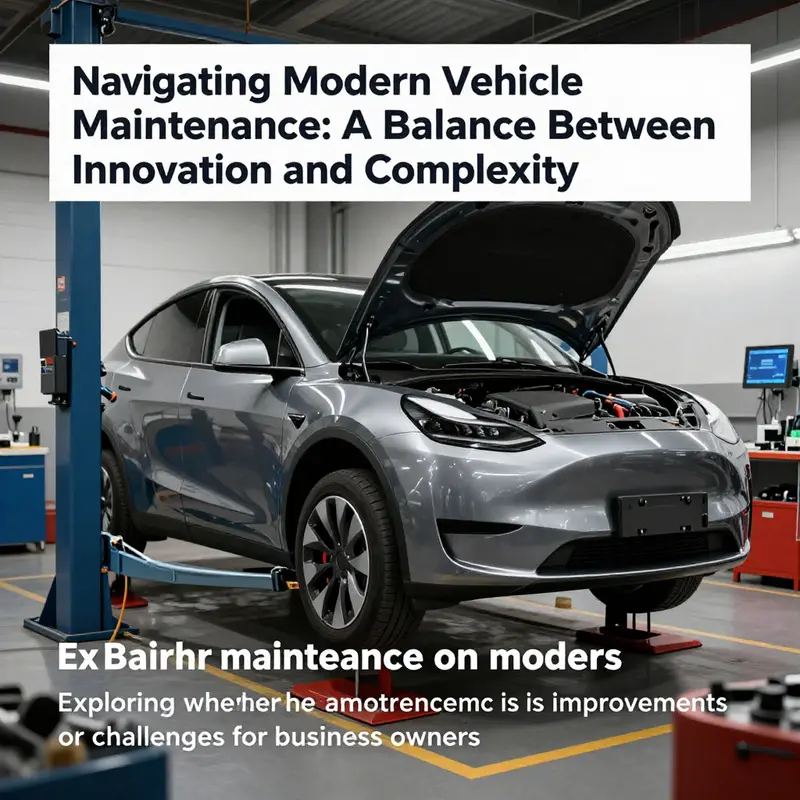
In the realm of automotive maintenance, a notable debate arises among business owners regarding the upkeep of modern vehicles compared to their older counterparts. With advancements in engineering, diagnostics, and materials, one might assume that modern vehicles present fewer challenges, yet the increasing complexity of electronic systems poses unique hurdles. This article will delve into four critical aspects: a comparative analysis of maintenance capabilities, the technological enhancements introduced in modern vehicles, the economic implications of maintaining these vehicles, and finally, the consumer experience surrounding maintenance practices today. By understanding these facets, business owners can make informed decisions about their automotive investments and strategies.
null

null
Predictive Diagnostics on the Move: How Modern Car Technology Elevates Vehicle Maintenance
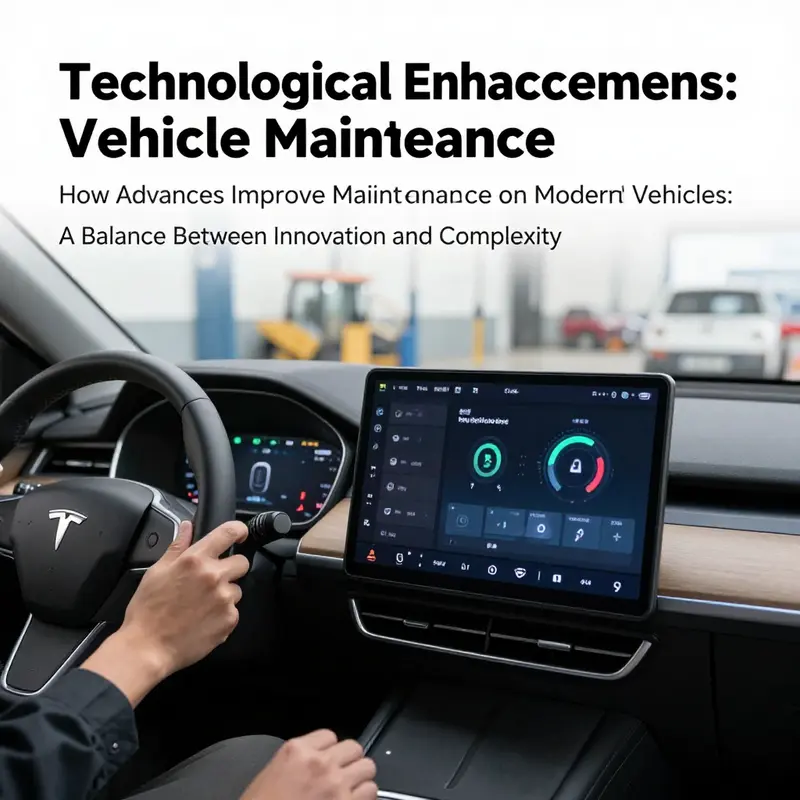
The arc of vehicle maintenance has shifted decisively from reactive fixes to proactive care, and the driving force behind this shift is technology. Modern cars are not just engines and bodies; they are networked systems that continuously listen, learn, and adapt. This evolution means maintenance is less about fixing what has failed and more about preventing failures before they disrupt a trip or compromise safety. The result is a maintenance discipline that feels less like a series of broken parts needing attention and more like a living partnership with a vehicle that communicates when it needs care. To understand this transformation, it helps to follow the thread from real-time monitoring to predictive service planning, and to consider both the practical benefits and the caveats that accompany such a shift.
At the heart of the improvement is onboard diagnostics that go far beyond the rudimentary checklights of earlier decades. Modern vehicles monitor an array of systems in real time: engine performance, emissions, tire condition, brake wear, energy use, and thermal states, among others. These data streams feed a set of intelligent control units and algorithms that evaluate what is normal against what might be drifting out of spec. When something looks off, the vehicle can flag a fault, suggest a maintenance action, or trigger a remote alert to a fleet manager or vehicle owner. This continuous surveillance changes maintenance from a scheduled ritual into a data-guided process. In practice, the car is no longer a passive machine waiting for an oil change interval; it becomes an active observer of wear, degradation, and shifting performance. Early detection means smaller issues are addressed before they cascade into costly repairs or uncomfortable breakdowns, reducing downtime and increasing overall reliability.
The practical benefits of this diagnostic clarity extend beyond a single vehicle. In fleets, advanced telematics integrate maintenance data with usage patterns, permitting maintenance to be scheduled based on actual wear and mileage rather than fixed calendars. When a truck or service van can report a tire tread depth, brake pad thickness, or coolant temperature anomaly to a central system, a maintenance window can be optimized around routes and availability. The result is less idle time, better uptime, and a smoother operating rhythm. For individual owners, this means fewer surprise visits to the shop and more efficient service planning. The ability to see how a vehicle is aging in real time makes maintenance a smarter investment, and it also means repairs can be anticipated rather than endured as a disruptive event.
A critical enabler of this proactive mindset is the ability to deliver software updates and system improvements without forcing a visit to a service center. Over-the-air updates can patch software gaps, refine engine control strategies, recalibrate transmission shift points for better efficiency, or enhance safety features through incremental improvements. This capability translates into vehicles that stay aligned with evolving safety and efficiency standards without costly downtime. It also helps ensure that a car’s electronics remain compatible with the latest sensor ecosystems and regulatory requirements. For many drivers, OTA updates are a quiet, almost unnoticeable benefit that translates into more reliable performance and longer-lasting software health. The automotive landscape is moving toward a world where a car can be kept current with the latest safety and efficiency enhancements without the friction of manual reprogramming at a service shop.
Another dimension of technological advancement is the growing accessibility of diagnostic tools to home mechanics and curious owners. Affordable, user-friendly interfaces connect to a vehicle’s diagnostic port to reveal fault codes, live sensor data, and basic health indicators. This democratization of diagnostics empowers local repairs and routine checks, enabling owners to understand what a warning light means and whether it warrants a trip to the shop or a quick DIY remedy. It also invites a more transparent dialogue with technicians, since the data the car has collected can be reviewed and interpreted with greater clarity. The ease of access to diagnostic information encourages better maintenance decisions and helps keep service costs in check. When used responsibly, these tools support timely maintenance without requiring specialized, dealership-level expertise for every routine issue.
Yet the story is not without complexity. The same systems that boost reliability also introduce new layers of intricacy. Modern vehicles rely on a dense web of software, sensors, actuators, and networked subsystems. The sophistication can make diagnosing issues require specialized knowledge and, in some cases, manufacturer-specific software and tools. This can narrow repair options to authorized service centers or accredited technicians, potentially increasing the cost of fixes for electronic or integrated systems. There is also a need to manage data responsibly: vehicle health data can reveal patterns about driving habits, routes, and maintenance history. As this data becomes more central to maintenance decisions, questions of cybersecurity and privacy come to the fore. Owners and operators must balance the benefits of remote diagnostics with safeguards that protect sensitive information and prevent manipulation of vehicle systems.
Despite these challenges, the overarching trajectory remains positive for maintenance outcomes. The ability to monitor wear and performance continuously, coupled with timely software updates and remote notifications, supports maintenance that is both less disruptive and more effective. Routine tasks—such as oil changes, tire rotations, and brake inspections—can be aligned with the vehicle’s actual condition, potentially extending intervals when wear is low and focusing attention when trends indicate accelerated degradation. This means fewer unnecessary interventions and more targeted, value-driven care. It also fosters a culture of transparency and collaboration among owners, technicians, and, in some cases, fleet managers. When everyone has a clear, shared understanding of a vehicle’s health, maintenance decisions become more purposeful, less reactive, and better aligned with safety and performance goals.
The future landscape promises even smarter maintenance through artificial intelligence and machine learning that learn from vast stores of historical data. These systems can detect subtle patterns that humans might miss, predicting component failures with increasing precision and recommending maintenance actions that optimize safety, reliability, and total cost of ownership. The promise is not simply detecting that a part is worn but understanding how operating conditions, weather, and driving style interact to influence that wear. AI-driven insights can refine service intervals, optimize part replacements, and even guide the sequence of repairs to minimize downtime and maximize reliability. In practice, this could mean a car schedules its own service window, communicates the expected life of critical components, and integrates with digital service records that travel with the vehicle across ownerships or fleets. The vision is a continuously improving maintenance ecosystem where predictive alerts, service planning, and performance optimization work in concert to extend vehicle life and reduce total maintenance friction.
From a broader perspective, the shift toward predictive maintenance affects the car’s lifecycle in meaningful ways. The emphasis on early fault detection reduces the likelihood of catastrophic failures and keeps vehicles on the road longer with fewer catastrophic repairs. It also reshapes the skill set required of technicians, with more emphasis on data interpretation, software troubleshooting, and software-driven calibration. For owners who want to stay engaged with their car’s health, the new paradigm provides actionable insights—clear indicators, trend analyses, and recommended service actions—that empower more informed decisions. It also encourages collaboration with trusted professionals who can interpret complex diagnostic data and translate it into practical maintenance plans. In this framework, maintenance becomes an ongoing, data-enhanced conversation between vehicle and owner, guided by real-time health signals rather than calendar-driven events alone.
Within this context, it is useful to recognize the continuity between traditional mechanical care and the digital era’s capabilities. The fundamentals remain: clean fluids, properly functioning brakes, tuned engines, balanced suspensions, and well-maintained tires. What changes is how these fundamentals are tracked, managed, and optimized. The modern maintenance approach marries physical inspection with digital stewardship, allowing for better triage of issues, smarter scheduling, and more precise interventions. The net effect is not simply that maintenance is easier or harder; it is that maintenance becomes more reliable, more predictable, and more aligned with a vehicle’s actual usage and condition. This alignment translates into real-world benefits: reduced downtime, steadier performance, and a more confident driving experience, even as vehicles become increasingly complex.
For readers curious about the practical implications of this shift, a accessible exploration of how maintenance decisions influence fuel efficiency provides a useful touchstone. See How vehicle maintenance saves on gas expenses. This resource illustrates how informed maintenance choices translate into tangible savings and demonstrates the symbiotic relationship between care routines and performance outcomes, especially as engines and powertrains become more tightly integrated with electronic control systems. The discussion underscores that proactive maintenance—driven by real-time data and intelligent diagnostics—can yield dividends in fuel economy, reliability, and safety over the long term. The narrative is not merely about avoiding repairs; it is about aligning care with performance and value across the life of a modern vehicle.
As maintenance grows more data-driven, vehicle owners should also consider how such data can be shared or utilized to support informed decisions. In a well-structured ecosystem, data sharing with trusted mechanics or service providers can enhance transparency and accuracy in diagnosing issues, while safeguarding privacy and security. In practice, such collaboration helps bridge the gap between the car’s internal health signals and the human expertise needed to interpret them and translate them into effective maintenance plans. The result is a maintenance model that leverages the best of both worlds: automated vigilance and human judgment working in harmony to protect safety, performance, and longevity.
For researchers and practitioners, the SAE International body provides a rigorous frame for understanding these developments. The ongoing dialogue about how software, diagnostics, and predictive analytics advance maintenance is tempered by considerations of reliability, safety, and interoperability. Readers looking for an authoritative technical perspective can consult the SAE Technical Paper referenced in this chapter to explore how predictive maintenance and OTA updates are shaping standards and practices across the industry. This context helps situate the progress we experience in daily driving within a larger, standards-based movement toward safer, more efficient, and more dependable vehicle maintenance.
In sum, the technological enhancements reshaping modern vehicles do not merely offer new tools; they redefine maintenance as a proactive, data-infused discipline. The reliable, long-life performance that many owners expect is now underpinned by continuous health monitoring, remote management, and intelligent service planning. While complexity and data considerations introduce new challenges, they do not negate the core gains: fewer unexpected failures, better uptime, and smarter, more economical care. The maintenance equation today favors a proactive posture that anticipates needs, leverages real-world usage data, and converts information into practical, often cost-saving decisions. As vehicles evolve, so too does the art and science of keeping them on the road—more predictable, more transparent, and more capable of delivering the safe, confident experience that modern mobility promises. This is the practical promise of predictive diagnostics, realized through the technologies that turn maintenance from a reactive burden into a strategic facet of driving. For those who want to dig deeper into the technical foundations of these capabilities, the SAE reference provides a rigorous, technical roadmap to what is possible and where the field is headed.
The Price of Progress: Navigating Maintenance Costs in Modern Versus Older Vehicles
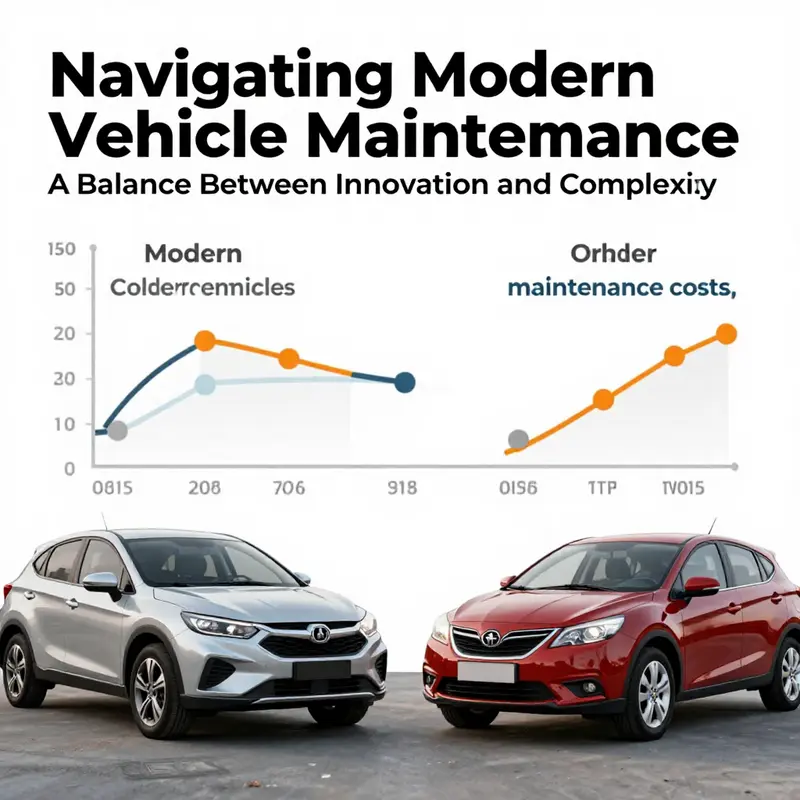
Maintaining a car in the era of intelligent powertrains and constant connectivity is not merely a matter of ticking items off a service schedule. It is a study in financial forecasting, risk assessment, and practical budgeting. When people ask whether maintenance on modern vehicles costs more or less than on older ones, the answer is nuanced. On one hand, modern cars are engineered for higher reliability and longer service intervals, supported by diagnostics that catch problems before they escalate. On the other hand, the price tag attached to maintaining those same systems can be steep, especially once the factory warranty lapses and when problems touch the electronics, sensors, and software that undergird today’s driving experience. In short, maintenance has become more predictable in some ways, yet less predictable in others because the drivers of cost have shifted from wear and tear on mechanical parts to the vulnerability of complex electronic systems.
Key to understanding the economics is the balance between upfront quality and long term risk. Modern vehicles benefit from materials and manufacturing processes that reduce wear on critical components. Fewer oil leaks, more durable bearings, and more precise tolerances lead to fewer unplanned repairs in the first years. The onboard diagnostics system, typically an evolution from earlier codes to more comprehensive monitoring, flags issues early and in many cases guides owners to timely service before a minor fault becomes a major failure. This early warning capability can improve life cycle costs by preventing catastrophic breakdowns that would demand expensive replacements.
Yet the same diagnostic sophistication and the proliferation of electronic control units raise the price of repairs when issues do occur. A single sensor or module failure can trigger a cascade of warnings and drive the need for specialized testing equipment, technician expertise, and sometimes software updates that are unique to the manufacturer. In addition, the growing prevalence of advanced driver assistance systems and linked infotainment networks means that even routine work often becomes a software or calibration exercise as much as a mechanical fix. After warranty expires, those costs tend to rise more quickly than the cost of routine maintenance on older, simpler cars, even when the newer car has fewer unexpected breakdowns in the first several years.
From a budgeting perspective, modern vehicles offer a twofold story. The maintenance schedule may lengthen, reducing the frequency of oil changes or brake inspections, but the per-visit cost grows. The parts may be more expensive, and the labor is more specialized. The official service networks emphasize genuine parts and calibrated procedures, which, while ensuring performance and safety, push the bill higher than generic repair work on older machines. There is a sense of predictable reliability in newer cars, but the price of that reliability is a more expensive safety net that owners must be prepared to fund as products age.
Older vehicles, by contrast, often come with lower ongoing maintenance costs in terms of parts prices and labor. Generic parts are widely available, and many shops are comfortable performing routine tasks on familiar, simpler designs. There is value in the familiarity of mechanical systems: engine, transmission, suspension, and brakes can be addressed with broad skill sets and standard tools. However, the risk of expensive failures remains and may loom larger in the long term if the vehicle is not well cared for. An older car that escapes regular maintenance can accumulate problems that compound over time, leading to expensive repairs that are less predictable than maintenance bills for newer models. This is the paradox of aging hardware: cheaper perks can turn into costly surprises without a disciplined maintenance plan.
To navigate these economics, buyers and owners should weigh the trade-offs between upfront affordability and long term predictability. In the best case, a modern car with a strong warranty and solid routine maintenance offers peace of mind and lower risk of major failure early in ownership. The warranty acts as a financial buffer, mitigating the most catastrophic repair bills during the years when the vehicle is under coverage. A well kept modern vehicle can still be economical when one accounts for fuel savings from efficient powertrains, improved aerodynamics, and the potential for lower insurance premiums associated with newer safety features. Yet once the warranty expires, the clock starts ticking on the true maintenance economics, and the combination of high tech parts and specialized labor can outpace what an owner would have expected from an older, simpler car with a longer familiarity among repair shops.
On the other hand, a carefully maintained older vehicle offers a different kind of predictability. The broader availability of aftermarket parts and the lower cost of many components can keep the running costs manageable for years, especially when the owner performs or arranges proactive maintenance. The trade-off is the increased likelihood of a major failure if routine care lags. A failing transmission, a worn engine, or a compromised cooling system can derail even a carefully managed budget, requiring substantial outlay that exceeds the cost of routine upkeep on a new car with a robust warranty. In the end, the economic path of the older car hinges on consistent preventive care, moisture control, timely oil changes, and a readiness to invest in parts that age gracefully, rather than chase the latest electronic conveniences.
Economically, there is also a dynamic in the total cost of ownership that extends beyond the sticker price of parts and labor. Modern cars can deliver lower fuel costs, better safety features, and higher resale values, which all contribute to lower lifetime expenses when the vehicle is used extensively and kept in good condition. The integration of sensors and smart software can help owners optimize routes, engine performance, and emissions, yielding long term savings. However, the same ecosystem can trap owners in a cycle of slightly higher annual maintenance spends, which accumulate more slowly but steadily as the vehicle ages and the complexity of the systems requires specialized attention. The net effect is not simply cheaper or more expensive maintenance, but a shift in the nature and timing of expenses.
Budgeting strategies help translate these generalizations into practical decisions. For new or near new cars, the extended warranty window offers a cushion that makes the economics of maintenance more predictable. It is worth factoring in extended service plans only if the total projected maintenance expenses under the plan versus paying out of pocket align with your risk tolerance and your expected ownership horizon. In many scenarios, the absence of trouble spots during the warranty period can make a longer ownership cycle feasible and economical, particularly when fuel economy and reduced repair downtime are valued assets. For buyers who expect to keep a vehicle for a shorter period or who want to minimize monthly outlays, new but affordable entry level models typically present strong value propositions: solid warranties, respectable fuel economy, and fewer unexpected repair bills in the early years. This combination can tilt the economics in favor of the modern design, even if the sticker price is higher than that of older rivals.
For those who want a practical sense of how maintenance affects operating costs over time, consider the everyday habits that sustain value. Routine maintenance such as timely oil changes, tire rotations, brake inspections, and fluid replacements are the bedrock of predictable costs. When owners keep service logs and diagnostic histories, trust forms between family members and trusted technicians grows, leading to informed decisions about servicing needs. Digital tools that enable secure sharing of maintenance data are increasingly common, and they help ensure that maintenance happens where it is most cost-effective and technically appropriate. See how routine maintenance decisions translate into real savings in the broader picture of vehicle operation at how vehicle maintenance saves on gas expenses.
Ultimately, the right choice hinges on your ownership horizon, your willingness to manage risk, and how much value you place on upfront incentives versus long term savings. Finally, it is useful to acknowledge that the general trend toward cleaner, smarter powertrains has a complex impact on total cost of ownership. The long-term reliability story remains favorable, but the economics of repairs is less forgiving when systems fail and require manufacturer-specific diagnosis, calibration, and software refreshes. The cost gap between the old and new may narrow in some price bands as hardware becomes more standardized and independent repair options expand. Policymakers, manufacturers, and repair professionals are all responding to the same pressure: provide value through reliability while controlling the proliferation of expensive, hard to source components. For a broader perspective on how these dynamics play out across generations, a comprehensive analysis is available from Consumer Reports at https://www.consumerreports.org/cars/maintenance-costs-of-new-vs-old-cars-a-comparison-2025/.
The New Normal of Car Upkeep: Reliability, Costs, and the Quiet Trade-offs in Modern Vehicles
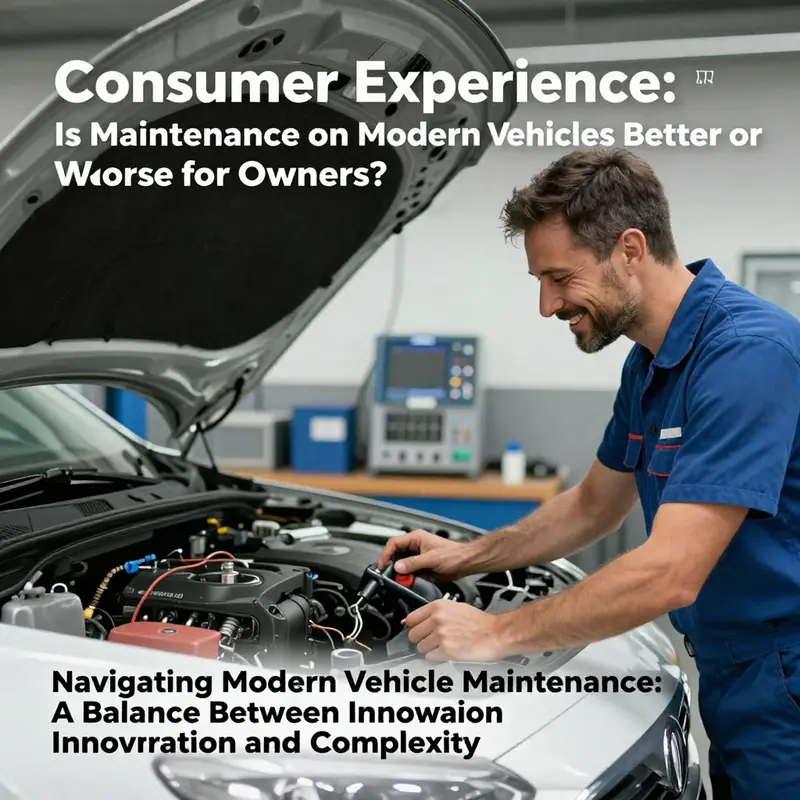
When drivers today turn the key or press the start button, they often encounter a vehicle that feels more like a smart companion than a stubborn machine. The arithmetic of maintenance has shifted in subtle but meaningful ways. On one side, modern vehicles are engineered to endure longer, run cleaner, and rely on systems that warn you well before a breakdown; on the other, those same systems weave a level of complexity that can inflate the price and time required to diagnose and repair when something does go wrong. This dual reality shapes the owner’s experience in a way that is both reassuring and curiously acutely priced. To grasp what maintenance looks like for today’s car owner, it helps to trace the changes in reliability, diagnostics, and the economics of repair while staying mindful of the day-to-day realities of living with a highly connected, software-driven vehicle. For those who want a broader framework of what maintenance actually encompasses, consider exploring a general overview of vehicle maintenance What is vehicle maintenance.
The first and most conspicuous shift is in reliability. Advances in engineering, better materials, and tighter quality control have translated into engines and transmissions that often outlive earlier generations. A car today may reach the first real propulsion system milestone without the dramatic mechanical surprises that used to punctuate a first year of ownership. The reassuring corollary is that routine maintenance—a standard oil change, tire rotation, brake inspection—often becomes a smaller, less frequent business than it once was. In many cases, manufacturers now back those expectations with longer warranties that extend well into the premium layers of ownership, offering a cushion against unexpected failure during the initial life of the car. This blend of improved durability and extended coverage reshapes the emotional calculus of ownership. Owners feel both less likely to be stranded and more protected when something goes wrong, a combination that encourages a calmer, more proactive approach to upkeep.
Yet the growth of electronic systems introduces a different axis of risk and cost. Modern vehicles rely on a dense network of sensors, cameras, control modules, and wiring harnesses. Onboard diagnostic systems continuously monitor performance, emissions, and a spectrum of safety-critical subsystems. When something malfunctions, the path to a fix is not always straightforward. A camera misalignment in an advanced driver-assistance system (ADAS) or a sensor fault in a parking assist setup may trigger a cascade of fault codes that require specialized diagnostic tools and technical expertise to interpret. The result is not only a longer repair timeline but often a higher bill for labor, programming, and sometimes recalibration after the repair is complete. The car becomes a tiny, sophisticated data center on wheels, and that center needs skilled personnel to interpret its signals and implement the correct software and hardware changes.
The diagnostic revolution is double-edged. On the plus side, real-time monitoring means many issues are detected early, sometimes before the owner notices anything amiss. This proactive stance helps prevent breakdowns and can improve safety, because systems like emissions controls, fuel management, and brake health can be kept within tighter tolerances. It also gives drivers a clearer understanding of when maintenance is truly needed, rather than relying solely on mileage-based thresholds. A driver may find a dashboard alert that prompts a service visit long before a symptom would have appeared, which can save money in the long run by catching problems early. This proactive approach is a major contributor to the sense that maintenance is more effective now.
But the flip side is that the decision tree for what to repair and when to repair has become more intricate. A single fault may involve multiple modules and dependent subsystems. Repair options can be constrained by the need for vendor-specific software access, calibration routines, and firmware updates that only a dealer or authorized service provider can perform. This dynamic reduces competition among repair shops and tends to lift labor costs, especially for complex ADAS recalibrations, infotainment system work, or electronic control module (ECM) replacements. The consequence is that, for certain categories of problems, the cost of maintenance moves from being a predictable, routine expense to a more consultative, ownership-wide cost estimate that depends on the car’s particular configuration and the availability of skilled technicians.
From a practitioner’s view, the ongoing modernization of car systems has also altered the economics of repair. The promise of longevity and fewer mechanical failures gives many owners confidence that maintenance is a worthwhile investment. However, the cost side has risen in ways that can surprise even careful planners. Labor costs are often higher because technicians must interpret complex diagnostics and perform software calibrations in addition to traditional repairs. Replacing or updating components like infotainment interfaces, ADAS modules, or even certain sensor assemblies can be expensive, and the necessary software updates or recalibrations after repairs add another layer of expense that is not as common in older vehicles. In other words, the same trend that improves reliability can also raise the out-of-pocket price of maintenance for certain categories of problems.
For some owners, the experience of maintenance becomes a balancing act between safety, convenience, and expense. The safety enhancements embedded in modern vehicles—adaptive cruise control, automatic emergency braking, lane-keeping assist, and a suite of sensor-driven features—are not free to install or maintain. Each feature is a system of its own, with its own potential failure modes and service requirements. When one system requires attention, a cascade of related systems can also require inspection, recalibration, or replacement of components that would not have been linked in earlier, mechanically simpler generations. This interconnectedness is a source of comfort and control when the systems work as intended, and a source of anxiety and cost when they do not. The experience varies by driver: those who value safety features and rely on them daily may find the maintenance trade-offs acceptable, while others with tighter budgets may feel the pinch more acutely.
The ownership horizon also matters. Cars today are kept longer than in the past, and that extended horizon magnifies the impact of maintenance costs. If you plan to keep a vehicle for a decade or more, you are more exposed to the long-tail costs of repairing or recalibrating advanced electronic systems and the potential for more frequent software updates that require dealer involvement. Conversely, the reliability gains and the longer warranty coverages can significantly soften early ownership costs, making the initial years less financially burdensome and more predictable. The overall narrative is one of a better-capitalized compromise: fewer mechanical breakdowns and better protection at the front end, offset by more sophisticated and sometimes pricier repair needs as the vehicle ages.
In the end, the owner’s experience is about leverage. Owners benefit from early warnings, longer intervals for some mechanical wear parts, and stronger safety systems that reduce the chance of serious failure on the road. They also face higher labor costs for some repairs, potentially more expensive parts, and a repair market that can be limited by manufacturer-specific software demands. The balance shifts toward a maintenance regime that emphasizes prevention, data sharing, and professional partnerships as much as toward ad hoc fixes. The modern car, with its integrated software and sensor networks, challenges owners to think of maintenance not merely as a periodic service but as an ongoing management of a living system—one that, when handled thoughtfully, can deliver safer driving, better performance, and a more dependable vehicle experience over the long haul. The overall verdict remains nuanced: maintenance on modern vehicles is generally better in reliability and safety, but it comes with higher complexity and, for some owners, higher costs that require more deliberate planning and smarter use of diagnostic data and trusted service relationships. For those who embrace the data, the connected maintenance model can become a powerful ally in keeping a car healthy, long-lived, and, above all, safe on the road.
Final thoughts
Ultimately, the question of whether maintenance on modern vehicles is better or worse than older models hinges on various factors such as advances in technology, economic implications, and consumer experiences. While reliability and durability have greatly improved in today’s vehicles, the increasing complexity of electronic systems poses maintenance challenges that did not exist in older models. Business owners must weigh these considerations carefully, aligning them with their operational needs and the skill sets of their maintenance teams. Adapting to modern vehicles necessitates a proactive approach, embracing both the benefits and intricacies presented by new automotive technology.