
Effective vehicle maintenance is crucial for business owners, as it ensures fleet reliability, reduces downtime, and maximizes operational efficiency. Understanding how to track maintenance history can empower you to make informed decisions about your vehicles, leading to enhanced longevity and performance. This guide explores five essential methods for tracking vehicle maintenance history: leveraging third-party data platforms for comprehensive insights, inquiring at original 4S dealerships for authoritative records, checking with insurance providers for accident history, visiting independent repair shops for non-4S services, and using official manufacturer apps for real-time updates. Each chapter provides practical strategies and tools to ensure you stay on top of your fleet’s upkeep.
Reading a Car’s Past: Mastering Maintenance History Through Third-Party Data Platforms
When you set out to buy a used car, the question isn’t just what the vehicle can do for you today, but what its history reveals about how well it has been cared for in the past. A vehicle’s maintenance history is a narrative of wear, service, and stewardship, and in an era of digital records, that narrative is increasingly accessible beyond the walls of a single dealership or repair shop. Third-party data platforms have emerged as a practical lens through which to view a car’s past, gathering maintenance and repair events from a broad network of service providers. Instead of chasing receipts and scattered notes, a prospective buyer or a current owner can summon a consolidated report that stitches together miles driven, services completed, parts replaced, and the broader health signals that whisper through the numbers.
To understand how these platforms work, imagine a service that has quietly learned to read a car’s diary across many chapters. It taps into data streams from multiple sources—authorized repair centers, independent garages, and sometimes even dealership service records—and compiles a readable history. The beauty of such a system lies in its breadth; it can reveal maintenance patterns that might be invisible if you only checked a single source. For a buyer, that breadth translates into confidence. If the report shows timely oil changes, spark plug replacements, and brake work at reasonable intervals, you gain assurance that preventive care has been part of the vehicle’s routine. If, on the other hand, gaps appear around critical service milestones or certain parts are conspicuously absent from the record, red flags can surface early, enabling you to investigate further before you commit.
A practical way to begin is to access a widely used third-party platform that specializes in vehicle history through a straightforward interface. These platforms commonly offer a feature labeled Vehicle Maintenance and Repair History Inquiry, which is designed to be user-friendly for both buyers and owners. In many cases, you can start by opening a familiar app or web portal, then navigate to the service section that handles vehicle history. The next step is to provide a reliable identifier for the vehicle. The 17-digit Vehicle Identification Number, or VIN, is the most precise option. Entering the VIN manually reduces the chance of misreading data, and it anchors the query in a unique, verifiable identifier. Some platforms also offer an OCR option: you can upload a clear photo of the vehicle’s registration certificate or driving license, and the system will extract the VIN and other essential details automatically. This OCR capability can speed things up, especially if you have only scattered receipts or old paper records.
Once the query is submitted, the platform begins to assemble a report that blends maintenance events, part changes, and service notes into a coherent timeline. A typical entry lists the date of service, the mileage at the time, the items serviced or replaced, and sometimes the parts brands or part numbers. You may also see the shop type noted—whether a 4S dealership, an independent garage, or a national chain—along with any labor hours billed. Importantly, reputable platforms attempt to distinguish between routine maintenance and more substantial repairs. Oil changes and tire rotations appear as preventive care, while brake job entries or coolant system overhauls signal more meaningful interventions. Some reports extend beyond maintenance to cover accident history or insurance claims, giving you a broader view of the vehicle’s life. The result is a snapshot that helps you judge whether the vehicle has been nurtured or neglected, and whether future reliability can be reasonably anticipated.
Reading the report demands a careful, curious eye. Consistent maintenance at recommended intervals often correlates with smoother performance and longer component life. If the timeline shows a steady cadence of oil changes, filter replacements, and fluid flushes aligned with the car’s service schedule, this pattern speaks to a disciplined owner or a meticulous maintenance program at a dealer or trusted shop. In contrast, long gaps between services, frequent gaps around critical intervals, or repeated repairs in a short period can suggest a higher ongoing risk. Odometer accuracy is another critical signal; large discrepancies between indicated mileage and service dates may indicate tampering or inconsistent use that could affect wear patterns and remaining life. The report can also highlight missing pieces—services that would normally be expected for a vehicle of a given age and mileage but that do not appear in the history. These gaps aren’t definitive red flags on their own, but they are prompts to investigate further with the seller, the original owner, or the service facilities that might have performed the work.
Of course, third-party platforms do not operate in a vacuum. They compile data from a broad ecosystem, but no single source holds every record. A dealer’s in-house service log, an insurer’s claim file, and local independent shops each contribute to the mosaic, yet there will inevitably be missing tiles. The most reliable use of these tools, therefore, is to combine avenues. Start with a third-party history report to obtain a broad sense of the car’s maintenance footprint. Then cross-check key entries with the original 4S dealership or a trusted independent shop to confirm dates, mileage, and parts. An insurer’s record can corroborate accident or claim history, especially if you are seeking a vehicle with a clean safety record. In practice, this approach means you do not rely on a single source of truth but instead build a layered understanding through multiple, overlapping records. The goal is not to find a perfect history—perfection is rare—but to minimize surprise risks and to know where to focus your follow-up inquiries.
Beyond the mechanics of querying and reading, there is a broader lesson about trust in the digital age. Vehicle history data, while powerful, rests on the integrity of the data sources and the accuracy of identifiers. A single incorrect digit in the VIN can derail an entire report, producing a cascade of wrong entries or, worse, a misleading sense of security. It is essential to double-check VINs before querying and to verify any surprising finding with physical records or service invoices. In addition, be mindful of the data’s scope. A report that captures 80 percent of a vehicle’s maintenance history is still valuable, but you should recognize that work performed at an unconnected shop or a private repair entity may not appear in the record. This reality underscores the value of combining multiple sources and maintaining a proactive approach to due diligence.
As you build confidence in using third-party platforms, you may notice a common rhythm: the best reports read like a clear, honest map of a car’s life. They reveal care patterns, thresholds where components are replaced, and the balance between preventive maintenance and reactive repairs. They also expose the potential for hidden problems—like an intermittent service light that was reset without a lasting fix or a history of brake work without a corresponding disclosure about pad wear. The most responsible course is to view the history as a diagnostic tool rather than a final verdict. Use it to ask informed questions, request corroborating documentation, and schedule a pre-purchase inspection that specifically targets the areas flagged by the history report.
In the end, tracking maintenance history through third-party data platforms is not about chasing perfection. It is about building a transparent narrative of a vehicle’s care, one that helps you evaluate risk, anticipate maintenance costs, and plan for responsible ownership. By combining broad, rapid history checks with targeted, brand-specific verifications, you create a robust due diligence process that reduces surprises after the sale and reinforces the trust you place in your next vehicle. In a market where data becomes a companion to instinct, these platforms serve as a practical bridge between what you can see, what you can verify, and what you will need to know as you move forward with your car.
External resource: https://www.houcheking.com
Tracing a Car’s Maintenance Genealogy: How to Retrieve Records Directly from the Original 4S Dealership Network
When you peel back the layers of a vehicle’s history, the most trusted threads often come from the brand’s own service network. Inquiries made at the original 4S dealership of the car’s make can yield a maintenance history that reads like an official timeline—precise, detailed, and grounded in the manufacturer’s own records. This method treats the dealership as a custodian of truth, a place where service logs, part models, and software updates are stored in a Dealer Management System that is designed to reflect exactly what the car has experienced since it rolled off the line. The value lies not only in the accuracy of dates and mileage but also in the clarity of what was done, why it was done, and which parts were used. Yet, this approach is bounded by its own boundaries: it captures what happened within that brand’s network and may miss what occurred at independent shops or other brands’ facilities. Understanding both the strengths and the gaps helps you judge the overall health of a used car with a discerning eye and a clear plan for verification.
To begin, you approach the task with preparation. Think of it as gathering the pieces of a provenance dossier. The essential documents are simple but vital. Bring the vehicle’s registration certificate, which helps confirm the VIN, and your own government-issued ID. If you are not the registered owner, you may need an authorization from the owner or the appropriate proof of ownership as required by the dealership’s privacy policies. The VIN, typically found on the registration certificate or stamped in a visible place on the vehicle, acts as the single key to unlock the dealer’s archive. Having these documents ready streamlines the process, signals legitimate intent, and reduces delays in the records room. While you may not walk away with a full ledger in hand the moment you step through the service bay, you will possess a credible path toward obtaining a comprehensive record set.
With documents in hand, you select your destination within the brand’s network. The original dealership where you purchased the car remains a primary option, but many brands allow cross-branch access within the same network. The service department, often housed in a quiet corner of the showroom, becomes your point of contact. You explain your objective in plain terms: you want to review the vehicle’s maintenance history, including service dates, mileage at service, tasks performed, parts replaced, and any software or diagnostic updates recorded by the OEM technicians. The staff will then guide you to the right channel within their internal tools and explain any privacy or authorization steps that may apply. The 4S network is designed to protect ownership and privacy, so it is not unusual for non-owners to be asked for additional verification or to provide a written authorization from the owner before data is released.
Once the request moves beyond the initial conversation, the dealership’s personnel will access the Dealer Management System (DMS) tied to that VIN. This system is the core repository for brand-specific maintenance and repair activities conducted within authorized service centers. The data retrieved is typically structured and detailed: each service entry will include the date, the mileage at the time of service, a description of the maintenance task or repair performed, the parts used (with part numbers where applicable), and the labor codes or hours charged for the work. In many cases, you may also see notes from the technician, the service advisor, or the warranty/repair authorizations that reflect diagnostic steps, software updates, or reprogramming efforts. For those who want the most authoritative snapshot, this is where the chain of custody begins and ends within the brand’s ecosystem.
If you are fortunate, the records will extend beyond mere maintenance tasks to include more nuanced data. You may gain access to OEM-specific diagnostics that were run, software versions that were installed, and even the calibration or re-flash history for control modules. Parts replacement details can be particularly illuminating: the exact part numbers, manufacturing lot information, and whether a part was replaced under a service campaign. The presence of technician signatures or service authorizations can further strengthen the sense that the record reflects a trusted, original source of truth. All of this creates a picture of how well the vehicle was cared for during ownership, whether routine oil changes and tire rotations aligned with the manufacturer’s recommended intervals, or whether there were gaps that might signal missed maintenance.
These advantages are compelling. The data’s accuracy and depth come from its direct link to the manufacturer’s network. You can interpret the service history with confidence, knowing you are seeing the tasks and parts the OEM considers standard or required at certain intervals. This makes the 4S inquiry a high-value step when you are evaluating a used car, or when you want to corroborate a seller’s claims about recent work. However, the scope of this method is a real limitation. The 4S inquiry reveals only what happened in the brand’s own network. If the car has been serviced by independent garages, quick-lube shops, or even service centers that work with multiple brands, those records live outside the brand’s DMS. In other words, while the dealership inquiry is authoritative, it may not tell the full story.
That reality matters when you are assessing the total maintenance history. A clean set of records from the 4S network lowers concern about major service gaps but does not guarantee there were no non-OEM repairs or aftermarket interventions that could affect reliability or performance. Therefore, you enter this process with a practical mindset: view the 4S record as the core chapter of the car’s history, and plan to fill in any blanks with additional sources. If you want a broader panorama, you can supplement the brand records with third-party history platforms that aggregate data from multiple sources, including independent shops and non-4S repair centers. This combination is particularly powerful for used-car shoppers who want to minimize risk and maximize visibility into how the vehicle has actually lived its life. When you pair the brand’s detailed ledger with a broader external check, you can spot inconsistencies, missing work, or suspicious gaps that warrant further investigation.
In conversations with the dealership, you may encounter privacy safeguards aimed at protecting owner information. It is not uncommon for a non-owner inquiry to be subject to limits or require explicit authorization from the vehicle owner. If you are the owner, you should be prepared to present supporting documents, confirm your identity, and confirm the VIN matches the vehicle in question. If you are buying a used car, you might rely on the seller’s authorization letter or pre-approval from your own lender or broker to request the records. The spirit of these policies is not to hinder due diligence but to ensure that sensitive personal data remains protected.
As you examine the results, you will likely encounter a clear, chronological narrative of maintenance events: dates when the vehicle visited the service desk, the corresponding odometer readings, and the tasks that were executed. Oil changes will appear as periodic entries, along with details about filter changes, tire services, brake work, and any software updates or diagnostic re-flashes that were performed. You may also see notes about the condition of important systems or recommendations for upcoming service intervals. Reading these entries becomes a skill: you learn to interpret corrosion of service patterns, watch for disproportionate intervals between oil changes, or identify repeated replacement of a particular part that might indicate underlying wear beyond simple maintenance. When you spot a trend—say, frequent brake pad replacement or recurrent software reprogramming—you gain insight into how the vehicle was driven, how harsh the environment might have been, and whether the vehicle has had more than its fair share of mechanical attention.
To make the most of this process, consider how the 4S history fits with other sources. After collecting the dealer’s records, you can turn to a third-party platform that aggregates data from multiple sources. While the 4S record speaks in the language of the brand, the external platform speaks in the language of the vehicle’s entire life. The combination helps balance precision with breadth, giving you a more comprehensive map of the car’s maintenance journey. If you want to deepen your understanding of what regular maintenance should look like, you can consult content such as general guidance on vehicle maintenance, which explains the purpose and timing of routine services. This helps you distinguish between compliant service patterns and red flags that might warrant a closer look. For instance, a car may have an uninterrupted service history, but if the records show a long gap without critical items like transmission or coolant system checks, you may want to investigate further.
As you weave these threads together, you may also pursue a broader context: why the maintenance history matters when you are deciding whether to purchase a car and how to plan for future upkeep. A well-documented history is not merely a list of past services; it is a projection of the vehicle’s ongoing reliability. A consistent maintenance rhythm, aligned with manufacturer recommendations, tends to correlate with better longevity and resale value. Conversely, a history marked by significant gaps or unusual repairs can signal risk that deserves a closer audit. This perspective helps you avoid overreliance on any single source and encourages a methodical, multi-source verification approach that strengthens your overall due diligence.
If you want a quick reference point on the broader concept of maintenance, consider exploring content that explains why consistent maintenance matters for every vehicle. What is vehicle maintenance? This framing can help you interpret the 4S data more effectively, turning raw entries into a meaningful narrative of care, attention, and preparedness. When used thoughtfully, a dealer-origin history becomes a reliable anchor in your decision-making rather than a solitary voice that can be limited by its own network’s scope.
Ultimately, the value of requesting maintenance history from the original 4S dealership lies in its fusion of authority and clarity. It provides an unambiguous record of what the manufacturer’s technicians did and when they did it, anchored by the VIN. Yet, to capture the full truth of a vehicle’s life, you complement this anchor with additional sources: independent repair records, insurance claims data, and third-party history aggregators. The resulting mosaic offers a robust basis for judgment, reducing the risk of surprises after a purchase and informing a well-planned maintenance strategy for the road ahead. As you move forward in your evaluation, remember that no single source is the complete story. The strongest approach is to read the dealer’s ledger with a critical eye and to corroborate it with the broader life the car has lived.
External resource: If you wish to explore a broader, multi-source approach alongside the brand-specific records, you can consult dedicated history platforms that consolidate data from multiple sources. This can augment the 4S record with independent shop data and insurer information, helping you form a more complete picture before finalizing a purchase. Officially, these options are often advertised as comprehensive vehicle history services available through various providers. For a broader view, you may also consider visiting the platform that aggregates multiple sources to enhance your due diligence online. https://www.houcheking.com
Tracing a Car’s Past: How Insurance Records Illuminate Maintenance History
When you strip a used car down to its bones, the question that often matters most is not only whether it was ever in an accident, but how well it was cared for afterward. Insurance provider checks offer a distinct lens on a vehicle’s maintenance history, one that complements repair receipts and dealership logs. The data stored in an insurer’s files can reveal a story that owners and garages alone might miss: a pattern of incidents, recurring repairs, and the timing of major replacements that together sketch a vehicle’s real-world wear and resilience. Accessing this information requires a careful, respectful approach, because the databases are built to protect policy details while still serving legitimate needs of buyers, sellers, and lenders. If you approach them as part of a broader due diligence process, insurer records can become a trustworthy compass in a landscape of uncertain maintenance legends and seller disclosures.
The core idea is straightforward: insurers hold claims histories that align with a vehicle’s VIN, and in many cases with the policyholder’s authorization, you can retrieve a view of past incidents, repairs, and the costs associated with them. This isn’t a universal, all-encompassing ledger for every nut and bolt. It depends on whether the vehicle’s issues were reported to the insurer, whether repairs were linked to a claim, and what the insurer is willing or able to share with a non-owner. Yet even a partial window can be deeply informative. A collision, a theft recovery, a flood claim, or a large structural repair often triggers a chain of follow-up service actions. If a car has repeatedly returned to repair shops for the same problem or if the claims history shows significant-outlay scenarios that matched a pattern of wear, you have a strong signal that routine maintenance and proactive replacements were driving the vehicle’s life.
To begin, you’ll want to approach the insurer politely but directly. Start with the VIN, and you may be asked for proof of ownership or written authorization if you are not the primary policyholder. The request should be framed around due diligence for a potential purchase, a legitimate interest that many regulators recognize. If you’re the buyer, you can explain that you’re evaluating the car’s history as part of a standard pre-purchase process. If you’re the current owner or a prospective buyer working with the seller, you might include a short authorization letter or a copy of the bill of sale to help verify ownership. The actual steps are typically straightforward: contact the insurer, provide identifying information, and request a claims history or the portion of the file that relates to the vehicle in question. The insurer can verify the vehicle’s details using the VIN and may be able to provide a summary of past incidents, the dates, and the general nature of repairs.
In many markets, digital portals and mobile apps have become the preferred channels for these inquiries. An insurer’s online platform can display a vehicle’s claim history, including the date of each incident, the type of claim (for example, collision, theft, or comprehensive), the estimated repair costs, and the parts replaced. The advantage of these portals is speed and accessibility: you can pull up the data from your desk, in a lender’s office, or at a vehicle lot. The portal view may also indicate the status of various claims, such as settlements or ongoing processes, which can inform you about whether the car has had major structural work or soft-tissue repairs that might affect future performance. It is important to recognize that these online records reflect only what has been reported to the insurer and tied to the vehicle’s VIN, not a complete maintenance log. They do not capture routine service like oil changes, tire rotations, or non-claim repairs performed at independent garages unless those services triggered a claim or were billed through the insurer.
A critical limit to keep in mind is that insurer data often reflects incidents rather than every scheduled maintenance event. If the car remained in good mechanical health but simply accumulated mileage with routine, non-claim servicing, the insurer’s record may show few entries. Conversely, a vehicle that has seen repeated claims for repairs after the warranty expired can reveal whether the previous owner maintained the car diligently or pushed it toward breakdowns. This nuance matters when you’re weighing the car’s value and anticipated maintenance costs. To get a more rounded picture, you should compare insurer data with other sources. Independent history reports, which aggregate information from multiple origins, can fill gaps by incorporating repair shop records and other public data. While these reports won’t replace the insurer’s confirmation, they can help triangulate the vehicle’s story, offering a cross-check that reduces the risk of surprises after purchase. In practice, a robust approach blends insurer data with third-party histories and the seller’s maintenance receipts.
As you review the information, focus on what matters most for reliability and long-term ownership. Note the dates of major repairs, the mileage at those times, and whether the repairs were funded through insurance claims or out-of-pocket maintenance. Pay particular attention to claims related to the vehicle’s drivetrain, suspension components, or structural elements. A history of repeated, high-cost repairs at precisely the same mileages can signal wear patterns that may foreshadow future issues. You should also look for consistency between claims data and the vehicle’s reported usage. If the insurer shows a significant accident history but the seller insists the car was well cared for with light use, there may be a disconnect worth probing. Honest sellers welcome corroboration, while discrepancies invite deeper questions about the car’s past and potential hidden concerns.
Beyond the direct insurer interface, there is value in cross-referencing with general maintenance timelines and warranty status. For example, if the claims data shows a few large repairs shortly after the warranty expired, that might explain the car’s post-warranty maintenance trajectory. In contrast, if the vehicle has a clean claims record but a patchwork of late-stage repairs from independent shops, you may be seeing the effects of later-life aging rather than a long-standing issue. Either way, aligning insurer insights with the car’s service receipts and the seller’s narrative helps you separate myth from measurable risk.
One practical tip is to verify the VIN carefully before querying. A single digit error can lead to an entirely different vehicle’s history, which would mislead your assessment. Double-check the VIN on the registration, the title, and the vehicle’s dash plate before you request records. If you’re not the owner, ensure you have proper authorization to access the data. If the insurer requires a formal authorization, supply it promptly to minimize delays in obtaining the records.
This insurer-based approach does not stand alone. It is most powerful when integrated into a broader due diligence process that includes a direct inquiry at the original service network if the vehicle has known brand-specific maintenance. It’s also wise to consult with qualified technicians or a trusted independent mechanic who can interpret any red flags uncovered in the insurer’s history, such as suspicious gaps in service or unusually frequent high-cost repairs. The goal is not to single out a car for its past misfortunes but to understand how its past maintenance and claim history could shape its future reliability, maintenance needs, and total cost of ownership. When combined with a careful review of maintenance receipts and a professional vehicle inspection, insurer records become a credible dimension of the vehicle’s story rather than a tantalizing rumor.
For readers seeking a quick grounding on what maintenance encompasses and why it matters in the broader narrative of vehicle ownership, a practical primer is helpful. What is vehicle maintenance can provide foundational context for interpreting the specifics of insurer data and for assessing the quality of care a vehicle has received over time. Understanding maintenance fundamentals helps you translate claims history into meaningful implications for ongoing care and investment in the car.
In sum, insurance provider checks deliver a distinctive, data-driven angle on a vehicle’s history. They illuminate incidents and repairs that might otherwise go unnoticed in a tape of receipts, and they help you gauge the true resilience of a car beyond appearance and mileage. When you pair insurer insights with third-party histories and the seller’s documented service records, you form a multi-faceted, more trustworthy picture of what buying or owning the vehicle will entail. It is this triangulated approach—direct insurer inquiry, digital records, and independent verification—that offers the most reliable path to transparency and informed decision-making in the complex world of used-car buying. And while insurer data is not a substitute for a hands-on inspection, it is a powerful compass that can prevent buyers from stepping into hidden maintenance burdens when the car’s past finally meets its future.
External resource: For a broader understanding of how insurance data works and what it can tell you about a vehicle’s history, see the Insurance Information Institute’s overview on how insurance works. This resource provides context for the kinds of data insurers collect and how that data is used in practice when evaluating risk and history. External link: Insurance Information Institute – How Insurance Works
Internal reference for readers who want to deepen their grip on maintenance concepts: What is vehicle maintenance. This primer helps translate the insurer’s information into practical maintenance implications and planning for ownership. https://vehicletricks.com/blog/what-is-vehicle-maintenance/
Unfolding a Car’s Hidden Timeline: Tracking Maintenance History by Visiting Independent Repair Shops
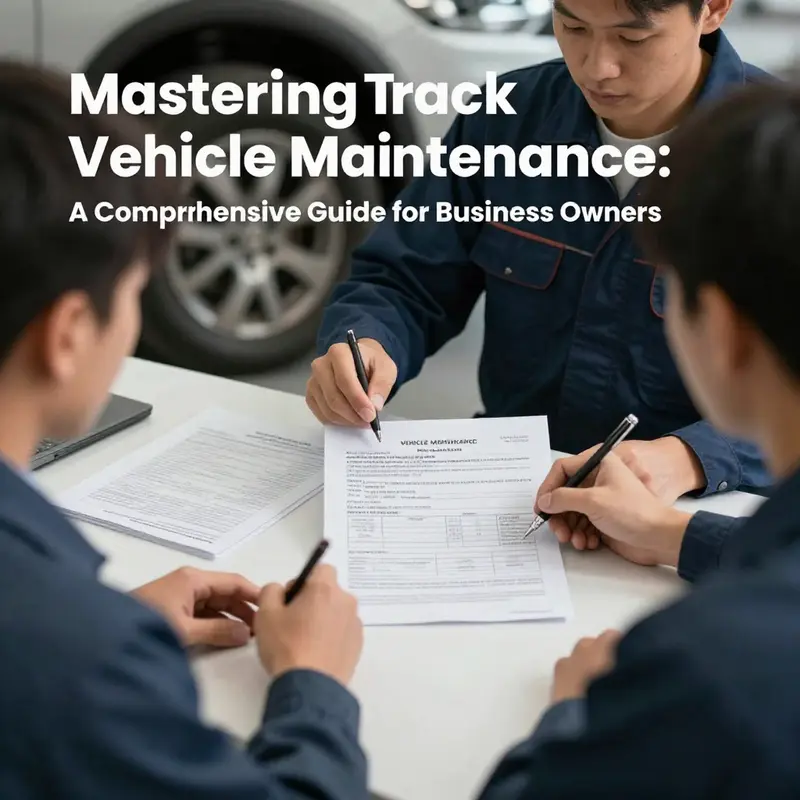
A car is more than its chassis and engine; it is a record of miles driven, decisions made, and moments when a machine was kept in balance by hands that know it well. When you walk into an independent repair shop with a VIN in hand, you are not just asking for a bill. You are inviting a detailed, often candid, look at a vehicle’s life. This approach can reveal maintenance and repair patterns that a dealership log or a third party database might miss. It is especially valuable when evaluating a used car or trying to understand a car that has lived in multiple garages. The maintenance history written across different shops creates a mosaic of usage. Each visit adds a tile to the bigger picture, and when you step back, you begin to see how reliable the car has been, how it has aged, and where potential weaknesses might lie.
To leverage this method effectively, start with a simple, practical mindset: you are collecting evidence, not just receipts. The first step is identifying likely independent repair shops the vehicle has visited. This information can come from the seller, from old service receipts, or from conversations with people who have lived with the car in the past. In some markets there are third-party verification services that help triangulate service history across multiple shops using the VIN. While these shops may vary in the depth of their records, most will retain a file for their customers for a number of years, especially for vehicles that have been in regular service. When you have a short list of shops, a careful, respectful in-person visit becomes your primary tool for access to the vehicle’s documented history.
Before you go, gather the basics. Bring your driver’s license and the vehicle’s registration or VIN as proof of ownership or authorization. In independent shops, records are typically tied to the customer’s file rather than to the vehicle alone, so having ownership documents helps the staff locate the right records quickly. It is also wise to communicate your purpose clearly. Explain that you are evaluating a used car and want to understand the service background, including both routine maintenance and any notable repairs. A reputable shop will usually accommodate this request and provide either a printed history or a summarized digital record. If you are the current owner, you may access the full file more easily; if you are not, you may need to present authorization from the owner.
When you sit with the shop manager or service advisor, you will often be handed a documentation packet that reads like a concise career ledger for the vehicle. The content typically includes dates of service, odometer readings at the time of each visit, and a description of what was done. You should see entries for oil changes, filter replacements, brake work, tire rotations, and any diagnostics run. More thorough records will list the specific parts replaced and their part numbers, along with labor times and costs. Some technicians will include notes about the condition of major components, such as the timing belt, water pump, or suspension joints, and may record software updates or ECU diagnostics that were performed. A skilled advisor can also note the technician who performed the service, which helps you assess the quality and accountability behind the work. The value of these details cannot be overstated: they translate a string of numbers into a narrative of how well the vehicle has been cared for and what it has endured over time.
As you review the records, you will start to notice patterns. Regular, well-timed routine maintenance—oil changes, filter replacements, and fluid inspections carried out at sensible intervals—speaks to a car that has been cared for and monitored. Gaps in maintenance, or clusters of work concentrated around a short span of miles, can signal a period of heavy use, a rough driving style, or even financial constraints that pushed the owner to defer service. The exact odometer readings are just as important as the dates; together they reveal whether the car has followed a predictable maintenance cycle or if it has experienced unexpected wear from high mileage. Pay attention to repairs that involve critical systems such as braking, steering, and suspension. Frequent brake pad or rotor replacements, for instance, might indicate aggressive driving or hard use, while recurring issues with cooling systems could point to a latent defect that would deserve closer scrutiny before purchase.
The independent shop records also reveal how the car was serviced after the warranty period or outside the manufacturer’s network. You may discover that certain maintenance tasks were performed with aftermarket parts or that specific vehicles underwent diagnostics that are not captured in a dealer’s database. This is not inherently a red flag; it simply means you are seeing a broader spectrum of the car’s life. The real utility lies in seeing whether the documented work aligns with typical maintenance intervals and whether there are any recurring problems that could foreshadow future repairs. A cooperative shop will often have a printed history file or an accessible digital record that accompanies the vehicle. They may also provide notes on the quality of parts used and any special work that was performed, which helps you gauge the long-term reliability of the vehicle’s current state.
One practical way to interpret the data is to look for corroboration between the independent records and another source of truth. If a shop notes a particular part replacement, look for a matching entry in the vehicle’s service logbook, if available, or in a prior owner’s notes. You can also cross-check with a broader vehicle history check that aggregates data from multiple sources. This cross-verification is crucial because the content available from any single shop is limited to their own records. By comparing what you find at the independent shop with what a third-party history report can provide, you mitigate the risk of a misread or an incomplete picture. It is not unusual to find that an independent shop holds a detailed, local view of the car’s maintenance, while a third-party report fills in gaps with information from other garages or service networks.
Another layer of insight emerges when you consider the broader context of ownership and vehicle use. The records can reveal who was behind the wheel during specific periods, how the car was stored, and whether it experienced long highway drives, short daily commutes, or heavy-duty usage. These usage patterns often show up in the maintenance cadence. For example, a vehicle that has seen frequent short trips may accumulate different wear compared to a car that logged long highway miles. Understanding these patterns helps you anticipate future needs, such as more frequent oil changes or higher brake wear, and informs the decision about whether to pursue a purchase, negotiate a price, or plan for future maintenance costs.
If you are evaluating a used car, the independent-shop history becomes a vital check against red flags. A clean, consistent maintenance history across multiple shops can give you confidence about the car’s overall condition. Conversely, a disjointed record, frequent repairs, or a spate of unlogged services can be a warning sign. In that case, you might want to request additional documentation from the seller or consider pairing this approach with a broader history check. To some readers, this step might feel like sifting through a drawer of paper receipts; to others, it is a way to bring a car’s narrative into focus with tangible, verifiable details. Either way, the goal is to assemble a credible, complete view of how well the car has been kept rather than accepting a single, potentially biased summary.
As a practical step within this approach, you can complement the in-person visit with a simple digital check. A reliable, third-party vehicle history portal can provide a baseline view that includes maintenance and repair records from various sources, including independent shops. This combination—local shop records plus an external summary—offers a balanced, comprehensive snapshot. If you want to examine a broad overview that aggregates historical data across multiple providers, you can explore a general vehicle history reference at what is vehicle maintenance? and then drill down into the shop-level records you collect in person. For a convenient cross-reference, consider the following approach: use the independent shop records to verify key entries and then use a third-party history portal to identify any additional entries that the shop may not have documented. This dual-path method helps you build a credible, defensible assessment of the vehicle’s maintenance history.
When you are ready to place this information in a buying decision, remember that the strength of this method lies in its specificity and provenance. The dates, mileages, parts replaced, and technician notes provide a granular account of the car’s health. The limitation is that the method cannot, by itself, guarantee a complete archive if the vehicle has visited many different shops, or if records have been lost or never created. That is why the strongest assessments come from combining independent-shop histories with a third-party history report and, where possible, the OEM or dealership service records. The overlap between sources is often where the most actionable insights live. If a certain record appears in multiple places and aligns with the vehicle’s narrative, you gain confidence in your interpretation of the car’s maintenance trajectory. If, however, you encounter inconsistencies, treat them as a signal to investigate further rather than a final verdict.
In practice, this method can be surprisingly efficient. A well-prepared buyer or owner can gather a robust set of data through a few well-placed inquiries and a short visit to a familiar shop. The payoff is not just a safer purchase; it is a clearer forecast of maintenance costs and a more informed partnership with the next owner or future service providers. And because independent shops often serve a broad mix of customers, their records can reveal patterns that are unrepresented in manufacturer-only histories. The more you know, the better you can plan for the car’s ongoing care and for the conversations you will have with sellers, dealers, and future technicians. To keep this process grounded, remember that a single source rarely tells the whole story. Use the independent-shop history as the foundation, and layer in third-party checks for a richer, more reliable picture.
For readers who want to explore additional, practical guidance on assembling vehicle histories, consider the cross-check strategy described in broader overviews of maintenance history methods. This layered approach helps you avoid gaps and arrive at a well-supported assessment when buying a used car or validating your own vehicle’s upkeep. If you are curious about the mechanics behind maintenance records and how different data sources interplay, the linked overview provides context about the five methods explained for checking vehicle maintenance history. In the end, what matters most is not a single record, but a coherent, corroborated story that you can trust when making decisions about a car’s future.
As you proceed, maintain a respectful, transparent stance with shop staff. A cooperative exchange is more likely to yield complete records and practical notes that you can use for future maintenance planning. If you encounter refusal or confusion, you can still compile what you know and supplement it with third-party history data. The core idea remains: independent repair shops are a potent, ground-level source of truth about a vehicle’s maintenance history, offering a perspective that complements dealer data, insurer claims, and owner-provided documents. When used thoughtfully, this approach helps you understand not just what was done, but why, and how it affects reliability, safety, and cost of ownership over time. For a broader synthesis of methods, you can consult an overview of the five common approaches to vehicle maintenance history, which can help you chart a careful, well-supported path through the decision-making process.
External reference: For a broader overview of the five methods explained, you can consult this resource: https://www.sohu.com/a/679841234_121025
Internal link example: To see how maintenance concepts are framed in a general guide, visit the article on vehicle maintenance basics at What is vehicle maintenance?. And if you want a quick, centralized snapshot of a vehicle’s history, you can also explore a third-party vehicle history portal through houcheking.com.
Reading the Brand’s Digital Ledger: Tracking Maintenance History Through Manufacturer Apps
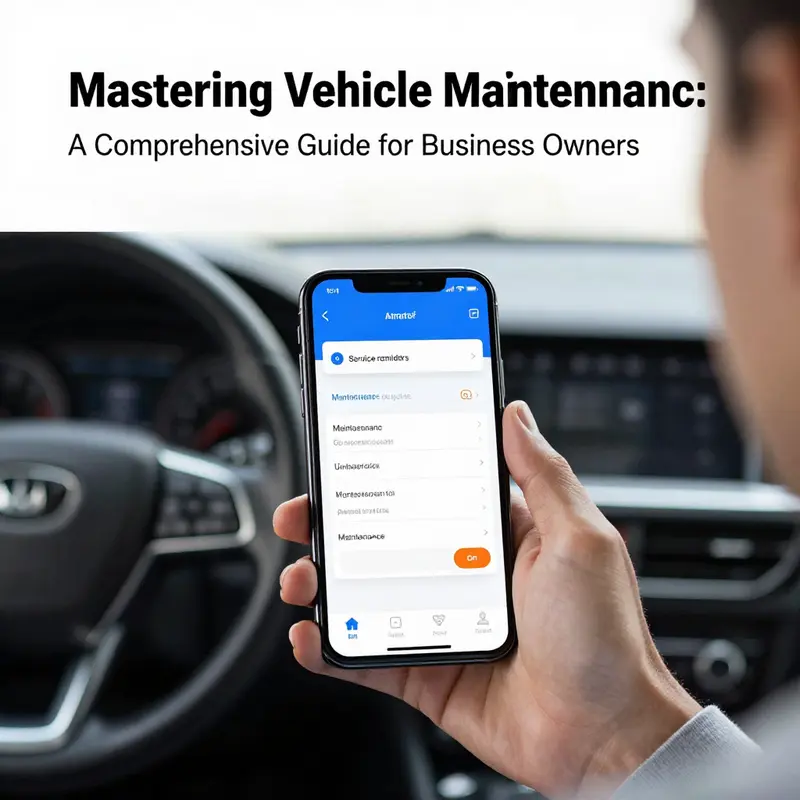
A well-maintained vehicle is as much a memory as a machine, and in the modern era that memory is often stored in a manufacturer’s own app. When you open a brand-branded app and link your car, you are not just scheduling tires or oil changes; you are tapping into an official ledger that records every authorized service, software update, and sometimes even the exact parts installed at each visit. For anyone evaluating a used car or trying to keep their own vehicle’s maintenance on track, this digital ledger can be the most authoritative source of truth. It is precise about who touched the car and when, and it can reveal patterns that a seller’s receipts or a general third-party report might miss. The advantage is clarity. The app is designed to reflect the vehicle’s life from the perspective of the brand’s network, where technicians read from a common playbook and dealership software speaks the same language as the car’s own systems. When you approach maintenance history through this channel, you are not guessing what was done; you are reading a traceable sequence that aligns with factory recommendations and official service bulletins. Yet, as with any single-source approach, it is most powerful when you read it in conjunction with other records, cross-checking dates, mileages, and the nature of the work performed to build a complete, trustworthy story of the car’s life.
Getting started with a brand’s official app is a process of connection and verification. First, you download the brand’s app from the appropriate app store and create an account that can be securely linked to your vehicle. The linkage typically requires the car’s VIN—a unique code that confirms you are interacting with the exact vehicle in question. Once linked, the app will present a maintenance history section that reads like a chronological diary: service dates, mileage at service, what was inspected, what parts were replaced, and notes from the technicians. Some entries may also include software updates, recalls that have been addressed, or even reminders about upcoming maintenance tasks. What makes this channel particularly valuable is the direct bridge to the authorized service network. Because the records originate in the same ecosystem that performs the work, the data can carry a level of fidelity that is hard to replicate through unofficial channels. Still, readers should approach the data with a critical eye. The app is a precise record of what the brand’s network has documented, but it does not always capture every non-dealer repair or aftermarket modification. A comprehensive maintenance picture often requires a complementary check with independent shops and insurance records to fill any gaps. This is not a flaw in the app; it is simply a reminder that a car’s life is often a mosaic of channels, and the most reliable history comes from combining them thoughtfully.
The maintenance history you access in the app is not a static file carved in stone. It is a living document that updates when new work is completed or when the vehicle’s health data is refreshed from connected services. You may notice that some entries include exact parts, oil grade, and the service bay’s notes, while others summarize the service more generally. In many cases, the level of detail is tied to the specific service category and the brand’s documentation standards. Oil changes are typically logged with date, mileage, and oil specification; brake services may list pad thickness and rotor condition; software updates will show version numbers and the vehicle’s current software baseline. Occasionally, you will also see photos or service checklists that were captured during a visit, which adds a layer of transparency and helps you verify that the described work corresponds to what was actually done. This depth of information can arm a buyer with clear evidence of routine maintenance and identity any large-scale interventions, such as transmission work or engine-related repairs, that might have long-term implications for reliability and resale value.
For those evaluating a used car, the app’s data provide a baseline of trust. The dates and mileages can illuminate whether maintenance was performed on schedule or if there were stretches of heavy use with little service in between. You can assess whether the vehicle has followed the manufacturer’s recommended maintenance plan or if there were deviations that could impact long-term performance. The presence of regular, brand-authorized service entries is often a reassuring sign, signaling that the car received attention from technicians trained to interpret the vehicle’s unique systems. Still, it is wise to examine the entries for consistency. A handful of sporadic updates may be less telling than a steady cadence of routine services aligned with the vehicle’s age and mileage. If a cap or major service is due within a few thousand miles, a seller’s note about a “recent service” should be verified by the app’s records rather than accepted on trust. In some cases, the app will also indicate the type of service performed—such as a brake inspection, tire rotation, or a software recalibration—giving you a granular view of what care the car has actually received.
Beyond the basics of dates and services, the app can reveal subtler signals about vehicle health. For instance, it may show software updates that tighten control systems, recalibrate sensors, or adjust engine management strategies. These updates can be telling; they indicate active maintenance of onboard systems that influence safety and efficiency. The presence of such updates often corresponds with improved reliability over time, though not every update guarantees a measurable improvement in every scenario. The key is to read the software history in concert with the mechanical service history, looking for a pattern of proactive care rather than a string of reactive fixes. If the app includes recalls and safety campaigns, you gain visibility into critical events that were addressed through official channels, which is particularly useful for assessing a vehicle’s safety history.
The chapter’s practical value extends beyond the moment of purchase. For owners, regularly reviewing the app’s maintenance log helps you stay ahead of schedules, plan future services around actual wear and tear, and avoid the adrenaline rush of unexpected trips to the shop. It also fosters a sense of ownership that is grounded in documented care rather than memory alone. A thoughtful owner can use the app to anticipate upcoming maintenance intervals, secure OEM parts, and coordinate with the dealer to ensure that upcoming visits align with factory recommendations. When you share your vehicle’s record with a potential buyer or a new lender, your app-fueled history becomes a credible, verifiable asset. And if you encounter gaps—perhaps a service entry is missing from the app—there are legitimate steps to take. You can request a printout or a digital export from the dealership, or cross-check with the vehicle’s VIN in the app and compare it against other records. This diligence reduces the risk of buying a car with hidden maintenance gaps that could escalate into costly problems.
For readers seeking a broader grounding, it helps to connect the custodial concept of maintenance with a general understanding of what maintenance means in practice. If you want a baseline explanation, you can explore the idea of maintenance as a structured, ongoing program aimed at preserving performance, safety, and value. This is especially true when maintenance history is captured in an official channel designed to reflect the brand’s standards and service philosophy. The internal concept of what maintenance entails—inspection, lubrication, adjustment, and replacement when necessary—underpins every entry you will see in the app. The relationship between scheduled care and actual wear becomes clearer once you view the app as a living ledger rather than a static report. When used thoughtfully, this ledger helps you predict future needs, budget for essential services, and avoid the disruption of unexpected failures. To anchor your understanding of maintenance in a broader sense, you may wish to consult a general overview such as what is vehicle maintenance. This provides a solid framework for interpreting the specifics that appear in the manufacturer’s app and for recognizing how routine care translates into long-term reliability.
In practice, you will likely combine the app’s data with other sources to form a complete picture. After verifying the signing of the VIN, you can cross-reference with third-party platforms that aggregate records from a broad network of service providers, ensuring you capture non-dealer maintenance as well. Insurance records can add another layer by revealing past accidents and claims that may have influenced the vehicle’s repair trajectory. Independent repair shops can fill in the gaps for services conducted outside the brand’s network. The result is a robust, multi-source history that supports confident decision-making. Remember to safeguard privacy and security when using these tools. Use strong authentication, keep software up to date, and limit sharing to trusted parties. The manufacturer’s app is a powerful starting point, but history usually becomes complete only when you look at it through multiple lenses, each corroborating the others.
For readers who want a practical roadmap to leveraging this resource, begin with the brand’s official app, ensuring you have the VIN ready and an account established. Link your vehicle to your profile, then navigate to the maintenance or vehicle health section. Read the entries in order, noting dates, mileages, and the scope of work. If something looks inconsistent or if a major repair appears outside what you expected, request a dealership printout for confirmation or consult a trusted mechanic for an assessment. Remember to compare the app’s maintenance cadence with the manufacturer’s recommended schedule for your vehicle’s age and mileage; deviations can reveal either proactive maintenance or missed services that may affect resale value. Lastly, keep in mind that this channel is an authoritative core source, but it is most informative when used in concert with other records, including third-party data and insurance histories. When you approach a used car transaction with this integrated view, you are more likely to understand the vehicle’s true condition and its lifecycle costs rather than relying on sentiment or memory alone.
To connect this chapter to a broader discussion and to provide a convenient primer on maintenance concepts, you can refer to a general overview of vehicle maintenance, which offers foundational ideas that complement what the manufacturer app reveals about a car’s service history. For more on maintenance basics, see what is vehicle maintenance. And when you want to explore practical examples and further context in a broader car-trends setting, a deeper dive into related topics can be found in related articles on vehicle tricks and maintenance strategies.
External resource: for a comprehensive look at how trusted third-party platforms can enhance your understanding of a vehicle’s history, you may consult additional guidance on vehicle history verification and related services at Houcheking. https://www.houcheking.com
Final thoughts
Tracking vehicle maintenance history is essential for business owners who rely on a fleet for their operations. By employing various approaches—from utilizing third-party platforms for comprehensive insights to leveraging direct inquiries at 4S dealerships and manufacturer apps—you can ensure that your vehicles receive the care they need. Regular maintenance not only prolongs the lifespan of your fleet but also minimizes operational disruptions and enhances safety. Embrace these strategies to keep your vehicles in optimal condition and secure your business’s success.