
Maintaining a fleet of vehicles can be a daunting task for business owners, but with the right strategies and tools in place, it can lead to significant improvements in operational efficiency and cost management. By integrating a vehicle maintenance syncup system, businesses can transition to proactive maintenance, ensuring optimal vehicle performance and longevity. This comprehensive guide will explore selecting the right platform, creating digital records for each vehicle, automating maintenance reminders, and integrating parts inventory management—essential steps for a robust fleet management strategy.
Choosing the Backbone: How the Right Fleet Maintenance Platform Powers a True Syncup Across Vehicles and Teams
Selecting a platform for a vehicle maintenance syncup fleet is not a trivial choice. It is the design decision that determines how data flows, how work moves, and how quickly a fleet can shift from reactive fixes to proactive care. The goal is a system that serves as a single source of truth, translating disparate signals from drivers, technicians, and managers into coordinated actions. In 2026, the emphasis is on platforms that offer deep integration capabilities, real-time visibility, and scalable customization that can grow with your operation. The right backbone does more than track service dates; it orchestrates the entire lifecycle of each asset, from first purchase through ongoing maintenance, repairs, and eventual replacement.
The decision starts with a clear understanding of what the platform must do beyond simply storing maintenance histories. It should seamlessly ingest data from telematics devices, onboard diagnostics, and service records, then translate that data into actionable tasks. Real-time data tracking matters because it enables predictive insights rather than after-the-fact diagnoses. When a platform can surface early warning signs—like rising temperatures in a cooling system, fluctuating fuel efficiency, or abnormal vibration patterns—it helps prevent breakdowns and preserves uptime. The architecture should support event-driven alerts that respect the roles of drivers, dispatchers, mechanics, and finance teams. An alert to a driver about an upcoming service should differ from a notification to a shop about a failed part. The system must accommodate these nuanced channels without becoming noisy or duplicative.
At the heart of an effective syncup is a well-structured data model. The concept of “one vehicle, one file” remains a powerful mental model: for each asset, the platform maintains a single, versioned dossier that aggregates purchase data, VIN, maintenance history, service intervals, registration and insurance, and parts replacement records. This dossier becomes the anchor for every decision about that vehicle. When the fleet grows, the value of a centralized record system compounds: it reduces duplication, unifies reporting, and simplifies compliance. Such a model also underpins accountability. With a single source of truth, it is easier to audit repairs, verify parts usage, and validate labor hours across departments. The data model should be flexible enough to accommodate different vehicle types, fleets in multiple regions, and evolving regulatory requirements, while still preserving strict data integrity and audit trails.
Beyond data, the platform must deliver robust integration capabilities. A modern fleet environment often includes external systems for accounting, insurance, regulatory compliance, and third-party service providers. The platform should offer well-documented APIs, webhooks, and prebuilt connectors that allow these connections to flow without manual intermediary steps. When a repair is needed, the platform should be able to pull the right work order from the digital queue, push the necessary information to the service partner, and automatically reconcile the bill against the approved budget. It should also integrate with parts suppliers and inventory systems so that stock levels, procurement orders, and supplier performance metrics are visible within the same interface. This level of integration reduces the rumor mill and data silos that can derail a maintenance workflow.
The value of automation cannot be overstated. Automated maintenance reminders—based on mileage, calendar intervals, or manufacturer-recommended service plans—keep fleets on schedule without the cognitive load of manual tracking. The best platforms recognize the distinction between a “service due” alert and a “need immediate action” issue. They route tasks to the appropriate technician or shop, create digital work orders, and allow for real-time updates on diagnosis, parts used, labor time, and final costs. Importantly, these workflows should be designed to minimize friction: drivers submit requests with photos, the system scores urgency, approvals are funneled through a digital path that preserves auditability, and all actions are time-stamped for transparency. With standardized workflows, the risk of miscommunication shrinks and response times accelerate.
Inventory synchronization is another critical capability. A maintenance platform that links to an inventory module can automatically flag low-stock items, trigger procurement workflows, and provide usage analytics. The ability to see which parts are consumed most often, which suppliers deliver reliably, and which warehouses hold critical stock informs smarter purchasing and reduces downtime caused by missing components. This ties directly to uptime metrics and capital preservation. In essence, a platform that intertwines maintenance with parts management turns a reactive repair process into a proactive supply chain discipline.
A powerful platform also makes data actionable through analytics and reporting. Dashboards should translate the raw flow of events into meaningful business intelligence: the longevity and reliability of individual assets, total maintenance costs per vehicle, maintenance cost as a share of uptime, and the performance of external service providers. These insights help fleets forecast capital expenditures, optimize maintenance budgets, and identify systemic issues—such as recurring failures that may indicate a design or component quality concern. The analytics layer should support ad hoc analysis and standardized reports that auditors, executives, and operations teams can rely on for strategic decisions.
Interoperability and governance are essential as fleets scale. The platform must support multi-user access with role-based permissions, ensuring the right people see the right data and can perform the right actions. Audit trails, change histories, and approval records provide the accountability that governance frameworks demand. Localization considerations—such as language, currency, and regulatory requirements—should be handled natively or through configurable options rather than hacks or manual workarounds. A scalable solution is one that can support a handful of vehicles this year and thousands next year without sacrificing performance or security.
Implementation strategy matters as much as technical capability. Selecting a platform that promises rapid deployment without a rigorous data migration plan or change-management discipline can lead to long, painful rollouts. The path to a synchronized maintenance ecosystem should begin with a phased pilot: migrate a representative subset of vehicles, validate data integrity, refine maintenance rules, and confirm that automated alerts reach the intended recipients. As the pilot proves success, extend the rollout across the fleet. This approach reduces risk, builds user confidence, and yields early ROI by aligning maintenance events with actual operational needs.
When evaluating potential platforms, the evaluation should be anchored in real-world readiness. Ask how the system handles edge cases: how it reconciles retroactive maintenance data when vehicles join or leave the fleet, how it handles nonstandard service intervals for specialty equipment, or how it flags potential data gaps in telematics streams. Compatibility with existing processes matters as much as feature counts. If a fleet already manages driver or technician workflows through paper forms or disparate apps, a platform that can harmonize those channels into a single, coherent workflow will deliver the fastest benefits.
The ethical and security dimensions of platform choice cannot be ignored. Data protection, access controls, and compliance with applicable standards should be part of any vendor assessment. Encryption of data at rest and in transit, robust authentication methods, and clear data ownership terms are non-negotiable. Equally important is the platform’s support for data portability and exit strategies. Fleet managers must know that data can be exported or migrated if a change is required, without losing critical historical context.
As the chapter moves from theory to practice, it’s helpful to ground the discussion in a concrete mindset: the platform is not merely a tool but a connective tissue that unites drivers, technicians, dispatchers, and finance. It aligns day-to-day tasks with long-term asset strategies. It reinforces a culture of proactive maintenance—identifying patterns before they become failures, reducing unplanned downtime, and extending the usable life of vehicles. The choice of backbone, therefore, becomes a strategic decision that shapes how the entire organization operates around the vehicle life cycle.
For readers seeking a quick primer on the fundamentals of vehicle maintenance, a concise overview can be found here: https://vehicletricks.com/blog/what-is-vehicle-maintenance/. This resource helps frame the baseline expectations for a maintenance program and clarifies why a synchronized platform matters for every stakeholder involved. The chapter’s emphasis on robust integration, real-time data, standardized workflows, and scalable governance aligns with that foundational understanding and translates it into a practical blueprint for selecting and configuring the right fleet management platform.
In practice, the decision comes down to a balance between capability and practicality. The ideal platform will offer seamless integration with telematics and service providers, a clean digital record for every vehicle, automated scheduling that reflects both mileage and time-based needs, and a transparent workflow that spans drivers, shops, and back-office teams. It will connect the maintenance story to the broader operational narrative, linking uptime to service costs and fleet availability to customer commitments. It will do all this while remaining adaptable as the fleet grows and as regulations shift. It will also empower users to customize workflows to their unique contexts—without sacrificing the consistency that comes from a standardized, centralized system.
Ultimately, choosing the right platform for a vehicle maintenance syncup fleet is an exercise in aligning technology with process, data with decision, and risk with resilience. It requires clear criteria, thoughtful data modeling, and a long-term view of scalability and governance. When done well, the platform becomes a force multiplier: it shortens response times, reduces unnecessary expenses, and delivers a predictable, transparent lifecycle for every asset in the fleet. The result is not just improved maintenance, but a renewed ability to plan, optimize, and compete more effectively in a dynamic logistics and transportation landscape.
External resource for reference on architectural patterns and implementation approaches can be found here: https://www.appmaster.io/feature/fleet-maintenance-tracker
Creating a Digital Vehicle Lifecycle Record in Vehicle Maintenance Syncup Fleet
A digital vehicle lifecycle record is more than a file; it is the heartbeat of a modern fleet. It stitches together every moment a vehicle exists in an organization’s universe, from the moment it leaves the lot to the day it is retired from service. In a maintenance syncup fleet, this record becomes the single source of truth that supports proactive decisions, cost discipline, and regulatory compliance. The core idea is simple and powerful: every vehicle should have one comprehensive, cloud-based dossier that captures acquisition details, deployment history, maintenance events, telematics streams, fuel and oil use, insurance and accidents, and every component change that happens along the way. When a dispatcher asks, “What is the current status of Vehicle A-1024?” the answer should be instantaneous, not a scavenger hunt through folders, emails, and scattered spreadsheets. This is how an organization shifts from reactive fixes to a disciplined, predictive maintenance culture. The digital record is not just a repository. It is a dynamic interface that enables real-time visibility, traceability for audits, and a platform for continuous improvement. In practice, building this record begins with a clear philosophy: one vehicle, one file, always up to date. This principle anchors every process and ensures that no critical detail is lost as the vehicle traverses miles and seasons. A complete lifecycle dossier starts with the basics—purchase date, VIN, and location history—yet it quickly extends into a web of interconnections. The moment a vehicle enters service, its dossier should immediately receive a baseline set of data: the initial service schedule, current odometer reading, and the status of essential inspections. Over time, every service entry, every replacement part, and every repair action adds a tile to the mosaic. The value lies not in the pieces alone, but in the pattern they form. A robust digital record makes those patterns legible. It reveals maintenance hot spots, recurring faults, and the true cost of ownership per asset. It also supports safer operations, because the record captures compliance milestones and regulatory checks that would otherwise be scattered across disparate systems. The chain of trust grows stronger as information flows in from more sources, yet the system remains anchored in a single, auditable file per vehicle. The first pillar of the lifecycle record is the Vehicle Management module, which provides the backbone for identity, assignment, and current status. Each vehicle is uniquely identified by a VIN and linked to its purchase date, warranty windows, and insurance certificates. This foundation facilitates life-cycle events such as deployments, reassignments, or decommissions, because every action is linked to the vehicle’s history rather than to a person or a piece of paper. From there, the Maintenance & Repair Scheduling module absorbs every maintenance directive from the manufacturer and every operator-initiated request. A driver’s note, uploaded with a photo or a concise description, becomes a digital repair ticket. The system translates that ticket into a work order and routes it to a technician or an approved service partner, all while preserving the immutable trail of diagnosis, parts used, labor hours, and final costs. When the work is completed, the record updates automatically, sparing managers from manual reconciliation and reducing the risk of lost invoices or misallocated expenses. The rigorous traceability inside the digital lifecycle record also enables more equitable service evaluation. By comparing the performance of internal teams against external providers, a fleet can identify which partners deliver the best uptime, the most accurate parts, and the most reliable diagnostics. Yet the record extends beyond maintenance alone. The Fuel & Oil Card Tracking module provides visibility into consumption patterns, fuel efficiency, and refueling locations. This data not only helps manage expenses but also surfaces anomalies that may indicate misuse or inefficiency. Insurance & Accident Management keeps a log of coverage status, claims, and incident reports, linking those events to vehicle performance data. For fleets operating in regulated environments, this linkage is critical for demonstrating compliance during audits and inspections. Real-Time Telematics Integration closes the loop by feeding the record with telemetry from GPS, engine diagnostics, and driver behavior signals. In combination, these data streams create a living, breathing portrait of how a vehicle performs, ages, and ultimately contributes to the organization’s goals. This is where engineering change management becomes essential. Modern fleets must manage engineering changes to vehicle components, software, and configurations with disciplined workflows. An ECO, change requests, and approvals are recorded against the vehicle’s lifecycle, ensuring that every update—no matter how small—receives formal review and traceable authorizations. This reduces the risk of unsafe configurations and ensures that safety and quality standards are preserved as the fleet evolves. By embedding ECO processes into the lifecycle record, fleets maintain a rigorous audit trail that supports certification requirements and regulatory reporting. A robust data pipeline fuels the value of the lifecycle record. Raw telemetry, maintenance events, and inventory transactions flow into a centralized data lake through event-based ingestion and streaming. From there, data scientists can decode JSON signals, enrich them with reference data, and run analyses in real time. A query language tailored for large-scale streams enables fast, actionable insights. For example, analysts can identify clusters of failures by geography or vehicle type, forecast time-to-failure for critical components, or quantify the impact of maintenance on uptime. This capability turns maintenance from a cost center into a strategic axis for reliability and efficiency. AI-assisted tooling can surface nuanced patterns that would be invisible to human analysts working in siloed systems. A Copilot-style assistant can help fleet engineers pose queries, generate dashboards, and interpret anomaly signals, accelerating the pace at which decisions are made and action is taken. The data pipeline is not just technical; it reshapes the organization’s governance, enabling consistent policies around data quality, lineage, and access. When the lifecycle record feeds dashboards used by drivers, dispatchers, mechanics, and finance teams, it creates a shared mental model of fleet health. Real-time dashboards emphasize not only which vehicles are due for service, but why those services matter—how they affect uptime, safety, and total cost of ownership. Predictive maintenance emerges from the ability to see, across the fleet, the precursors to failure. When a pattern repeats, the system can propose preemptive interventions before a breakdown occurs. The practical payoff is a dramatic reduction in unscheduled downtime, fewer emergency repairs, and more stable maintenance budgets. As the lifecycle record matures, its value extends to compliance and transparency. Regulatory frameworks demand traceability that covers component versions, service histories, and inspection outcomes. The lifecycle record provides that traceability in a single, auditable narrative. It also supports continuous improvement by enabling post-incident analyses and root-cause investigations. In many fleets, the record becomes a backbone for risk management, enabling executives to understand where risk concentrates and how to allocate resources to mitigate it. The governance dimension is reinforced by structured workflows that mirror organizational hierarchies and approval authorities. Requests for major repairs or software updates route through digital approval paths that prevent bypasses and reduce opportunities for fraud. These workflows ensure that each decision aligns with safety standards and budgetary constraints. This is especially important for operations handling hazardous materials or managing school transportation fleets, where compliance is non-negotiable. The lifecycle record’s single-file philosophy also supports cross-functional collaboration in a way that silos never could. Drivers, dispatchers, mechanics, and finance teams see the same information, updated in near real time. This shared perspective shortens response times, minimizes data gaps, and aligns operational priorities with financial realities. The internal link to a concise primer, such as What is vehicle maintenance, can provide a quick baseline for teams new to this approach, ensuring everyone speaks the same language about routine care and preventive actions. As the fleet scales, the lifecycle record remains a flexible, extensible architecture. Vehicle records can absorb new data sources, such as additional sensor streams or supplier data feeds, without losing the coherence of the core file. The architecture supports structured change management, ensuring that every addition or migration follows formal approval and documentation. This approach protects data integrity as the organization evolves. For teams pursuing end-to-end digital transformation, the lifecycle record is not a destination but a platform. It enables rapid iteration of process changes, smooth adoption of new analytics capabilities, and easier onboarding of new staff. It also makes it possible to align maintenance with broader enterprise initiatives such as asset utilization planning, procurement optimization, and sustainability reporting. In practice, achieving this level of integration requires thoughtful planning. It begins with a clear data model that defines how every module—Vehicle Management, Maintenance & Repair Scheduling, Fuel & Oil Card Tracking, Insurance & Accident Management, and Real-Time Telematics—interacts with one another. It continues with secure, scalable data pipelines that handle throughput, latency, and data governance. It ends with a culture that treats data as an asset and maintenance as a strategic capability rather than a back-office chore. The end state is a fully realized digital vehicle lifecycle record that empowers fleet managers to anticipate needs, allocate resources wisely, and deliver reliable service with measurable impact. When this record is in place, executives can ask not only how much maintenance costs per vehicle but how maintenance activities translate into uptime, safety, and customer satisfaction. The chapter closes with a reminder that the lifecycle record is the backbone of predictive and preventive maintenance. It is the instrument by which a fleet becomes more reliable, efficient, and transparent. The journey begins with the conviction that every vehicle deserves a complete, up-to-date file, and every stakeholder benefits from a shared, real-time view of the road ahead. As organizations adopt ever richer data pipelines and governance practices, the digital vehicle lifecycle record becomes less a tool and more a operating principle—one file, one truth, and one future where maintenance is proactive, purposeful, and persistently optimized. External resource: for a detailed exploration of engineering change management within enterprise systems, see https://learn.microsoft.com/en-us/dynamics365/supply-chain-management/engineering-change-management-setup
From Alerts to Assurance: Automating Maintenance Reminders in a Vehicle Maintenance Syncup Fleet
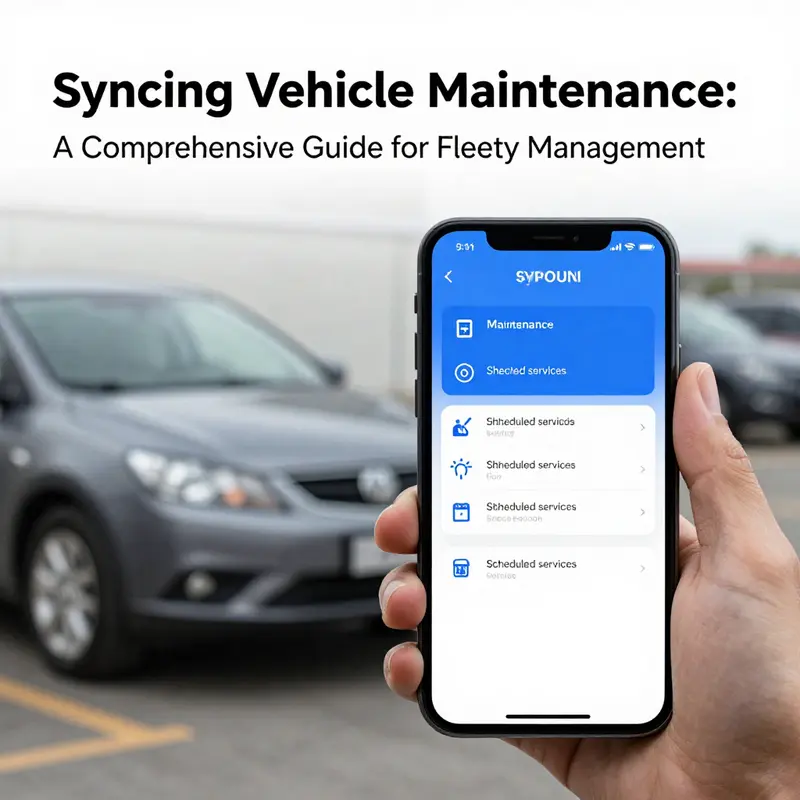
Automating maintenance reminders in a vehicle maintenance syncup fleet is more than a convenience; it is a strategic shift from reaction to prediction. When every vehicle in the lineup speaks in real time through telematics and is connected to a central digital dossier, reminders stop being annoying nudge cards and become trusted signals that protect uptime, safety, and long-term asset health. The heart of this transformation lies in a digital ecosystem that synchronizes maintenance data, schedules, parts availability, and the people who must act on them. Rather than scrambling to pull fleet data from disparate sources or chasing paper service records, operators can set a single, shared rhythm that keeps each vehicle on its optimal service cadence. The result is a fleet that runs more smoothly, with fewer unexpected breakdowns, and with a level of transparency that makes every stakeholder—drivers, dispatchers, technicians, and finance teams—accountable and aligned.
At the core of this approach is real-time monitoring. Modern fleets collect continuous streams of health metrics from each vehicle, including mileage, engine performance indicators, tire pressure, brake wear, oil temperature, and fluid levels. These data streams are not merely passive readings; they are the raw material for automated maintenance logic. Thresholds are defined not in isolation but in concert with manufacturer guidelines, historical repair data, and the fleet’s operating profile. A truck that sees longer idling periods, heavier payloads, or more aggressive duty cycles may reach wear thresholds sooner than a like-for-like vehicle in lighter use. The system must recognize these nuances and adjust maintenance reminders accordingly. In practice, that means two things: first, precise tracking of when to service, and second, reliable notification pathways that ensure the right person sees the reminder at the right time.
The alerting architecture is as important as the data itself. Once a threshold is crossed, the system can trigger maintenance alerts through multiple channels, ensuring visibility across the organization. Email reminders inform fleet managers who oversee scheduling at a high level. SMS or in-app push notifications reach drivers and technicians who are in the field or on the shop floor. Centralized dashboard alerts provide a real-time snapshot for executives and budget owners who watch total cost and uptime. The power of multi-channel delivery lies in ensuring that no alert languishes in an unread inbox or a missed chat notification. Yet it is not enough to push alerts; the system must also provide clear, actionable guidance. A well-tuned reminder explains what service is due, why it matters, the recommended service interval, and any required prerequisites such as parts or technician availability. The aim is to reduce cognitive load so that the next steps are straightforward and expedited.
Calibration of maintenance thresholds is essential. The temptation to standardize reminders across all vehicles can backfire, because different fleets, routes, and operating conditions wear components differently. A one-size-fits-all approach often produces alert fatigue, where drivers and managers start dismissing reminders. Instead, the automation should adapt to usage patterns. By analyzing historical data, the system learns which components wear fastest under certain duty cycles and climates. It can then adjust service windows and reminders accordingly, signaling when a component is trending toward failure before it becomes a safety or operational risk. Predictive maintenance sits atop this framework as a central objective: rather than waiting for a fixed mileage interval, the system forecasts the likelihood of a breakdown within a forecast horizon and prompts service just ahead of that risk. This is not a distant dream but a practical capability that modern cloud-based analytics can deliver through scalable data processing and machine learning, without requiring bespoke, on-premises infrastructure for every fleet.
An automated reminders program also reshapes the responsibilities of the people who keep a fleet healthy. Drivers gain a clearer process for reporting concerns, supported by a mobile-first experience. A driver can capture the issue with photos, describe symptoms, and attach context such as road conditions or recent incidents. The moment they submit a repair request, the system creates a digital work order and routes it to a qualified technician or a preferred repair partner. The entire journey—from issue reporting to diagnosis, parts used, labor hours, and final invoice—is logged in real time. This end-to-end traceability reduces the opportunities for mischarging or parts swapping and makes it easier for finance teams to validate costs against outcomes. It also builds a transparent history that can be audited during compliance checks or insurance reviews. In practical terms, if a sensor indicates that brake wear is beyond the safe threshold, the system can automatically assemble a work order, check parts availability, and secure approval for the service without human intervention unless exceptions arise. When approvals are needed, digital workflows provide a transparent, auditable trail that minimizes delays and eliminates paper-based bottlenecks.
A critical piece of the automation puzzle is the integration of parts inventory with maintenance reminders. The best reminder system does not just tell you what to service; it tells you what you need to complete the service. Linking the maintenance platform to an inventory module allows automatic low-stock alerts, parts requisition, and procurement workflows to kick in as soon as a service is scheduled. This closes the loop between preventive planning and actual repair execution. If a routine oil change requires a specific filter or a brake pad set, the system can verify availability, reserve parts, and flag potential supply bottlenecks before the service appointment, reducing downtime and keeping the vehicle off the road for the shortest possible period. In turn, this data about parts usage feeds back into maintenance analytics, highlighting consumption patterns, vendor performance, and opportunities to optimize procurement—delivering cost savings alongside uptime gains.
The intelligent orchestration of reminders also depends on cross-functional collaboration. A unified platform bridges the gap between drivers who report issues, dispatchers who coordinate vehicle use, mechanics who perform repairs, and finance teams who track cost and budget adherence. When these functions operate in sync, a single alert can mobilize the right people at the right time. A driver’s report, paired with telematics data, can trigger a prioritized work order that automatically engages the closest or most skilled technician, schedules the service within a window that minimizes fleet downtime, and aligns with the company’s maintenance budget. This level of coordination is difficult to achieve with siloed systems or manual handoffs, but it becomes routine once the data is harmonized and the workflows are digitally enforced. The result is not just faster repairs but a governance framework that fosters accountability and continuous improvement.
External integration further enriches the reminders ecosystem. A modern fleet maintenance syncup may synchronize digital records with external services such as insurance providers, regulatory bodies, or inspection agencies. Automating document sharing and verification reduces administrative friction and helps fleets stay compliant with regulatory requirements. It also supportively broadens the ecosystem in which the fleet operates, enabling smoother renewals, better risk management, and more reliable service records that survive audits or claims investigations. In turn, this external context feeds back into the maintenance program’s risk models, helping to recalibrate thresholds in light of new compliance standards or changing risk profiles.
From a strategic vantage, automation is a catalyst for a shift toward proactive maintenance. The aim is to move beyond reactive fixes and toward a maintenance ecosystem that is continuously learning from ongoing operations. Historical maintenance data, real-time vehicle health indicators, and supplier performance metrics converge to deliver early warnings about looming issues. This convergence enables service scheduling that minimizes unplanned downtime while maintaining safety and reliability. It also yields richer cost and performance analytics. Fleet leaders can compare total maintenance costs, downtime, and uptime across vehicles and time periods, assessing how the automation program influences asset longevity and capital expenditure. The insights gained inform procurement decisions, budgeting, and vendor management, further reinforcing the business case for a synchronized maintenance approach.
To implement such a system effectively, several strategic steps matter. First, establish a clear data governance framework. Define which data are collected, how they are validated, and who can modify thresholds. Second, design adaptive alerting that respects the operator’s risk tolerance and the fleet’s operating context. Third, ensure the user experience is driver-centric, with simple reporting flows and transparent service expectations. Fourth, prioritize open interfaces. API-enabled integrations with telematics, inventory, and accounting systems ensure the reminders stay aligned across the entire organization and can evolve as the fleet grows. Finally, foster a culture of continuous improvement. Regular reviews of alert accuracy, repair turnaround times, and vendor performance help refine thresholds, workflows, and budgeting assumptions.
For readers seeking a practical foothold, a practical example of how such a tracker works in practice is described in this resource: How vehicle maintenance saves on gas expenses. This reference illustrates how preventive maintenance translates into tangible savings by reducing fuel inefficiencies and minimizing downtime, reinforcing why a synchronized reminder system matters. How vehicle maintenance saves on gas expenses
As the fleet grows and routes become more complex, automated reminders become the backbone of a resilient maintenance discipline. They ensure that every vehicle receives timely attention, every part is available when needed, and every stakeholder shares a single source of truth. The convergence of real-time monitoring, adaptive thresholds, multi-channel alerts, predictive analytics, and cross-functional workflows enables a maintenance regime that is not only compliant and cost-conscious but also dependable and scalable. In this way, the fleet moves from isolated fixes to a cohesive, intelligent ecosystem that stays in step with the demands of modern operations. This is the essence of a true maintenance syncup: a living, data-driven loop where reminders, repairs, procurement, and reporting reinforce each other, producing more reliable service, safer operation, and better overall performance for the fleet as a strategic asset.
External resource: https://www.microsoft.com/en-us/ai/automotive
Coordinating Spare Parts with Maintenance Syncup: How Inventory Intelligence Keeps Your Fleet Moving
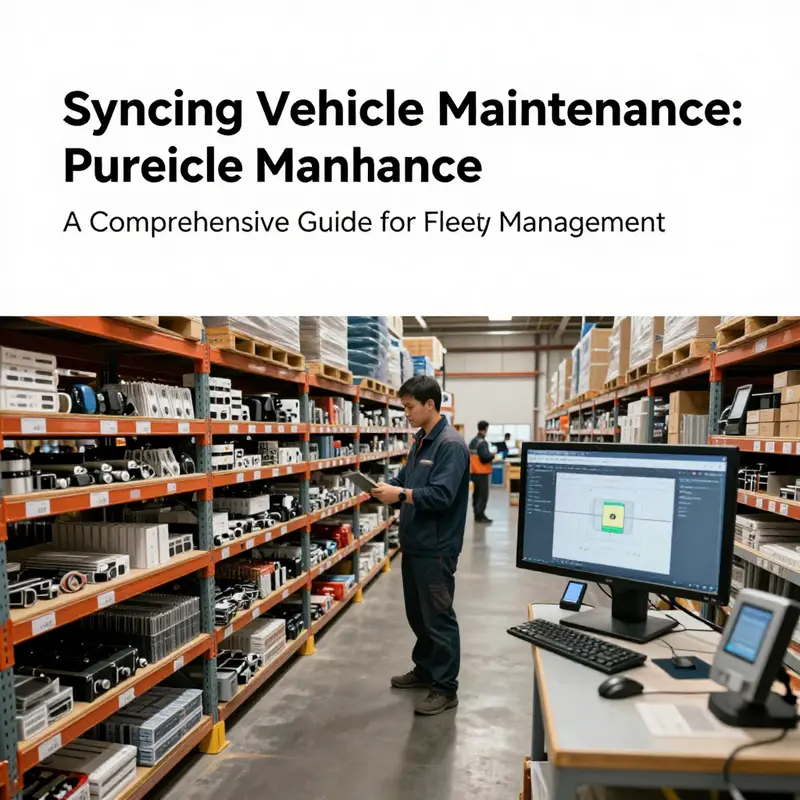
Every fleet manager knows that a great maintenance plan is only as good as the parts that support it. In a Syncup Fleet—where maintenance schedules, diagnostics, and service workflows are connected in real time—the inventory of spare parts becomes more than stock on shelves. It becomes a strategic, dynamic resource that can predict needs, prevent delays, and extend asset life. Integrating parts inventory management into the vehicle maintenance syncup is not merely a logistical improvement; it is a fundamental shift toward predictable uptime and proven cost control. When a maintenance event is triggered, the system should automatically reveal not just what service is due, but what parts are available, where they are located, and how quickly they can reach the point of need. The promise is clear: fewer last‑minute scrambles, fewer stalled repairs, and a more transparent view of the entire maintenance pipeline. This is the essence of Syncup Fleet in practice, where the right component arrives at the right time to keep wheels turning and operations flowing smoothly.
To realize this, the inventory layer must be tightly woven into the maintenance workflow. It starts with a digital vehicle lifecycle record that extends beyond logs of service dates and parts replaced. The electronic dossier should reflect current stock levels, preferred suppliers, lead times, and consumption patterns by vehicle type and routing profile. When a vehicle signals a service need—whether through a diagnostic alert or a driver request—the system doesn’t just create a work order. It cross-references the parts catalog in real time, flags any missing components, and presents actionable options. If a part is out of stock, the platform should propose alternatives or trigger an automated reorder to minimize downtime. In this way, a maintenance request becomes a coordinated operation, aligning service technicians, inventory staff, and procurement in a single, auditable thread of activity.
A core capability in this integrated approach is predictive inventory management. With the right data science, the system can forecast demand across a network of locations and fleets. Historical consumption, mileage and duty cycle, service intervals, and even variances in supplier lead times feed predictive models that estimate future parts needs. The result is a leaner carry cost—inventory that is available when needed but not sitting idle in excess stock. The models don’t just tell you what to reorder; they illuminate when to reorder and in what quantities to balance service readiness with cash flow. In practical terms, this means minimum stock levels aligned with projected maintenance activity, dynamic safety stock that adapts to seasonality or route shifts, and visibility into cross-location transfers before a part is requested, not after.
An often overlooked but crucial element is the concept of transshipments within a multi-site fleet. When a part is scarce at one location and plentiful at another, a seamless transfer becomes essential. A truly integrated system coordinates these transships with the maintenance schedule, ensuring that a critical component is on hand when the technician is ready to work. This is more than a logistics adjustment; it is a strategic resilience measure. For fleets that span regions with disparate supplier networks or variable transit times, automated transfer workflows reduce both the risk of downtime and the total cost of ownership. The system can route parts through the fastest, most reliable channel, track the shipment in real time, and reconcile the receipt with the work order so every step is visible and auditable. That end-to-end traceability matters when audits arrive or when efficiency metrics are scrutinized by executives evaluating ESG performance.
The financial calculus of inventory within a maintenance syncup becomes more favorable as data flows between maintenance events and procurement. When a maintenance order is created, the system can estimate the bill of materials, assess the current stock, and forecast the total procurement cost for that job. It can also surface cost-saving opportunities such as buying in larger lots for predictable demand or consolidating purchases across multiple vehicles that share parts. This is not about pushing cost down the line; it is about optimizing spend in a way that reduces waste and improves service quality. By linking parts usage data—what was installed, how many hours were spent on repair, and what the final bill looks like—to the vehicle’s lifetime cost profile, a fleet gains a more accurate picture of maintenance ROI. The clarity this delivers supports smarter negotiations with suppliers, more precise budgeting, and a stronger case for investing in resilient inventory practices.
From a process standpoint, the integration demands careful governance. Reorder thresholds, supplier lead times, and stock locations must be defined with sensitivity to regional demand and deployment patterns. The maintenance platform should enforce automated alerts when stock dips below a safe level and should propose reordering quantities that balance speed to service with carrying costs. The system also provides an opportunity to standardize parts across the fleet—favoring common components that streamline procurement, reduce spare parts fragmentation, and ease technician training. When a vehicle is due for a routine service, the platform not only schedules the maintenance but also confirms the availability of the exact parts required for that service. If a maintenance item relies on a part with multiple compatible specifications, the system can guide the technician to the correct variant and document any substitutions, preserving traceability while maintaining service continuity.
This integrated approach also strengthens the cross-functional collaboration essential to a high‑performing fleet. Drivers, dispatchers, mechanics, and finance staff all operate within a single, shared data environment. A driver submitting a repair request uploads photos or descriptions, the system interprets the need and checks stock, the parts team confirms availability or proposes alternatives, the mechanic updates the diagnostic findings and labor time, and finance aligns the final cost with the budget. This continuous feedback loop minimizes miscommunication and accelerates response times. It also creates an auditable trail that supports compliance and governance, ensuring that every part move—from order to receipt to installation—is recorded and attributable.
The practical benefits of this alignment extend beyond downtime reduction. When parts are available precisely when needed, there is less emergency procurement, fewer expedited shipments, and lower unit costs. Inventory optimization reduces carrying costs and waste, which translates into a smaller environmental footprint for the maintenance operation. The alignment of maintenance and inventory also improves inspection outcomes. Vehicles pass inspections with confidence when the right components and documented replacements are on hand, reducing the risk of grounding due to missing or noncompliant parts. In this sense, inventory intelligence within a Syncup Fleet plays a pivotal role in broader ESG goals by driving efficiency, reducing waste, and promoting responsible asset stewardship.
The value proposition is reinforced by real-world evidence. Advanced fleet management platforms report that integrated maintenance and inventory optimization can deliver meaningful reductions in maintenance delays and an accompanying decrease in spare parts carrying costs. With AI-driven analytics forecasting demand and automating replenishment, organizations gain a proactive rather than reactive stance toward parts availability. The combination of real-time stock visibility, predictive demand planning, and automated replenishment creates a virtuous cycle: better uptime, lower costs, and stronger reliability for the fleet as a whole. Such outcomes are especially compelling for mid-sized and multi-site fleets that face the complexity of balancing service readiness with centralized procurement and dispersed inventory.
At the heart of this approach is a straightforward philosophy: maintain the parts as you maintain the vehicles. The Digital Vehicle Lifecycle Record becomes the spine that connects service history, stock levels, supplier performance, and future needs. A well-implemented integration allows the system to suggest preferred parts, flag substitutes when a specific SKU is unavailable, and capture the rationale for substitutions for future reference. It also supports continuous improvement. By analyzing which parts failed most often and which suppliers delivered the most reliable service, leadership can refine stocking strategies, negotiate better terms, and calibrate maintenance plans to align with actual wear patterns rather than theoretical schedules. The outcome is a fleet that not only performs better today but also evolves with data-driven insight over time.
For readers exploring the broader concept of maintenance and its foundational definitions, see What is Vehicle Maintenance. This resource provides a baseline understanding that helps framing how an integrated inventory module extends traditional maintenance practices into a synchronized, data-driven capability that improves reliability and efficiency across the entire operation.
External link for further reading on integrated maintenance and inventory optimization in fleets can be found here: https://www.fleetmanagementtoday.com/integrated-maintenance-inventory-optimization-for-fleets
Final thoughts
Establishing a synchronized vehicle maintenance system is essential for modern fleets. By selecting the right platform, creating comprehensive vehicle records, automating reminders for maintenance, and efficiently managing parts inventory, business owners can enhance the reliability of their fleet, extend asset lifespans, and reduce downtime. These foundational steps are not just about maintaining vehicles; they represent a commitment to operational excellence and proactive management. Investing in these strategies now will yield significant dividends in vehicle performance and overall business efficiency.