

Establishing effective vehicle maintenance reminders is crucial for business owners managing a fleet. Regular maintenance enhances performance, extends the lifespan of vehicles, and ensures operational efficiency. This guide delves into the essentials of setting up vehicle maintenance reminders—from general overviews to step-by-step instructions tailored for specific models. We will also highlight vital tips and the importance of consulting your owner’s manual to optimize the maintenance process. Each chapter builds upon the last, crafting a comprehensive understanding of how to keep your vehicles in top condition.
Setting the Clock for Care: Mastering Vehicle Maintenance Reminders to Keep Your Car Reliable

Setting up vehicle maintenance reminders is more than a calendar exercise. It is a foundational habit that protects confidence in the drive, preserves safety, and extends the life of the car you depend on every day. When reminders work well, they convert uncertain intervals into concrete, actionable moments—oil changes, tire rotations, brake inspections, and more—so you aren’t left wondering when something might be due. Modern systems are built to look at mileage, time, and even the way you drive to determine when a service should be scheduled. They are not perfect, and their accuracy hinges on regular interaction with the vehicle’s onboard computer and, often, a direct link to the owner’s manual guidelines. That combination—built‑in intelligence plus a disciplined personal system—creates a robust defense against forgotten maintenance and avoidable wear. The goal is simple: create a reliable, personalized reminder network that fits your schedule, your driving conditions, and the peculiarities of your specific vehicle. The result is not just fewer trips to the repair shop with unnecessary work but also a smoother run, better fuel economy, and a higher resale value when the time comes to part with the vehicle.
Built‑in maintenance reminder systems are, at their best, a kind of quiet partner. They learn from the car’s history—the last service date, the mileage at the time, and how long it has been since the last oil change. Some systems factor in driving conditions, such as heavy stop‑and‑go traffic or extreme temperatures, and adjust the suggested service intervals accordingly. This is where the manual becomes the compass. The owner’s manual lays out the manufacturer’s recommended schedules, which can vary widely across makes, models, and even model years. A schedule that works for one vehicle might be too aggressive for another, or conversely, too lenient. As a result, starting with the manual is not a relic of old‑fashioned caution; it is the most reliable way to anchor your reminder system in reality. The general principle remains constant: reminders are most effective when they reflect the vehicle’s own maintenance cycle rather than a one‑size‑fits‑all timetable.
When you set up reminders, you begin by identifying the key services your car needs most often. Oil changes are the obvious baseline, but tire rotations, brake inspections, cabin and engine air filters, fluid checks, and belt and battery assessments all factor into a comprehensive plan. The exact cadence for each service depends on the manufacturer’s guidance, your driving style, and local conditions like climate and terrain. The thoughtful route is to create a layered approach: let the factory system handle core intervals, then supplement with personal notes that reflect your driving reality. This layered strategy helps prevent the warning lights from becoming background noise and turns maintenance into a predictable, manageable routine.
Technology expands these capabilities in useful ways. Many newer vehicles offer connected services that display maintenance status through the infotainment system or a dedicated vehicle health screen. These platforms often present real‑time data about remaining oil life, tire tread depth, and the upcoming service window, synchronized with your vehicle’s mileage. The digital interface can also push reminders to your phone or a web portal, and some systems even allow you to schedule service appointments directly from the screen. The benefit is clarity and convenience: you can see the current state of your car at a glance and act on it without hunting through scattered notes. If your vehicle supports it, enabling these connected features creates a multi‑layered reminder network that keeps you informed whether you’re at home, at work, or on a road trip.
In parallel with the factory and connected‑service options, there is a wide field of third‑party tools designed to help you stay on top of maintenance. Calendar apps, dedicated maintenance trackers, and even simple logbooks can be used to supplement the built‑in reminders. The advantage of these tools is adaptability. You can tailor them to your life: a family calendar that slots oil changes next to school pickups, or a dedicated maintenance app that prompts you based on the odometer reading you record after every service. The key, again, is consistency. Input your vehicle’s details, update it after every service, and let the reminders accumulate in a way that mirrors your real driving pattern. This redundancy matters. If a reminder is missed in one system, another one can catch it, reducing the risk that a service slips through the cracks.
A practical approach to blending these resources is to connect the dots between the factory schedule, the vehicle’s own reminders, and your personal tracking. Start with the manual’s baseline schedule and adjust for your climate and commute. Then review the vehicle’s own reminders and confirm they align with the manual’s guidance. If you drive mostly on highways in moderate climates, the oil change interval might be longer; if you contend with frequent short trips, heavy traffic, or extreme heat, you may need more frequent changes. After that alignment, enable the manufacturer’s connected services where possible, and adopt a simple external tracker to capture every service event. A natural byproduct of this approach is better ownership records, which are valuable when you sell or trade in the vehicle. A well‑documented maintenance history can influence buyer confidence and even support favorable financing terms.
An important nuance is how you refresh reminders after you actually complete a service. Resetting the counter is not optional; it resets the logic from the current mileage or time, ensuring that the next reminder is calculated from the most accurate starting point. If you neglect this reset, the system will drift, and you may either over‑alarm or under‑alarm in the future. The reset process varies with the make and model. Some cars require you to hold a reset button, others use a menu option with a confirmation step, and a few allow voice commands to complete the reset. The common thread across these approaches is the need to follow the sequence exactly as described in your owner’s manual. Without this step, even a perfectly good reminder system becomes unreliable, and the line between proactive maintenance and reactive repairs grows dangerously thin.
There is also value in the habit of keeping a simple maintenance log. A notebook in the glove box or a digital record that travels with you can serve as a quick reference for what has been done, when, and what remains to be addressed. This is especially helpful when you share the vehicle with a partner or when you buy a used car. The log becomes a historical record that adds transparency to the vehicle’s care and helps you detect patterns over time, such as a recurring need for air filter replacements or an accelerated wear of tires in certain seasons. A well‑maintained log complements the automated reminders by providing a human‑readable narrative that nothing automatic can fully capture—the nuances of how you drive, the conditions you encounter, and deviations from routine that might prompt a quicker check of certain components.
For those who want to go beyond the basics, it is worth acknowledging that these reminder systems are designed to be flexible. They are not a substitute for good driving habits or for periodic visual inspections. You should still perform quick checks—tire pressure, brake pads, lights, fluid levels—between appointments, especially if you drive in challenging conditions or carry heavy loads. Routine inspections, even when not flagged by a reminder, can catch early signs of wear or damage that the onboard system might miss. In other words, reminders should be viewed as a powerful scaffold, while your own diligence provides the hands and eyes to keep the scaffold stable. When you combine the solid structure of the factory schedule with the reach of connected services and the reliability of personal tracking, you build a maintenance program that is both resilient and personalized.
This integrated mindset yields tangible benefits. Beyond the obvious safety and reliability gains, well‑timed maintenance often translates into better fuel efficiency, smoother performance, and fewer emergency repairs. It also preserves the vehicle’s value over time. A car that has been cared for proactively and documented with a clear service history is more attractive to buyers, and that can translate into more favorable resale terms. To solidify this perspective, consider the broader view of how preventive maintenance fosters efficiency and longevity; insights on this topic are explored in depth in resources that discuss how regular care translates into fuel savings and cost reductions over the life of a vehicle. For a broader view of how maintenance habits affect fuel economy, see how vehicle maintenance saves on gas expenses.
In closing, setting up maintenance reminders is not a one‑and‑done task. It is a careful, ongoing collaboration between the vehicle’s built‑in intelligence, the connected tools that extend that intelligence, and your own daily habits. Start with the owner’s manual to understand the recommended intervals, then align those with your driving realities. Enable any available connected services to receive real‑time status updates, and complement them with a practical external tracking system and a personal log. Always reset after every service so the next reminder starts from an accurate baseline. The result is a maintenance culture that protects safety, sustains performance, and keeps the vehicle dependable year after year. For readers who want to explore the broader implications of maintenance on efficiency and cost, additional perspectives are available through external resources that synthesize these ideas for a wider audience.
External resource: https://www.consumerreports.org/cars/vehicle-maintenance-tips-a681239427/
Setting Your Car’s Maintenance Reminder: A Practical, Brand-Agnostic Guide
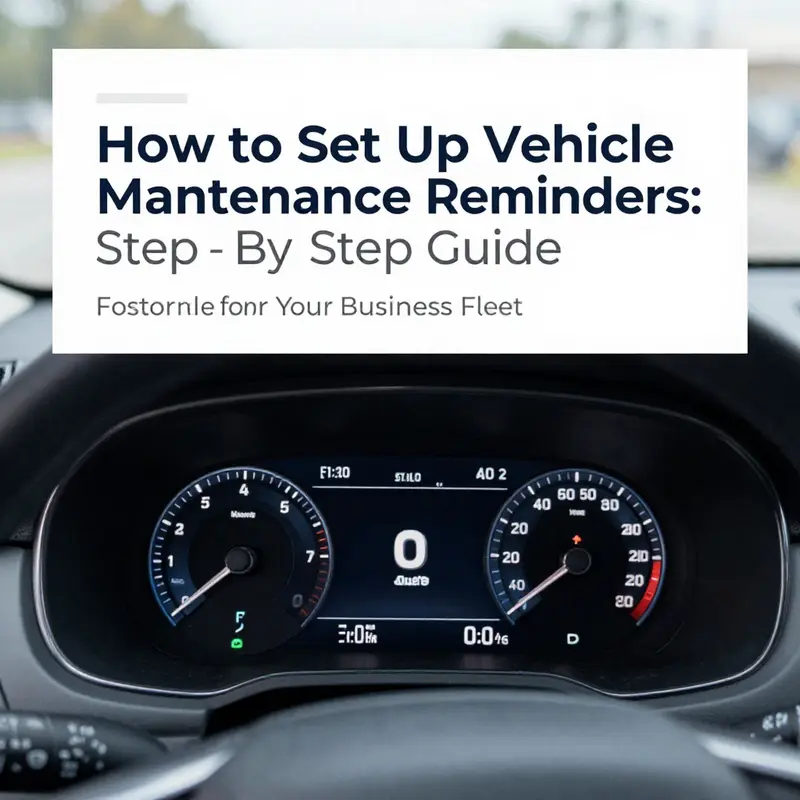
Think of a maintenance reminder as a quiet nudge rather than a chore. It tracks when the next service is due by either mileage or the passage of time, and it prompts you before a small issue becomes a bigger one. Since every model labels menus differently, the owner manual is your most reliable map. In general you will find the reminder in Settings, Vehicle Settings, Maintenance, Service Interval, or Service Reminder. You typically choose a target mileage or time (for example, every 5,000 miles or every 6 months) and then the system counts up from the current baseline. After a service, reset the counter so the next reminder reflects the new starting point. The exact steps vary by brand, but the pattern is constant: locate the reminder, set or adjust the interval, confirm the change, and verify the reset took effect.
A practical approach: power the vehicle on without starting the engine to access the onboard computer, navigate the menu, and make the change. If unsure of the steps, consult the manual or a dealer. When you reset after a service, make it part of the servicing ritual so the next alert aligns with the fresh baseline. Remember that some vehicles display the next service on the home screen, while others require entering a dedicated Health or Maintenance menu. In some cars you can rely on a voice command to set or review the interval.
Why this matters: a well calibrated reminder reduces the risk of missed maintenance and supports safety and efficiency. If the routine changes—more highway driving or more city trips—adjust the interval accordingly. You can also use external tools to track maintenance across multiple vehicles, but ensure the onboard reminder remains the primary source of truth for your car. Finally, recheck the setting after every service and keep a simple log of when you performed the reset to build a reliable maintenance cadence.
Reminders That Travel Along: A Practical, Model-Agnostic Guide to Setting Up Vehicle Maintenance Alerts
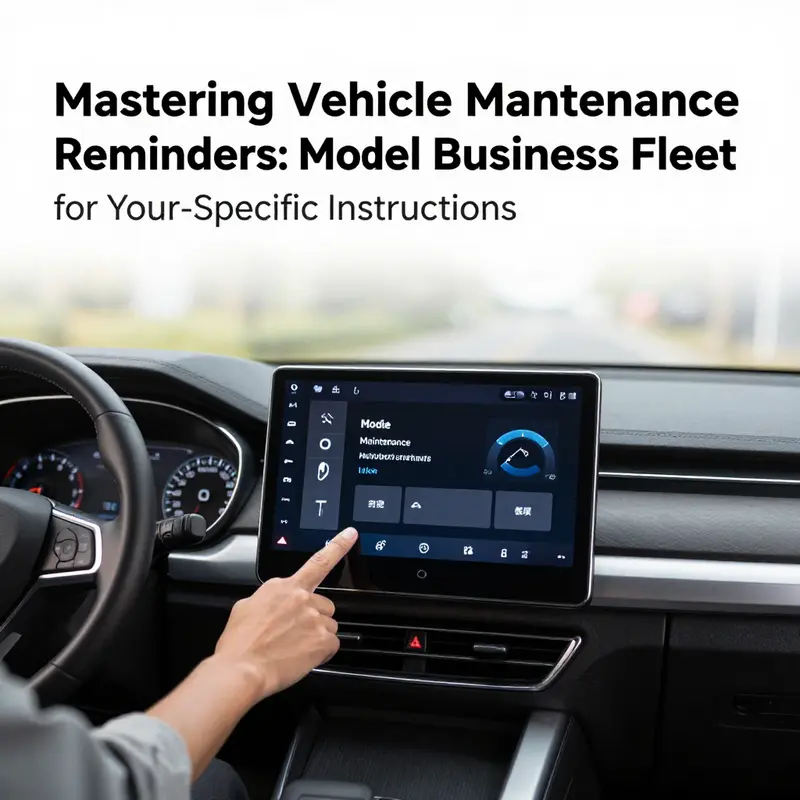
Setting up vehicle maintenance reminders turns maintenance from a chore into a steady habit that protects safety, efficiency, and value. The right system does not rely on memory alone; it integrates with how you actually drive and how your car communicates with you. The aim is simple: you want timely alerts that reflect real wear, not generic schedules that may or may not fit your usage. Because cars vary widely in their onboard systems and in the apps they support, the most reliable starting point remains the owner manual. It is the authority on the exact path from ignition to reminder and on how to interpret the warning lights or service messages that your specific model may generate. Still, a few general patterns recur across brands and platforms, and those patterns provide a solid framework for building a reminder system that travels with you, not just with your car.
In today’s connected driving world, reminders can live in three spheres at once: the vehicle itself, a companion mobile app, and your calendar or notes. The onboard system often prompts you when a threshold is reached, usually mileage based, time based, or a blend of the two. You may find a dedicated maintenance or service interval menu where you can set or reset the mileage markers that trigger the next alert. The exact interaction can look very different from one model to the next, so the familiar refrain remains true: consult the manual for the precise steps. The general idea, however, is similar across platforms. Power on the system, navigate to Settings or Vehicle Settings, then locate Maintenance or Service Interval, and finally adjust the mileage or service counter. You confirm the change with a confirmation prompt, and, in many cases, the message will disappear only after you complete a final acknowledgment. After a service, especially an oil change, the counter should be reset so that the next reminder starts from the current mileage. This small discipline matters, because the entire cycle depends on accurate starting points.
Even though the manual is the ultimate source, the digital ecosystem around the car offers powerful, user friendly ways to manage reminders outside the vehicle. A growing number of drivers rely on the vehicle manufacturer’s official mobile app to monitor service history, upcoming maintenance needs, and real time diagnostic signals. The appeal here is cohesion: you don’t have to switch between screens or jot down numbers in a notebook. The app can translate the car’s miles and usage into a readable map of what’s due and when. It can also present warnings that align with the car’s own messages, so a blended approach reduces the chances of missing a service window. For model specific deliveries, you may find that the app groups tasks by category — brake maintenance, fluid checks, tires — and suggests a cadence that reflects both the manufacturer’s recommendations and the way you drive.
Beyond automatic reminders, the flexibility of a digital system is in the ability to add custom reminders. Perhaps you want a quarterly check of windshield washer fluid or a cabin air filter inspection tied to a particular month rather than a mileage milestone. The capability to add notes and even attach photos can turn maintenance into an auditable, trackable process. When a task is completed, you can log it with a short note about what was done, who did it, and any parts that were replaced. This creates a personal maintenance archive that can help you perceive patterns over time and plan ahead for upcoming needs.
A practical approach blends the strengths of onboard reminders with the reach of external tools. For many drivers, enabling automatic reminders through the vehicle’s own interface is the foundation. The reminders are obviously tied to your actual mileage and how the car is used, so they keep pace with changes in your schedule or driving environment. Then, syncing these reminders with your calendar adds a further layer of visibility. If your calendar is always with you — on your phone, tablet, or computer — this creates a reliable, cross device signal that you can act on even when the car is in the shop or parked in a garage. The benefit of syncing is not just convenience; it is accountability. A calendar alert can prompt you to plan a service window, arrange for a ride, or map out a route to a trusted service center, aligning maintenance with your day rather than letting it slip into a vague future.
For those who crave a richer record than a calendar can provide, a dedicated maintenance tracking app offers a parallel, yet distinct, layer of assurance. A robust third party tool can log every maintenance event with precise mileage, attach accompanying notes, and store photos of work performed. Automated alerts can trigger based on either elapsed time or distance, and cloud syncing ensures your data stays with you across devices. Pairing the vehicle’s built in reminders with a fuller tracking system creates a dual layer of protection: the car nudges you when the next service is due, and the app preserves a detailed, retrievable history that can be invaluable for resale, warranty work, or when you simply want to understand how your vehicle is aging. This layered approach reflects a broader truth about modern vehicle upkeep: maintenance is not a one time action but a continuous, traceable cycle.
Putting this into practice requires a light touch and a method that respects your own rhythms. Start with the car’s own reminders, ensuring that the mileage based thresholds reflect your typical driving pattern. If you tend to drive long highway trips, your maintenance window might skew toward tire wear or brake fluid checks sooner than someone who mostly commutes short distances in urban traffic. Then connect the manufacturer’s app to bring the maintenance cadence into your everyday workflow. The integrated view reduces the cognitive load of coordinating multiple sources of information. When the app shows a service interval due in two weeks, you can plan accordingly, booking a slot that minimizes downtime and aligns with your schedule. If the app supports calendar integration, enable it; if not, note the due date in your preferred calendar system and set a reminder a few days in advance.
The choice between relying on an onboard system, a manufacturer app, or a separate maintenance tracker is not about preference alone. It is about reliability, accessibility, and how you want to evidence care over time. The most durable approach is to use a single, reliable anchor — typically the information your car already generates — and then extend it with an additional, complementary tool that adds depth without creating a headache. In practice, you might use the embedded reminders to stay aligned with the immediate service lifecycle, while the calendar and an external app keep a detailed log and provide a backup copy of everything that has happened to the vehicle. This way, if one system fails or loses data, the other one preserves the essential record.
From a practical standpoint, the setup should be kept simple at first and gradually expanded as you become comfortable. Begin by locating the maintenance menu in the vehicle, turning on the automatic reminders, and setting the next service threshold. Confirm the setting and verify that a reminder appears when the threshold is approached. Then add the manufacturer app to your routine: sign in, verify that the vehicle is connected, review the recommended services drawn from mileage and usage, and enable automatic reminders. If you see a mismatch between the car’s data and the app, recheck the vehicle settings in each place and resynchronize. Make sure to enable calendar synchronization if that option exists. This small sequence often yields a surprisingly resilient framework that requires little ongoing maintenance from you, yet yields steady, dependable reminders.
If you crave even more structure and accountability, consider a dedicated maintenance tracker. This kind of tool is designed to capture the nuance of service history, including mileage milestones, service notes, and photos. It can also fan out alerts into multiple channels — push notifications, email, or calendar events — depending on your preference. The key advantage here is the fidelity of the archive: over time, you accumulate a clear, chronological story of what the car has had done, when, and with what outcome. This depth becomes especially valuable if you own a high mileage vehicle or a model with rolling software updates and evolving maintenance needs. The combination of the core reminders from the onboard system and the extended record keeping from a dedicated app creates a robust, transparent maintenance narrative you can rely on for years.
To close the loop, always return to the source when there is any doubt about a service interval. The car’s manual remains the definitive guide for model specific intervals, critical for warranty compliance, and for the exact steps to reset a counter, if needed after a service. When in doubt, the tested habit is to reset after service and verify that the next reminder is calculated from the current mileage. This practice prevents a drift where the reminder lag behind reality, which is the surest path to missing a crucial service window. If you are exploring deeper, review the article that explains what maintenance entails and why it matters for long term reliability and value. What is Vehicle Maintenance offers a concise orientation to these ideas and can help you frame your own reminder strategy within the broader maintenance landscape.
In the end, a well designed reminder system does more than prompt an oil change or tire rotation. It anchors routine care to your actual driving and to a documented history you can reference forever. It shifts maintenance from a reactive task to a proactive discipline. As you tune the settings, you will notice fewer surprises: fewer late evening phone calls to arrange service, fewer anxious moments about mileage thresholds, and more confidence that your vehicle is performing at its best for every mile you plan to drive. That outcome is the core payoff of a thoughtful reminder system, one that serves you year after year, model after model.
External resources can further enrich this approach. For those who want a broader, more feature rich tracking experience, a well regarded external app provides reliable mileage logging, notes, and cloud backup. It is worth exploring the external option to complement the built in reminders, especially if you travel with a vehicle across regions or if you prefer a documented archive that can be easily shared with a shop or a dealer. For more information about enhanced maintenance tracking options, consider visiting additional resources and exploring how dedicated tools can fit into your maintenance workflow. https://apps.apple.com/us/app/car-maintenance-reminders/id1097881701
null
null
null
null
Final thoughts
Maintaining a fleet requires diligence and attention to detail, especially when it comes to setting up vehicle maintenance reminders. By understanding the general steps, following specific model instructions, and regularly consulting the owner’s manual, business owners can ensure a seamless operational flow. Keeping vehicles well-maintained not only increases efficiency but also enhances safety and reliability—key factors in maintaining business success. Investing the time to set and monitor those reminders will pay off in smoother operations and greater peace of mind.