
For business owners, managing vehicle maintenance costs is crucial not only for enhancing profitability but also for ensuring operational efficiency. With fleets on the road, every penny spent on maintenance can impact the bottom line. This guide outlines practical strategies tailored specifically to business needs, focusing on how to adopt a smooth and predictive driving style, strictly follow the manufacturer’s maintenance schedule, choose repair facilities wisely, make informed choices on parts and fluids, and perform simple DIY tasks. By leveraging these insights, you’ll decrease vehicle maintenance expenses significantly while prolonging the lifespan of your vehicles.
null
null
Guardrails of Longevity: Following the Manufacturer’s Schedule to Cut Maintenance Costs
A disciplined maintenance routine, aligned with the manufacturer’s schedule, is the most reliable path to lower ownership costs. By adhering to recommended oil changes, filter replacements, fluid checks, brakes, tires, and inspections, you minimize the risk of unexpected failures and costly repairs. These intervals are designed from engineering testing and real-world data to preserve performance, protect critical components, and maintain warranty coverage where applicable. Skipping or prematurely performing services can disrupt the balance the automaker built into the vehicle and lead to higher wear, reduced efficiency, and more expensive repairs over time. Oil changes, for example, protect clearances and lubrication, while timely replacements of filters and fluids sustain cooling, transmission operation, fuel efficiency, and safety. Regular inspections catch worn brakes, tires, belts, and electrical issues before they become major problems. Maintaining a consistent service history also supports resale value and provides a clear maintenance narrative for warranty verification. The payoff is a smoother-running vehicle with fewer emergency repairs, steadier maintenance spending, and predictable budgeting. Practical steps include setting reminders, logging service details, and following the owner’s manual cadence while adjusting for reasonable driving conditions such as extreme heat, dusty environments, or short trips. In short, strict adherence to the manufacturer’s plan translates into durability, reliability, and long-term cost containment.
null

null
Smart Choices on Parts and Fluids: A Practical Path to Reducing Vehicle Maintenance Costs
Choosing where to spend and where to save is one of the most effective levers for trimming long-term maintenance costs. When you think in terms of parts and fluids, you’re not just buying replacements; you’re paying for ongoing reliability, better fuel economy, and fewer breakdowns. The path here is not about chasing the cheapest option at every turn. It’s about aligning your choices with the vehicle’s needs, the manufacturer’s guidance, and proven tradeoffs between price and performance. Done well, this approach yields both immediate savings and cumulative dividends as your car ages.
A practical starting point is to treat fluids as a performance contract with your engine and transmission. The owner’s manual is not merely a box to tick for maintenance intervals; it is a compact guide to the precise fluids your car requires at each stage of its life. The correct engine oil is more than a lubricant. It protects the internal surfaces, dissipates heat, and helps preserve engine longevity. The right viscosity and type—whether mineral, semi-synthetic, or fully synthetic—depend on the engine design, climate, and driving style. Full synthetic oils often offer superior protection and longer change intervals, but they are not universally necessary. For older vehicles with higher mileage, a high-quality semi-synthetic or even mineral oil can provide adequate protection at a fraction of the cost, especially if the engine has not shown signs of needing premium protection. In any case, choosing the grade that matches the manufacturer’s specification minimizes wear and maximizes reliability, reducing the likelihood of expensive repairs later on.
Fluids extend beyond the engine oil to include transmission fluid, coolant, brake fluid, and steering or power-assist fluids. Each system has its own specification sheet, and deviations can compromise performance and safety. The goal is not to chase the newest, most expensive option but to meet the exact requirements outlined by the vehicle’s engineering. When you keep to those guidelines, you typically see smoother operation, steadier fuel economy, and fewer symptom-driven trips to the repair shop. If your car is equipped with an oil-life monitor, rely on it rather than rushing to the shop on a calendar schedule. The monitor is designed to reflect actual operating conditions, including heat, load, and engine longevity, which means longer intervals can be appropriate for certain driving profiles without compromising protection.
Part selection for routine wear items is another powerful cost-control tool. For common consumables like air filters, cabin filters, wiper blades, spark plugs, and brake pads, reputable aftermarket parts often deliver the same functional performance as OEM parts at a substantially lower price. The key is to avoid the cheap, no-name products that promise miracles but can fail prematurely, leading to more frequent replacements and additional labor costs. When choosing aftermarket parts, look for established brands with a track record, verify compatibility with your model, and check for warranties or return policies. It’s also worth considering that some components have a tight tolerance or a specialized fit; in these cases, a slightly more expensive part from a known supplier may save time and trouble later.
Air and cabin filters, for example, are routinely replaced to maintain airflow, fuel efficiency, and cabin comfort. A clean air intake improves engine breathability and combustion efficiency, while a clean cabin filter protects occupants from dust and pollutants. Wiper blades, though inexpensive, are critical for visibility in rain or snow; choosing a reliable, well-reviewed aftermarket option can prevent scratches and streaking that force premium repairs down the line. Spark plugs wear gradually but influence combustion efficiency, acceleration, and fuel economy. Brake pads and rotors deserve careful attention: while you can extend pad life with careful driving, you must replace pads before they compromise braking performance. Informed choices here reduce the risk of costly rotor replacement or, worse, unsafe stopping conditions.
Quality is not synonymous with premium price, and cost-savvy decisions hinge on a balance of value and necessity. A well-regarded aftermarket brand for frequent service items can provide parts that meet or exceed OEM specifications without the premium price. The best approach is to establish a relationship with a reputable retailer or mechanic who can vouch for compatibility and quality. Discussing part options openly with a trusted technician can also reveal long-run savings. For non-critical components, this pragmatic approach often delivers measurable cost reductions while preserving safety and reliability.
The question of fuel additives and other “quick-fix” supplements is worth a cautious stance. Modern engines are engineered to run on standard fuels and fluids with minimal intervention. Additives that promise dramatic improvements in power or efficiency may have limited or temporary effects and, in some cases, can cause residues to accumulate elsewhere in the system. If performance or economy deteriorates, the prudent response is to diagnose the underlying issue rather than rely on a generic additive. This discipline saves money by directing attention to root causes—whether it’s a failing sensor, a clogged injector, or a neglected maintenance item—and avoiding unnecessary expenditure on products whose benefits are not supported by solid diagnostics.
Cost-conscious maintenance also benefits from smart purchasing and price comparison strategies. Fluids bought in bulk can reduce per-unit costs, provided you have appropriate storage and shelf stability. Seasonal promotions, loyalty programs, and bundle deals from reputable suppliers can offer meaningful savings on routine replacements. The focus remains on necessity and quality: buy what you need, when you need it, and ensure the product meets the vehicle’s specifications. Quality should not be sacrificed for a slight price advantage, but neither should price be the sole arbiter when evaluating performance and protection. The objective is to maximize life per dollar spent by avoiding parts that fail prematurely and by maintaining systems in a state where they operate within designed tolerances.
A practical way to connect these choices to real-world outcomes is to frame maintenance as a long-term investment rather than an annual expense. Each correctly chosen fluid, each properly matched aftermarket part, and each decision to skip an unnecessary additive compounds into fewer trips for diagnostics, fewer emergency repairs, and better overall reliability. In a car that already has thousands of miles on it, the cumulative effect can be substantial: smoother starts, steadier engine temperatures, steadier transmission shifts, and a brake system that feels consistent and reliable. When a vehicle runs in its comfort zone, it consumes less energy to perform routine tasks, which translates into better fuel economy and lower operating costs—an outcome that is reinforced by the broader practice of prudent maintenance.
To tie these threads to everyday practice, consider how a driver’s routine aligns with the maintenance plan. The emphasis on choosing the right fluids and reliable aftermarket parts complements a disciplined maintenance schedule and a thoughtful driving style. A gentle driving approach reduces stress on the drivetrain and braking system, while proper fluid choices prevent degradation that leads to component failure. The result is a vehicle that remains dependable longer, with lower out-of-pocket costs for service, parts, and fuel. This holistic approach to parts and fluids—rooted in manufacturer guidelines, tempered by practical cost considerations, and reinforced by disciplined maintenance—offers a coherent roadmap for owners aiming to reduce long-term maintenance expenditures without sacrificing safety or performance.
For readers seeking a concise reminder of how these concepts interact with fuel efficiency, a useful reference exists that highlights the relationship between maintenance habits and gas expenses. See the discussion here: how vehicle maintenance saves on gas expenses.
As you implement these strategies, keep in mind that the goal is steady, predictable performance rather than quick, dramatic changes. The right fluids, the right parts, and the right diagnostics keep a vehicle in its optimal operating envelope. When paired with a mindful driving style and regular inspections, smart choices on parts and fluids become a powerful engine for reducing maintenance costs over the life of the car. And while prices for parts and fluids will fluctuate, the underlying principles—adhere to specifications, prioritize quality over hype, and avoid unnecessary additives—remain a reliable compass for budget-conscious owners who still demand safety, reliability, and value from their vehicle.
External resource: FuelEconomy.gov tips
Tiny Tasks, Big Savings: Mastering DIY Maintenance to Slash Vehicle Costs
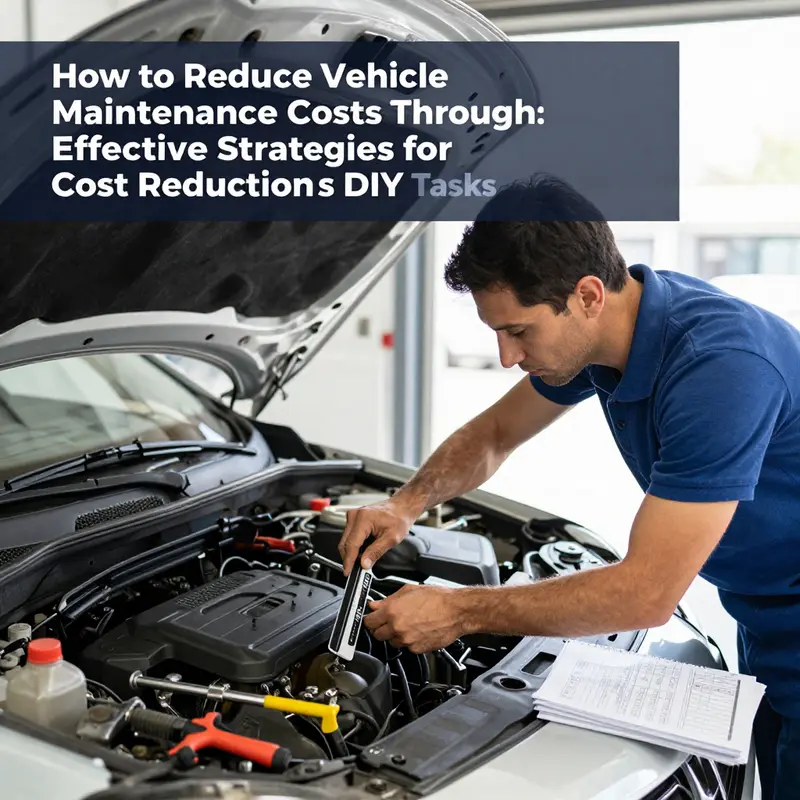
Taking a car apart is not the aim here. What matters is taking charge of the routine tasks that keep a vehicle reliable while cutting the ongoing costs of ownership. DIY maintenance is not about reinventing the wheel; it’s about shifting a portion of the job from paid labor to your hands, where you gain immediate savings and long-term insight into how your car behaves. When you approach these tasks with a calm plan, you reduce the risk of unnecessary visits to repair shops, you extend the life of components, and you protect your investment from the cost escalations that come with neglect. The simple truth is that small, regular actions—done consistently—stack up to meaningful financial relief over the life of a vehicle. This chapter focuses on a concise set of tasks that are within reach for most drivers: checking tire pressure, replacing filters, topping up fluids, and handling basic wear items. Each task is a small effort that yields a tangible payoff in safer driving, better fuel economy, and fewer surprises at the service counter.
Consider tire pressure first. A portable gauge is all you need to begin. Checking tire pressure at least once a month is a habit that pays off in several ways. Properly inflated tires roll more efficiently, reducing rolling resistance and improving fuel economy. They wear more evenly, extending tread life and delaying the next tire purchase. Underinflation, by contrast, not only guzzles fuel but also contributes to heat buildup and faster wear, increasing the risk of a roadside blowout. The effect can be subtle, yet the cumulative savings are real. You don’t need to be a tire genius to maintain correct pressure. Compare the gauge reading to the manufacturer’s recommended pounds per square inch found on the door jamb or in the owner’s manual, then adjust as needed. If your car has a tire pressure monitoring system, you’ll still want to verify the readings manually, because sensors can drift or pass along a warning without reflecting actual pressure changes.
While tire care is foundational, air and cabin air filters deserve the same careful attention, especially for the engine and for your breathing space inside the car. Replacing the engine air filter is a straightforward, five-minute job on many vehicles. A clogged air filter restricts airflow, reduces engine efficiency, and raises fuel consumption. The cabin air filter is equally important for interior comfort and health, filtering dust, pollen, and other irritants that would otherwise circulate in the cabin. High-quality aftermarket or OEM-equivalent filters delivered online often cost a fraction of dealership prices, and the installation requires no specialized tools. The payoff is not only lower running costs but a smoother engine feel; you may notice the engine revs drop slightly as airflow improves, yielding a more responsive, efficient performance during acceleration.
Beyond airflow, a simple but essential task is ensuring the windshield area stays clear and the wipers are ready to perform when weather turns. Adding windshield washer fluid is an uncomplicated step—often a matter of opening the reservoir under the hood and pouring in an inexpensive bottle from any parts store. This prevents the nuisance and potential damage of driving with a dry-wipe scenario, and it protects the wiper pump from running dry, which can burn out the motor over time. Replacing worn wiper blades is another quick fix that yields immediate safety benefits. Most blades detach with a small press of a tab; the new blades click into place. You can acquire the correct size online or at a store, ensuring a snug fit without the complexity of a professional installation. In under five minutes, a routine blade swap can restore clear visibility, especially during a sudden downpour when you rely on peak performance from your equipment.
A third category, often underestimated, is the small-scale maintenance you perform through regular cleaning and care. Basic vehicle washing removes corrosive road grime, salt, and contaminants that contribute to rust and paint degradation. Washing is not mere vanity; it’s preventive protection for the metal and finish, reducing the long-term costs associated with rust repair and paint work. Use quality car wash soap and a microfiber towel to minimize scratching while lifting away contaminants. While you’re at it, a light wax application now and then shields the surface and helps preserve resale value. All told, routine washing is the low-cost shield that keeps the exterior investment intact and looks its best while you avoid the expense of professional detailing.
As you accumulate small wins from these tasks, the bigger picture comes into focus: DIY maintenance is not about replacing professional service entirely. It’s about building a baseline of self-reliance, prioritizing issues that truly require a technician, and leveraging your time and tools to prevent ordinary wear from turning into expensive repairs. To maximize the impact, adopt a simple cadence. Set a monthly checks-and-tops routine. Pair it with a quarterly filter and fluid review. Use a basic notebook or a digital log to track what you did, what you found, and when you plan to revisit each item. This kind of disciplined approach converts maintenance into a measurable habit rather than a vague aspiration, reducing anxiety about car ownership and anchoring your costs in predictable ranges.
The value proposition extends beyond dollars. When you understand what each task accomplishes, you become better at recognizing when a professional assessment is warranted. You’ll notice patterns—perhaps your brake fluid level trends downward after a winter, or your air filter shows signs of heavy dust after off-road use. This awareness translates into smarter buying choices and better timing for professional services. It also gives you leverage when you do visit a shop. If you’ve maintained the vehicle diligently and can show a history of preventive care, you’re less likely to be sold on unnecessary extras. This is where the cost savings get reinforced by smarter decision-making rather than fear or urgency.
For readers seeking a broader perspective on how maintenance drives efficiency, it’s helpful to connect the dots between preventive care and fuel economy. Keeping tires properly inflated, for example, consistently reduces rolling resistance and improves mileage over the long term. This synergy underscores a core theme of the article: cost reduction is not achieved by skimping on care but by doing the right care at the right times. If you want to explore this connection further, see the discussion on how vehicle maintenance saves on gas expenses. how vehicle maintenance saves on gas expenses
To bring all these points together, let your approach be practical and patient. Start with the items that require minimal tools and time but deliver dependable results. Gather a basic set of essentials—an inexpensive tire gauge, a filter wrench (if your vehicle needs it), a small funnel for fluids, and a clean towel for wipe-downs. Schedule half an hour on a weekend to tackle the tasks you know you can handle, and keep a running list of things to review in the next session. The payoff is not merely financial; it also includes increased confidence, a more intimate understanding of how your car operates, and a reduction in the stress that often accompanies car maintenance.
Finally, recognize the limits of DIY work. Some tasks—electrical issues, brake systems, and deeper engine problems—require professional expertise and specialized tools. Do not attempt complex repairs beyond your comfort level. The goal is to strike a balance: maximize the routine tasks you can safely perform, and defer the rest to qualified technicians who can ensure safety and accuracy. This balanced approach aligns with the overarching strategy of reducing vehicle maintenance costs while protecting safety and reliability. In the end, the small daily or weekly acts add up to substantial savings across years of ownership, transforming maintenance from a recurring expense into a predictable, manageable part of vehicle ownership. If you want to continue this journey with a broader view of how these habits connect to choosing cost-effective service options and parts, you will find the next sections in this article guide you through wise decisions about where to have work done and what replacement parts to consider.
External resource: https://www.nhtsa.gov/vehicle-safety/tire-pressure-monitoring-systems
Final thoughts
Implementing these strategies can lead to remarkable savings on vehicle maintenance costs for any business owner. By adopting a smooth driving style, adhering to a strict maintenance schedule, making informed repair facility choices, selecting smart parts, and engaging in DIY tasks, you can extend the lifespan of your vehicles, mitigate unexpected repairs, and ultimately enhance your business’s profitability. These proactive steps not only protect your investment but also contribute to a smoother operational flow. Prioritize vehicle upkeep not just as a cost, but as a strategy for operational excellence.