
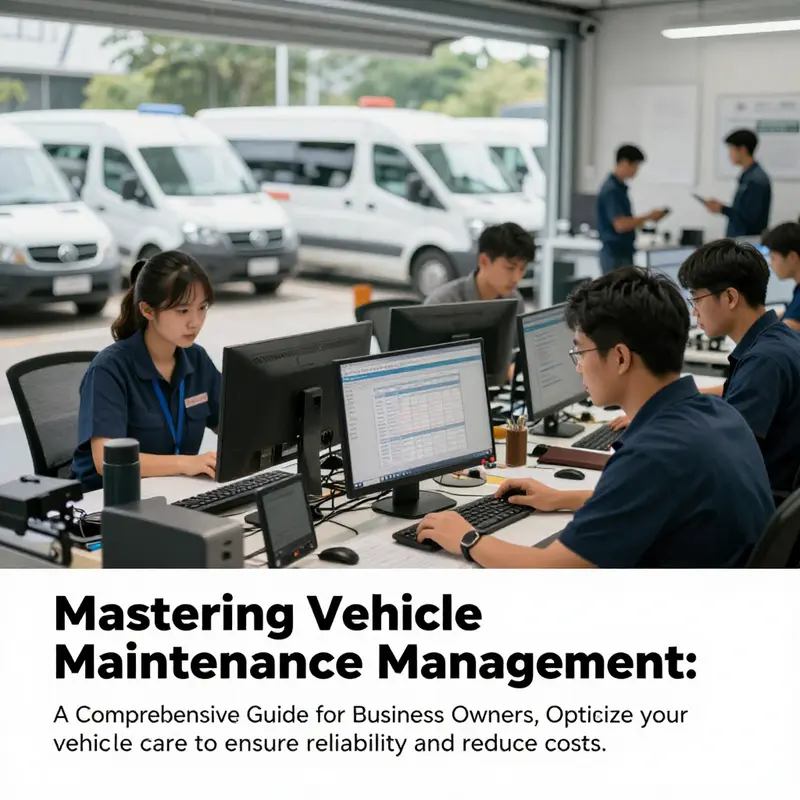
Ensuring your fleet of vehicles is well-maintained is crucial for business owners looking to maximize efficiency, enhance safety, and reduce long-term repair expenses. Effective vehicle maintenance goes beyond just preventing breakdowns; it encompasses a strategic approach that integrates various best practices. Each chapter will delve into essential elements of vehicle care, from following the manufacturer’s maintenance schedules, to keeping meticulous service records, and developing safe driving habits. By adopting these practices, business owners can ensure their vehicles operate at peak performance for the long haul, ultimately contributing to their bottom line.
Trust the Schedule: Mastering Manufacturer-Recommended Maintenance to Keep Your Vehicle Safe, Efficient, and Long-Lasting
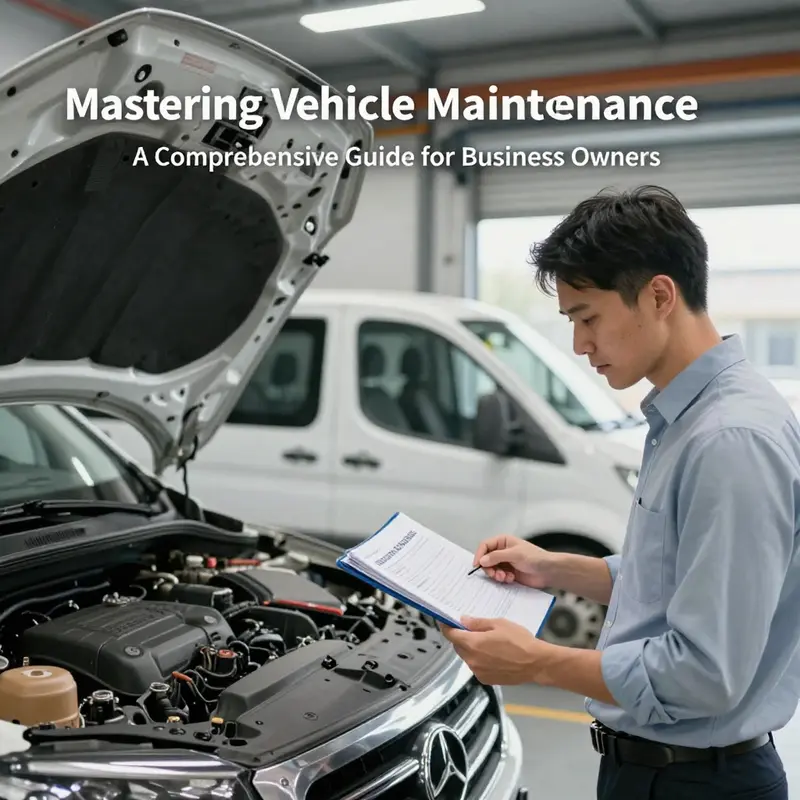
The manufacturer’s maintenance schedule is more than a calendar of chores; it is the blueprint that researchers and automakers have designed from extensive testing and real-world use. When a car rolls off the line, engineers know which parts endure, which fluids support longevity, and how wear accumulates across varied climates and driving styles. The result is a set of intervals that, if followed, keeps the engine singing at the expected cadence, the brakes ready to respond, and the suspension quietly supporting every mile of travel. Adherence to this schedule is not a passive act of compliance; it is an active discipline that translates into safety, reliability, and long-term value. In practice, it starts with respect for the owner’s manual, where the exact intervals are written in the language of your particular make and model. Oil and filter changes, for example, typically occur every five to ten thousand miles or every six months, but the precise timing is tuned to the car’s engine design, oil type, and the conditions in which you drive. A vehicle that often traverses dusty roads or experiences frequent short trips with low average speeds might see those intervals adjusted, not ignored. Likewise, tire rotation, brake inspections, and fluid replacements are scheduled to prevent small issues from becoming expensive failures. The schedule is not arbitrary; it is a systems check designed to keep critical components operating within their intended tolerances. The moment you treat it as a flexible guide rather than a fixed rule, you begin to drift from peak performance into the realm of unpredictable reliability. Embracing the schedule means respecting intent: your car is telling you what it needs and when it needs it, based on how it was engineered to work across thousands of miles and countless conditions.
The Living Logbook: Harnessing a Detailed Service Record to Master Vehicle Maintenance
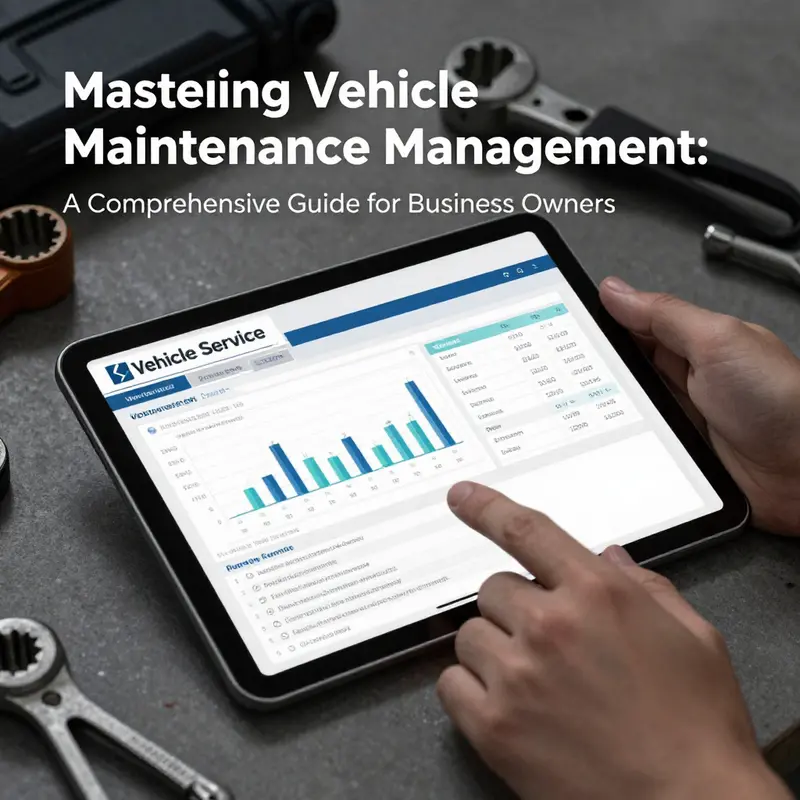
A well-kept service record is more than a pile of receipts. It is a living map of a vehicle’s health, a focused tool that guides decisions about what to fix, when to replace, and how to save money over time. When maintenance is treated as a cumulative story rather than a string of isolated tasks, you gain foresight. You see patterns before they become breakdowns. You optimize every dollar spent by aligning work with actual needs rather than reactive patchwork. This is the essence of effective vehicle maintenance management: a detailed service record that evolves as the car ages and as your driving evolves.\n\nThe core idea rests on clarity and continuity. Start with a physical file and a digital companion. The physical binder acts as a tangible backup you can thumb through in a noisy garage, while the digital system provides quick analysis, trend spotting, and reminders. In practice, the two work in tandem. After each service, drop the original invoice, a detailed repair order if one exists, and any inspection notes into the binder. These documents should be organized chronologically and grouped by major service intervals or miles. Color-coded labels help you spot when a major component was last serviced or replaced—engine work, transmission service, suspension refresh, or cooling system overhaul—so you can locate critical history at a glance. This tangible archive is invaluable when you need to prove service history for resale or diagnose recurring issues without chasing scattered receipts.\n\nThe digital layer complements the binder with speed and insight. A simple spreadsheet can become a powerful dashboard. Create columns for date, mileage, service type, parts used (with model numbers), cost, and the service provider. Attach scanned receipts or photos of each invoice. If you drive in harsh conditions or accumulate high mileage, this digital record becomes a living budget, showing how maintenance costs accrue over time and which intervals trigger the highest expenses. The beauty of a digital ledger is its searchability; you can filter by year, mileage range, or service type to see how often certain components need attention. It’s more than record-keeping; it’s a decision-support system that aligns maintenance with real usage.\n\nA practical approach to digital records often includes a lightweight, VIN-based auto-fill feature. Many maintenance apps can pull vehicle details from the VIN, fill in baseline data, and generate reminders for upcoming services. This automation reduces manual entry and helps you stay on schedule. It’s not about replacing human judgment; it’s about freeing mental bandwidth for the nuanced decisions only you can make—whether to extend a fluid change because you tow a trailer regularly, or to tighten an inspection schedule after a winter in slush and salt. In addition, cloud syncing ensures your records stay accessible across devices and protected from a single-device failure. The goal is accessibility: you should be able to pull up a service record during a sale, a roadside call, or a routine maintenance visit.\n\nValidation is the quiet backbone of trust in any record-keeping system. After each service, request a complete, itemized receipt and a copy of the service history from the shop. Compare their records with yours for consistency. If you use independent shops, insist on detailed documentation that lists the fault description, the exact parts replaced, the labor time, and the labor rate. Your digital log should reflect the same information so you have a unified view. This practice isn’t merely bureaucratic; it enables you to identify patterns, such as recurring sensor faults or recurring brake wear, that might signal underlying issues or driving conditions that warrant a broader adjustment in maintenance strategy. It also strengthens your position when negotiating repairs or when a car is evaluated for resale, because a coherent history reduces uncertainty for buyers and lenders alike.\n\nThe value of a detailed record extends beyond current reliability. It informs the choice between preventive maintenance and risk-based repairs. For example, if your logs show that a certain component tends to wear out after a specific mileage in your climate, you might shift from a standard schedule to an accelerated one. Conversely, if the history shows exceptional reliability under your driving profile, you may avoid unnecessary service calls. The record becomes a learning tool about how your vehicle behaves under real-world conditions. In this sense, maintenance management becomes personalized rather than generic.\n\nIntegrating this system with the broader narrative of vehicle care means more than cataloging work; it means extracting meaning from data. Regular reviews are essential. Set a cadence—perhaps every six months and again every 10,000 miles—to scan the log for trends. Look for components that fail sooner than expected, note any changes in service intervals, and consider whether your driving conditions have shifted. A pattern might emerge: frequent brake servicing in city driving, or cooling system concern during hot summers. These insights inform not just future maintenance, but also safer driving habits and better route planning. When you identify a trend, you can adjust the schedule proactively rather than waiting for the next breakdown.\n\nThe narrative surrounding your records should be inclusive of seasonal considerations. Winter brings salt, colder starts, and potential battery strain. Spring invites air filters and rust checks; summer tests cooling efficiency and AC performance; fall invites prep for rain and precipitation-related wear. Your log becomes a living calendar, a reminder system that adapts to the calendar and to the road. By logging seasonal checks alongside mileage milestones, you embed resilience into the maintenance plan. And when you plan ahead, you’re not reacting to issues as they arise; you’re shaping a preventive rhythm that keeps the vehicle safe and reliable through changing conditions.\n\nIf you want a tangible takeaway that ties this practice to everyday cost savings, consider the broader picture of how preventive care translates into lower fuel and repair expenditures over time. A well-managed maintenance routine minimizes the likelihood of sudden failures, reduces the severity of problems when they occur, and can optimize fuel efficiency through timely service. For a deeper look at the cost benefits of proactive care, you can explore insights on how maintenance saves on gas expenses in practical terms. How Vehicle Maintenance Saves on Gas Expenses. This linkage between record-keeping, proactive care, and tangible savings helps bridge the gap between abstract best practices and real-world results.\n\nThe chain of custody for your records matters too. Partner with reputable service providers who maintain their own digital histories. After every visit, request a copy of the service history and verify that their entries align with yours. If you rely on independent shops, insist on complete, itemized receipt and ensure its details are added to your personal database. The result is a unified, trustworthy record that you own and control. Your vehicle’s story becomes a source of stability and clarity, not a scattered set of notes that vanish with the next service. This shared reliability is the quiet engine of confidence, enabling you to manage maintenance decisions with calm, data-informed judgment.\n\nBeyond personal utility, a robust service record has practical implications for resale value and future maintenance planning. Buyers increasingly value transparency. A documented history reduces due diligence friction and supports a higher confidence in the vehicle’s condition. For the seller, it is a credential that demonstrates responsible ownership and due care. For the buyer, it offers a clear track record, making it easier to assess future maintenance costs and plan accordingly. In short, the living logbook is not merely a reserve of past work; it is a forward-looking instrument that shapes expectations, budgets, and decisions about ongoing care.\n\nAs you cultivate this habit, keep the emphasis on integration and simplicity. The objective is not to create a perfect archive but to cultivate a reliable, repeatable process that you can sustain. A brief monthly check of receipts, a quarterly review of the digital ledger, and a yearly refresh of major component data can keep the system healthy without becoming a chore. And while the tools you use may evolve—new apps or updated interfaces—the underlying discipline remains constant: record with care, validate with diligence, and review with intent. In doing so, you align maintenance with actual wear, driving safety, performance, and value over the life of the vehicle.\n\nFor readers seeking authoritative guidance to complement this practical approach, official resources offer a trustworthy framework for maintenance practices and safety considerations. See the National Highway Traffic Safety Administration’s guidance on vehicle maintenance for broader context and standards: https://www.nhtsa.gov/vehicle-maintenance
Smooth Roads, Strong Machines: Safe Driving as a Steward of Vehicle Maintenance

Every day you step behind the wheel is also a decision about how your vehicle will age. Safe and efficient driving isn’t just about avoiding tickets or staying out of trouble; it’s a practical, ongoing form of maintenance. The way you accelerate, brake, steer, and even idle can either shorten the life of critical systems or extend it. When you treat driving as a partner to scheduled service, you reduce cyclical stresses on the engine, transmission, brakes, and tires. The result is a vehicle that runs cooler, wears more evenly, and surprises you less with sudden repairs. This chapter weaves together the science of wear and the daily discipline of driving into a coherent approach to vehicle care that starts the moment you turn the key and ends when you park for the night, with fewer surprises along the way.
A car’s powertrain and chassis are built to endure. But aggressive driving—rapid acceleration, hard braking, and abrupt lane changes—injects shock into the system. The engine must work harder to reach operating temperature quickly, and it then contends with frequent, abrupt temperature swings as you lift off the accelerator and engage the friction brakes. Transmission clutches and fluid pathways react to these abrupt changes with higher wear, while the brakes absorb the brunt of heavy stops. Tires take the direct hit too: sudden braking and aggressive cornering increase tread chunking and heat buildup, shortening life and compromising grip. The cumulative effect is a higher likelihood of early service needs, more frequent brake jobs, more frequent tire replacements, and, in some cases, transmission strain that isn’t easily visible until a breakdown occurs.
In contrast, a smooth, predictable driving style reduces these stresses. Gradual acceleration ensures the engine temperature stays within a narrow band, which helps maintain fuel economy and minimizes engine wear from temperature cycling. Slow, progressive braking reduces peak brake temperatures, preserving pad life and keeping rotors from warping. Steering inputs that are steady and deliberate ease suspension components through their ranges, lessening the micro-movements that cause wear on bushings, ball joints, and tie rods. Even the way you manage speed—maintaining steady rhythm on a highway or using cruise control when conditions allow—can yield tangible benefits. The physics are straightforward: less aggressive torque transfer means less frictional heat, and less heat means less wear on metal surfaces coming into contact with one another.
The relationship between driving style and fuel economy is a practical window into maintenance benefits. Eco-driving techniques—from steady speeds to minimizing idling—don’t just save money at the pump; they also lower cumulative engine load. A study by the U.S. Department of Energy demonstrates that disciplined driving can improve fuel efficiency by as much as 30 percent in certain conditions. The practical upshot is not merely a smaller fuel bill but a cooler-running engine with fewer thermal cycles and less carbon buildup on intake valves and exhaust components. When you drive with anticipation—reading traffic, anticipating lights, coasting when safe, and using cruise control on open stretches—you reduce the frequency of throttling and the repeated heat spikes that stress gaskets, seals, and cooling channels. You also curb unnecessary exhaust gas recirculation demands that can accelerate deposits in the intake tract and on sensors, which in turn helps keep emissions systems healthier for longer.
This is not an argument against attention to service intervals. Regular maintenance remains the backbone of reliability, even for the most disciplined driver. The two strands—careful driving and routine servicing—are synergistic. In fact, research from a respected automotive service organization indicates that vehicles that combine adherence to the recommended maintenance schedule with safe driving practices experience markedly fewer breakdowns over their lifespan. The message is clear: you invest in both the care plan and the conduct plan. When you drive smoothly, you minimize wear across major components; when you service on schedule, you keep those components within design tolerances, catch developing issues before they escalate, and preserve performance and safety across years.
So how can you translate these ideas into everyday practice without turning driving into a boring routine? Start with intention and a simple rhythm. Before you pull away, take a moment to plan your drive: anticipate traffic flow, choose a steady lane, and set a pace you can maintain. On the road, practice a light touch: gradually apply the accelerator, ease off smoothly, and allow the tires to meet the road with consistent contact. If you need to slow, brake early and progressively rather than stamping the pedal at the last second. This approach not only reduces brake wear but also minimizes wheel lock and ABS cycling, which can stress the brake hydraulic system and wear sensors.
A practical rule of thumb emerges from the data and the road-tested experience of drivers: think in terms of smooth energy transfer. When you step on the throttle, imagine releasing energy in a controlled, continuous stream rather than in sharp bursts. When you brake, picture a controlled deceleration that preserves momentum in a predictable way and leaves space for safe, gradual stopping. Even idle time matters. Idling in traffic, while sometimes unavoidable, contributes to unnecessary engine wear and fuel waste. Where feasible, plan routes that reduce stop-and-go conditions, especially in cold weather when engines are most vulnerable to inefficient combustion and cold-start wear.
Technology can be a helpful ally without making you overly dependent on gadgets. Onboard diagnostics, telematics, and smart driving apps can provide feedback on your driving patterns, highlighting hard accelerations, sudden stops, and excessive speeds. If your vehicle is equipped with a diagnostic port or a built-in health monitor, these tools can translate behavior into actionable tips. For drivers who want a proactive nudge, a modest investment in a user-friendly set of tools can yield long-term dividends by tracking miles, detecting abnormal vehicle patterns, and reminding you when maintenance is due. The idea is to use technology to inform your driving choices, not to replace your judgment or to sedate your attentiveness.
There is a concrete way to connect safer driving to maintenance outcomes that is easy to monitor during regular vehicle checks. A monthly inspection habit becomes a practical extension of your driving discipline. When you pull into the driveway, run through a quick triage: inspect tire pressures and tread depth, verify exterior lights, test wipers, and note any unusual vibrations or sounds that may hint at mounting wear. Keeping a simple log that pairs driving conditions with service intervals allows you to correlate aggressive driving episodes with later maintenance needs. If a particular stretch of road or a routine trip consistently coincides with a higher-than-normal fuel burn or tire wear, you’ll know it’s time to adjust either your route or your speed profile. This kind of correlation helps you prioritize service items before they become urgent problems.
For those who want a touch more context, consider the broader motivation: safer driving and lower maintenance costs are two sides of the same coin. When you avoid aggressive maneuvers and maintain a steady operating state, you reduce the likelihood of sudden failures that leave you stranded or require expensive emergency service. In the same breath, you’re extending the life of the vehicle’s protective fluids, seals, and structural components by minimizing the thermal and mechanical stresses that cause degradation over time. The savings accumulate in two ways: fewer major repairs and a lower probability of degraded performance that reduces resale value. The synergy is powerful because it aligns everyday behavior with longer-term value, turning responsible driving into a practical, measurable maintenance strategy.
If you want a concrete path to link driving behavior with fuel savings and maintenance, consider the following compact guide. First, commit to gradual acceleration and early, smooth deceleration. Second, avoid prolonged idling and seek routes that minimize stop-and-go. Third, use cruise control on suitable highways to maintain a constant speed when conditions permit. Fourth, perform a proactive monthly inspection and keep a maintenance log that links observed wear with driving patterns. Fifth, leverage available technology to understand your driving profile and to prompt timely service reminders. Together, these steps convert a driver’s daily choices into measurable improvements in engine health, transmission longevity, brake wear, and tire life.
To explore how maintenance decisions translate into fuel savings and longer vehicle life, you can read perspectives on how vehicle maintenance saves on gas expenses and apply that thinking to your own routine. The practice of driving with less abruptness is not just a personal comfort; it’s a maintenance strategy that pays dividends over time. For a broader view of eco-driving techniques and their proven benefits, see energy.gov’s eco-driving tips, which outline practical steps you can incorporate into daily driving to conserve fuel and reduce wear. https://www.energy.gov/eere/vehicles/articles/eco-driving-tips
Internal resource for readers seeking a related angle on maintenance and fuel efficiency can be found here: How Vehicle Maintenance Saves on Gas Expenses. It distills how a disciplined maintenance plan amplifies the benefits of careful driving, providing a concrete bridge between behavior and service planning. See the linked guide for a concise roadmap that complements the broader maintenance framework discussed in this article.
In sum, the road you travel is a living laboratory for maintenance. By driving with intention, you reduce the mechanical and thermal loads borne by your vehicle’s core systems. You also reinforce the value of a disciplined service schedule that keeps fluids fresh, components within spec, and performance reliable. The two practices—careful driving and consistent maintenance—are not separate obligations but mutually reinforcing commitments. When you combine them, you create a resilient vehicle that performs predictably, saves money over time, and remains safer for you and everyone on the road. That is the practical, enduring payoff of treating driving as an active component of vehicle maintenance.
The Essential Inspection Habit: Regularly Checking Brakes, Tires, Fluids, and Electricals to Sustain Safety and Savings
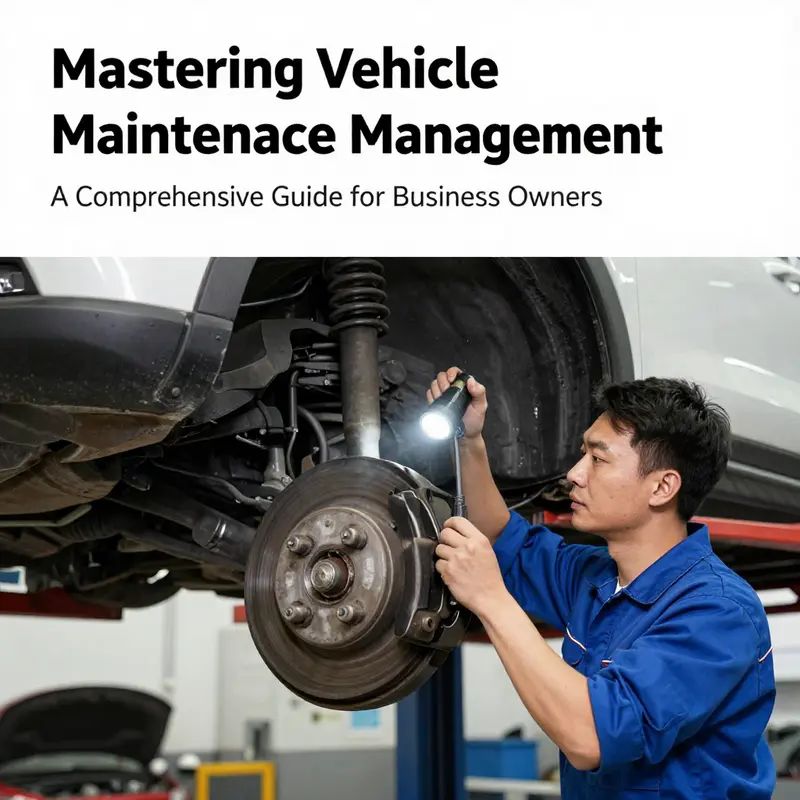
Regularly inspecting key components is not a luxury; it is the quiet practice that keeps a car safe, reliable, and economical over time. When maintenance becomes a habit, the car communicates fewer warning signs, and the road becomes a map of predictability rather than uncertainty. This principle sits at the core of effective vehicle upkeep: a system of simple checks that protects you, your passengers, and your budget. The four pillars of this discipline—braking, tires, engine fluids, and the electrical system—support every mile you drive. Each component interacts with others, so a lapse in one area often ripples into others. Understanding how these elements work together makes maintenance feel less like a chore and more like a routine that pays dividends in safety and long-term value. Beyond the obvious safety benefits, a disciplined inspection habit reduces the chance of sudden breakdowns, minimizes costly repairs, and preserves resale value by demonstrating a well-kept vehicle history.
The braking system, for example, is not only about stopping power but about predictable performance under a wide range of conditions. Brakes function through a complex dance of pads, rotors, and hydraulic fluid. Checking brake fluid levels and quality is essential because brake fluid can absorb moisture over time, which degrades braking effectiveness and can lead to corrosion inside the system. A routine assessment of pad thickness and rotor condition goes beyond a simple “does it stop?” test; it measures how quickly and smoothly the car can decelerate when you need to slow suddenly or gently. Subtle changes in braking feel—a slight sponginess, a longer stopping distance, or a high-pitched squeal—often signal wear or a developing problem that deserves attention before it becomes a hazard. The rhythm of this check should align with the vehicle’s maintenance schedule, but a cautious driver increases the cadence if the vehicle sees heavy use, hilly terrain, or frequent city driving where stop-and-go conditions prevail.
Tires occupy the other end of the contact triangle that makes up safe driving. They are the sole interface between the road and the vehicle, and their condition governs grip, steering response, and overall stability. A monthly inspection is a modest investment for peace of mind. Proper tire pressure optimizes handling and fuel efficiency, while underinflation or overinflation can raise the risk of heat buildup and uneven wear. Tread depth deserves particular attention: once it wears down to the legal minimum, hydroplaning risk rises in wet weather, and braking performance deteriorates in rain or snow. The eye can miss slow, even wear, so a close, deliberate check of tread patterns, any bulges, cracks, or punctures becomes part of the routine. Modern tires, with their advanced compounds and constructs, reward attentive care with longer life and consistent performance, but they demand steady monitoring just like the other critical components.
Engine fluids form the lifeblood of a vehicle’s reliability. Checking engine oil regularly—at least monthly, or more often in severe conditions—helps ensure there is enough lubrication to prevent metal-on-metal wear. The oil’s viscosity and cleanliness reflect the engine’s health and the driving environment. Clean oil supports smooth starts, efficient lubrication, and cooler operation. The interval for an oil change varies by manufacturer and oil type, but most engines benefit from more frequent changes under harsh conditions, such as extreme heat, heavy towing, or frequent short trips that never allow the engine to reach optimal operating temperature. Coolant levels and condition are equally important. A cooling system that runs low on coolant or that shows signs of contamination can lead to overheating, which exacts a heavy toll on the engine. Regularly checking coolant and ensuring it is within the recommended range helps avert heat-related failures and protects the cooling system that keeps temperatures controlled in every season.
The electrical system, including the battery, lighting, and charging circuit, is the quiet engine of reliability. A battery health check every six months helps prevent inconvenient failures, especially during cold starts when batteries are most stressed. Corrosion at terminals or low electrolyte levels (for non-sealed designs) reduces cranking power and can disrupt electronic controls that modern vehicles rely on. Lighting is another critical area of inspection, not just for visibility but for clear communication with other drivers. Functional headlights, brake lights, turn signals, and hazard lights are essential signals that contribute to overall road safety. A small amount of attention here pays dividends in reduced risk and fewer roadside stresses.
Beyond these four core areas, the steering and suspension deserve mindful listening. Subtle changes in handling, vibration, or unusual noises when turning or traversing potholes can indicate worn components such as ball joints, tie rods, or bushings. Paying attention to these cues lets you address wear early, often before alignment issues or uneven tire wear develop. Similarly, keeping HVAC and windshield wipers ready for seasonal challenges is a practical safeguard. Clear visibility through clean glass and good wiper performance makes braking and cornering safer in rain, snow, or dust storms. The aim is not to chase every potential issue but to develop a reliable, anticipatory routine that keeps surprises at bay.
All these checks gain their true power when they are part of a broader stewardship of the vehicle. The habit of recording every inspection and service in a detailed log transforms maintenance from guesswork into data. A well-kept service record—dates, mileages, parts, costs, and technician notes—helps identify recurring problems, guides future planning, and adds credibility when selling the car. Digital logs or a simple notebook both work when the entries are consistent and legible. A vehicle history record that aggregates maintenance, repairs, and diagnostic items provides a comprehensive view that can be invaluable for diagnosing intermittent issues or when transferring ownership. In many cases, this history is what helps a prospective buyer or a new technician quickly understand the car’s story and needs. When you synthesize this with the manufacturer’s maintenance schedule, you create a personalized, proactive program that keeps your car in its best condition without swamping yourself with unneeded tasks.
Technology plays a growing role in proactive maintenance, even as we resist becoming slaves to gadgets. Modern diagnostics can alert you to trouble codes before a warning light turns on, offering a chance to address issues early. Telematics and remote monitoring systems—where available—give you informative insights about the car’s health and alert you to potential problems long before they materialize into failures on the roadside. For individuals who want even more insight, basic health-monitoring tools can help you track oil level, coolant temperature, battery voltage, and other vital signs, turning maintenance into a data-driven practice rather than a routine guesswork. The practical takeaway is clear: use technology not as a substitute for hands-on checks but as a supplement that enhances your awareness and preparedness.
Seasonal maintenance adds another layer of focus. Winter demands attention to antifreeze strength, battery condition, tire traction, and defroster function. Summer invites a check of cooling efficiency and air conditioning performance, while spring and fall are ideal times to refresh air filters, inspect wipers, and assess for rust or corrosion that may have taken root over harsher seasons. The seasonal rhythm aligns with the natural aging process of fluids and seals, which respond to climate conditions. Adopting this calendar-aware mindset helps you stay ahead of problems that would otherwise emerge at inconvenient moments. A simple annual review that sits alongside the monthly inspections creates a robust safeguard against the unpredictable moods of weather and road conditions.
Service quality matters as much as the checks themselves. When repairs become necessary, choosing qualified technicians and reputable shops helps ensure that what is replaced or repaired is appropriate for your vehicle’s design. Using genuine or OEM-approved parts preserves compatibility and reliability, which is crucial for maintaining performance. For minor fixes, reputable independent shops with solid reviews can be a practical option, but the emphasis should always be on quality and fit rather than price alone. The guiding principle is simple: invest in precision and compatibility, and the benefits will be evident in smoother operation, fewer breakdowns, and longer component life. This is why the maintenance log becomes a record of decisions as well as services: it captures which parts were used and why, creating a trail that is useful when diagnosing future concerns or clarifying ownership history.
As you build this routine, remember that prevention is more than a checklist. It is a philosophy of care that blends practical action with informed judgment. You are not merely reacting to symptoms; you are shaping the vehicle’s reliability by understanding how each part performs, wears, and interacts with others. The payoff is tangible in safer driving, lower repair costs over time, better fuel efficiency, and a steadier resale value that reflects a well-managed asset. If you want to see how routine maintenance translates into fuel savings and overall efficiency, you can read more about the connection between ongoing care and operating costs in this accessible piece: how vehicle maintenance saves on gas expenses.
In this light, the chapter you carry forward is not a lecture but a mindset. It invites you to approach each drive with a brief, purposeful check of the basics, a quick glance at the gauge cluster, and a moment to listen for anything out of the ordinary. The goal is to reduce uncertainty and to cultivate a sense of control over your vehicle’s health. With a dependable log, a little discipline, and a willingness to act when a concern arises, you are building a foundation for years of safer, smoother, and more economical travel. This approach harmonizes with the broader objective of the article: to illuminate practical, achievable strategies for managing vehicle maintenance in everyday life. The next chapter will expand on how to integrate preventive care with everyday usage patterns, choosing the right balance between scheduled service and opportunistic checks while remaining mindful of the vehicle’s unique needs and the realities of life on the road.
For those who want authoritative guidance on inspection standards, consult the official government resources that outline safety regulations and best practices. Keeping this in mind helps you align your personal maintenance routine with widely accepted benchmarks, reinforcing the reliability and safety you expect from your vehicle. External reference: https://www.transportation.gov/vehicle-safety
Quality Parts, Trusted Shops: The Quiet Foundation of Smart Vehicle Maintenance
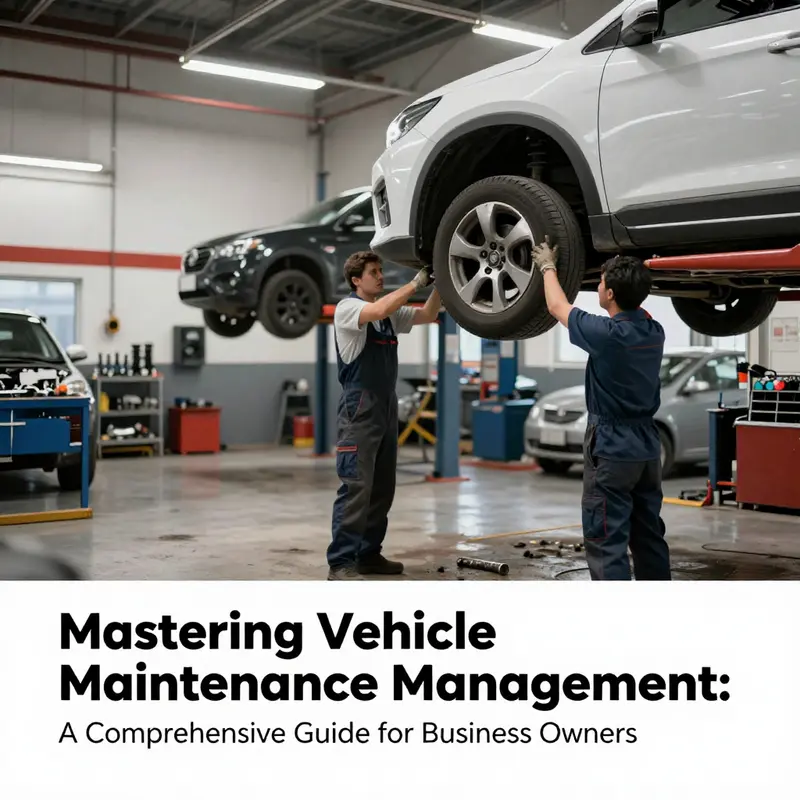
When people talk about maintaining a car, they often focus on the obvious steps—oil changes, tire rotations, and fluid levels. Yet the backbone of reliable, long-term performance rests not just on when you service a vehicle, but on what you install and who handles the work. This chapter weaves together two critical threads of maintenance strategy: choosing quality parts and partnering with reputable repair shops. It is a chapter about setting a standard for care that pays off with safety, reliability, and lower costs over time. If you want to reconnect with the bigger picture of maintenance, consider the broader definition of the practice here: What is vehicle maintenance. That foundation helps you see how every part you replace and every technician you trust fit into a coherent plan rather than a sequence of isolated tasks. \n\nThe first principle is straightforward yet powerful: the reliability of your car hinges on the parts it relies on every mile. It is tempting to cut corners on price, especially for routine items like filters, fluids, or brake components. But counterfeit or substandard parts can sabotage performance, accelerate wear, or fail at critical moments. A responsible maintenance mindset treats parts the same way you treat a budget—quality is an investment that reduces the need for frequent fixes and unexpected downtime. You don’t need to chase premium performance in every circumstance, but you do need parts that meet the vehicle’s specifications and withstand the conditions you routinely drive through. \n\nTo safeguard what your vehicle needs, emphasize parts that come with verifiable quality controls and traceable provenance. Look for parts produced under formal quality-management systems and certified to recognized standards. In practice, this means prioritizing components from manufacturers that maintain rigorous production processes and provide clear packaging, labeling, and documentation. The point is not to worship labels but to ensure you can verify what’s inside the box and why it will perform as intended. When you inspect a part, check for authenticity markers such as official certifications, barcode or serial-number traceability, and matching part numbers to your vehicle’s exact make, model, and year. This vigilance matters more online than in a generic store cart, because the risk of receiving a counterfeit or mismatched item increases with distance traveled between seller and buyer. \n\nEven when a part isn’t brand-new, the principle remains: compatibility and quality must align with the vehicle’s engineering. If a part fails prematurely, it can undermine the entire system it supports, from the engine to the braking and cooling circuits. Therefore, the goal is to strike a balance between cost and value. In many cases, the most economical route is not the cheapest option at the register but the option that offers reliable performance, a warranty, and clear return policies. A practical approach is to favor OEM-approved or OE-equivalent parts. These options are designed to match the original equipment specifications while often offering a more attractive price point than the direct-from-dealer parts. When opting for aftermarket parts, ask the shop for documentation confirming compatibility with your specific vehicle and for any warranties that accompany the parts. This keeps the conversation focused on what truly matters: will the part function correctly within your car’s design, and for how long? \n\nAuthenticity and certification are the invisible threads that connect quality parts to long-term performance. Although it can be tempting to buy the lowest-priced option, that price is often a mirror of the risk you take on reliability and safety. Counterfeit parts frequently fail to meet the required tolerances, leading to reduced filtration, improper sealing, or suboptimal heat dissipation. They may look legitimate from the outside but fail under load or heat. A practical rule of thumb is to demand traceability: factory packaging, serial numbers, and vendor guarantees. If a vendor cannot provide those assurances, reconsider. The part’s journey—from manufacturer to your car—matters as much as its intended function. \n\nThis is where the decision about repair shops intersects with the decision about parts. A reputable shop does more than replace components; it acts as a quality-control buffer. It should insist on parts that meet or exceed the vehicle’s specifications, and it should supply a transparent explanation of why a particular part is recommended. The installation process itself matters. Proper torque, correct alignment, and appropriate lubrication—these basics protect both the part and the rest of the system from unnecessary stress. A shop’s approach to diagnostics also signals what kind of maintenance partner you have chosen. A facility that relies on modern diagnostic tools and trained technicians is better equipped to determine when a part is truly needed versus when a simple adjustment will suffice. \n\nChoosing a repair shop is not simply about the price tag on a single job; it is about the shop’s culture of safety, transparency, and accountability. A reputable facility will be licensed and insured, and its technicians will hold current certifications that reflect ongoing training and competence. They will maintain clear records of what was replaced, what was measured, and what the next service interval should be. They will also stand behind their work with a warranty policy that makes sense given the parts used and the complexity of the repair. This is where experience and reputation show their value. A shop with a track record of clear communication, fair pricing, and consistent outcomes reduces the anxiety that often accompanies car maintenance. It also gives you a reliable partner for future services, which makes planning easier and the vehicle more predictable. \n\nThe decision to use OEM parts or certified aftermarket components is never purely theoretical. It translates into real-world outcomes, especially in areas with extreme driving conditions or older vehicles where wear compounds the need for precise fit and long-term stability. When you lean toward OEM or OE-equivalent parts, you are leaning toward compatibility and performance that mirror the engineering intent. If you opt for aftermarket parts, insist on documentation that proves compatibility and outlines any warranties. Asking for the original part number, cross-reference data, and warranty terms can save you from a later dispute about performance or coverage. Importantly, your dialog with the shop should include expectations about longevity and the service life of the replacement, not just the immediate fix. \n\nA transparent maintenance dialogue also helps you build a dependable service history. Keeping a detailed record of every replacement, its cost, and the technician’s notes sharpens your ability to spot recurring issues and to plan future interventions. It’s a practical habit that compounds value over time. The value is not only in the car’s performance but also in its resale potential. A well-documented service history reassures future buyers and can streamline negotiations, which translates into real-world financial benefits when you decide to sell or trade in your vehicle. In this regard, the maintenance journey is as much about stewardship as it is about performance. You are not merely reacting to problems as they arise; you are creating a reliable roadmap that keeps the car safer and more economical to own. \n\nAs you navigate these decisions, remember that quality is not a luxury; it is a liability-avoidance strategy. It reduces the probability of cascading failures that could arise from a substandard component’s premature wear. It also safeguards the time and resources you invest in maintenance, turning what could be frequent rounds of repairs into fewer, more meaningful visits. The shop you choose becomes a partner in this strategy, not just a transaction point. A trustworthy shop makes the maintenance plan feel less like a chore and more like a long-term partnership with your vehicle. \n\nIn sum, the quiet foundation of smart vehicle maintenance rests on two steady contributions: parts you can trust and service from professionals who know how to use them correctly. Embracing authentic parts, demanding clear documentation, and aligning with repair shops that combine technical competence with transparent communication will help you keep your car safer, more reliable, and healthier for years to come. This approach pays dividends in the form of smoother daily operation, better efficiency, and, over the vehicle’s lifetime, lower and more predictable maintenance costs. External resources offer additional perspectives on choosing reliable service providers if you want to explore further. For a well-regarded external reference, see Consumer Reports’ guide on selecting a trustworthy auto repair shop: https://www.consumerreports.org/cars/choosing-a-reliable-auto-repair-shop-a574832/.
Final thoughts
Effective vehicle maintenance is not just a best practice; it is an essential component of any successful business strategy aimed at optimizing operational efficiency. By diligently following the manufacturer’s maintenance schedule, maintaining detailed service records, embracing safe driving habits, conducting regular inspections, and utilizing quality components and reputable repair services, business owners can ensure that their vehicles remain operational for longer, saving significant costs down the line. Prioritizing vehicle upkeep translates to enhanced safety, improved reliability, and a positive impact on overall business performance.