
For business owners, maintaining a vehicle is not just about upkeep; it’s a critical aspect of ensuring safety, extending operational lifespan, and avoiding costly breakdowns. Well-maintained vehicles perform better and reflect professionalism in your brand. This guide delves into five vital chapters that will provide you with practical, actionable steps to keep your vehicle running smoothly—from adhering to manufacturer schedules to performing daily checks, scheduling professional maintenance, considering special conditions, and keeping detailed service records. Together, these elements create a strong foundation for dependable vehicle functionality that supports your business’s operations.
The Golden Schedule: How Rigorously Following the Manufacturer’s Roadmap Keeps Your Vehicle Safe, Reliable, and Efficient
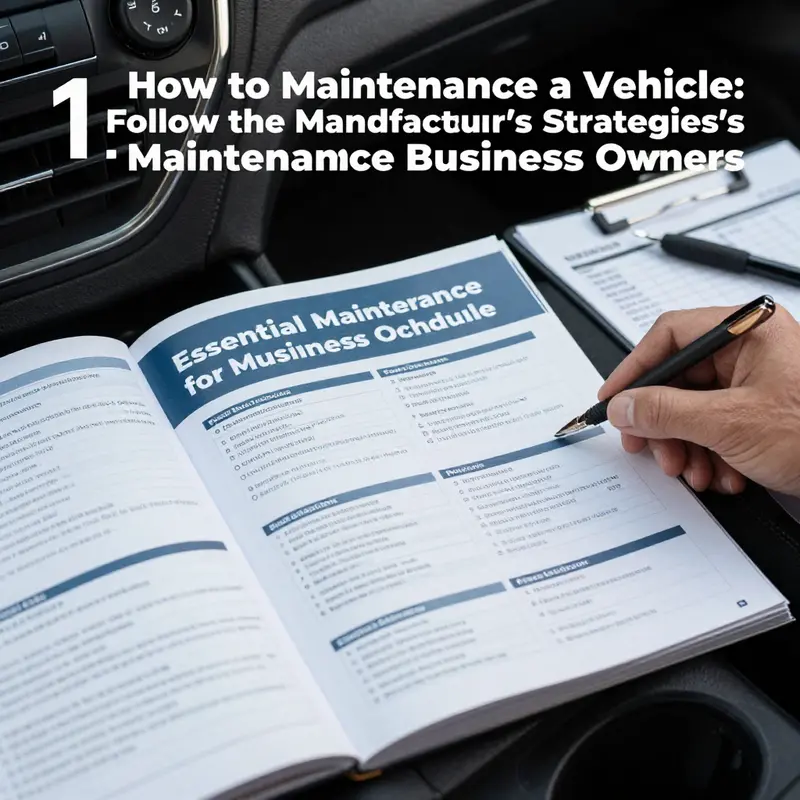
When you first bring a vehicle home, the owner’s manual might look like a stack of dry directives. Yet within those pages lies a practical, time-tested pathway to safety and longevity. The manufacturer’s maintenance schedule is not arbitrary advice; it is a blueprint designed by engineers who know how a car behaves when it ages, how components wear in concert, and how the whole system interacts under real-world conditions. Treating this schedule as the golden rule transforms maintenance from a list of chores into a proactive program. It is the difference between chasing surprise failures and reducing the odds of breakdown to a minimum. In practice, following the schedule means each visit, each check, and each service has a reason tied to reliability, safety, and efficiency. The goal is not to be machine-paster of dates but a disciplined steward of a machine that carries you, your family, and your plans wherever you go.
The core of this approach rests on the precise intervals for critical fluid changes and component replacements. Engine oil and the oil filter deserve close attention because oil lubricates and protects the engine’s moving parts. The guidance commonly lands in a range of five thousand to ten thousand miles (about eight thousand to sixteen thousand kilometers) or every six to twelve months, whichever comes first. This cadence reflects the way oil breaks down with heat, contaminants, and time. Consistency matters more than perfection here; regular oil changes keep friction low, reduce sludge formation, and maintain the oil’s protective film where it is needed most. The oil change is not merely about cleanliness; it is about preserving the engine’s life and preserving its response under varied driving styles.
Air filtration often hides in the background until you notice another symptom—reduced performance or increased engine noise. A clean air filter improves combustion, boosts efficiency, and can help keep the intake system free of dust and debris. The typical replacement window lies in the range of fifteen thousand to thirty thousand miles (twenty-four thousand to forty-eight thousand kilometers), depending on driving environment. In dusty deserts, harsh highways, or construction zones, the filter work may need to happen sooner. The same attention applies to the cabin air filter, which quietly affects the air you breathe inside the vehicle. When filters are clogged, the HVAC system strains, and occupants notice a drop in air quality and comfort. These checks are straightforward, often visible, and they are a point where neglect is visible to the regulator of your vehicle’s health: your own wallet and your own safety.
Brakes sit at the leading edge of safety, and their maintenance cannot be postponed. The schedule often suggests inspecting brake pads and rotors, and replacing brake fluid on a cadence that keeps braking response crisp. In many manuals, brake fluid replacement is recommended every two to three years or roughly forty thousand to sixty thousand kilometers. Brake pads, when they wear down to a few millimeters, betray themselves with reduced stopping power, a spongy pedal feel, or audible squeal. The moment you notice anything off—noise, vibration, or reduced effectiveness—an inspection is warranted rather than a postponement. The same philosophy applies to the cooling system and coolant. Fluids that regulate temperatures must be refreshed on a schedule that prevents overheating, corrosion, and poor heat transfer. A coolant flush every couple of years helps prevent corrosion from the inside out and preserves radiator and hose integrity, an outcome that translates into fewer expensive repairs and a lower risk of engine damage.
Beyond these core items, the manual lays out a broader rhythm that keeps the car in a balanced, healthy state. Routine servicing often includes tire rotation and balance, battery health checks, and air-filter replacements. Tire care extends tire life and improves safety through even wear and predictable handling. Rotating tires every ten thousand to fifteen thousand miles (sixteen thousand to twenty-four thousand kilometers) promotes even tread wear and steadier performance across all four corners. A balance check is a quick diagnostic when vibration appears at highway speeds and can prevent uneven wear and potential steering concerns. The battery is the heartbeat of the electrical system; its health matters, especially in cold climates where aging cells expend more energy. An annual or semi-annual check can reveal a failing cell or connections that need cleaning and tightening. The cooling system deserves attention as well, since a well-maintained system protects against overheating, which can ripple into head gasket failures and other costly problems.
It is essential to recognize that the manufacturer’s recommendations are a baseline, not a rigid script that cannot adapt to everyday life. Real-world conditions shape the calendar, and common sense guides the nuance. If you routinely drive in dusty environments, the air filter’s life will shorten, and you may need to replace it sooner than the standard window. In heavy city traffic, where the engine often idles and traffic conditions keep the engine from fully warming, oil degradation can accelerate. In such cases, it makes sense to revisit the oil-change cadence, especially if you notice darker oil or reduced engine responsiveness between scheduled services. The schedule serves as a foundation, but it is not a substitute for your judgment. Your driving patterns, climate, and road conditions interact with the car’s design to evolve the preventive care plan. In other words, know the manual, but apply it with situational awareness. This approach turns maintenance into a flexible, intelligent routine rather than a rigid checklist.
To make that wisdom actionable, consider the sequence of professional services that keep your vehicle performing as designed. The oil change remains non-negotiable, with the precise oil type and viscosity specified by the manufacturer. Using the recommended grade helps protect engine components and maintains fuel efficiency. Brake-system inspection is more than a check of pads; it includes an assessment of rotors, calipers, and brake fluid. The brakes are your primary mechanism for safety, and their condition directly influences stopping distance and control. Tire rotation and balance deserve attention to ensure even wear, quiet operation, and predictable handling. Battery health checks are especially prudent as temperatures swing; a weak battery can cause a no-crank situation in cold weather or misbehave on humid days. The cooling system demands regular attention as a fail-safe against heat-related damage, while the air and cabin filters contribute to engine performance and interior air quality—two elements that influence comfort, efficiency, and overall health.
In the same spirit, the schedule’s cadence should be complemented by a practical discipline: keep a maintenance log. This log is a living record of what has been done, what is due, and what you observed in terms of performance or comfort. Receipts, service reports, and reminders create a narrative you can share with future technicians or, when the time comes to sell, provide a transparent history of care. Digital storage offers convenience and searchability, while a physical file provides a tangible trail of responsibility. A clear record makes it easier to plan future services, avoid overlap, and preserve the vehicle’s value by demonstrating consistent upkeep. This practice also gives you a clearer sense of the vehicle’s health over time, making it simpler to detect patterns—like rising coolant levels after a radiator repair or a gradual oil-consumption trend—that warrant earlier attention.
The chapters of maintenance cannot ignore the occasional exceptional scenario. When a car sits idle for extended periods, the manual recommends a few precautions to avoid battery drain and tire flat spots. If long-term parking is unavoidable, starting the engine and letting it run for a short period weekly can help preserve the electrical system. For parking weeks or months, disconnecting the negative battery terminal and considering a tire height management strategy can mitigate flat-spot formation. If you live in extreme climates, factor in more frequent inspections and fluid checks, recognizing that heat, cold, dust, and humidity each exert unique pressures on seals, hoses, and metal surfaces.
Electric and hybrid vehicles add a nuanced layer to this conversation. While their maintenance cadence remains rooted in the same care philosophy—regular inspections, timely fluid checks, and attention to cooling and battery health—the specifics differ. Hybrids require monitoring of the battery state of charge and the thermal management system that keeps the battery within a safe operating window. The general principle endures: consult the manual for model-specific intervals and adhere to a disciplined maintenance schedule, then adjust for your daily reality with informed discretion. The idea is to respect the engineering intent behind the design while applying practical, on-the-ground judgment about when a service is truly due.
As your journey with maintenance unfolds, remember that the manufacturer’s schedule is a compass, not a cage. It gives you a reliable starting point, a map that points toward fewer breakdowns and steadier performance. The more faithfully you follow it, the lower the likelihood of surprise repairs, and the greater your confidence behind the wheel. The habit of keeping records, staying observant about how the car behaves between visits, and adjusting to the realities of your driving environment turns maintenance from a chore into a shield for your safety and your investment. And while the idea of reading a manual might feel tedious, the result is simple: a vehicle that runs smoothly, efficiently, and with greater predictability across years of ownership.
For readers seeking a concise primer on the foundational idea behind all this care, consider this: maintenance, at its core, is the practice of respecting the machine’s built-in clock. When you honor the manufacturer’s cadence, you honor the engineering that designed the vehicle. The schedule translates into fewer tension points in the system, more consistent power delivery, and a longer window of dependable service. In the end, the maintenance schedule is not an obstacle to enjoy driving; it is a pathway to enjoying driving with less worry and more performance.
If you want to explore the underlying concept more explicitly, you can read a broader discussion on what maintenance really means for a vehicle and how it translates into everyday cost savings and reliability. What is vehicle maintenance offers a grounded overview of the principles at work when you commit to a routine that respects the car’s design. Keeping the chain of care unbroken requires discipline, but the payoff is tangible and enduring. The next layer in this chapter will build on these ideas by connecting the schedule to daily checks and professional service, underscoring how simple, regular actions accumulate into lasting value.
External resource: https://www.pcauto.com.cn/
null
null
Regular Professional Maintenance: The Cornerstone of Vehicle Longevity and Safety
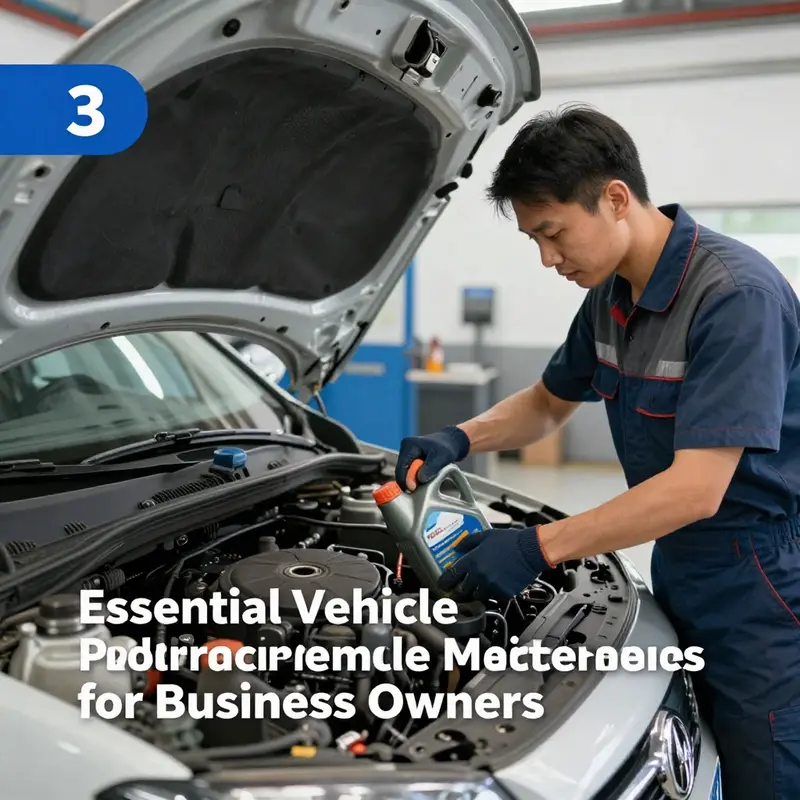
Keeping a car in peak condition is less about luck and more about a disciplined, expert-supported routine. Regular professional maintenance acts as the backbone of safety, reliability, and long-term value. It is the proactive counterpart to the owner’s daily checks, turning a routine service into an investment in peace of mind. When you embrace a structured maintenance plan, you’re not just chasing smooth operation; you are preventing costly failures, reducing downtime, and preserving the car’s performance envelope across years of use. This chapter follows the logic that has guided manufacturers for decades: aggressive prevention beats reactive repair. By aligning with the manufacturer’s service intervals and trusting trained technicians to verify every critical system, you give your vehicle a fighting chance to age gracefully, with fewer surprises along the way.
Central to this approach is the repeated emphasis on following the schedule laid out in the owner’s manual. Those intervals are not arbitrary; they emerge from extensive testing and real-world data. Oil change timing, filter replacements, and inspections are calibrated to the engine’s needs, the transmission’s habits, and the vehicle’s overall design. A typical cadence mirrors small, manageable tasks at 5,000 kilometers, expanding into more comprehensive checks around 10,000 kilometers as the car accumulates miles and the service life of certain components approaches a critical threshold. Treating these steps as optional or optional-only when convenient is exactly how wear compounds and costs escalate. The calendar here is not a nuisance; it is a blueprint for reliable operation.
Among the most consequential responsibilities during professional maintenance are the fluid ecosystems that keep the vehicle running smoothly. Fluids are the lifeblood of modern machines, and their condition often reflects the health of the system they serve. Brake fluid, for example, absorbs moisture over time, diminishing its boiling point and compromising stopping power when it matters most. A technician with the right diagnostic tools can measure moisture levels and warn you before pedal feel changes or brake lines show signs of stress. Transmission fluid in automatic transmissions deteriorates with heat and friction, potentially leading to rough shifts or even transmission wear if neglected. Regular fluid changes—within the bounds defined by the manual and the technician’s assessment—are an inexpensive hedge against major drivetrain issues. Coolant or antifreeze, another critical fluid, protects the engine from overheating and freezing. Its effectiveness diminishes over time, making periodic replacement essential to prevent heat soak, rusty channels, and potential engine damage.
But fluid maintenance extends beyond the obvious. Power steering fluid, windshield washer fluid, and even small quantities of coolant for auxiliary systems are part of a broader ecosystem that keeps the car’s responses predictable. A professional service visit typically includes a careful top-off and a check for leaks, which are often the earliest signs of a developing problem. As you plan for these visits, imagine the service bay as a diagnostic hub where technicians verify engine health, examine belts and hoses for cracks or wear, and assess the overall condition of the cooling system. This comprehensive approach prevents small issues from becoming dramatic failures and reduces the likelihood of roadside breakdowns.
Beyond fluids, the role of filters in professional maintenance cannot be overstated. The engine air filter is the first line of defense against dirt and debris that could erode performance and fuel economy. A clogged filter restricts airflow, which forces the engine to work harder and can shorten its life if left unchecked. Cabin air filters, while primarily associated with air quality inside the car, also influence the HVAC system’s efficiency and can affect occupant comfort and allergen exposure. Replacing both types of filters on the manufacturer-recommended schedule is a straightforward, low-cost measure that yields immediate benefits. A well-maintained air intake helps the engine breathe better, supporting efficient combustion and steady power delivery. In this context, a professional inspection ensures that the right filter type is used and that the installation is done correctly, minimizing the chances of improper seating or unfiltered air bypass.
A well-executed brake inspection is another cornerstone of professional maintenance. The safety implications here are profound. Technicians assess pad thickness, rotor wear, caliper condition, and hydraulic lines, measuring wear with precision and comparing it against the vehicle’s safety standards. The brakes are not merely a consumer comfort; they are the primary defense in emergency scenarios. Even minor degradation—such as a spongy pedal, unusual vibrations, or pulsing brakes at highway speed—warrants a thorough check. Timely replacement of worn pads and, when necessary, resurfacing or replacing rotors prevents heat-related distortion and maintains confident braking performance. In a society built on mobility, the brake system embodies a non-negotiable standard for safety and reliability.
Tire care and wheel alignment are frequently misunderstood as mere road-surface concerns. In truth, tires are the only contact patch between the vehicle and the road, and their condition influences handling, braking distance, and fuel efficiency. Professional maintenance includes pressure checks, tread depth measurements, and, when appropriate, rotation and balancing. Regular rotations promote even wear, extending tire life and improving ride quality. Wheel alignment, often neglected, is essential for straight tracking and even tire wear. Misalignment can masquerade as other problems, such as steering pull or premature tire wear, and correcting it early saves both money and suspension-related headaches. The technician’s careful assessment of alignment angles, tire condition, and steering geometry ensures the vehicle tracks true and responds predictably under braking and cornering loads.
A robust professional maintenance schedule also places a spotlight on the battery’s health. In cold climates, battery reliability becomes the difference between calm starts and anxious delays. Technicians perform load tests and voltage checks, forecasting when a battery will degrade to the point of no return. Replacing a battery before it fails is not merely an inconvenience avoidance; it protects the electrical system from the shock of sudden low voltage, which can affect fuel injection accuracy, sensor readings, and even the operation of critical safety features. The lifespan of a battery is influenced by climate, start-stop usage, and charging habits, but a planned replacement in the recommended window reduces the risk of unplanned failures and the cost of roadside assistance.
Cooling systems deserve special attention. A cooling system flush or coolant replacement is not an annual ritual for every model, but it is a prudent practice for many. Coolant serves multiple roles: it carries heat away from the engine, protects against corrosion, and helps ensure the cooling system’s longevity. Over time, coolant conditions decline, and corrosion inhibitors become less effective, increasing the risk of overheating and radiator or heater core problems. A professional service assesses coolant age, tests for leaks, and confirms that hoses and clamps remain pliable and secure. This proactive care keeps the engine within its intended operating temperature range, preserving performance and protecting surrounding components from heat-related wear.
And then there are the filters that quietly sustain daily comfort and performance. The engine air filter and cabin air filter stewardship is more than about efficiency; it is about ensuring that the engine breathes clean air and that the interior air remains free from contaminants. A clogged cabin filter can reduce HVAC efficiency and contribute to stale odors, especially in dusty or urban environments. Replacing filters according to schedule helps maintain interior air quality and maintains the threshold at which the heating and cooling systems operate effectively.
A comprehensive professional service also serves as a broader health check for the car’s systems. Technicians perform visual inspections of belts and hoses for signs of wear or cracking, inspect the suspension for play or leaks, test electrical connections for corrosion, and listen for subtle sounds that could indicate developing issues. These checks extend to exhaust components, as leaks or damaged parts can affect emissions, performance, and safety. While many drivers rely on dashboard warning lights to indicate trouble, the trained eye can often detect problems that no light has yet signaled. This is the essence of proactive maintenance: a trained professional’s expertise catching issues early, preserving reliability, and keeping you away from frustrating and expensive breakdowns.
Engaging with regular professional maintenance also means embracing documentation and traceability. A well-kept service history matters beyond the immediate safety and performance benefits. It provides a roadmap for future maintenance, helps sell the vehicle with confidence, and supports resale value by proving the vehicle has been cared for in accordance with manufacturer guidance. This record-keeping is a practical habit that complements the mechanical checks. It reassures you, the technicians, and any future owners that the car has a documented, consistent history of care. Keeping receipts, service invoices, and notes—whether in a physical binder or a digital log—ensures that nothing essential falls through the cracks when it’s time to plan the next visit or address a new concern.
To weave these elements together into a coherent practice, consider the following idea as you plan your next maintenance schedule: What vehicle maintenance is. The simple act of understanding what maintenance involves informs every decision you make about timing, scope, and the choice of a service provider. It frames maintenance not as a routine chore but as a structured partnership with your vehicle’s engineering. When you treat maintenance as a shared responsibility between owner and technician, you become a steward of safety and longevity rather than a passive observer of wear and tear.
In addition to following the manual and relying on a professional service, there is wisdom in recognizing when a service interval should be adjusted for your specific circumstances. Extreme climate, frequent short trips, or heavy payloads can accelerate wear in particular systems, and a technician can translate those conditions into a tailored maintenance plan. The goal is not to chase every possible issue but to align your care with the car’s actual operating profile. In practice, this means combining the manufacturer’s baseline with informed adjustments that reflect real-world usage. The result is a vehicle that remains responsive, efficient, and dependable across seasons and miles. The long view matters here: the cost of a scheduled service is tiny next to the expense and risk of a major breakdown, and the value of a well-maintained car extends beyond dollars saved—it extends to safety, confidence, and the joy of driving a machine that behaves exactly as designed.
For readers who wish to verify the broader themes of professional maintenance and its impact on longevity and safety, a credible external resource can provide additional context. See a respected overview of vehicle maintenance practices at https://www.nhtsa.gov/road-safety/safe-vehicles for general guidelines on how regular checks and inspections contribute to safer driving. This external perspective complements the chapter’s emphasis on tailored, manufacturer-guided service and professional support, anchoring the discussion in widely accepted safety standards while keeping the focus on practical, day-to-day maintenance strategies.
Beyond the Schedule: Special Considerations for Protecting Your Vehicle Through Seasons, Storage, and Stress
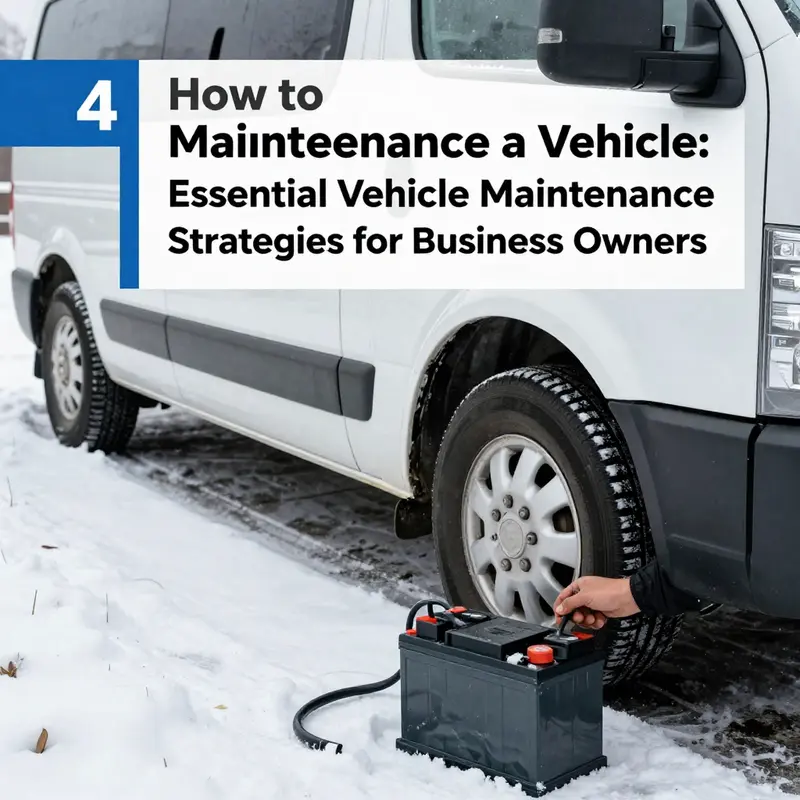
Maintaining a vehicle properly is not a one size fits all task. The routine intervals in the owner’s manual form a solid foundation, but special situations demand attention that goes beyond a generic checklist. The true art of vehicle maintenance lies in reading the road ahead—anticipating the seasons, the time spent parked, the environments you traverse, and the aging of the car itself. When you weave these considerations into your regular care, you guard safety, preserve performance, and extend the life of important components in ways that the standard schedule alone cannot achieve.
Seasonal change acts like a weathered guardrail along a long drive. In winter, the car confronts freezing temperatures, road salt, and slick surfaces. The small acts of preparation can keep you moving when the weather turns against you. Begin with the basics that echo throughout maintenance: keep the windshield clear and visibility intact, ensure the antifreeze concentration is adequate for the expected cold, and verify that tires have sufficient tread and proper cold-weather grip. A winter-grade windshield washer fluid matters because freezing almost always finds a way to creep into the spray bottle, and a coolant that holds up under subzero conditions prevents overheating or cracking in the cooling passages when a heater cycle runs longer than usual. The tires themselves deserve extra scrutiny in cold months. If you live in a climate that regularly dips below freezing, you may need to consider winter or all-season tires capable of delivering reliable traction on snow and ice. Temperature and pressure go hand in hand; heat during the day followed by a sharp drop at night can alter tire pressure, so a quick check before the daily commute helps keep handling predictable.
Summer presents its own set of tests. Heat pushes systems toward the edge, so monitor tire pressure more frequently as the air expands with rising temperatures. The cooling system, often overlooked, deserves a preemptive check and service if it’s been a while since a professional flush. The air conditioning system is not a luxury but a safety and comfort feature that helps prevent driver fatigue and ensures the engine remains within its intended thermal envelope. A well-serviced AC also reduces the chance of mold growth inside the cabin, which affects air quality and can trigger allergic or respiratory responses. The engine bay welcomes attention as well: fluid levels should be checked with the same vigilance you apply to seasonal fluids, and the radiator and hoses should be inspected for signs of wear or cracking that heat can exacerbate. In both seasons, the basics of preventative care—oil, filters, and fluid checks—must not be neglected because the seasons intensify the stresses on lubrication, filtration, and cooling.
Long-term parking or periods of inactivity test a vehicle differently than daily use. The goal is to prevent deterioration when the car sits while not in use. Battery care becomes critical here. For most modern vehicles, disconnecting the negative terminal can prevent parasitic drain, but for cars with advanced electronics, a smart trickle charger may be preferable to maintain charge safely without risk. When the car is parked for extended stretches, tires deserve special attention as well. Inflating tires 10–15 percent above normal pressure can reduce deformation during long storage, and gently moving the car every couple of weeks shifts contact points to mitigate flat spots. Fuel systems benefit from keeping the tank reasonably full; a half tank or more reduces air space and slows oxidation that can gum up fuel lines over months. A fuel stabilizer becomes important if you anticipate ethanol-blended fuels sitting in the tank for a while, since ethanol can degrade and form varnish or gum in the fuel system. Engine health is best safeguarded by fresh oil before storage. Old oil can become acidic over time and corrode internal components, setting the stage for trouble when you next start the engine. Periodic cycles that mimic a short run—at least enough to bring the engine to operating temperature—aid in preserving seals and gaskets.
Driving in harsh conditions creates another layer of maintenance nuance. Dust, sand, and off-road environments can clog air filters rapidly, so the replacement window for the engine air filter tends to compress in dusty climates. In such settings, a higher-efficiency or specialized filter may be warranted to maintain the engine’s breathing capacity. High humidity and coastal regions spawn corrosion and moisture-related issues in electrical systems and undercarriage components. Regular inspections of the undercarriage and wheel wells for rust or scale become prudent; treating vulnerable areas with rust-protective coatings can add years to metal components exposed to salt air or humidity. Short trips, common for many city dwellers, pose a different hazard: engines never fully warm up, which fosters condensation and sludge formation. The remedy is simple in concept but demanding in discipline—take the car for a longer drive at least once a week, a 20 to 30 minute session that allows the engine to reach and maintain its operating temperature, burn off moisture, and stabilize the oil and coolant. This practice reduces the likelihood of moisture ingression into crankcase oil and helps keep catalytic converters, exhaust components, and the engine internals in healthier condition over the long haul.
Then there are situations that occur after a mishap or major repair. An accident or significant repair can leave unseen consequences, so a comprehensive post-event inspection is wise. Brakes, suspension, steering, and alignment should be rechecked to verify that no hidden damage has crept in during the incident or the following test drive. Electronic warning lights may need a careful reset, but only after repairs have been confirmed as complete and satisfactory. It is prudent to recheck fluids and tire pressures immediately after any repair work. If a vehicle has been lifted or driven with a damaged tire, the risk of imbalance or improper alignment can persist and undermine safety and comfort until corrected. When this kind of event occurs, the strongest safeguard is a cautious approach: revalidate the car’s condition with a professional, then gradually monitor performance and warning indicators as you resume normal driving.
Vehicle age and mileage also shift maintenance priorities. As cars age, typically beyond eight or ten years or after reaching high mileage, the focus naturally moves toward preventive measures rather than reactive fixes. Components such as timing belts—where applicable—warrant careful monitoring, with periodic inspections for hoses and belts that show cracking or hardening. Transmission fluid becomes more important as wear accumulates; some drivers opt for higher-quality fluids and more frequent changes to sustain smoother operation and avoid transmission issues. The larger truth is that older vehicles benefit from a slightly more proactive stance: pay attention to unusual noises, vibrations, or dashboard alerts, and address them promptly rather than letting them escalate. It is not merely about replacing worn parts but about preserving a compound system where a failing component can cascade into more extensive and expensive repairs.
The thread that ties these considerations together is vigilance. The schedule remains a reliable backbone, but learned drivers apply context. They recognize when the car is in a season that amplifies stress, in a storage-to-use cycle that threatens freshness, or in a life stage of the vehicle where subtle symptoms should not be dismissed as normal wear. In practice, that means turning intention into routine. Start with a seasonal readiness check that you can perform before a seasonal switch, then incorporate a compact set of storage and idle-time steps into your annual calendar. When harsh conditions define your driving, adjust the intervals you were taught by the manual with a practical margin of safety. And when your car ages, build in a higher cadence of inspections and fluid evaluations, especially for systems known to degrade with time.
A note on resources and information flow helps keep this approach grounded. The manual offers model-specific guidance, yet the world of driving is diverse. To reinforce the idea that maintenance is not only about following a schedule but also about paying attention, consider how regular maintenance can reduce overall running costs. Indeed, beyond safety and reliability, keeping up with care lowers fuel consumption and minimizes the risk of expensive repairs. For a more in-depth look at how maintenance translates into real-world savings, you can explore a detailed discussion on how vehicle maintenance saves on gas expenses in a dedicated article that examines the economics of upkeep. This broader perspective complements the hands-on, condition-driven practices described here and helps drivers see maintenance as an ongoing investment rather than a set of chores.
For those seeking a deeper dive into situational guidance, seasonality, storage, and post-repair care, the emphasis remains on practical, reversible actions. Small, timely acts—checking fluids, testing lights, examining tires, and ensuring the battery remains healthy—can have outsized effects on performance and safety. Car owners who adopt this mindset transform routine maintenance into a living practice rather than a static plan, one that adapts with the vehicle, the climate, and the miles traveled. Keeping a detailed log of all maintenance and repairs becomes more valuable in light of special considerations: it builds a narrative of the car’s health, supports resale value, and makes it easier to spot patterns that presage future needs. A well-kept record is not a vanity project but a practical tool that guides future decisions and helps you respond quickly when conditions change.
To weave these concepts into daily life, think of maintenance as a dialogue with your vehicle. You listen for tone in the engine, you notice the cadence of the idle, you interpret the sound of the exhaust, and you respond with timely care. This approach harmonizes with the broader maintenance philosophy that has guided car owners for generations: respect the car, respect the road, and respect the limits of your knowledge by consulting manuals and professionals when needed. When you treat the vehicle with this level of attentiveness, you create a reliable partner for the long road ahead, one that stands up to winter cold, summer heat, extended storage, rough terrain, and the quiet test of time.
Internal link for further context: for a concise discussion on the cost benefits of staying current with maintenance, you can read about how vehicle maintenance saves on gas expenses in this article: how vehicle maintenance saves on gas expenses.
External resource for deeper seasonal and condition-specific guidance: a comprehensive overview is provided by Car and Driver, which explores how to maintain your car in different conditions. See their analysis at the following external link: https://www.caranddriver.com/features/how-to-maintain-your-car-in-different-conditions.
null
null
Final thoughts
Incorporating a comprehensive maintenance strategy for your vehicle not only ensures safety but also enhances your business’s reputation through reliability and professionalism. By carefully following the manufacturer’s schedule, routinely inspecting your vehicle, opting for professional services, considering special environmental factors, and maintaining diligent records, you create a robust framework for keeping your vehicles in peak condition. Adopting these practices will ultimately save you money on repairs and extend the life of your investment, ensuring your business runs smoothly.