
For business owners relying on vehicles for operations, maintaining a reliable fleet is crucial. Proper vehicle maintenance not only ensures safety but also keeps your vehicles running smoothly, ultimately enhancing your business’s productivity. With a robust maintenance tracking system in place, you can significantly reduce downtime and repair costs. This guide outlines various methods for keeping track of vehicle maintenance, from digital apps to physical logbooks and calendar reminders, providing a comprehensive approach to fleet management.
Digital Health on the Road: Mastering Vehicle Maintenance with a Tracker App
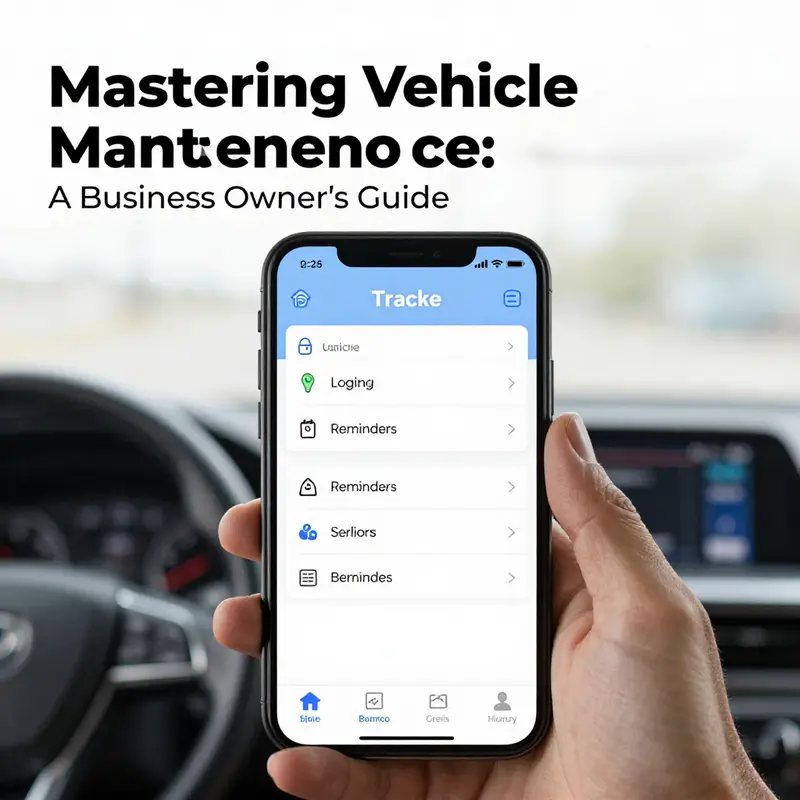
A digital maintenance tracker is not just a growing list of tasks; it is a living health log for your vehicle. It turns scattered receipts and reminders into a single narrative of wear, repair, and care. When you turn maintenance into data, you gain a clearer view of how your car ages, what components feel the strain, and when to schedule the next checkup. This is more than organization; it is protection. By treating your car as a moving asset with a health profile you monitor, you reduce the odds of unexpected breakdowns, safeguard safety margins on the road, and preserve resale value. In this light, a tracker app becomes a central nervous system for your vehicle care, capable of integrating the mechanical story of your car with the practical realities of daily life. It anchors your decisions in concrete history rather than memory, which is particularly valuable as the miles add up and the car moves between different owners, garages, and shifts in routine.
Maintaining a vehicle is as much about timing as it is about the work itself. A well-chosen digital tracker makes timing predictable rather than guesswork. Most modern trackers generate automated reminders based on mileage or elapsed time since the last service. If an oil change is typically required every few thousand miles or every several months, the app nudges you toward that threshold before the warning light even comes on. This eliminates the cognitive load of tracking schedules across a busy life and helps prevent the small delays that snowball into more expensive problems. The reminders themselves can stay simple, yet they are powerful when paired with a clear, centralized record of what was done, when, and with what parts. Over time, the data begin to reveal patterns—perhaps a brake issue tends to appear after a certain number of miles in a given season, or a tire rotation alongside a balance is consistently overdue in a particular weather cycle. The value lies not only in the alert but in the story that unfolds when you look back across service history and fuel records.
At the heart of a digital tracker is a centralized vehicle history. This is a one-stop record that can include repair history, part replacements, fuel consumption, insurance details, and even accident notes. Think of it as a digital twin of your car, a comprehensive archive that remains intact even as you switch phones or move between devices. The benefit for sellers and buyers is obvious: a transparent, inspectable record that demonstrates how well the vehicle has been cared for. For insurers, a well-documented history can also streamline claims and verify maintenance compliance. More broadly, this centralization reduces the chances of duplicative repairs or missed intervals because every action is logged and easily accessible from any device you own. The effect is a smoother maintenance journey and a clearer sense of the car’s ongoing health.
The integration aspect cannot be overstated. A mature digital tracker can sync with service providers and repair shops, delivering real-time updates on repair status and allowing you to view invoices and service notes in one place. This reduces the friction of paperwork and minimizes entry errors that often accompany handwritten notes or multiple emails. When the vehicle relies on multiple shops, this integration helps you keep a single, auditable record of all services performed, parts used, and costs incurred. It also supports transparency if you ever need to verify whether a recommended fix was completed or whether certain parts were replaced with a specified grade or brand. In a sense, the app becomes a communication hub that bridges the gap between the vehicle, the technician, and you. It keeps everyone aligned, which translates into better maintenance outcomes and a calmer ownership experience.
Cloud storage is the quiet backbone of this approach. With data stored securely in the cloud, you can access your car’s health profile from a phone, tablet, or computer. This accessibility matters when you are away from your primary device or when you are handing the car over to a trusted mechanic. It also supports multi-user scenarios—spouses, family members, or fleet managers can all contribute to and consult the same maintenance history. The cloud approach also protects against data loss if a device is misplaced or damaged; your records live on, ready to be retrieved and continued. The advantage extends to sharing with advisors or insurers, who may request a detailed maintenance snapshot as part of a quote or claim. And when you travel, you can still pull up the car’s service history, review upcoming intervals, and prepare for routine checks in unfamiliar places.
Beyond reminders and centralized history, the analytic potential of a digital tracker helps you move from reactive to proactive care. Some apps go further than logging by analyzing usage patterns, identifying recurring issues, and offering insights to optimize maintenance spend. The data can illuminate opportunities to improve fuel efficiency, extend tire life, or adjust driving habits to reduce wear. With predictive cues, you begin to anticipate needs before a warning light fires up, shifting maintenance from a habit you occasionally neglect to a continuous, evidence-based practice. In this sense, the tracker is not merely a passive ledger; it becomes a strategic tool that helps you steward your vehicle’s lifetime cost of ownership and performance.
Starting this journey is less about technical prowess and more about a disciplined setup. Begin by selecting a digital tracker that aligns with your needs, whether you own a single car or manage a small fleet. Import any existing records you already have, including receipts, service invoices, and maintenance dates. Decide what to track beyond the basics of oil changes and tire rotations. A practical baseline includes service date, mileage, what was done, the parts used, and the cost. If you maintain several vehicles, you may want to tailor categories to each car while keeping a uniform structure for consistency. Create standard intervals that reflect typical manufacturer guidance or your own experience, and customize reminders accordingly. A gentle rule of thumb is to set a single, clear reminder for each major interval and allow the app to manage the rest. It helps to review inputs periodically—perhaps monthly or quarterly—to ensure nothing has slipped through the cracks. If you rely on independent mechanics or non-dealer shops, the physical receipts can be scanned and attached to the corresponding entries, preserving the provenance of each service.
Data quality matters as much as data quantity. Enter information with care, using consistent terminology for services, parts, and vendors. Keep receipts and invoices, and attach them to the relevant records when possible. This creates an auditable trail that will be invaluable when you sell the car or when you need to verify a warranty claim. Photographing parts numbers and invoice lines can prevent ambiguity later on. A simple habit—uploading a new receipt within a day or two of a visit—can keep the entire history accurate and up to date. If you share the car with others, set permissions so that trusted users can add entries or update maintenance. It is not just about who can access the data; it is about who can contribute to a living, accurate portrait of the vehicle’s health.
Security and privacy deserve attention as well. Cloud-based systems bring convenient access but also require thoughtful safeguards. Use strong, unique passwords, enable two-factor authentication where available, and periodically export a copy of your history for offline archiving. Most trackers offer exportable summaries or reports that can be printed for inspections or resale listings. If you ever decide to move to a different tracker, your ability to transfer data cleanly becomes a practical consideration. As with any digital record, balance convenience with prudent privacy controls and keep sensitive information minimised or secured.
In many places, electronic maintenance records have grown not only helpful but, in certain jurisdictions, part of the expected fabric of vehicle administration. The momentum toward digital documentation means claims, compliance, and resale discussions increasingly hinge on accessible maintenance histories. A tracker you trust helps you navigate these conversations with clarity and confidence. This is not merely about convenience; it is about aligning with a broader shift toward accountable, transparent vehicle ownership. As you reference the practical realities of this approach, you may find that the gains extend beyond maintenance itself, shaping partnerships with mechanics, insurers, and buyers who value traceable care. For a practical sense of how timely maintenance saves money, see How Vehicle Maintenance Saves on Gas Expenses. This link illustrates how disciplined upkeep translates into tangible savings over time, reinforcing the case for a unified digital record.
To deepen your understanding of the broader landscape, you can explore resources on smart maintenance and cost-management strategies. For example, external insights from a leading vehicle intelligence platform offer a useful perspective on how data-driven maintenance can reduce downtime and total ownership costs. Learn more at https://www.autovantage.com/ for a broader view of predictive maintenance and personalized recommendations that align with your track record. While models and interfaces differ, the core principle remains constant: when you capture, aggregate, and act on maintenance data, you transform maintenance from a reactive obligation into a proactive asset management practice that preserves safety, reliability, and value over the long haul.
Keeping Your Car in Check: Mastering Maintenance with Manufacturer Apps
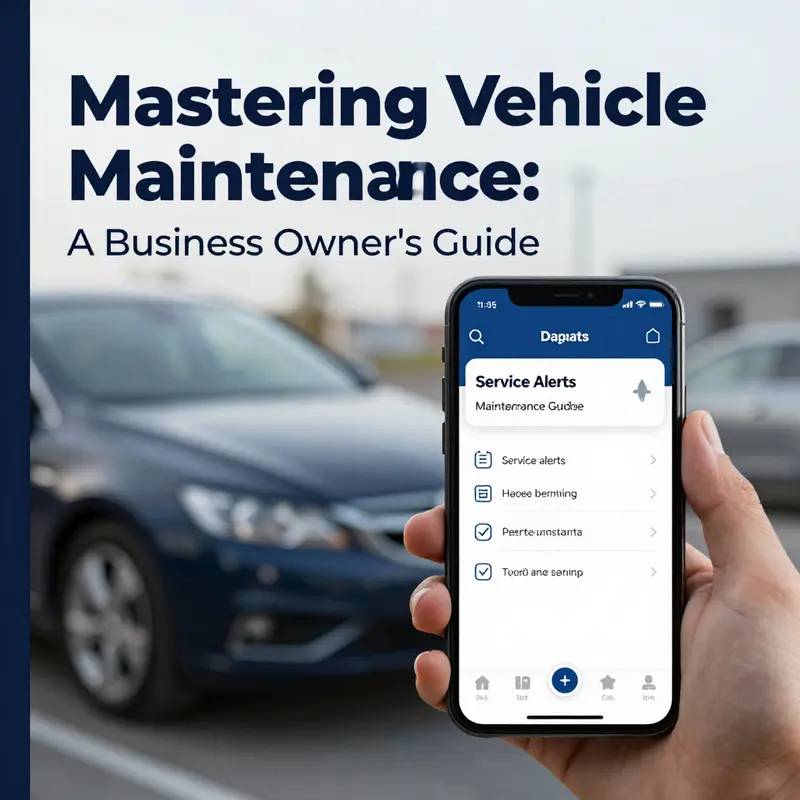
Tracking a vehicle’s health has become less about guesswork and more about intelligent, connected systems. Manufacturer apps sit at the center of that shift, turning a jumble of maintenance tasks into a coherent, real-time picture of your car’s well-being. Instead of flipping between receipts, service receipts, and reminder emails, you can rely on a single, secure source that pulls data straight from your car’s onboard systems and syncs it with your account. This isn’t a replacement for your own judgment; it’s a trusted navigator that helps you plan, prioritize, and act before problems escalate. When you approach maintenance this way, you not only keep the car safer, you preserve its value and reduce the friction of ongoing upkeep over the years. To frame your approach, it helps to anchor the process in a clear understanding of what maintenance means, such as in What is vehicle maintenance. This baseline makes the app’s data meaningful and easier to act on, especially when you’re balancing a busy life with a car that relies on timely, sometimes precise, service intervals.
The first step is almost ceremonial in its simplicity: download and install the official app for your vehicle’s make. This is the gateway to genuine, manufacturer-grade data. The app is designed to connect directly with your car’s computer and sensors, translating miles driven, wear readings, and service milestones into a readable history. Ready access to maintenance history matters not only for your own sanity but for the next time you need to sell or lease the vehicle. The app’s home screen typically greets you with a snapshot—recent services, upcoming maintenance, and a quick view of any outstanding notices. The clarity alone can shift maintenance from a chore to a routine you actually look forward to checking off, much like balancing a well-organized calendar.
Once the app is installed, the next phase is account creation and vehicle registration. You’ll be prompted to enter personal details, then link your vehicle using its VIN, a 17-digit code that serves as the car’s identity across the automaker’s system. The VIN is often found on the dashboard near the windshield or etched on the driver’s door jamb. Registering your VIN is not just about linking a record; it’s about ensuring that the app can pull precise data tied to your exact model, trim, and production year. With the VIN registered, the app begins to pull in your vehicle’s maintenance history—every oil change, brake service, tire rotation, and parts replacement—into a single, searchable timeline. This depth of history is a saving grace when you’re trying to understand service patterns over time or verify that a recommended service has actually been completed.
Access to your vehicle’s maintenance history is one of the most powerful features of a manufacturer app. You’ll see dates, mileage at the time of service, specific tasks performed, and sometimes notes from the shop. This is not a static list; it updates as new services are recorded, whether you visit a dealership, a certified service center, or an independent shop that has a data-sharing agreement with the manufacturer. The automatic pull from the vehicle’s onboard computer is the engine of accuracy, reducing the risk of misremembered service intervals or misfiled receipts. In many cases, the app will also display parts replaced, including brand and part numbers, if the dealer or technician uploads those details. In a sense, you are creating a living, digital health record for your car that mirrors the kind of documentation a clinician would keep for a patient—only this is your vehicle’s maintenance history, and it’s accessible anytime you need it.
The automated reminders are where the manufacturer app often proves most valuable. Rather than relying on a fixed calendar interval or a vague memory, the app uses the car’s data and your driving patterns to predict when maintenance is due. Oil changes, tire rotations, brake inspections, and other routine services can be queued up as proactive notifications. These reminders can arrive as push alerts, emails, or in-app messages, depending on your settings. You can typically customize the trigger: some drivers prefer to see reminders based on mileage alone, others on a time interval, and many apps balance both. The predictive reminders become a form of proactive care rather than reactive, helping you avoid service gaps that could lead to higher costs later. If you happen to drive more aggressively or cover long distances, the app might emphasize oil and filter changes sooner; if you mostly commute in urban stop-and-go traffic, it might highlight brake inspections earlier.
Scheduling is often integrated directly into the app as well. If there’s a service due, you can tap to schedule an appointment at a dealership or a certified service center, sometimes with real-time availability. The convenience of booking within the same ecosystem that tracks your maintenance history reduces friction and the chance that you’ll miss a recommended service. This integration also helps in coordinating multiple steps of the service process—drop-off times, loaner cars, and the expected service duration—right alongside the maintenance plan. You begin to see maintenance not as a one-off event but as a lifecycle flow, with a well-orchestrated rhythm that aligns with your calendar and driving needs.
The beauty of this approach is the unification of data across the lifecycle of the vehicle. But the reality is that no single system is perfect, and there are legitimate reasons to supplement the app with additional methods. Some independent shops may not push data to the manufacturer’s app, creating gaps in the digital record. In those cases, a simple manual note in your physical logbook or a private digital tracker remains a crucial backup. The discipline of recording everything—date, mileage, task, parts, and costs—ensures you preserve a complete picture even when automated data is incomplete. A well-maintained physical logbook also comes in handy if you ever need to recall service details quickly in a setting where a smartphone isn’t convenient. The point is not to replace one system with another, but to weave together multiple sources so you never lose sight of what your car needs.
Beyond your own records, there is value in cross-referencing with third-party vehicle history platforms when you acquire a used vehicle or verify the completeness of a prior owner’s maintenance. These platforms can fill in gaps or corroborate what you’ve documented. They are not designed for daily tracking, but they can provide a broader view of repairs, accidents, and service history, which is especially helpful for making informed purchasing decisions. When you’re shopping for a used car, you’ll appreciate the clarity that comes from having maintenance data aligned across the manufacturer’s app, the seller’s receipts, and an independent history check. This triangulation reduces the risk of hidden issues and helps you negotiate from a position of informed confidence. For independent verification of vehicle history, you can consult Carfax at the referenced external source.
As you grow accustomed to the rhythm of manufacturer-app maintenance tracking, you’ll likely notice a few practical habits that maximize value and minimize risk. First, keep your app’s notifications turned on and tuned to your preferences so you aren’t overwhelmed by messages that aren’t relevant to your driving style. Second, make a point of reviewing the maintenance history at least quarterly, even if nothing urgent appears on the screen. This habit will reveal patterns you might miss in daily checks, such as recurring issues with a particular part or a service that’s repeatedly scheduled but neglected in the past. Third, don’t hesitate to add manual entries for services completed outside the official channels. A quick entry with date, mileage, a concise description, and cost preserves the continuity of your record and prevents fragmented information. Fourth, whenever you’re due to book a service, use the app’s scheduling feature to set a reminder a few days ahead, giving you time to coordinate with your calendar, your work schedule, and any required transportation arrangements. And finally, treat the digital maintenance history as a living document rather than a static archive. If you replace a part later, record the change, the part’s specifics, and the associated costs so future owners or service technicians understand what has been done and when.
The ecosystem of maintenance tracking extends beyond a single app. You can pair the manufacturer’s digital record with a centralized, cross-platform tracker or a physical logbook, so you have a robust, redundant map of your car’s health. Do not view this as duplication; rather, see it as reinforcement. Each channel reinforces the others, offering different lenses through which to view the car’s needs. The manufacturer app delivers precision and timeliness, the digital tracker consolidates non-dealer service entries, and the logbook provides a tactile, always-accessible record you can flip through without power or connectivity. In practice, this integrated approach saves time, reduces the risk of missed services, and ultimately supports safer driving. It also makes conversations with technicians more productive, since you can point to exact dates, miles, and tasks, rather than guessing when the last service occurred.
When you consider the long arc of ownership, the value of maintaining a clear, accurate maintenance trail becomes evident. Regular, well-documented service correlates with safer operation and higher resale value. It also unlocks smoother dealership interactions when you’re dealing with recalls, software updates, or warranty considerations. The process is not about perfection; it’s about consistency and clarity. By leveraging the official app, you gain a reliable, centralized log that travels with you across ownership changes, service visits, and even when you step into a different shop for a repair. And because the app links directly to your car’s data, you’re less exposed to human error and lost receipts. The result is a more predictable, dependable ownership experience—one where your car’s health is read as clearly as a patient’s medical file, with the added reassurance that you’re actively participating in preventive care rather than reacting to issues after they escalate.
External resources can provide context about how this practice supports broader maintenance goals. For independent vehicle-history verification, you can consult Carfax at https://www.carfax.com/.
A Timeless Ledger: Mastering Vehicle Maintenance Through a Physical Logbook
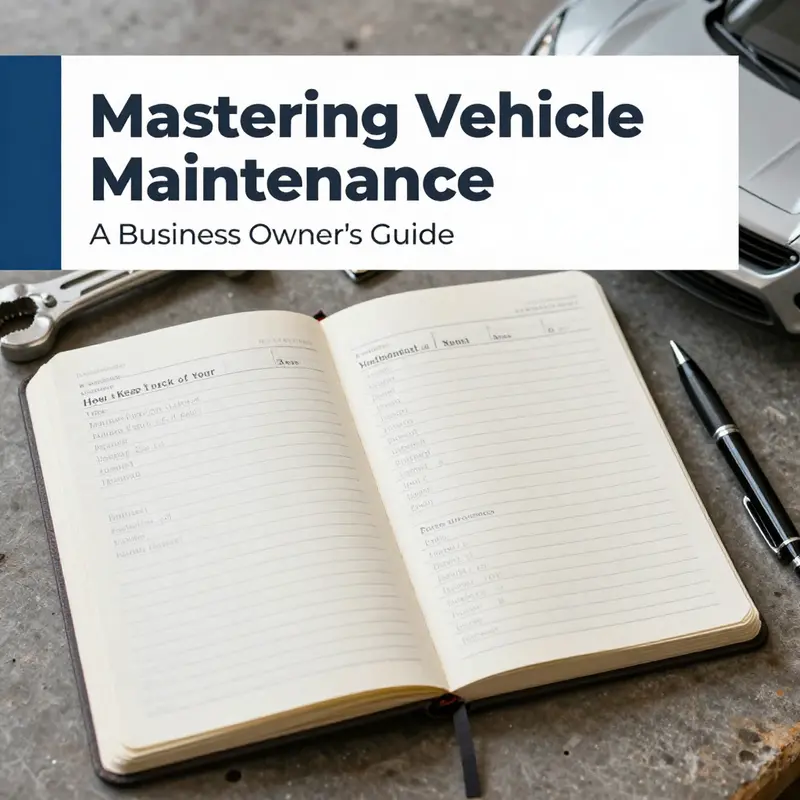
A physical logbook may seem old-fashioned in an age of apps and cloud storage, but it remains one of the most reliable, personal, and dependable ways to keep a detailed history of your vehicle’s care. A well-kept notebook sits in your glove box or a designated drawer, ready to capture every service encounter in your own handwriting. It does not rely on a signal, a password, or a device battery. It is a tangible record you can thumb through at a moment’s notice, and in a pinch it becomes a trusted reference when you need to recall what was done, when, and why. The value of a physical logbook extends beyond just recording maintenance; it becomes a narrative of your vehicle’s health, a tool for planning, and a catalyst for better decisions on the road. For families sharing a car, it provides a single source of truth that avoids mixed messages from multiple digital accounts or misread app notifications. In short, the logbook anchors your maintenance routine in a way that complements and strengthens any digital system you may use alongside it.
Choosing the right logbook is the first practical step. A dedicated notebook or binder, tailored to automotive records, helps you distinguish maintenance entries from other papers. A simple, sturdy notebook with clean, lined pages works for many drivers. Some prefer pre-designed automotive logbooks sold at auto parts stores or online because they include ready-made templates for the most common maintenance tasks. The key is not the fancy cover but the reliability it provides. You want a format that lies flat when opened, resists spills, and remains legible after years of handling. This is especially important if you share the vehicle with a partner or a family member who might file in the logbook at different times. The act of choosing a dedicated place for the logbook makes it easier to develop a routine: every service visit, no matter how small, becomes a documented event rather than a vague memory.
Consistency is the heartbeat of a useful logbook. Establishing a standard format for each entry is less about rigid rules and more about ensuring you capture the same essential facts every time. A good rule of thumb is to record seven details that give you a complete snapshot of the service and the vehicle’s condition at that moment. First, the date of service—preferably in a precise format such as YYYY-MM-DD—so you can sort and search entries later. Second, the vehicle mileage at the time of service; this is more informative than the service interval on a sticker, because it reflects how you actually drive. Third, a concise service type that names the work performed, such as “Oil Change & Oil Filter Replacement” or “Brake Pad Replacement,” helps you spot patterns at a glance. Fourth, a list of parts replaced, including the exact parts if you can manage it, whether OEM or aftermarket. Fifth, a breakdown of labor and parts costs, which supports budgeting and resale discussions. Sixth, the shop name and location, since the source of the service can matter for future inquiries or warranty considerations. Finally, a notes section where you can jot the technician’s recommendations, any diagnosed issues, or follow-up advice. You might also include a small space for vehicle condition notes, such as “brakes felt spongy” or “tires wearing unevenly,” which can prompt reminders for future inspections.
The act of updating the logbook promptly cannot be overstated. It is easy to let weeks slip by, only to realize that a critical detail from a service is missing. The best practice is to fill in the logbook immediately after each appointment. While the memory is fresh, you can capture the exact date, mileage, the work performed, and any special observations. If you wait, you risk misremembering pursuit details, prices, or the sequence of events. A quick habit—pull out the logbook before you exit the shop and confirm the entry—creates a reliable archive you can rely on for years. This habit also reduces the cognitive load when you review your vehicle’s history before major purchases or repairs.
Organization and protection are equally important. Treat the logbook as a durable asset. Keep it in a dry place, such as a glove compartment pocket, a home office drawer, or a dedicated file sleeve. A protective sleeve or plastic folder can shield it from spills, fingerprints, and wear, ensuring it remains legible for the long haul. If you happen to work with independent mechanics or non-dealer shops, the logbook becomes a universal record that those shops can reference without needing a digital portal or an account. The physical record acts as a backup to any digital history you maintain.
Beyond recording, a logbook serves as a practical planning tool. Regularly reviewing the entries can reveal patterns that digital reminders alone might miss. For example, you might notice that oil changes occurred more consistently every 5,000 miles in your driving routine, or that brake inspections yielded early warnings of wear in certain driving conditions. Those patterns allow you to schedule the next service with confidence, rather than guessing from mileage alone. A well-maintained logbook also supports informed conversations with technicians. When you present a concise history of prior work, you enable more accurate diagnoses and targeted recommendations. If a technician asks about a recurring issue, you can point to the last service that touched that system and note any related observations you recorded at the time.
The logbook becomes a personal steward of your vehicle’s health. It helps you set realistic maintenance goals and manage expectations about performance and reliability. When you plan routine services—oil changes, air-filter checks, tire rotations, and brake inspections—you create a smoother ownership experience. The logbook’s value also extends to financial planning. By documenting costs, you gain a better sense of maintenance expenses over time and can build a more accurate budget for upcoming services. This clarity reduces the anxiety that often accompanies vehicle upkeep and keeps you focused on proactive care rather than reactive fixes.
To weave this practice into your broader maintenance routine, consider a simple pairing with your digital tools. A periodic cross-check—perhaps once every three months—can be enough to align your physical records with any digital histories you maintain. If you use a digital tracker or an official manufacturer app, you can verify that the entries you’ve recorded by hand match the digital records. This cross-check doesn’t require you to abandon either system; it simply reinforces the truthfulness of both. If a discrepancy arises, the logbook is your fallback, a real-time, low-tech reference you can trust even when your phone is out of reach. The goal is not to replace digital convenience but to complement it with a tactile, reliable counterpart that never relies on power or connectivity.
For readers who want to connect this approach to broader maintenance literacy, a short reflection helps. The logbook is not merely a ledger of repairs; it is a living document that tells you how your car responds to your driving style, how it wears over time, and when to expect the next routine service. As you accumulate entries, you begin to notice subtle indicators—noise patterns, response times, or changes in fuel efficiency—that act as early signals for future attention. These signals empower you to act before a small issue becomes a costly repair. The logbook makes such listening practical, turning vague impressions into concrete data you can discuss with any technician or shop. It also fosters accountability. If you share a vehicle, each driver contributes to the history, creating a comprehensive story that no single app can capture.
To weave a practical thread through the chapter, consider a simple example of how a typical entry might read when you’re in a steady routine. On 2025-09-25, at 62,480 miles, you had an oil change and oil filter replacement. You note the shop name and location, the parts used—OEM oil filter and the appropriate grade of oil—and the labor and parts costs. In the remarks, you record a comment about a routine brake inspection and any observations the technician mentioned, such as slight brake pad wear or tire tread depth at a certain measurement. With this concise, consistent format, you can scan the logbook and quickly glimpse the health timeline of your vehicle. This approach keeps memory errors at bay and helps you plan the next service with confidence.
The journey toward a robust physical logbook can be enriched by a broader sense of continuity. If you encounter a service in the future that isn’t typical for your vehicle, you’ll have a documented baseline to compare against. When you sell the car, a meticulously kept logbook can be a powerful asset, providing prospective buyers with a transparent history that might ease negotiations and support a higher resale value. The logbook, in other words, is not just a record-keeping habit; it’s a form of stewardship that honors the investment you’ve made in your vehicle and the time you spend behind the wheel.
To connect this practice with broader learning and resources, you can explore related guidance like the idea that proper maintenance saves on fuel costs and improves efficiency, which you will find discussed in broader maintenance resources. And for drivers who want to expand their knowledge beyond the physical page, you can read more about how vehicle maintenance saves on gas expenses in the article linked here. For a broader perspective on service histories and maintenance literacy, you may also find value in digital-tracking approaches that complement the logbook, ensuring you never lose track of your vehicle’s care. how vehicle maintenance saves on gas expenses.
For readers seeking deeper context beyond the practical steps, an external resource offers a broader view of keeping track of service history and maintenance tips. This external guide provides additional angles on how to approach maintenance history, what to keep track of, and why it matters when you’re evaluating a vehicle’s longevity and value: https://www.motortrend.com/cars/tips-and-advice/car-maintenance-tips-how-to-keep-track-of-your-vehicles-service-history/ .
As you continue your journey through maintaining and caring for your vehicle, the physical logbook stands as a steady, low-tech companion that balances the convenience of digital tools with the reliability of a hand-written record. Its straightforward structure and enduring accessibility offer a foundation you can build on, season after season, year after year. In concert with digital trackers and official manufacturer apps—used as supplementary tools rather than replacements—the logbook helps ensure you stay on top of what matters most: keeping your car safe, dependable, and ready for whatever the road asks of it.
Centralized Care: Mastering Vehicle Maintenance Tracking Through Third-Party Platforms
Tracking a vehicle’s health becomes less about scattered receipts and fading notes and more about a centralized system that speaks the car’s language back to you. Third-party platforms offer a practical way to organize every service, remind you when it’s time for another visit, and turn a pile of invoices into readable, actionable history. They are not a magic fix for every issue, but when used thoughtfully, they turn maintenance into a proactive practice rather than a reactive chore. The core benefit is simple: you gain a single, trusted archive that grows with the car, rather than a handful of misplaced papers and a hazy memory. With a platform that fits your needs, you can log oil changes, tire rotations, brake inspections, and part replacements in one place, and you can rely on automated reminders to keep you on schedule. This is more than convenience; it is a discipline that protects safety, extends the vehicle’s life, and preserves value. The practical path begins with choosing the right platform, but it ends with disciplined inputs and regular reviews that leverage the system’s intelligence rather than merely recording events.
Choosing a platform is less about chasing the latest gadget and more about matching features to your driving reality. Look for automated reminders that respond to mileage and time intervals, a secure space for receipts and notes, and the ability to store detailed records that include parts, labor, and vendors. A strong platform should accommodate VIN-based data so maintenance recommendations align with the vehicle’s actual configuration, and it should offer cloud-backed access so you can pull up the history from your phone, tablet, or computer. Security matters too. The best options isolate sensitive information, employ encryption, and allow you to control who can view or modify records. Importantly, the platform should be flexible enough to grow with you. If you own a fleet or frequently service multiple vehicles, you may need tiered access, batch uploads, or project-style organization. If you drive a single car, a lean, intuitive interface with quick entry forms and clear visual history may be all you need.
Organizing information starts with the basics: enter the vehicle’s VIN, make, model, year, and current mileage. This metadata matters because it tailors maintenance schedules to your exact car and helps avoid generic prompts that don’t fit your situation. Next, set your purchase date and track any warranty coverage that still applies. Some platforms let you attach scanned receipts and service invoices, turning a physical stack into a searchable archive. When you upload one receipt, you should be able to tag the service type—oil change, brake service, tire rotation, or part replacement—so your history isn’t a muddy mash of notes but a structured ledger you can sort and query. If you maintain the car across multiple shops, the digital log becomes especially valuable. It ensures every resource is documented, even if a shop forgets to return a copy or the dealer’s records lag behind the real-world service.
The strength of third-party platforms lies in automation. Automated reminders reduce missed services and help you plan ahead for seasonal needs, such as tire rotations before a winter or summer inspection before a road trip. You can often customize reminders by service type, mileage thresholds, or calendar dates, and some platforms incorporate predictive logic that suggests tasks based on your vehicle’s model, age, and typical usage. For instance, more urban driving may wear brakes more quickly or demand more frequent air-filter checks, while long highway trips emphasize cooling system vigilance. Even without naming brands, you can rely on the platform’s intelligent prompts to surface the services that matter most to your car’s health. Those prompts become especially powerful when paired with your own driving patterns.
An important feature to seek is integration with your vehicle’s data stream when possible. Some platforms connect to the onboard diagnostics system through a secure link, pulling in basic health signals and service history from the car’s memory. Real-time diagnostics, if available, can alert you to issues before they become urgent and automatically log events in the maintenance history. This data integration reduces the friction of manual entry and lowers the risk of miscommunication between what the shop reports and what ends up recorded. It also helps you spot trends—such as recurring sensor warnings or repeated low-pressure tire issues—so you can address root causes rather than chasing symptoms. Even if full real-time integration isn’t possible, retaining a habit of uploading digital copies of every service receipt and note ensures the data continues to accumulate in one reliable place.
Maintaining a digital service history isn’t about vanity or stockpiling information; it’s about preserving a verifiable record that supports safer driving and better resale value. A well-kept log shows that the car has received timely maintenance, which can reassure a future buyer and may influence financing terms. Cloud storage is particularly valuable here: it shields records from physical damage and makes them accessible when you need them most, such as during a sale, insurance claim, or roadside incident. Many platforms also offer tagging and search features that let you retrieve a specific service by date, mileage, or part number in seconds. When receipts are linked to specific services, you can reconstruct the care history even if a shop uses different naming conventions for the same tasks.
Beyond the day-to-day benefits, third-party platforms empower long-range planning. Generated analytics and reports help you see trends and forecast upcoming needs. You can track your fuel economy over the life of the vehicle, identify recurrent issues that show up in multiple service events, and estimate ongoing costs for preventive maintenance. These insights shift maintenance from a series of reactive fixes to a strategic program. For example, seeing a pattern of frequent brake wear, or noticing that a certain fluid service tends to cluster around a particular mileage range, invites more proactive decisions, such as upgrading to higher-quality components or adjusting driving habits to reduce wear. Analytics can also surface cost-saving opportunities, like choosing longer service intervals when appropriate or recognizing patterns that justify switching to a different lubricant or consumption-saving practice.
The discipline of accuracy should accompany every entry. While automation and cloud storage are powerful, the data you feed the system must be trustworthy. Make it a habit to verify that receipts are legible, entries reflect the actual work performed, and dates and mileages align with the shop’s notes. If you discover gaps or inconsistencies, correct them quickly to prevent a snowball effect of confusion later. Regular checks—perhaps a quick monthly audit—keep the archive reliable. Don’t rely on memory alone to fill in missing details; attach or re-upload receipts, notes from the technician, and any warranty paperwork. Consistency matters as much as completeness.
It is also wise to bridge digital tracking with a simple physical logbook. A physical record remains a reliable backup in case a platform experiences an outage or you lose access to the internet. A compact notebook can hold key references—date, mileage, service performed, parts used, and the mechanic’s notes—while digital storage handles scans and deeper data. The combination yields resilience: you preserve continuity even if one channel falters. The layered approach is not redundancy for redundancy’s sake; it is a pragmatic method that guards against data gaps and keeps your maintenance story intact across different life circumstances.
As you grow accustomed to third-party tracking, a few practical practices help sustain momentum. Always enter service information promptly after an appointment. Upload receipts and tag services with precise terms so the search function remains accurate. If you commute across regions or switch shops, maintain a consistent method for recording who performed the work and which parts were used. When you encounter a proposed maintenance item, review the vehicle’s history to determine whether the task is truly new or part of an ongoing schedule. This helps avoid unnecessary work driven by misinterpreted data or misdocumented repairs. In time, your platform becomes not just a ledger but a living navigation tool for your car’s health, offering reminders, insights, and a transparent story you can share with a mechanic, insurer, or future buyer.
If you want a concrete example of how maintenance decisions relate to fuel efficiency and overall costs, you can explore related guidance through this resource. For an accessible discussion on how regular maintenance translates into savings, refer to this external perspective: https://www.repairpal.com.
To weave in a practical internal reference, you can also explore related guidance on maintaining your vehicle’s tricks of the trade and digital practices here: how-vehicle-maintenance-saves-on-gas-expenses. This internal link points you to cost-conscious maintenance ideas that complement the third-party-tracking approach described above. The combination of external benchmarks and internal, site-specific insights helps you build a robust maintenance habit that fits your life and your car.
In the end, third-party platforms are not a substitute for attentive care or sound mechanical judgment. They are a powerful scaffold that organizes information, automates reminders, and reveals patterns that might otherwise stay hidden. When you engage with a platform in a thoughtful, disciplined way—entering precise data, uploading receipts, and reviewing analytics—you create a dependable maintenance narrative. That narrative not only protects safety today but also preserves value for tomorrow, while giving you clearer, data-backed visibility into the life of your vehicle. The road to a well-kept car is paved with orderly history, intelligent prompts, and a steady commitment to staying on top of the work that keeps wheels turning smoothly.
External resource: https://www.repairpal.com
Scheduling Safety: How Calendar Reminders Keep Your Vehicle Maintenance on Track
A maintenance calendar is more than a list of dates; it is a continuous, living reminder that your car’s health deserves regular attention. When the clock and the odometer work in tandem, you’re less likely to miss oil changes, tire rotations, brake inspections, or fluid top-ups. This chapter explores not just the mechanics of placing reminders on a digital calendar, but the philosophy of turning those reminders into a predictable, stress-free habit that protects safety, preserves value, and reduces unexpected downtime. The goal is to weave maintenance into daily life so it feels effortless rather than punitive, a quiet discipline that pays dividends in performance and peace of mind.
Begin with the core principle: treat maintenance as a scheduled event rather than a reaction to a warning light. A well-constructed calendar becomes a single, visual footprint of all service intervals. Start by creating dedicated events for each maintenance task—oil change, brake inspection, tire rotation, filter replacements, and fluid checks. Each event should carry a clear label, such as “Oil Change – 5,000 miles” or “Brake Inspection – 20,000 km,” so there is no guesswork when the notification pops up. These aren’t just placeholders; they are commitments you keep to protect your vehicle’s reliability. As you populate the calendar, you can begin to see overlaps and dependencies—an oil change cadence that aligns with tire wear, or a brake inspection that naturally follows a brake-fluid refresh.
Recurring events form the backbone of a durable system. Instead of manually re-entering dates, set up recurring reminders that align with both time and mileage. If your oil changes are every six months or 5,000 miles, whichever comes first, the calendar can respect that rule. For tire rotations or alignments, you might use a similar cadence, while brake inspections or cabin air-filter replacements may follow a different schedule. The elegance of this setup lies in its adaptability: you can adjust intervals as your vehicle ages, as road conditions change, or as your driving habits evolve from city commuting to more highway miles. A well-constructed recurrence reveals a rhythm you can trust rather than a jumble of scattered reminders.
Two-stage reminders add a layer of reliability without becoming intrusive. A practical approach is to trigger a reminder one week before the due date and again one day before. The first alert gives you margin to book an appointment or visit a shop, while the second acts as a last-minute nudge to prevent a missed window. The psychological effect is subtle but real: you’re not racing against a hard deadline, you’re guided through a process that respects your schedule, the service bay’s availability, and the car’s needs. When you pair these twin prompts with a simple checklist prepared for the day of the service—fluids to bring up, the model year, any recent changes—you transform maintenance into a smooth, repeatable ritual.
To keep the system resilient, synchronize your calendar across devices. A calendar that lives only on one phone is fragile. If you switch devices, or if you’re sharing the vehicle with a family member, the reminders must travel with you. Syncing across phones, tablets, and smartwatches ensures that a reminder reaches you wherever you are. This cross-device robustness matters especially for drivers who juggle multiple schedules or frequently travel for work. In practice, the synchronization habit reduces the cognitive load: you set the reminders once and rely on automatic updates to keep you informed in real time.
Beyond the calendar itself, there is value in linking your reminders to a mileage-tracking mindset. A calendar can host events anchored to mileage milestones, but the most powerful approach blends calendar logic with a mileage-based trigger. When your car’s odometer or a connected app signals you’ve crossed a threshold—say, 50,000 km since a prior service—the calendar can automatically advance the due date for the next service, or pop an alert that an appointment is due within a practical window. This synergy between usage data and calendar scheduling is a guardrail that respects the intuitive truth that wear is related to use, not merely to the number of days since last service.
Integrating with vehicle-tracking apps adds another reliable layer. Apps connected via an OBD-II adapter can feed real-time mileage and usage patterns back into your maintenance plan. When the app detects driving conditions that accelerate wear—frequent short trips, high-velocity highway runs, or dusty environments—it can prompt earlier service notifications or adjust intervals accordingly. The practical upshot is personalizing maintenance to your actual driving life rather than relying on generic schedules. For many drivers, this means oil changes that happen exactly when needed, not merely on a calendar milestone, preserving engine health while avoiding unnecessary trips to the shop.
A well-rounded approach also embraces a customized maintenance tracker. If you manage more than one vehicle or maintain a small fleet, a dedicated tracker with cloud storage and multi-user access can be transformative. Look for features that let you drag and drop tasks into a bespoke calendar, create multi-project reminders, and back up your data to the cloud so a lost phone won’t erase your history. The ability to set up personalized calendars tied to specific car models, driving patterns, or environmental conditions matters. For example, a vehicle operating in dusty regions may require earlier air-filter changes, while heavy-stop-and-go urban driving might shorten brake pad life. The calendar, in short, becomes a living spec that reflects reality rather than an abstract timetable.
Another layer comes from the car itself. Many modern vehicles offer integrated maintenance alerts that can be enabled through the infotainment system. When available, activate these reminders and tailor them to your preferences. The prompts may suggest oil changes, tire rotations, or software updates as the car computes maintenance needs from its own sensors. In such cases, the calendar and the vehicle’s built-in system operate as a coordinated duet. The vehicle’s alerts provide a real-time data feed, while the calendar translates that feed into a practical, human-centered schedule that fits your life. It’s a seamless collaboration between machine and calendar, both working to prevent missed services and to safeguard the vehicle’s long-term health.
Backup remains a crucial safeguard. Digital systems can fail or sync incorrectly, so maintain a simple physical record as well. A dedicated logbook or a notebook helps you document the date, mileage, type of service, parts used, and costs. Photos of receipts and service invoices attached to calendar events or stored in a shared folder provide a verifiable trail for resale, insurance, or warranty claims. In moments when digital data is unavailable, a tangible record keeps your maintenance history accessible and legible. The redundancy here is not clutter; it is resilience, a prudent hedge against data loss or miscommunication.
All these practices converge to deliver more than a tidy history. They produce a tangible return: fewer unexpected repairs, longer-lasting tires and brakes, steadier resale value, and a smoother ownership experience. When you know your car’s maintenance is scheduled, you can plan around it with confidence—book a service during a low-demand period, avoid last-minute scrambles, and align upkeep with your budget. There is also a broader financial benefit. Regular maintenance, performed at the right times, often yields better fuel economy, fewer breakdowns, and improved efficiency. The discipline of calendar reminders helps you translate this knowledge into consistent, repeatable action. It becomes a habit that saves time, money, and stress in equal measure.
This approach dovetails with a broader ecosystem of maintenance insight. While calendar reminders create the scaffolding for a robust plan, they work best when complemented by data-driven tools and trusted workflows. For readers exploring the wider implications of maintenance, it’s useful to consider how routine care translates into tangible savings and safer driving. As one attendee of a recent maintenance discussion highlighted, thoughtful upkeep can reduce fuel costs and extend engine life in meaningful ways. For a deeper look at how regular maintenance affects fuel efficiency and overall vehicle performance, you can explore related research that outlines practical, day-to-day implications of proactive care. how vehicle maintenance saves on gas expenses
In practice, the chapter of keeping track with calendar reminders becomes a living, evolving routine. You begin with a straightforward setup—dedicated events, clear labels, and recurring triggers. You layer in two-stage alerts that respect your time while ensuring you don’t slip through the cracks. You enrich the system by syncing across devices and occasionally pairing it with mileage-based notifications from an OBD-II-connected app. You supplement digital tools with a physical log, preserving a reliable archive of every service, every receipt, and every mile marker. And you keep a watchful eye on manufacturer alerts when available, allowing the car’s own intelligence to feed back into your calendar-based plan. The result is not a rigid schedule but a confident, adaptive strategy that keeps your vehicle in peak condition without demanding constant mental effort from you.
As you implement these steps, remember that the calendar is a facilitator, not a substitute for judgment. There will be times when a service interval seems early but is warranted due to harsh conditions or a specific driving pattern. In those moments, your calendar should be flexible enough to accommodate adjustments while preserving the integrity of your maintenance plan. The health of your car is a long-term project, and calendar reminders are the scaffolding that helps you stay on course. With time, the routine becomes second nature: you glance at your calendar, you see the next service, you book it, you drive with confidence, and your car rewards that care with steadier performance and lasting value.
Internal link to additional perspectives: for readers curious about the broader financial and practical benefits of vehicle maintenance, explore further thoughts on how vehicle maintenance saves on gas expenses.
External resource: Dash – Track Your Car’s Health & Get Smart Reminders: https://www.dash.com/
Final thoughts
Incorporating a structured vehicle maintenance tracking system is essential for business owners managing a fleet. By utilizing digital tracker apps, manufacturer apps, physical logbooks, third-party platforms, and calendar reminders, you can ensure your vehicles are well-maintained and available when needed. This proactive approach not only enhances safety but also extends the lifespan of your fleet, boosts productivity, and reduces overall costs. Embracing these strategies will empower you to keep your vehicles in optimal condition, enabling your business to thrive in a competitive landscape.