
Maintaining a fleet of vehicles requires meticulous attention to ensure their optimal performance and longevity. For business owners, keeping accurate records of vehicle maintenance is not just an organizational task but a critical component of operational efficiency. Proper documentation prevents costly breakdowns, facilitates timely service, and enhances the resale value of vehicles. This comprehensive guide will delve into effective methods to keep record of vehicle maintenance, exploring the use of mobile apps, digital spreadsheets, physical files, and manufacturer platforms. Each chapter will showcase practical approaches, allowing you to choose what best suits your operational needs.
Digital Vigilance: Keeping a Thorough Vehicle Maintenance Record Using Apps
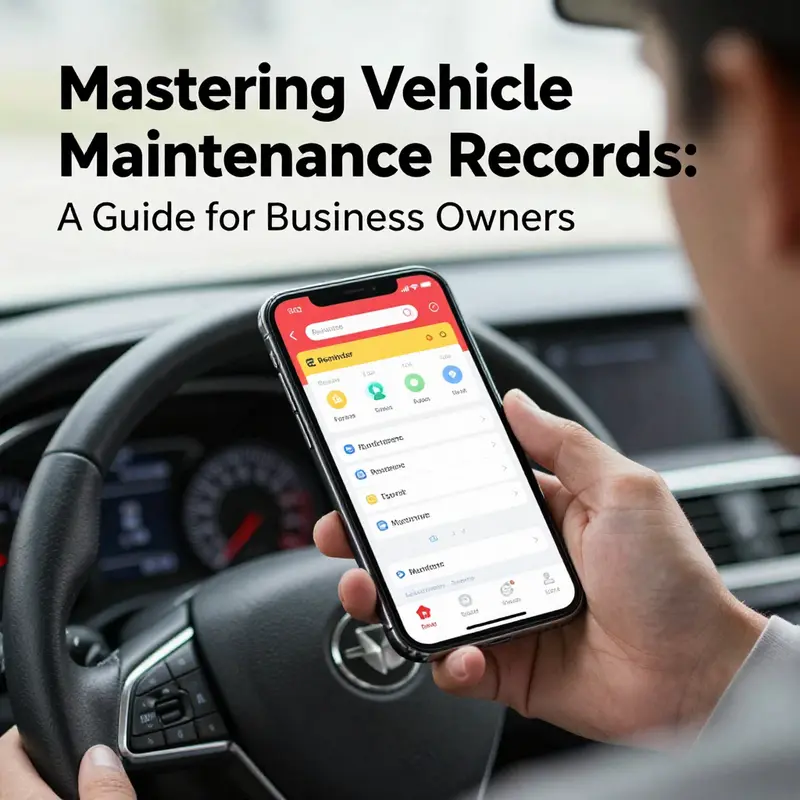
A car owner can transform maintenance from a routine annoyance into a disciplined, predictive practice with the right apps. In your pocket, a digital helper quietly tracks every service, documents parts, logs costs, and reminds you when another visit is due. The difference is not just convenience; it is a move from reactive to proactive care. A well-kept digital record helps you understand how your vehicle behaves over time, spot patterns that hint at coming failures, and protect resale value by providing a trustworthy life history. The journey starts with choosing a robust application that speaks your language as a driver, then building a reliable routine that blends technology with your everyday life.
Choosing the right app is the first, most practical step. Functionality matters more than glamour. Look for an app that can tailor maintenance schedules to your specific vehicle profile, using the make, model, year, and current mileage to generate a calendar of tasks. Oil changes, brake inspections, coolant flushes, tire rotations, and more should appear as logical milestones rather than vague reminders. The best tools also offer smart reminders that adapt to how you drive. A push notification or email should arrive as you approach a maintenance window, not after it has passed, so you can act without scrambling. Beyond reminders, a thorough log is essential. Every service entry should include the date, mileage, service type, a concise description, parts used when applicable, labor hours, and the total cost. This creates a complete digital health record that is easy to audit and easy to share with a future buyer or a mechanic.
The landscape of maintenance apps can be broadly categorized into two camps: those tied to the vehicle maker and independent, third‑party platforms that aggregate data from multiple sources. Official or brand-connected apps often bind the vehicle’s VIN to the app, pulling in data from authorized dealerships and factory records. Third‑party platforms aim for a broader picture, integrating data from various sources to build a more complete history across providers. The balance you strike depends on your vehicle’s history and your comfort with data sources. In practice, most drivers find it beneficial to use a reliable app as the primary tool while occasionally validating the record against the brand portal or a trusted data aggregator to ensure no blind spots.
Digital Ledger for Your Car: Mastering Vehicle Maintenance with a Spreadsheet-Driven Record
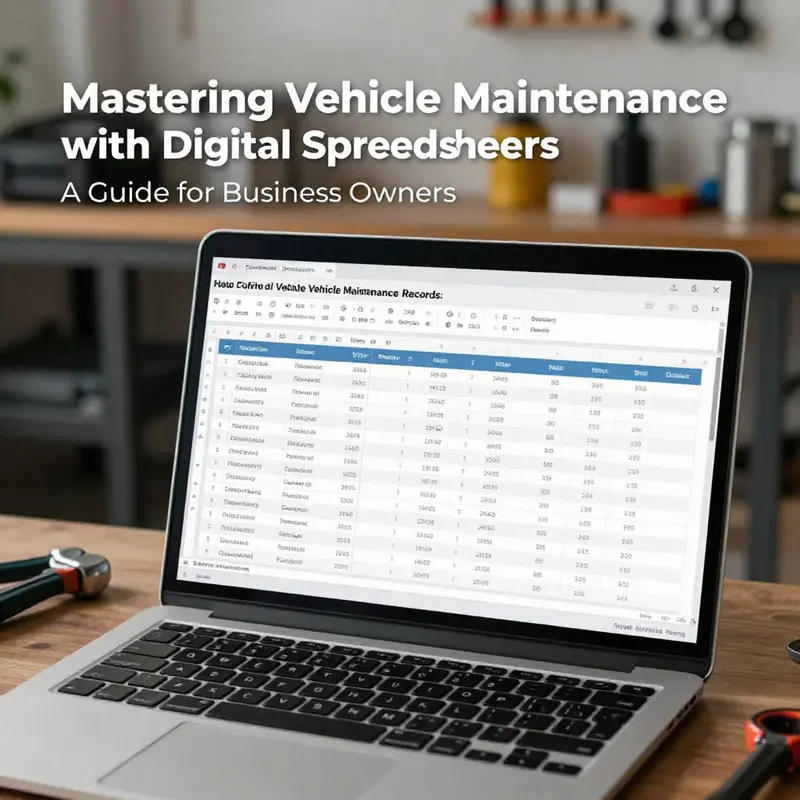
A vehicle’s health is a running conversation between the actions you request and the results the car returns. The most reliable way to keep that conversation accurate is a living ledger of every maintenance action, inspection, and repair. A well-structured digital ledger built in a spreadsheet that you update after each visit becomes more than data; it becomes a trustworthy map of how your car ages, how wear patterns develop, and when to plan ahead for major components. The approach benefits from its discipline and accessibility: a single, consistent table plus simple routines yields a practical maintenance story that travels with you, from the driveway to the next owner.
Design the ledger with core columns: Date, Mileage, Service Type, Work Performed, Parts Used, Labor Cost, Parts Cost, Total Cost, Shop/Service Center Name, and Notes. Each entry becomes an auditable line you can scan, sort, filter, or summarize. Date and mileage anchor the service in time and distance, enabling reliable interval tracking. The Service Type field captures the reason for the visit, so you can recall your maintenance cadence at a glance. The Work Performed field gives a readable narrative of what was done beyond the category. Parts Used records exact components, including numbers or model identifiers. Costs provide a transparent view of spending that you can aggregate over months or years. The Shop Name and the Notes field offer accountability and context.
Consistency is more than data entry; it is a discipline. After every service, open the ledger and capture the details while the memory is fresh. Use actual service dates, accurate mileage, and concise descriptions. For example, instead of a generic note like ‘service’, record ‘oil and filter changed; air filter inspected; fluids topped.’ This level of specificity helps you recall why something mattered later.
Beyond entry, the ledger shines when used with cloud-based spreadsheets. Sorting and filtering reveal insights with minimal effort. You can isolate services of a particular type within a date range, identify entries where a part was replaced, and sort by cost to spot outliers. Pivot-like summaries show spending trends over time, while grouping data by month or year reveals seasonal patterns. Conditional formatting can highlight high-cost repairs, overdue services, or entries with missing data. You can also link the ledger to a calendar to generate reminders for Next Scheduled Service based on mileage or time since last visit.
Security and backups matter. Store the ledger in a cloud-synced location to access from multiple devices. Enable version history to recover earlier states. Restrict access to trusted family members as needed. Do not store sensitive personal data in the ledger; keep it focused on vehicle maintenance details, mileage, dates, service providers, and costs. A well-maintained ledger can smooth resale discussions and support transparency for a buyer.
The ledger is a living tool that informs decisions about upgrades, replacements, and preventive strategies. It helps you estimate total cost of ownership over periods and compare scenarios. It is not a sterile repository but a practical asset that supports budgeting and planning. With time, the ledger becomes a reliable health map for the car and a lasting record of your stewardship.
A small daily habit can reinforce trust in the data: after each visit, attach a photo of the service receipt to the corresponding entry. This yields a compact, verifiable history you can export or share when needed. The broader point is that consistency, clarity, and accessibility turn routine maintenance into a proactive, data-driven practice.
Preserving Your Vehicle’s History in a Physical Folder: Building a Durable Maintenance Archive
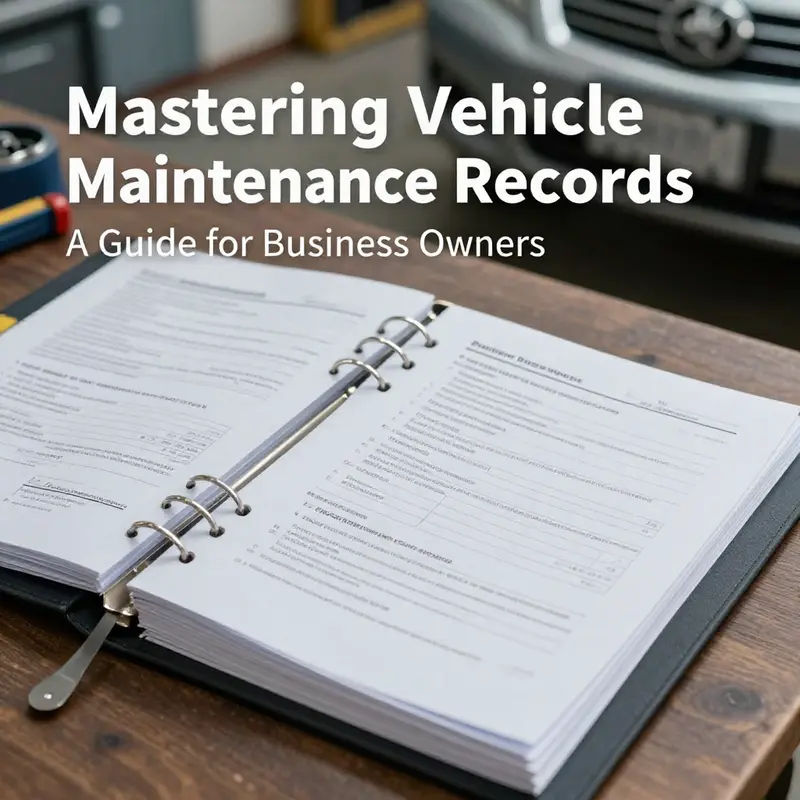
A well-kept physical record of your vehicle’s maintenance can be a quiet yet powerful ally. Even in an era of digital logs and cloud storage, a tangible archive sits on a desk or in a filing cabinet where it can be thumbed through without power cords or batteries. It is a reliable backup that can be opened anytime a dealer, mechanic, or potential buyer asks for proof of service. A physical file does more than merely store dates and prices; it creates a narrative of care and attention that speaks to the vehicle’s health, the diligence of the owner, and the strategy used to maximize longevity. When you combine this hands-on approach with the convenience of digital records, you gain a layered system that reduces the risk of lost information, speeds up decisions, and supports resale value. For a broader understanding of the topic, you may explore the concept of maintenance in the article What is vehicle maintenance. What is vehicle maintenance. This chapter focuses on a tangible method that complements the digital tools discussed earlier, turning a simple folder into a trusted archive you can rely on in any season or circumstance.
A practical physical archive begins with a plan and a clear sense of what belongs in the folder. Start with a dedicated file folder that is sturdy enough to withstand regular use. A folder with pockets or dividers helps separate different kinds of documents without turning the page into a scavenger hunt. Label the folder clearly with the vehicle’s make, model, license plate, and the year. If you have more than one vehicle, consider a separate folder for each one, each with its own simple index at the front. The layout matters because you want to avoid chasing receipts or service orders when you need them most. A clean, labeled folder reduces friction and makes the history easy to read for you and for anyone who may need to consult it later.
In the first wave of organization, collect the core documents that reliably prove what has happened to the car over time. After each service appointment, request a detailed invoice or receipt that shows the date, the tasks performed, parts replaced, labor charges, and the total bill. A receipt alone is useful, but a work order or service record often provides deeper insight. A work order lists the sequence of tasks that were completed and the parts used, sometimes even noting testing procedures or adjustments. These documents become the backbone of the archive because they capture both the intention of the service and the results. Keep the original documents whenever possible; if the provider offers digital copies, print a hard copy to place in the folder. In this way you maintain a physical backup that accompanies your digital history.
The notion of chronology matters as much as the content. Once you have the documents in hand, file them in chronological order. You can create a simple index at the front of the folder, such as “Jan 2024: Oil Change,” “Mar 2024: Brake Service,” or “Aug 2024: Tire Rotation and Alignment.” A straightforward chronological system makes it much easier to trace the vehicle’s maintenance path, identify gaps, and spot recurring issues that might warrant attention. It also helps during resale when a potential buyer or inspector wants to assess the maintenance discipline. As you add each new visit, slip the new documents into the correct place in the sequence. Over time the folder becomes a living history rather than a disorganized collection of scraps.
An optional but highly recommended component is a small maintenance logbook tucked inside the folder. This notebook serves as a quick reference that can save time when you don’t want to flip through dozens of pages. For each visit, jot down the date, the current mileage, a concise description of the work performed, and the cost. Even a few lines can be enough to jog memory later. The logbook acts as a running summary that complements the longer, more detailed receipts and work orders. It also provides a fast snapshot for someone who needs to understand the vehicle’s recent service without combing through the entire folder.
Beyond the documents themselves, consider adding a few related materials that enrich the archive. Your maintenance folder can include a page that lists important vehicle information such as current tire tread depth, upcoming service milestones based on mileage, and any notes about preventive maintenance recommended by technicians. If your vehicle has a warranty, keep evidence of any covered services and the number of the service agreement in a prominent place. This helps you quickly verify what is covered and what isn’t, reducing the risk of paying for work that should be under warranty. Thoughtful additions like these make the folder a practical reference tool rather than a mere repository of receipts.
Storage conditions play a surprisingly large role in preserving physical documents. Keep the folder in a dry, cool, and secure location. Avoid areas prone to moisture, heat, or potential damage from sunlight. A desk drawer, a filing cabinet, or a dedicated storage box in a closet can work well, provided the space remains stable and accessible. If you travel often or store the vehicle outside, you might want to protect the folder with a clear sleeve or a lightweight binder to shield it from dust and spills. The goal is to ensure that the documents remain legible and intact for years, not just months.
A routine review helps maintain accuracy and completeness. Set a reminder every few months to skim the folder. Use the review as an opportunity to verify that all visits are accounted for, receipts are present, and the index still reflects the current maintenance path. If you notice gaps, take a moment to contact the service provider or check any digital records you maintain to fill in the missing pieces. This periodic scrub ensures the physical archive remains trustworthy and usable when you need it most.
The physical file is not intended to replace digital records but to complement them. The two systems reinforce each other. For example, you can store scanned copies of receipts in a digital app or cloud folder while keeping the original paper receipts in your physical file. The paper trail might be what you rely on in a moment of doubt or when a vehicle is in a setting where digital access is limited. Conversely, the digital layer can rapidly generate reports that summarize years of maintenance, which you can cross-check against the physical folder. Together, they form a hybrid archive that is both resilient and easy to navigate.
As you curate the folder, you may find your process naturally evolves into a personal standard. You might decide to place warranty cards, recall notices, or service bulletins in a designated section, or you may choose a color-coding system to differentiate routine maintenance from major repairs. The key is to tailor the archive to your vehicle, your routine, and your memory so that it remains intuitive and actionable. When done well, a tangible archive does more than prove past work; it offers confidence in future decisions, such as whether to follow a specific maintenance interval, how to allocate budget for future services, or when to consider a major component replacement.
If you recall the broader context of maintaining a vehicle, you’ll see how the physical folder dovetails with the digital tools discussed in earlier sections. The physical file provides a grounded, tangible record that can be consulted without devices or connectivity. Simultaneously, the digital records—whether in an app, spreadsheet, or cloud storage—offer flexible analysis, such as identifying the average cost per service or forecasting upcoming maintenance dates based on mileage. The synergy between these methods can be powerful: you rely on the physical folder for reliability and discipline, and on the digital tools for analytics and reminders. This balanced approach helps you stay on top of the vehicle’s health and can improve resale value when the time comes to sell or trade.
To close the loop on the practical workflow, here is a concise recap you can apply starting today. Prepare a dedicated folder that is clearly labeled and easy to access. After every service, collect the invoice, work order, and any official service record, and file them in strict chronological order. Use a front-page index to locate records quickly. Maintain a compact logbook inside the folder to capture essential details in a quick, at-a-glance format. Store the folder in a dry, secure place and schedule periodic reviews to ensure nothing is missing and everything is still legible. If you use a digital system as well, keep a habit of printing key documents and placing them in the folder so you always have a physical backup ready. This approach, grounded in simplicity and consistency, yields a robust and trustworthy maintenance history that will serve you well through years of ownership.
In the broader arc of maintaining a vehicle, a physical maintenance archive is more than a habit; it is a form of stewardship. It reflects attention to maintenance and respect for the vehicle’s longevity. It also translates into practical advantages: easier maintenance planning, quicker service appointments because the history is readily accessible, and a smoother path to a favorable resale experience. The folder becomes a compact museum of care, a tangible reminder of the choices you make as you steward your vehicle. When you combine it with digital tools, you preserve both the memory and the data, creating a comprehensive picture of your vehicle’s life that can be revisited, reviewed, and refined as needed. In this way, the simple act of organizing papers can yield a surprisingly wide spectrum of benefits, from smoother service visits to longer vehicle life and better value at sale.
External resource for broader context on records management and organization can be found at https://www.archives.gov/records-mgmt. This external guide offers foundational principles that apply beyond cars, reinforcing the importance of consistent labeling, secure storage, and periodic review as part of any reliable record-keeping system.
Tracking Truth: Mastering Vehicle Maintenance Records Through Manufacturer Platforms
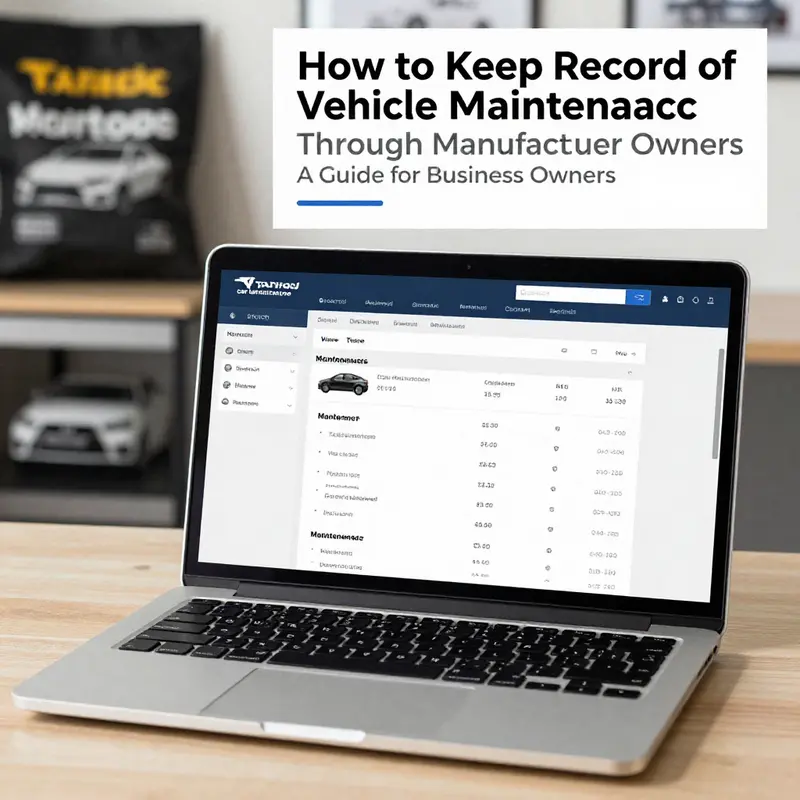
Maintaining a vehicle is as much about record-keeping as it is about mechanical care. A complete, trustworthy history can help protect your investment, support warranty claims, and keep resale value stable. Modern car brands recognize this need and increasingly offer official platforms that archive maintenance events in a centralized, digital space. These systems provide a structured, reliable backbone for your record-keeping, one that aligns with the real-world care your vehicle receives at authorized service centers. When used well, manufacturer platforms become more than a log; they become a proactive planning tool that translates maintenance into predictable, manageable health for your car.
To begin, imagine these platforms as a secure portal tethered directly to your vehicle’s identity. The process starts with registration and linking your car to your account. You would typically download the brand’s official app or visit the brand’s website, then create an account using your personal details. The next crucial step is linking your vehicle, which is done by entering the 17-digit Vehicle Identification Number, or VIN. The VIN is more than a serial code; it’s a digital key that associates your car’s entire service history with your profile. This linkage is what makes the platform’s maintenance history both comprehensive and precise, because it draws data from the dealership network and authorized service centers that work on your car.
Once your vehicle is linked, the maintenance history unfolds in a clear, chronological stream. You’ll see service dates and the mileage at which they occurred, giving you a timeline that mirrors your driving life. The platform records the exact services performed—oil changes, brake inspections, tire rotations, fluid replacements, filter changes—and, when available, the parts used, sometimes including part numbers. This level of detail emerges directly from the service records, reducing the ambiguity that can creep in when receipts get buried or memory fades. The value of this approach becomes apparent when you review the history before a future service; you know which components have already been addressed and which items are approaching their recommended service intervals.
An especially useful feature is the display of recommended service intervals. The platform can outline a schedule tailored to your vehicle, often aligned with the manufacturer’s guidance and the car’s mileage. This isn’t a static, one-size-fits-all timetable; it adapts to your actual usage and driving conditions as reflected in the service events already logged. From a practical standpoint, this can turn maintenance from a routine checklist into a more intelligent plan. When you notice a message about an upcoming service, you’re not guessing—you’re acting on a data-backed reminder that helps you avoid the risk of overdue care.
Reminders are another core benefit. Automated alerts can be triggered for upcoming oil changes, brake inspections, tire rotations, and other routine maintenance. The reminders are typically calibrated to reflect both time elapsed and distance traveled, ensuring you aren’t blindsided by time or mileage alone. For busy households, this kind of automation can be the difference between a well-timed service and a neglected one. If you drive less in a given period, the system may adjust, but it still gives you a reliable nudge when the clock or miles indicate it’s time to take action. These are not mere notifications; they are prompts to secure the vehicle’s health rather than reactive signals after a breakdown or worn component.
Access to records through the platform is designed to be flexible. You can view the full history on a smartphone or computer, download a report, or print a document for a personal or professional file. This capability is valuable in several real-world scenarios. If you’re preparing a vehicle for sale, you can present a verifiable, manufacturer-sourced history that highlights consistency of maintenance and authenticity of records. If you’re pursuing a warranty claim, the centralized data can demonstrate timely servicing and proper care, which are often prerequisites for coverage. The ability to share records with a mechanic or a prospective buyer without rummaging through paper folders can simplify transactions and reduce friction in negotiations.
Crucially, the data in these platforms is anchored in official service events. Because the records come from dealerships or authorized centers, the entries tend to be more accurate and detailed than what a third-party app might capture. You gain confidence knowing that the core maintenance history isn’t a manual reconstruction but a digitized traceable log that aligns with the vehicle’s actual service timeline. This accuracy is a strong argument for adopting the platform as your primary record-keeping method, especially when coupled with other practices that protect and enhance your data integrity.
Beyond the history itself, these platforms often illuminate the broader maintenance picture. They can present a personalized maintenance schedule that considers the car’s make, model, and shown mileage. This proactive framing helps you move from passive record-keeping to proactive vehicle care. You’re not just archiving events; you’re building a roadmap for upkeep that aligns with the manufacturer’s expectations. For many drivers, this shift—from simply keeping receipts to actively planning care—represents a meaningful improvement in how they approach vehicle longevity. It also helps you verify that scheduled services were completed at appropriate intervals, which matters when you’re assessing the vehicle’s overall health or preparing it for a sale.
The experience is designed to be accessible and durable. Available on mobile and desktop, the platform provides a consistent interface that supports retrieval and export of records whenever you need them. This resilience is essential; it keeps your history intact even if you switch devices or if a physical folder is misplaced. The digital nature of the records minimizes the risk of loss due to environmental factors or misfiling, while still allowing you to back up receipts and invoices by attaching them to the corresponding service entry if you wish to maintain a parallel digital filing system.
A thoughtful approach to using manufacturer platforms recognizes that you can still benefit from other record-keeping methods. The existence of a digital history from the brand does not mean you should abandon a local spreadsheet, a physical folder, or a general maintenance app. Rather, the platform serves as a trusted, authoritative backbone. You can cross-reference the manufacturer’s history with receipts stored in a digital wallet or scanned copies uploaded to an app, ensuring you can substantiate every service. If you prefer a tangible trail, you might still keep a small binder with key receipts and service invoices alongside the digital history, but the platform’s data will anchor your binder with precise dates and verified service notes.
The practical advantages extend to resale and warranty considerations. A well-maintained vehicle with a clean, brand-backed history often transfers with ease and can command a more favorable asking price. Potential buyers appreciate the clarity of a digital record that demonstrates consistent care and transparent service history. From a warranty standpoint, the manufacturer’s platform offers the assurance that the logs reflect authorized maintenance performed at legitimate centers, which can be compelling when evaluating coverage claims or eligibility. The alignment between what was done, when it was done, and the parts used creates a credible, auditable record that can reduce questions and delays during the process.
For readers who want to deepen their understanding of what maintenance entails beyond the platform, there is a fundamental resource that explains the concept in a broader sense. This exploration frames the types of care that typically belong in a maintenance history and the rationale behind routine services. You can read more about this at What is vehicle maintenance.
As you engage with your manufacturer’s platform, consider it part of a layered approach to record-keeping. It anchors your history in an authoritative source and provides proactive management through reminders and schedule insights. Pair it with a dedicated digital spreadsheet to enable custom analysis—such as tracking costs over time, calculating average intervals between services, or identifying trends in wear and replacement needs. A physical file can still serve as a reliable backup for receipts and stamped maintenance logs during service visits, especially in regions with limited digital access. The combination of digital reliability and personal organization yields a robust, trustworthy record that stands up to scrutiny when it matters most.
In practice, the ideal workflow blends the strengths of the manufacturer platform with the flexibility of supplementary methods. Schedule reminders that matter to your routine—oil changes, filter replacements, brake checks—and download your maintenance reports when you reach significant milestones or plan a sale. Take advantage of the platform’s ability to show you the recommended service intervals and compare those suggestions against your actual service history. If you notice gaps, you can address them promptly by booking the next service with an authorized center and having the appropriate entries logged. If you receive a receipt in the mail or as a PDF from a service center, upload it to the platform and attach it to the relevant service event; this keeps the record complete and ensures that all information is centralized in one place.
The discipline of maintaining a record through the manufacturer’s platform also helps cultivate a habit of documentation that carries over into other areas of vehicle care. When you routinely review the history, you become more attuned to patterns—perhaps noting that certain components tend to need replacement around a specific mileage range or after a particular type of driving. This awareness translates into practical decisions: scheduling preventive maintenance before a critical threshold, choosing appropriate fluids, and ensuring that replacements align with the manufacturer’s specifications. In short, the platform can turn maintenance from a reactive practice into a proactive discipline, where excellent record-keeping supports better decisions and healthier performance over the vehicle’s lifespan.
In closing, adopting a manufacturer platform for keeping vehicle maintenance records offers a blend of accuracy, convenience, and proactive management. It provides a trustworthy foundation that reflects care performed by authorized professionals, while still allowing you to layer in additional records and methods for resilience. By linking your car to the official maintenance history, you gain a transparent narrative of your vehicle’s health—one that can simplify selling, streamline warranty processes, and empower you to monitor and plan for future care with confidence. For those who want to explore the broader context of maintenance beyond the platform, a reliable starting point is the general explanation of what maintenance involves, linked above. And as you deepen your practice, remember that the most effective record-keeping comes from combining the platform’s precision with your own organized system of receipts, spreadsheets, and, if desired, a physical file. Together, they form a comprehensive, durable record that supports both your vehicle’s longevity and its value over time.
External Resource: For a broader perspective on vehicle safety and maintenance guidance, you can consult established safety and maintenance resources at https://www.nhtsa.gov/Vehicle-Safety/Vehicle-Maintenance.
Final thoughts
Effective vehicle maintenance tracking is crucial for business owners to ensure their fleet operates smoothly and efficiently. By utilizing mobile apps, digital spreadsheets, physical files, and manufacturer platforms, you can create a comprehensive system tailored to your needs. These methods not only simplify tracking but also prevent potential issues from escalating, helping maintain vehicle performance and longevity. An organized maintenance record ultimately translates to cost savings and increased productivity for your business.