
Keeping meticulous records of vehicle maintenance is not just an organizational task but a vital practice for business owners managing a fleet. Consistent vehicle upkeep enhances safety, performance, and longevity, positively impacting your bottom line. This guide provides an in-depth exploration of five effective methods for tracking vehicle maintenance history, empowering you to utilize mobile applications, digital spreadsheets, physical files, manufacturer records, and cloud storage efficiently. Each method offers unique advantages and is crucial for ensuring that your vehicles are always in optimal condition.
Digitally Driven Car Care: Keeping a Vehicle Maintenance Log with a Dedicated App
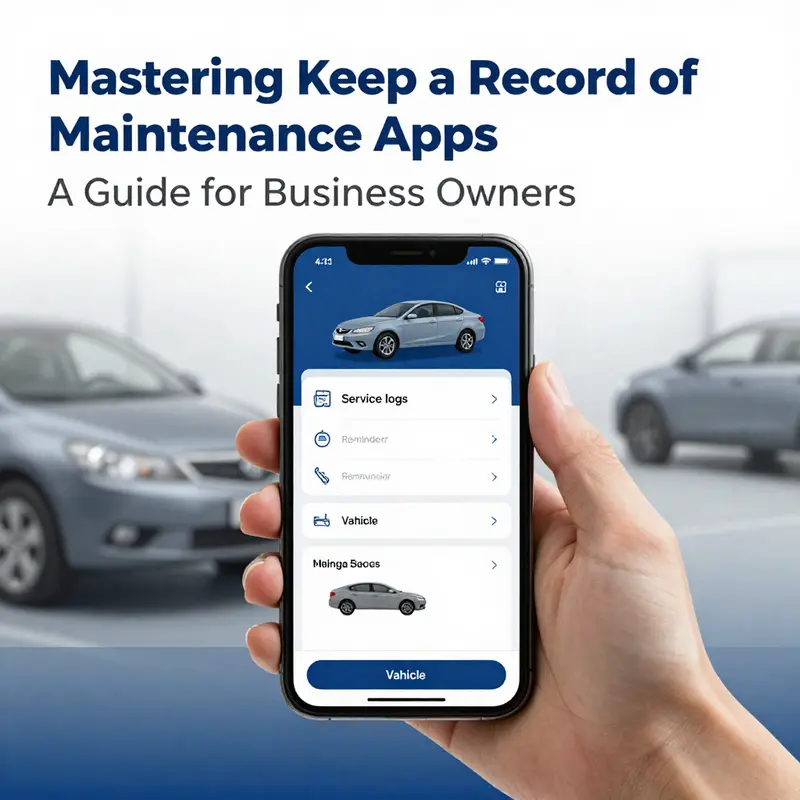
Keeping a record of vehicle maintenance used to mean a folder full of receipts, a scribbled timeline, and a mental note of when the next service was due. Today, a dedicated maintenance app can turn that scattered information into a living, searchable history you can access from your phone, tablet, or computer. This chapter explores how to use a single, purpose-built app to build a reliable maintenance log that supports safer driving, longer vehicle life, and smarter budgeting. The goal is to move from a pile of paperwork to a streamlined, data-driven routine that enhances every driving decision without turning maintenance into a chore.
The foundation of an effective app-based log starts with a clean vehicle profile. When you first set up the system, you enter essential vehicle details—make, model, year, and VIN—so the app can tailor reminders and recommendations to your specific car. Getting this profile right is not a mere formality; it ensures that the maintenance intervals the app calculates align with the manufacturer’s guidelines and your actual use. The VIN, in particular, helps the app pull the most accurate service schedules and recall information, preventing errors that can creep in when data is partial or inconsistent. With a solid profile, the app becomes a trusted map of your car’s health rather than a generic checklist you occasionally glance at.
But a profile is only as good as the history you feed it. The next step is to input historical maintenance data. You don’t need to rely on memory alone—the app is designed to accept past services with key details such as date, mileage at the service, type of service, parts replaced, the service provider, and cost. This creates a comprehensive historical log that, over time, reveals patterns: how often brakes are inspected, how frequently tires are rotated, or whether certain components tend to wear faster in your climate or driving style. The more complete the history, the more meaningful the insights the app can generate. And because the data is stored digitally, you can search by service type, filter by mileage, or export a report for a mechanic, insurance claim, or resale evaluation.
Once the vehicle’s data is in place, automatic reminders begin to take over the mental load. The app uses the profile and the maintenance history to estimate the next due tasks based on mileage and time intervals. If you typically drive long highway miles, the reminders may emphasize different services than for city-only use. You’ll receive push notifications or emails when a service is due, which helps you avoid missing important maintenance windows. These reminders are not rigid rules; they’re prompts that adapt to your actual use, your driving conditions, and the vehicle’s health signals. This dynamic scheduling matters because it aligns preventive maintenance with real-world wear, reducing the likelihood of unexpected breakdowns and the expensive repairs that can follow.
Logging future services is where the system shines. After each visit to the shop, you update the app with the new date, mileage, service type, parts, and cost. This ongoing log creates a transparent health history that grows with the car. It’s not merely a ledger; it’s a narrative that helps you detect subtle shifts in performance or reliability over time. If tire wear accelerates after a few months of winter driving, you’ll notice the trend sooner and adjust rotation timing or driving habits accordingly. If a routine service coincides with a price spike, you can compare costs across shops, decide whether a particular service is truly necessary at that moment, or plan ahead for the next cycle. The log becomes a personal, data-driven guide to maintain quality and value in your vehicle.
Beyond the core functions of logging and reminders, most dedicated apps offer features that extend their usefulness far beyond simple record-keeping. You can find nearby service centers with certified technicians, schedule appointments directly through the app, and receive guidance on the best providers for specific tasks. This capability turns maintenance from a serial task into a coordinated process, where you can align your calendar, your budget, and your vehicle’s needs in one place. Tracking expenses is another practical benefit. The app generates reports that summarize total maintenance costs over selected periods, helping you understand the true cost of ownership and identify opportunities to optimize spending. Those cost insights are not about penny-pinching; they’re about making informed decisions about upgrades, replacements, and preventive care that preserve the car’s reliability and value.
A well-kept digital log also serves as a robust diagnostic companion. Some apps connect to the vehicle’s onboard systems through a simple, safe interface, offering readouts that can alert you to problems before they become urgent. While this capability does not replace professional diagnostics, it can provide early warnings and context for a shop visit. In practice, you might notice a gradual uptick in drive-cycle anomalies or a pattern of warning lights that you can research within the app’s notes or with a quick consult to a trusted technician. The key is to keep the app as a single source of truth for your vehicle’s maintenance story, so you aren’t juggling multiple notes from different devices or locations.
For those who prefer a tangible backup, the digital log pairs well with a disciplined habit of organizing receipts and service orders. You can photograph receipts and attach them to the corresponding service entry, creating a digital trail that’s easy to audit. The cloud backup offered by many apps adds an extra layer of security: even if your phone is lost or damaged, your data remains accessible from another device. The combination of centralized data, reliable reminders, and secure backups converts maintenance into a smooth, confidence-boosting routine rather than a source of friction or anxiety.
The value of this approach becomes evident when you consider resale or insurance documentation. A clear, well-documented maintenance history proves that a vehicle has been cared for consistently. Buyers and insurers alike value a transparent log that confirms timely service and proper care. In market terms, it translates to better negotiating power and potentially lower insurance or financing costs once you can demonstrate a well-kept vehicle history. Importantly, the strategy here is not merely about preserving the car’s value; it’s about making ownership predictable. You gain a reliable record you can rely on for decisions, from when to replace tires to whether you should pursue a major repair now or divest later.
The practical steps above—building a precise vehicle profile, entering prior maintenance, enabling adaptive reminders, and leveraging advanced features—transform maintenance from a series of ad hoc tasks into a disciplined, data-informed habit. The app becomes a partner in care, helping you stay ahead of wear and tear while giving you a clearer picture of how your driving choices affect maintenance needs and costs. If you consider one guiding principle, it is this: treat the maintenance log as an ongoing conversation with your car. Each entry, each reminder, and each receipt adds to the story, and the story, in return, informs smarter stewardship of your vehicle.
To explore how this data can illuminate the cost benefits of consistent upkeep, you can read about how maintenance saves on gas expenses, which brings context to the numbers you’ll see in the expense reports. How maintenance saves on gas expenses provides practical examples of how proactive care translates into better fuel efficiency and longer intervals between major repairs. And as you grow more confident in your app-based system, you’ll find yourself relying less on memory and more on evidence—evidence that your car’s health is trackable, predictable, and improving with deliberate, data-driven care.
For added reassurance and guidance on staying informed about vehicle maintenance, consult reputable external resources from established safety organizations. A reliable reference on maintenance intervals and safety checks can be found at https://www.nhtsa.gov, which offers up-to-date information on keeping your vehicle in safe, dependable condition. In the meantime, the next time you finish a service or scan a new receipt, open the app, attach the documentation, and watch your car’s maintenance history come to life. Your future self will thank you for the clarity, the confidence, and the quiet reassurance that comes with having a well-kept digital record.
The Digital Maintenance Ledger: Keeping a Clear Vehicle Service Record with Spreadsheets
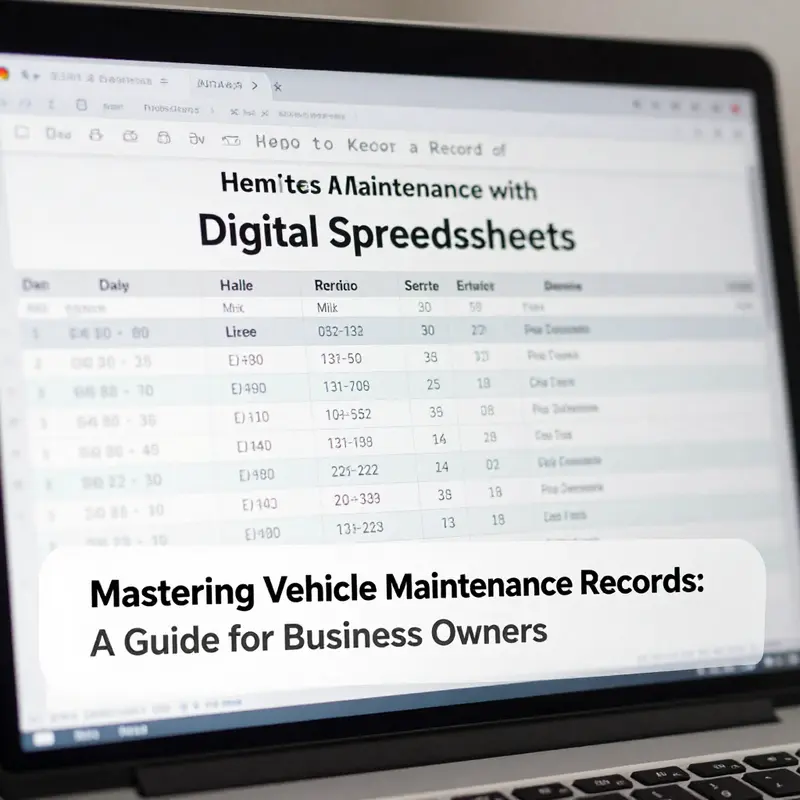
A well-kept maintenance history is more than a stack of receipts. It is the car’s memory, telling you when to tune the engine, when to rotate tires, and where your money has gone over time. A digital spreadsheet offers a quiet, powerful home for that memory. It keeps every service in one place, accessible from any device, and always backed up. The goal is not to capture every possible data point for its own sake, but to create a living log that helps you drive smarter, save money, and protect your car’s value. Start with a cloud-based spreadsheet service that you can trust to stay in sync across devices and to maintain a reliable history even if a device is lost or damaged. From there, the design is less about fancy features and more about clear structure, consistent entry, and useful automation. If you already maintain a broader vehicle dashboard, this log should slot neatly into it, reinforcing a proactive approach to care rather than a reactive scavenger hunt for receipts. For readers seeking a broader view of maintenance concepts, the topic aligns with the broader definition of vehicle maintenance, explored here: What is vehicle maintenance. The connection is simple: a precise record makes maintenance decisions easier, while a vague pile of paper and scattered notes invites guesswork and missed intervals.\n\nThe backbone of the system is the table itself. Design the sheet so that every entry becomes a complete snapshot of a single service event. The most important columns are laid out in a way that mirrors the way you think about maintenance. First comes the Date of Service. Recording the exact day of the service anchors every other data point in time and allows you to trace patterns over months and years. Next, the Mileage at Service marks the distance traveled when the work was performed. This is essential for maintaining interval discipline, especially for items that are distance-driven, such as oil changes, filter replacements, and belt inspections. The Service Type column categorizes the work, from routine maintenance to part replacements and system diagnostics. A short, precise description of the work follows in the Description of Work Performed column. Here you summarize what was done in plain language, for example, “Replaced front brake pads and rotors; flushed cooling system,” or “Oil and filter change; top off fluids.” This level of detail reduces ambiguity when you review historical trends later on.\n\nIf you replaced components, the Parts Replaced column captures the specifics—part name, brand, and reference number when available. Keeping precise part data helps with future compatibility checks and resale records. The financial side is captured in two columns: Labor Cost and Parts Cost, with a Total Cost column computed automatically by the sheet. The formula needs to sum labor and parts, and it should update as you enter new values so you always see the current cost picture at a glance. The Service Provider column records who performed the work, be it a shop, a dealership, or a trusted independent mechanic. Finally, the Next Due Date column translates the manufacturer’s recommended interval into a concrete target, either a date or a mileage threshold, depending on what your manual specifies. You can implement the next due date with a simple formula that adds the interval from the service date or mileage to the present row, keeping the log forward-looking instead of retrospective.\n\nWith this structure in place, the power of the spreadsheet starts to reveal itself. Formulas become friends rather than chores. A basic total is a tiny equation: Total Cost equals Labor Cost plus Parts Cost. When you extend it with a currency format, you gain immediate clarity on how your spending evolves. You can also add conditional formatting to highlight expensive services or overdue maintenance. Filters and sorts let you isolate all oil-related tasks, or all services performed by a particular provider, or records that exceed a certain mileage or cost threshold. The simplicity of the table makes these operations fast and intuitive, encouraging discipline. As you accumulate more data, you can create lightweight charts that visualize spending over time or maintenance frequency by service type. A curved line showing total annual maintenance cost can tell you at a glance whether you’re trending towards more repairs or benefiting from improved reliability.\n\nAutomation is the quiet workhorse here. A recurring reminder system can be set so the spreadsheet nudges you when a service is due, based on the date or the mileage you track. While you could rely on manual reminders, a well-configured sheet can serve as the first line of defense against missed maintenance. You can also set up a simple export routine that creates a yearly report summarizing costs, major replacements, and timing gaps. Such a report is invaluable when you prepare for resale, insurance discussions, or warranty claims. The elegance of this approach lies in its transparency: every entry is traceable, verifiable, and auditable. Receipts and invoices belong to the same place, so you can cross-check what was performed with what was billed, without hunting through multiple folders or email threads.\n\nConsistency is the hinge on which this whole system turns. The moment a service is completed, you update the log. The moment a receipt arrives, you attach it to the corresponding row or drop it into a linked folder. A small habit—entering data immediately—keeps the record clean and reliable. If you prefer a backup strategy, maintain a parallel copy in a secure cloud folder or a password-protected archive. The access model should reflect how you share the vehicle’s history with collaborators, whether that means a spouse, a trusted mechanic, or an insurer. When sharing, ensure sensitive information is protected and that only the necessary readers have access to the full record.\n\nHaving the right workflow matters almost as much as the right fields. The fields described above are not merely administrative; they’re practical tools designed to illuminate patterns. For example, by reviewing mileage and service type, you might notice a cluster of brake-related entries that signals wear trends, prompting a proactive inspection or a possible adjustment in driving style. Or you might find that tire rotations are consistently scheduled at 7,000 miles in your record, suggesting you could standardize a routine with your next service. The clarity of a well-maintained spreadsheet makes such insights accessible to anyone who uses the log, which is particularly helpful if you’re coordinating maintenance across multiple vehicles or passing the log to a new owner when you sell.\n\nBeyond the mechanics, consider the broader value a digital log provides. It supports resale by offering buyers a clear history of care, which can influence perceived value. It strengthens your defense in insurance claims by presenting a documented service record. It also invites a more disciplined ownership approach, as you begin to anticipate maintenance needs rather than react to issues after they arise. In many ways, the spreadsheet is less about numbers and more about confidence—the confidence that you are keeping your vehicle in its best possible condition and preserving its value for years to come. If you want to explore more about how maintenance fits into a full vehicle-management mindset, see the linked resource above for a broader perspective on maintenance principles.\n\nAs you build out your digital ledger, a word on sustainability and security is warranted. Update after every service is the core habit. Set calendar alerts for routine checks, and review annually to spot trends that might indicate underlying issues or suboptimal driving patterns. Backups are not optional; they are part of prudent data stewardship. Store receipts in a separate, organized folder and consider attaching scanned copies or photos to the relevant row so the log remains a single, comprehensive reference. The result is a durable, searchable, and actionable history that serves you well across life stages of the vehicle.\n\nFor those seeking even more advanced integration, you can imagine linking your maintenance data with other vehicle metrics—fuel consumption, service costs, and driver behavior—into a broader data framework. A multi-dimensional approach can reveal correlations that pure maintenance logs cannot, offering deeper insights into cost management and efficiency. While such systems demand more setup, they illustrate the direction this practice can take once the basics are firmly in place. For further exploration of evolving data tools, see the external resource: https://www.feishu.cn/.
How to Keep a Record of Vehicle Maintenance with Physical Files
Tracing the life of a vehicle through its maintenance history can be as simple as keeping a well-organized physical file. In a world dominated by digital logs, a sturdy, clearly labeled binder still offers unique advantages: it’s tangible, endlessly accessible without power, and instantly verifiable by anyone who wants to review past work. A dedicated folder becomes more than a repository; it becomes a narrative of care, a chronological chronicle that you can flip through on a rainy afternoon or hand to a trusted mechanic who wants context before diagnosing a concern. For many owners, the act of adding a new page after every service reinforces discipline and accountability, turning a routine task into a habit that protects the car’s value and reliability. The method I describe here is deliberately tactile, but its purpose is precisely the same as a digital log: to surface critical details when you need them most, whether you are evaluating the condition of a car before a purchase, navigating a warranty claim, or simply planning the next preventive step.
Begin with a dedicated file folder that will serve as the vehicle’s trunk of records. The folder should be sturdy, clearly labeled, and kept in a place where it won’t be jostled or exposed to heat and humidity. A binder with dividers or a clearly marked file box works well. The goal is to prevent mix-ups with other documents—your maintenance history should remain distinct from insurance papers, registration, or receipts from general shopping trips. Once the folder is chosen, set the tone with a simple table of contents at the front. Even a few lines that read, for example, “05/10/2024 – Oil change, 15,000 miles” help you orient future readers quickly and confidently. This small organizational nudge makes the entire system resilient and easy to navigate over years of ownership.
After every service, ask for a detailed invoice and the work order from the mechanic or the dealership. These documents are the backbone of the physical record. They list not only what was done, but which parts were replaced, the labor performed, the date, and the exact cost. If the shop can spare it, request a copy of the diagnostic report as well, especially if any warning lights were addressed or if a fault code was recorded during the visit. By collecting these documents in one place, you build a robust, auditable history that you can trust even if your digital files vanish. The aim is thoroughness: every service entry should feel complete enough that a new reader could understand the state of the vehicle at that moment without needing to cross-reference other sources.
Once your receipts and invoices arrive, place them in chronological order inside the folder, starting with the earliest entry you have. A simple front-page chronology assists quick review and future planning. If you prefer a more formal touch, you can add a one-line description to each entry, such as, “06/02/2024 – Replaced brake pads; front rotors resurfaced; tires rotated.” The key is staying consistent. Chronology not only helps you track what was done and when, but it also reveals patterns over time. Maybe the timing belt was serviced at a certain interval, or perhaps tire wear accelerated after a certain season. These insights become actionable only when the information is organized and easy to retrieve.
Beyond the dates and tasks, embed essential details directly on the documents or in a compact note attached to each page. Record the vehicle’s mileage at the time of service, the service provider’s name and contact information, and a concise description of the work performed. Include the parts used, with brands and part numbers if available, and the cost of both the service and the parts. These details matter. When you later need to compare prices between shops or verify that a recall or bulletin has been addressed, the specific part numbers and labor descriptions prevent confusion and misremembering. Some owners also find it useful to annotate the invoice with a quick weather or road condition note—how the vehicle performed before the service, or whether a particular issue was reported by the driver that day. This context enriches the record and can be invaluable for future technicians who assess the vehicle.
A thoughtful, separate space in the folder for contextual notes can be a small but powerful feature. On the back of a service document—or in a dedicated “Notes” section—you can jot down anything the technician shared, such as: “Engine oil level was low; top-up recommended” or “Brake fluid replaced due to moisture content.” These notes provide nuance that the invoice alone may not convey. They can explain why a particular service was necessary or what precautions were advised for the weeks ahead. The practice turns a static document into a living history, one that grows with the vehicle rather than aging in place.
Storage is about protection as much as organization. Keep the folder in a dry, secure place, away from temperature extremes and moisture. Avoid the glove compartment, which can expose documents to heat, sunlight, or moisture and is all too easy to misplace. A desk drawer, a filing cabinet, or a dedicated shelf in a home office creates a stable home for the car’s history. If space is tight, consider a slim binder that fits your desk or cabinet while maintaining the same level of accessibility and durability. The goal is permanence; this history should endure as long as the vehicle itself does.
Review is the quiet engine that keeps the system from becoming a static archive. Schedule periodic checks—every few months or after a handful of services—to skim the folder and refresh your memory of past issues and decisions. Look for patterns: recurring wear on a particular component, regular replacements that point to driving conditions, or a service history that suggests you’re due for a larger inspection before the next long trip. This habit makes it easier to anticipate future needs, budget more accurately for repairs, and avoid last-minute scrambles for records when you shop for a new vehicle or file an insurance claim.
The value of the physical file extends beyond daily convenience. It serves as a credible, independent witness to the car’s maintenance. In many situations, paper records are preferred by inspectors, inspectors, and insurers because they are tangible and verifiable without relying on an internet connection or a third-party app. They also reassure buyers during resale. A well-kept binder demonstrates responsible ownership and a proactive approach to vehicle upkeep, both of which can translate into higher perceived value and smoother negotiations.
Of course, a physical file does not operate in isolation. It complements digital tools rather than competing with them. A dedicated binder can sit alongside a digital log, and together they form a robust, layered record-keeping system. If you ever want to enrich your physical records with digital backups, you can scan each page or photograph key documents and store them in a cloud service. But for many owners, the beauty of a well-maintained binder lies precisely in its simplicity, reliability, and the fact that it remains accessible under any circumstance. This approach also aligns with a broader ethos of careful stewardship: you are preserving the car’s story in a format that does not rely on a single device, app, or platform.
To ground this practical approach in a broader understanding, you can explore more about the concept of vehicle maintenance in general, which helps contextualize why a physical record still matters. What is vehicle maintenance? is a concise guide that situates routine care within a framework of preventive upkeep and cost awareness. You can learn more here: What is vehicle maintenance.
For readers seeking additional guidance and a trusted external reference on maintaining long-term vehicle records, consider the comprehensive perspective offered by industry experts. The Car Doctor emphasizes the importance of keeping original receipts and service records for long-term ownership, a principle that resonates with the physical-file approach described here. Their guide underscores that verifiable documentation supports resale value, insurance claims, and the diagnostic process when issues arise. See the authoritative resource at: https://www.thecardoctor.com/vehicle-maintenance-records/.
Anchoring Your Maintenance Log in Manufacturer Records: A Gold-Standard Approach to Vehicle Care
A well-kept record of vehicle maintenance is more than a folder of receipts; it is the story of how a car has been cared for under the watchful eye of its maker. In the landscape of record-keeping, leveraging manufacturer records stands as a gold standard because it ties every service entry directly to the vehicle’s official history, verified by the people who designed and engineered it. This approach reduces ambiguity and creates a durable, portable history that travels with the car—not with a particular shop or a single device. When you begin to treat manufacturer records as the backbone of your maintenance log, you are not simply filing dates and prices; you are building a trusted timeline that can improve performance, safety, resale value, and even warranty outcomes. The practice starts with a simple understanding: the manufacturer’s official platform is designed to capture the events that occur within its service network, with your car’s VIN acting as the unifying key that binds everything together.
To begin, the most straightforward step is to engage with the manufacturer’s official app or website. The process is familiar to anyone who has bound a vehicle to a digital owner profile: download the app, create an account, and securely bind your vehicle by entering the VIN and a few verification details. Once your vehicle is bound, you gain almost instantaneous visibility into a centralized history that includes dates of service, mileage at the time of service, the type of service performed, parts replaced, and notes from technicians. This data is not a compilation of third-party impressions but a direct record from the authorized service network, which is why it reads as a trustworthy spine for your maintenance narrative. The scope of information can extend beyond the most basic entries. You may find notes about recalls addressed, software updates installed, brake wear assessments, and even service advisories that reflect the vehicle’s current condition and the manufacturer’s recommended course of action at that moment. For readers who want to anchor their understanding of what constitutes routine maintenance, a quick primer is helpful. See What is Vehicle Maintenance for a concise grounding on typical maintenance tasks and intervals.
The practical benefits of this approach unfold in several layered dimensions. First, accuracy is the defining advantage. Entries are made by authorized technicians and stored within the manufacturer’s network, reducing the risk that a receipt or a note becomes misread or misplaced over time. This accuracy is reinforced by the platform’s design to log events in chronological order, tied to precise mileage and service codes, which mitigates the ambiguity that can arise when multiple shops work on a vehicle over its lifetime. Second, convenience and accessibility matter in everyday ownership. The records live in a cloud-backed ecosystem, so you can consult them from a smartphone or a computer, regardless of where you are. This accessibility becomes especially valuable when a vehicle is serviced at different locations or when you need to share a concise service history with a prospective buyer or an insurer. The digital format also streamlines the process of warranty claims or post-warranty services, because the documentation is already aligned with the manufacturer’s expectations for service proof.
An often-underappreciated advantage is the automatic reminder feature. Many manufacturer apps calculate maintenance timelines using the car’s mileage and usage patterns, nudging you when oil changes, filter replacements, or tire rotations are approaching. These reminders are not generic prompts; they are calibrated to the vehicle’s design and its service history. When combined with your own habits and drive cycles, they offer a practical guardrail against neglect. The ability to pull up the vehicle’s entire health narrative in moments makes it easier to plan ahead, budget for upcoming work, and avoid last-minute, costly repairs born of overdue maintenance. In the context of long-term ownership, the value of a robust maintenance history becomes even clearer during resale, when buyers are drawn to transparent records that demonstrate consistent care. A complete manufacturer-backed log can translate into a stronger negotiating position and, in some cases, a tangible premium in resale value.
There are important considerations to keep in mind so the approach remains practical and comprehensive. Access to manufacturer records generally hinges on ownership verification and a vehicle that has been serviced within the manufacturer’s network. If you have a history of visits to independent shops or non-authorized facilities, those entries will typically appear only if you have taken the initiative to upload receipts and service summaries into the same account, or you’ve attached them to the vehicle’s profile in some parallel way. In other words, the manufacturer platform excels at its strongest point—officially logged events—while leaving room for you to supplement with non-network work if you choose. This is not a limitation so much as a reality of how data tends to flow in the automotive ecosystem. Because the data is drawn from authorized centers, the platform’s scope can be more complete for certain makes than for others, depending on how aggressively the brand has integrated its dealer network with digital record-keeping. If you do switch shops or if a dealer you once used closes a service lane, the continuity of the record is preserved by your VIN-linked account, and you can still add new entries, but you should also keep a parallel track for non-network work if you want a fully inclusive personal archive.
Another practical consideration involves data ownership and privacy. The vehicle’s official history is yours to access and share, but the underlying mechanisms require secure authentication and careful handling of personal identifiers. The insistence on binding by VIN is a deliberate design choice to prevent misattribution of records to the wrong vehicle. This also means that access is typically limited to the registered owner or authorized parties, reducing the risk that sensitive maintenance data is exposed to the wrong hands. In this architecture, the history remains a professional, auditable record that you can trust and rely on when you need it most.
To maximize the value of manufacturer records, think of them as the backbone while using supplementary tools to tailor the experience to your preferences. Some careful layering can be especially powerful: keep the primary, official history in the manufacturer app as your canonical source of truth; attach scanned copies of receipts, independent repair notes, and performance data to the same profile so you have a single repository that captures every relevant activity. This approach preserves the integrity of the official data while ensuring you have a complete, user-friendly log at your fingertips. If you value consolidating your knowledge in a narrative form, you can still maintain a compact internal summary in a digital notebook or a dedicated spreadsheet, but make sure the manufacturer history remains the most authoritative section of your log. The result is a robust, hybrid system where the gold-standard data from the maker anchors everything else you accumulate over time.
The broader narrative of vehicle maintenance also benefits from recognizing how the manufacturer record integrates with other record-keeping practices. You can create a seamless transition between official histories and personal records by linking to common maintenance concepts, such as what constitutes required service, when to rotate tires, or how to interpret a service light and its recommended actions. This creates an educational loop that helps you stay current with maintenance ideals while grounding them in the reality of your vehicle’s actual service history. When you need a more tangible, non-digital touchstone, you can still rely on a physical file for receipts and a timeline chart, as described in other chapters, but the manufacturer record serves as the core narrative spine.
In closing, embracing manufacturer records as the anchor of your maintenance log transforms how you monitor, plan, and communicate about your car’s health. The approach delivers accuracy, accessibility, and strategic value at every turn, from routine upkeep to insurance claims and eventual resale. It also invites you to engage more deeply with your vehicle’s lifecycle, fostering a sense of stewardship that goes beyond quick fixes and quick receipts. By tying each service event to the VIN and the manufacturer’s network, you cultivate a durable, trustworthy record that can adapt to changing service patterns while preserving the integrity of your car’s health story. This is how you turn maintenance history from a cluttered archive into a confident, forward-looking asset. External resources can broaden this perspective; for a more general overview of how to keep maintenance records, see reputable consumer guidance that discusses best practices for organizing and maintaining vehicle health data: https://www.consumerreports.org/car-maintenance/keeping-maintenance-records/
A Visual Ledger for Your Vehicle: Capturing Maintenance with Photos and Cloud Storage
A visual ledger for your vehicle turns every service visit into a legible chapter of a car’s life. It is more than filenames and numbers; it is a living archive that helps you understand wear, confirm repairs, and protect value. When you combine clear photographs with secure cloud storage, you create a transparent, accessible history that remains intact whether your phone is lost, upgraded, or replaced. This approach treats maintenance as a series of verifiable moments—the moments when a filter is changed, a brake pad is replaced, or a fluid level is topped up—each captured in time and embedded in a broader narrative you can trust.
Begin with the habit of capturing high-quality images at every service. Before work begins, photograph the engine bay, the old oil filter, belts, or any areas that will be disturbed. The goal is to establish a baseline you can compare against once the work is complete. After the service, photograph the same spots to document the result: a clean engine bay, a new filter, fresh fluid in the reservoir, and any new hardware installed. These before-and-after shots create a visual timeline that supports your written notes and receipts. Don’t overlook the value of photographing the work order or invoice in full. A clear image showing the date, the service description, and the part numbers ensures there is no ambiguity about what was done and when.
In practice, you’ll focus on the components most commonly serviced. Photograph the air and oil filters, spark plugs, brake pads, tires, and fluid levels—oil, coolant, brake fluid, and transmission fluid when applicable. If a mechanic replaces a timing belt, a water pump, or a sensor, a close-up of the new part alongside the old one can be remarkably persuasive when you later review the car’s history. Each image acts as a piece of evidence that supports the narrative you’re building—proof of maintenance, proof of care, proof of value.
The naming convention is the mortar that holds the wall together. Use a consistent, informative file name that links the image to the vehicle, the service date, and the specific task. For example, a photo from a maintenance event might be named: VIN-ABCDE2026-02-05OilChange.jpg. If you replace brakes, a file could be VIN-ABCDE2026-02-05BrakePads_Replacement.jpg. This standard makes searching almost effortless. When you need to pull up a single service, you can search by the date, the service type, or the vehicle’s VIN and retrieve the exact image in seconds. Alongside the photographs, capture the whole work order or invoice as a separate photo that clearly shows the service description and any relevant part numbers. This disciplined approach to file naming reduces the friction of retrieval and creates a robust, auditable trail of your car’s care.
Cloud storage becomes the backbone of this system. Create a dedicated, robust folder structure that travels with you beyond the device in your pocket. A simple setup works well: a main folder named something like “My Car Maintenance,” with subfolders for Photos, Documents, Receipts, and Maintenance Logs. Within Photos, organize by year or month to keep the stream of maintenance events navigable. The Documents folder can hold scanned or photographed copies of invoices, work orders, and any dealer or shop correspondence. Receipts and repair orders can be kept together in a separate subfolder to prevent clutter, while the Maintenance Logs folder can host a chronological narrative that ties each entry to its corresponding photos and documents. The key is to keep a clean, predictable structure so you never waste time searching for a single page of history.
A crucial element is linking your visual records to a written log. A lightweight spreadsheet or a dedicated digital log is ideal for this, because it lets you capture the date, mileage, service performed, parts replaced, and cost in one place, while the photos serve as a quick visual reference. Each log entry should reference the exact photo file name or its cloud link, forming a bidirectional connection: the log points to the image, and the image anchors to the event. This pairing turns a collection of images into a coherent, searchable narrative that makes trends visible—such as consistent wear on brake pads or the timing of fluid changes—without requiring you to recall every detail from memory.
Regular review and deliberate maintenance of the archive are essential. Make it a habit to upload new photos and update your log immediately after every service. A few minutes of discipline after a visit saves hours of digging later and prevents data loss if a device fails. Schedule an annual review to scan for patterns: Are brakes wearing faster than expected? Do certain fluids need more frequent attention? Is a particular part showing signs of fatigue that might inform future driving habits or preventive maintenance? The answers you uncover can guide smarter decisions about parts, service intervals, and even driving techniques that reduce wear and extend longevity. This practice is not merely about record-keeping; it is about turning a maintenance history into actionable knowledge that protects safety and value over time.
The strength of this approach lies in its resilience and accessibility. The cloud-backed, photo-enhanced ledger is portable, shareable with a trusted mechanic or insurer when needed, and verifiably current. It provides a truthful, organized portrait of how the vehicle has been cared for, which is invaluable at resale or in the event of insurance inquiries. It also offers a practical benefit for routine maintenance planning: when a service reminder pops up, you can instantly retrieve the history of related components and verify whether a part has reached the end of its effective life or if an unusual pattern warrants professional attention.
For readers seeking a broader context on how meticulous maintenance records can shape ongoing vehicle efficiency, the topic has practical implications beyond receipts and dates. As discussed in How Vehicle Maintenance Saves on Gas Expenses, keeping a thorough record supports better decision-making about fuel efficiency, driving behavior, and maintenance timing. You’re not just collecting papers; you’re building a case for smarter upkeep that translates into lower costs and better performance over the life of the vehicle. Building this narrative in a visual, cloud-backed format makes the case even stronger, because the evidence is easy to verify and easy to share with anyone who needs to understand the car’s history.
To extend the reach of this chapter, consider one external resource that offers practical guidance on secure, accessible cloud storage and backup practices. The backbone of your digital twin is reliability, so investing in sound cloud storage principles—organization, consistent naming, and redundancy—helps ensure your maintenance history remains intact across devices and over time. External guidance such as Google Drive Help can provide foundational tips on folder structures, file naming, and sharing controls to protect privacy while maintaining accessibility. External resource: https://support.google.com/drive/answer/2423475
In the end, this approach transforms a mundane pile of receipts into a living record you can trust. A well-tended set of photos, paired with a structured cloud library and a concise maintenance log, offers a proactive way to manage aging components, anticipate needs, and sustain the vehicle’s safety and value. It is a practice that blends discipline with technology, turning every service into a clear, verifiable moment in your car’s ongoing story. And when you need a quick, meaningful tie between the past work and future decisions, you can point back to a well-organized visual ledger—the visual memory of your vehicle’s maintenance journey.
For further reading on how a vehicle’s upkeep translates into efficiency and savings over time, you may find it useful to explore additional perspectives linked in the related article on vehicle maintenance practices.
Final thoughts
Maintaining comprehensive records of vehicle maintenance represents a pivotal aspect of successful fleet management for business owners. By embracing innovative methods ranging from dedicated apps to cloud storage solutions, you can ensure your vehicles are serviced timely, maximizing safety and operational efficiency. The strategies outlined not only keep your vehicles in optimal condition but also protect your investment and bolster your business’s reliability. Consider integrating these practices into your routine to enhance your vehicle management efforts effectively.