

Owning a Volvo truck comes with its own set of responsibilities, among which is managing the vehicle’s maintenance cycle effectively. One common message that truck owners face is the ‘Maintenance Required’ alert on the ECU (Electronic Control Unit). This indicator is programmed into the truck to remind owners of essential maintenance tasks, rather than signaling a malfunction. Addressing this issue is crucial for maintaining optimal truck performance and ensuring longevity. The following chapters will provide a comprehensive guide on how to first verify that the message is accurate, utilize the necessary diagnostic tools, effectively reset the maintenance counter, understand crucial notes and considerations, and finally, when to consult official resources and professionals.
Reading the Maintenance Reminder: Verifying, Diagnosing, and Resetting a Volvo Truck ECU Alert
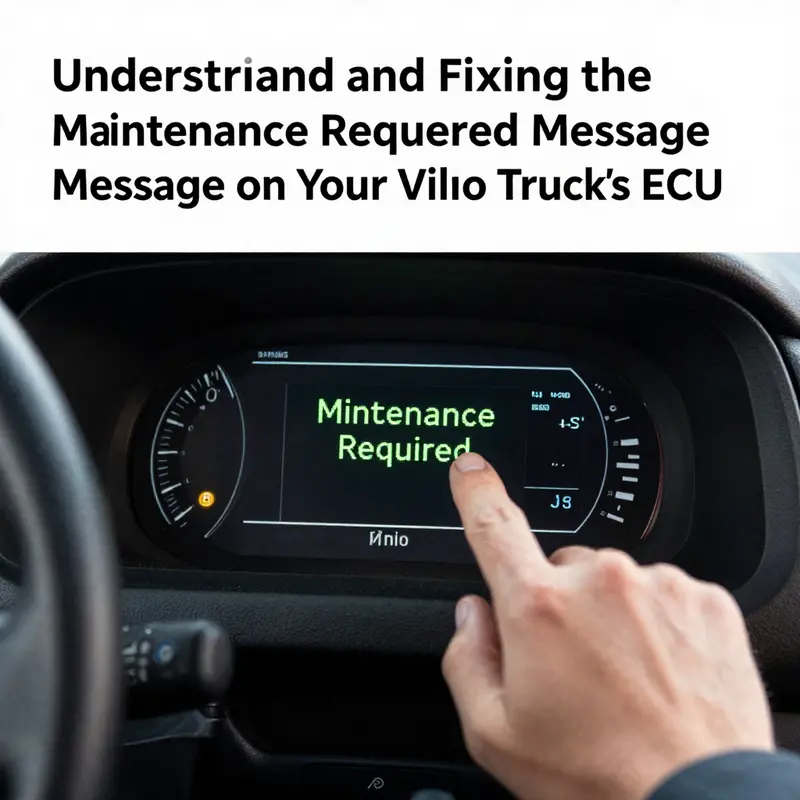
On a quiet stretch of highway, the instrument cluster glows with a pale amber light. The label ‘Maintenance Required’ sits where the driver expects a warning light, but this message is not a siren signaling a catastrophic failure. In the Volvo world, that yellow or orange alert is a proactive nudge from the Vehicle Electronic Control Unit (ECU) to schedule and complete a routine service. It is a reminder, not a fault code. Yet like any alert, its presence demands care. Ignoring it may seem harmless for a moment, but over time it can erode engine efficiency, raise fuel consumption, and quietly wear components that keep the truck performing at peak levels. The path from notice to proper maintenance is not a sprint; it is a measured, methodical process that protects uptime, safety, and the long-term value of the investment on the road. When approached with discipline, this reminder becomes a reliability checkpoint rather than an annoyance on a dashboard.
The first step in handling a maintenance reminder begins with verification. It is essential to distinguish a maintenance reminder from a diagnostic trouble code (DTC) that points to a specific fault. A DTC typically accompanies a fault symbol or a check engine icon, and it points to a particular subsystem or sensor. In contrast, Maintenance Required is usually indicated in a distinct color—often yellow or orange—with a wrench icon. It points to scheduled service rather than a detectable fault in the system. Understanding this distinction is crucial because it guides the next actions. If you misread the alert as a fault, you might chase a problem that doesn’t exist, waste time, and potentially miss a real issue. If you read it as the warning it is—a preventive maintenance prompt—you set the stage for preserving performance and extending component life.
Once the message is confirmed, the driver or technician should access the vehicle’s maintenance history through the onboard Driver Information System (DIS). The DIS is a centralized memory of service events and intervals. From the steering wheel controls or dashboard buttons, navigate to the section labeled something akin to Maintenance, Service Info, or Service History. In this log you will find the current maintenance status, the specific items due, and the recommended mileage or time interval before the next service. This record helps you answer a basic but essential question: has the maintenance already been performed, or is it currently due? If oil has just been changed, filters replaced, or brake components inspected, the log will reflect these actions and give you a clear target for resetting the counter after the work is completed. The DIS can also reveal whether any previous maintenance items were skipped or deferred, information that informs how urgently you should act. Reading this log positions you to plan a precise service window rather than a reactive sprint.
With the maintenance history in hand, the owner or technician should consult the official service manual for the specific Volvo truck model and year. The manual contains model-specific guidance on the maintenance reminder, including how the system calculates intervals, which service items are considered due, and the exact steps for verification and reset. It also clarifies whether there are any stored diagnostic codes that relate to maintenance timing or component health that merit attention beyond routine service. While the manual can be dense, its value lies in preventing guesswork. It ensures that the service plan aligns with the vehicle’s design and the manufacturer’s expectations, which is critical when the ECU is involved. The manual is not merely a checklist; it is a reference that anchors decisions in the precise configuration of the truck you are working on.
To reach a definitive conclusion, you should connect a diagnostic tool that is compatible with Volvo trucks. A professional-grade scan tool can read the ECU for stored data, reveal any maintenance-related DTCs, and confirm the exact reason for the alert. This step is important because a maintenance reminder can coexist with other issues, or it may be a legacy flag left in the system after a service was deferred. The diagnostic process will not fix the maintenance counter by itself; it merely verifies what the ECU believes remains outstanding. If the tool shows no DTCs and confirms that maintenance items are due, you can proceed with the service only after you have scheduled and completed the necessary work. If there are DTCs present, you should address those codes first or in parallel with the routine service, as some codes can influence how the ECU manages engine performance, fuel economy, or emissions controls.
The actual maintenance work is the linchpin of the process. It is not enough to acknowledge the reminder; the required tasks must be completed accurately. Common items include an oil and filter change, air and fuel filter inspections or replacements, inspection of belts and hoses, brake system checks, and fluid level verification. Depending on the truck’s age and duty cycle, additional tasks such as coolant checks, steering system inspection, and turbocharger or exhaust system evaluation may be warranted. After the service steps have been performed, the maintenance counter in the ECU must be reset. Resetting the counter is a standard procedure that acknowledges work completed and prepares the system to trigger the next maintenance interval at the appropriate time. It is critical that the reset be done using the diagnostic tool and only after verifying that all the required services have been completed to the manufacturer’s standards. If the reset is performed prematurely or incorrectly, the ECU may misreport the next due date, creating a cycle of inaccurate reminders that disrupt maintenance planning and vehicle reliability.
The final phase is verification. After the maintenance and reset have been completed, recheck the DIS and the ECU to ensure the system recognizes the finished work and that the message no longer appears on the dashboard. The next service should be scheduled in line with the updated maintenance history, and the truck should be observed for any subtle signs of performance drift, such as changes in engine response, fuel economy, or idle quality. Even after the reminder disappears, it remains the driver’s duty to maintain a routine service cadence. Routine maintenance preserves engine health, protects the turbocharger, and sustains overall performance. It is a straightforward discipline: perform the service as required, reset the counter properly, and then monitor the vehicle as you would any piece of critical equipment on a commercial fleet.
This approach, grounded in verified data and professional procedures, lends clarity to what can feel like a vague dashboard cue. It respects the engineering behind the ECU and the lifecycle of the Volvo truck’s systems. It also embodies a broader principle: proactive maintenance is a partner in uptime, not a barrier to operation. For drivers and technicians, the message becomes less about chasing a problem and more about safeguarding performance and reliability. If you need a structured reference, consult the Volvo Trucks technical documentation for the most authoritative guidance on maintenance reminders and ECU procedures. For further context about the broader role of maintenance in vehicle life, see the article on what maintenance entails: What is vehicle maintenance. While the truck’s computer is exacting in its rules, the hands that service it bring the human judgment that keeps fleets moving on time.
External resources can also provide additional depth on how these systems are designed to function and how to approach maintenance in a fleet setting. For authoritative, model-specific guidance, refer to the official Volvo Trucks technical support portal: https://www.volvotrucks.com/technical-support. This chapter’s guidance is designed to keep the maintenance reminder from becoming a mystery and to turn it into a reliable routine that sustains performance and safety on the road.
Maintenance Required Alarm on Volvo Trucks: Diagnostic Reset and Best Practices
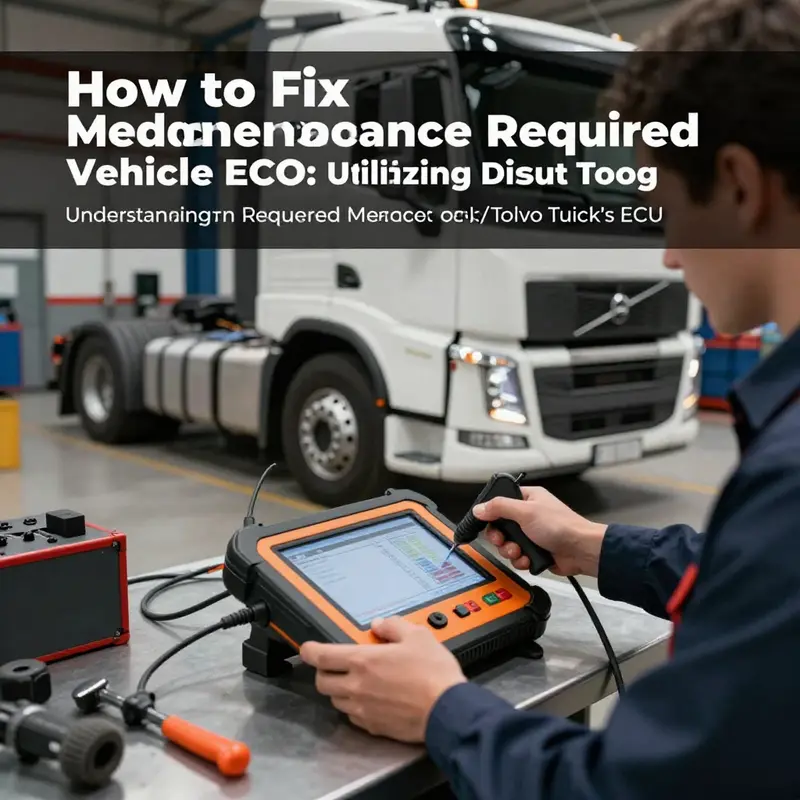
The Maintenance Required alert on a Volvo truck indicates that scheduled maintenance tasks are overdue or approaching. It is not a fault code; it is a status reminder that requires verification of service history before any reset. The correct approach is to verify the completed tasks (oil change, filters, system checks) and then reset using a Volvo-approved diagnostic tool.
A technician connects a compatible scanner such as Volvo Diagnostic System 4 (VDS-4), reads the maintenance status from the ECU, reviews service history, and ensures all required services were performed. Only after verification should the maintenance counter be reset so the reminder does not reappear prematurely. This process helps avoid masking real issues and maintains accurate maintenance records.
For operators, the emphasis is on disciplined maintenance scheduling and documentation. If in doubt, consult official Volvo service manuals or authorize a technician. This ensures reset procedures align with manufacturer standards and regional practices.
From Reminder to Ready: Resetting the Volvo Truck’s Maintenance Counter with Care
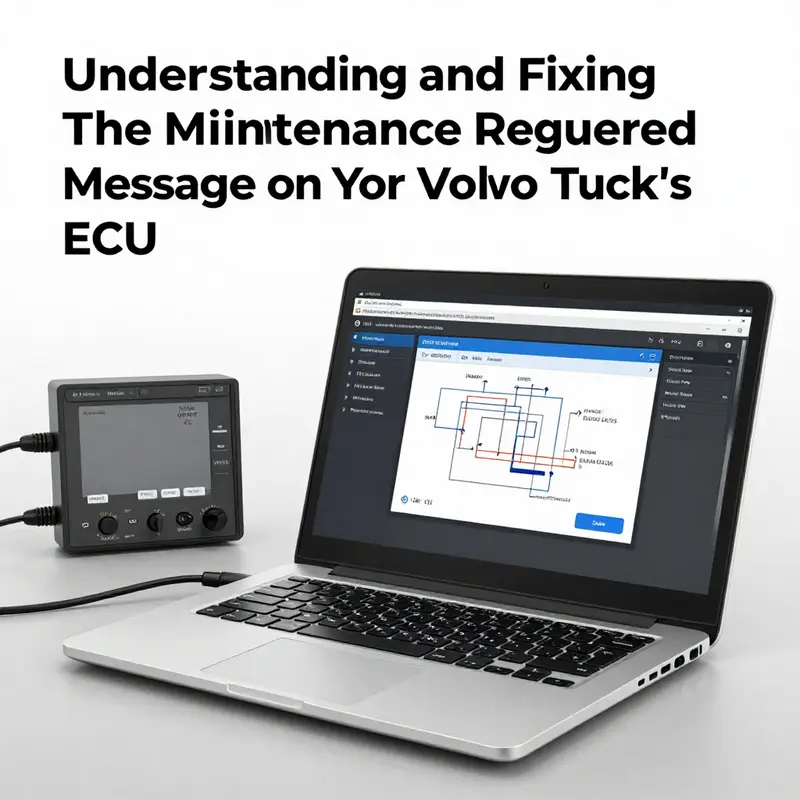
A “Maintenance Required” message on a Volvo truck’s ECU is not a sign of a broken brain in the dashboard. It is a scheduled reminder that the next service is due according to the maintenance calendar. It’s easy to mistake it for a fault, especially on the road. The reminder is there to protect critical components and ensure the truck runs efficiently. If you ignore it, you risk reduced performance, higher fuel consumption, and more extensive repairs later. The proper approach is to verify whether this is a generic reminder or a diagnostic trouble code (DTC) indicating a fault. A DTC may require repair before a reset, while a reminder signals that the service interval has arrived or passed. The reset process should be performed only after the required maintenance tasks are completed. In a fleet setting, it also involves careful documentation and logging for compliance and record-keeping. The next steps are verify, service, log, and then reset, with the reset performed through authorized diagnostic software and procedures.
Maintenance Required on a Volvo Truck ECU: Understanding, Servicing, and Safe Reset

When the illuminated message on a Volvo truck’s dashboard reads “Maintenance Required,” many drivers instinctively worry that something is wrong with the engine or the computer itself. In most cases, this alert is not a fault code at all but a reminder from the vehicle’s on-board diagnostic system that a scheduled service is due. The distinction matters. The ECU, the brain that manages fuel, ignition, emissions, and many ancillary systems, is not signaling a defect; it is signaling that life-sustaining maintenance tasks should be performed soon to keep the truck performing at its best. Understanding this helps prevent a knee-jerk response to a non-existent fault and shifts the focus to timely service, proper documentation, and a correct reset that preserves the integrity of the ECU’s monitoring functions. In the long run, treating this reminder with due respect protects engine life, preserves fuel efficiency, and helps avoid the cascading issues that can arise from overdue oil changes, clogged filters, or worn components. The conversation around maintenance reminders is not about defeating a warning but about respecting the maintenance cadence that keeps a Volvo truck reliable in demanding conditions and long hauls.
A practical, cohesive approach to a Maintenance Required message starts with a clear assessment of whether the alert is purely a reminder or signaling a deeper diagnostic flag. The first imperative is verification. Confirm that the display shows a generic maintenance reminder rather than a specific diagnostic trouble code such as a P0xxx series fault. If other fault indicators are present, or if a service code accompanies the reminder, the situation changes: diagnosis should proceed with the appropriate fault code reading in addition to the maintenance status. This initial step is crucial because it prevents misinterpretation. It would be easy to treat every alert as a fail state, yet the more common scenario is a scheduled service notice that is fully compatible with a running engine and an otherwise healthy ECU.
Once you’ve confirmed the nature of the alert, the next step involves employing a diagnostic tool that is compatible with Volvo trucks. The essence of this action is not simply clearing the screen, but obtaining a complete picture of the truck’s maintenance status and service history. A verified diagnostic interface can read the current maintenance counter, reveal the next due maintenance interval, and, critically, check for any underlying fault codes that may have been stored in the ECU. The goal is twofold: verify that maintenance has indeed been performed to the manufacturer’s specification, and ensure there are no hidden issues that could have triggered the reminder in the first place. The tool should provide access to service history so you can confirm what tasks were completed during the last service and when they were last done. After conducting the check, you can proceed with the maintenance actualization: oil and filter changes, inspection of air and fuel filters, brake system checks, tire condition, and any other interval-specific tasks prescribed by Volvo for your engine and configuration. Using genuine Volvo parts and fluids is strongly advised to maintain optimal performance and to preserve warranty coverage. Anything less than manufacturer-recommended components risks degraded performance, increased wear, or the chance of voiding service-related guarantees. The careful execution of these maintenance items should be documented in the vehicle’s service log, not only for the present reset but for the fleet’s records and future diagnostics.
The moment maintenance is completed, the maintenance counter must be reset to clear the alert from the dashboard. This step should never be performed in isolation or before the actual service work has been completed. The reset is not a cosmetic adjustment; it signals to the ECU that the scheduled maintenance cycle has been fulfilled. Using the diagnostic tool, you’ll access the ECU’s maintenance settings and perform the counter reset. It is essential to follow the exact sequence prescribed by Volvo’s diagnostic logic. An improper reset—such as attempting to clear the reminder before the service is finished or using an incorrect software version—can create mismatches in the ECU’s monitoring logic, which could lead to inaccurate maintenance tracking, erroneous service intervals, or even unintended operating anomalies.
The narrative around maintenance reminders should also emphasize vigilance. If the reminder has appeared after a long overdue period, there may be more than just minor wear. Degraded engine oil, clogged filters, and worn components can quietly contribute to suboptimal performance and fuel efficiency. The diagnostic tool can help uncover these potential issues by revealing stored fault codes or by indicating trends in sensor readings and parameter changes. Even when no fault codes are present, a thorough diagnostic check after overdue maintenance helps validate that nothing else has shifted out of spec during the idle period. In practice, a technician will scan for any stored codes before and after the reset to confirm that no hidden problems exist, ensuring the ECU’s confidence in the new maintenance state is restored.
A few important considerations anchor this process. First, always use approved, Volvo-compatible diagnostic interfaces and software. The ECU controls critical vehicle functions, and using the wrong tool or an incorrect procedure can lead to miscommunication within the system or inaccurate readings. Second, professional assistance is highly recommended if you lack the required equipment or experience. A properly performed reset aligns with Volvo’s diagnostic logic and helps maintain warranty eligibility, fleet records, and long-term reliability. Third, do not ignore the reminder or attempt to bypass it. The maintenance reminder is a proactive signal designed to prevent performance degradation, increased emissions, and potential breakdowns. It is not merely a nuisance; it is a safeguard for engine life, turbocharger health, and overall mission readiness of the vehicle.
For drivers and fleet operators aiming to act with confidence, the roadmap is straightforward, even if the steps require careful attention. Begin with confirmation of the message’s nature—reminder versus fault code. Next, engage a diagnostic tool that is compatible with Volvo trucks and that can access maintenance status, service history, and any hidden fault codes. Perform the proven maintenance tasks required for the current interval, using genuine parts and fluids when possible, and document everything in the service log. Finally, reset the maintenance counter using the diagnostic tool, but only after the service is truly complete and verified by the tool’s readouts. If any doubt remains about the process, seek a certified Volvo service center. The aim is not merely to turn off a light but to ensure the vehicle’s monitoring systems reflect an accurate, up-to-date maintenance state that supports reliable operation across long distances and challenging conditions.
To help ground this guidance in a broader understanding, consider exploring a general overview of vehicle maintenance. It provides context on what constitutes routine care and how maintenance cycles are defined, which can make the decision to service more intuitive when confronted with a reminder. This broader perspective can also help you communicate more effectively with technicians, fleet managers, and service advisors about your Volvo truck’s needs and the steps you plan to take. For further reading on general maintenance concepts, you can visit the resource titled “What is Vehicle Maintenance?” as a concise primer that reinforces the importance of adherence to service intervals and quality parts.
Finally, while the immediate focus of this chapter is the maintenance reminder on a Volvo truck’s ECU, the principles extend across many brands and engines. The core message remains: treat Maintenance Required as a cue to verify, service, and correctly reset—not as a problem to hide or ignore. When done properly, you preserve engine health, safeguard fuel economy, and keep your truck ready for the rigors of daily operation. For more model- and year-specific guidance, consult Volvo Trucks’ official service manuals and the manufacturer’s service network, as these sources tailor instructions to the exact configuration of your vehicle. If you seek a concise, searchable reference about maintenance concepts, consider starting with the general maintenance overview linked above. Additionally, the broader ecosystem of diagnostic resources and manuals available through Volvo’s service portals can help technicians and operators coordinate repairs with high precision. External resource: https://www.volvotrucks.com/en-us/technical-support/vehicle-diagnostic-tools-and-information
From Reminder to Road-Ready: Navigating Volvo Truck Maintenance Alerts with Official Resources and Expert Help

When a Volvo truck’s dashboard lights up with a Maintenance Required message, it is a reminder to verify service has actually been completed and that the vehicle’s service timeline is current. Treating this as a genuine maintenance alert rather than a fault code is the first step toward a calm, methodical resolution.
To begin, distinguish between a generic Maintenance Required notice and a diagnostic trouble code (e.g., P0xxx) which points to a specific fault. A reminder indicates service timing, while a fault code points to a hardware, software, or communication issue that needs repair. If a fault code accompanies the message or you notice symptoms like rough idle or abnormal exhaust, you’re dealing with a more urgent scenario requiring a thorough diagnostic approach. The proper path is to confirm the reminder, then proceed with controlled checks guided by official resources.
Next comes the diagnostic phase, ideally performed with a professional-grade diagnostic tool compatible with Volvo trucks. This tool reads the current maintenance status, can reset the counter after service, and provides access to the vehicle’s service history to confirm the next interval and ensure no overdue tasks lurk in the background. The process should be conducted by someone trained in the equipment, since the ECU controls critical functions affecting performance, fuel efficiency, emissions, and safety. Attempting to interpret or reset the maintenance counter without proper training risks misrecording service events or impacting warranties.
The reset itself is a routine follow-up after maintenance has been performed. Once you’ve confirmed the scheduled tasks—such as oil and filter changes, air and fuel filters, and other routine checks—have been completed, you can use the diagnostic tool to clear the Maintenance Required message by resetting the counter. Document the service in the truck’s history so future intervals align with actual usage. A clean reset keeps the schedule current, and the dashboard will reflect that status going forward. This should be done by a qualified technician at an authorized service center to avoid affecting other ECU settings.
Even after the message clears, don’t ignore the reminder. If maintenance wasn’t performed or wasn’t logged, the reminder can reappear and risk to the engine or turbocharger can accumulate. If the reminder persists after maintenance or if performance anomalies accompany the alert, escalate to a formal diagnostic pathway with a certified technician who can perform software updates, re-calibration, or hardware checks as needed. Official Volvo resources provide the model-specific steps for service and software updates.
When issues extend beyond routine maintenance, rely on official resources: start with the manufacturer’s service manual and the Volvo Trucks official site for diagnostic guidance, maintenance schedules, and the exact steps for service and software updates. Volvo Connected Services adds remote health monitoring and fleet-wide maintenance management, providing an auditable pathway from alert to service. The goal is to use these approved processes to determine whether the alert is maintenance-driven or indicates a deeper electronic issue.
In practice, the disciplined sequence is: verify the message, distinguish memory from fault codes, follow the official diagnostic pathway, complete the required maintenance, and reset the counter through the same official channel. If the message reappears or new faults are flagged, escalate to a certified technician who can perform a full-system check and software updates. The result is a road-ready truck backed by official guidance and professional validation.
External resource: https://www.volvotrucks.com/en/support/service-and-maintenance
Final thoughts
Properly managing the ‘Maintenance Required’ alert on your Volvo truck’s ECU is crucial for maintaining the vehicle’s health and efficiency. The steps outlined from verifying the message, utilizing diagnostic tools, resetting the maintenance counter, considering important notes, and seeking professional help will help business owners not only resolve this alert but also prevent more significant issues in the future. Proactive maintenance can ensure that your trucks run smoothly, reducing downtime and increasing the longevity of your fleet, ultimately benefiting your bottom line.