
Understanding a vehicle’s maintenance history is critical for business owners who rely on their fleet for operations. Maintaining detailed insights into maintenance records can not only ensure compliance with safety standards but also enhance vehicle longevity and reliability. In this guide, we will explore four primary avenues for accessing vehicle maintenance records: third-party data platforms, official 4S dealership channels, insurance company records, and authorized repair shops. Each method presents unique advantages and limitations, allowing you to gain a well-rounded view that supports informed decision-making in fleet management.
The Car’s Hidden Timeline: Finding Maintenance Records Through Third-Party Data Platforms
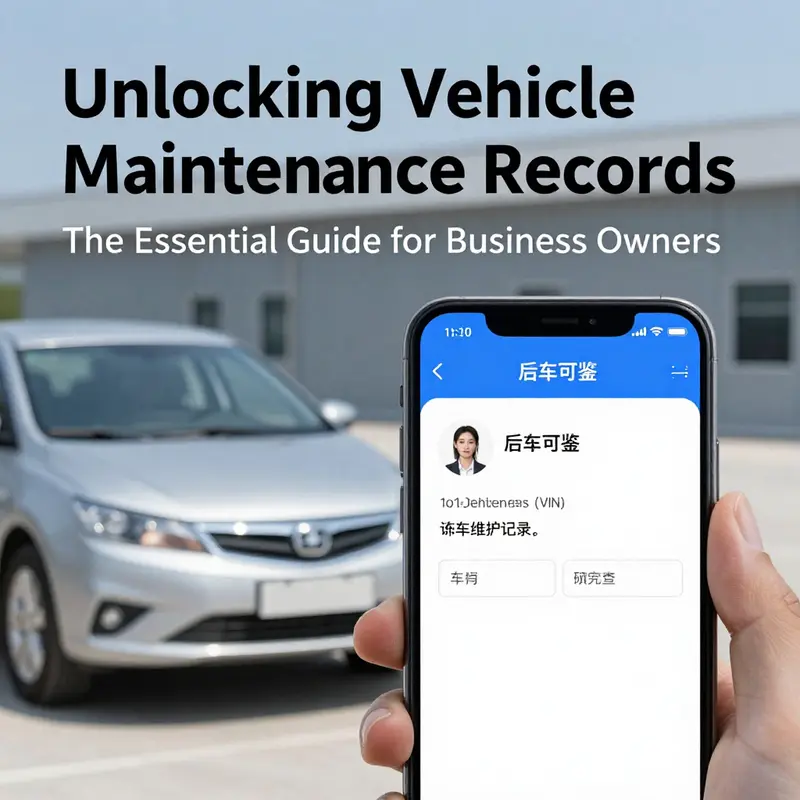
Every used car carries a story, and that story is written not just in its exterior but in the maintenance logs that have followed it from one mile marker to the next. A maintenance record is more than a checklist of oil changes and tire rotations; it’s a health history. It tells you when critical components were inspected, when replacements were done, and whether the vehicle has endured events that could affect safety or value. Yet in a market where maintenance data is often scattered across dealer shelves, repair bays, and insurance files, tracing a complete history can feel like assembling a jigsaw with missing pieces. This is where third‑party data platforms step in. They act as data bridges, stitching together maintenance activity from multiple sources into a single, readable timeline. The appeal is straightforward: you gain a holistic view without visiting every shop or calling every dealer. But like any instrument that aggregates data, the results depend on the quality of the inputs, the transparency of sourcing, and the diligence with which you interpret what you see.
The underlying logic of third‑party platforms rests on the idea that vehicle history is inherently cross‑boundary. A car might have been serviced at a brand’s authorized center for a year, then taken to an independent shop for repairs, followed by a period of ownership by a private party who never logged anything—until the time comes to sell. In such cases, a single source can leave gaps that misrepresent the vehicle’s reliability or condition. A platform that aggregates data from multiple 4S shops and large independent repair facilities can present a more complete narrative. It gathers maintenance entries, part numbers, service intervals, and even mileage readings from diverse points of care. The result is a consolidated report that reduces the risk of misread mileage or missed scheduled services. For prospective buyers, it’s a more trustworthy baseline for assessing whether a vehicle has been properly cared for, or if it has accumulated a pattern of neglected maintenance that could foreshadow costly work ahead.
This approach has a practical charm for everyday drivers and for those negotiating a used‑car purchase. It aligns with the reality of modern automotive care, where ownership often shifts between different owners and service ecosystems. A car can be serviced across a network of shops—some affiliated with a brand, others as independent reliance—yet every service event has the potential to impact future performance. Third‑party platforms attempt to capture those events in one place. They do not replace the original records in a dealer’s system or a shop’s invoice; rather, they synchronize them, add context, and present a more traceable life story. The value for buyers is clear: reduced uncertainty about a vehicle’s past, a clearer sense of remaining maintenance needs, and a more confident basis for negotiating price. The value for sellers is subtler but real: a transparent maintenance history can shorten the sale cycle and reassure a wary purchaser that the car has been cared for.
To understand why this approach works well in practice, picture the common questions that arise when you look at a vehicle history: Has the car had regular oil changes, belt inspections, and brake work? Were there any major repairs, such as transmission or engine work, that could influence long‑term reliability? Has the odometer ever been rolled back or tampered with? Has the vehicle stored any evidence of accidents or insurance claims that might affect structural integrity? The beauty of a well‑designed third‑party report is that it can address these inquiries in a single, coherent document. It can show not only routine maintenance but also the broader health signals that often elude a single shop’s invoice. Importantly, it can flag discrepancies—like a mileage reported at one time that sharply contradicts another—allowing a careful reader to ask the right questions before committing to a purchase.
In this international landscape of data sharing, the most convenient and comprehensive route often begins with a widely used tool that has become a staple for many buyers and sellers in the market. The platform aggregates information from a broad network of sources, spanning both large dealership groups and substantial independent repair facilities. The result is a report that covers maintenance items, replacement parts, and the dates and mileage attached to each service event. Beyond the routine maintenance, it can reveal accident history and insurance claims, which are crucial for assessing risk and future repair costs. It also provides a vehicle status summary—whether the car is pledged, seized, or otherwise encumbered—and it includes a mileage verification that helps protect against odometer fraud. This is especially valuable when evaluating a used car whose prior service history is not fully documented in the current owner’s records.
Using such a platform is typically straightforward, but precision at each step matters. The VIN, a 17‑digit identifier, is the key to unlocking the vehicle’s history. It appears on the windshield, on the registration certificate, and sometimes in the engine bay. Uploading a photo of the license plate for verification can offer a convenience feature in some flows, but accuracy remains paramount. A small mismatch in the VIN can lead to a report that pulls the wrong vehicle, or fails to fetch data at all. This is why double‑checking the VIN before submission is a practical habit, not a pedantic inconvenience. When the system returns a report, you will usually see a structured timeline that lists maintenance events in chronological order, often with the service provider type, the parts used, and the labor performed. The paint is more complete when you see corresponding parts numbers and technician notes, which some platforms display to help you understand the quality and compatibility of prior repairs.
From there, the narrative becomes richer still. The platform’s integration with insurance data can reveal accident history and claims, a dimension that’s critical for understanding whether a car has suffered damage that could affect safety or resale value. The presence of accident notes, repair types, and cost ranges can point to the severity and the plausibility of the reported condition. Some readers may worry about privacy or access restrictions. Generally, ownership rights and privacy policies govern who can view what, and under what authorization. In many cases, a vehicle’s DMS or dealership records remain accessible to rightful owners or authorized parties, while insurers maintain separate histories related to claims and repairs. The real strength of aggregation lies in assembling these diverse strands into a single, navigable picture rather than leaving a buyer to piece fragments together from scattered documents.
The practical upshot is clear: for anyone in the market for a used car, a third‑party data platform offers a pragmatic first step. It provides a broad canvas of the vehicle’s health, indicating whether further digging is warranted in more focused sources. The path forward is then guided by the strength of the cross‑checks you perform. If the third‑party report shows consistent service intervals and genuine vehicle status without red flags, you can then target additional sources to corroborate or enrich the story. Official 4S dealership records can supply the most granular, brand‑specific detail, such as exact repair items, part numbers, labor hours, and the names of technicians. Insurance records, while not a full maintenance log, reveal major collisions and significant repairs that can influence the vehicle’s structural health and value. Independent shops fill any gaps that the dealership network cannot cover, especially if the vehicle has seen service beyond warrantied periods. Finally, many manufacturers offer official apps or portals that let owners view service history within the brand’s network, creating another layer of continuity for long‑term maintenance planning.
To integrate this approach into a practical workflow, you can begin with the broad brush of a third‑party platform, often the fastest path to a comprehensive snapshot. If the snapshot flags any notable concerns or gaps, you can then pursue targeted checks with the most authoritative sources available for that vehicle. For instance, if the report reveals sporadic maintenance or a mismatch in mileage progression, a deeper dive into the originating dealer records can confirm the authenticity of the events. If a vehicle has an explicit history of major repairs that may impact reliability, you’ll want to corroborate with the manufacturer’s app data and, if relevant, the insurer’s claims history to gauge the extent and date of prior damage. In all this, the aim is to converge on a consistent, well‑founded understanding of the car’s past, so you can make an informed decision about its present and its future.
A critical supporting detail in this process is the cross‑reference logic you apply when you analyze the findings. Do not rely on a single source as the definitive truth. If one source reports a maintenance event that another omits, examine the dates, the context, and the data source’s typical coverage. Small discrepancies—such as a service date drifting by a week or a mileage variance of a few hundred miles—can occur due to data entry or timing. Large, sustained gaps, or repeated repairs on a single component within a compressed period, deserve closer scrutiny. On the other hand, consistency across multiple sources is a strong signal that the vehicle’s maintenance narrative is genuine and that the car has traveled a road that aligns with its reported history. In this light, the third‑party approach does not replace careful reading; it amplifies it by presenting a multi‑source canvas that invites you to verify, question, and confirm rather than to accept a single, potentially partial record.
For readers who want to anchor their understanding in core concepts about maintenance and its role in vehicle value, consider this concise framing: maintenance is not a one‑off act but a program of care that sustains safety, performance, and resale value. A well‑documented history provides evidence that regular service was performed, parts were replaced when due, and the vehicle was kept within reasonable thresholds for wear and tear. This context matters because it translates into lower risk for buyers, smoother negotiations, and often a higher resale price when the car has been consistently cared for. To help readers connect the dots between the maintenance record and the broader picture of vehicle upkeep, a quick reference is useful. For a concise definition of maintenance in the automotive context and why it matters, you can explore the concept here: What is Vehicle Maintenance.
In practice, the workflow looks like this: you start with a broad, integrated view from a third‑party platform, you assess the completeness and reliability of the data, and you then triangulate with more authoritative sources where necessary. The cross‑source approach not only narrows down questions to the most relevant gaps but also provides a clearer sense of the car’s real condition. This is particularly valuable when evaluating a model with a complex service history or when the vehicle has been through non‑typical ownership patterns. The goal is not to chase perfection but to build a credible, defendable picture of the car’s maintenance journey.
One final layer of practical wisdom concerns accessibility and time. Third‑party platforms are designed for speed and breadth, which makes them especially appealing when you’re evaluating several candidates at once. The convenience comes with a caveat: the depth of single‑source detail may vary. A careful reader will use the platform to screen out obvious red flags and then selectively pursue deeper verification where the risk is greatest or the numbers don’t quite add up. This approach keeps the process efficient without sacrificing due diligence. It also supports a smoother negotiation because you can enter discussions from a place of knowledge rather than speculation. While no method guarantees absolute clarity, the strategic use of third‑party data, complemented by targeted checks of official records and insurer histories, offers the most reliable compass for navigating the complex terrain of vehicle histories.
In closing, the landscape of vehicle history data is richer than ever when you leverage third‑party data platforms. They translate scattered maintenance notes into a coherent story, illuminate potential red flags before you buy, and help you negotiate with greater confidence. The most effective readers of these reports remember to cross‑check, question, and confirm. They also keep their own records organized, since a well‑kept personal archive can help future owners verify the care that a vehicle received. For readers seeking a quick starting point, this approach often delivers the fastest, most comprehensive snapshot of a car’s health, while still leaving room for deeper dives where needed. Direct access to the recommended tool is available here: https://weixin.qq.com/k/9XaJvG5cDZl3V0y7Q2Lx.
The Official Ledger: Tracing a Vehicle’s Maintenance History Through Brand Dealership Channels
A precise maintenance history can be the difference between a confident purchase and a murky future with a used car. When reliability and accuracy matter, the most authoritative source is the brand’s own authorized service network. Official dealership channels maintain a centralized, brand-specific ledger of service events, parts replacements, and technician notes. Accessing these records requires a careful but straightforward process, guided by ownership verification and a clear understanding of what the dealership can and cannot show. This chapter walks you through that path in a way that blends practicality with the nuance of privacy and data scope, so you can obtain a trustworthy maintenance narrative without getting bogged down in conflicting reports from scattered shops.
The starting point is to identify the brand or, more precisely, the network that has service records for the car. Each brand runs its own dealer network and its own dealer management systems. The object is not merely to pull a loose list of services but to unlock a complete, itemized history from the network that last serviced the vehicle within that brand’s ecosystem. This is particularly valuable for vehicles that have moved between owners or have spent time in different regions, where independent shops and cross-brand visits may have created a patchwork history. In the brand network, the records are harmonized and linked to the same VIN across the whole network, which reduces confusion and increases the likelihood that you’ll see a coherent sequence of maintenance events, mileage milestones, and part replacements.
Once the brand is identified, preparation becomes the next key step. You will need to assemble a few core documents before you approach a dealership. The vehicle identification number, or VIN, is the universal key to any service database. It should be a 17-digit code found on the windshield, typically in the lower corner on the driver’s side, on the vehicle’s registration certificate, or on the driver’s door pillar. Having the VIN ready helps avoid delays and ensures the staff can pull the correct record for the exact car you’re evaluating. In addition to the VIN, the dealership will require proof of identity—usually a driver’s license or another form of government-issued ID—and the vehicle’s registration certificate. These documents are essential because they verify ownership and ensure that the person requesting the records is authorized to view them.
With documents in hand, a visit to the brand’s authorized service department is the next phase. It’s important to understand that you don’t necessarily have to revisit the point of first service. The network typically allows requests at any authorized dealership within the same brand’s footprint. This flexibility is part of what makes the official route so practical, especially if the vehicle has had service at several locations over its life. When you approach the service desk, announcing that you are the current owner or that you have written authorization if you’re representing the owner will smooth the process. The staff will then initiate a search in the database that underpins the dealership’s DMS, or Dealer Management System. The DMS is the backbone that connects service history, parts information, technician notes, labor times, and billing data. In the brand network, this system consolidates maintenance events across authorized service centers, so the report you receive should reflect a unified history rather than scattered logs from disparate shops.
What follows is the heart of the experience: the actual maintenance report. A well-assembled brand-record will lay out a clear chronology. You will see service dates aligned with the vehicle’s mileage, the specific tasks performed, and the details that tie those tasks to the car’s components. Expect to find a precise list of services—such as routine oil changes, brake work, or timing-related maintenance—along with the parts that were replaced. If the dealership’s records include labor details, you’ll often find the labor codes, the hours spent, and the technicians who performed the work. This level of granularity is what sets official brand histories apart from more general maintenance histories that may rely on notes from independent shops. The report can also reveal parts numbers, which is vital for cross-checking that a replacement aligns with the vehicle’s original specifications or approved service bulletins. In addition to the core maintenance items, you may see notes on any recalls addressed or service campaigns completed within the network. While not every dealership system will present insurance or accident data, the maintenance ledger will typically emphasize service events and part replacements, giving you a precise view of the car’s mechanical care within the brand’s ecosystem.
A few practical considerations accompany this process. Privacy remains a cornerstone of the dealership’s operations. The staff will verify ownership not only to protect the vehicle’s history but to comply with data protection norms. If you are not the registered owner, a written authorization letter or a forwarding of consent may be required before access is granted. This is not a stumbling block so much as a guardrail that preserves data integrity. The scope of the data matters as well. Official brand records focus on services performed within that brand’s network and its authorized service centers. If the vehicle received maintenance at independent shops or at a different brand’s dealership, those events may not appear in the brand’s DMS. In practice, this means the brand-record is an authoritative source for the network’s work but may be incomplete if the vehicle’s life history includes non-network servicing. You can mitigate this by cross-referencing the official report with other sources, a step that helps you build a more robust narrative of the car’s past.
This is where the broader map of vehicle history comes into play. For a complete picture, many buyers cross-check brand records with data from third-party platforms that aggregate information from multiple sources, including other dealerships and independent shops. While these platforms can offer a broad synopsis of a vehicle’s health and activity, their data architecture is not the same as the brand’s own ledger. A prudent approach is to treat the brand’s report as the most authoritative core, then supplement it with additional sources to fill in gaps. The result is a network-backed history that gives you not only a series of dates and mileages but also a trustworthy narrative of what was actually done to the car, which components were touched, and how the vehicle aged through its service life.
In practice, the brand-based route is rarely an isolated effort. A careful reader often compares the brand report with the vehicle’s own owner-maintained records. If you’ve kept receipts, service invoices, and digital summaries from any shop, those documents can be cross-referenced against the brand ledger. Any discrepancies—such as sudden mileage jumps, unusually long gaps between services, or repeated repairs on the same component—warrant closer examination. These inconsistencies can point to gaps in the data, or they can reveal maintenance patterns that warrant a deeper dive into the vehicle’s reliability and history. The discipline of cross-referencing is less about catching someone in a lie and more about ensuring the vehicle’s narrative is coherent and complete for future owners or for your own peace of mind.
It’s also worth noting how convenient this route can be when you’re evaluating a vehicle that is still under warranty or was primarily serviced within the brand’s network during its active life. In such cases, the official report may provide not only the maintenance specifics but also a context—warranty-covered repairs, timing, and the relation between service intervals and recommended maintenance bulletins. This level of insight is invaluable for assessing future maintenance costs and planning. If you’re buying a vehicle from a private party or a dealer, asking for this official history can save you from inheriting a blurred or partial maintenance record. It can also strengthen your position in negotiations, especially when you’re weighing the car’s reliability against its asking price.
As you finalize the process, remember that the brand’s official records are not an isolated document but a node in a larger ecosystem of car history. To situate this chapter within the broader landscape, consider how maintenance literacy—the understanding of what maintenance entails and why it matters—shapes your reading of the report. For a concise primer on the fundamentals of vehicle maintenance, you can explore insights at the linked article. What is vehicle maintenance?. This background helps you interpret the maintenance ledger more effectively and empowers you to recognize standard maintenance patterns versus unusual anomalies.
If you are wondering about alternatives, the chapter that follows examines other routes to a vehicle’s history, including insurance records for accident history, and third-party data platforms that compile data across dealer networks and independent shops. Each method has its place, and together they form a comprehensive toolkit for anyone who wants to know exactly what happened to a vehicle over time. The official brand route remains the most authoritative for brand-specific vehicles, delivering certainty about the work that was performed and the parts that were installed. It also offers a reliable baseline against which other data can be weighed, ensuring you are not left guessing about the vehicle’s past when making a purchase or planning future maintenance.
For readers who want to navigate this process smoothly, the practical takeaway is simple: prepare your documents, approach the right dealership with clarity about ownership, and request the complete DMS record that reflects the brand’s service history. Expect a report that lists service dates and mileages, a detailed line-item of the work performed, part numbers for replacements, and, where available, labor hours and technician details. If the vehicle has a partially documented life—some services in the network, others outside—you’ll still gain substantial value from the portions the brand has captured. In the end, the official channel provides the strongest foundation for understanding how well the car has been cared for and what its future maintenance trajectory may look like.
External resource: https://weixin.qq.com/k/9XaJvG5cDZl3V0y7Q2Lx
Tracing a Vehicle’s Maintenance Narrative Through Insurance Records: A Path to a Fuller History
When you set out to evaluate a used car, the maintenance history is not a nice-to-have detail; it is the map that guides your judgment about condition, value, and risk. Among the many sources you might consult, insurance records stand out as a revealing chapter. They document not only the moments a car was involved in a collision but also the subsequent repairs, the quality and type of parts used, and sometimes how promptly those repairs were completed. They can illuminate patterns that other sources often miss, such as recurring issues after a single incident, or a tendency for certain components to fail despite regular service. A careful reader can turn this information into a steadier estimate of a vehicle’s reliability and a more informed price negotiation. Yet tapping into insurance records is not a shortcut; it is a disciplined, methodical process that requires attention to privacy, accuracy, and the limits of what the data can tell you.
The journey begins with identifying who, if anyone, holds the vehicle’s insurance history. In many regions, a car’s policy is managed by a major insurer, but it may have changed hands over its lifetime. The policyholder’s identity and the car’s identifiers—primarily the VIN, but sometimes the license plate—are the key to unlocking these records. If you are the current owner or an authorized representative, you have a straightforward path: contact the insurer directly through official channels, verify your identity, and request access to the claims and repair history. If you’re evaluating a car that belonged to someone else, you will need to establish your authorization and, in some cases, obtain consent from the policyholder. Privacy rules are not mere formalities here; they govern who can see sensitive information about a vehicle’s past, and they require you to work through proper channels to protect owners and providers alike.
Once you have established the right contact point, the verification step follows. Insurers will want to confirm that you are indeed connected to the vehicle who owns the policy. The usual verification may include presenting the VIN, the license plate number, and personal identifiers such as the owner’s name and contact information. In some instances, proof of ownership or a formal authorization letter is required if you are not the policyholder. The more precise your information, the smoother the process. In practice, you should prepare a dossier: VIN, plate number if available, the vehicle’s registration details, and a clear statement of your interest in the records. If you are requesting records on behalf of a buyer or a legal entity, you may need additional documentation—proof of authorization, a power of attorney, or a signed consent form from the policyholder. The exact requirements vary by insurer and jurisdiction, but the underlying principle remains the same: data protection and authorized access.
With authorization in place, you can request a copy of the vehicle’s claims and repair history. What you receive may vary in depth depending on the insurer and the policy. At their best, these records provide a timeline of incidents, the dates of claims, and the outcomes of those claims. They can reveal the nature of the damage, the parts replaced, and the repair locations. In some cases, you will also see the repair costs and whether the work was covered under a warranty, a comprehensive claim, or a third-party liability claim. This level of detail can translate into a practical assessment of how well the car has been maintained after a crash or other event. It can also indicate the quality of the service providers used, as some insurers require or encourage preferred repair shops that meet specific standards. This information becomes particularly valuable when a prospective buyer is weighing the potential hidden costs of ownership—things that aren’t always visible in a routine maintenance log.
Yet, the report from an insurance company is not a comprehensive maintenance ledger. It is a history of incidents and post-incident repairs, not a record of routine oil changes, tire rotations, or filter replacements. Routine maintenance is essential for reliability, but it is commonly documented by the owner, the dealer network, or independent repair shops. Insurance records should be read as a complement to these other sources, not a replacement. The best practice is to weave together the insurance history with data from 4S centers or independent garages, and with any manufacturer-maintained service history if available. When you look at these pieces as a whole, a clearer picture emerges: how consistently the vehicle received care, whether repairs were performed promptly, and whether the same issues keep resurfacing. You may notice that a car received occasional repairs after incidents but never followed up with a complete assessment of underlying structural integrity or critical systems. Such patterns can inform whether the vehicle has latent issues that will demand recurring attention—affecting safety, reliability, and ultimately the vehicle’s value.
A practical challenge often arises from the simple fact that not every insurer keeps a uniform archive of data, or that histories may have been buried in old vaults or transferred between carriers. This means that a single insurer’s records might not present a complete panorama. If the vehicle changed hands and policies, you may need to query multiple providers to assemble a fuller story. Additionally, some claims may fall outside the window of record retention, especially for older vehicles or in markets with shorter data-retention policies. In such cases, the absence of an accident record is not a guarantee that no incident occurred; it may reflect a lack of discoverable data. A savvy evaluator recognizes this limitation and uses it as a cue to broaden the search rather than to draw a definitive conclusion from a single source.
To maximize the usefulness of insurance records, it helps to consider them in the context of the vehicle’s broader maintenance narrative. If you notice a major repair following a high-cost claim and then a long stretch with little documented maintenance, you might suspect a period of neglect or deferred care in between. Conversely, a car with regular, well-documented maintenance after incidents can signal a disciplined owner who kept up with essential repairs and service intervals. Regardless of the pattern, the key is to triangulate information: insurance histories, official service records from the brand or dealer network, and independent shop logs. Each source has its strengths and blind spots, and their combination often yields a more reliable assessment than any single source could provide.
In the broader landscape of vehicle history research, this approach aligns with a broader principle: never rely on a single data stream as the gospel truth. A robust due diligence process blends multiple sources and cross-checks. For a practical buyer, this means initiating inquiries with insurance providers when permissible, but also obtaining service histories from the dealer networks where applicable and seeking out independent shop records for a fuller timeline. It is this layered verification that reduces the risk of surprise maintenance issues after purchase and helps you negotiate a fair price grounded in a well-supported health assessment of the vehicle.
The narrative you build from insurance records should also be integrated with your understanding of the vehicle’s current condition. If the reports reveal past collisions or substantial repairs, you might prioritize a professional mechanical inspection focusing on structural integrity, alignment, suspension components, and drivetrain components sensitive to impact. A careful inspector will look for consistent alignment of the repair work with the reported incidents, verify the quality of the replacement parts used, and assess whether the repair work has held up over time. Any discrepancies between the insurance history and the physical condition of the vehicle become red flags that warrant deeper investigation. In this sense, insurance records do not stand alone; they are a catalyst for a broader, deeper diagnostic process that protects you from hidden costs and safety risks.
The practical advantage of incorporating insurance records into your due diligence is not limited to the narrow window of post-incident repairs. They can also illuminate decisions about the vehicle’s long-term care. For instance, if a car shows a pattern of frequent claims for engine-related repairs, it may point to a design issue, a recurring defect, or a maintenance regime that has failed to address underlying problems with timely preventive measures. While this doesn’t spell doom, it does shift your risk calculus: a car with a history of major repairs may demand a higher cushion for future maintenance or a more stringent inspection plan before purchase. Conversely, a clean insurance history with no major claims can be a signal of a vehicle that has been gently treated and maintained, provided you supplement this with routine service records from trusted shops to confirm ongoing care.
In the end, the value of insurance records lies in their ability to provide a focused, incident-centered view of the car’s history, which can then be integrated with other data streams to form a complete maintenance portrait. When you talk with a seller or dealer, you can frame your inquiry around the insurance history in a constructive way—asking about the context of any major repairs, the quality of the repair work, and how maintenance was managed after those events. Such questions can reveal the level of transparency you can expect if you proceed with a purchase. And while insurance records are not a substitute for a hands-on inspection, they can significantly reduce the mystery surrounding a vehicle’s past by offering concrete touchpoints that inform your judgment.
For readers seeking a broader sense of how the maintenance narrative connects to ongoing ownership costs, there is a complementary perspective worth exploring. A holistic view of vehicle maintenance shows how regular care translates into tangible savings over time: better fuel efficiency, fewer unexpected repairs, and lower depreciation. You can explore these ideas more deeply in this discussion about how routine maintenance saves on fuel and expenses, which helps ground the insurance history in a broader financial context. how vehicle maintenance saves on gas expenses.
As you finish gathering insurance records, remember that the journey does not end with a single report. The next steps involve comparing and cross-referencing with official dealer records, independent shop logs, and any manufacturer-provided service histories. If the car has been serviced within a single brand’s network, the 4S dealership or the manufacturer’s app can provide the most precise and granular data about repairs, part numbers, labor times, and technician notes. If the vehicle’s maintenance has occurred across a broad array of shops and independent garages, those records can add nuance about the parts used, the quality of service, and the consistency of maintenance over time. The careful collector of vehicle history blends these inputs into a coherent narrative rather than a scattered set of fragments. In doing so, you construct confidence about the vehicle’s current state and the likely trajectory of its future care.
One final note: the process is easiest when you use official channels and maintain proper authorization and documentation. Request records through secure portals or formal channels, preserve copies of all communications, and keep a personal log of each contact and document you obtain. This careful stewardship of information not only protects you but also enhances your credibility when you present a history-backed case to a seller or lender. Over time, this habit becomes part of a reliable due diligence routine that can save you from mispriced purchases, unexpected repair bills, and the stress of hidden defects.
In summary, insurance records provide a concentrated view of a vehicle’s incident-related history and post-incident repairs. They should be approached as one essential piece of a larger mosaic, combined with manufacturer, dealer, and independent shop records to yield a robust, defensible maintenance narrative. The resulting view is more than a list of dates and parts; it is a story about how a car has been cared for, what challenges it faced, and how those challenges were addressed. With this perspective, you are better equipped to assess value, plan future maintenance, and negotiate with clarity and confidence. And if you want to explore a broader, integrated approach to vehicle maintenance history that leverages multiple data sources, keep in mind that a well-curated third-party history platform can provide a comprehensive snapshot by aggregating data from insurers, dealers, and repair shops, which helps you obtain the fuller picture you need for a sound decision. For further context on the value of a holistic maintenance strategy, see related guidance on the financial and practical benefits of consistent upkeep. External resource: https://www.houchekjian.com
Tracing a Vehicle’s History: Uncovering Maintenance Records Through Authorized Shops and Independent Garages
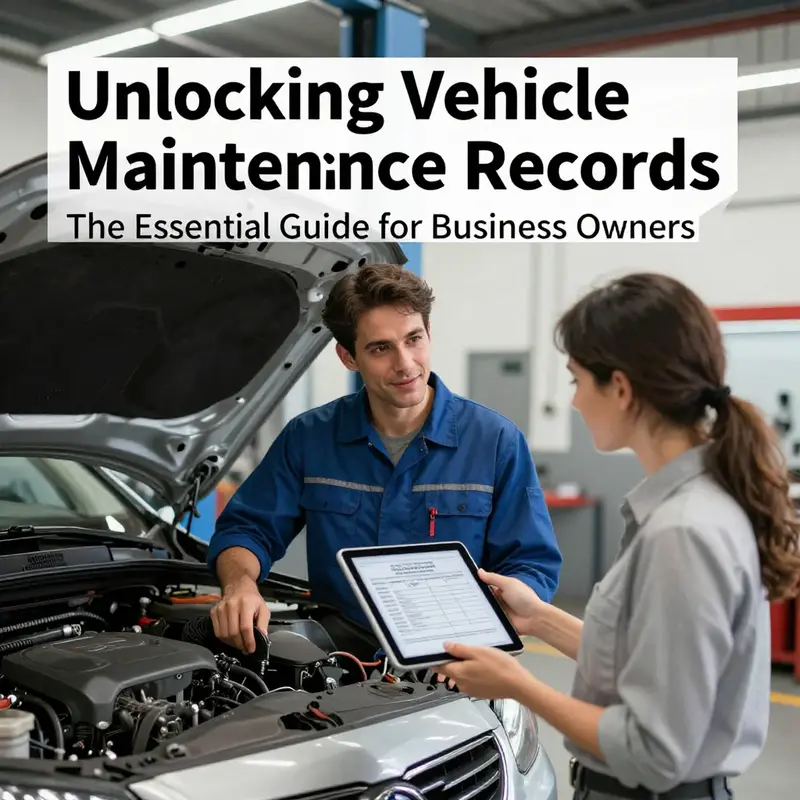
A car’s maintenance history is more than a ledger of oil changes and part replacements. It is a narrative of how a vehicle has lived, how it has been cared for, and, crucially, what it can tell a prospective buyer or new owner about its reliability and remaining life. When you set out to understand a vehicle’s health, you do not simply collect invoices; you assemble contex and confidence from multiple sources, and you learn to read the entries with a trained eye. The path to a thorough maintenance record often starts with a simple question: where did the car actually receive service? The answer is rarely confined to a single location. The truth lives in a mosaic: third‑party data aggregators that pull records from many shops, the dealer network that kept the vehicle under warranty, independent garages that serviced it after warranty periods, and, if you are lucky, the manufacturer’s own digital log. Each source has its strengths and blind spots, and a careful navigator will cross‑check information across several channels to build the clearest possible picture of the car’s service history.
A strong first instinct is to pursue a broad overview from a third‑party data platform. These services are designed to break data silos by merging information from many authorized networks and independent shops. They typically offer a concise, management‑level view of maintenance and repairs, and they can also reveal ancillary details such as accident history, insurance status, and mileage verification. The appeal is simple: you enter a VIN, and the system returns a consolidated report rather than a stack of scattered receipts. This convenience matters when you are evaluating a used car, negotiating a price, or verifying a vehicle’s declared condition. However, as with all history reports, you should treat the result as a useful guide—not an ultimate truth. Incompleteness can come from services performed at shops outside the network, data entry errors, or late reporting. An effective approach is to use a third‑party report as your baseline, then drill into specific entries with the original providers for verification when necessary.
To use such a platform well, you begin with the VIN—the 17‑digit Vehicle Identification Number that serves as the vehicle’s unique identifier. You will find the VIN in several places: etched or printed on the windshield near the driver’s side, on the registration certificate, and often stamped in the engine compartment or on the chassis. If you have a photo of the registration or a clear image of the VIN plate, you can upload it to the platform and let the system extract the digits. A short wait follows as the platform cross‑references the data streams from multiple shops and consolidates a comprehensive history into a readable report. The value here goes beyond a simple list of visits; it includes the timing of maintenance events, the types of service performed, and the scope of work completed. The more data points captured, the easier it is to detect patterns: a cluster of brake services around a particular mileage interval, recurring oil leaks, or a trend of shorter intervals during a period of heavy use. These cues can be decisive when assessing a car’s condition or forecasting future maintenance needs.
Yet a broad sweep has its limits. The cross‑brand, multi‑shop approach cannot guarantee perfect coverage for every mile the car has traveled. Some vehicles may have received care at shops that do not feed data into the platform, or at independent workshops that do not report back to a central data aggregator. In those cases, the history may appear thinner than reality, and gaps become the obvious red flags. This is precisely why the old adage—never rely on a single source—holds true here as well. The combined method of triangulating data from multiple sources is often the most reliable way to build confidence in the record. In practice, after you obtain a broad report from a data platform, you will want to verify the most significant entries with the original providers. A simple repair note, a missing part replacement, or a misdated entry can skew your understanding if left unchecked.
If the vehicle has lived its life primarily within a brand’s authorized service network, the official channel remains the most authoritative source. Visiting the dealership service department with your credentials can unlock the most granular records the brand holds. In the dealer’s Dealer Management System, you can expect to see exact repair items, replacement part numbers, labor hours, and the technician notes that accompany each visit. This level of detail is particularly valuable when you are evaluating critical components—the timing of timing belt replacements, the context of a transmission service, or the precise parts used in a major repair. The precision of this data, however, is bound by scope. It reflects only what happened within that brand’s network. If the car was serviced outside those shops, those entries will not appear in the dealership records, creating a natural gap. In some cases, privacy policies or the need for written authorization can slow or limit access. It is not uncommon for non‑owners to encounter restrictions, so understanding your rights and the dealership’s processes is part of the practical skill of vehicle history research.
When the vehicle’s caretaking included independent garages—trusted neighborhood shops, specialty independents, or repairs conducted outside the factory‑franchise system—the records can be more diffuse but often more complete in certain respects. Independent shops might not feed data into a central ledger, but they frequently maintain detailed service histories for their customers. The best way to retrieve these records is to contact the shop directly, ideally with the VIN and the current owner’s authorization if you are not the owner. Reputable shops may have digital archives and can provide service histories that include the dates of service, the nature of the maintenance performed, the brands and specifications of parts used, and even the labor time charged. These details can be invaluable when you are trying to verify maintenance that supports a claim of regular upkeep or, conversely, when you encounter a discrepancy between what is perceived and what the records show. If a shop uses digital service records, you may receive a neatly organized PDF or a secure online portal view; if not, a scanned paper history or a printed log may be all that exists, but it can still be highly informative when cross‑checked against other sources.
Of course, one cannot ignore the role of the car’s manufacturer in this landscape. Many automakers offer apps or web portals that help owners track service events within the official network. The value of these tools is clear: a consolidated, owner‑facing history that aligns with the manufacturer’s maintenance schedules and recalls. Access and coverage vary by brand and model, but the core advantage is the alignment between what the vehicle requires for optimal operation and what has actually been performed in the brand ecosystem. This information can be particularly useful for long‑term ownership planning, for evidence of up‑to‑date service during a resale, or for confirming that critical maintenance windows have not been missed. As you compare these sources, the question becomes not just “has maintenance occurred?” but “does the maintenance align with the manufacturer’s recommended intervals and the car’s particular usage pattern?”
All these avenues thrive on the same underlying principle: a reliable maintenance history is constructed from corroborating data points rather than a single line item. When you pit a broad report against dealership records and against independent shop histories, you sharpen the judgment you can bring to a purchase decision or to a maintenance plan. The process becomes a careful dance of corroboration. One common approach is to treat the third‑party report as a baseline that flags notable events—such as major repairs, repeated brake work, or irregular mileage progressions. You then pursue confirmation by contacting the service providers for those entries and, where possible, requesting the original invoices and work orders. It is prudent to examine the parts specification when a major component is replaced. A change in part numbers, a switch to a different supplier, or a sudden jump in labor hours can reveal nonstandard repairs or the use of aftermarket parts. While aftermarket parts themselves are not inherently problematic, understanding what was used helps you assess long‑term durability and compatibility with the vehicle’s systems.
For those who want a practical compass, a few guiding questions can keep the investigation focused. Start with the VIN and verify that the VIN on the report matches the car you are reviewing. Look for gaps in service dates that cluster around events that might not have been recorded yet; note periods of unusually long gaps and question whether the vehicle might have been offline for maintenance or if records were simply not transmitted. Check mileage against service entries and confirm that odometer readings make sense given the vehicle’s usage. Watch for repeated repairs on the same component, which can signal recurring issues or sloppy workmanship. Seek out records of essential intervals—major services, timing belt or chain replacements, transmission work, brake system overhauls, and cooling system repairs—and compare them with the manufacturer’s recommended maintenance schedule for the vehicle’s model and year. Finally, save and organize the records you gather. A single consolidated dossier is invaluable when you are negotiating, reselling, or planning future maintenance.
If you want to widen your understanding of what maintenance truly entails, you can explore more on the general concept of vehicle maintenance and how it differs from episodic repairs. This context helps you interpret the entries you find in maintenance logs and makes it easier to spot anomalies that deserve closer scrutiny. See What is vehicle maintenance? for context as you become more proficient at reading maintenance histories. The more you know about routine maintenance versus unusual repairs, the more efficiently you can separate the normal wear from noteworthy concerns. While the journey to a complete history may involve navigating privacy policies, data gaps, and the timing of disclosures, the payoff is substantial: a clearer picture of how the car has aged and how it should age moving forward.
In practical terms, the method you choose often depends on the car’s history and your goals. If you are buying a used car, starting with a broad data platform can give you a quick sense of overall health and any red flags. If a potential issue surfaces, the next step is to contact the most relevant source—be it the dealership service department for brand‑specific details, or an independent shop that serviced the vehicle in a given period—to confirm the entries and fill any gaps. If the vehicle has lived a life largely within a single brand’s network, the dealership records may offer the most definitive account of service history, with highly granular detail. If it has seen a mix of providers, including independent garages, the combination of a broad third‑party report and targeted verification with the shops themselves offers the most reliable path to a complete picture. And if the car has known accident history or insurance claims, you will want to cross‑check those records with the maintenance data to separate routine upkeep from major repairs and assess how those events might influence the vehicle’s current condition and future performance.
All told, building a trustworthy maintenance history is less about a single source than about a disciplined, multi‑source approach. It requires patience, precise questions, and a willingness to request corroborating documents. It also rewards practical decision‑making: a well‑documented maintenance history can support fair pricing, enhance confidence in a purchase, and guide how you care for the car going forward. For many readers, the core habit to cultivate is to keep one’s own record in parallel with any external report. Saving receipts, digital invoices, and service summaries creates an self‑owned archive that travels with the vehicle and can be shared with future buyers. In a world where data can be scattered across platforms and shops, your own carefully organized notes remain a reliable anchor.
If you are curious about how these different sources fit together in practice, consider the broader concept of maintenance versus repairs and how they shape a vehicle’s lifecycle. This context helps you interpret the details you find and provides a framework for deciding what to investigate further. The central idea is straightforward: maintenance reflects preventive care designed to keep the car performing optimally, while repairs respond to problems that have already arisen. Reading a maintenance history with this distinction in mind helps you gauge not just what was done, but why it was done and how those decisions align with the vehicle’s current needs. For readers who want a starting point on this orientation, the linked resource above offers a concise overview of maintenance principles that can enhance your ability to interpret a car’s history.
In closing, there is no single silver bullet for uncovering every line of a vehicle’s service life. The strongest approach combines broad visibility from a multi‑source data platform with targeted verification from the dealership network and independent shops. This triangulated method tends to yield the most accurate, actionable view of maintenance events, ensuring you understand both the routine care that keeps a vehicle healthy and the noteworthy repairs that shape its future reliability. By adopting this approach, you not only reduce the risk of surprises but also empower yourself to plan more effectively for the car’s ongoing care and your own investment in its longevity. For most readers, starting with a broad data platform while keeping an eye on the specifics available from primary care sources—dealerships and independent shops—offers a practical, thorough path to a trustworthy maintenance history. The goal is a narrative you can trust, built from corroborated details, and supported by a proactive mindset about maintenance as a long‑term responsibility rather than a series of isolated events.
External resource: For a practical primer on using data aggregators to track vehicle history, see this guide: https://weixin.qq.com/k/9XaJvG5cDZl3V0y7Q2Lx
Final thoughts
In summary, effectively managing your fleet’s vehicle maintenance records is crucial for business operations. By leveraging multiple avenues, including third-party platforms, official 4S dealerships, insurance company records, and authorized repair shops, business owners can gather comprehensive insights that drive better vehicle management and ensure safety. Each method presents its own benefits and challenges. Therefore, cross-referencing information from different sources will enhance accuracy and lead to more informed decision-making. Regularly reviewing these records not only helps in maintaining compliance but also supports cost-effective fleet management.