
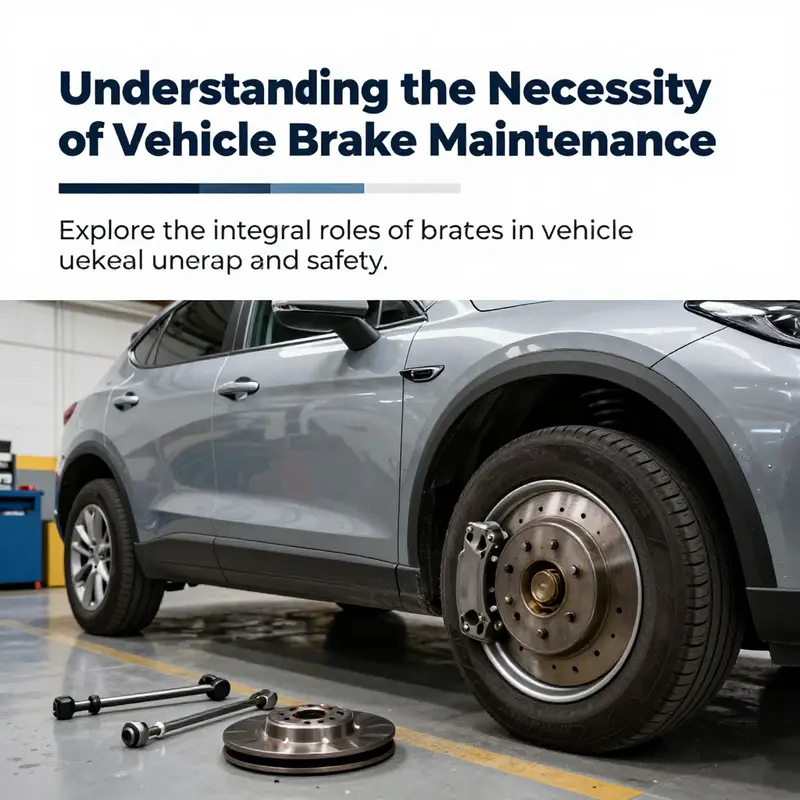
Ensuring the safety and performance of vehicles hinges on effective maintenance, and vehicle brakes form a crucial part of this process. Regular checks and services of the braking system not only enhance safety but also optimize vehicle performance, making brake maintenance a cornerstone of standard vehicle care. This article delves into the significance of vehicle brakes within normal maintenance routines, unveiling insights into inspection frequencies, common practices, and the economic implications for business owners. By understanding the importance of regular brake maintenance, your business can reap the benefits of safer operations and cost-effective management.
Brakes as Normal Maintenance: The Quiet Pillar of Safe and Reliable Driving
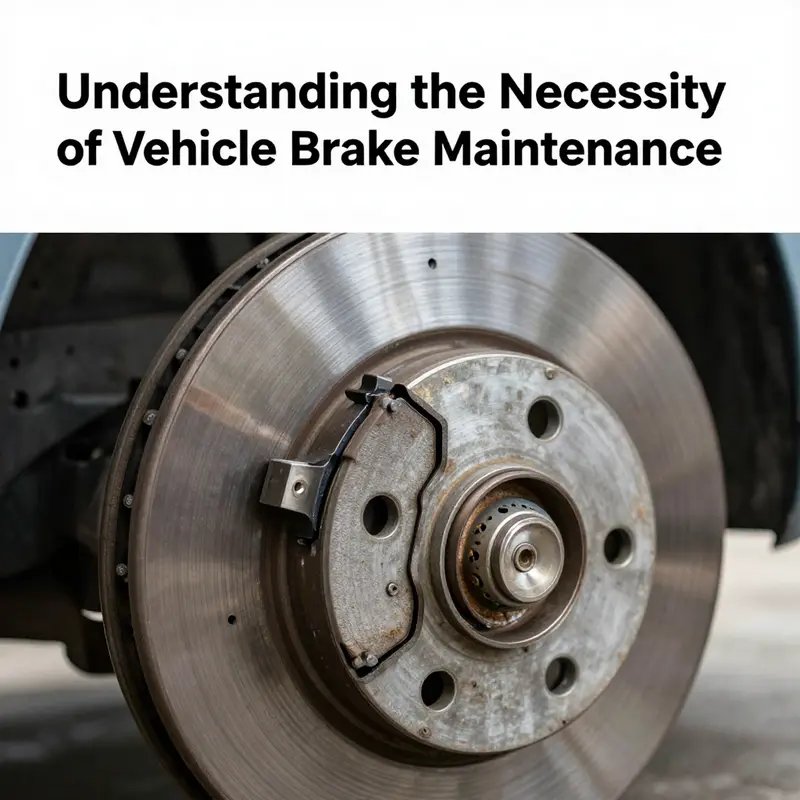
Brakes are often the most invisible part of a car’s daily routine, yet they sit at the center of normal maintenance. They don’t whisper until they fail; they speak through reduced stopping power, longer stopping distances, and feel in the pedal. Framing brakes as part of routine care helps drivers understand that maintenance isn’t a problem to fix after trouble arises but a practice that keeps safety and performance consistent over the life of the vehicle.
Safety and risk: Brake systems are fundamental to safety. According to NHTSA, brake failure is a leading cause of accidents. Regular checks—examining pad thickness, rotor condition, and fluid levels—help catch wear before danger arises. The threshold for replacement is often described by manufacturers as a minimum pad thickness, commonly around 3 millimeters. Falling below that can damage rotors or compromise stopping power. The DOT emphasizes that routine maintenance reduces accident risk; studies cited by authorities show that the safer you keep braking, the lower your probability of a crash. The idea is not to chase a perfect, never-wear-free system but to prevent wear from becoming a hazard.
Fluid health: Brake fluid health is a specific and often overlooked pillar. It is hygroscopic, which means it absorbs moisture from the air over time. Moisture lowers the fluid’s boiling point, and in demanding stops, air bubbles can form in the hydraulic lines. This vapor lock reduces hydraulic pressure and can cause brake fade or, in extreme cases, a total loss of braking power. The FMCSA recommends replacing brake fluid every two years or about 25,000 miles, especially in humid climates or with heavy use. A professional flush and refill ensure contaminants are removed and the system remains sealed as designed.
Component harmony: Modern braking is not only about pads and rotors. It embeds electronic aids like ABS, ESC, and EBD, all relying on sensors, electronics, and precise hydraulic control. Routine maintenance includes scanning for error codes, verifying sensor function, and validating that electronic controls respond correctly during testing. When ABS malfunctions, wheel lock can occur during hard or emergency braking, raising the risk of skidding. Maintenance thus preserves not only the mechanical parts but the electronic orchestration that keeps the vehicle stable when you need to stop quickly or steer around a hazard.
Longevity through care: Well-kept brakes extend the life of expensive components, including rotors and calipers, and protect brake lines from premature failure. Beyond pad replacement, technicians may clean calipers, inspect for sticking pistons, and ensure the caliper slides operate smoothly. Lubricating hardware reduces noise and prevents uneven wear. In aggregate, the benefits show up as quieter operation, smoother pedal feel, and fewer surprises on the road. Industry perspectives suggest that vehicles with properly maintained brakes can enjoy notably longer component life compared with neglected systems, reinforcing the cost-efficiency argument for routine service.
Regulatory and peace of mind: Inspections of braking systems are a routine feature of many vehicle safety programs around the world. In places where formal inspections exist, brake checks are a standard element of periodic vehicle assessments. For individual owners, the reassurance that your vehicle can stop reliably in city traffic or at highway speeds is priceless. Safety is not a single event but a continuous practice—the kind that benefits driving confidence, reduces anxiety about unpredictable stops, and helps avoid expensive repairs that arise from neglected wear.
Putting brakes into the rhythm of maintenance: The typical cadence many manufacturers recommend—inspection at regular intervals, often around every 12,000 to 15,000 miles or annually—fits the longer arc of vehicle health. Those numbers reflect real-world wear patterns, climate, driving style, and load. A driver who spends more time in heavy traffic or on hilly terrain might see more rapid wear and should adjust expectations accordingly. The goal is to monitor, not to replace on a fixed calendar alone. When a technician checks the system, they assess pad thickness, rotor condition, and the presence of any abnormal noise, vibration, or pulling. They verify that brake fluid appears clean and at the correct level, and they test the responsiveness of ABS and other stability controls. In practice, maintenance becomes a coordinated check of both the mechanical and electronic facets of the braking system, reinforcing safety rather than simply chasing new parts.
Building a mindset of proactive care: Viewing brakes as a normal maintenance item reframes ownership from reactive repair to ongoing stewardship. The investment pays off not only in safety and reliability but also in costs over the vehicle’s life. Skipping routine checks now may yield small savings on a service bill, but the risk of rotor warping, caliper sticking, or hydraulic failure escalates quickly, resulting in bigger expenses and more dramatic downtime later. The message from safety authorities and engineering bodies is clear: a well-maintained brake system is a foundational element of responsible vehicle ownership. It is not a feature added after manufacture but a system designed to protect life by maintaining consistent performance through a vehicle’s daily journey.
From a driver’s seat, the signs of impending brake trouble are usually subtle at first. A high-pitched squeal during braking often means worn pads with a wear indicator. A grinding sound, especially when starting the car, can indicate metal-to-metal contact and should trigger immediate inspection. A pulsing or spongy sensation in the brake pedal during repeated stops may signal lining wear or a hydraulic balance issue. If a vehicle pulls to one side when braking, or if an ABS or ESC warning light appears during a stop, seek professional assessment promptly. Many technicians perform a controlled stop test to gauge pedal travel, braking bias, and system response. By staying attuned to these cues, you can catch issues before they turn into costly repairs.
Looking ahead, brake care ties into broader maintenance philosophy. Regular service not only prevents failures but also reduces emergency repairs and protects component life, contributing to overall value retention. In climates with humidity or for vehicles that rack up miles in urban traffic, the pace of pad wear, fluid aging, and sensor calibration may vary. Treating brake maintenance as a routine, seasonal check helps ensure consistent performance across seasons and miles. The payoff is safety and reliability, plus fewer disruptions to daily life and trips. Brakes belong in normal maintenance because they translate careful ownership into practical, ongoing protection for everyone on the road. For authoritative guidance, see the brake safety resource from the national safety administration.
From a driver’s seat, the signs of impending brake trouble are usually subtle at first. A high-pitched squeal during braking often means worn pads with a wear indicator. A grinding sound, especially when starting the car, can indicate metal-to-metal contact and should trigger immediate inspection. A pulsing or spongy sensation in the brake pedal during repeated stops may signal lining wear or a hydraulic balance issue. If a vehicle pulls to one side when braking, or if an ABS or ESC warning light appears during a stop, seek professional assessment promptly. Many technicians perform a controlled stop test to gauge pedal travel, braking bias, and system response. By staying attuned to these cues, you can catch issues before they turn into costly repairs.
External reference: https://www.nhtsa.gov/vehicle-safety/brakes
Brake Care as Normal Maintenance: Safeguarding Safety Through Routine Inspection and Servicing
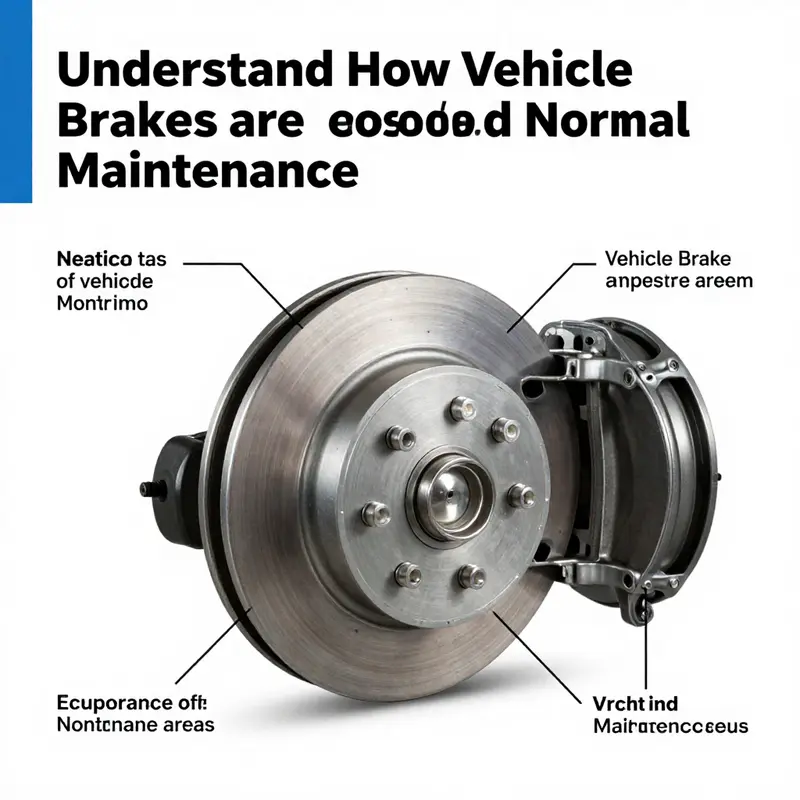
Brakes are not a flashy feature, yet they are the quiet guardians of every trip. In most vehicle maintenance plans, brake care is treated as a standard, expected task rather than a problematic or optional expense. The logic is simple: the braking system is a critical safety component that endures constant wear from stopping, starting, and the heat generated by friction. Because wear happens as a natural consequence of daily driving, brakes fall squarely into the category of normal maintenance. Rather than waiting for a warning light, prudent vehicle owners schedule regular inspections and servicing to keep the system functioning as it should. This approach aligns with how people manage other essential systems in their cars—tires, fluids, and the engine—through predictable checkups that catch issues before they become safety risks or expensive repairs.
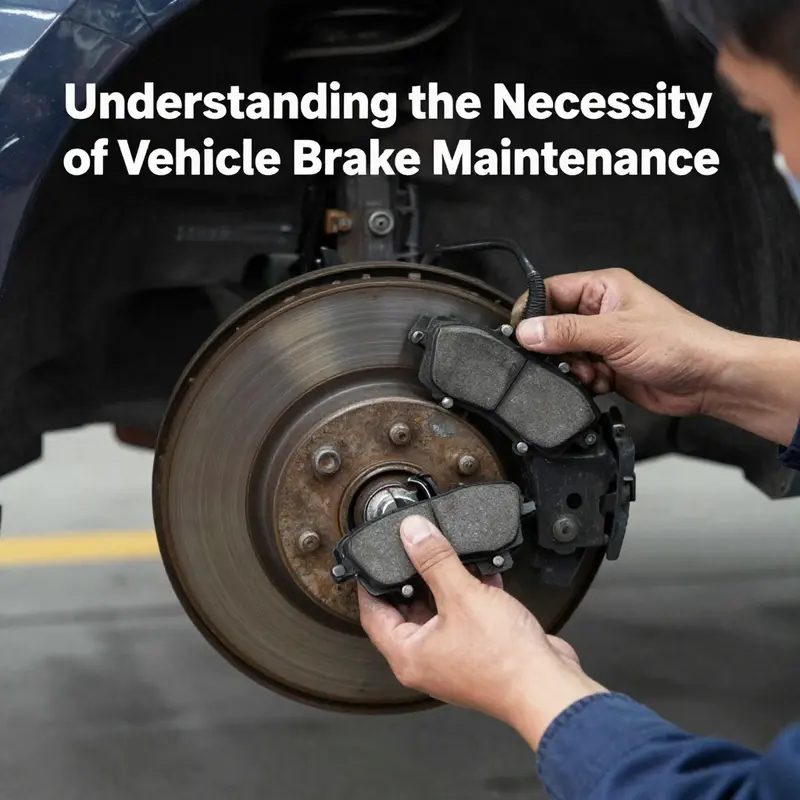
The idea of wear and tear is foundational to understanding brake maintenance. When you slow down and come to a stop, the brake pads press against metal rotors. That contact is intentional, but it also wears away material. Over time, pads become thinner and rotors develop grooves or a rough surface. The result can be a subtle change in braking feel—sometimes a firmer pedal, sometimes a softer one, perhaps accompanied by a squeal or vibration. These are not anomalies; they are signals that the braking system is gradually reaching the end of its current life cycle and will require service. Recognizing wear as a normal, ongoing process helps drivers plan for maintenance rather than react to emergencies.
From a safety perspective, the link between maintenance and performance is direct. Regular inspection helps prevent conditions that erode stopping power or increase stopping distances. A worn pad may still stop the car, but with less bite and more pedal travel. Worn rotors can develop uneven surfaces that lead to pulsing through the brake pedal or vibrating steering wheel during braking. Fluid that ages or absorbs moisture can boil under heavy use, reducing hydraulic pressure and further diminishing effectiveness. These potential issues do not appear instantaneously; they accumulate as a consequence of use and environmental exposure. The value of routine checks lies in catching them early, when the fixes are straightforward and affordable, rather than waiting for a warning light or, worse, a near-mmiss scenario.
Given the safety stakes, many manufacturers structure maintenance around regular brake inspections. A common guideline is to inspect the brake system every 10,000 to 15,000 miles, though the exact interval varies with driving style, road conditions, and the vehicle type. City driving, with frequent stops, tends to wear brakes more quickly than long stretches on highways. Steep terrain, hilly routes, and heavy loads can also accelerate wear. The maintenance cadence should reflect these realities, adjusted by the vehicle’s design and the owner’s driving patterns. In all cases, the goal is to maintain a functional reserve that preserves optimal braking performance rather than merely addressing faults after they occur.
The practical steps of inspection cover several components beyond pads and rotors. A thorough check evaluates pad thickness and rotor surface, but it also includes brake fluid level and condition, line integrity, and the responsiveness of the system. A drop in fluid level may signal a minor leak, a calcified or contaminated fluid, or worn seals. Contamination or discoloration in brake fluid can indicate moisture ingress or a degradation of the hydraulic medium, both of which can compromise stopping power under pressure. Visual inspections should also assess for leaks at calipers, slave cylinders, and along hard lines; a small puddle is often easier to address early than a full brake overhaul later.
Within these inspections, the significance of the driver’s habits becomes clear. Short trips that rely on cold brakes, frequent stop-and-go in urban settings, or heavy braking in stoplights from higher speeds all influence wear rates. Road conditions matter, too. Wet or salty environments can accelerate corrosion on calipers and rotors, while gravel roads may cause rotor scoring. Even the vehicle’s load—the number of passengers, luggage, or cargo—can shift how quickly brakes wear. In this sense, brake maintenance is not a one-size-fits-all routine; it is a tailored practice that aligns with how the vehicle is used. That is why owners manuals and service guides emphasize consulting model-specific schedules and parameters, rather than adhering to a universal timetable.
A proactive maintenance mindset yields tangible benefits beyond safety. When brakes are serviced on schedule, the lifespan of other brake components tends to extend as well. For example, properly cleaned and lubricated calipers can operate more smoothly, reducing uneven wear. Fluid systems that are flushed and refreshed on recommended intervals help prevent corrosion in metal passages and seals, maintaining consistent hydraulic response. This proactive approach can also prevent more costly repairs down the line, such as rotor resurfacing or replacement, caliper rebuilding, or brake line repairs triggered by neglect. In short, routine brake care is a small, steady investment that pays off through reliability, safety, and lower total ownership costs.
For readers seeking authoritative guidance on schedules and procedures, the owner’s manual for each vehicle remains the primary resource. It is the most reliable source for model-specific intervals and service requirements. In addition to manufacturer guidance, respected safety organizations offer expansive information about brake systems and maintenance philosophy. These sources emphasize that brakes are not a “set-and-forget” system; they require ongoing evaluation as part of normal maintenance. The underlying message is clear: treat brakes as a safety-critical, wear-prone component and integrate their care into regular vehicle upkeep rather than treating them as a separate or exceptional repair topic.
To connect the maintenance philosophy to broader understanding, consider how maintenance basics frame brake care within the overall health of a vehicle. A foundational concept is that routine maintenance is a system-wide investment intended to prevent failures and preserve performance. If you explore the broader landscape of what constitutes vehicle maintenance, you’ll find a coherent approach that values proactive checks, timely replacements, and informed decision-making. For a concise overview of maintenance fundamentals, see What is vehicle maintenance
As you reflect on how this chapter threads into the larger article, the central idea remains: brakes are a normal, essential part of vehicle maintenance, not an afterthought. This frame supports a practical approach to car care, where brake inspections become a regular, expected practice rather than a crisis-driven response. The next sections will naturally extend this framework by examining how drivers can establish a dependable maintenance routine, how to recognize early warning signs that merit attention, and how to navigate the costs and choices that come with brake service.
External resources provide additional context for brake safety and system design. For a comprehensive, externally validated reference on brake safety systems and guidelines, see the authoritative safety information from the National Highway Traffic Safety Administration (NHTSA) at the end of this discussion: https://www.nhtsa.gov/vehicle-safety/brake-systems.
Internal link: For more on how routine care fits into the broader concept of vehicle maintenance, readers can start with a general overview of maintenance principles at What is vehicle maintenance.
Brake Check Cadence: Why Regular Inspections Are a Core Part of Normal Vehicle Maintenance
Brakes sit at the center of safe driving, acting as the primary interface between a driver and the vehicle’s most critical safety system. In the broader view of vehicle upkeep, brakes are not an optional add-on but a central component of normal maintenance. Keeping them reliable requires a thoughtful cadence—an inspection rhythm that reflects how the car is used, the road conditions it faces, and the aging of its parts. When viewed through this lens, brake maintenance becomes less about reacting to a problem and more about practicing a disciplined, preventive routine that protects both lives and investment. The core idea is straightforward: regular brake inspections should be scheduled as part of routine service, much like oil changes, tire rotations, and fluid top-offs. This outlook aligns with high-quality standards and practical realities, recognizing that the effectiveness of the braking system depends on a combination of wear, performance, and the surrounding environment. The brakes are a wear-prone system where friction materials, hydraulics, rotors, and sensors all degrade with time and use. Regular checks help catch wear early, prevent imminent failure, and guide informed decisions about service intervals and replacement parts. The important takeaway for drivers is that brake inspection is not a one-and-done event tied to a single mileage milestone. It is a dynamic process that adapts to how the vehicle is driven and where it is driven. The frequency of inspection, in other words, is less a fixed rule and more a practical standard that reflects reality on the road. A reasonable starting point, widely echoed in maintenance literature, is to inspect the braking system every 10,000 to 15,000 miles or every 6 to 12 months, whichever comes first. This interval provides a reliable baseline for many vehicles and driving patterns, ensuring that pads and rotors are sound, hydraulic fluid remains uncontaminated, and the overall system remains functional. Yet the real world rarely respects a neat schedule. For vehicles that spend substantial time in heavy urban traffic, the demand on brakes increases markedly. Frequent stop-and-go driving accelerates pad wear, creates greater rotor surface interaction, and can stress calipers and hydraulic lines in ways that conservative highway cruising does not. In such urban environments, a shorter cadence—roughly 5,000 to 8,000 miles (8,000 to 13,000 kilometers) or every 6 to 12 months, whichever comes first—often proves prudent. The logic is simple: stop-and-go cycles generate more heat, more friction, and more potential for moisture and contaminants to affect braking efficiency. Under these conditions, early detection of wear and subtle changes in braking feel becomes a safeguard before a minor issue escalates. Aggressive driving further complicates the picture. Drivers who frequently perform hard stops or rapid deceleration place additional stress on the friction materials and the hydraulic components. A suggested approach for such drivers is to examine the brakes every 8,000 to 12,000 miles (13,000 to 19,000 kilometers) or about every 6 months, whichever comes first. This cadence recognizes that the same driving pattern that yields a sporty feel can hide the early signs of uneven wear, glazing, or caliper sticking that may not be obvious at a casual glance. Conversely, those who spend most of their miles on highways or who maintain a calm, conservative driving style may extend the interval somewhat. For highway-oriented or smoother driving, the standard range can be pushed to 15,000 to 20,000 miles (24,000 to 32,000 kilometers) or up to 18 to 24 months, again with the caveat that annual checks remain essential. The distinction is not a license to ignore brakes; it is an acknowledgment that usage patterns truly shape wear rates and inspection needs. In both cases, time also matters. Brake fluid is sensitive to age and moisture, and even a low-mileage vehicle can accumulate degraded fluid that reduces braking efficiency or invites corrosion within the hydraulic system. For older vehicles—typically those over five years old—annual brake system checks become a prudent minimum, regardless of mileage. Components age and seals lose elasticity, and small leaks can creep in with time. This aging dynamic underscores a simple but important guideline: time-based checks should accompany mileage-based schedules, offering a safety net when wear occurs slowly but steadily with age. Across all usage profiles, the owner’s manual remains the most reliable reference. Manufacturers tailor service intervals to the specific design, materials, and tolerances of each model. The manual may reveal particular cautions about rotor thickness, pad material, or fluid type that influence the recommended inspection cadence. When in doubt, following the manual ensures alignment with the vehicle’s engineering intent. The cadence described above is a practical framework, but the true value lies in how the inspection is conducted and what is looked for during each visit. A comprehensive brake inspection goes beyond a cursory glance. A technician should examine brake pads for thickness and uneven wear, scrutinize rotors for scoring, grooves, glazing, and suitable surface finish, and evaluate rotor runout. Calipers should be checked for sticking or seized movement, which can cause uneven braking and rotor damage. The brake lines and hoses need to be inspected for cracks, bulges, or leaks, and the master cylinder and wheel cylinders must be evaluated for leaks and proper pressure. Fluid level and quality demand attention, with attention paid to moisture content, color, and contamination. A healthy braking system should also exhibit consistent pedal feel, reliable ABS activation if equipped, and predictable response when the brake pedal is pressed under different loads. Even if the vehicle stops smoothly, the inspection should test for creeping pedal travel, unusual vibration, or a soft or sinking pedal that could signal fluid loss or air in the hydraulic system. For the driver, the practical upshot is that some signs are clear and immediate, while others are more subtle. A squeal or grinding sound is a potential warning of pad wear or rotor damage. A soft or spongy pedal, a sense of brake fade during repeated stopping, or pulling to one side when braking can indicate imbalanced wear, fluid issues, or a caliper problem. These signals justify a closer look, even if the vehicle was deemed okay at the last visit. The goal of maintaining a consistent brake inspection cadence is straightforward: maximize stopping reliability, minimize the chance of a surprise failure, and extend the life of the braking components. When brakes are treated as normal maintenance, the vehicle’s overall reliability improves, and resale value often benefits too. The discipline also has a reinforcing effect: it keeps drivers mindful of how their driving style affects wear, encouraging smoother braking, more anticipatory stopping, and timely maintenance decisions. For readers who want to connect brake maintenance with the broader picture of vehicle care, consider the idea that brakes are integral to the trust between driver and machine. The relationship hinges on clear feedback—how well the car responds to the brake input, how quickly it settles into a stop, and whether warning signs are recognized and addressed. In this context, the phrase what is vehicle maintenance takes on a more concrete meaning. It is not a vague umbrella term but a practical, actionable plan that includes brakes as a core element. If you want to explore that broader concept further, you can read about What is Vehicle Maintenance. What is vehicle maintenance. As you consider your own pattern, remember that the cadence is not a rigid rule but a tailored schedule that reflects your vehicle’s age, your climate, and your driving habits. The most important decision is to commit to a regular brake check as part of routine maintenance. And that commitment pays dividends in safety, confidence, and peace of mind on every trip. For those seeking additional technical guidance on brake inspections and standards, external resources provide a formal framework that complements hands-on practice. See the standard referenced in the automotive maintenance community for materials and criteria that govern inspection thresholds and service recommendations. External resource: https://www.sae.org/standards/content/USCAR-22_202405/
null
null
The Economic Case for Normal Brake Maintenance
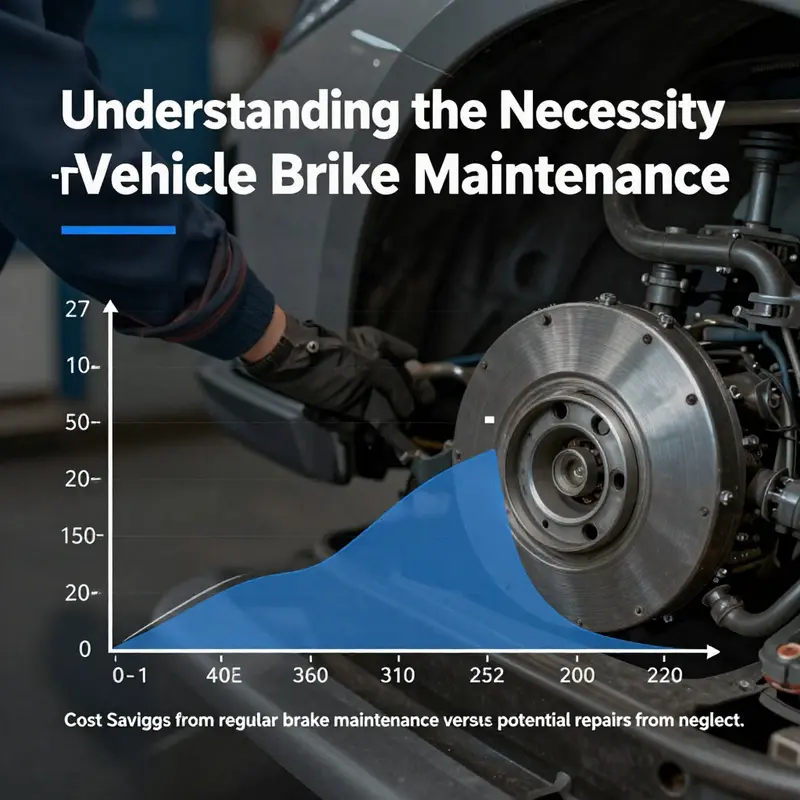
Brakes aren’t just a safety system; they are a cost element that, when serviced regularly, lowers the total cost of ownership. Addressing worn pads, warped rotors, and fluid issues early prevents more expensive repairs, preserves braking performance, and supports better fuel economy. Preventive maintenance generally costs less than emergency repairs and helps protect resale value. Routine checks—pad thickness, rotor condition, fluid level, and system integrity—are inexpensive habits that pay dividends over time. Treating brakes as part of normal maintenance helps manage risk, stabilize monthly costs, and improve long-term reliability. For context, see Saferoads’ discussion of brake maintenance and its economic impact: https://www.saferoads.org/brake-maintenance-and-its-economic-impact. Additional reading on maintenance and fuel costs is available at https://vehicletricks.com/blog/how-vehicle-maintenance-saves-on-gas-expenses/.
Final thoughts
Maintaining your vehicle’s brakes is not merely a suggestion but a fundamental aspect of normal vehicle maintenance. With safety as a priority, regular inspections, along with adherence to best practices, are essential for preserving the integrity of your vehicle and ensuring efficient operations. As demonstrated throughout this article, forfeiting or delaying brake maintenance can lead to significant safety hazards and financial implications. By prioritizing brake maintenance within your vehicle upkeep regimen, you position your business for enhanced safety, performance, and cost efficiency.