
For business owners, the longevity of a vehicle is critical to ensuring smooth operations and maximizing investments. Routine maintenance activities not only enhance the lifespan of vehicles but also directly impact profitability and reliability. Understanding maintenance strategies—like oil changes, tire care, brake inspections, and filter replacements—can help business owners save on costly repairs and downtime. This guide delves into these essential practices, providing a detailed roadmap to keep your fleet running efficiently and effectively.
The Engine’s Lifeblood: How Regular Oil and Filter Changes Prolong Vehicle Life
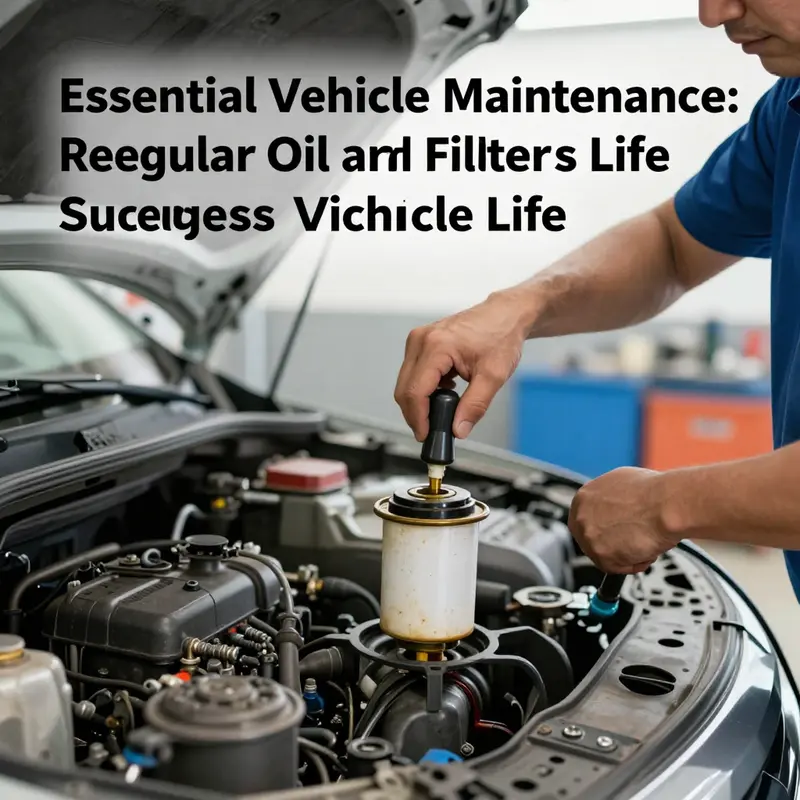
The longevity of a vehicle starts where most drivers least expect to pay attention: the oil pan. Engine oil is more than a lubricant. It is a cooling agent, a cleaner, and a protective shield against metal-on-metal wear. Over miles and time, oil breaks down. It becomes darker, thicker, and more contaminated with tiny particles from normal combustion, tiny bits of metal from engine wear, and byproducts of fuel that hasn’t burned perfectly. When that happens, the oil loses its efficiency. It can no longer cling to tight tolerances with the same vigor, and the engine begins to work harder for the same result. The result isn’t immediate dramatic failure; it’s a slow erosion of performance, efficiency, and durability. That erosion, left unchecked, is the road to costly repairs and shortened engine life. It is also the clearest, most effective place to start when building a maintenance routine designed to extend a vehicle’s life.
Oil and filter changes are more than routine chores; they are the central practice that keeps the engine’s inner world clean, cool, and properly lubricated. Fresh oil coats moving parts with a film thick enough to cushion the tiniest, most critical tolerances. It carries away heat from places that run hottest, and it suspends contaminants so they can be captured by the oil filter rather than scratching metal surfaces. The oil filter, in turn, acts as the engine’s vacuum cleaner for particulates, catching microrust, metal shavings, and soot before they circulate. When oil and filter are changed together at the right intervals, you are effectively renewing the engine’s bloodstream and preserving the vitality of its heart.
The recommended interval for changing oil and the filter is not a one-size-fits-all directive. It is a function of several variables: the type of oil used, the engine design, the climate in which the vehicle operates, and how the vehicle is driven. The literature and expert guidance converge on a practical baseline: for many vehicles, a change every 3,000 to 5,000 miles (about 4,800 to 8,000 kilometers) with conventional oil provides robust protection. When synthetic oil is used, many engines can go longer between changes, often stretching toward 5,000 to 7,500 miles (8,000 to 12,000 kilometers) or more, depending on manufacturer recommendations and driving conditions. Still, the key message remains steady: follow the manufacturer’s interval in your owner’s manual, and treat that interval as a floor, not a ceiling. If you drive in extreme heat or extreme cold, tow heavy loads, or shuttle through dense city traffic with frequent stops, the oil performs more work and may degrade faster. In those scenarios, a more frequent change schedule is prudent. If your day-to-day rhythm is long stretches of highway driving in moderate weather, you might reasonably get closer to the upper end of the interval. The important point is to use the interval as a navigational beacon—the point at which you refresh the lifeblood rather than the latest guess at the engine’s needs.
From a practical standpoint, changing the oil and the filter together makes good sense for several reasons. First, an old filter struggles to remove contaminants as efficiently as a fresh one. If you leave the old filter in place while pouring new oil, you reintroduce debris into the freshly lubricated system. Second, the old filter is already saturated and can become a bottleneck for the new oil, reducing flow and lubrication just when you need it most. Third, the act of changing the filter ensures that any particulates trapped in the old filter are not reintroduced into the system when the engine is restarted with fresh oil. Together, these pieces of maintenance form a simple, powerful shield that can prevent the kind of friction and overheating that accelerate wear.
For anyone who wants to translate these general guidelines into a plan that fits their vehicle, it helps to think in terms of both time and mileage. Manufacturer recommendations are the best starting point, but you should also consider your own driving conditions. Short trips where the engine never fully warms up place a heavy demand on the oil, because cold oil is thicker and takes longer to lubricate the engine’s parts. Stop-and-go city driving increases the oil’s workload and introduces more fuel and moisture into the oil, especially if you frequently drive in stop-and-go traffic in warmer climates. Rural or highway cruising with steady RPMs presents a different pattern: the oil remains hotter for longer, which can accelerate oxidation and thinning rules. In heavy climates—extreme heat or bitter cold—the viscosity and performance envelope of the oil are tested more aggressively, and the interval may shrink accordingly. In practice, many drivers find it worthwhile to shorten the interval a notch when operating under harsher conditions, or to lengthen it if their vehicle and oil allow for it and the driving profile is consistently gentle.
An important part of turning these guidelines into a real-world routine is education and accountability. The owner’s manual is the primary source of truth about what your engine needs and how often the oil and filter should be changed. The manual will specify the recommended viscosity grade and the change interval for your vehicle’s engine. If you are unsure about the right oil for your particular engine, there is value in consulting reputable, technical resources that discuss oil type and its impact on long-term engine health. For readers seeking deeper guidance tailored to their vehicle’s make and model, there is a useful reference on oil type for optimal performance that explains why certain oil specifications are critical for particular engines. The resource emphasizes the idea that the right oil is not merely about chasing a viscosity number but about matching an oil’s chemistry to the engine’s design and operating conditions. See the guide on oil type for optimal performance for more detail.
Beyond the obvious mechanical benefits, there is a broader financial logic to oil and filter changes. Clean oil minimizes wear, which translates into fewer part replacements and lower fuel consumption over the life of the vehicle. While every maintenance decision involves an upfront cost, delaying an oil change can create a chain reaction that ends with more expensive repairs, reduced efficiency, and potential downtime. When you routinely refresh the engine’s lubrication system, you also protect the engine’s seals from drying and cracking, reduce the risk of sludge formation, and help the cooling system keep temperatures within safe limits. In short, oil changes are a cost-effective form of preventive medicine for an aging engine.
The practical routine of performing oil and filter changes also has a social dimension. Many drivers do not realize how dependent the engine is on clean oil during the earliest years of a vehicle’s life. Yes, a well-maintained engine can last well beyond the point where it starts to feel “new.” Yet that potential is not automatic; it requires steady, deliberate attention to the engine’s lifeblood. The act of scheduling and performing regular changes becomes part of a broader philosophy of vehicle care: the car is a living system that rewards predictable care with steady performance, reliability, and resale value. When you commit to a routine, you also become better at recognizing other maintenance signals—engine lights that come on during a long road trip, unusual noises at startup, or changes in oil color and texture. These signals, properly interpreted, allow you to intervene before minor problems become major failures.
In today’s maintenance ecosystem, there is value in pairing oil-change discipline with a broader service plan. While you do not want to overwhelm any single maintenance activity with multiple tasks, the practice of oil and filter changes strengthens the engine’s overall health and supports the life-longevity goals of the vehicle. This is especially true when the routine is embedded within a larger cadence that includes tire care, brake system checks, air and cabin filters, and cooling-system maintenance. Taken together, these activities form a comprehensive program that keeps the vehicle dependable, efficient, and safer to drive over many years.
As you consider the practicalities of implementing this routine, you might encounter the question of how to choose the best service schedule for your vehicle. An effective approach starts with a careful assessment of your manual, your driving patterns, and your local climate. If you drive a vehicle in a region with extreme temperatures, or you frequently tow heavy loads, or you do a lot of urban driving with short trips, you should plan for more frequent changes. Conversely, if your driving profile consists mainly of long highway trips in temperate weather and your engine shows no warning signs of distress, your interval could be closer to the longer end of the manufacturer’s recommendations. In all cases, do not rely on memory alone. Maintain a simple log of service dates and mileages, and set reminders to help you stay aligned with the recommended intervals. That small habit pays dividends in engine health and long-term cost savings.
If you want a more personal touch for your maintenance plan, consider seeking guidance from a trusted local technician who understands your vehicle’s chipsets, engines, and lubrication requirements. A qualified technician can review your driving patterns and provide a recommendation that respects the manufacturer’s specifications while accounting for your climate and usage. They can also help you interpret changes in oil color—an indicator that some engines may require attention earlier than the standard interval—or adjust the plan in response to unusual driving conditions. For a broader sense of how these decisions play out in the real world, you can explore practical, vehicle-specific perspectives on oil care and maintenance within reputable automotive resources. This can help you translate the theory of lubrication into a concrete, actionable schedule that fits your life.
A final note on the mechanics of the process is worth considering. When you schedule an oil and filter change, you are not simply replacing a consumable; you are asking the engine to start fresh, with a new buffer against heat and debris. The sense of renewed efficiency that follows a well-timed oil change is not merely anecdotal. It is observable in smoother idle, more consistent engine response, and, often, a measurable improvement in fuel economy. It is not a miracle cure, but it is a reliable ally in extending the life of the engine. And since the engine that lasts longer also typically performs more reliably in everyday driving, keeping this part of the engine in top shape is one of the simplest and most effective ways to protect your investment and enjoy years of dependable transportation.
For readers who want to connect this guidance with additional maintenance topics in a broader care plan, consider the wider context of vehicle upkeep. Regular oil changes complement tasks like tire inspection and rotation, brake checks, air filter replacement, coolant monitoring, and battery health. When all these elements are addressed in a timely, proactive fashion, the vehicle’s life—and its ability to serve you reliably—grows substantially. The relevant maintenance narrative extends beyond the engine block to the entire vehicle’s health. As you adopt a disciplined approach to oil and filter changes, you will notice how every other maintenance habit reinforces this central practice, creating a virtuous circle of longevity that extends beyond seventy thousand miles and well into the vehicle’s second, third, or even fourth life on the road.
In closing, the message is straightforward: treating oil and filter changes as a strategic, essential habit, aligned with the manufacturer’s guidance and tailored to your driving reality, is the most direct route to a longer-lived engine. The science is clear—clean oil reduces wear, controls heat, and prevents sludge—and the practical benefits are tangible in smoother performance, lower repair risk, and sustained resale value. The routine may seem simple, yet its impact on the vehicle’s life is profound when you apply it consistently and thoughtfully. For readers who want to deepen their understanding of oil choices and how they relate to engine longevity, the oil-type guide mentioned earlier offers a clear map to make the best, engine-friendly choice for your next oil change.
Internal link example: If you’re curious about the best oil type for your engine, explore the guide on oil type for optimal performance for a deeper dive into viscosity, synthetic blends, and how to match oil to your vehicle’s specific needs.
External resource you can consult for practical oil-change guidance: Certified Automotive’s detailed guide on regular oil changes to increase vehicle life.
Internal resource for further context on oil type considerations: Learn more about oil type and performance in the guide on oil type for optimal performance.
null
null
Brakes as Lifelines: Regular Brake System Checks That Prolong Your Vehicle’s Life
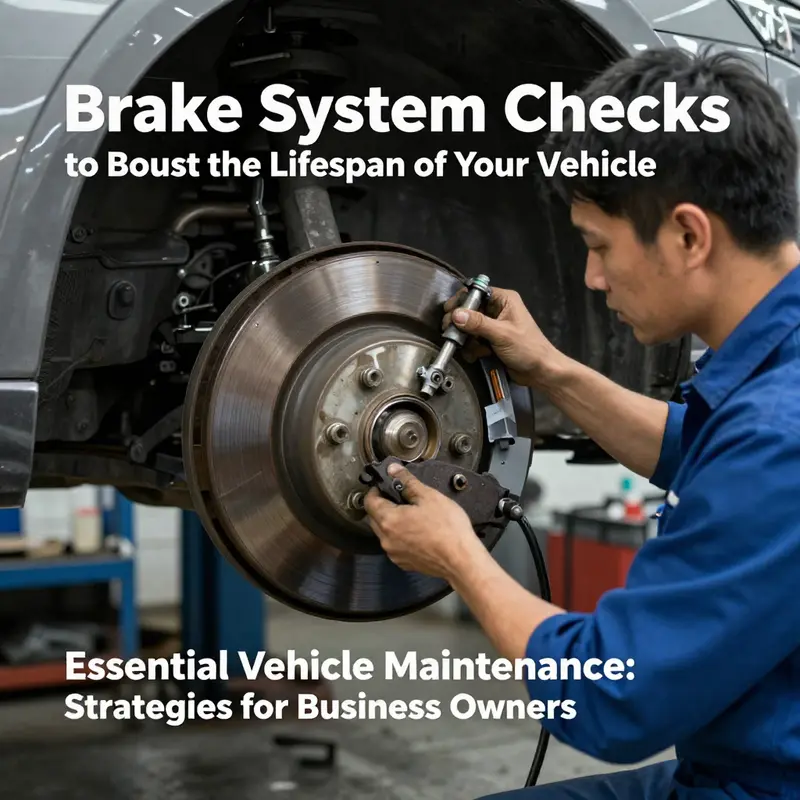
The braking system is more than a safety feature. It is a critical engine of longevity for a vehicle, absorbing heat, wear, and the inevitable friction that comes with every stop. When you think about extending the life of your car, you tend to focus on oil, filters, tires, and the cooling system. Yet brakes quietly influence how long those other components last. The way you stop a car shapes tire wear, guardians a safe trajectory for thousands of miles, and governs the stress that appears on suspension and steering components. Regular brake checks are not just about avoiding a sudden stop failure; they are about preserving the harmony of your vehicle’s vital systems and, in the long run, keeping ownership costs predictable. In practical terms, this means building a routine that treats the braking system as a living, wearing part that speaks to you through warning lights, unusual noises, and changes in pedal feel. When you listen and respond, you invest in a smoother, safer, and longer life for the entire machine you rely on every day.
A pivotal cue in this maintenance dialogue is the dashboard warning light that signals a brake issue. The illuminated “Check Brake System” indicator is not a nuisance banner to be ignored; it is a concise message from the car’s sensor network. It can point to a range of conditions from a low brake fluid level to pad wear or even a leak in the braking lines. Each cause carries its own implications for safety and for the lifespan of brake components. Addressing these concerns promptly does more than prevent an accident; it protects rotors from excessive damage, cushions the strain on calipers, and reduces the incremental wear that adds up over thousands of stops. The careful driver who treats this signal as a call to action commonizes safety with thrift, because a small, timely intervention often averts far more expensive repairs later on.
To translate the warning into a reliable maintenance practice, envision brake checks as a short sequence you can perform with basic attention and no special tools. First, the brake fluid level is a straightforward indicator of system health. Open the hood and locate the fluid reservoir; assess whether the level sits between the marked MIN and MAX lines. If the fluid sits below the minimum, the cause could be a leak somewhere in the lines or a sign that the brake pads have worn enough to require more fluid due to increased master cylinder travel. In either case, this is a signal you should not delay diagnosing. Importantly, always use the correct fluid type specified for your vehicle and avoid overfilling, which can damage seals and hoses. Small mistakes here compound quickly because brake fluid is not just a lubricant; it also transmits hydraulic pressure across the system. A tiny mistake becomes a costly problem when it affects the master cylinder or the integrity of rubber seals.
Second, a visual and tactile inspection of the brake pads offers a direct read on life expectancy. Many modern vehicles embed wear indicators that cause the pad to trigger an automatic warning when thickness falls below a safer threshold. Where such indicators exist, they provide a clear cue to replace the pads before the braking surface becomes inadequate. In pads without wear sensors, you can monitor wear by listening for sound cues. A high-pitched squeal, especially when the car is braking lightly, can be the first audible sign that metal is contacting rotor material. A grinding sound is a more urgent signal indicating that the pads are likely exhausted and the rotors have begun to suffer. Either scenario should prompt a professional inspection and, typically, pad replacement. Prompt attention here protects rotors from scoring and glazing, which, in turn, preserves braking efficiency and reduces the likelihood of rotor resurfacing or replacement in the near term.
Third, the thorough examination should extend to the brake lines and hoses themselves. The hoses, which carry pressurized fluid to the calipers, can develop cracks, bulges, or leaks under pressure. A tiny leak may not be obvious at a glance but can undermine braking performance and result in uneven braking force that compounds tire wear and handling issues. If you notice dampness around joints or listen for an unusual hiss when applying the brakes, that should trigger a professional check. A line that leaks or a hose that is compromised never heals itself; it only worsens with heat, vibration, and age. In those moments, a swift repair or replacement helps sustain consistent stopping power and prevents the cascade of problems that could degrade tires and suspension.
Fourth, with the brakes’ electrical and lighting systems increasingly integrated into modern vehicles, a quick check of the brake lights is worth including in routine inspections. A failure of the brake switch or a problem with the lighting circuit may not reduce stopping power directly, but it creates a dangerous blind spot for following drivers and can indicate upstream issues in the brake system’s control architecture. Ensuring the lights illuminate when you press the pedal reinforces safety and avoids the consequence of a misread road situation that could lead to abrupt maneuvers or unnecessary tire wear.
This sequence—fluid level, pad condition, lines and hoses, and the brake lights—frames a practical approach that any driver can adopt. It is neither an elaborate diagnostic nor an exclusive job for a specialist; it is an accessible habit that aligns with broader maintenance rhythms. When fluid levels are stable, pads have adequate thickness, lines show no signs of leakage or damage, and the lights function correctly, you are operating within a safer, more reliable envelope. In that environment, the braking system is less likely to impose abnormal loads on other components. Tires wear evenly because a well-functioning brake system maintains stable deceleration profiles, road grip, and control. The steering system remains aligned with your steering inputs because the braking forces are balanced and predictable rather than abrupt and uneven. Over time, this balance translates into fewer repairs and a longer effective life for tires, suspension parts, and even the engine cooling system, which often benefits from moderated heat loads during steady, controlled braking.
Beyond the mechanical checks, the conditions of driving you encounter every day shape brake wear in lasting ways. Aggressive acceleration and harsh braking generate heat spikes that expedite pad, rotor, and fluid degradation. A driver who routinely stomps the pedal hard and then slides into a stop risks glazing rotors and warping calipers, often forcing early replacement of rotors or resurfacing that could otherwise have been avoided with smoother throttle and braking discipline. Conversely, gradual deceleration, anticipation of traffic flow, and smooth, progressive braking reduce heat buildup and preserve the integrity of the entire braking system. The effect on longevity is not merely theoretical; it translates into quieter operation, more consistent braking performance, and a lower likelihood of incidental damage to tires and suspension through mismanaged stops.
interfacing brake maintenance with the broader life-cycle plan for the vehicle further emphasizes its role in longevity. It is worth noting that brake wear does not occur in isolation; it interacts with tire wear, steering responsiveness, and the suspension’s capacity to absorb road irregularities. When brakes are in good order, tires experience more uniform wear because they encounter consistent deceleration forces, especially under varied road conditions. A well-cared-for braking system also reduces the risk of accidents that can lead to extensive bodywork and structural repairs. The long arc of vehicle life is, in many ways, a narrative of careful attention to the brakes as much as to oil, air filters, and cooling systems. If you consider maintenance as a holistic discipline rather than a series of isolated tasks, brake care emerges as a central pillar that upholds the entire lifecycle of the vehicle.
For readers seeking a more comprehensive frame on routine upkeep, this chapter connects with the broader maintenance landscape. The road to longer vehicle life does not rely on one big fix but on a pattern of small, timely interventions that together create a durable, reliable machine. In practice, that means scheduling regular brake inspections during service visits, especially as the car racks up miles or experiences harsher driving conditions. A mechanic’s eye can detect rotor wear, caliper sticking, or fluid contamination that a layperson might miss. The goal is not to chase every possible fault at once but to maintain a proactive rhythm that catches issues before they become expensive repairs and before they degrade the driving experience. Keeping the brakes healthy thereby protects you, your passengers, and your investment, while also bridging your daily habits with the vehicle’s aging process in a constructive, sustainable way. If you want a broader view of routine upkeep and how it supports the life of your vehicle, consider exploring the guide on vehicle maintenance basics.
In closing, the brake system’s health serves as a reliable proxy for overall vehicle well-being. It is not glamorous, but it is essential. A deliberate, mindful approach to brake checks—address warning lights promptly, monitor fluid levels, assess pad wear, inspect lines and hoses, and verify brake-light function—builds a foundation for longer-lasting tires, steadier handling, and a reduction in surprise repairs. By weaving these checks into your regular maintenance routine, you are not only preserving the safety and reliability of every stop but also improving the odds that other parts of your car will endure the miles with less interruption. To reinforce this practice with authoritative guidance, consult official safety resources, such as the National Highway Traffic Safety Administration, which offers detailed safety guidelines and recalls related to brake systems. For quick, practical reference and ongoing maintenance context, you can navigate to that authoritative resource at the end of this chapter: NHTSA safety guidelines.
Breathing Easy on the Road: Engine and Cabin Filters and Vehicle Longevity
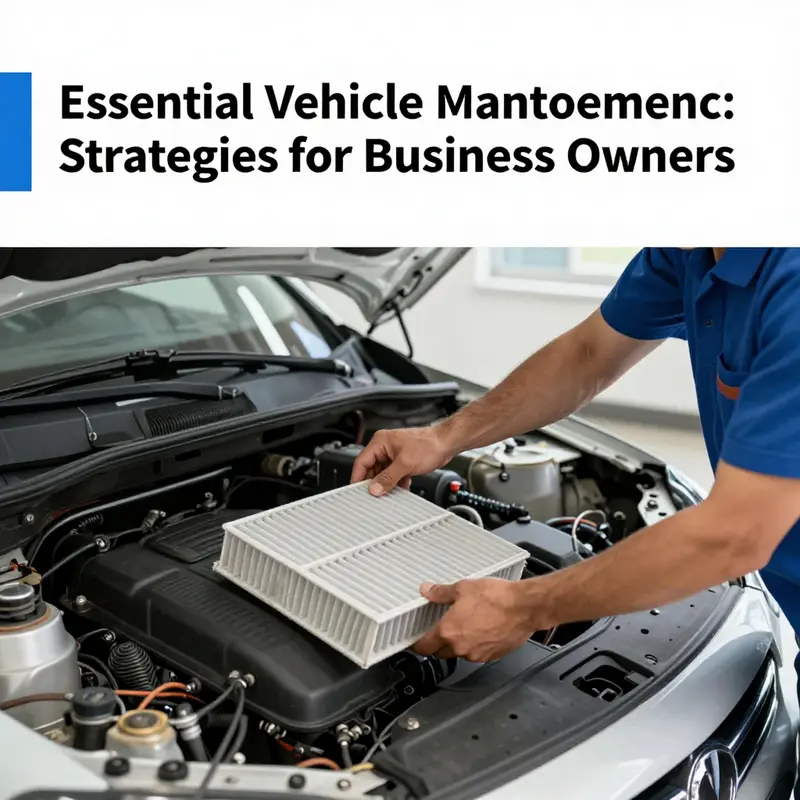
The air a vehicle breathes matters as much as fuel. The engine air filter shields the engine from dust and debris, preserving power and fuel efficiency. When the filter becomes clogged, airflow drops, the engine works harder, and wear can accumulate over time. Replacing the engine air filter at the manufacturer’s recommended intervals—typically around 12,000 to 15,000 miles, or sooner in dusty conditions—helps maintain performance and efficiency. The cabin air filter protects the interior by filtering dust, pollen, and odors. A saturated cabin filter can reduce HVAC performance and overwork the blower motor. Replace it on a similar cadence, usually every 12,000 to 15,000 miles or at least once per year, depending on environment. Regular, timely replacement of both filters supports engine longevity, better air quality, and a more comfortable driving experience. For further reading, see: https://www.carinterior.com/how-often-to-change-cabin-air-filter-in-car
Final thoughts
Maintaining your vehicles through consistent oil changes, proper tire care, regular brake inspections, and diligent filter replacements greatly enhances their lifespan and reliability. Business owners can substantially reduce repair costs and prolong vehicle efficiency by implementing these maintenance strategies. Careful attention to these details not only supports financial efficiency but also guarantees the safety and satisfaction of both drivers and customers. Prioritize these maintenance activities to ensure that your business fleet continues to perform optimally for years to come.