

Regular vehicle maintenance is crucial for business owners relying on reliable transportation. Performing basic maintenance checks not only enhances safety but also extends your vehicle’s lifespan and helps you avoid hefty repair costs. This guide will equip you with the knowledge for daily, weekly, and monthly maintenance checks, ensuring optimal vehicle performance. Mastering these essential checks will empower you to maintain your vehicle effectively and prevent disruptions to your business operations.
null
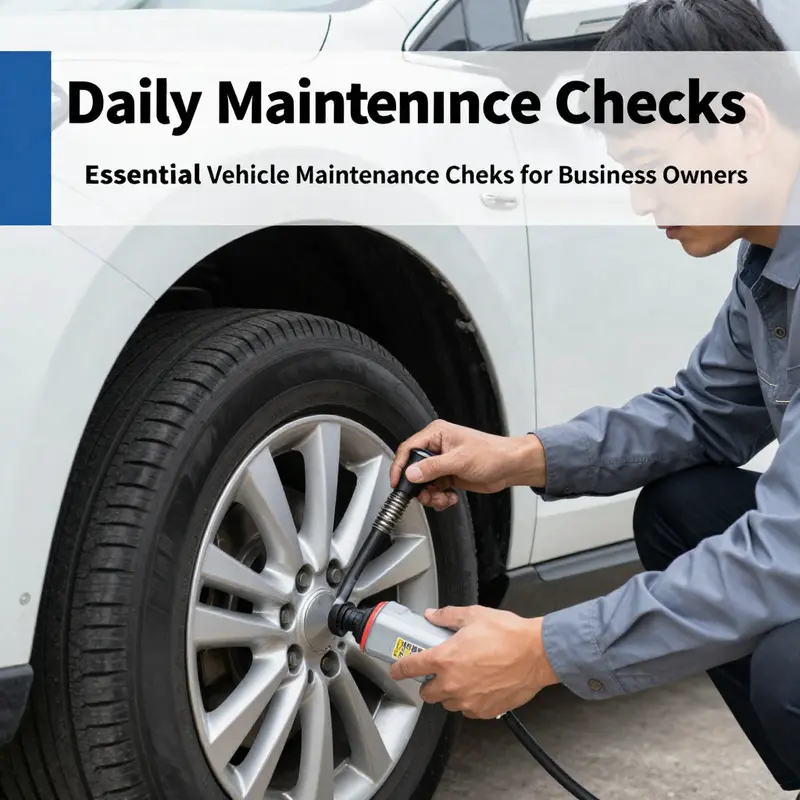
null
Weekly Vigilance: A Gentle, Effective Routine for Basic Vehicle Maintenance Checks
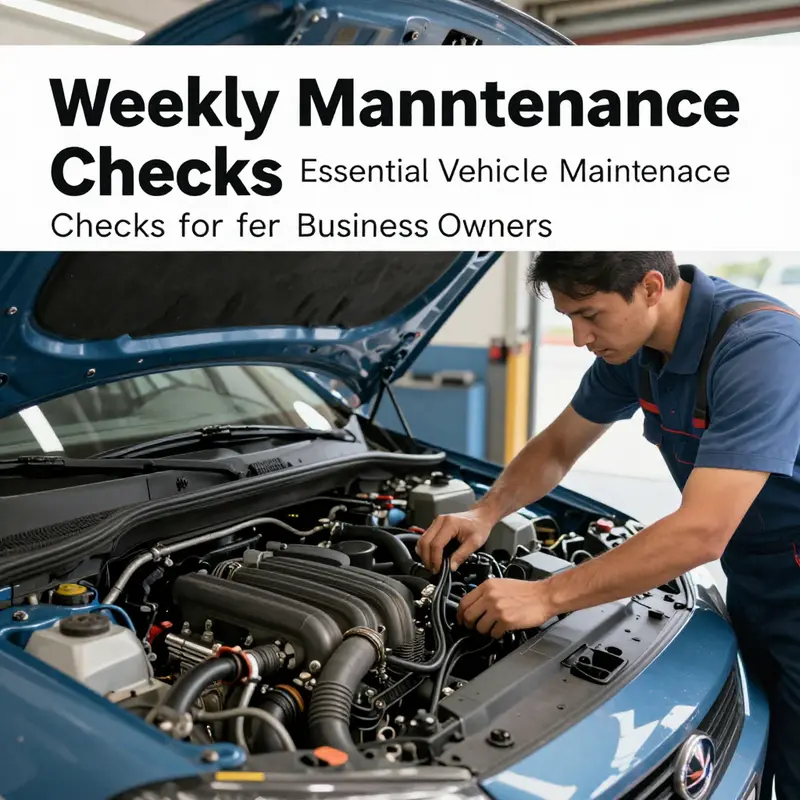
A good weekly maintenance routine doesn’t demand a full day at the shop or a pocketful of specialized tools. It is a calm, deliberate ritual that sits between your everyday driving and the more formal service schedule laid out in the owner’s manual. When you treat the week as a sequence of small, regular checks, you can spot problems before they become inconvenient or costly. This approach reflects a simple truth: vehicles are complex machines, but they communicate with you through patterns you can learn to read. A weekly glance here, a quick test there, and a careful note of anything unusual compounds into a powerful safeguard for safety, reliability, and longevity.
The core idea behind weekly checks is to focus on the systems and components that matter most for daily safety and dependable performance. You begin with tires, the only contact point between the car and the road. A quick tire inspection takes only a few minutes, yet it yields benefits that ripple through handling, fuel efficiency, and ride quality. You should examine the tires for any obvious damage—bulges in the sidewalls, cuts in the tread, or objects lodged in the tread that could puncture later. Next, you verify tire pressure and tread depth. Pressure is important because underinflated tires increase rolling resistance, which saps fuel economy and can affect braking and steering response. Most drivers will find the recommended pressures on a sticker inside the driver’s door jamb or in the manual. Check when the tires are cold, which means after the car has been parked for a couple of hours. A quick gauge reading should land in the manufacturer’s suggested range. While you’re at it, don’t neglect the spare. A tire that sits deflated or weathered can be just as dangerous as a worn main tire, and on a long trip a spare in good condition becomes a real lifesaver.
Tread depth matters for grip and braking, especially in wet or mixed conditions. Many tires incorporate wear indicators—tiny bars that become flush with the tread when it’s time to replace the tire. A practical, time-honored check is to look at those indicators and assess whether the grooves still provide adequate depth. If the tread is nearly even with the indicators, consider scheduling a replacement. While you’re checking, inspect for cuts or cracks in the sidewalls, and scan for signs of uneven wear that may point to alignment or suspension concerns. If you notice any unusual wear patterns, you might need to adjust tire pressure, rotate the tires, or seek a professional evaluation before the next trip.
Following tires, you turn attention to fluids. This is a good place to emphasize a broader perspective: fluids not only keep parts lubricated and cool but also serve as early indicators of trouble. A weekly check involves verifying levels for engine oil, coolant, brake fluid, power steering fluid, and windshield washer fluid. Start with the engine oil. Park on level ground, turn off the engine, and wait a few minutes to let the oil settle. Pull the dipstick, wipe it clean, reinsert fully, and pull it again to read the level. The reading should lie between the MIN and MAX marks. If it’s below the minimum, you top up with the correct grade of oil for your engine. The goal is not to chase a tiny discrepancy, but to notice a pattern—oil that consistently reads low could signal a leak or an aging engine seal.
Coolant is next, and it deserves careful handling. Check the coolant reservoir when the engine is cold, looking for a level between the FULL and LOW marks. Your climate matters here; in freezing conditions you want a mix that protects against freezing at your lowest temperatures, while in hot environments you’re guarding against overheating. If the level is low, you’ll need to correct it with the appropriate coolant mixture, following the vehicle’s specifications. This is not a place to improvise, because the wrong coolant can reduce performance and, in extreme cases, damage the cooling system. Windshield washer fluid is the simplest to manage. A quick fill ensures you won’t be caught with streaks across the windshield in bad weather. In winter, a winter-grade washer fluid helps prevent freezing and maintains visibility when you most need it.
A parallel line of attention goes to the braking and bushings of the vehicle, which are not always obvious at first glance but are essential for safety. The weekly check is complemented by a broader awareness: listen for changes in braking behavior and be attuned to any unusual noise or vibration when you apply the brakes. It is all too easy to suppose that a soft pull, a slight pulsation through the pedal, or a changed bite point is nothing, but those cues can be the early signs of pad wear, a caliper issue, or rotor damage. While you cannot replace pads on a weekly basis, you can detect the need for service earlier by noticing how the braking feel changes over a few days. When you rotate through the fluids and tire checks, you also remind yourself to monitor brake fluid level—this is particularly relevant if you notice more frequent brake applications on the highway or in city traffic.
Beyond tires and fluids, a weekly glance at the electrical system guards against a surprisingly common source of breakdown: the battery and its connections. The battery terminals should be clean, dry, and free of corrosion. A white or green powdery buildup is corrosion in disguise. A simple routine is to disconnect the negative terminal (if you’re comfortable with basic maintenance), clean the posts with a baking soda solution and an old toothbrush, rinse, and dry. After cleaning, reattach the terminal snugly and protect the posts with a thin layer of petroleum jelly or a commercial terminal protectant. This small step can prevent starting problems, especially in cold weather or after long periods of inactivity. While you’re in the engine bay, scan for worn hoses or frayed belts. Hoses should be free of cracks, bulges, or soft spots. Belts should have no fraying or glaze. If a belt shows wear or cracks, or if a hose feels stiff and brittle, plan for replacement. These components rarely fail suddenly, but once a problem begins, it tends to escalate quickly, stealing time and money that you would rather spend on the road.
The car’s exterior and interior safety features also deserve a weekly check. Exterior visibility hinges on clean glass and functioning wipers. A visual inspection of the windshield for chips or cracks is prudent, as even small issues can expand with temperature changes or road vibration. Wiper blades should be flexible and seated firmly on the wiper arms; if they streak, chatter, or leave unsightly patches, replacements are warranted. Inside the cabin, mirrors should be correctly adjusted for your typical seating position, and seat belts must latch and release smoothly. It is surprising how often minor adjustments and minor fixes can improve comfort and safety on a daily drive. The interior itself should be free from loose items that could distract or injure you in a sudden stop. A weekly check of the cabin for anything that could become a projectile—tools, bags, or toys left loose—helps keep the interior quiet and secure.
With these checks, a weekly routine becomes less about chasing problems and more about maintaining a stable baseline. The value lies not only in catching obvious faults but in preserving the conditions that allow the car to perform as designed. You gradually accumulate a mental log of what feels normal and what signals a change. When you notice a shift in tone, the gentle whirr of the engine, or the way the car behaves on a corner, you know to investigate further or to book a service appointment. This approach aligns with a broader philosophy of responsible vehicle ownership: maintenance is a practice of humility and attention. It acknowledges that vehicles are sophisticated machines with many subsystems that interact in complex ways, and it places emphasis on ongoing care rather than reactive repairs.
To keep the routine practical, many drivers find it helps to anchor a weekly check to a familiar habit or time slot. Some do it on Saturday mornings with a mug of coffee in hand; others turn it into a quick Sunday ritual before a family drive. The exact moment matters less than the consistency. As you move through the week, you carry a small note or digital reminder of what you checked and any observations you recorded. This habit becomes a personal diagnostic tool. If, over several weeks, you note that tire pressures drift back toward the lower end, or that the oil level gradually decreases, you will have clear data to discuss with a technician. In this way, weekly checks turn small observations into meaningful preventative maintenance rather than a mystery that ends in a roadside call for help.
An important aspect of maintaining this rhythm is knowing where to look for official, model-specific guidance. The vehicle you own carries a manual with precise specifications for your engine, cooling system, braking components, and electrical system. The manual provides the recommended service intervals and fluid types, and it explains the ranges you should expect for each reading. A good habit is to recognize that your understanding of maintenance grows as you become more familiar with your vehicle’s baseline behavior. If you want a quick, foundational definition of maintenance itself, a practical reference is available at What is Vehicle Maintenance. This resource helps you frame your weekly checks within a broader concept of care, so the routine feels purposeful rather than arbitrary.
The weekly checks you perform, while modest in time, have a cumulative impact. They contribute to safer driving by ensuring critical systems remain in good condition, and they support reliability by reducing the likelihood of unexpected failures. They also support longevity. Vehicles age not just from mileage but from the stresses of daily operation. Small, timely interventions—tightened hoses, fresh oil, clean terminals, and properly inflated tires—help keep the engine and driveline in a healthier state for longer. And the practical benefits extend beyond safety and longevity. When a car is maintained regularly, it runs more smoothly, handles predictably, and commands better resale value. The peace of mind that comes with knowing you have a reliable, well-cared-for vehicle is a reward that accrues week after week, month after month.
In practice, weekly maintenance checks naturally flow with driving patterns. You might begin by walking around the car and noting any new scratches, dents, or fluid leaks after a short trip. Even a small dark spot beneath the engine or transmission area can be a signal to take a closer look later in the week. You then listen for changes in the way the car starts, how the transmission shifts, or how the brakes respond. If you notice anything unusual in these quick tests—an unsteady idle, a faint squeal, or a pull to one side when braking—you log it and revisit it during the next check. The idea is not to achieve perfection in one sitting but to establish a reliable cadence that reveals when something has shifted from its normal baseline. By the end of each week, you should feel that the car is still a dependable partner, ready for the next journey, whether it’s a routine commute or an unexpected road trip.
In closing, weekly vigilance is a practical, nontechnical approach to vehicle care that aligns with the realities of everyday life. It respects the vehicle’s complexity while recognizing that a disciplined routine can manage that complexity. The checks you perform weekly—tire inspection, fluid levels, lights, windshield and wipers, battery condition, hoses and belts, and exterior and interior safety—are all pieces of a larger safety net. They reduce the likelihood of shocks along the way and preserve the performance you expect. If you ever feel unsure about a finding during a weekly check, remember that this cadence is a prelude to informed service decisions. The goal is to maintain a reliable baseline and to know when professional evaluation is needed. For deeper, model-specific guidance, consult your vehicle’s manual and trusted resources that translate maintenance concepts into practical steps. The habit you cultivate today is a sturdy foundation for safer, more confident driving tomorrow. External resource: https://www.dot.gov/vehicle-maintenance
Monthly Maintenance Checks: A Steady Stewardship Keeping Your Vehicle Safe, Efficient, and Ready for the Road

Monthly maintenance checks form the quiet backbone of car care. They are not glamorous, but they are powerful. When you commit to a steady, month by month routine, you create a reliable early warning system that guards safety, preserves performance, and stretches the life of every component. Think of these checks as a ritual of attentiveness that turns a complex machine into something predictable and manageable. A little time each month translates into fewer surprises on the road and less money spent on major repairs later. The idea is simple: verify, observe, and respond before minor issues become costly breakdowns. This approach aligns with the broader definition of vehicle maintenance, a concept that encompasses keeping fluids at proper levels, ensuring electrical systems work, and confirming that mechanical parts operate within their designed tolerances. For a fuller picture, see what is vehicle maintenance. what is vehicle maintenance.
As with any routine, the key is consistency and clarity. You can set aside a quiet half hour in a weekend morning, or break it into two 15 minute windows if that suits your schedule better. The main goal is to be thorough without turning the task into a scavenger hunt. Start by surveying the exterior and undercarriage, then move inward to the engine bay and electrical system, and finally check components that influence comfort, visibility, and safety. While the tasks may seem discrete, they form a cohesive picture of the car’s health when reviewed together over time. You will notice trends: a slight drop in tire pressure during cold weather, a faint oil smell after a long run, or lights that flicker at low temperatures. Each cue becomes a data point that tells you when something is drifting from normal operation.
Begin with a visual sweep of the exterior and underside. A walk around the car is not a vanity exercise; it is a quick diagnostic that can reveal fresh scratches, dents, or signs of impacts that could indicate a hidden problem. Look for fresh oil or fluid leaks pooling on the ground or dotting the undercarriage. Even small stains can be early warnings of gasket failures, worn seals, or damaged hoses. In this moment you are not performing repairs; you are recording observations and setting a baseline for future comparisons. A calm, methodical approach here makes the rest of the check more efficient because you know what counts as normal for your vehicle.
Next, turn on the lights and test the signaling system. The headlights should illuminate evenly without flicker, and both low and high beams should operate as expected. Confirm that turn signals flash on both the front and rear, and have a second pair of eyes—perhaps a passenger—verify brake lights glow when you depress the pedal. In poor weather or during long trips, the visibility provided by reliable lights cannot be overstated. If any lamp is dim or not functioning, note it and address it promptly. The same applies to the rear fog lights and reverse lights, which are often overlooked, yet they can be crucial in certain driving conditions. A single failed light is a simple replacement, but an unaddressed issue can create unsafe situations for you and others on the road.
With the exterior checked, move to the fluid levels, beginning with the engine oil. For a true reading, park on level ground and wait five to ten minutes after turning off the engine. This pause lets oil drain back into the sump so the dipstick can provide an accurate reading. Remove the dipstick, wipe it clean, reinsert it fully, and pull it out again to check the level. The target is a mark between the MIN and MAX indications. If the oil level sits below the minimum, add the correct grade and viscosity of oil for your engine. Beyond the quantity, pay attention to the oil’s appearance. Fresh oil should be amber to light brown and smooth in texture. A dark, gritty, or milky appearance suggests that an oil change is due or that there may be contamination from fuel, coolant, or particulates. Tracking the color and consistency over several months yields valuable insight into engine wear and maintenance timing.
Cooling systems deserve careful attention, too. When the engine is cold, inspect the coolant reservoir level. The instruction here is safety first: never open a hot radiator cap. In cooler conditions, the reservoir should sit between the FULL and LOW marks. Use the coolant type appropriate for your climate and vehicle, and be mindful of any changes in coolant color or odor, which can signal contamination or deterioration. If you notice a consistently low level, it may indicate a leak in the radiator, hoses, or a faulty pressure cap. A persistent issue should never be ignored, as overheating can cause severe engine damage.
Windshield washer fluid is another simple but vital check. Top up to ensure you have adequate fluid for clear visibility, especially when weather demands quick, decisive cleaning of the windshield. In winter, a winter-grade fluid with antifreeze properties prevents freezing that could render the washer unusable just when you need it most. A well supplied reservoir reduces the temptation to drive with smeared glass and distracted vision, a condition that increases risk on the road.
Tire health is critical in every monthly check. Use a reliable gauge to verify that all tires—including the spare, if you carry one—are inflated to the recommended PSI when cold. The typical range for passenger cars sits around 32 to 35 PSI, but the exact figure is printed on the driver’s door jamb sticker or in the owner’s manual. Pressure changes with temperature; cooler months can lower pressure and raise the risk of poor handling and uneven wear. Along with pressure, inspect the tread depth. The tread provides the grip that keeps the car safe in wet or slick conditions. Look for wear indicators across the tread; if the tread is flush with these indicators, it’s time for new tires. A simple penny test can be an easy field gauge: if you can see the top of Lincoln’s head when the coin is inserted with his head upside down, tread depth is insufficient. Check the sidewalls for cracks, bulges, or embedded objects that could lead to a puncture or blowout. A tire that has seen better days can undermine steering response and braking performance, which underscores why even modest tire concerns deserve attention during monthly checks.
The monthly cycle also extends to fluid levels that keep the car’s functions reliable beyond the engine itself. The windshield washer fluid was mentioned, but it is worth noting that other fluids—coolant, brake fluid, power steering fluid, and transmission fluid—also benefit from periodic sight checks, color cues, and level verification. While you may not top up everything every month, identifying a trend helps you schedule the appropriate service window before a small issue escalates. Beyond fluids, the condition of belts and hoses in the engine bay deserves a careful eye. Cracks, fraying, or obvious wear on a serpentine belt or the vacuum hoses can herald a breakdown, especially under heavy load or extreme temperatures. If any belt shows sign of wear or glazing, or if hoses appear brittle, replace them or consult a professional. The air filter, often tucked in a surprisingly compact housing, is another quick win. Remove the housing, peek at the element, and assess whether it looks dirty or clogged. A visibly dirty filter restricts airflow and reduces engine efficiency and power. If you can see the filter is clogged, it should be replaced. A clean filter helps the engine breathe, particularly in dusty or urban environments where particulates are common. Replacement intervals vary by vehicle and environment, typically between fifteen thousand and thirty thousand miles, but monthly checks are an opportunity to note when you’re approaching those numbers and to schedule service accordingly.
Electrical health is a cornerstone of reliability. Battery terminals, in particular, deserve a monthly look for signs of corrosion. White or green powdery buildup on the terminals can impede starting and charging. If corrosion is present, clean the terminals with a baking soda and water solution using a soft brush, then rinse and dry thoroughly. After cleaning, apply a thin layer of petroleum jelly or a specialized protective grease to deter future corrosion. This small maintenance step can prevent intermittent starts and dead batteries, especially during winter when temperatures stress the electrical system. While you are at it, perform a quick functional test of all interior lights and indicators. A dim dash or inconsistent gauge readings may signal a weak battery, loose connections, or a charging system issue that warrants deeper inspection.
The monthly checklist also invites attention to the hoses and belts that connect and support the engine’s circulation and power transfer. Cracks, fraying fibers, or signs of glazing are red flags that indicate a part may fail under load. Inspect not only for obvious damage but also for soft spots or bulges that betray weakness. Similarly, the air intake system deserves a careful look. The air filter’s condition directly affects engine performance and fuel economy; a clogged filter restricts air flow, reducing efficiency and power, and can accelerate catalyst wear over time. A monthly glance can catch a dirty element before a major service becomes necessary. In the same vein, the brakes require attention that blends visual checks with a sense of how the car feels when stopping. Visually inspecting brake pads through the wheel spokes can reveal thickness. A typical threshold is around 3 to 5 millimeters; thickness below that range suggests service is due. Listen for grinding or squealing noises when braking at a moderate speed, and test the car’s ability to stop straight without pulling to one side. If anything sounds unusual, do not delay; brakes are a primary safety system that benefits from timely maintenance and professional evaluation when needed.
A broader sense of the car’s health emerges when you consider wheel bearings, suspension, and the undercarriage. While monthly checks cannot replace a professional inspection, listening for unusual humming, growling, or clicking noises as you drive slowly or while turning can point toward worn bearings or suspension components that require attention. If you can safely do so, gently lifting the car and wiggling each wheel can reveal excessive play in bearings or suspension joints. This kind of check, though accessible to a careful hobbyist, should be complemented by a professional assessment if any abnormal movement or noise persists. Finally, a look at the undercarriage for leaks remains essential. Oil, transmission fluid, coolant, or differential fluid on the ground can signal a leak that needs immediate attention. Even a small puddle under the parking spot is worth noting and investigating rather than ignoring. Over time, these clues accumulate into a clear pattern of what is normal for your vehicle and what is not, which is the real payoff of a monthly routine.
In practice, the monthly maintenance cycle is not meant to replace scheduled, more comprehensive services such as oil changes, coolant flushes, or transmission work. Rather, it acts as a proactive early warning system that buys time to arrange professional service and prevents unexpected downtime. The recommended maintenance schedule in your owner’s manual provides the formal cadence for more involved tasks, including oil changes every five to seven thousand miles, coolant flush intervals, and transmission fluid changes. A monthly assessment gives you the confidence to stay ahead of these milestones and to plan around them with less stress. The beauty of this approach lies in its simplicity and its adaptability. In urban traffic, you may notice more dust and more frequent stop-and-go operation, which can accelerate wear on filters and brakes. In harsh climates, temperature swings can stress battery terminals, hoses, and seals. A monthly check tailors itself to these conditions, turning maintenance into a personalized habit rather than a rigid chore.
To keep this approach practical, treat the monthly checks as a single, flowing narrative rather than a sequence of isolated tasks. As you begin, note what is normal for your vehicle, and record any anomalies in a simple notebook or a digital log. Over months, this log becomes a personalized health report that helps you decide when to intervene. A practical mindset during these checks is to address small issues promptly. For example, if you notice slightly low tire pressure in one corner on a cool morning, adjust it and monitor that tire’s readings over the following days. If the oil look or level changes slightly between checks, plan for an oil change rather than waiting until the dipstick reads dangerously low. The goal is not perfection but reliability. A car that runs predictably is often the one that receives timely, thoughtful attention.
This monthly rhythm also dovetails with the expanding access to reliable information. If you want a broader, official perspective on maintenance practices, you can consult authoritative resources such as the NHTSA Vehicle Maintenance Checklist. This external reference complements the practical, hands-on approach described here by offering a structured framework to ensure you cover essential systems during routine checks and during more detailed inspections. While the monthly checks emphasize hands-on verification and observation, the official checklist provides a formal benchmark to validate that your personal routine aligns with widely accepted best practices. In combination, they offer a comprehensive, balanced path to safer, more dependable driving.
As you integrate these checks into your life, remember that consistency matters more than intensity. A steady habit, carried out with care, compounds into better vehicle performance and greater peace of mind. The routine should feel approachable, not burdensome. If you miss one month, do not despair. Pick up again with renewed attention, and use the observations from the previous month to guide the next steps. The longer you stay with the practice, the easier it becomes, and the more you will notice about your vehicle’s evolving health. The goal is to keep your car predictable and safe, not to chase perfection in every part of a complex machine. By adopting a practical monthly maintenance mindset, you gain a meaningful level of control over a vehicle that, for most drivers, plays a central role in daily life and personal independence.
To close this chapter, consider how the monthly checks fit into the broader maintenance journey. They are a bridge between everyday care and scheduled, professional service. They empower you to detect early signs of wear, allocate resources wisely, and respond to issues before they escalate. The monthly rhythm reinforces a deeper understanding of your vehicle, turning maintenance from a reactive obligation into an informed stewardship. For those who want to formalize their approach further, the internal resource on vehicle maintenance can provide a walking map of concepts and practices, while the external checklist from a national safety agency offers an official benchmark. Together, they form a practical, well-rounded framework for keeping your vehicle in reliable, safe condition over the long haul.
External resource for further guidance: https://www.nhtsa.gov/vehicle-maintenance-checklist
Final thoughts
In conclusion, routine vehicle maintenance checks are indispensable for business owners looking to ensure safety, enhance performance, and avoid expensive repairs. By implementing daily, weekly, and monthly checks, you not only nurture your investment but also safeguard the productivity of your operational workflow. Make these practices a habit, and enjoy hassle-free journeys in your essential business vehicles.