

Maintaining a vehicle is crucial for businesses that rely on transportation for their operations. Vehicle maintenance involves systematic procedures to keep vehicles in optimal working condition, aiming to prevent breakdowns while extending their lifespan and ensuring safety. Each chapter in this guide delves into the critical components of vehicle maintenance, from fundamental operations that lay the groundwork for effective care to strategies for inspection and replacement that safeguard your investments. Understanding these elements ensures your vehicles remain efficient, reducing costly disruptions and contributing to your overall success.
null
null
null
null
Guardians of the Ride: A Cohesive Portrait of What Vehicle Maintenance Consists Of
Maintenance of a vehicle is not a single moment of care but a sustained, interconnected practice that keeps a machine reliable, safe, and efficient over years of use. When you hear people ask what vehicle maintenance consists of, they are often thinking of a checklist. In truth, it is a cohesive system built from routine actions, interval-based services, and a mindset of prevention that threads through every mile driven. At its core, maintenance is a conversation between the driver, the fluid and mechanical systems, and the infrastructure that supports both. It is a disciplined rhythm of cleaning, checking, replenishing, lubricating, tightening, adjusting, and replacing that, when performed consistently, prevents breakdowns, preserves performance, and extends the vehicle’s useful life. This chapter aims to map that conversation into a continuous practice rather than a string of isolated tasks, illustrating how each element supports the others and why the entire cycle matters more than any single act.
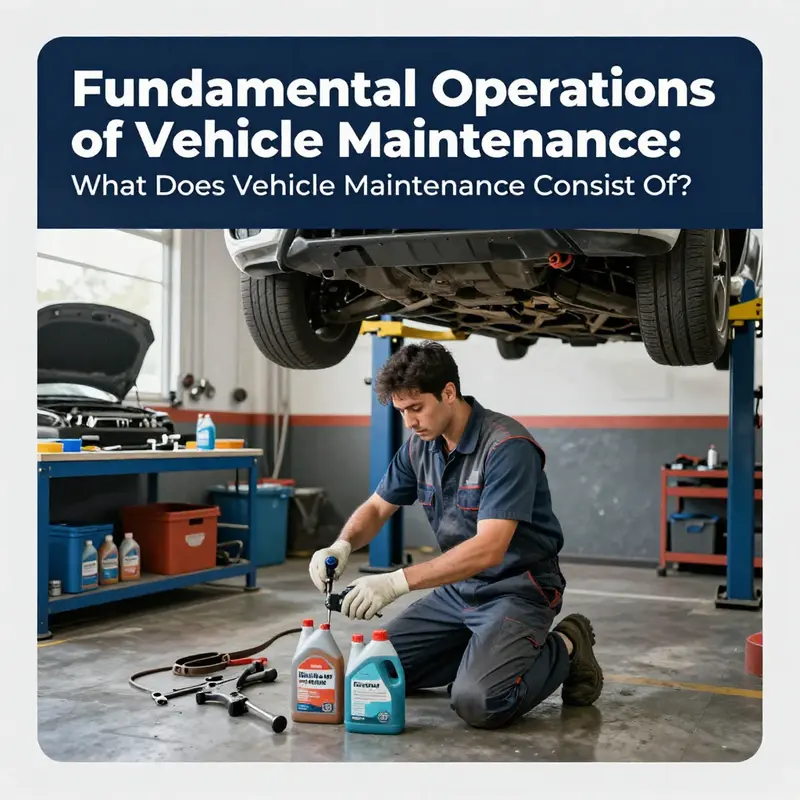
The seven fundamental operations form a natural core. Cleaning clears away dirt, grease, and debris that can insulate heat, obscure wear, or clog vents. It is not vanity; it is the first line of defense against heat retention and corrosion. When you wash the exterior, you protect the finish; when you wipe the engine bay, you reveal leaks or gallery blockages that could grow into bigger problems. Inspection follows closely, a thorough, ongoing audit of the vehicle’s systems. It is more than a glance at the gauges; it involves listening for unusual sounds, feeling for subtle changes in steering or suspension, and visually checking hoses, seals, belts, and fasteners. Replenishment, or fluid management, is perhaps the most visible and immediate aspect. Engine oil, coolant, brake fluid, transmission fluid, power steering fluid, and windshield washer fluid each occupy a critical niche. Missing or degraded fluids precipitate wear or failure far sooner than most drivers expect. The lubrication step keeps moving parts from grinding against each other, dramatically reducing friction and extending life. Tightening ensures fasteners are within specification, preventing components from loosening under vibration or thermal cycling. Adjustment fine-tunes settings to meet the manufacturer’s design parameters, from brake pedal feel to suspension geometry. Replacement handles the inevitable wear items—filters, spark plugs, belts, tires, and brake components—before they degrade into safety risks or performance penalties. Taken together, these operations create a living system that responds to the car’s age, mileage, and operating environment, rather than a one-and-done maintenance moment.
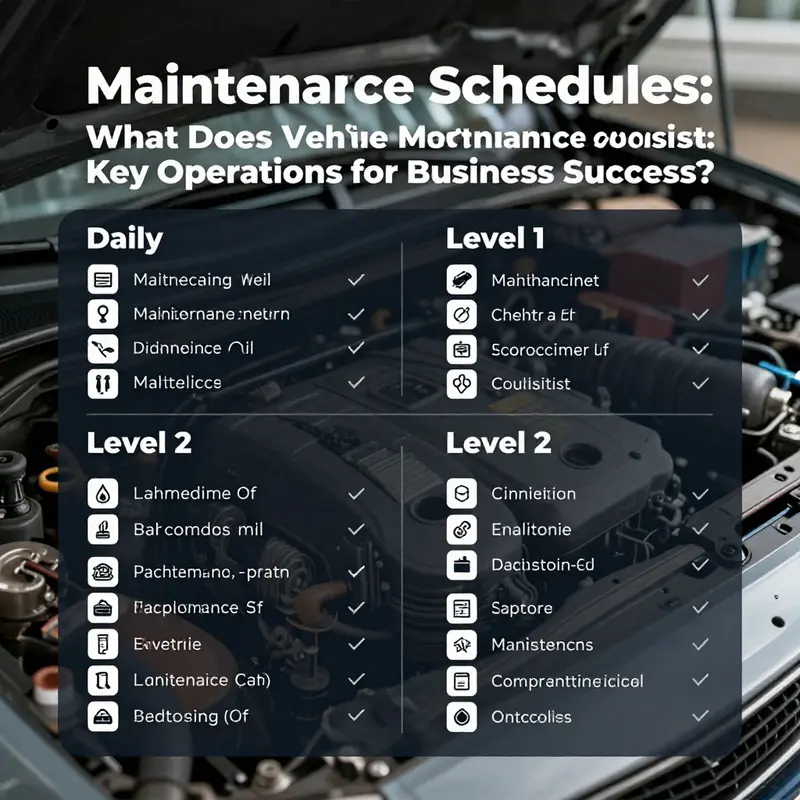
Maintenance schedules translate this living system into actionable practice. Daily maintenance is the routine a driver can perform before, during, and after trips. Checking tire pressures, fluid levels, and lights is a micro-inspection that pays dividends in fuel efficiency, safety, and reliability. But more thorough work happens at level-based intervals. Level 1 maintenance, conducted every few thousand kilometers, expands the daily checks into a more comprehensive service. It adds deeper cleaning, broader lubrication at accessible points, tightening of critical fittings, and an inspection of safety-critical components such as brakes and steering. Level 2 maintenance, targeted at higher mileage or extended service intervals, delves into diagnostic checks, more extensive adjustments, and the replacement of wear items like air filters, fuel filters, and cabin filters. The distinction between these levels helps align the work with the vehicle’s use and its evolving needs, while also balancing cost, downtime, and risk. Seasonal changes further shape the schedule. In colder climates, checks of antifreeze concentration and coolant integrity, winter tire considerations, and battery health become vital. In hot climates, attention to cooling systems and heat dissipation becomes more prominent. This seasonal tailoring underscores a fundamental truth: maintenance is adaptive rather than rigid, a dynamic practice that responds to how the vehicle lives on the road.
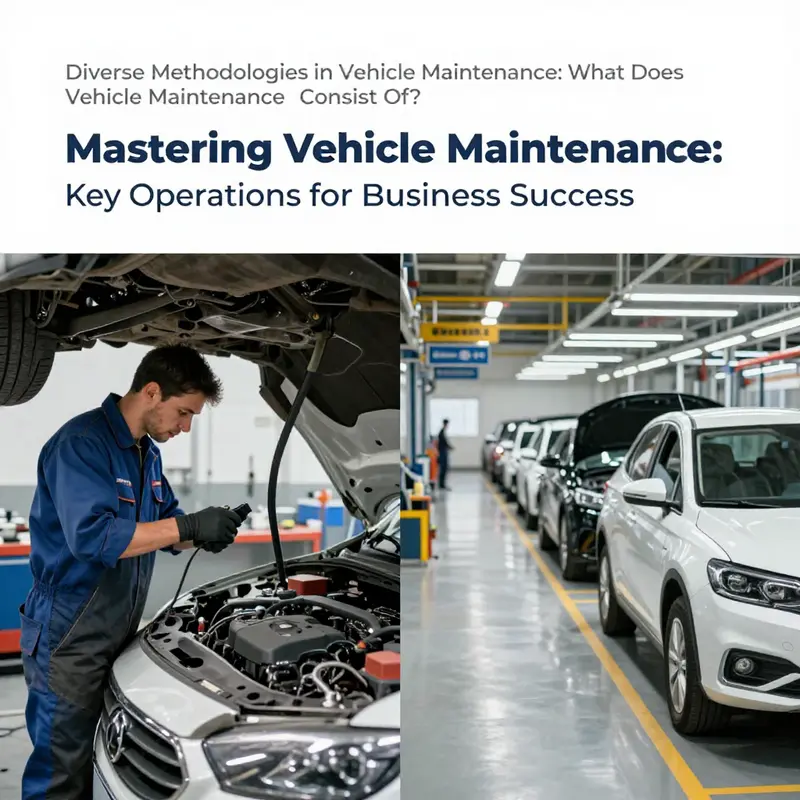
The methods by which maintenance is carried out reflect broader industrial approaches to quality and efficiency. A stationary work method emphasizes thorough, point-by-point service performed at fixed workstations. Technicians can focus on precision and repeatability, ensuring that each torque specification, lubrication point, and alignment parameter meets the exact standard. In contrast, the flow production method adopts a sequential, streamlined approach along an assembly-like path. This method champions speed and consistency across multiple vehicles, relying on standardized processes and well-timed handoffs. Both approaches have their place, depending on the shop, the vehicle type, and the service goal. The essential principle is not the method itself but the outcome: a vehicle that maintains its designed performance envelope with predictable reliability and safety.
Underlying these practical distinctions is a core principle that guides every action: prevention first. The idea is simple but powerful. Regular inspection acts as a diagnostic daily ritual, catching wear before it becomes failure. Tightening and tightening again at the right intervals prevent parts from loosening under stress. Lubrication protects bearings and sliding interfaces from premature wear, reducing friction and extending service life. Replacement items, when scheduled and executed promptly, prevent cascading failures that can involve expensive repairs or unsafe driving conditions. This preventive ethos also informs the way drivers engage with maintenance beyond the professional service bay. People who treat maintenance as a continuous practice—checking lights for visibility, listening for unusual sounds, and noting changes in how the vehicle feels—are less likely to face unexpected breakdowns and more likely to retain vehicle value over time. It is a disciplined habit that reinforces the most pragmatic truth about vehicles: they are complex machines, and their longevity depends as much on consistent care as on robust design.
An integrated view of maintenance also emphasizes the breadth of systems involved. Routine inspections and cleaning set the stage for everything that follows. The liquids—the lifeblood of the machine—include engine oil and filter changes at intervals that reflect the engine’s heat and wear profile, coolant management to prevent overheating in heat and freezing in cold, brake fluid health to preserve stopping power, transmission fluid to ensure smooth gear changes, and fluids for steering and visibility. Tire care is not merely about pressure; it includes wear inspection, rotation, and balancing to equalize tread life and maintain stable handling. Safety system checks extend to braking performance, steering and suspension integrity, electrical system function, and battery health, each linked to the other through the vehicle’s electrical and mechanical architecture. The scheduled maintenance services—Level 1 and Level 2—offer a structured path that grows with the vehicle, from essential daily care to a more comprehensive diagnostic and replacement cycle as parts wear or as the vehicle ages.
Seasonal and specialized maintenance remind us that a vehicle does not exist in a vacuum. Weather and climate shape what needs attention, from antifreeze levels to tire choices, while new vehicles follow break-in or early-life service considerations that influence long-term reliability. The practical payoff is greater resilience: fewer unplanned repairs, steadier performance, and a more predictable ownership experience. In this sense, maintenance is a form of stewardship—an ongoing relationship between the driver, the vehicle, and the road, built on disciplined care and informed adjustments rather than reactive fixes after a failure.
When a warning light or unusual symptom appears, it is a signal that the maintenance conversation has shifted. Drivers often wonder what a specific indicator means, and clarity matters. For a grounded explanation of the common interpretations of engine and system alerts, see What the Check Engine Light Means. This reference speaks to the practical reality that a single warning can open a broader diagnostic pathway, connecting the driver’s observations with the technician’s inspections, fluid tests, and component replacements that a preventive maintenance plan already anticipated.
In sum, vehicle maintenance as a discipline is a continuous, interconnected cycle rather than a collection of isolated tasks. It is built from seven foundational operations that sustain clean, well-lubricated, securely fastened, properly adjusted, and safely replaced components. It unfolds through daily checks and scheduled services, guided by adaptable intervals and methodical workflows. It rests on a prevention-forward mindset that values early detection and timely intervention as the most reliable way to keep a vehicle performing near its peak and to preserve its value over time. The end result is a vehicle that not only runs smoothly today but remains capable, safe, and economical for the miles ahead. For practical inspiration on how to translate this approach into everyday driving and maintenance routines, consider the broader guidance that professional-driven maintenance resources offer, such as Motor Trend’s comprehensive maintenance tips and tricks guide, which complements the hands-on, in-vehicle practice described here. External resource: https://www.motortrend.com/vehicles/maintenance-tips-and-tricks-101/.
A Living Roadmap: The Core Principles Behind What Vehicle Maintenance Consists Of
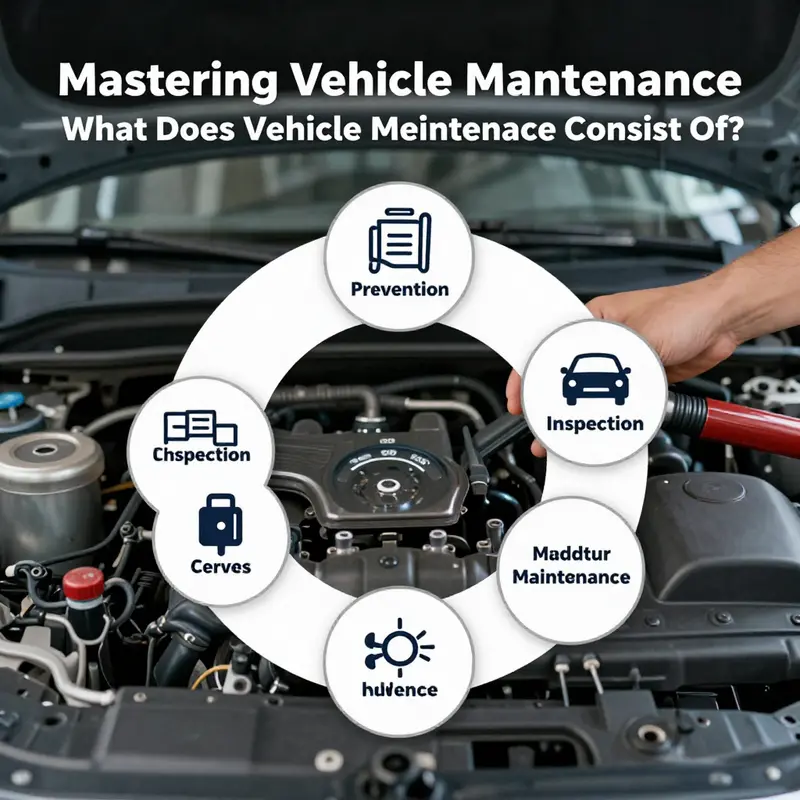
In the quiet rhythms of daily driving, maintenance often feels invisible until a warning light flickers or a strange sound interrupts a trip. Yet behind every reliable vehicle lies a living roadmap: a set of core principles that translate a long list of tasks into a coherent, proactive practice. Maintenance is not a one-off chore but a continuous cycle that blends prevention, schedule, inspection, and responsive care. It depends on a clear understanding that the vehicle is a system of interacting parts, each dependent on proper conditions, timely fluids, and careful handling. The seven fundamental operations—cleaning, inspection, replenishment, lubrication, tightening, adjustment, and replacement—form the practical backbone of this process. When seen together, they reveal how regular care translates into safety, performance, and longevity.
Prevention sits at the center of this approach. The idea is simple: find potential problems before they become real disruptions. Regular checks target critical systems that, if neglected, quietly degrade safety and reliability. The engine relies on clean oil and correct levels, while the braking system depends on fluid strength and pad integrity. The steering and suspension respond to wear that compounds with every mile. Even tires tell a story about alignment, pressure, and tread. A preventive mindset does not wait for a failure to appear; it looks for early signs—a slight rattle, a small oil spot, a soft steering response—and addresses them with calm, planned action. This stance makes sense if you view the vehicle as a long-term investment rather than a collection of components to be repaired when things break.
A scheduled cadence gives maintenance its reliability. Manufacturer recommendations map tasks to time and distance, creating predictable intervals. Oil and filter changes, coolant refreshes, brake inspections, belt checks, and fluid replacements appear on a calendar of care. The logic is not about chasing every new technology but about preserving the vehicle’s core functions in a steady rhythm. Daily life on the road introduces wear that compounds over thousands of miles; a disciplined schedule ensures that the essential tasks happen before worn parts compromise safety or performance. It also helps spread cost and effort in a manageable way, turning maintenance from an anxiety-producing uncertainty into a routine with clear expectations.
Regular inspection and testing provide the diagnostic heartbeat of maintenance. Beyond the obvious visual checks, technicians and drivers alike monitor fluid health, tire condition, electrical systems, and sensor-readouts. Engine oil might show color and viscosity changes that hint at contamination or wear. Coolant levels and temperatures reveal cooling system stress that can threaten overheating. Brake fluid quality, line integrity, and pad wear tell a story about stopping power. Tire pressure and tread depth reflect balance between grip and efficiency. Battery health, charging systems, and electrical connections reveal readiness for the next start or a cold snap. In modern vehicles, diagnostic tools add a deeper layer, translating voltages, temperatures, and sensor data into a health snapshot. The goal is not to chase every fault but to validate the overall condition and identify the fixes that deliver the most benefit with the least disruption.
A repair strategy guided by actual condition avoids waste and protects value. This condition-based approach asks technicians to interpret findings from inspections and tests rather than applying a generic fix. If a symptom is present but the underlying issue is still tolerable, a watchful waiting strategy paired with targeted maintenance can save money and prevent unnecessary downtime. Conversely, a worn or failing part that threatens safety should be replaced promptly. The key is to balance prudent risk management with sensible economics. Vehicle life can be extended by catching early wear, replacing components before they degrade others, and prioritizing interventions that preserve overall system integrity. This approach also aligns with a philosophy that values diagnostic precision over rote routine, ensuring that work is meaningful and effective rather than performative.
Driving practices play a decisive role in how quickly wear surfaces. Proper usage and habits reduce the strain on tires, brakes, suspension, and transmission. Smooth acceleration, moderate braking, steady cruising, and careful cornering are not merely etiquette; they influence heat generation, component fatigue, and lubrication life. Overloading the vehicle or using gear and tires in ways they are not designed for accelerates degradation. The maintenance plan then becomes a partnership between the car and the driver: the car asks for care through wear patterns and warning signals, and the driver responds with deliberate, economical operation. When driving style aligns with the vehicle’s design, maintenance tasks arrive less as emergencies and more as routine checks that keep performance consistent across seasons and miles.
Keeping the vehicle clean is not purely aesthetic. Regular washing protects painted surfaces and undercarriage components from corrosive substances, road salt, and moisture that can accelerate rust and degradation. A clean interior supports cabin health, reducing the buildup of dust, moisture, and contaminants that can affect HVAC performance and air quality. Cleanliness reinforces the habit of inspection, since dirt and grime can hide leaks, cracks, or loosened fasteners. The routine of washing and vacuuming becomes a practical companion to the seven operations, reminding the owner to look closely at seals, grommets, and weatherstripping. In this sense, cleanliness is not a separate duty but an enabler of safe and reliable operation.
A balanced partnership between owner and professional service completes the maintenance equation. There are tasks that a car owner can and should perform between visits, such as checking fluid levels, tire pressures, and lights. Yet complex diagnostics, brake and steering work, or electrical repairs require trained technicians and calibrated equipment. The best outcomes come from an integrated approach where simple checks are kept up by the owner, and more demanding work is entrusted to professionals. This division of labor respects the limits of DIY maintenance while ensuring that the vehicle benefits from expert assessment and the precision tools that describe a vehicle’s true health. The result is not a static plan but a dynamic program that adapts to age, usage, environment, and the driver’s goals.
Some maintenance questions demand a flexible, integrated strategy. Not every situation fits a rigid timetable. If only the front tires show wear, a targeted rotation and alignment check may be enough. If the vehicle demonstrates a broader issue, a more thorough system check becomes warranted. The integrated approach recognizes the interconnectedness of systems and the fact that care can be partial or full depending on need. It avoids overreaction to minor symptoms while ensuring that serious risks are addressed. The emphasis stays on prevention, but prevention does not become an excuse to ignore clear signs of trouble. Instead, it becomes a thoughtful process where the cost and benefit of each intervention are weighed against safety, reliability, and long-term value.
The practical framework that underpins all this includes daily routines as well as longer cycles. The daily maintenance habit might be a quick tire-pressure check before setting off or a glance at fluid levels after a trip. Level 1 maintenance, performed at higher mileage, widens the scope to include more thorough inspections and service tasks. Level 2 maintenance, at even greater intervals, brings in comprehensive diagnostics and more decisive actions such as replacements and major adjustments. The cadence is not merely a schedule; it is a way of listening to the vehicle. The vehicle speaks through performance shifts, odd vibrations, changes in fuel economy, and lights that illuminate for a reason. If we cultivate attention, the signals are easier to interpret, and the response becomes proportionate and timely. This sequence—daily checks, routine Level 1 services, and the broader Level 2 interventions—maps a plausible, humane rhythm of care for most drivers, while still leaving room for condition-based decisions.
The methodological choices in carrying out maintenance—whether at stationary workstations or along a flow line—echo the same principle: organization matters when care is predictable and repeatable. In a stationary approach, a technician can pause at a specific station to verify a particular system, guaranteeing thoroughness for each job. In a flow production setting, tasks proceed along a sequence, enhancing efficiency and consistency. The choice depends on the service context, but the guiding principle remains intact: care should be systematic, traceable, and capable of producing reliable results. The practical value rests in ensuring that nothing slips through the cracks and that every critical parameter—from torque on fasteners to the cleanliness of the air intake—receives due attention. In the end, the most durable maintenance plan is one that can be followed across different workplaces and adapted to different vehicle needs without losing its core safeguards.
To connect all these threads, the core principles can be summarized as a simple, enduring message: prevention-first, regular inspection, and maintenance as a governed discipline. This triad frames a philosophy in which proactive care outruns costly repairs, where habitual checks become a second nature, and where owners and technicians collaborate to sustain a vehicle’s safety, reliability, and lifespan. The philosophy also embraces an integrated approach, recognizing that partial care often suffices in some cases while comprehensive system checks are necessary in others. It is, in short, a practical mindset that treats vehicle upkeep as an ongoing, value-driven process rather than a reaction to breakdowns. The chapter’s aim is to illuminate this logic and to show how the seven core operations—cleaning, inspection, replenishment, lubrication, tightening, adjustment, and replacement—fit within a broader, purposeful routine that keeps a vehicle dependable day after day, year after year.
A compact overview for readers can be found in What does vehicle maintenance consist of?. The link neatly ties back to the broader topic while inviting deeper exploration of the mechanics behind these routines. For further perspective beyond the immediate framework, external readers can consult established industry guidance such as MotorTrend’s comprehensive maintenance tips that articulate practical steps and considerations for maintaining safety and performance over the vehicle’s life. MotorTrend Vehicle Maintenance Tips
Under the Hood: Why Inspection and Replacement Are the Cornerstones of Vehicle Maintenance
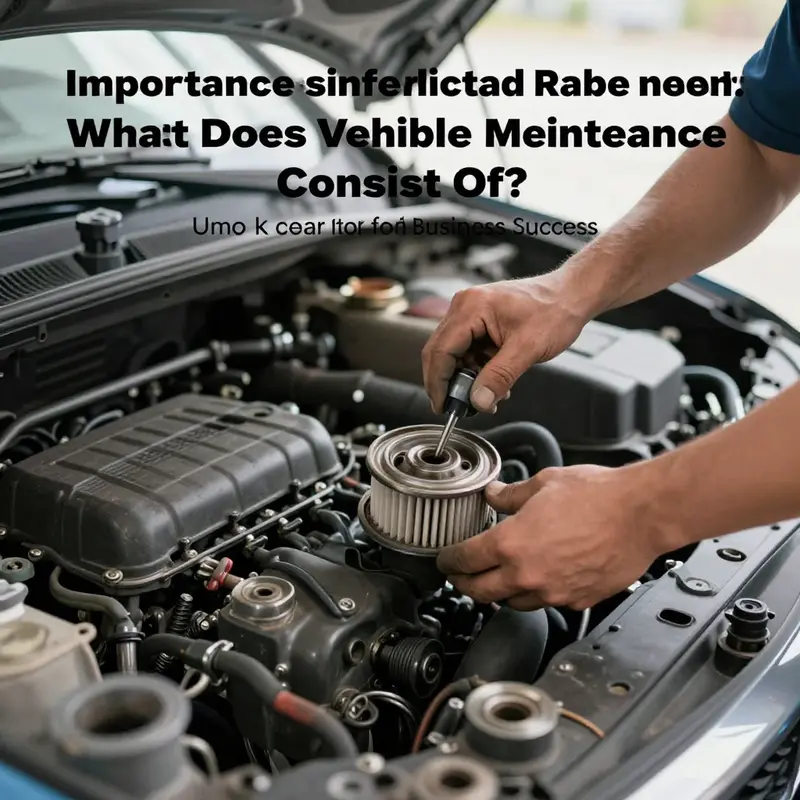
Maintaining a vehicle is a deliberate, evidence-driven practice that blends daily attentiveness with longer-term scheduling. It is not a single task but a sequence of careful actions designed to keep a car’s systems in harmony, reduce the chance of surprises, and extend the life of the machine. At its core, maintenance rests on a simple rhythm: look closely, act in time, and protect what matters most—safety, reliability, and value. While a broader framework often cites seven fundamental operations—Cleaning, Inspection, Replenishment, Lubrication, Tightening, Adjustment, and Replacement—the everyday reality of keeping a vehicle dependable centers on two interlocking pillars: inspection and replacement. These two activities, when practiced consistently, create a proactive shield against unexpected failures and help preserve performance across years of driving. The idea, echoed in the governing principles of preventive maintenance, is that prevention beats repair in both risk and cost. This guiding philosophy informs how every driver should approach the car’s health, whether preparing for a daily commute or planning a longer road trip.
Inspection is the first and most crucial line of defense. It is not merely a momentary glance under the hood but a systematic, methodical check of critical systems and components. A well-executed inspection looks beyond surface appearances. It listens for the engine’s clues, feels for changes in the vehicle’s response, and reads the gauges and indicators that tell a story about wear and fluid status. In practice, this means examining the engine for unusual noises or signs of leakage, assessing fluid levels such as engine oil, coolant, brake fluid, power steering fluid, and transmission fluid, and verifying the health of tires, brakes, belts, hoses, lights, and wipers. Each observation—whether a slightly low oil level, a tire wearing unevenly, or a frayed belt—becomes data to guide a decision. Small, almost imperceptible cues can preempt larger problems, preventing engines from overheating, braking systems from degrading, and tires from compromising grip. An inspection conducted with consistency yields a running ledger of the vehicle’s condition, a personal maintenance diary that informs future actions rather than leaving decisions to chance.
The importance of inspection grows as vehicles accumulate miles and decades. Regular checks catch wear before it escalates into failure. For example, worn brake pads may still stop the car, but the risk of fading performance and sudden rotor damage increases with every mile. Similarly, tire tread depth tells a story about grip and hydroplaning risk in wet weather. A decrease in fluid levels can signal leaks or consumption that, if ignored, could lead to overheating, loss of power, or compromised steering feel. Inspection also encompasses the often-overlooked components that quietly influence safety and comfort. Belts and hoses deliver power and cooling in precise harmony; a cracked hose or a slipping belt can silently escalate into a roadside emergency. Lights and wipers are not cosmetic features but essential visibility tools. Regularly checking them keeps the driver prepared for changing conditions and ensures that the vehicle communicates its status clearly to others on the road. The purpose of inspection is not just to spot defects but to understand wear patterns, anticipate when service will be required, and guide timely interventions that minimize disruptions and cost.
But inspection alone cannot guarantee reliability. It must be coupled with decisive, timely replacement. Replacement is the action that translates inspection findings into concrete, lasting improvements. It acknowledges that many automotive components have finite lifespans and inevitably wear out with time and use. Replacing worn parts restores the system to its designed performance and prevents cascading failures that can ripple through the vehicle’s subsystems. Engine oil and oil filters are classic examples: high-quality lubrication is essential for reducing friction, carrying heat away from vital surfaces, and prolonging engine life. Most manufacturers specify oil change intervals that balance the oil’s protective properties with the engine’s design and the driving environment. Adhering to these guidelines is a simple, powerful act of prevention.
Air filters play a crucial, often underestimated role in maintaining engine efficiency and longevity. A clogged air filter reduces air flow, impairs combustion, and can rob the engine of power while increasing fuel consumption. Replacing the air filter at manufacturer-recommended intervals—adjusted for driving conditions such as heavy dust or urban stop-and-go traffic—helps sustain performance and economy. The fuel system also benefits from timely replacements, with fuel filters designed to prevent contaminants from reaching sensitive injectors and pumps. In high-demand situations or when fuel quality varies, keeping this filter fresh can prevent performance dips that might otherwise be attributed to more severe engine issues.
Brakes, a core safety system, demand attentive replacement decisions. Brake pads wear gradually, and rotors can develop grooves or warping that degrade stopping power. Replacing pads and resurfacing or replacing rotors when wear limits are reached maintains consistent braking feel and response. Tires, too, demand care. Rotating tires at appropriate intervals promotes even wear, maximizing longevity and maintaining predictable handling. Tread depth is not merely a legal threshold; it is a direct measure of safety, especially in wet or slippery conditions. When tread falls below safe levels, replacement becomes not just prudent but essential. Spark plugs impact combustion efficiency and smoothness of operation. Depending on the engine design and plug type, their replacement intervals vary; neglect here can produce rough idling, reduced power, or lower fuel economy.
Beyond these items, a structured replacement schedule covers fluids that sustain the vehicle’s critical systems. Coolant protects against overheating and maintains stable operating temperatures, while transmission fluid, power steering fluid, and brake fluid ensure hydraulic performance and drivetrain reliability. Periodic flushing and replacement of these fluids mitigate corrosion, viscosity changes, and leaks that undermine performance over time. The goal of replacement is not to chase every minor fluctuation but to actionably replace components on a schedule that matches the vehicle’s design, climate, and usage. The most important outcome is maintaining consistent, predictable performance so the driver can trust every fault-free mile.
A successful maintenance routine also recognizes that replacement is not a solitary act but part of a broader process that includes cleaning and lubrication. Cleaning—both exterior and interior—removes corrosive debris, salt, and grime that accelerate wear and degrade resale value. It may seem cosmetic, but a clean car presents fewer hidden issues and reduces the likelihood that dirt masks a developing problem. Lubrication, applied to door hinges, latches, suspension joints, and other moving parts, reduces friction, lowers wear, and preserves alignment and responsiveness. These tasks, while they may appear routine, are integral to preserving the vehicle’s mechanical harmony and comfort of operation. In addition to the mechanical aspects, some adjustments may be required to maintain optimal alignment, brake free play, or suspension geometry. Small, precise adjustments can restore precise handling and predictable response, contributing to safety and fatigue-free driving on long trips.
All of this unfolds within a framework of maintenance schedules and methodologies. Daily maintenance provides quick checks before and after each trip—tire pressure, fluid levels, lights, and visibility tools. Level 1 maintenance, typically every couple of thousand kilometers, extends the scope to more thorough checks and services, while Level 2 maintenance at longer intervals includes deeper inspections and more comprehensive replacements. These schedules are not arbitrary; they reflect the vehicle’s design, climate, and driving style. The two prevalent methodologies—stationary work at fixed stations and flow production along an assembly line—offer different efficiencies but share a common aim: to create a reliable, safe vehicle through disciplined, repeatable actions.
Perhaps most important is the principle at the heart of every proactive maintenance program: prevention first. Regular inspection with timely replacement is less costly than reacting to failures after they occur. This approach aligns with the driver’s best interests and with professional standards that emphasize safety, reliability, and longevity as the rewards of disciplined care over time. The manufacturer’s owner’s manual remains the most authoritative guide for what to do and when to do it. By following the specific recommendations for the make, model, and year, a driver aligns their routine with the vehicle’s engineered tolerances and performance envelopes, reducing the risk of over- or under-servicing and ensuring that maintenance aligns with the car’s intended life cycle. As this chapter threads together inspection, replacement, and the supporting cleaning, lubrication, and adjustments, it becomes clear how maintenance is not a set of isolated chores but a continuous conversation between the driver, the vehicle, and the road.
A practical takeaway for readers is to view maintenance as a living plan rather than a one-time task. Use inspection to gather data about wear, then translate that data into timely replacements that reinforce reliability. When you replace, you restore not just a part but a system’s harmony, enabling predictable performance and safer operation in the days ahead. For a concise primer that clarifies the broader concept of maintenance and helps you frame your own routine, you can explore a dedicated explainer on what is vehicle maintenance. what is vehicle maintenance
Looking ahead, the chapter’s thread extends beyond these core activities. The next discussion will explore how diagnostics, technology, and driver behavior influence maintenance needs, and how a well-structured plan can be adapted to evolving vehicle technologies, including electrified and hybrid systems. The enduring lesson remains the same: knowledge, vigilance, and timely action are the most reliable safeguard against disruption on the road.
External reference for further reading: https://www.motortrend.com/cars/vehicle-maintenance-tips/
Final thoughts
In conclusion, a thorough understanding of vehicle maintenance is essential for business owners who rely on transportation. By mastering fundamental operations, adhering to maintenance schedules, employing diverse methodologies, and recognizing the core principles, you can significantly enhance your vehicle’s performance and longevity. Regular inspections and timely replacements further ensure the safety of your fleet, ultimately safeguarding your business’s efficiency and reliability. Prioritizing vehicle maintenance is not just an operational task but a fundamental part of securing your business’s success.