
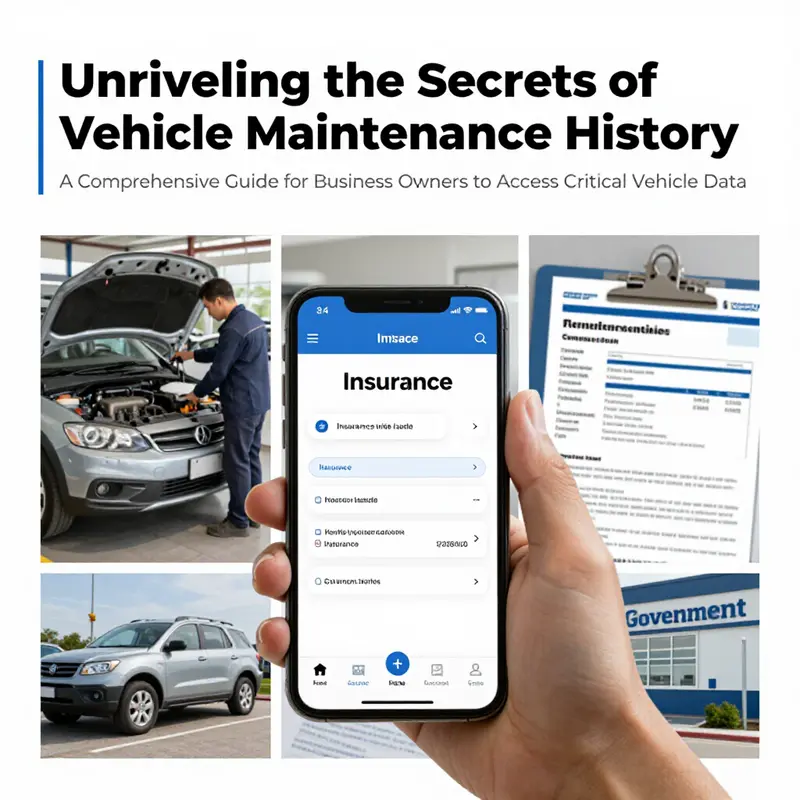
Understanding a vehicle’s maintenance history is vital for business owners who rely on their fleets for operations. This vital information can help in evaluating purchase decisions, ensuring longevity, and maintaining efficiency. Accessing this history involves various methods, from leveraging third-party platforms to contacting the original dealerships. Each method offers unique advantages, allowing business owners to build a complete picture of a vehicle’s condition and history. This guide will explore these options: using third-party platforms, contacting the original 4S dealership, checking with insurance companies, and accessing government services, empowering you to make informed decisions about your commercial vehicles.
Reading the Car’s Lifeline: How Third-Party Platforms Uncover a Vehicle’s Maintenance History
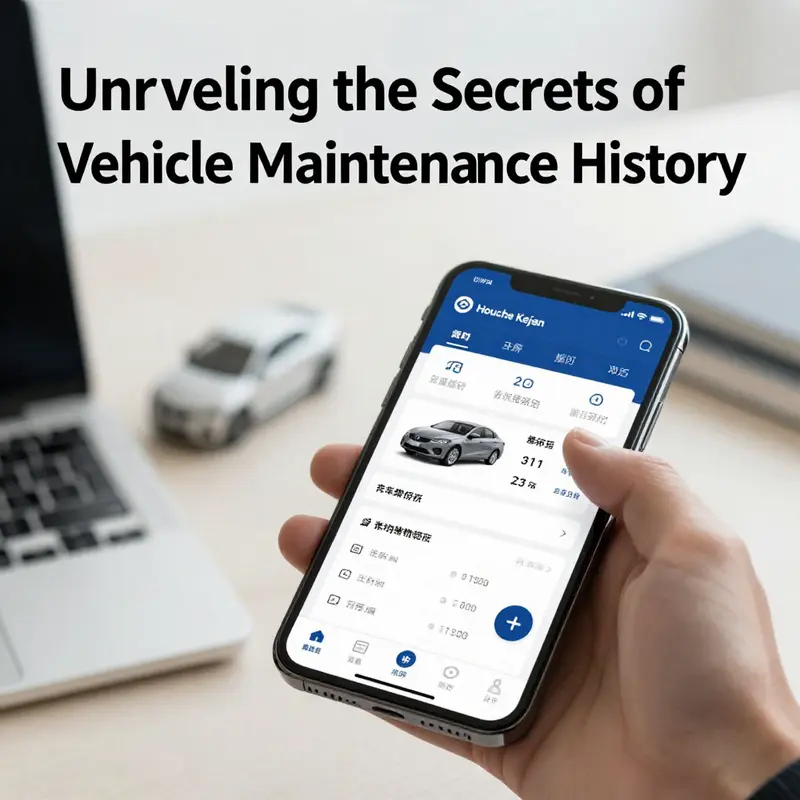
When you evaluate a used car, a maintenance history can reveal how well the car was cared for and how reliably it was serviced. Third-party history platforms aggregate data from dealerships, independent mechanics, insurers, and sometimes government registries to create a unified timeline of maintenance and repairs. This record helps buyers verify claims, spot gaps or inconsistencies, and assess risk before purchase. It also benefits sellers by encouraging transparency and can speed up negotiations. A good report typically includes service dates, descriptions, parts used, and whether odometer readings align with the service history. It can also flag mileage anomalies or status indicators that affect risk. While helpful, history reports are not a substitute for a professional inspection. Gaps in data may exist if a car was serviced by shops outside the platform’s network, or if records were not digitized. Therefore, use the report as a starting point: confirm key maintenance events with the service provider, request original records when needed, and consider how the history aligns with the car’s age, mileage, and overall condition. The goal is to gain confidence in the car’s past and to identify red flags that warrant closer scrutiny before buying.
Seeking the Original 4S Record: How to Contact the Dealership for Vehicle Maintenance History

When you evaluate a used car, the maintenance history acts like a body’s medical chart. It reveals patterns of care, potential red flags, and the vehicle’s overall reliability. Some records live in the dealer’s vault, especially for cars that came from a single brand’s network. Others may travel with the car when ownership changes hands. The original 4S dealership—an authorized network shop tied to the vehicle’s brand—holds a gold standard of documentation. Their records are meticulously organized in the manufacturer’s internal system. They log service dates, mileages, the exact tasks performed, parts replaced, labor hours, and even the technician’s name. Access to these records, while not always simple, can provide a level of detail that third‑party summaries often can’t match. The nuance matters when you’re assessing a used car’s condition, particularly for critical components like the engine, transmission, brakes, and suspension. A history that shows timely maintenance of these parts can be a strong indicator of careful ownership and proper care. The flip side—gaps in service or unrecorded repairs—can prompt a much deeper inspection before purchase. The 4S records are the closest thing to a complete account of the vehicle’s service life within a brand’s authorized network. They can help confirm that routine maintenance occurred as scheduled, verify mileage at service visits, and corroborate labor charges and parts replacements with the vehicle’s VIN. This depth of data is precisely what makes the original dealership inquiry a pivotal step in due diligence. Yet, accessing those records is not always straightforward. Privacy rules, dealership policies, and the car’s service history across multiple networks can shape the outcome. It helps to understand the process, prepare the right documentation, and set realistic expectations about what the dealership can and cannot disclose. You should also be aware that, in some scenarios, the 4S records will reflect only the visits within that brand’s authorized network. If a prior owner used independent shops, those entries may not appear. Still, when the 4S record exists, it often provides the most precise and comprehensive snapshot of the vehicle’s service life, making it a critical reference point during negotiations or appraisal. If you’re evaluating a car with a possible chain of brand-specific service, starting with the dealership can clarify questions that elsewhere might remain murky. In many brands, manufacturers now offer official digital portals for owners, allowing remote viewing of service histories after VIN linkage. While these portals are designed for owners, they illustrate how the data they hold can be organized, verified, and accessed with proper authorization. The principle is clear: the more centralized, well-maintained the history is, the more confidence you can gain in the vehicle’s maintenance reliability. For a practical sense of how to approach this, consider the following logic and steps as you prepare to contact the dealership. Begin with identifying the dealership that originally serviced the car or that represents the brand most frequently in its service history. If you are the current owner, this process tends to be more straightforward, because you can present ownership documentation and a consent form. If you are a prospective buyer or a dealer evaluating a trade, you will work through your rights to access information and the dealership’s privacy policies. In any case, you should gather and present a clear, respectful request. This often begins with your VIN, a photo of the vehicle’s registration, and a brief explanation of your purpose. The VIN is the universal key that unlocks the car’s service record in the dealer’s internal systems. When you supply it, you give the dealership a precise handle to pull the correct file. Alongside the VIN, you will typically need to show valid identification and, depending on the jurisdiction and the dealership’s policy, proof of authorization if you are not the registered owner. A written authorization from the owner can be a practical way to smooth access. It reduces back-and-forth and clarifies your role as a legitimate requestor, especially in markets with strict privacy rules. The authorization should specify the vehicle, the scope of data requested, and the requester’s identity. It helps to include contact information for the owner so the dealership can verify details if needed. Some dealerships may request a copy of the owner’s ID or a Power of Attorney document, especially if you are acting on behalf of a buyer or a seller. Such documents protect both parties and ensure that sensitive information is handled responsibly. The timing of responses can vary. A dealership might retrieve the file the same day or need several business days to compile a complete history, particularly if records are stored across multiple systems or archived. If the car has moved between brands, the 4S records may be incomplete or dispersed among different networks. In these cases, the dealer can still provide what exists within their purview, while you might supplement with other sources to complete the picture. It is worth noting that some 4S shops maintain privacy shields on certain data fields to comply with regulations. They may redact sensitive details or limit access to parts of the record. When this happens, you can still gain a substantial portion of the diagnostic and maintenance history, which is often enough to assess general care and identify potential issues. To maximize your chances of success, approach the dealership with a well-structured request. Start by confirming the vehicle identification details: VIN, make, model, year, exact trim, and current owner information. A concise cover note that states your intent—such as assessing the vehicle’s maintenance history for a potential purchase—can set a cooperative tone. Be ready to explain how you intend to use the data. If you plan to share it with a lender or a prospective buyer, say so. This transparency helps the dealership determine the appropriate level of disclosure and ensure that you receive a version of the record aligned with policy. When you receive the records, review them carefully. Look for service dates, mileages, service intervals, and the specific tasks performed. Note any major repairs or parts replacements, especially those involving critical systems. Compare the maintenance milestones with the manufacturer’s recommended service schedule to see if the vehicle has consistently met its maintenance obligations. Do not rely on the record alone; use it as a basis to plan a physical inspection and test drive. If the 4S history reveals gaps, consider a third-party vehicle history platform to fill in the blanks. These platforms often aggregate data from multiple sources, including independent repair shops and other dealers. They can provide a broader picture of the vehicle’s service life, complementing the brand-specific details from the 4S records. For readers who want to connect the dots between what the 4S records show and the broader maintenance landscape, a cross-check with owner manuals, service bulletins, and recall history can be illuminating. The aim is not merely to verify dates but to understand the condition and reliability of the car you are considering. Sometimes, the most telling signs come from the pattern in the data: repeated short oil-change intervals, recurring brake wear signals, or frequent fluid flushes. These patterns can indicate aggressive driving, harsh routes, or potential maintenance neglect. In other cases, a spotless streak of timely services can reassure a buyer that the car has been well cared for. Regardless of your outcome, the exercise teaches a broader lesson about maintenance history. It demonstrates how much you can learn from the original service records when you approach them with a clear goal, the right documents, and a respectful attitude. If the dealership can release the records, you might still want to corroborate the information with other sources. A widely used method is to check the vehicle’s history through a third‑party platform that compiles data from multiple sources, providing a more holistic view that stretches beyond a single brand’s network. This approach helps mitigate the data silo problem and often offers a broader context for the vehicle’s maintenance life, including accident history, mileage verification, and status flags such as liens or seizures. The interplay between these sources creates a more robust due diligence process. It is also helpful to remember that official manufacturer apps and portals are increasingly common. These digital tools allow owners to view their vehicle’s service history remotely after linking the car via VIN. While access is often limited to the owner, these portals demonstrate how the data can be organized, verified, and kept up to date in real time. They illustrate how a well-maintained data trail can empower buyers to make smarter decisions. For instance, an owner who uses a manufacturer’s portal can consistently pull up tamper-resistant maintenance records that align with the car’s logged mileage and service indications. The presence of such a digital record reinforces the value of a 4S history inquiry, especially when you cross-reference digital records with the dealership’s paper or archival entries. If you are exploring this path, you may find it useful to explore related materials that discuss what constitutes typical maintenance schedules and the importance of routine care. For a concise overview of maintenance concepts, see What Is Vehicle Maintenance? which can provide a broader frame for interpreting the records you gather. What Is Vehicle Maintenance? In sum, contacting the original 4S dealership remains one of the most direct, authoritative methods to verify a vehicle’s true service history. It can deliver the most granular data, including date-specific tasks, parts numbers, labor details, and technician notes. While privacy considerations and access limitations exist, a careful, well-documented request can yield a rich, trustworthy record. When combined with cross-checks from third‑party platforms and, where available, official manufacturer portals, you can assemble a well-supported narrative of how the car has been cared for across its life. This comprehensive approach reduces uncertainty and strengthens your position, whether you are negotiating a purchase, evaluating a potential investment, or simply seeking clarity about a vehicle’s past. An external reference that illustrates how manufacturers present service history through official channels can be found here: BMW My BMW App.
Checking with Insurance Companies for Vehicle Maintenance History
When you set out to understand a car’s past, you quickly realize that no single source paints the full picture. Maintenance logs, accident repairs, and credible restore-or-replace records can be scattered across different hands and systems. Among these sources, the records held by insurance companies occupy a special niche. They aren’t the most comprehensive catalog for routine servicing, but they can illuminate major events that triggered a claim, such as collisions, theft recoveries, and extensive repairs intended to bring a vehicle back to its pre-incident condition. Interpreting what an insurer can and cannot provide, and how to request it, is a skill in itself. The goal is to stitch together a coherent narrative of the vehicle’s history, using insurance data to flag significant incidents while relying on other sources for day-to-day maintenance details.
To begin, it helps to keep two perspectives in mind. First, insurance records are predominantly incident-driven. They’re designed to document costs, repairs, and settlements arising from claims. They do not routinely catalog oil changes, tire rotations, brake pad replacements, or scheduled maintenance that happens outside the scope of an insurance event. Second, the specific data an insurer can share depends on legal rules, the policies of the carrier, and the status of ownership or authorization. In many places, access hinges on proof of ownership or lawful authorization from the current or a former insured party. The result is a practical, but occasionally constrained, view of a vehicle’s past that must be supplemented with other sources to form a reliable history.
When a prospective buyer or an owner seeks to use insurer data as part of a maintenance history, the first distinction to grasp is the difference between the information you want and the information insurers typically keep. If you’re evaluating a used car, you may wish to confirm whether a major repair occurred after a serious accident, whether there was a total-loss event, or whether a repair followed a claim that could affect the vehicle’s value or safety. Insurance records can answer these questions with specificity. They can reveal the type of damage, the scope of repairs, the facilities involved, and sometimes the parts that were replaced. They may also show whether a vehicle was declared a total loss, rebuilt, or subsequently reinsured, which can be a red flag for further due diligence.
Yet the same records will not provide a complete ledger of routine maintenance. Oil changes, fluid top-ups, tire rotations, brake inspections, and standard servicing performed at independent shops or at a dealership’s service bays typically live in the repair shop’s own records or in a comprehensive vehicle history platform that aggregates data from multiple sources. The maintenance detail that matters most for a buyer—whether the car has obeyed its scheduled service intervals and whether critical components have been replaced on time—often sits outside insurer files. This divergence means any credible effort to reconstruct a vehicle’s maintenance history must weave together insurer data with information from repair shops, dealerships, and independent service centers.
With that foundation, let’s consider how to approach insurers as part of your history-check process. The starting point is identifying the insurer that most recently held the policy or that administered prior claims for the vehicle. If you are the current owner, you can initiate a conversation with the insurer’s records department or customer service. If you are evaluating a used car, you may need consent from the seller or from the policyholder to obtain a complete claims history. In some jurisdictions, you can request a vehicle’s claims history through a formal consent or authorization process. The exact method—whether a written request, an online form, or a phone call—depends on the carrier and local privacy laws. Regardless of the path, you’ll typically be asked to verify your identity and to demonstrate a legitimate interest in the information, such as ownership or an authorized purchase.
In practical terms, you’ll want to prepare several key items before making contact. Have the VIN handy, along with the policy number if you know it. You’ll likely need to present a photo ID and proof of ownership. If you’re the seller or buyer in a used-vehicle transaction, it’s common to attach a signed authorization from the current policyholder authorizing the release of claims data. Some insurers can provide a summary of claim events without disclosing highly sensitive personal details, while others may require more extensive verification. It’s worth recognizing that even with authorization, the data you receive may be limited to the records that the insurer maintains. Claims files often contain dates, descriptions of damage, and repair actions, but specifics like labor hours or the precise parts used may vary in how they’re recorded and what is disclosed to third parties.
The question of timing is relevant here as well. Processing times can vary from a few business days to several weeks, depending on the insurer’s internal workflows, the complexity of the file, and whether staff must verify ownership or authorization. In many cases, insurers can furnish a summarized claims history within a shorter window, followed by a more detailed report upon request. Some carriers may charge a modest fee for records, and in certain places there are statutory limits on charging or on the duration for which records can be retained and shared. It’s a good habit to ask about both cost and the scope of the data before you commit to a request. And remember, the value of insurer data rises when it’s cross-checked against other sources. A single claim narrative can reveal a major incident, but a broader maintenance pattern only emerges when you compare insurer records with the service histories from dealerships and independent shops.
Interpreting insurer data demands caution. A documented repair after a claim confirms that an incident occurred and was addressed, but it does not necessarily reflect the car’s ongoing maintenance cadence. For instance, a car involved in a collision may have undergone substantial repairs to restore structural integrity, frame alignment, or safety system recalibration. The insurer’s file would reflect these repairs, the shops involved, and perhaps the cost, but it would not chronicle the daily or routine maintenance that keeps an engine, transmission, and suspension in optimal condition. Reading these records with a trained eye means distinguishing between repairs prompted by an incident and routine maintenance performed to prevent failures. When you see an extensive post-claim repair, you should pair that information with a service history from qualified repair facilities. In other words, insurer data helps answer “what happened,” while dealer and independent records help answer “what has been done to keep it in good shape since then.”
The literature on vehicle history emphasizes the same point: insurers can illuminate the major events, but they cannot be treated as the sole source of truth about maintenance. That is why many buyers adopt a layered approach. They start with a high-level view of claims and major repairs from insurers, then layer on the detailed maintenance records from authorized repair centers or third-party history platforms that aggregate notes from multiple sources. The result is a more reliable, more actionable history. For a fuller picture, you’ll want to consult 4S dealerships or authorized repair centers for brand-specific histories and, where possible, leverage a third-party vehicle history platform that consolidates data from a variety of service providers. This multi-source strategy aligns with best practices and significantly reduces the risk of overlooking a critical maintenance issue or an unrepaired safety concern.
If you’re considering accessing insurer data, it’s worth noting one practical nuance: insurers rarely keep a complete catalog of routine maintenance unless it was tied to a claim or mandated by a warranty repair. Routine items—oil changes, filter replacements, tire rotations—tend to live outside the claims universe. They’re documented in service invoices or dealer visit summaries, not in the claim ledger. That reality underscores why the insurer’s contribution to a maintenance history is best viewed as complementary rather than comprehensive. When you’re evaluating a vehicle, you’ll want to corroborate insurer findings with the car’s service stamps, repair shop receipts, and the notes from any dealership service records. The convergence of these documents provides a persuasive, evidence-backed history that supports a confident purchase decision.
To make this logic practical, consider a scenario many buyers encounter. You’re evaluating a used hatchback with a clean-looking mileage log but limited documentation. You contact the insurer that issued the old policy and request a claims history for the vehicle. The insurer confirms one major event two years prior: a front-end collision repaired at an approved facility. The report notes the extent of the damage, the repair timeline, and a warranty on the structural repairs. This information understandably raises questions about frame alignment and the potential long-term effects on ride quality. You then request the repair history from the original dealership’s service records and a few independent shops that serviced the car since the incident. One shop’s records show a scheduled maintenance routine, including timing belt or serpentine belt checks, depending on the car’s age, while another shop documents a suspension retrofit that coincided with the accident repair. Taken together, these records offer a coherent narrative: the car experienced a notable incident, was repaired by trusted technicians, and has since appeared to receive regular servicing, albeit with some gaps in certain years. With this triad of data—insurer claims history, dealership service records, and independent shop invoices—you can form a robust assessment of the vehicle’s past and its maintenance trajectory. It’s a disciplined approach that respects the limits of each source while maximizing their collective value.
Throughout this process, the language you use when communicating with insurers matters. Be precise about what you want: a summary of claim events, a detailed file listing, or a full claims history with dates, descriptions of damage, and repair facilities. Clarify whether you’re seeking information about a specific period or about all prior ownerships. If you’re not the current policyholder, you should obtain explicit authorization, ideally in writing, to prevent delays or privacy objections. And because laws differ by jurisdiction, it’s prudent to ask the insurer’s records department for a description of the allowed data fields and any statutory constraints before you submit a request. The more you understand the data you’re likely to receive, the better you can interpret it and cross-check it with other sources.
For readers who want a broader sense of where insurer data fits within the larger mosaic of vehicle history, it’s helpful to recall a practical rule: use insurer data to verify major events; use authorized repair centers and third-party history aggregators to fill in the routine maintenance and ongoing service narrative. This is the combination that yields the most reliable, actionable history. When you assemble the pieces—claims history, brand-authorized service records, and independent repair invoices—you gain a robust perspective on the vehicle’s reliability, its past stress points, and the level of care it has received over time. And when you eventually move toward a purchase decision or a maintenance plan for your own vehicle, you can speak with greater confidence about its past and what that implies for its future.
If you’re looking for a stepping stone in this journey, you might explore general information on vehicle maintenance to better interpret maintenance records in context. For a concise overview, see the article What is vehicle maintenance. This resource helps frame what routine care should look like and why certain maintenance patterns matter when evaluating a car’s health. What is vehicle maintenance.
In closing, insurance data is a valuable clue in the detective work of unearthing a vehicle’s maintenance story, but it is not the whole story. The most reliable maintenance history emerges when you synthesize insurer records with dealership service histories and a trusted third-party history platform. This approach gives you a richer, more accurate view of the car’s past, enabling smarter buying decisions and better post-purchase maintenance planning. For a buyer, the takeaway is simple: don’t rely solely on one source. Instead, assemble a layered history, with insurer data as the anchor for major incidents and with shop records filling in the maintenance detail. This balanced method reduces surprises and increases your confidence as you move forward with ownership or a purchase.
External resource for further reading: https://www.consumer.ftc.gov/articles/0272-car-history-reports
Tapping Official Gateways: How Government Services Illuminate a Vehicle’s Maintenance History
When you’re weighing a used car or verifying ownership, the maintenance history is more than a ledger of repairs. It’s a narrative of how well the vehicle was cared for, how consistently it was serviced, and how transparent the seller was about past incidents. In many markets, the most complete maintenance story emerges not from a single shop’s records but from a blend of sources, including official government services. This approach can ground your assessment in verifiable data, while acknowledging that government channels often provide only a baseline rather than the full maintenance diary. The core idea is simple: government-backed records can establish authenticity and baseline history, while third-party platforms fill in the gaps with data from a wider network of service centers. Taken together, they offer a more trustworthy picture than any one source alone.
Government services, especially in large, regulated markets, are built to track critical vehicle and driver information. They are not primarily designed to replace the service invoices you receive from a repair shop, but their records can confirm key events such as registrations, inspections, and, in some cases, maintenance-related actions tied to compliance. In practice, this means you can use official channels to verify that a vehicle is in good standing, verify mileage consistency, and corroborate that the car’s status—such as whether it is pledged, seized, or subject to a lien—matches the seller’s description. The most reliable official gateway for such information is the government’s vehicle-management ecosystem, which is often accessed through a dedicated app or web portal.
A practical entry point is a government-backed platform that centers on vehicle governance rather than merely service history. In many places, the app or portal offers a spectrum of services for both drivers and vehicles: license status checks, renewal reminders, and records associated with the vehicle’s registration and regulatory compliance. The challenge is that the depth of maintenance history available through these channels can be limited. The maintenance and repair details tied to a car—such as specific parts replaced, labor hours, or technician notes—are frequently not cataloged in a central government repository in the same way they are in a dealership’s internal system or in a private service network. Yet, even a partial dataset from official channels can be invaluable for cross-checking the authenticity of the seller’s claims and detecting potential red flags that might otherwise go unnoticed.
One commonly cited official conduit is a government-managed vehicle information service, often accessed via a mobile app that is officially developed and maintained by the national or regional public-security authority. These apps are typically designed to help the registered owner manage the vehicle’s legal and regulatory status. They may offer a vehicle information check, history of violations, records of inspections, and sometimes basic vehicle attributes tied to the registration. Importantly, the scope of information varies by jurisdiction and by the kind of access the platform permits to non-owner users. In many cases, accessing sensitive maintenance data requires ownership verification or formal authorization, which protects privacy while enabling legitimate inquiries by buyers, sellers, or investigators.
For a buyer who wants to triangulate a car’s maintenance story, approaching government services as a baseline is advisable. You begin by confirming the vehicle’s basic identity and status, then you extend the inquiry to other sources that capture routine maintenance events and non-dealership work. This layered approach helps you separate the essential, verifiable facts from the more nuanced, condition-based indicators that require interpretation. A typical workflow might start with a government portal to confirm the car’s regulatory standing and any flag events—such as recalls, registrations, or penalties. Next, you would consult a third-party vehicle-history platform that aggregates data from multiple authorized sources, including 4S shops, independent repair facilities, and insurance providers. The combination yields a broad history while the government layer anchors the record in official, tamper-evident data.
To navigate this landscape effectively, you should recognize both the power and the limits of government-mediated records. The official data are often highly trusted and less susceptible to misrepresentation, making them an essential reference point in any due-diligence process. However, because the government typically prioritizes regulatory compliance and ownership-tracking, the maintenance diary—routine servicing, part-by-part invoices, and diagnostic notes—may reside primarily in private system data. That is where third-party aggregators come in. A widely used approach is to first obtain whatever official information is accessible to verify basic vehicle identity and status, then cross-check with a comprehensive history report from a platform designed to pull data from a broad network of service providers. When used together, these sources provide a richer, more actionable view than either could alone.
The practical steps begin with understanding what the government channel can realistically deliver. If you are in a jurisdiction that offers a vehicle-management app or portal, you would start by authenticating yourself, ideally as the vehicle’s registered owner or with explicit authorization from the owner. This often requires presenting a government-issued ID, vehicle registration documents, and the VIN. Once access is granted, you can look up the vehicle by VIN or registration details to view available records. In many cases, you can verify the basic data fields such as model, year, color, license status, last inspection date, and any official notes about the vehicle’s compliance with regulatory requirements. Some systems extend to show mileage at the time of last registration or inspection, which can be a useful consistency check against the owner’s claimed mileage. While these elements are not the same as a full maintenance log, they establish a trustworthy baseline that an informed buyer can rely on when evaluating a car’s history.
A crucial caveat is that government platforms are not designed to be exhaustive maintenance diaries. They rarely capture every oil change, brake pad replacement, or service at an independent shop unless those events trigger a regulatory obligation—such as an inspection-related service, a recall remedy, or a formal defect repair that is logged in the official system. For most buyers, this means the government data should be treated as a verified spine around which you build a more detailed history from other sources. If the vehicle has a well-documented maintenance program with a chain of authorized service centers, you may also find some of those records reflected in a government dataset, but you should not expect the same level of operational detail you would get from a dealership’s service history report.
With this understanding, a practical approach emerges: use the government channel to confirm identity, ownership status, and regulatory breadcrumbs; then rely on third-party platforms to paint the broader maintenance narrative. A widely used method is to run a government-backed vehicle record inquiry to establish legitimacy and flag any official notices, then pull a comprehensive maintenance report from a platform that aggregates data from multiple sources. Platforms like these aggregate service histories from 4S shops, independent garages, and even insurance claims, providing a more complete view of the vehicle’s service life. The result is a layered, corroborated history that reduces the risk of purchasing a car with hidden issues.
Incorporating this approach into your due-diligence routine can be straightforward. Start by locating the government gateway that corresponds to your region and the vehicle type you are evaluating. Access may require you to log in with a government-issued identity and to authorize the retrieval of records related to the VIN you are investigating. Once you retrieve the official data, note the key facts: registration status, last renewal date, any registered liens or encumbrances, recorded mileage at the last official data point, and any notices about recalls or safety-related actions that are on file. These are not maintenance invoices, but they are official anchors that tell you whether the vehicle has a clean regulatory footprint and a plausible ownership chain. After you have collected these official anchors, you can proceed to a private data source. A robust strategy is to query a third-party history platform that aggregates data from multiple sources, including 4S shops and independent service centers. If the seller consents, you can also request direct access to dealership service records or vehicle service history reports from the authorized network that serviced the car. In practice, this multi-source triangulation helps you avoid blind spots that a single data channel might leave.
A note on access and privacy is essential. Government datasets are often restricted to the owner or authorized representatives. If you are a prospective buyer, you should approach the process with transparency and legality in mind. In many jurisdictions, obtaining official records related to a car you do not own may require consent from the registered owner or a legitimate, documented reason. Always check local rules and respect privacy protections. If you cannot obtain government-accessible information due to ownership barriers, you still have viable options. You can request the seller to provide copies of service invoices, maintenance receipts, and diagnostic reports from any shop that serviced the vehicle. You can also conduct a thorough visual inspection for signs of regular maintenance, such as consistent tire tread wear, brake pad thickness, and fluid condition, and compare these with the reported mileage. While these indicators do not replace official records, they complement the documentary history and often reveal discrepancies that warrant closer scrutiny.
To bring these threads together, you will often find it helpful to view the maintenance history as a layered mosaic rather than a single, flat document. The government layer gives you confidence about legal and regulatory status and a backbone of verifiable facts. The private, third-party layer fills in the gaps with detailed maintenance events, service centers, and parts changes. When both layers align, you gain a strong signal that the vehicle’s history is accurate and that the seller’s representations are trustworthy. When they don’t align, you have a signal to pause and investigate further. In many cases, this process will reveal whether a car has had a robust maintenance regime across multiple decades or if it has experienced unusual gaps or red flags that could affect long-term reliability.
A small but practical reminder helps keep the process efficient: always document your identity and the purpose of the inquiry, be mindful of data privacy, and keep a clear record of what sources you consulted and what information you obtained. This habit not only helps you build a compelling case when negotiating a price but also protects you if questions later arise about the vehicle’s history. In the spirit of prudent due diligence, you may also want to cross-check your findings with general maintenance knowledge. For example, routine maintenance schedules—oil changes, filter replacements, brake inspections, and fluid checks—have typical intervals by vehicle type and usage. When you see a maintenance entry that seems out of step with those schedules, you should seek clarification from the shop that performed the service or from the seller. A quick primer on how to interpret maintenance records can be helpful; see What is vehicle maintenance for a concise overview that can anchor your interpretation of invoices and service notes.
Ultimately, the goal of tapping government gateways is not to replace the full maintenance diary but to establish a trustworthy baseline and to empower a buyer with verifiable anchors. The government records provide legitimacy to the inquiry, while third-party data platforms provide depth and granularity. When used in concert, these sources create a more complete and reliable narrative of a vehicle’s health and history. They also help you set a reasonable expectation about what you can learn from records before deciding to inspect the car in person, request a formal service history from the seller, or commission a professional pre-purchase inspection. As you move through this process, keep in mind that the most valuable data point in a history check is consistency across sources. If VIN, mileage, and regulatory status align across government and private records, you have a stronger basis for your assessment. If they don’t, you’ve identified a potential red flag worth closer scrutiny.
In closing, government services offer a reliable baseline in the broader ecosystem of vehicle history. They provide verifiable facts that help anchor your due-diligence framework. For a more complete maintenance history, combine government data with third-party history platforms that draw from an expansive network of authorized and independent service providers. This blended approach minimizes blind spots and supports a more confident decision, especially when investing in a used vehicle. Remember that every jurisdiction has its own rules about access, privacy, and data scope, so adapt the workflow to your local context. And as you navigate between these sources, keep the end goal in sight: a transparent, corroborated picture of the vehicle’s maintenance journey that informs a sound purchase decision.
Official Source: Traffic Management 12123 APP – Official Website. https://www.12123.gov.cn/
Final thoughts
In summary, accessing vehicle maintenance history is essential for business owners to ensure the reliability and safety of their fleets. Utilizing dedicated third-party platforms such as ‘Houche Kejian’ offers a significant advantage by aggregating data from multiple sources, while contacting original 4S dealerships can provide authoritative records specific to certain brands. For insights into accident-related repairs, insurance companies can prove valuable, and local government services, though limited, can further verify a vehicle’s history. By mastering these methods, business owners can make informed decisions that enhance their operational efficiency.