
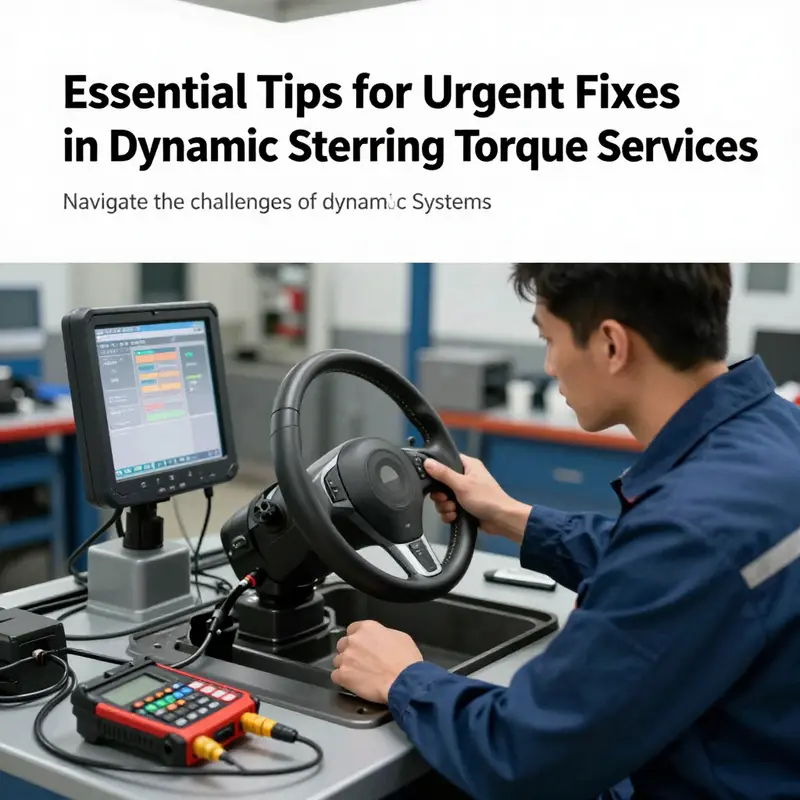
Dynamic steering torque systems are integral to modern vehicles, enhancing driving comfort, safety, and stability. However, when these systems fail, they can lead to serious driving issues—heavy steering, unexpected vibrations, and loss of vehicle control. For business owners relying on vehicles for operations, understanding these systems, their failures, and how to address them is crucial. This article delves into urgent fixes for common symptoms, emergency handling techniques, technical insights on failures, professional repair service recommendations, and procedures for system checks and resets, empowering you to maintain the integrity of your fleet effectively.
null
null
Between Grip and Guidance: Urgent Diagnostics, Emergency Handling, and Safe Recovery When Dynamic Steering Torque Signals Trouble
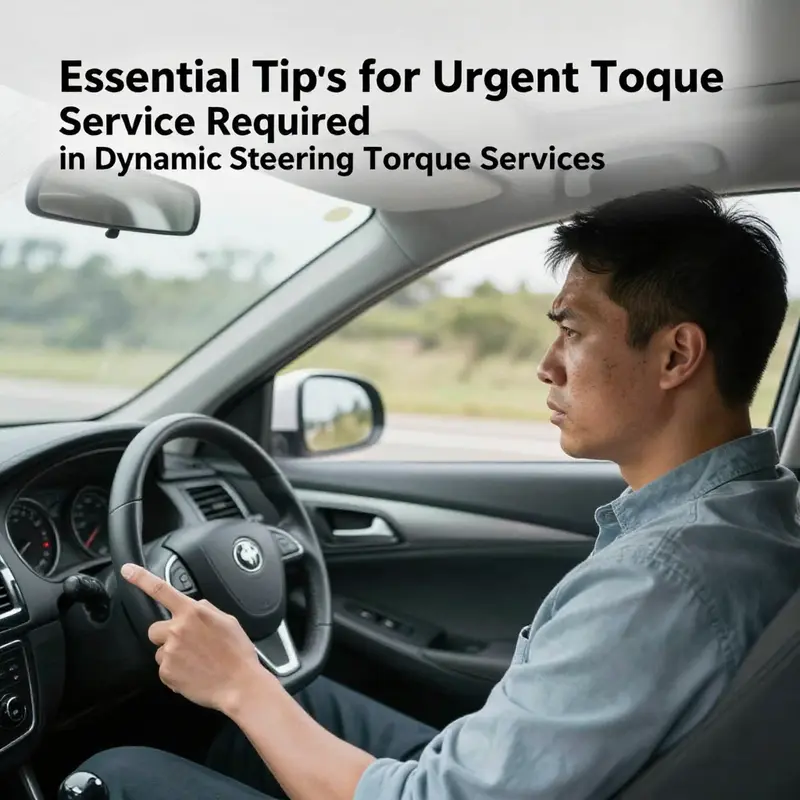
The moment a dynamic steering torque warning appears on the instrument cluster, a driver faces a moment of uneasy clarity: the system that makes steering feel lighter at speed and more responsive in corners may be failing. This warning is not a cosmetic alert or a harmless reminder; it points to a potential fault in a safety-critical part of the vehicle’s steering architecture. The dynamic steering torque sensor, the control module that interprets its data, and the electric power steering (EPS) system all work in concert to adjust assist as road conditions, speed, and steering input change. When even one link in that chain falters, the steering can feel anomalous—heavier or lighter than expected, delayed to turn, or inconsistent in response. Such symptoms are not merely inconvenient; they can undermine road sense, hinder lane maintenance, and complicate emergencies. Understanding the logic behind the warning and knowing how to respond can turn a potentially dangerous situation into a controlled, safer outcome for you and others on the road.
At heart, the warning arises from sensors and software that continuously monitor steering torque, angle, and motor load. A malfunctioning steering torque sensor may misread your hand position or the amount of assist needed. Electrical faults in the wiring harness can interrupt the signal path between the steering column and the EPS control unit. Software glitches in the EPS module can produce errant instructions, and loose connections can introduce noise or intermittent failures. Any of these issues, left unaddressed, can degrade the very sensitivity that chassis control systems rely on to stabilize the vehicle during quick maneuvers or uneven surfaces. The practical consequence is more than a heavier wheel or a vague road feel; it is reduced confidence during steering corrections, especially when avoidance of obstacles is required or when grip is compromised by weather or pavement conditions.
Emergency handling begins with the driver’s response—an act of composure that preserves control while the car communicates a fault. The first instinct should be to maintain a steady course and keep both hands on the wheel. Abrupt steering inputs can amplify the fault, particularly if the system transitions from assisted to reduced or non-assisted mode mid-maneuver. Once the vehicle is safely reachable, slowing down to a controlled pace becomes essential. High-speed driving, aggressive lane changes, or sudden evasive actions become riskier when the EPS is unreliable. So, the prudent choice is to ease into a safe area, ideally a well-lit, low-traffic zone where you can assess the situation without pressure. If the warning persists after a calm stop, proceed with a systematic approach to diagnosis rather than attempting an improvised repair on the roadside.
One of the simplest, non-invasive steps is a controlled power cycle of the system. With the engine off, wait a brief interval—often around 10 to 15 seconds—then restart. This reset can clear temporary software glitches that creep into the EPS controller or its communication bus. It is not a cure for a true hardware fault, but it can help distinguish transient anomalies from persistent issues. If the warning reappears, treat it as a signal that the system needs professional evaluation. Do not push the car for extended drives or rely on it for critical maneuvers such as cornering at the edge of grip, abrupt lane changes, or highway merges. The goal is to retain steerability enough to reach a safe diagnostic facility without risking a loss of steering assist when it matters most.
When inspecting the vehicle after a safe stop, a careful visual check can uncover obvious issues that do not require disassembly or specialized tools. Look for loose or damaged wiring around the steering column area, scrutinize any exposed harnesses along the dash or under the column, and note any frayed insulation or telltale signs of moisture intrusion in connection points. If you observe anything visibly alarming, do not attempt a DIY repair. Electrical components in the steering system are intricate and require proper equipment and training to handle safely. The rule is simple: visible damage or an incomplete fix means you should pursue professional service rather than risk a latent fault becoming a full-blown steering failure on the road.
Once a car is in a service environment, the diagnostic process shifts to precise fault identification. Technicians will typically retrieve fault codes from the EPS control module using manufacturer-specific diagnostic tools. These codes can point to a malfunctioning torque sensor, a compromised wiring harness, a faulty sensor signal path, or a software discrepancy within the steering system’s control logic. Reading these codes accurately guides the technician to the right repair path. In some cases, the fault may be reproducible only under certain conditions—high steering loads, rapid direction changes, or specific temperatures—so technicians may perform targeted tests to replicate the issue and observe sensor readings in real time. Given the complexity of the EPS ecosystem, a misdiagnosis can lead to unnecessary part replacements or, worse, an unresolved safety risk. Precision diagnostics are paramount, and the expertise of a trained technician is not optional in such cases.
From a maintenance perspective, this scenario highlights a broader truth about modern steering: the balance between mechanical linkage and electronic control depends on clean signals and robust software. Routine checks should not be neglected. If a warning arises, it should trigger a formal inspection even if the vehicle appears drivable after a restart. Software updates, which are common across many EPS systems, can address calibration issues, sensor drift, or minor communication glitches that previously required hardware replacement. Keeping the vehicle’s software up to date is as essential as regular mechanical servicing. In this context, a preventive mindset—treating a warning as a cue for proactive diagnostics rather than a nuisance—can prevent a minor fault from becoming a safety-critical failure.
The long view of this issue calls for a careful, safety-first approach to repairs. If the torque sensor or the control unit shows signs of wear or permanent malfunction, replacement with appropriate parts is typically required. The cost and complexity of such work vary with the vehicle’s architecture, but the underlying principle remains constant: the steering system is a safety-critical subsystem, and any component that governs torque or assist must perform within exact specifications. In many modern vehicles, the torque sensor is an integral element in the steering column assembly or closely linked to the EPS module. Replacements should be done with OEM or authorized equivalents to ensure compatibility with the vehicle’s calibration and other integrated systems, such as stability control and suspension dynamics. After a repair, a comprehensive relearning or re-calibration process may be necessary so that the steering feel returns to the manufacturer’s intended characteristics. Skipping this step can leave the driver with an altered steering response that does not match the vehicle’s dynamic profile, potentially affecting stability during cornering or lane exchanges.
For drivers who want to stay ahead of trouble, there are practical habits that complement professional service. Periodic preventive diagnostics can flag creeping issues in the steering electronics before a warning lights up on the dash. If your vehicle supports it, accessing the service menu to review sensor health, wheel speed data, and steering angle readings can provide early indicators of drift in sensor performance. Additionally, paying attention to the consistency of steering effort is valuable. If you notice gradually increasing resistance at low speeds, unexpected looseness at parking speeds, or a change in steering response after a wiring jolt or a heavy impact, these are signals to seek an inspection sooner rather than later. Obvious warning lights should never be ignored, but subtle changes in steering behavior can also presage a fault that becomes more pronounced with time.
While the technical conversation here focuses on the electronics and sensors, the human dimension remains central. The driver’s relationship with steering is intimate: it is how we translate intention into motion, how we negotiate the line between control and risk, and how we respond to uncertainty on the road. When the system signals a problem, the safest course is to reduce reliance on automated assistance and maintain straightforward, deliberate steering input while relocating to a safer position. In traffic environments, this prudent conservatism reduces the probability of late, abrupt corrections and gives the driver additional time to react should the system fail to provide assist precisely when needed.
For readers seeking deeper, practical guidance, there are general resources available that illuminate how dynamic steering torque systems work and how technicians diagnose them. In the broader community of vehicle maintenance and safety, practical repositories and expert discussions offer case studies, diagnostic workflows, and repair considerations that can demystify this otherwise technical domain. If you are looking for grounded, application-focused insights, the Vehicle Tricks blog provides a repository of practical tips and scenarios that resonate with everyday driving experiences and the realities of road safety. See the resource here: Vehicle Tricks.
A cautious, informed approach to dynamic steering torque warnings combines immediate, safe actions with a disciplined diagnostic path. The sequence—recognize the warning, maintain control, reduce speed, perform a controlled restart, inspect for obvious damage, use diagnostic tools to identify fault codes, and seek professional service for component replacement and calibration—offers a reliable framework. It respects the reality that this system, while invisible during normal operation, becomes a judge of momentum and intent when the road demands precise, reliable steering. Dropping the weight of fear, embracing method, and prioritizing safety can transform a potentially dangerous moment into one where you emerge with a clear path to restoration and peace of mind.
This chapter is not a simple catalog of symptoms and steps. It is an invitation to view the EPS ecosystem as a delicate collaboration of sensors, software, and mechanical components that, when functioning, elevates control and confidence. When a warning appears, you are not stranded with a mysterious fault—you are guided toward a careful sequence that preserves steering integrity, reduces risk, and channels attention toward timely professional intervention. The goal is not just to survive a moment of steering uncertainty but to restore the vehicle’s intended dynamic behavior so that every turn, lane change, and evasive maneuver occurs with reassurance rather than apprehension. If you want to explore further in a practical, reader-friendly way, a quick visit to the Vehicle Tricks blog can provide additional context and tips that complement the technical considerations discussed here.
External resource for deeper understanding: https://www.autocar.co.uk/car-news/technical-explained/dynamic-steering-torque-service-required
In the Grip: Urgent Fixes, Diagnostics, and Deep Insights for Dynamic Steering Torque Faults
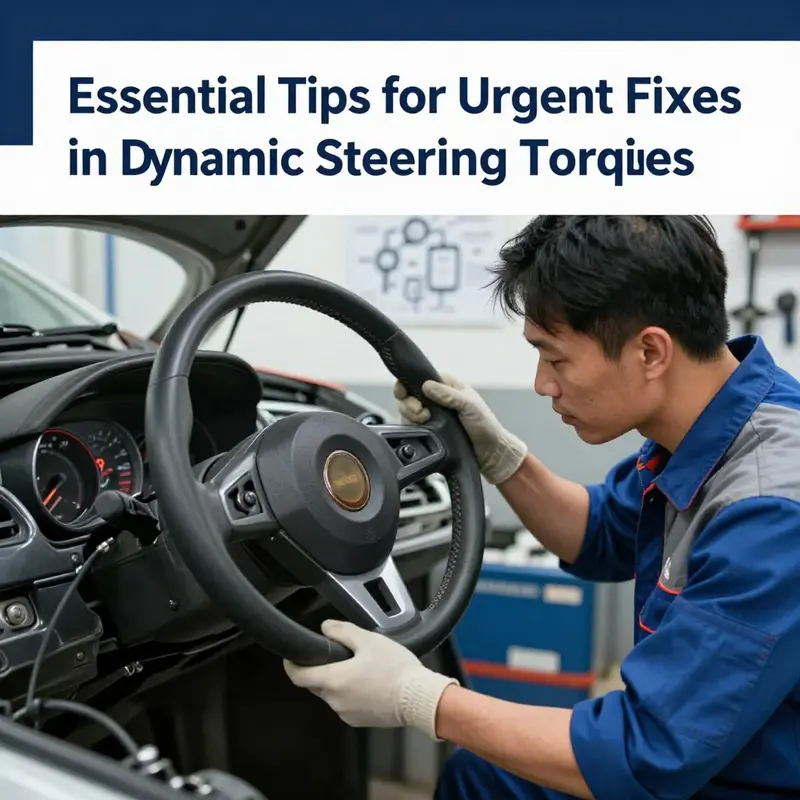
Dynamic steering torque is a pivotal element of modern vehicle handling, a subtle but powerful force that translates driver input into precise steering past the limits of ordinary hydraulic or simple electric assist. When the steering torque system falters, the driver is left in a vulnerable position: steering may feel heavier than normal in some conditions, or surprisingly light in others. There can be a sense of numbness through the steering wheel, a loss of road feel, or a delay between turning the wheel and the actual response on the road. These symptoms emerge from the core role of the torque sensor and its control circuitry. The torque sensor measures how hard the driver is pushing and in which direction, feeding that data to the vehicle’s electronic control unit. The ECU then modulates the electric assist in real time, adjusting steering ratio and stabilization to deliver a controlled, predictable steering experience. When this delicate feedback loop breaks, the chassis stability reference can shift in unpredictable ways, especially in demanding driving scenarios such as high-speed highways or tight, sudden maneuvers. In such moments, the risk to safety rises sharply, making a proactive, well-informed response essential.
The warning flags for dynamic steering torque faults are not merely cosmetic lights on the dash. They are a diagnostic signal that the system has detected a mismatch, a sensor drift, or a disruption somewhere in the chain from wheel to sensor to controller. The warning may appear as a dedicated EPS lamp, or it may be embedded in a broader set of ECU fault codes that require a factory-grade scan tool to decode. For the driver, the first outward signs are changes in how the steering feels during routine moves: an unexpected heaviness when turning into a corner, a wandering tendency at highway speeds, or an occasional sense that the steering is not returning to center as cleanly as before. In some cases the steering might feel oddly loose, almost as if the wheels have less grip on the road despite steady traction. Any of these signals should be treated with seriousness, because they point to a breakdown in the dynamic coordination between steering input, motor assistance, and vehicle stability control systems.
When a dynamic steering torque fault crops up, the urgent instinct should be to prioritize safety above all else. The most critical action is to reduce risk by stopping safely if you are already in motion and the steering feels unstable, heavy, or unresponsive. This can be a dangerous moment, particularly in traffic or on a curved road. If you can reach a safe area without abrupt maneuvers, slow down gradually and avoid weaving through lanes. High-speed driving magnifies the consequences of a compromised steering system; the combination of high velocity, limited steering precision, and the loss of road feel can spiral into a hazardous situation. In many models, powering down the system and performing a controlled restart in a safe location can sometimes reset certain software states if the fault is transient or software-related. But this is not a substitute for professional diagnosis. A temporary reset may clear a warning light, but it does not repair a hardware fault or calibration mismatch, and continuing to drive in fault mode is not advised. The moment the warning appears, the safest course is to park, engage the hazard indicators, and seek expert assessment rather than attempting a home fix. This is not just about repairing a single sensor; it is about protecting the vehicle’s overall ability to manage steering torque in concert with dynamic stability control.
The causes behind a steering torque warning are diverse, underscoring why professional diagnosis is essential. A faulty steering torque sensor is by far the most common culprit. Over time, wear at the steering column, moisture intrusion, or electrical faults can degrade its performance. Next, the wiring harness that connects the sensor to the electronic control unit can suffer from vibration, movement, or damage, leading to intermittent signals or complete signal loss. Software glitches or calibration errors can also confuse the ECU, especially after repairs or software updates that alter how torque data is interpreted. Physical damage to the steering column—perhaps from a collision or heavy impact—can misalign sensor positions or alter electrical contacts in a way that destabilizes the entire feedback loop. Finally, power supply issues, such as voltage fluctuations from the battery or alternator, can create micro-variations in sensor readings that the system struggles to reconcile in real time. Taken together, these causes illustrate why a fault in dynamic steering torque is rarely a single-point problem; it is typically a convergence of hardware, software, and electrical health that requires careful, methodical checking.
In the moment of urgency, certain practical checks can help narrow down the potential sources before a professional diagnosis is performed. Start with a safe stop and an assessment of whether the warning is persistent or intermittent. If you have access to an OBD-II reader that supports the vehicle’s makes and models, pull diagnostic trouble codes related to steering torque, EPS, or power steering. While codes are not definitive on their own, they provide valuable direction for the technician, highlighting whether the fault originates in the torque sensor, the wiring harness, the control module, or a related subsystem. A visual inspection of the area around the steering column is also informative: look for loose or frayed wires, chafed insulation, or signs of moisture ingress that could indicate water intrusion into the sensor or connectors. When safe to do so, reseating connectors and securing any loose harnesses can sometimes mitigate intermittent faults, though it is not a permanent fix. If a temporary reset is attempted, treat it as a diagnostic aid rather than a remedy; it may dismiss a warning momentarily but does not cure the underlying issue. In all cases, after any intervention, a full professional check is warranted to ensure correct calibration and system integrity. The dynamic steering system is a tightly integrated network of sensors, power electronics, and software that must be restored to factory specifications to preserve steering precision and vehicle safety.
To appreciate the complexity of the repair, consider how the torque sensor interacts with the rest of the dynamic steering architecture. The torque sensor is part of a broader ecosystem that includes the steering angle sensor, motor actuators, wiring networks, the EPS controller, and advanced stability algorithms. When one part signals out of spec, the entire system may reconfigure its behavior to protect the vehicle, which can manifest as heavier steering, reduced motor assist, or altered feedback through the wheel. Calibrating the torque sensor after any intervention is not optional; it is essential to reestablish the precise relationship between the driver’s intent and the system’s response. Calibration routines are typically executed through manufacturer-specific diagnostic tools and procedures that verify torque values across the steering range, confirm alignment of sensors, and reset any learned behavior that the system has developed during the fault condition. Skipping or improvising calibration can leave residual fault codes or cause the system to function at a degraded level, which may be enough to trigger repeated warnings or unsafe steering behavior over time.
From a preventive standpoint, maintaining the health of the dynamic steering torque system involves a blend of routine checks and mindful driving practices. Just as the human senses can degrade with exposure to moisture, vibration, and heat, the sensor and its connections in the steering column are susceptible to environmental and mechanical stress. Regular inspections should include the steering column area, looking for signs of moisture, corrosion on connectors, or unusual wear patterns on the steering shaft. After any collision, even a minor one, a thorough diagnostic is prudent. If the vehicle has experienced a hard impact in the front or side, do not assume that the system will function normally afterward; the torque sensor alignment or wiring harness can be affected in ways that are not immediately visible. It is equally important to choose quality replacement parts if a repair is needed. Using OEM-certified sensors or controllers helps ensure compatibility with the vehicle’s calibration models and reduces the risk of a mismatched signal that could keep triggering warnings. In practice, successful maintenance sits at the intersection of careful inspection, disciplined calibration, and adherence to the manufacturer’s diagnostic workflow. This integrated approach minimizes the chance that a fault will recur, and it preserves the driver’s confidence in the vehicle’s steering under varied road conditions.
For those readers who want a broader context about steering system anomalies and how the industry thinks about them, a related discussion on steering instability illustrates why isolated fixes are rarely sufficient. A condition sometimes described in off-road or high-performance contexts, known colloquially as a “death wobble,” demonstrates how abrupt changes in steering input can resonate through the front end if the suspension and steering components are not harmonized with the electronic torque feedback. While the specifics differ from a torque sensor fault, the underlying caution remains: steering systems are highly integrated, and any alert about torque must be treated as a signal to reevaluate the entire steering and chassis stability chain. For further reading on steering instability in a closely related domain, you can explore the detailed discussion on the topic Death wobble in Jeep Wrangler. This example helps illustrate why a comprehensive diagnostic mindset is essential when symptoms appear and why a DIY workaround is rarely advisable when critical steering components may be compromised.
As a capstone to the practical guidance, it is worth reiterating the core principle that drives safe handling in these situations: do not gamble with steering integrity. The dynamic steering torque system is designed to adapt in real time to driver input, road texture, and vehicle dynamics; when it signals a fault, it is telling you that one or more pieces of that adaptation chain are out of spec. The safest and most reliable path forward is a professional diagnostic and, if necessary, a calibrated repair using factory-level tools. This ensures that the torque sensor, its power supply, and the control software are brought back into alignment with the vehicle’s stability control system. In the end, the goal is not merely to clear a fault code but to restore the vehicle’s intended steering feel, maintain precise road feel, and preserve predictable handling under all normal and emergency driving scenarios. A well-executed repair restores the trust between driver and machine, and it reduces the risk of unpredictable steering behavior at critical moments. The technical challenge may be considerable, but the safety payoff is clear: a functioning dynamic steering torque system keeps steering input accurate, response times rapid, and the vehicle as a whole more stable when it counts the most.
External resource: For detailed, manufacturer-specific diagnostic procedures and calibration steps related to dynamic steering systems, consult official workshop documentation that reflects the exact model and software level of your vehicle. This reliable reference supports the steps outlined here and can guide technicians through sensor checks, wiring integrity tests, and proper calibration sequences to ensure the torque data and steering response align with safety standards. https://www.audi.com/technical-information
Navigating the Dynamic Steering Torque Alert: Urgent Fixes, Safe Driving, and the Path to Professional Repair
A warning that reads Dynamic Steering Torque Service Required is more than a dashboard symbol. It signals a potential malfunction in a vehicle’s advanced steering system, one that blends an electric power steering motor with sensors and a central controller. In the moments when this alert lights up, the road becomes less forgiving. The steering can feel heavier, lighter, or oddly inconsistent. The wheel may transmit vibrations, or the vehicle may react sluggishly to driver input. In short, the system is a crucial safety interface between the driver and the road, and its failure can degrade steering feel and road feedback just when precise control is most needed. This is not a problem you can safely shrug off. An urgent, methodical response is necessary to protect you, your passengers, and other road users. The core of the issue lies in how the steering torque is measured, calculated, and executed by the car’s electronic brain. When the torque sensor, the ECU, or the related wiring misreads a condition or slips out of calibration, the system may override or throttle steering assistance in ways that surprise the driver. The result can be a sensation of fighting an uncooperative steering system, even though the driver knows the vehicle is intended to be agile and responsive. The danger is especially acute at highway speeds or during abrupt maneuvers, where precision and timing are everything. Understanding this warning in practical terms helps frame the urgency without veering into alarmism. The practical takeaway is clear: treat this as a serious fault, not a quirk, and pursue professional diagnosis without delay. If you have ever caught yourself thinking you can wait for a more favorable weather window or a shorter commute, resist that impulse. The system’s architecture is intricate, and a fault can conceal a spectrum of possibilities—from a marginal sensor drift to a compromised connector, from a software anomaly to a degraded motor drive. In all cases, the steering system depends on clean electrical signals, stable software instructions, and a physically reliable sensor network to perform its balance between assist and restraint. A proactive stance is the safest stance, and it starts with recognizing that this warning belongs to the category of issues that demand trained technicians and specialized diagnostic tools rather than home remedies or off-brand quick fixes. With that recognition, the driver can approach the next steps with discipline, knowing that the goal is not merely to silence the light but to restore a dependable steering experience that preserves control in all driving conditions. In the broader arc of vehicle safety, this warning intersects with chassis control and stability systems, which also rely on precise torque information to modulate braking, traction, and steering coordination. A fault here does not simply affect steering feel; it can ripple through the dynamics controls that keep the car predictable during rain, at night, or on uneven pavement. The stakes are high enough to warrant a calm, cautious approach rather than a rapid DIY scramble. The reader should consider the warning as an engineered intelligence trying to tell you something has drifted out of spec. The best way forward is a professional diagnostic that reads the system’s fault codes, interrogates sensor data streams, and validates the integrity of harnesses and connections under the hood and within the steering column. In that spirit, the following narrative stitches together the common causes, the immediate measures, and the professional pathways that define responsible action when Dynamic Steering Torque alerts appear. For readers seeking practical maintenance perspectives beyond diagnostics, the Vehicle Tricks blog offers a broad, user-friendly overview of electronics-related car care, which can be a helpful companion when preparing for a professional visit. Vehicle Tricks blog. While the layperson cannot replace a calibration procedure or a torque-sensor replacement, a basic understanding of the system helps drivers communicate more effectively with technicians and can inform safer interim decisions while the car is immobilized. In the end, the objective is not merely to fix the light but to restore the precise, intuitive steering feel that drivers rely on every time they turn the wheel. A nuanced diagnosis respects the complexity of modern steering architectures and obliges technicians to verify both hardware integrity and software reliability before declaring the job complete. The path from warning to road-ready is paved with careful checks, purposeful testing, and a calibrated balance between engineering insight and driver safety. And the reader should expect that a repair completed with this mindset will take into account the system’s role in overall safety—rather than treating the issue as a standalone fault. It is this integrated perspective that ensures the Dynamic Steering Torque system can deliver the intended benefits of steering precision, vehicle stability, and driver confidence once again. The emphasis on professional evaluation remains essential: the money, time, and risk involved in a misdiagnosis can be far greater than the cost of letting an authorized technician perform a thorough inspection, recalibration, and software update where needed. In practical terms, that means embracing a process in which diagnostic codes, sensor data, and calibration procedures are treated as parts of a single, coherent workflow rather than disjointed steps. The benefit of this approach is twofold: it reduces the likelihood of a recurring fault and preserves the integrity of the vehicle’s dynamic performance across a wide range of operating conditions. The following sections outline how the diagnosis typically unfolds and what drivers should expect when a professional team steps in to address a Dynamic Steering Torque warning. First, the causes, which hinge on the core data paths that govern steering torque: the torque sensor can drift, the ECU can misinterpret sensor input, and the wiring harness can suffer corrosion, loose connections, or insulation damage. These physical and electrical issues are often easy to overlook because they may present subtly, such as a marginal change in steering effort or a transient warning that appears after a software update or after a repair. Software glitches can also trigger this alert. A calibration mismatch after a component replacement can leave the system with an incorrect baseline. Each scenario has its own diagnostic signature, and professionals rely on OEM diagnostic tools to pull fault codes, monitor live data, and compare readings against expected ranges. The result is a precise map of what has gone wrong, which parts must be tested and possibly replaced, and what software corrections may be necessary to re-synchronize sensor inputs with the control module’s expectations. In the hands of skilled technicians, the diagnostic journey is not a guess but a disciplined, traceable process that minimizes downtime while maximizing safety. The immediate steps before seeking help are practical and non-technical in tone but equally important. If the warning persists, avoid driving whenever possible. If you must move the vehicle, do so only at very low speeds in a controlled environment and with extreme caution. Check for any recalls related to the steering system, as some issues may stem from a broader campaign that has already identified a risk and provided a remedy. A simple restart can sometimes clear a temporary software fault, but this is not a cure. If the warning remains, the safest option is to stop and call for professional service rather than continuing to drive. Keeping the vehicle parked in a safe, well-lit area reduces the risk of collision while the issue is being assessed. When technicians begin work, they will usually start by confirming the fault codes with an OEM diagnostic tool, a step that ensures the readings are interpreted in the context of the specific steering architecture in the vehicle. They will inspect the torque sensor and the wiring harness, looking for damaged connectors, pin corrosion, or insulation wear. They will verify that the sensor alignment has not shifted and that the sensor’s reference values remain within factory specifications. If a fault is found in the torque sensor or its supply to the ECU, replacement is often necessary. In some cases, a faulty sensor can be re-calibrated, but this depends on the design of the hardware and the availability of service procedures. If the issue is traced to wiring, technicians will repair or replace damaged sections, then re-run tests to confirm that all signals are clean and stable. Once a mechanical or electrical fault is corrected, a thorough re-calibration of the system is usually required. Modern EPS and dynamic steering architectures cannot be left with a miscalibrated baseline, because subsequent drives could re-trigger the fault or lead to unpredictable steering behavior. The re-calibration often involves carefully configured sequences using specialized tools, sometimes after a software reflash to ensure the control software recognizes the new sensor state. An important layer in this process is the software update. Vehicle manufacturers periodically release firmware or software updates for the EPS control module to address known issues, improve accuracy, or refine stability features. Ensuring the module runs the latest approved version can resolve stubborn false alerts and improve compatibility with other vehicle systems. Technicians also verify all electrical connections for signs of corrosion, heat damage, or loose terminals. The goal is to remove all potential sources of intermittent interference that could generate spurious torque signals. This is a crucial step because a loose ground, a frayed harness, or a chafed wire can produce erratic readings that mimic sensor fault conditions. After repairs and calibration, the service team will typically perform a road test under controlled conditions to confirm that steering feel is consistent and that the warning does not return under normal driving. This final validation is essential; a system that passes a bench test but fails on the road is not truly repaired. The integration of the steering system with other vehicle controls means that technicians must observe how torque corrections behave under steering input, braking, and cornering. In many cases, a confirmed fault requires not only hardware replacement but also a software re-tune that ensures the steering assist is aligned with the vehicle’s dynamic stability programs. Throughout this process, communications with the repair shop should be clear and precise. Drivers should request a full explanation of what was tested, what components were replaced, and how calibration was performed. If a problem recurs after the service, there should be a documented plan that includes follow-up checks and, if necessary, additional calibration. This structured approach helps prevent the same fault from reappearing and supports longer-term reliability of the steering system. Finally, a reminder about practical expectations and cost considerations can help manage the experience. Dynamic steering torque repairs can involve multiple components, from torque sensors to control modules to wiring harness segments. Because the components are integrated into safety-critical systems, costs tend to reflect not only labor but the value of precision diagnostics and the liability associated with steering control. Vehicle owners should prepare for a range of possibilities, including sensor replacement, software updates, or, in some cases, a more extensive control-module reflash. The objective is not simply to fix a light but to restore a predictable, dependable steering response that aligns with the driver’s inputs and road conditions. In this light, the urgency is justified by safety, not by convenience. The professional path offers the best balance of speed, accuracy, and accountability. While some readers may harbor a wish to explore a quick, DIY remedy, the consensus among qualified technicians is clear: treat the Dynamic Steering Torque warning as a signal to engage trained experts who have access to the correct diagnostic tools, the precise calibration procedures, and the updated software necessary to return the system to its designed specification. In that spirit, the call to action is careful, deliberate, and safety-centered. The stakes are not merely the comfort of a smoother ride; they are the fundamental safety of steering in traffic. Consider this a nudge toward responsible action, a commitment to safety, and a practical acknowledgment that modern steering systems demand professional care when their integrity is questioned. The journey from warning to reliable steering is navigated most effectively through disciplined diagnostics, transparent communication with service professionals, and a patient commitment to a complete and correct repair. And with that mindset, the Dynamic Steering Torque system can once again deliver the precision, confidence, and road feedback that drivers expect every time they take the wheel. For readers seeking further diagnostic insights, an external reference offers deeper context on troubleshooting dynamic steering systems: https://www.autocar.co.uk/car-review/audi/a4/dynamic-steering-system-troubleshooting. The road to repair is a collaborative one, where the driver’s safety and the technician’s expertise align to restore trust in the vehicle’s steering dynamics.
Under Pressure in the Driver’s Seat: Urgent Fixes and Safe Restart Tactics for Dynamic Steering Torque
Under Pressure in the Driver’s Seat: Urgent Fixes and Safe Restart Tactics for Dynamic Steering Torque
The warning banner that sometimes lights up on the instrument cluster—Dynamic Steering Torque Service Required—appears with a blunt, practical message: something in the steering system has detected an abnormal condition that could compromise control. In modern vehicles, steering is not just a mechanical link between your hands and the wheels. It is a networked system that relies on an electric motor, a torque sensor, sensors in the steering row, connection harnesses, and a central control unit that interprets your input and translates it into assistive force. When any part of that network misbehaves, the driver can notice a shift in steering feel, a loss of road feedback, or moments when the wheel behaves as if it were fighting the driver rather than aiding them. The stakes are not theoretical: a failure in dynamic steering torque can reduce the sense of connection to the road, alter steering effort unexpectedly, and in a worst‑case scenario, impair the ability to steer smoothly through a corner or away from a hazard.
What makes this warning especially pressing is that the dynamic steering torque system is designed for safety, not drama. It continuously measures the torque you apply, compares it with sensor inputs, and then commands the electric power steering (EPS) motor to adjust the steering effort in real time. If the sensor readings drift, the software sees a discrepancy, and the system may reduce or alter assist, or even lock out the assist entirely to prevent unsafe behavior. The result can feel as if the steering has grown either stiffer or lighter than normal, with moments of vague road feel or unanticipated resistance. In either case, ignoring the warning can invite risk, particularly on highways, in heavy traffic, or when negotiating curves with unpredictable traction.
From the moment you notice the warning, the path forward is not about chasing a cure in the middle of traffic. It is about recognizing a safety-critical fault and taking steps that preserve control and maximize your chances of a safe reentry to the roadway. The root causes behind a Dynamic Steering Torque alert are diverse, and they often reside at the intersection of sensors, wiring, software, and mechanical wear. A faulty steering torque sensor can lose its alignment or calibrate incorrectly, producing readings that mismatch your actual hand and wheel movement. Electrical issues—loose connectors, frayed wires, or intermittent shorts in the steering column harness—can corrupt signals that travel to the EPS control unit. Software glitches, especially after updates or battery disconnections, can trigger false alarms or misinterpret normal torque as a fault. Mechanical binding, excessive play in the steering linkage, or worn joints can cause abnormal torque readings that the system misreads as a fault condition. Even a routine battery disconnect during service or battery maintenance can reset the system enough to cause a temporary calibration issue, which might show up as a warning until the system completes a proper re‑calibration.
In practice, the quickest, safest response is a sequence of disciplined actions that prioritize control and reduce exposure to risk. First, find a safe place to stop. When the warning appears while you’re moving, do not attempt to keep driving in high‑speed traffic or through busy intersections. A controlled pull into a safe area or a rest stop is essential. Once you’re stationary, take a moment to visually inspect the steering area for anything obviously out of place. Look for loose connectors at the steering column, damaged insulation, or obvious signs of impact that could have compromised the column or its sensors. If something looks off, or if the steering wheel exhibits unusual play or binding, do not continue; professional diagnosis is warranted.
If everything appears intact and you are ready to test a brief reset, a cautious restart can be attempted, but it should be considered only as a temporary, non‑definitive remedy. Turn off the engine, wait for about 30 seconds, and then restart. In some cases, this simple reset can clear a transient software hiccup and restore normal torque sensor readings. Do not misinterpret a successful restart as a full cure. If the warning returns, or if the steering still feels inconsistent, stiff, or suddenly heavy, the vehicle should be treated as unsafe to drive beyond the immediate vicinity of the repair facility. In many cases, the appropriate next step is to consult a dealership or a qualified technician who specializes in electronic steering systems.
When a mechanic is consulted, a careful, systematic diagnostic approach begins. An diagnostic scan using a capable OBD‑II tool that supports EPS is the first step. This scan looks for Diagnostic Trouble Codes (DTCs) that point to the steering torque sensor circuit, sensor range, or low voltage conditions in the steering system. Typical codes, such as those indicating a torque sensor circuit malfunction, a torque sensor performance issue, or a low‑voltage condition, guide the technician to the most probable fault area. Yet the codes are a starting point, not a verdict. The same moment can reveal loose wiring, corroded connectors, or a faulty steering angle sensor if the data stream from the wheel matches up or starkly disagrees with the torque sensor’s reported values.
Following the initial snagging of DTCs, the wiring in the steering column harness receives careful scrutiny. A close look for chafed insulation, pin‑socket corrosion, or loose plugs is routine, because a small wiring fault can be enough to throw off the torque measurements or the voltage that powers the sensor and controller. In parallel, a verification of calibration status is essential. After any repair, battery disconnect, or suspected fault, the steering system often requires recalibration with factory tools or software designed to re‑zero the torque readings in relation to the steering wheel position. The calibration step is crucial: without properly re‑calibrated sensors, the EPS motor may compensate in ways that perpetuate the fault or create new symptoms, such as uneven steering feel or variable assist during turns.
A thorough test drive under supervision of a diagnostic tool lets technicians observe real‑time torque sensor output as the vehicle turns through a range of steering angles. Live data allows the technician to see whether the torque readings remain within expected bounds and how they correlate with wheel position and vehicle speed. The goal is to reproduce the fault scenario in a controlled setting and determine whether the fault is intermittent or persistent, whether it stems from sensor drift or a pinched wire, and whether the software correctly interprets the driver’s input across different operating conditions.
If the fault persists after an initial restart or reset, or if the vehicle’s steering feels noticeably inconsistent, the consensus in professional practice is to treat the system as a safety‑critical component that requires expert intervention. The repair may range from replacing a faulty torque sensor or a damaged steering column connector to updating or re‑flashing the EPS control module and performing a full recalibration. In rare cases, a mechanical binding issue in the steering linkage can cause abnormal torque readings that require mechanical adjustment or replacement of worn components. The important point is that driving with an unresolved Dynamic Steering Torque alert is not advisable; the system is designed to protect you by limiting steering assist or signaling the need for service when the integrity of the steering network is in question.
For drivers who want to understand the deeper technicalities behind these procedures, there is a growing body of official guidance that explains calibration and diagnostic workflows in model‑dependent detail. While the specifics vary by manufacturer and toolset, the overarching principles remain consistent: validate electrical connections, confirm the sensor readings with live data, recalibrate when hardware or software changes occur, and verify the system’s response through a controlled test drive before re‑exposing the vehicle to real traffic conditions. This approach helps ensure you’re not simply masking a fault with a quick reset but restoring the steering system to a state where the assist aligns with your input and the vehicle’s dynamics.
In the end, the Dynamic Steering Torque warning is a safety signal that deserves calm, deliberate handling rather than a hasty workaround. It is not just about fixing a single sensor or clearing a code; it is about restoring a synchronized relationship between driver intent and vehicle response. Even when the car remains drivable after a restart, the symptom warrants careful evaluation to prevent a potential loss of control in more demanding driving scenarios. If you suspect any aspect of the system is abnormal, treat it as a signal to pause and seek professional diagnosis. The investment in proper diagnosis and recalibration pays off in safer handling, better road feel, and the confidence that comes from knowing your steering system will respond as intended when it matters most.
For readers seeking deeper technical guidance, see the official calibration guidance for dynamic steering torque sensors, which provides step‑by‑step instructions for diagnosis, reset, and recalibration across applicable vehicle platforms: Official calibration guidance for dynamic steering torque sensors.
Final thoughts
Ensuring the reliability of dynamic steering torque systems is essential for the safety and operational efficiency of your vehicles. Recognizing common symptoms, employing effective emergency handling methods, understanding the technical aspects of potential failures, utilizing professional repair services, and knowing how to perform system checks are invaluable skills for every business owner. By addressing these systems with the attention they require, you fortify the backbone of your operations—your vehicles.