
When business owners opt for vehicle leasing, a crucial question arises: who pays for maintenance on a leased vehicle? This inquiry is pertinent as it impacts budgets and operational efficiency. Often, the responsibility lies primarily with the lessor, the leasing company that retains legal ownership of the vehicle. Yet, lessees must also be vigilant regarding their obligations, including potential costs for damages and the necessity of adhering to specific contract terms. Throughout this exploration, we will dissect the varied aspects of vehicle maintenance within leasing agreements, highlighting the lessor’s responsibilities in detail, outlining the lessee’s financial obligations, clarifying the importance of contractual terms, distinguishing between normal wear and tear versus excessive damage, and emphasizing the role of regular maintenance and safety inspections. Each chapter will build upon the last, offering a comprehensive understanding crucial for business owners navigating the landscape of vehicle leasing.
Maintenance in Lease Agreements: Who Pays for Upkeep—and Why It Shapes Your Leased Car Experience
A leased vehicle arrives with more than a set monthly payment and a fixed end-of-lease process. It carries a ledger of responsibilities that sits between two parties who rarely share the same perspective: the lessee who drives the car and the lessor who owns it. The question who pays for maintenance on a leased vehicle is not a casual one. It sits at the heart of the lease contract, and it shapes decisions long after you sign the dotted line. In many discussions about leases, the focus tends to land on down payments, mileage caps, and end-of-lease charges. Yet maintenance is the quiet, ongoing cost that often determines how affordable and stress-free a lease can be. The truth, as reflected in detailed contractual practice, is that the lessee carries a substantial portion of upkeep costs. This reality is not merely a matter of everyday budgeting; it is a fundamental part of how a lease is structured and how the vehicle remains compliant with safety and warranty expectations during the term of the agreement. The lease is a transfer of use, but it is also a formal arrangement that reassigns the risk of routine wear and tear from the owner to the user. In a sense, the lessee becomes both custodian and caretaker for the duration of the lease. The practical consequence is simple in wording but significant in effect: if you lease a car, you are typically responsible for most maintenance and repair costs arising from everyday use, even when they stem from wear and tear or mechanical issues that would generally be considered normal during the life of the vehicle. This clarity does not erase all nuance. The leasing company, as legal owner, remains responsible for certain kinds of upkeep that are less about routine service and more about the vehicle remaining fit for operation under the terms of the contract. For example, major safety concerns and recalls are not something a lessee can ignore. When the manufacturer issues a safety recall, the obligation to address the defect sits with the vehicle owner, but the precise allocation of who covers the expense can depend on the lease terms and local regulations. The crux of the matter is that the default position in many lease agreements places the maintenance burden squarely on the lessee. Routine servicing such as oil changes, tire rotations, brake inspections, and other scheduled maintenance are typically treated as the lessee’s responsibility. In practice, this means that even when a service is necessary due to normal wear or a minor mechanical issue, the lessee is the one who arranges and pays for the service. The lessor, while legally the owner, does not routinely foot these bills unless the lease contract explicitly states otherwise, which is relatively rare. It is this rarity that makes reading the lease terms so critical. A careful review of the maintenance clause can reveal important exceptions or options. Some leases may include prepaid maintenance packages, which shift the cost of routine services to a lump-sum payment or a higher monthly payment with the promise of predictable servicing costs. Others may offer the possibility to enroll in maintenance programs through the dealer network or through third-party providers. These options can alter the arithmetic of ownership and use, turning what seems like a fixed cost into something more manageable and predictable over the term of the agreement. The dichotomy between what a lease generally requires and what a contract actually requires becomes especially salient when a vehicle sustains damage. If the damage stems from negligence, misuse, or an accident, the lessee is almost always on the hook for the repair costs. This is not a quirk of lease law but a practical consequence of how the vehicle is used and who bears the risk of everyday operation. Regular wear and tear may also be charged to the lessee if it goes beyond what is deemed normal for the vehicle’s age, mileage, and condition at the start of the lease. In these cases, the condition of the vehicle at the end of the term, and the charges that accompany it, are bound by the specific wear and tear allowances outlined in the lease. An important point emerges when one considers the contract itself as the ultimate guide. The lease agreement can be a vehicle for safety and accountability, but it can also be a source of ambiguity if the language is vague. A clause that requires maintenance be performed only at authorized service centers, or one that specifies that certain types of repairs must be approved by the lessor before work begins, can significantly affect who pays and when. Those terms can change the economics of maintenance from month to month and from one repair to the next. Given this landscape, lessees who want to avoid costly surprises should approach maintenance with the same seriousness as mileage caps or end-of-lease charges. Documentation becomes a strategic tool. Keeping a thorough record of all maintenance visits, the type of service performed, the vendor, and the mileage at the time of service can be crucial if a dispute arises when returning the vehicle. The existence of a maintenance log does more than support warranty claims or service history; it provides a dossier that can be used during lease-end inspections to clearly show that routine care was performed as required by the contract. It is prudent to align service activities with the vehicle’s schedule and with any prepaid maintenance terms that may be part of the lease. If the lease offers an option to finance maintenance or to enroll in a maintenance plan, these features can be financially advantageous over time, particularly if the plan covers parts and labor without high out-of-pocket costs at the point of service. For someone who wants to keep the vehicle in peak condition and avoid penalties at lease-end, these options deserve careful consideration. The broader economic dimension of maintenance in a lease extends beyond the price tag of individual services. Regular maintenance has tangible effects on the vehicle’s reliability, safety, and efficiency. A well-maintained car tends to run smoother, deliver better fuel economy, and experience fewer breakdowns. These outcomes are not merely anecdotal; they correspond to a practical reality that can influence overall ownership costs, even when the lessee does not own the car outright. This is where the indirect value of maintenance strikes a chord with the lease experience. Our understanding of upkeep is enriched by recognizing how maintenance interacts with fuel efficiency and running costs. A well-tuned engine and properly inflated tires translate into less fuel per mile, fewer emergency repairs, and a more predictable expense profile across the term of the lease. The relationship between maintenance and cost efficiency becomes a compelling factor when one weighs different lease offers or compares leasing with buying. If a lease includes a prepaid maintenance package, the decision becomes a balance between the predictable monthly installment and the potential savings from avoiding service costs. Conversely, if maintenance costs are fully borne by the lessee, the total cost of ownership may tilt in favor of alternative arrangements or different lease terms, especially for drivers who accumulate high mileage or whose driving conditions accelerate wear. When we step back to consider the bigger picture, maintenance charges in a lease form part of the road that leads to the vehicle’s lifecycle cost. They connect the moment of signing to the days when the vehicle leaves the lot at lease end. This continuum matters for everyone who negotiates a lease, drives a leased car, or plans to return it. It matters for families balancing budgets, for small business owners who rely on predictable transport costs, and for individuals who want to avoid surprises in maintenance bills. The central takeaway is pragmatic: maintenance in a lease is not simply a maintenance issue. It is a contractual, financial, and operational question that shapes how a vehicle is used, how often it is serviced, and how much it costs to drive month after month. As you read your lease or deliberate about renewal, approach the maintenance clause as a living part of the contract rather than a background footnote. If you want to explore practical ways to optimize maintenance decisions, consider how predictable service plans can align with your driving habits. For instance, adopting a maintenance strategy that emphasizes regular, preventive care can reduce the risk of sudden failures and potentially lower total spend over the life of the lease. You may also find it helpful to reflect on the broader benefits of keeping a car in good shape, such as improved safety for passengers and enhanced resale value if you decide to extend or transfer the lease. And as you manage the day-to-day realities of a leased vehicle, remember that a well-documented maintenance history often serves you well at the end of the term, when inspections and wear-and-tear assessments determine any return charges or credits. For a deeper dive into how maintenance budgets can relate to overall vehicle costs, you can read about how regular upkeep contributes to fuel efficiency and expense management in practical terms How vehicle maintenance saves on gas expenses. The central thread remains clear: the lease contract sets expectations, but informed drivers can influence outcomes through proactive maintenance and careful negotiation before and during the term. If you want to ground your understanding in official guidance, you can consult the consumer protection resource that clarifies maintenance responsibilities in leased vehicle agreements. External guidance provides a broader framework for interpreting lease terms and ensures you know where to look when questions arise: https://www.consumerfinance.gov/ask-cfpb/who-pays-for-maintenance-on-a-leased-vehicle-en-us143
Maintenance on a Leased Vehicle: Who Pays and How to Avoid Surprises
When you lease a car, maintenance responsibilities are defined by the contract. In most leases, the lessee is responsible for routine maintenance and repairs that follow the manufacturer’s recommended schedule. This includes oil changes, tire rotations, brake inspections, and filter replacements. Some leases or maintenance plans may cover a portion of these services, either at no extra cost or with reduced out-of-pocket charges, but coverage varies by program, model year, mileage limits, and eligibility.
The lessor generally retains responsibility related to ownership, residual value, and ensuring compliance with safety and emissions standards. End-of-lease wear-and-tear charges can shift costs back to you if the vehicle is returned with damage or wear beyond what the contract allows. The practical takeaway is to read the lease terms carefully, ask questions about any maintenance package, and keep thorough service records.
A clear maintenance plan helps predict costs, supports better budgeting, and reduces the risk of surprises at return. For consumers, protecting yourself involves documenting service visits, understanding how mileage affects coverage, and recognizing that consumer protection guidance emphasizes transparency and fairness in lease terms. Budget for routine services, verify what the maintenance program covers, and ensure the timing of services aligns with your driving pattern. End-of-lease decisions hinge on documentation: a well-kept service history can support favorable wear-and-tear evaluations. Finally, consult the CFPB guidance on vehicle leasing for a framework of transparency and fairness, and review the specific terms in your contract before signing.
Lease-Centric Maintenance: Reading the Contract to Know Who Pays for Vehicle Upkeep
Leasing a vehicle promises a predictable path to use and, often, to ownership without the immediate heft of a purchase price. Yet the maintenance picture is not always straightforward, and the contract itself becomes the most important map. In many lease agreements, the obligation for upkeep centers on the lessee—the person or organization leasing the vehicle—because the lease is a contract of use rather than ownership. The language in the agreement clarifies what is expected, what is included, and where the line falls between routine care and charges at the end of the term. But the landscape is not black and white. The specifics of the contract, the vehicle’s warranty status, and what counts as normal wear and tear all influence who ends up paying for maintenance costs, and those elements can shift over the life of the lease as circumstances change.\n\nFrom the outset, the lessee’s responsibilities tend to be framed around keeping the car in good working condition through routine maintenance. This means staying on top of the scheduled services—oil changes, fluid checks, tire rotations, brake inspections, and the like—and following the maintenance cadence the lease requires. The intent is straightforward: a well-maintained vehicle performs as designed, retains safety margins, and preserves its value for the end-of-lease appraisal. The lease documents often specify service intervals or maintenance requirements the lessee should meet, and missing them can yield penalties or questions about compliance when the vehicle is surrendered. The exact requirements will vary by leasing company and by the vehicle line, so reading the precise terms in the contract is essential before signing.\n\nWarranty coverage adds a twist that can significantly affect who pays for major repairs during the term. If the leased vehicle remains within the manufacturer’s original warranty during the lease period, major mechanical issues can be repaired at little or no out-of-pocket cost to the lessee. The warranty acts as a safety net for the most expensive failures, provided the lessee adheres to the warranty terms and the vehicle hasn’t incurred damage due to improper use or negligence. Understanding what the warranty covers—and what it excludes—is crucial. Some leases also spell out how warranty repairs interact with maintenance obligations, and whether the lessee must use authorized service centers to keep warranty eligibility intact.\n\nThe distinction between normal wear and tear and damage is perhaps the most consequential axis along which maintenance responsibility travels. Normal wear and tear is the ordinary result of driving the vehicle—a certain amount of mileage, minor scuffs, light scratches, slightly worn upholstery, and other signs of everyday use. In these cases, the lessee is typically expected to bear the cost of addressing wear and tear that goes beyond what is deemed acceptable. Damage caused by the lessee’s negligence, misuse, or an accident is generally charged back to the lessee, even if the vehicle is otherwise under maintenance or warranty coverage. The key criterion is whether the issue stems from use that falls within normal expectations or from avoidable harm caused by improper handling, accidents, or neglect.\n\nBecause lease agreements differ so markedly, the line between routine maintenance and chargeable wear or damage is not always obvious. Some contracts provide a more protective stance for the lessee, outlining clear definitions of acceptable wear and tear and enumerating what kinds of damage will incur fees at return. Others lean toward the lessor’s interests, emphasizing the lessee’s responsibility for upkeep to preserve the vehicle’s condition. This is why the contract itself matters more than generic assumptions. Before signing, a prospective lessee should have a candid conversation with the leasing company about what maintenance must be performed, which repairs are covered by warranty, and how end-of-lease charges are calculated. In practice, the better approach is to treat the lease as a living document—read it thoroughly, annotate gray areas, and seek clarifications on any terms that could create unexpected costs later.\n\nPractical guidance follows from this framework. One of the most effective steps is to maintain meticulous service records. When the car goes in for oil changes, tire rotations, brake checks, or other routine maintenance, the lessee should obtain receipts and log the service in a way that aligns with what the lease requires. These records serve as evidence that maintenance tasks were performed on schedule and can be decisive if there is ever a dispute about whether wear and tear or negligence contributed to a repair need. Another practical habit is to use a consistent service provider or authorized centers if the lease stipulates that certain repairs or maintenance must be performed in approved facilities. This helps ensure that maintenance work meets the expected standards and supports warranty eligibility in the event of a major issue.\n\nFrom a budgeting perspective, lessees often face maintenance costs in two forms: routine upkeep and potential end-of-lease charges. Routine upkeep is the ongoing obligation to keep the car in good operating condition, which can be predictable if the lease requires regular service at specified intervals. End-of-lease costs can be more variable and are tied to how the vehicle is returned. Excessive wear and tear, or damage beyond what the lease defines as normal, may incur charges, which can surprise unwary lessees if they have not anticipated the possibility. In practice, the prudent approach is to assume some liability for wear that may require repairs or cosmetic touch-ups at the end of the term and to factor those potential costs into the overall financial picture of leasing versus buying.\n\nThe negotiation phase, often overlooked, is where lessees can shape future maintenance costs. While the default can seem static, lease terms are negotiable. Prospective lessees should ask whether the maintenance plan or routine service is included or subsidized, whether any maintenance items are capped or reimbursed, and how wear and tear criteria are defined for the end of the term. In some cases, a lessee may negotiate more favorable terms around maintenance price caps, the use of specific service centers, or the inclusion of a basic maintenance package as part of the monthly payment. The objective is not simply to reduce costs but to reduce the risk of unexpected charges when the vehicle is turned in. Reading the contract carefully, asking for clarifications, and seeking a written agreement on maintenance expectations are prudent steps toward financial clarity.\n\nFor readers seeking practical context beyond the lease document, discussions of how maintenance affects overall vehicle costs often emphasize the broader incentives of keeping the vehicle efficient. Regular maintenance not only preserves safety and reliability but can also translate into tangible savings on fuel and overall performance. The correlation between well-timed service and better fuel economy is well documented in consumer guidance, underscoring why keeping up with maintenance can be a strategic part of a lease management plan. If you want a concise exploration of how routine maintenance translates into cost savings, you can explore this discussion on fuel efficiency and maintenance here How vehicle maintenance saves on gas expenses.\n\nEnd-of-term considerations deserve a final, careful look. Returning a vehicle with excessive wear or unaddressed damage can trigger charges that are not obvious at the outset. The process often involves an inspection that assesses the vehicle against the lease’s stated wear-and-tear guidelines. If the lessee wants to minimize surprises, a proactive approach is essential: understand the wear thresholds, document the vehicle’s condition throughout the term, and arrange any repairs that could fall into the “chargeable” category before surrender. Communication with the leasing company about any ambiguous items can prevent misinterpretation at turnover. Additionally, a lessee should know whether the lease permits or requires repairs to be completed at approved facilities, or whether there is any discretion in selecting the repair path that could influence cost outcomes.\n\nIn sum, understanding who pays for maintenance on a leased vehicle hinges on a careful reading of the contract, awareness of warranty coverage, and a clear distinction between normal wear and damage. The primary rule—whether cast as a duty of the lessee or the lessor—depends on the specific lease language and the vehicle’s warranty status. Yet even as the contract frames responsibilities, real-world outcomes are shaped by proactive maintenance, meticulous record-keeping, and a negotiated understanding of what happens at the end of the term. Lessees who approach maintenance with foresight—tracking service, preserving documentation, and clarifying terms up front—are better positioned to avoid unwelcome charges and to enjoy the leasing experience as a financially sensible, low-hassle pathway to vehicle use. For readers who want a broader consumer perspective on lease agreements and maintenance expectations, the U.S. Department of Transportation offers comprehensive guidance that can help illuminate rights and responsibilities in lease terms. See https://www.transportation.gov/consumer-updates/understanding-lease-agreements for further information.
Maintenance on a Leased Vehicle: Distinguishing Normal Wear from Excessive Damage—and Who Pays
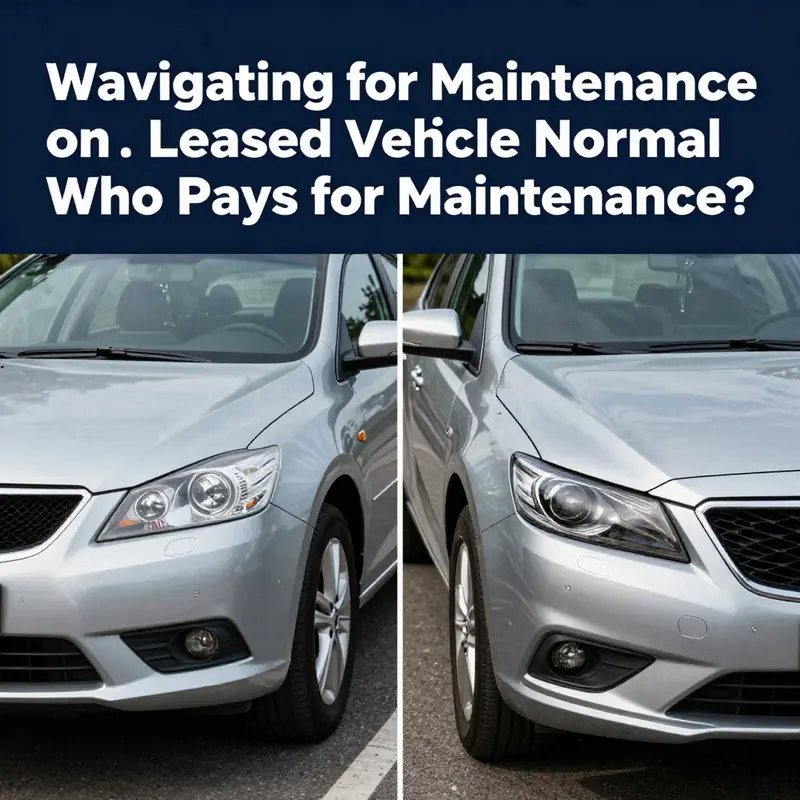
Signing a car lease is less about ownership and more about stewardship. The vehicle arrives under a contract that assigns responsibilities as clearly as a map shows a road. The central question for most lessees is not who controls the keys, but who shoulders the cost when the miles add up and the days pass. In most leases, the framework leans toward the lessee bearing the cost of routine upkeep, while the lessor covers major repairs that arise from manufacturing defects or mechanical failure. But there is always a caveat: the exact financial obligations live in the lease itself, and the line between normal wear and damage is not always a straight one. To navigate this terrain, a reader must understand three moving parts: what maintenance typically covers, how wear and tear are defined, and what the lease says about responsibility when damage occurs or when the vehicle is returned at the end of the term. The dialogue between lessee and lease is ultimately a negotiation with a known endpoint in sight: the vehicle’s return and the charges that may accompany it if certain conditions are not met or if certain thresholds are crossed. The practical takeaway is simple in principle but nuanced in execution: know the terms, document the vehicle’s condition, and treat maintenance as a shared responsibility in practical terms, even if the financial burden is not shared in a uniform way across all contracts.
Normal wear and tear is the baseline against which every lease is measured. It is the ordinary deterioration you would expect from regular use over time. Tiny scratches on the paint, light interior wear, seat creases, a few scuffs on glossy surfaces, and tires that show normal tread wear from thousands of miles are typically considered normal. These conditions are accepted as part of the lease cycle because they reflect standard usage rather than neglect or abuse. Industry guidelines, including those put forward by recognized leasing bodies, consistently frame normal wear and tear as not constituting a chargeable deduction at the lease’s end when they stay within reasonable limits defined by the vehicle’s age, mileage, and the manufacturer’s norms. In other words, a well-kept lease that has seen prudent use should not become a financial liability simply for the natural aging of the car.
Yet the line between normal wear and excessive damage can blur. Excessive damage includes more severe issues: deep dents that distort panels, substantial interior stains, broken glass, or damage resulting from neglect or improper use that goes beyond ordinary wear. When a vehicle shows signs of abuse or a lack of routine care, the lessee may be responsible for the repairs or for deductions from a security deposit. The exact thresholds are not universal; they hinge on the lease language and the vehicle’s condition at the start and end of the term, along with mileage and the expected wear for a given model and year. The practical consequences are real: if the inspector finds that the car’s condition falls outside the defined normal wear, the lessor may assess charges for repairs, restoration, or even charges tied to diminished vehicle value. This makes the end-of-lease walkthrough not merely ceremonial but a critical moment for financial clarity.
To keep this system fair and predictable, most lease agreements include crisp definitions of what counts as normal wear versus excessive damage. It is not enough to assume your interpretation of wear and tear will align with the lessor’s. Thorough documentation at the start of the lease—complete with photos and an inspection report—serves as a reference point for the entire term and as protection against later disputes. As miles accumulate and the vehicle ages, the vehicle’s condition should be tracked with care. The lessee should preserve maintenance records, receipts for routine service, tire rotations, brake inspections, and any repairs related to normal wear. These records not only support ongoing compliance with routine maintenance requirements but also establish a benchmark for the vehicle’s condition when it is returned. In some markets, industry guidelines encourage using standardized inspection-as-you-go practices to help both parties understand what is expected as the car ages.
The contract itself governs the core allocation of responsibility. While the general pattern described above is common, the lease can stipulate otherwise. Some agreements explicitly shift certain maintenance tasks to the lessor, particularly if the lessor offers a maintenance program as part of the lease package. Others rely on the lessee to undertake routine servicing with proof of completion. The critical point is to read the agreement with care before signing and to ask questions about any clause that seems to redefine normal wear, especially if your driving profile includes high mileage, off-road use, or unusual operating conditions. It is also worth noting that the vehicle’s return process often involves an inspection by the lessor or a third party. If the inspection reveals wear that falls within the normal range, no extra charges should arise. If it shows wear beyond the agreed threshold, the lessee may face charges that reflect the cost of repairs or the diminished value of the vehicle.
In practice, the maintenance burden often falls on the lessee in two intertwined ways. First, routine servicing—oil changes, filter replacements, fluid checks, tire rotations, brake inspections, and similar upkeep—tends to be the lessee’s responsibility. The logic is straightforward: the lessee is the vehicle’s user and keeper during the term, and routine maintenance sustains the vehicle’s performance. Second, wear and tear—while it may seem informal in everyday speech—has a formal home in lease agreements. Normal wear that aligns with the contract and manufacturer guidelines is typically absorbed by the lessor at the vehicle’s return, provided it stays within defined limits. This division of duties reflects a balancing act: the lessee benefits from the use of the car without the long-term ownership costs, while the lessor mitigates risk by ensuring the vehicle remains within reasonable expectations of value through the term and into the lease’s conclusion.
The tension arises when something unexpected happens. A mishap, an accident, or neglect that leads to damage can quickly flip the balance. If the damage is the lessee’s fault or results from improper care, the lessee bears the cost or provides compensation through repairs or credit against the security deposit. The repair costs can be substantial, especially for damages that require panel work, alignment corrections, or interior remediation. Conversely, repairs due to normal wear or a mechanical failure that is not the result of misuse are typically the lessor’s responsibility, especially if they pertain to components that have failed beyond normal wear or were defective from the outset. This distinction underscores why lessees should understand the maintenance terms and why regular, documented maintenance is not just about keeping the car in good running order but also about preserving leverage in end-of-lease negotiations.
The practical path forward is straightforward, albeit sometimes tedious. Begin with a thorough read of the lease agreement, paying close attention to sections on maintenance, wear and tear, and end-of-lease charges. Schedule regular service visits and keep every receipt. Photograph the car at key milestones: at delivery, after major service, after any incident, and at the return inspection. When the time comes to return the vehicle, request a pre-return inspection if your lease offers one. This step can identify potential charges ahead of time and give you a chance to correct issues before they become billable deficits. If you must address damage, seek timely, reputable repairs that align with the lease’s expectations. While the decision to repair hinges on cost considerations, opting for a fix that meets the lessor’s guidelines can reduce the risk of disputed charges.
Beyond the mechanics of wear and tear, there is value in treating maintenance as a habit rather than a tactic for avoiding charges. Proper maintenance can boost fuel efficiency, extend the life of tires and brakes, and improve resale value—benefits that are independent of the lease. In fact, sound maintenance practices can yield tangible savings and a smoother ownership experience should you decide to move out of the lease or transition to a new vehicle. For a practical reminder of how routine upkeep translates into ongoing savings, readers can explore explanations of how vehicle maintenance saves on gas expenses. This connection between care and economy reinforces that maintenance is not an optional expense but a strategic practice that serves both current comfort and long-term cost control.
All of this points to a simple but essential stance: the chapter on who pays for maintenance in a lease is less about a universal rule and more about a discipline of reading, documenting, and planning. It requires recognizing where routine maintenance ends and where wear so easily crosses into damage, and it demands understanding that the contract ultimately governs each decision. When you approach a lease armed with knowledge of typical allocations—lessee for routine maintenance and normal wear, lessor for major repairs—and with a clear method for documenting the vehicle’s condition, you place yourself on solid ground. The goal is not to avoid responsibility but to align expectations with the lease’s language and with the vehicle’s actual condition as it evolves over the term. In that sense, maintenance becomes a shared responsibility anchored in fair standards, guided by the document you signed, and supported by careful record-keeping that can prevent misunderstandings during the critical return phase.
For a practical takeaway, consider this: maintenance is an ongoing investment in the car and in your own financial clarity. It protects your driving experience and your bottom line, particularly as miles accumulate and the lease nears its end. If you want a quick mental model, think of maintenance as a routine duty for the lessee, with the condition checks and cosmetic wear falling into a framework of acceptable use, while repairs that stem from defects or mechanical failure remain the lessor’s responsibility. This model aligns with many standard lease practices and with the important caveat that contract terms trump generalities. For readers seeking a practical link between maintenance routines and cost savings, see how vehicle maintenance saves on gas expenses. And for a formal reference on wear-and-tear standards, consult the National Lease Association’s wear-and-tear guidelines.
Internal link: how vehicle maintenance saves on gas expenses
External resource: National Lease Association – Lease Vehicle Wear and Tear Guidelines: https://www.nla.org/lease-vehicle-wear-and-tear-guidelines
Maintenance on a Leased Vehicle: Navigating Regular Service, Safety Inspections, and the Lease-Contract Reality
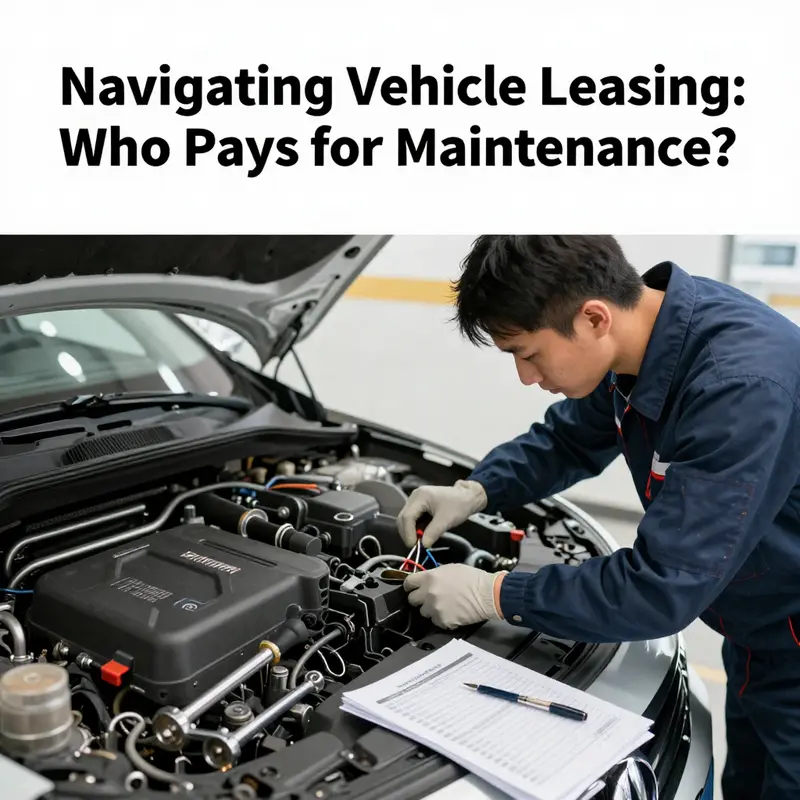
When you lease a vehicle, the relationship between ownership and responsibility shifts in a way that shapes every maintenance decision you make. The car remains the property of the lessor, the leasing company, while you enjoy the use of it for a defined period. In this arrangement, maintenance duties are not simply a matter of good will; they are a contractual obligation that helps preserve the car’s safety, reliability, and eventual value. Across most leases, the default expectation is that the lessee is the party responsible for routine maintenance and safety-related upkeep. This means following the manufacturer’s recommended service schedule, arranging regular service, and covering the costs that come with these necessary tasks. The logic behind this arrangement is pragmatic: the lessee is the one who experiences the daily wear and tear of driving, the miles accumulate on the odometer, and the vehicle’s condition at return hinges on how well it was cared for during the lease. The leasing company, in turn, benefits from a vehicle that remains in good operating condition, which helps preserve its residual value for the next customer and reduces the risk of costly, unexpected repairs that could complicate the lease end process.
What does this maintenance typically include? The core components are straightforward and aligned with what any car owner would expect. Regular maintenance means oil changes, filter replacements, tire rotations, brake inspections, and other services listed in the manufacturer’s service schedule. These tasks aren’t cosmetic; they are the essential steps that keep the engine, drivetrain, and safety systems functioning as intended. In practice, lease agreements frequently specify that the lessee must adhere to the manufacturer-recommended maintenance intervals and keep records to prove that service has been completed on schedule. This compliance is more than a checklist—it’s a safeguard against breakdowns, reduced efficiency, and accelerated wear that could otherwise lead to disputes at lease end. Safety inspections, too, are generally treated as a component of regular maintenance. In many jurisdictions, safety inspections are required by law, but even when they aren’t mandated by statute in a given state, they are commonly treated as part of the vehicle’s routine upkeep. The logic is consistent: a car that is not routinely checked for brakes, tires, steering, and other critical systems is a greater risk to the driver and others on the road. The lessee, as the daily user, is the party best positioned to notice early warning signs and to ensure those signs are addressed through timely service. This is why lease contracts vest maintenance responsibilities in the lessee: it aligns the cost with the usage and the upkeep required to keep the car safe and dependable.
Yet, no general rule operates in a vacuum. There are important exceptions that can shift who pays for what. First, if damage occurs due to the lessee’s negligence, misuse, or an accident, the repair costs fall to the lessee. A broken wheel, a dented fender from a collision, or a damaged transmission caused by improper use is not considered normal wear and tear and is not covered by routine maintenance provisions. Second, wear and tear beyond what is considered normal can also become the lessee’s financial responsibility. The lines between normal wear and excessive wear are often defined in the lease agreement, but they tend to hinge on the vehicle’s age, mileage, and the condition at return. What looks like a minor blemish to a careful driver could, in the eyes of the leasing company, equate to an excessive wear-and-tear charge if it results from neglect or failure to perform required maintenance. This is why the contract document is crucial: it lays out the expectations, the limits, and the process for assessing the vehicle’s condition at the end of the lease.
The emphasis on contract terms cannot be overstated. While the standard framework assigns maintenance to the lessee, lease agreements are crafted with variations. Some leases may include maintenance packages or services as part of the monthly payment, offering a bundled arrangement that alleviates the burden of regular upkeep. Others may require the lessee to arrange and pay for maintenance through authorized service centers or to demonstrate that service has been completed according to a written schedule. The key takeaway is that the lease contract is the definitive source. Reading it carefully before signing, asking clarifying questions, and noting any maintenance-related inclusions or exclusions can prevent disputes later on. In practice, this means keeping a copy of service records, obtaining written confirmations from service providers, and storing receipts that document oil changes, tire rotations, brake checks, and any other required maintenance tasks. When the vehicle goes in for service, the lessee should request documentation that the service was performed per the schedule and that any parts replaced were appropriate for the vehicle’s make and model.
End-of-lease considerations underscore why diligent maintenance matters beyond the monthly budget. If maintenance is neglected, or if the car is returned in a condition that reflects excessive wear or damage, the lease-end evaluation may impose charges. These charges can take the form of excess wear-and-tear fees or damage assessments that require the lessee to cover certain repairs to restore the vehicle to the agreed-upon condition. The final return condition is not merely a cosmetic concern; it can affect the overall cost of the lease. A vehicle that has been well maintained is more likely to meet return conditions with minimal or no end-of-lease charges, which can be a meaningful financial difference over the life of the agreement. It is worth noting that guidelines from federal and state authorities may influence the broader framework of how maintenance and safety inspections are viewed within the leasing ecosystem. For readers seeking official guidance, the U.S. Department of Transportation provides resources that contextualize vehicle standards and safety expectations in the broader regulatory landscape: https://www.transportation.gov.
The practical path for lessees is to approach maintenance as a shared responsibility with clearly defined expectations. Start with the lease contract and extract the maintenance provisions—what is required, how often, and who pays. From there, establish a disciplined maintenance routine aligned with the manufacturer’s recommendations. This means scheduling oil changes, tire rotations, brake inspections, and other routine services precisely when the clock or the odometer says to, not when convenient. Keeping meticulous records is essential. When you take the car in for service, request a written summary of the work performed, parts replaced, and the service interval. Store these documents in a dedicated folder or digital tracker so you can readily present them at the end of the lease if needed. For those who want to understand how maintenance choices influence overall costs, consider the broader financial picture: regular service preserves fuel efficiency, reduces the likelihood of major repairs, and helps maintain the vehicle’s resale value for the next lessee. Even beyond the dollars, it translates into predictable performance, safer operation, and a more reliable driving experience throughout the lease term. As a practical aside, maintaining the vehicle also aligns with responsible ownership principles, reminding drivers that the choice to lease does not equate to a free pass from caring for the car; it is a contract-driven, accountability-forward arrangement that rewards diligence with lower risk of penalties at the lease end.
For readers who want a concrete, actionable reminder about the financial and practical benefits of ongoing maintenance, the topic connects directly to broader car-care wisdom. Regular maintenance isn’t just about compliance with a lease; it’s about optimizing long-term cost efficiency and reliability. It helps ensure that the vehicle delivers the expected performance and safety you rely on every day, while also protecting your interests when the lease wraps up. In this light, maintaining a lease vehicle becomes a proactive practice rather than a reactive expense. And while the lessee shoulders the routine maintenance bill, the clarity of the lease terms and the discipline of following the service schedule reduce the risk of surprise charges and disputes in the future. If you’re curious about how routine care translates into tangible savings beyond the lease context, you can explore practical insights on fuel efficiency and maintenance by reading about how vehicle maintenance saves on gas expenses, which offers a broader view of the value of consistent service. how vehicle maintenance saves on gas expenses.
In short, the default framework in the United States places maintenance squarely on the lessee, with safety inspections treated as part of the usual upkeep. The vehicle’s ongoing condition, the owner’s rights at lease end, and the specifics of any maintenance package or warranty coverage all revolve around the lease contract. The rules are designed to balance predictable costs for the lessee with the leasing company’s interest in preserving the vehicle’s value. When both sides understand and honor those terms, the lease becomes a straightforward arrangement: you drive, you service, you document, you return the car in good shape, and you move forward with confidence. This makes the maintenance phase a foundation of the leasing experience rather than a peripheral afterthought. For readers seeking the most authoritative, regulatory perspective, the external reference to federal transportation resources serves as a reminder that these principles sit within a larger framework of safety and standards that govern vehicle operation and roadworthiness across markets.
External resource: https://www.transportation.gov
Final thoughts
Understanding maintenance responsibilities on leased vehicles is crucial for business owners. While lessors generally cover maintenance costs, it is essential for lessees to recognize their obligations. From potential repairs due to negligence to the implications of the lease contract’s terms, clarity is key. By thoroughly grasping these several aspects – ranging from the lessor’s role in regular servicing to the nuances of what constitutes normal wear and tear versus excessive damage – business owners can avoid unexpected costs and respective legal pitfalls. This knowledge not only aids in budget management but also ensures that your leased vehicles remain reliable assets during their operational usage.