

At the significant milestone of 70,000 miles, vehicle maintenance takes on heightened importance, especially for business owners reliant on their vehicles for daily operations. Regular maintenance ensures optimal performance, safety, and longevity, reducing the risk of unexpected breakdowns that could disrupt your business activities. This article delves into three key areas of vehicle maintenance essential at this mileage: engine and fluid upkeep, brake and tire safety, and thorough component inspections. These insights will help you ensure your vehicles remain dependable assets in your business.
Beyond the Milestone: A 70,000‑Mile Maintenance Rite for Longevity and Safety
Crossing the 70,000‑mile mark is more than a simple countdown; it is a signal that your vehicle has entered a phase where careful inspection and timely replacements become essential to preserve performance, safety, and value. At this juncture, the car has already endured years of heat, cold, vibrations, and the relentless wear that comes from daily use. The systems that keep the engine turning, the drivetrain transferring power, and the chassis supporting motion—all demand a more deliberate checkup to prevent cascading failures. The maintenance plan at 70,000 miles is less about chasing a single symptom and more about sustaining a balance among lubrication, cooling, and control, so that each component can perform its job without forcing the others to compensate for wear elsewhere. In practice, this milestone translates into a carefully orchestrated sequence of inspections and replacements that protect the powertrain, preserve safety, and extend life, reducing the likelihood of expensive surprises down the road. This approach is grounded in widespread manufacturer guidance, reinforced by respected industry standards and government resources that emphasize preventive care as the most cost‑effective, environmentally sensible path to reliable mobility.
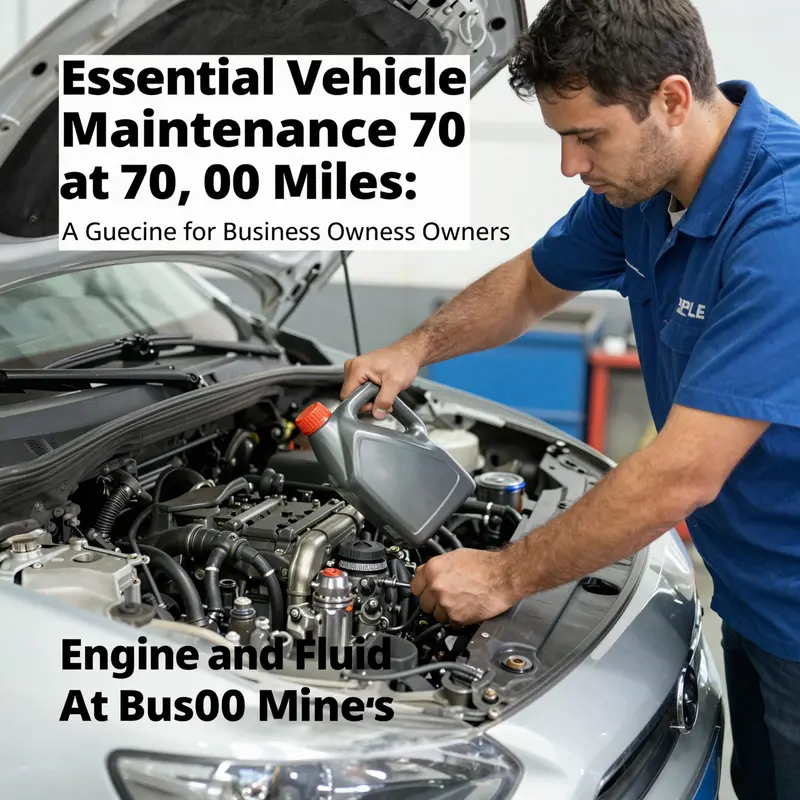
To begin, consider the engine oil and oil filter. Oil is the lifeblood of the engine, always under pressure from heat and friction. Over time, oil loses its protective properties as it degrades and as contaminants accumulate. A 70,000‑mile service should, in most vehicles, include a fresh oil fill and a new filter because even small reductions in lubrication can have outsized consequences in high‑mandate environments—hot engines, heavy loads, or frequent short trips that do not allow for full oil circulation. The goal is to maintain a film of clean oil that coats crank journals, cam lobes, and pistons, preventing metal‑to‑metal contact and keeping piston rings sealing effectively. When the oil is clean, it resists sludge formation, and the engine can operate with predictable efficiency. The choice between synthetic and conventional oil often surfaces at this point. Synthetic oils tend to resist breakdown longer and provide stable viscosity across a wider temperature range, which can be beneficial in extreme climates or for vehicles with frequent long trips or high mileage. Yet the best choice remains the one specified by the vehicle’s manufacturer, because the engine tolerances and the oil passages are designed around a particular formulation and viscosity. In any case, a clean filter is equally crucial—the filter traps particulates and metal fragments that can accumulate with miles and heat exposure. Ignoring a filter change during an oil service is a common pathway to restricted oil flow and accelerated engine wear, especially in engines with tight tolerances or high oil flow demands.
Closely tied to lubrication is the health of the transmission fluid. Whether the vehicle uses an automatic or a manual transmission, the fluid’s condition matters. Transmission fluid serves as a hydraulic medium that transmits force, assists lubrication, and keeps temperature in check within the transmission. With time, heat and friction degrade the fluid, causing it to thin or oxidize in ways that reduce its ability to cushion gear teeth, synchronize shifts, and prevent wear. At around 70,000 miles, technicians commonly inspect the fluid quality and color, check for burnt smell, and verify the level, especially if the vehicle has experienced shifting irregularities. Some manufacturers recommend a full transmission fluid flush within a broad window that spans from about 60,000 to 100,000 miles, depending on usage patterns and the type of transmission. If a flush is not necessary, a fluid top‑off and filter replacement may suffice, but the key is to ensure the fluid maintains the correct viscosity and cleanliness to avoid harsh or delayed gear engagement. A neglected transmission can lead to slipping or late engagement, which not only irritates the driver but also accelerates wear to clutches and bands and can ultimately require a more costly repair.
Another critical fluid at this juncture is the coolant. The cooling system’s job is to carry heat away from the engine and to protect metal surfaces from corrosion within the radiator, water pump, and heater core. Coolant isn’t a one‑and‑done product; it ages, becomes acidic, and loses its anti‑corrosive and anti‑freeze properties. A 70,000‑mile interval commonly includes a coolant flush and replacement when recommended by the manufacturer. This refresh helps prevent overheating, reduces the risk of internal corrosion, and maintains the cooling system’s efficiency across seasonal temperature swings. A degraded coolant can balloon into expensive problems such as radiator leaks, heater core failures, or water pump damage. The precise interval varies by climate and vehicle design, but the underlying rationale is consistent: fresh coolant better resists boiling, improves heat transfer, and extends the life of cooling system components.
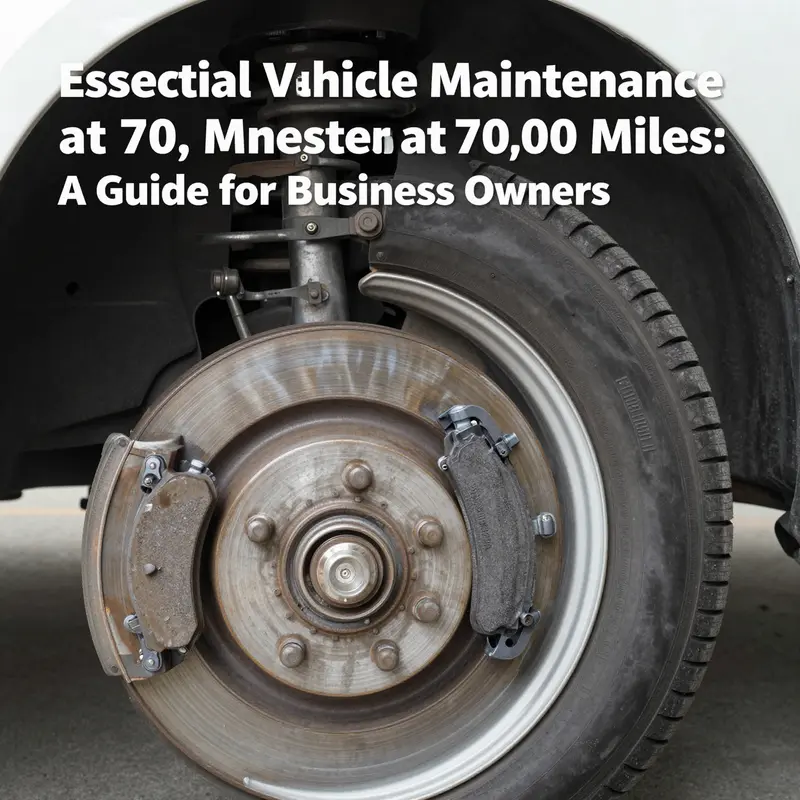
Alongside the engine and its cooling loop sits the brake system, a safety‑critical domain that deserves meticulous attention at this milestone. Braking involves a trio of essentials: brake pads or shoes, rotors or drums, and brake fluid. The pads wear with every stop, thinning over time until they reach a point where stopping distance increases and feedback from the pedal changes. Rotors can develop scoring or glazing, which reduces friction efficiency and can cause pulsing or vibration when braking. Brake fluid is another weak link; it is hygroscopic by nature, meaning it absorbs moisture from the air. This moisture lowers the fluid’s boiling point, which can lead to brake fade during heavy use or hot conditions. A comprehensive check at 70,000 miles should include measuring pad thickness, inspecting rotors for wear or warping, and testing brake fluid quality. If indicated by wear, replacing pads and resurfacing or replacing rotors can restore braking performance. Flushing the brake fluid and replacing it with fresh fluid prevents moisture buildup and helps maintain consistent pedal feel and stopping power. This is especially important as a car ages and the brake lines begin to face more cumulative exposure to heat and moisture.
Tire health forms the other safety edge of the 70,000‑mile service. Tires wear nonuniformly due to weight distribution, driving style, and road conditions, so rotating them at the recommended intervals promotes even tread wear, better handling, and longer tire life. An inspection typically includes tread depth measurement, checking for cords showing through the rubber, bulges, or cracks, and assessing overall tire condition. Regular rotation helps ensure that traction remains balanced across all four wheels, which is crucial for grip in rain, snow, or dry pavement. If tread depth has fallen below the acceptable limit or if there are signs of damage, timely replacement is essential for maintaining safety and performance. In addition to rotation, a quick alignment check can reveal subtle suspension or steering issues that, if left unaddressed, will cause uneven wear and degrade handling. The 70,000‑mile moment is a practical juncture to confirm that the tires you rely on every day will continue to do so without compromising safety or fuel efficiency.
Beyond the obvious engine and brake fluids, other important fluids deserve attention as well. Power steering fluid, for example, can degrade and lose its protective additives over time. In systems that rely on hydraulic assistance, a slow response or stiff steering can indicate fluid deterioration or a developing leak. A 70k service often includes a fluid level check and, if needed, a replacement to preserve steering effort and precision. The differential fluid—whether in a simple rear‑wheel drive, an all‑wheel drive, or a front‑wheel drive configuration with a differential—also deserves scrutiny at this mile marker. The differential is the part of the drivetrain that allows wheels to rotate at different speeds, especially during turns. Over time, metal particles and heat can degrade the lubricant, affecting how smoothly power is transmitted to the wheels. In many vehicles, the differential is a long‑lived component, but a scheduled inspection and, if warranted, a fluid change protect the gears from unnecessary wear. Routine checks here reduce the risk of differential noise, overheating, or reduced efficiency, circumstances that can ripple into reduced performance and higher fuel consumption.
It is also wise to look at the engine’s breathing and combustion efficiency as miles accumulate. The air intake system, including the air filter, plays a significant role in delivering clean air for combustion. A clogged air filter imposes additional load on the engine, which can reduce power and fuel economy while increasing exhaust emissions. Replacing a dirty air filter at 70,000 miles helps the engine breathe easier, improve throttle response, and maintain efficient combustion. Spark plugs, too, deserve attention when engines reach certain mileages, depending on the design and the spark technology used. Worn plugs can cause misfires, rough idle, reduced fuel efficiency, and stumbling under load. If your vehicle’s service schedule calls for spark plug replacement around this mile marker, the procedure can refresh ignition quality and restore smooth operation. As always, the specifics hinge on the engine type and the manufacturer’s recommendations, but the principle remains: replacing worn ignition components preserves efficient combustion and helps protect the catalytic converter from unburned fuel.
While discussing fluids and ignition, it is important to acknowledge other wear‑related components that do not always show obvious symptoms until they fail. Belts and hoses can deteriorate through age, exposure to heat cycles, and the flexing that accompanies daily driving. The 70,000‑mile visit is an appropriate time to inspect serpentine belts, timing belts (if applicable), and various hoses for signs of cracking, glazing, or swelling. A break in a belt can lead to loss of alternator charging, power steering assist, or cooling fan operation, while a cracked hose can result in coolant or vacuum leaks that compromise engine performance. Suspension components—shocks, struts, bushings, and control arms—bear the brunt of every road surface and load. Worn bushings or leaking shocks reduce ride comfort and handling, and in severe cases can impact tire contact and braking stability. A thorough check at this stage reduces the odds of unexpected instability or uncomfortable rides, preserving both safety and the vehicle’s value.
All of these checks are designed not as a one‑and‑done ritual but as part of a preventive maintenance philosophy. The goal is to anticipate wear before it becomes a failure, to keep the vehicle performing as intended, and to minimize the total cost of ownership by avoiding major, system‑wapping repairs. Vehicle owners are encouraged to follow the maintenance schedule laid out in their owner’s manual, which is tailored to the exact make, model, and year. The schedule reflects the manufacturer’s test data, engineering tolerances, and the heat cycles and duty cycles common to a given vehicle. While some drivers might interpret 70,000 miles as a milestone that signals an opportunity to extend service intervals, the opposite is often the prudent choice: this is a point where a comprehensive review of critical fluids and wear items helps ensure you do not push a problem into a much more expensive repair window. The maintenance plan should be based on mileage or time, whichever comes first, which accounts for the fact that some vehicles experience high wear in a relatively short period if they see a lot of stop‑and‑go driving, while others accumulate miles more gently and still require attention to aging fluids and components.
For readers who want to frame their approach with a broader, standards‑driven perspective, the U.S. Department of Energy’s Vehicle Technologies Office offers a reminder that adherence to manufacturer guidelines is one of the most effective ways to preserve fuel economy, extend life, and enhance safety. The emphasis is not on chasing every possible fault but on maintaining the core systems that determine how safely and efficiently a car mobilizes through daily life. The guidance reinforces the practical truth that preventive maintenance is a form of risk management: it reduces the probability of catastrophic failures, minimizes costly downtime, and supports environmental efficiency by keeping systems operating at peak performance. In the end, the 70,000‑mile service is not a sign that the vehicle is near its end; it is a signal that proper care can keep it dependable for many miles to come, with better resale value and meaningful reductions in the likelihood of breakdowns.
To help frame the decision‑making process, consider how these recommendations interface with your own driving patterns. If your commute is predominantly urban with frequent short trips, engine and transmission temperatures may never reach the ideal operating range, accelerating fluid degradation and sludge formation. Under such conditions, you might benefit from more frequent oil changes or more attentive transmission service intervals. If you regularly tow heavy loads, haul equipment, or drive in extreme temperatures, the demands on cooling, lubrication, and braking components are greater, and the 70k service can be the pivotal moment to adjust maintenance cadences accordingly. Conversely, if your vehicle covers long highway distances with minimal idling, you might extend some intervals within the manufacturer’s guidelines while still prioritizing essential items like oil, coolant, and brake fluid. The key is to match maintenance decisions with real‑world use while adhering to the boundaries set by the vehicle’s design and the manual. A prudent technician will translate the owner’s driving narrative into a maintenance plan that respects both the mechanical realities and the calendar that wheels offer—time and mileage both shape the service needs.
In pursuing this integrated maintenance mindset, the role of a trusted shop or service manual becomes central. Good guidance starts with a careful inspection that identifies leaks, abnormal wear, and unusual noises. An experienced technician will not simply perform a checklist; they will interpret wear patterns in the context of your vehicle’s history, maintenance habits, and the conditions in which you operate. The objective isn’t to replace every possible part at 70,000 miles but to locate the items whose continued operation would expose other systems to risk. This approach preserves the performance budget of the vehicle: a balanced investment now to avoid a disproportionate repair later. The resulting maintenance record becomes a valuable history for the next owner, a tangible testament to the care you’ve given the car through its evolving life. In practice, the 70,000‑mile service is best understood not as a single event but as a carefully engineered interval that connects the vehicle’s past, present, and future reliability.
For readers who want a concise entry point into the broader maintenance landscape, a helpful pathway is to explore a dedicated overview that situates the 70,000‑mile service within the larger framework of vehicle upkeep. What is vehicle maintenance? This foundational guide explains the logic behind schedules, inspections, and replacements, and it can be a useful companion as you plan your next service. See the discussion here: What is vehicle maintenance?.
Throughout this chapter, the underlying message is simple: at 70,000 miles, maintenance ceases to be a cosmetic or optional task and becomes a strategic investment in safety, efficiency, and longevity. It is a moment to verify that the engine remains properly lubricated, that the transmission shifts smoothly, that the cooling system remains robust, and that the brakes and tires preserve their essential safety margins. It is a time to check the fluids—oil, transmission fluid, coolant, brake fluid, power steering fluid, and differential oil—for quality and level, to confirm there are no leaks, and to decide whether any components show signs of imminent wear. It is, in short, the practical, humane, and intelligent approach to vehicle care: respect the systems that keep you moving, and they will respect you back with reliability and confidence on every road you travel.
External resources reinforce this view, offering guidance that complements the hands‑on maintenance you perform at the shop or in your own garage. For instance, the U.S. Department of Energy’s Vehicle Technologies Office highlights that following manufacturer maintenance schedules—including fluid changes at significant mileages like 70,000 miles—does more than protect the car. It helps improve fuel economy, extend vehicle life, and enhance safety, while also contributing to environmental sustainability by keeping emissions and inefficiencies in check. The principle is not exotic; it is rooted in a straightforward understanding of how engines and drivetrains operate under stress and how preventive care can keep those systems functioning with minimal drama. If you would like to read more about this perspective, you can consult the external resource linked at the end of this chapter for a broader, more technical discussion.
In summary, nearly every major system in a typical four‑wheel‑drive or front‑wheel‑drive vehicle benefits from a deliberate 70,000‑mile checkup. Engine oil and filter, transmission fluid, coolant, brake fluid, and even other fluids such as power steering and differential lubricant all demand thoughtful evaluation. The air filter’s replacement can improve air quality within the engine’s intake, and spark plugs—where applicable—restore ignition performance. Belts, hoses, and suspension components deserve a careful scan for signs of aging, cracking, or fatigue. Tires require rotation and a thorough inspection to ensure maximal life and safety. This approach underscores a broader truth: maintenance, when performed consistently and thoughtfully, is a powerful engine for reliability, not a mere budget line item. By aligning maintenance decisions with the manufacturer’s schedule, your driving life remains uninterrupted by avoidable failures, and your vehicle remains a loyal companion for miles to come.
To close this contemplation, one more layer of practicality remains: how to execute this maintenance without inviting chaos in your schedule or your budget. The best practice is to plan the service in a way that fits your calendar and your vehicle’s life story. If you keep a simple service log or use a digital reminder, you can track when a fluid was last replaced and when the next interval is due, factoring in your driving conditions. If you own or lease a vehicle with a more rigid maintenance program, you might align your 70,000‑mile service with other major service events to minimize downtime and to consolidate parts and labor. In any case, the fundamental aim remains constant: address the most critical items first, particularly those that influence engine cleanliness, transmission performance, cooling efficiency, and braking safety. When you treat 70,000 miles as a meaningful service milestone rather than a generic checkpoint, you empower yourself to keep the vehicle dependable and enjoyable to drive while safeguarding resale value for the future. And if you ever doubt the importance of this interval, remember that preventive care at this mile marker is a strategic investment in the road ahead, one that pays dividends in reliability, peace of mind, and environmental responsibility.
External resource: https://www.energy.gov/eere/vehicles/articles/vehicle-maintenance-tips-keep-your-car-running-efficiently
null
null
Crossing the 70,000-Mile Threshold: A Thorough, Integrated Look at Core Inspections and Timely Replacements
At the 70,000-mile mark, a vehicle begins to reveal the wear it has quietly endured over thousands of miles of starts, stops, and those long highway stretches that seemed to stretch time itself. This is not merely a routine pit stop; it is a critical inflection point where careful inspection and prudent replacements can translate into reliable performance, safer operation, and lower total ownership costs for years to come. The goal at this milestone is not to chase every possible symptom but to engage in a thoughtful, mileage-based check that aligns with the vehicle’s design, its age, and the environment in which it operates. This is where preventive maintenance shifts from a scheduled ritual into a disciplined, diagnostic practice that protects the engine, the drivetrain, and the essential systems that contribute to your everyday safety and comfort on the road. The guidance that follows threads together industry standards, manufacturer recommendations, and practical experience from service professionals, all anchored by the simple principle that good maintenance earns trust in a vehicle’s future reliability.
A practical way to frame the 70,000-mile maintenance is to imagine the car naming its own health report. The engine speaks in terms of lubrication, combustion, and cooling; the transmission negotiates the transfer of power under heat and wear; the braking and suspension systems remind us that stopping and handling are not optional refinements but foundations of safety. The maintenance plan at this milestone focuses on inspections and targeted replacements that address wear before it translates into inefficiency, reduced performance, or unexpected breakdowns. In many modern vehicles, the most consequential items at this mileage fall into a relatively familiar group: engine oil and oil filter, transmission fluid, coolant, brakes, tires, air filtration, spark plugs when applicable, and critical belts, hoses, and suspension components. This sequence is not a rigid checklist so much as a pathway through which a well-informed technician can identify coming failures and intervene early, preserving the engine’s health and maintaining the vehicle’s reliability for everyday driving and longer trips alike.
A starting point is the engine’s lifeblood: oil and its filter. Engine oil degrades over time, not merely through distance but through heat, contaminants, and the accumulation of byproducts from combustion. The 70,000-mile point is a natural moment to confirm that the oil’s viscosity and cleansing properties are still adequate to protect the crank, bearings, camshafts, and journals. While the exact interval depends on the vehicle and the oil specification, many manufacturers anticipate an oil and filter change somewhere in the vicinity of the 70,000-mile mark within broader schedules that range from roughly every 5,000 to 7,500 miles for conventional oils, or longer for synthetic formulations. A deliberate inspection at this point includes checking the oil’s level and clarity, and, equally important, examining the filter for signs of heavy use or bypass conditions. If the oil appears unusually dark or has a distinct burnt odor, it is a strong signal that an earlier drain and recharge is warranted. At the same time, the service should verify the oil’s compatibility with the engine’s current state and age, as older engines or those with higher mileage may tolerate or even benefit from specific oil grades designed to reduce volatility and protect seals. This careful step preserves lubrication, minimizes friction, and helps avert wear that can snowball into louder valvetrains, reduced power, or knock events.
Beyond the lubricant itself, the transmission deserves thoughtful attention at 70k. Transmission fluids lose their protective qualities under heat and shear, especially in automatic transmissions, where a well-chosen fluid maintains smooth clutch engagement and prevents internal wear on the gears and valves. Manufacturers commonly recommend checking or replacing transmission fluid somewhere between 60,000 and 100,000 miles depending on the model and driving conditions. The inspection at this milestone should include a careful assessment of the fluid’s color, smell, and level, as well as a test drive to observe shifting behavior. If the fluid shows signs of oxidation, a strong odor, or a noticeable change in shifting feel—such as hesitation, slipping, or erratic gear changes—a full fluid change or a more nuanced flush should be considered. The right approach depends on the vehicle’s age, the type of transmission, and the maintenance history. Without overstepping into a one-size-fits-all instruction, the principle remains: preserve the hydraulic efficiency that transfers power reliably, avoiding mis-shifts that can wear the transmission’s friction components or stress the torque converter.
Cooling system maintenance is equally critical. Coolant is a lifeline for the engine, maintaining a steady temperature and protecting metal surfaces from corrosion. Over time, coolant becomes acidic and less effective at heat transfer, which increases the risk of overheating, radiator corrosion, and water pump wear. A coolant flush and replacement around 70,000 miles helps reestablish the cooling system’s capacity to reject heat, maintain engine temperatures within optimal ranges, and extend the life of gaskets and seals that sit at the top of the cooling loop. This is especially important for vehicles that experience frequent short trips, high-load driving, or hot climates where coolant degrades more quickly. The service should include a complete drain, flush as required by the service facility’s procedure, and refill with the correct specification of coolant in the proper mix. A properly maintained cooling system reduces the likelihood of overheating under heavy accelerations or hot summer days, and protects components like the radiator, water pump, hoses, and thermostat housing from premature failure that can cascade into more costly repairs.
The brake system, perhaps the most tangible expression of vehicle safety, warrants a thorough inspection at this milestone. Brakes operate under aging cycles of wear, heat, and moisture intake, all of which can compromise stopping power if not monitored. At 70,000 miles, brake pads may be near the end of their service life, and rotors can accumulate wear patterns that reduce effectiveness. Brake fluid also deteriorates by absorbing moisture over time, which lowers the fluid’s boiling point and can lead to reduced braking efficiency or internal corrosion in the ABS and hydraulic system. A careful inspection should quantify pad thickness, rotor surface condition, caliper operation, and the presence of any deep scoring, glazing, or heat cracks. The policy here is to replace components before a noticeable decrease in braking performance occurs, and to address any fluid contamination or deterioration to preserve smooth, predictable stopping capability. A comprehensive brake check at this stage is not only about replacing worn parts but also about ensuring the hydraulic system remains clean and free of air and moisture, which can undermine braking effectiveness in emergency stops.
Tire health and preparation for winter or seasonal changes are not optional at this stage. Tires wear unevenly due to weight distribution, alignment, suspension geometry, and driving style. Rotating tires at recommended intervals promotes even tread wear, extends tire life, and maintains consistent handling. An inspection should assess tread depth, check for uneven wear patterns that might indicate an alignment or suspension issue, and identify damage such as cuts, bulges, or sidewall cracking. The objective is simple: maximize grip, preserve ride quality, and avoid the risk of a catastrophic tire failure on the highway. A 70,000-mile assessment should confirm that the tires have sufficient tread remaining for safe traction in all conditions and that the wheels are balanced and aligned to prevent accelerated wear on one edge of the tire. In practical terms, this moment is where the driver and technician reconcile performance expectations with reality, recognizing that tires are both essential safety devices and a significant contributor to fuel economy and ride comfort.
Air filtration plays a quiet but important role in the engine’s health and efficiency. A clean air filter improves air flow to the engine, which supports efficient combustion and power delivery. By 70,000 miles, a switch from a clogged to a clean filter can meaningfully improve fuel economy, acceleration, and even cold-start performance. The inspection should include a visual assessment of the air intake system for debris or damage to the ducting, as well as a measured replacement if the filter’s condition warrants it. The upshot is simple: clean air means the engine can burn fuel more efficiently, reducing emissions and preserving performance. The impact on fuel consumption is not always dramatic on a single fill, but over thousands of miles it compounds into real savings and a smoother running engine.
Spark plugs cross the threshold into attention at this mileage, particularly in engines that call for replacement roughly every 60,000 to 80,000 miles. Spark plugs with platinum tips, or other advanced designs, are designed to extend service life, but even these can approach the end of their effective life by 70,000 miles in many engines. A thorough inspection for electrode erosion, fouling, and proper gap is prudent. In a high-performance or precisely tuned engine, worn plugs can cause misfires, rough idle, reduced power, and compromised fuel efficiency. If the inspection finds worn electrodes, it is prudent to replace them with new plugs that match the engine’s specifications. Even if a full replacement isn’t mandated by the manual, the assessment should leave the door open to replacing plugs if they show significant wear or the vehicle exhibits symptoms such as misfires or rough running. The result is an engine that maintains clean combustion, smooth torque delivery, and steady fuel economy.
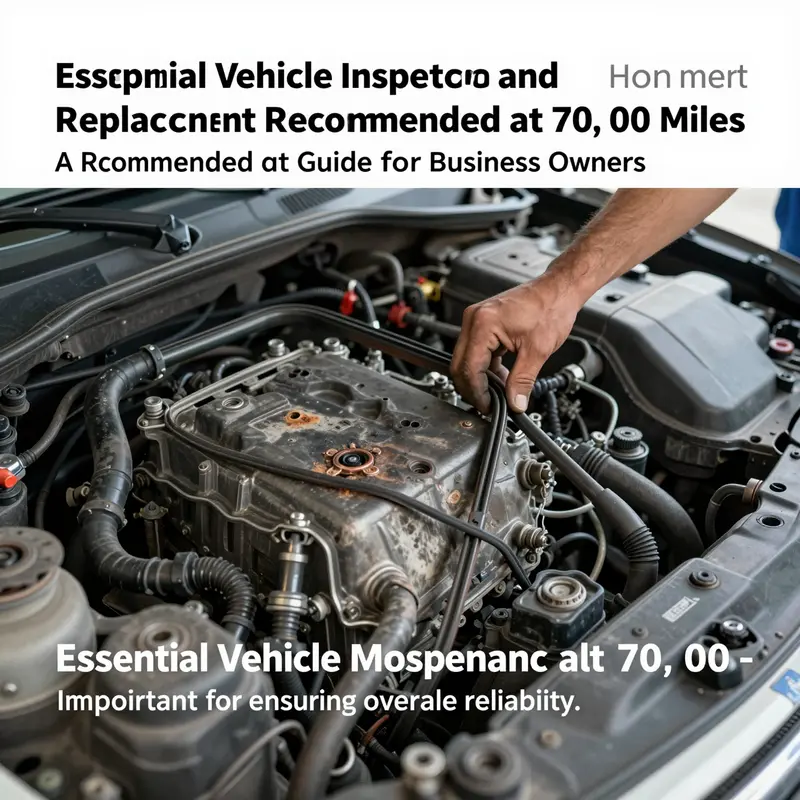
Beyond these core items, a broad spectrum of engine and drivetrain components deserves a careful eye at 70,000 miles. Cylinder heads, pistons, gaskets, timing belts, oil pumps, and valve covers are critical to engine integrity, and many engines in use today, particularly in fleets or vehicles with higher mileages, may display wear patterns or aging characteristics that warrant early detection and proactive replacement. Timing belts, in particular, deserve special attention because their failure can lead to catastrophic engine damage. While some engines use timing chains, many still rely on belts with service intervals that fall in the range of 60,000 to 100,000 miles depending on the design and operating conditions. The takeaway is not to fear an exact replacement date, but to ensure that the belt, if present, is in good condition, free of cracks, and with an appropriate tension. A belt or chain inspection at this juncture, especially in engines that have clocked many miles, helps prevent the dramatic consequences of a failure during normal operation. The same thinking applies to gaskets and seals—areas that can degrade with age and heat. A careful inspection can catch early leaks or seepage at valve covers or the oil pan, thereby preventing more serious oil loss or contamination of the cooling system.
Suspension and belt/hose wear also carry significance at 70,000 miles. Rubber components degrade over time due to heat cycles, exposure to road chemicals, and the flex of everyday driving. Shocks, struts, control arm bushings, and sway bar links can develop cracks, stiffness, or leaks that compromise ride quality and handling. Likewise, belts and hoses—timing belts, serpentine belts, radiator hoses, and heater hoses—shed their resilience and may crack, fray, or lose elasticity. A transparent inspection at this milestone focuses on signs of cracking, glazing, leaks, or unusual creases. Addressing these wear items promptly supports not just comfort but the vehicle’s ability to deliver consistent engine performance and reliable startup in varied weather. The science behind this approach is straightforward: healthy belts and hoses prevent sudden losses of drive power, cooling, or engine oil circulation during the most critical moments of operation.
A broader perspective is valuable here. The 70,000-mile interval is a practical reminder that preventive maintenance should be guided by the vehicle’s owner’s manual, which contains the manufacturer’s expectations for each model. The manual reflects the engineering choices behind your car—whether it uses a timing belt or a chain, the recommended fluid specifications, and the targeted service intervals for filters, plugs, and seals. It is a map for longevity, not a checklist of inconveniences. In addition to the manual, trusted guidelines from professional associations and industry organizations offer a framework for decision-making during a 70k inspection. The Automotive Maintenance Guidelines from the National Institute for Automotive Service Excellence (ASE), for instance, provide a benchmark for the kinds of inspections and service procedures that professionals prioritize when evaluating age and mileage. This blend of manufacturer guidance and independent guidance supports informed decisions and helps you manage a maintenance plan that respects both the vehicle’s design and its evolving condition.
A note on practical execution should accompany any plan at this mileage. Owners should approach the 70,000-mile point with an awareness of the vehicle’s past service history and the environment in which it operates. A well-documented service history makes it easier for technicians to spot patterns—such as oil type changes, repeated overheating episodes, or recurring brake wear—that point to underlying issues. This is where a 70k inspection becomes more than a paperwork exercise; it becomes a diagnostic conversation about the car’s health. In many cases, technicians will present a prioritized list of tasks, identifying which items require immediate attention and which can be monitored with periodic checks. For example, if spark plugs demonstrate only light wear and the engine is performing well, a replacement might be scheduled for the next interval, whereas a heavy wear pattern on a belt or a coolant leak would demand prompt action. The result of this approach is a maintenance experience that respects the car’s performance history while remaining adaptable to how the vehicle is used going forward—whether daily commuting, family trips, or weekend adventures.
As a driver or a caretaker, you can harness this knowledge by keeping a running record of service observations and aligning each appointment with both the owner’s manual and the broader maintenance philosophy described here. The goal is not to overspend on unnecessary parts but to invest in items whose failure would unpredictably disrupt your plans or compromise safety. This balance—protecting the engine’s vitality, preserving the transmission’s reliability, and maintaining the vehicle’s safety-critical systems—embodies the essence of the 70,000-mile maintenance philosophy. Throughout the process, it is prudent to consult the owner’s manual for specific maintenance guidelines tailored to your make and model, and to leverage trusted resources such as ASE guidelines to inform your decisions about best practices in vehicle care. To gain a concise overview of maintenance fundamentals, see What is vehicle maintenance.
In practice, the 70,000-mile inspection unfolds as a cohesive, interdependent assessment. The engine’s lubrication, cooling, and ignition elements must be in harmony with the transmission’s hydraulic medium and the braking system’s safety envelope. The tires and suspension provide the vehicle’s contact with the road and its dynamic responses. The air intake and filtration support efficient combustion, while the belts, hoses, and gaskets ensure the engine and accessory systems operate without the disruption of leaks or misalignment. The inspection is not merely about replacing worn parts; it is about confirming that the vehicle’s operating envelope remains within the manufacturer’s designed tolerances and that performance remains predictable, comfortable, and safe. In this light, the 70,000-mile milestone becomes a careful negotiation between what the car needs now and what can be responsibly scheduled for the near future, guided by data, experience, and a shared understanding of the vehicle’s lifespan.
To close the circle, a well-conceived maintenance posture at 70,000 miles also serves as a gateway to longer-term reliability. Regular oil and filter changes, timely transmission fluid care, proper coolant management, meticulous brake and tire inspections, and thoughtful attention to filters and ignition components collectively contribute to smoother operation, better efficiency, and a more confident driving experience. This approach aligns with the broader objective of preventive maintenance: preventing the big, unexpected failures that can disrupt life and impose steep repair costs. The shared thread across these elements is a commitment to proactive care rather than reactive fixes, a mindset that recognizes the car as a dynamic system whose components wear in concert over thousands of miles and years. By embracing a measured, informed inspection at 70,000 miles, you place your vehicle on a durable trajectory toward reliability, value, and safety, while also fostering a more informed, capable ownership experience for the road ahead.
External reference: For a comprehensive view of the 70,000-mile service checklist, see the external resource at https://www.autoblog.com/2025/09/15/70000-mile-service-checklist/.
Final thoughts
Regular maintenance at the 70,000-mile mark is crucial for business owners, as it not only promotes the longevity and reliability of vehicles but also helps avert costly repairs and downtime. By paying attention to engine fluids, brake systems, tire health, and overall component integrity, you can ensure your fleet operates efficiently, allowing you to focus on your core business activities without the worry of unexpected vehicle issues. Integrate these maintenance practices into your routine to safeguard your investment and maintain a seamless operation.