
In a world where vehicle technology rapidly evolves, business owners must stay ahead by prioritizing effective maintenance strategies. Regular upkeep is no longer just about oil changes and tire rotations; it’s about ensuring your vehicles run safely and efficiently amid rising complexities like AI diagnostics and electric vehicle care. This article explores four critical areas: AI-powered diagnostics, high-voltage battery management for EVs, coolant and fluid system maintenance, and tire and suspension inspections. By familiarizing yourself with these topics, you can enhance vehicle reliability, prolong lifespan, and ultimately support your business’s operational efficiency.
Beyond the Oil Change: AI-Driven Diagnostics Redefining Your Vehicle Maintenance
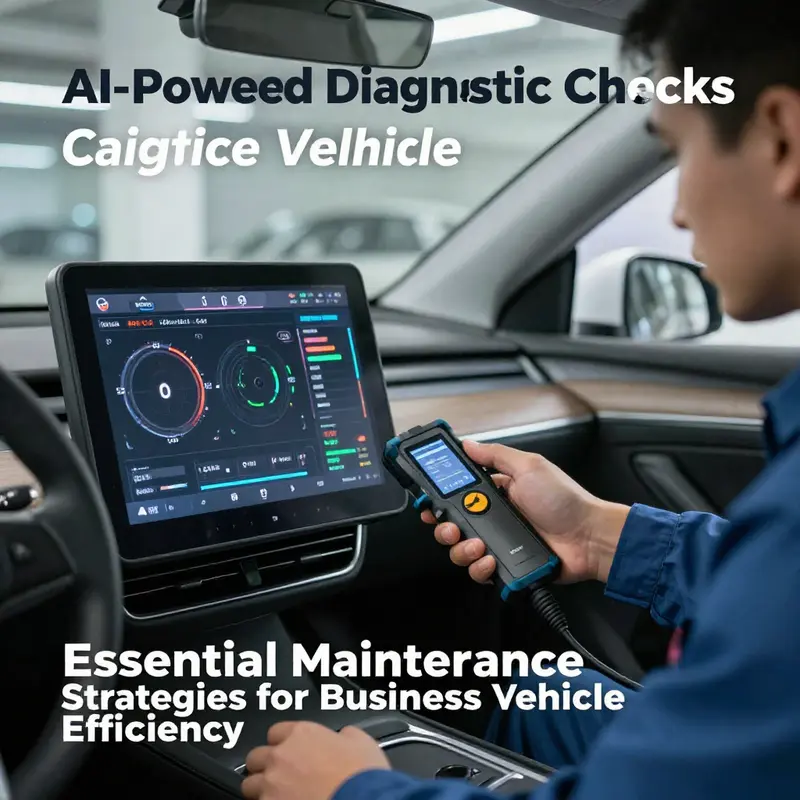
When you pull into the driveway after a commute, you may still hear the familiar whisper of the old maintenance routines: oil changes at regular intervals, tire rotations, air-filter swaps. Yet in 2026, the way we think about maintenance is waking up to a quieter, more precise ally—AI-driven diagnostics that live inside the car and on the dealership lot. The goal is not to replace your routine checks but to elevate them. AI-powered systems are now capable of scanning, sensing, and predicting the health of critical components with a speed and accuracy that would have seemed like science fiction a decade ago. The result is a maintenance playbook that feels less reactive and more proactive—less guessing and more knowing. The practical upshot for any driver is straightforward: a smarter, safer, and more efficient vehicle that demands attention in ways that are timely, targeted, and often invisible to the naked eye. And because the health of your car is a moving target—changing with your driving style, climate, and road conditions—the AI framework that underpins modern maintenance offers a continuous feedback loop rather than a single annual snapshot.
The shift toward AI diagnostics began in earnest in large part because dealerships and independent shops faced pressure to deliver faster, more reliable inspections without sacrificing safety. High-resolution imaging, simultaneous multi-angle evaluations, and sophisticated pattern recognition have turned what used to be a labor-intensive, time-consuming process into a near-instant service workflow. Imagine a technician receiving a prioritized, data-driven report that highlights issues in order of urgency, with precise locations and recommended actions. In practice, this means minor leaks are flagged before they become big leaks, worn tires are identified before tread life reaches dangerous levels, and sensor malfunctions are detected long before a warning light illuminates the dash. The AI systems do not merely confirm what a human eye might suspect; they quantify risk and project outcomes, guiding technicians to act decisively and efficiently.
The consumer experience is evolving in parallel. Onboard intelligence, paired with cloud-based analytics, continually monitors engine performance, battery health, cooling circuits, and even the subtleties of driving habits. Instead of awaiting a scheduled service window, many drivers now encounter maintenance prompts through the vehicle’s own interface or a certified app. These prompts are not generic reminders; they are diagnostics-informed alerts that consider your vehicle’s age, usage patterns, climate exposure, and historical service records. In practical terms, you might receive a notification that your tires show uneven wear after a few thousand miles of mixed highway and city driving, or that your battery’s health indicators suggest the need for a check before the next winter season. The key is actionable insight—clear enough to guide a quick decision or to justify a visit to a service bay.
A central pillar of this AI-driven approach is the idea of a baseline. Every vehicle starts with a diagnostic fingerprint—patterns of normal operation against which deviations can be measured. This baseline is not a static memo but a dynamic profile that updates as your car ages and as software evolves. The result is predictive maintenance with real meaning: how likely is a component to fail within the next 6 to 12 months? What repair would yield the best return on safety and reliability? These questions can be answered with a confidence level that helps you decide when to intervene, what to fix, and how to allocate maintenance dollars most effectively. You can think of it as a constantly refreshed health score for the car you live with day to day.
This predictive capability is especially consequential for electric vehicles and plug-in hybrids, where the high-voltage battery, thermal management systems, and power electronics sit at the core of performance and safety. Battery health is not a matter of guesswork; it is a data-driven concern that benefits enormously from AI. For battery reliability, AI systems analyze charging patterns, temperature histories, and voltage responses to detect early signs of degradation, cell imbalance, or cooling inefficiencies. The guidance you receive from the vehicle might lean toward adjusting charging behavior—such as avoiding unnecessary charging to 100% and minimizing deep discharges—rather than pushing for a standard service interval. The underlying principle is simple: preserve the battery’s longevity by reducing stress, and let predictive signals tell you when a professional check is warranted. In the EV world, this translates into a maintenance rhythm that respects the chemistry of the pack, the geometry of the drivetrain, and the realities of daily driving across varying climates.
As a driver, you can leverage AI diagnostics in several practical ways that align with the broader maintenance question: what should I be doing to keep my vehicle in top shape? First, embrace regular software and firmware updates as a cornerstone of maintenance. Modern cars receive over-the-air updates that improve safety, performance, and comfort features much like a smartphone does. Auto-updates minimize the risk of lingering cyber- or software-related faults and ensure your vehicle benefits from the latest diagnostic heuristics. Set your car to install updates automatically when possible, or schedule a monthly check of the infotainment system for new releases. This approach is not cosmetic; it directly affects sensor calibration, communication with subsystems, and even the precision of adaptive systems that influence braking, steering, and throttle response.
Second, treat AI-driven reports as a prioritized action list rather than a ritual quarterly check. When the car flags an issue, read the report as you would a weather forecast—useful for planning, not for panic. A small coolant temperature anomaly, a minor sensor drift, or a hint of brake fluid aging may not disrupt your trip today, but these signals help you schedule targeted maintenance that reduces risk and cost over time. Moreover, AI-informed diagnostics enable technicians to validate findings against a vehicle’s historical data, eliminating guesswork and enabling faster, more accurate repairs. In practice, this means fewer “return visits” and more confidence that what you fixed today will stay fixed for longer.
Third, ground your maintenance routine in baseline knowledge by revisiting fundamental guidance on a regular cadence. The industry perspective is to view maintenance as a holistic system rather than a collection of discrete tasks. A robust approach weaves together AI-driven health reports, manufacturer-recommended service intervals, and your own driving context. The owner’s manual remains your best reference, but the AI ecosystem adds a layer of practical interpretation. For readers seeking a concise frame, consider a core reminder: maintenance is not merely about replacing worn parts; it is about keeping systems synchronized. The ability of AI to correlate data across sensors, software modules, and usage patterns makes it possible to keep that synchronization intact over the long haul. If you think of maintenance as a routine that preserves the harmony between mechanical aging and software evolution, you begin to see why AI diagnostics matter as a daily habit rather than an occasional procedure.
One consequence of this smarter maintenance world is the changing role of the service appointment. The traditional model—bring the car in for a fixed service package—gives way to a service plan that reflects current realities. Because the AI system is continuously monitoring, you can calibrate your visits around real needs instead of generic timelines. This has a practical upside: fewer missed days from work, lower risk of emergency repairs, and a better return on every dollar spent. It also shifts the conversation with a technician from “fix it when it breaks” to “catch and prevent before it matters.” The shift is not about abandoning routine care; it’s about making every care decision smarter and more efficient. In this sense, the AI-enhanced maintenance mindset aligns with a broader philosophy of responsible car ownership: invest in quality diagnostics, act on precise signals, and treat your vehicle as a living system that requires ongoing attention, not a checklist that gets ticked off only when a light pops on.
From a practical standpoint, how does this translate into day-to-day habits? Start by integrating a baseline check into your routine. Before a longer trip, run a quick AI-assisted health scan if your car offers it, and check that all critical systems—the battery or fuel system, cooling, brakes, tires, and cabin environment—are within normal ranges. If a warning appears, consult the report and follow a prioritized action path. Keep a digital maintenance log that aggregates AI-derived insights with manual checks. This log becomes a powerful tool when you shop for service or consider tire replacement, battery service, or brake work. It also helps you communicate more effectively with a technician, who can see exactly what the AI saw and why it recommended a course of action. The goal is not to replace human judgment but to inform it with precise, timely data.
There is also a growing ecosystem of consumer-facing tools that translate AI diagnostics into actionable guidance for drivers. Within the car, these tools translate complex data into bite-sized recommendations, from “check brake fluid level” to “schedule a battery health assessment.” You can think of them as a translator between the machine’s language and your decisions. Of course, drivers should approach these tools with a balanced mindset: AI is excellent at spotting patterns, but it does not replace your sense of what feels right behind the wheel. If a sensor message coexists with a noticeable change in handling or noise, treat the situation as valid—seek professional inspection to confirm and correct issues before they escalate.
In the broader context of the maintenance conversation, AI-powered diagnostics also reshape the relationship between dealerships and drivers. With systems that can scan and report quickly, service centers can optimize their workflows, tailor repair plans to the vehicle’s exact condition, and reduce downtime for customers. This efficiency benefits everyone by lowering labor costs and passing some of the savings along to drivers in the form of more cost-effective service options. The idea is to create a continuous cycle of feedback: the car informs the shop, the shop interprets with expertise, and the car learns from the outcome to sharpen its own future assessments. It’s a collaborative intelligence that makes maintenance a smoother, more predictable experience.
If you are curious about how to begin embracing this AI-informed approach without feeling overwhelmed, start with your owner manual and a quick setup of automatic software updates. Then, thank the AI when it helps you spot a potential issue before it becomes costly, and take pride in the fact that your vehicle is actively helping you extend its own lifespan. The most meaningful advantage of AI diagnostics is not the dramatic headlines about instantaneous detection, but the quiet reliability they bring to daily driving. When you consider the long arc of car ownership—the costs, the safety, the performance—the dividends from smarter diagnostics accumulate in predictable and practical ways. You end up with fewer surprise repairs, more comfortable drives, and a clearer roadmap for keeping your vehicle in balance as it ages.
For readers who want a quick touchstone on how to frame maintenance in this smarter paradigm, think of it as a living contract with your car. You agree to let the AI monitor essential systems and to act on its guidance with a measured, informed approach. You maintain the vehicle with the same care you bring to your health or your home’s infrastructure: regular check-ins, timely interventions, and a respect for how complex systems rely on harmony between hardware and software. If you want to explore how a baseline definition of vehicle maintenance translates into everyday practice, you can consult the foundational overview in the article linked here: What is vehicle maintenance. This anchor helps ground the AI-driven conversation in a broader, proven framework while inviting you to consider how digital diagnosis augments traditional care rather than replacing it.
As we move toward a future where AI-enabled diagnostics are woven into every mile you drive, the maintenance picture becomes clearer and more personalized. You aren’t just waiting for a maintenance window; you are actively participating in an ongoing dialogue with your vehicle’s health. You are learning what the car’s data are telling you about reliability and efficiency, and you are using that insight to calibrate how you drive, how you charge, and how you budget for service. The result is a more resilient car and a more informed driver, living in a world where maintenance is a continuous practice rather than a once-in-a-while event. That is the practical promise of AI-powered diagnostics: to keep your vehicle safer, more dependable, and more economical over the long haul, without compromising the driving experience you value.
External reading for broader context: exploring how AI-driven diagnostics are shaping maintenance strategies in the industry can provide additional perspectives on the practical implications of this technology. See a general overview of car maintenance practices and how to stay on top of them at a consumer-focused resource: https://www.consumerreports.org/car-maintenance/how-to-maintain-your-car/
Guarding the Heart of the EV: Practical High-Voltage Battery Care for Safe, Lasting Performance
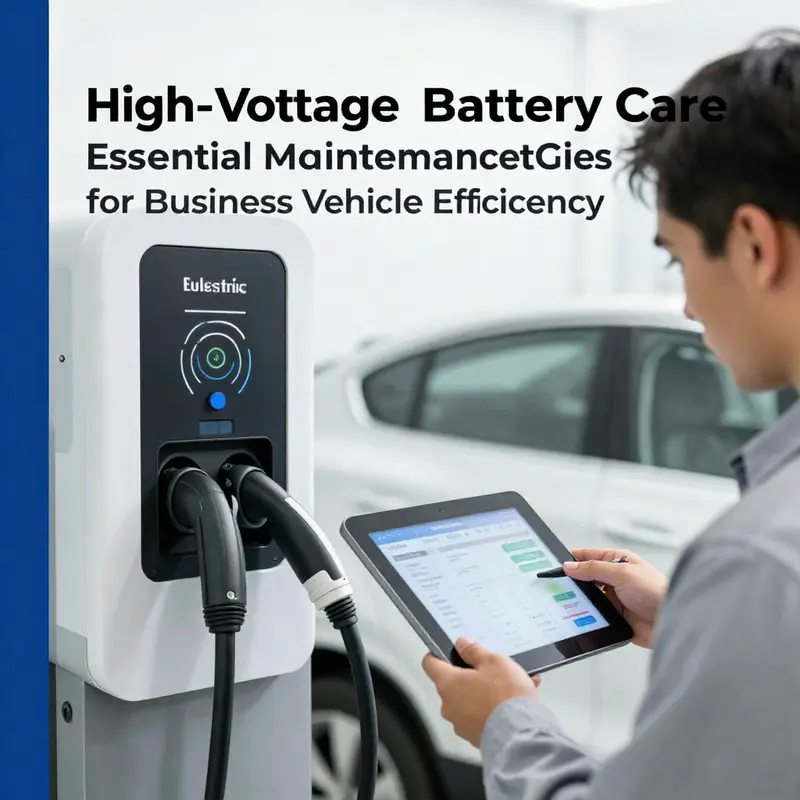
In 2026, the maintenance conversation around vehicles has moved beyond the familiar rhythm of oil changes and tire rotations. For electric and plug-in hybrid drivers, the most crucial care activity centers on the high‑voltage battery—the heart of the vehicle’s performance, safety, and longevity. This chapter treats that heart with the attention it deserves, not as a single chore but as a continuous relationship: monitoring, managing, and maintaining the battery and its guardians, the battery management system (BMS) and the other thermal and electrical subsystems that keep the pack healthy. While many routines feel familiar to those who grew up with combustion engines, the EV world asks for a different balance of vigilance and restraint. The goal is not just to keep the car running but to sustain peak efficiency, range, and safety across years of use.
At the core of modern EVs, the high‑voltage battery operates within a finely tuned ecosystem. The BMS is not a passive monitor; it is an active manager that tracks cell voltages, temperatures, state of charge, state of health, and the balance between cells. It makes real‑time decisions about cooling demands, charging cuts, and even when to engage certain safety protocols. This is where AI‑powered diagnostics begin to reshape routine maintenance. With data streamed from the BMS to onboard software and, sometimes, to a manufacturer’s cloud, the vehicle can predict battery wear, identify anomalous sensor readings, and flag issues before they become noticeable to the driver. The practical upshot is simple in theory but expansive in effect: your car can tell you when a check is needed, what to do next, and how to optimize charging and climate controls to extend life. Treat these digital signals as active guidance rather than background noise, and you’ll start each week with a maintenance plan that reflects the car’s current health rather than yesterday’s assumptions.
One of the most concrete areas where care matters is temperature management. Batteries hate extremes. Excessive heat accelerates chemical aging, increases internal resistance, and can shorten cycle life, while persistent cold can diminish instantaneous power and reduce perceived range until the battery warms. The implication for daily life is practical: park in shade or a garage when possible, and when you must leave a vehicle outdoors, protect it from direct sun. If you live in a climate with wide temperature swings, consider scheduling charging times to align with favorable ambient conditions. Some EVs offer preconditioning that heats or cools the battery while plugged in, using grid power rather than battery energy. Engaging this feature, especially in extreme weather, is not a luxury but a planning tool. It preserves health by reducing thermal shock, keeps the pack within an efficient temperature band, and helps maintain range by starting the trip with a battery that isn’t fighting heat or cold.
Beyond ambient temperature, the actual use profile of the battery matters. The BMS has learned, over countless cycles, how to throttle charging and discharging to strike a balance between energy delivery and health. This is why following manufacturer guidelines around charging windows and pack state of charge is essential. For most drivers, the sweet spot lies between approximately 20% and 80% SOC for daily driving, with more aggressive charging reserved for long trips. Regularly letting the pack drift toward the extremes—below 10–15% or above 90–95%—can, over time, impose unnecessary stress and accelerate degradation. The habit of planning trips based on a 20–80% window, combined with scheduled charging that minimizes forced high‑voltage holds, becomes a straightforward, repeatable practice that pays dividends in longevity.
The charging landscape itself has evolved. The era of blind fast charging at every opportunity is giving way to nuanced charging strategies that respect the chemistry of high‑voltage packs. Fast charging is convenient and often necessary for long journeys, but frequent, repeated high‑C charging can stress the battery differently than steady, moderate charging. The practical advice is to use fast charging when needed, but rely on standard charging as your default routine. When possible, precondition and charge to a comfortable level ahead of anticipated driving demands, so the vehicle isn’t forced into a high‑demand state while the battery is cold or hot. The aim is to reduce peak thermal and electrical stress, thereby preserving capacity over time. This approach aligns with OEM guidance and the broader consensus among industry professionals who emphasize longevity as a primary metric of EV ownership.
Maintenance extends to the battery’s physical environment. The high‑voltage system relies on robust insulation, airtight seals, and corrosion‑resistant connectors. Regular visual checks of electrical cables, connectors, and insulation are prudent, especially after minor collisions or road debris impact. While you should not perform high‑voltage work yourself unless you are trained and equipped for it, a mindful routine that looks for obvious signs of wear—frayed insulation, exposed conductors, or corroded terminals—can prevent problems from escalating. If any concern arises, a certified technician should be engaged promptly. The same caution governs any signs of abnormal resistance or heat near the battery pack during charging or after a drive. The BMS will often increase cooling demand if it detects unusual heat patterns, but it’s the driver’s responsibility to heed warnings and seek an expert evaluation before it becomes a safety concern.
In tandem with physical inspections, the software layer—OTA updates and calibration adjustments—plays a pivotal role. Modern EVs receive frequent firmware and software updates that improve battery safety, efficiency, and performance. Keeping the vehicle’s software current ensures the BMS has the latest safety margins, fault codes, and calibration strategies, which can translate into smoother thermal management and better predictive maintenance. Enabling automatic updates or checking for new releases monthly through the infotainment interface is a simple habit with outsized benefits. The update cadence matters; some enhancements are small, yet others may adjust the way the battery management system interprets temperature gradients, charging currents, or aging signals. In practice, this means your maintenance plan evolves with the car, and what you learned last year may be improved upon this year without any hands‑on overhaul on your part.
A growing segment of EV maintenance revolves around the careful handling of the high‑voltage components themselves. Regular inspections of high‑voltage connections, fuses, contactors, and relief valves are part of a broader safety framework that protects both the vehicle and the technician who services it. The emphasis here is on recognizing wear, corrosion, or damage that could compromise safety or reliability. It is worth repeating that hands‑on work with high‑voltage systems should only be performed by trained professionals using appropriate PPE and procedures. You may find official technical guidelines that detail disconnect procedures and PPE requirements, and you should consult those resources when planning any service that touches the HV system. The intention is not to paint a picture of danger for readers but to underscore a reality: the battery is a sophisticated system with real safety implications, and responsible maintenance respects that complexity.
In this context, it helps to think of maintenance as an ongoing relationship rather than a checklist. The vehicle’s AI diagnostic checks, the BMS’s health signals, and the battery’s thermal behavior all feed a narrative about the pack’s condition. When you respond to this narrative with scheduled software updates, calibrated charging practices, and prudent storage and usage habits, you create a scenario in which the battery ages gently and predictably, rather than abruptly requiring expensive interventions. Even the best battery management system cannot reverse aging, but it can slow its pace and help you recognize the point at which preventive actions—like a professional inspection or heat management adjustments—become necessary.
For those curious about the broader question of EV maintenance compared with traditional vehicles, it’s useful to acknowledge that EVs typically require less routine “fluid and filter” maintenance but demand more attention to software health, battery charging strategies, and thermal management. The fewer moving parts in an electric drivetrain translate into lower routine service intervals for wear items. Yet the battery system is a different kind of asset. It is the investment that dictates performance, range, and safety. Appreciating this distinction helps frame a practical maintenance philosophy: stay engaged with the battery’s health indicators, respect the limits and recommendations of the manufacturer, and lean on expert service when the signals suggest it.
As you integrate these practices into your regular routine, you can also leverage the convenience features that many manufacturers offer through their apps. Real‑time maintenance alerts, battery health dashboards, and notifications about software updates can transform a once‑every‑few‑months maintenance day into a dynamic, proactive process. The interplay between on‑board monitoring and external guidance—from dealership technicians or certified service partners—enables a nuanced approach that adapts to your driving patterns, climate, and charging infrastructure. This is where the driver’s role becomes collaborative: you engage with the car’s intelligence, you plan charging around daily life, and you rely on trained technicians for high‑voltage interventions when needed.
To readers seeking a practical touchstone, consider the following synthesis: maintain moderate battery state of charge for daily use, minimize extreme SOC excursions, store and park in temperate environments, and rely on preconditioning to optimize thermal states before use. Use approved charging equipment and limit aggressive fast charging to trips that demand it. Keep software up to date to ensure the BMS and AI diagnostics reflect the latest safety and efficiency improvements. Schedule routine HV inspections with a qualified technician, particularly after any incident that could affect cabling or connectors. And finally, recognize that high‑voltage battery care is not a one‑and‑done task but a continuous discipline that aligns with how you live with your EV every day.
This chapter, while grounded in technical guidelines, also invites a broader reflection on the ethos of EV ownership. The battery’s longevity is not merely a function of chemistry but of how we choose to use the vehicle: how we park, how we plan charging, how we respond to AI‑driven warnings, and how we treat the car as a system rather than as a collection of disparate parts. In that sense, the care you give to the battery is a direct expression of your stewardship—an ongoing practice that invites attention, education, and collaboration with qualified professionals. If you’re ever unsure about a particular warning or symptom, remember that a well‑informed technician can interpret BMS alerts within the context of your driving regime, climate, and road conditions, turning a potential issue into an opportunity to extend the pack’s life.
For readers seeking additional context on the broader question of EV maintenance and its relationship to overall vehicle care, a helpful starting point is a discussion on whether electric vehicles require less maintenance. You can explore that idea here: Do electric vehicles require less maintenance?.
In closing, safeguarding the high‑voltage battery is both a science and an art. It requires understanding the battery’s operation, respecting its limits, and embracing the software‑driven intelligence that now accompanies most modern EVs. When you combine mindful charging practices, proactive temperature management, regular inspections, and timely software updates, you are not merely maintaining a component—you are preserving the core of what makes your EV reliable, safe, and efficient for years to come. The battery’s health, after all, is a lifelong conversation between driver and machine, a conversation that starts with awareness and ends with confident, informed decisions that keep you, your passengers, and your vehicle safe on every journey.
External resource for deeper safety practices: For comprehensive guidance on safe high‑voltage battery handling and disconnection procedures, consult official technical resources such as the U.S. Environmental Protection Agency’s guidance on electric vehicle battery safety and maintenance. https://www.epa.gov/vehicles/electric-vehicle-battery-safety-and-maintenance
Coolant and Fluid Systems: The Quiet Guardian of Your Vehicle’s Health
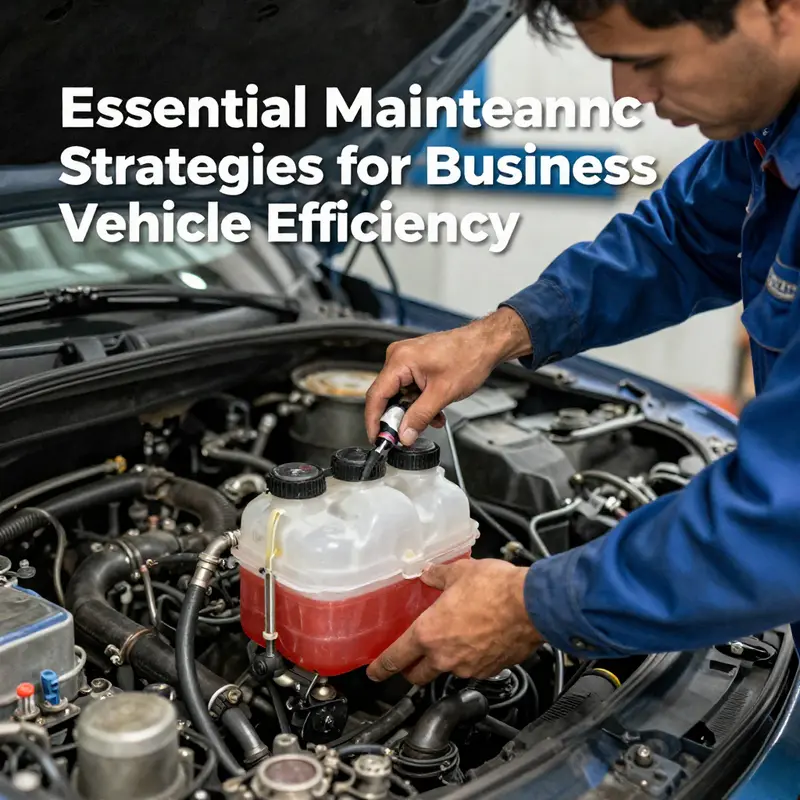
When you picture routine car care, oil changes and tire rotations come to mind. Yet the coolant and fluid network works behind the scenes, moderating heat, protecting the engine against wear, and safeguarding essential components from the inside out. In modern vehicles—especially hybrids and electric drivetrains—the health of these fluids is not just maintenance, but a practical safeguard for safety, efficiency, and longevity. A well-kept coolant and fluid system can be the difference between a dependable ride and costly, unexpected failures. This chapter covers what you need to know to keep that system performing at its best, with practical checks, timely replacements, and small routines that compound into big reliability gains over years of driving.
At the heart of the coolant system is a simple premise: heat in, heat out, with guardrails that prevent overheating and corrosion. Coolant does more than keep the engine from freezing in winter. It cushions metal surfaces from the wet, salty, and mineral-rich environments they operate in, and it raises the boiling point of the coolant liquid. Modern engines with tighter tolerances and more sensors rely on predictable coolant flow to deliver consistent performance. When the fluid degrades or the system leaks, a thermostat may misbehave, hoses can crack, and the radiator can clog. The result is not just a hot engine; it can stress the battery in electrified powertrains, dim sensors, and a sudden trip to the shop.
Many drivers underestimate how often coolant quality and level are checked. The job is straightforward in theory but critical in practice. Coolant levels should sit between the low and high marks on the reservoir when the engine is cool. A consistently low level signals a leak or a seal issue. Coolant that looks clear and bright—often green, orange, red, or blue—tells a simple story: it’s fresh enough to protect against rust and provide proper heat transfer. If the liquid is murky, has particles, or looks sludgy, it’s time for a replacement. Contaminants and degraded additives reduce protection and can cause rust and scale inside passages.
Pro tip: always consult the owner’s manual to identify the correct coolant type for your vehicle. Mixing different coolant chemistries—such as IAT, OAT, or HOAT categories—can trigger reactions that undermine protection and flow. If you must top up between services, use the recommended coolant type and avoid mixing with plain water or with other coolants. Distilled water is preferred for dilution, as minerals in tap water can form deposits that clog passages over time. The takeaway is simple: check, don’t assume, and stay within the manufacturer’s specification.
Replacement schedules for coolant vary. Some vehicles require a flush and refill every two to three years or every 40,000 to 60,000 miles; others use long-life coolants that extend intervals to five years or up to 150,000 miles. The exact interval should be confirmed in the service manual. Even if the coolant looks okay, the additives protect against corrosion and maintain the radiator, water pump, and heater core. Over time, additives degrade, reducing protection and potentially allowing rust to form inside the loop.
When it is time to change coolant, the process is straightforward but safety minded. Begin by draining the old fluid from the system. A thorough flush helps remove sediment, rust, and scale. After flushing, refill with the correct coolant-to-water ratio. A common target is 50/50, but some vehicles use different ratios to tailor freezing and boiling points to climate and engine design. Always bleed air from the system after refilling to avoid air pockets that can impede coolant circulation. After refilling, check for leaks around hoses, clamps, the radiator, and the water pump. If the engine warms quickly after a restart or you see steam or a rising temperature, stop and recheck rather than driving.
Beyond the coolant itself, a handful of system components deserve regular attention because their condition directly affects cooling performance. The radiator should be free of leaks and obstructions; clean external fins with light airflow and occasional compressed air to remove leaves and dust. Internal leaks can be detected with pressure tests. The water pump drives coolant through the engine and can show itself through unusual whining or a damp seal. The thermostat is a small valve that governs flow; if it sticks closed, the engine overheats; if it sticks open, the engine may run cool, reducing efficiency and increasing emissions. Testing typically involves applying heat to confirm full opening and proper closure.
Cooling fans—mechanical or electric—must respond to the engine’s temperature cues. Electric fans should engage as the engine approaches operating temperature; if not, verify fuses, relays, and wiring. Hoses and belts deserve a tactile check—look for cracks, soft spots, hardening, or bulges. A belt that slips or tears can disrupt pump and fan operation, compromising heat shedding. Inspecting these elements isn’t a task for enthusiasts only; it’s a practical habit that prevents overheating, saves fuel, and protects the engine’s long-term health.
In many vehicles, coolant and other fluids live in a broader network that includes transmission, power steering, and brake fluids. Contamination, improper levels, or degraded properties can cascade into performance loss and higher repair costs. As vehicles gain smarter diagnostics, onboard systems monitor these fluids and provide maintenance alerts, helping you keep heat management and related components in good shape. Integrating coolant checks with broader diagnostics and scheduling related maintenance via the vehicle’s app or a certified technician makes upkeep easier and more reliable.
Winter readiness is a fitting example of why this fluid system deserves attention. In cold weather, the coolant’s freeze point matters. Verify coolant specifications align with your climate and consider a slightly more robust formulation or dilution ratio if you experience harsh winters. Never open the radiator cap when the engine is hot; the pressure can eject scalding fluid and steam.
Electric or plug-in hybrid vehicles add another layer of importance, as coolant also supports battery thermal management and motor cooling. Regular checks contribute to safeguarding battery health and overall efficiency. Degraded coolant can limit heat transfer and raise battery temperatures, reducing efficiency. Even if the dashboard looks calm, a proactive approach to coolant and related fluids can prevent cascading failures and extend the vehicle’s usable life.
From a practical standpoint, a repeatable maintenance plan for coolant includes: checking the reservoir level and clarity with a cool engine; tracing any leaks; confirming the coolant type; performing a full replacement or flush when due; bleeding the system to remove air; and verifying no leaks after a refill. Periodically inspect radiators and fans during other service visits, because those windows offer convenient opportunities to spot trouble early.
A final thought: in the age of smart cars, reliability is as much about data and routines as it is about fluids. Owner manuals and official vehicle apps can deliver real time maintenance alerts that reflect usage and diagnostics. Embracing these tools enhances your checks rather than replaces them. The combination of hands on care with digital insights creates a robust approach to maintaining your vehicle’s coolant and fluid systems over years of wear and weather. When you treat maintenance as an ongoing practice, you protect not only the engine but every downstream system that depends on stable thermal conditions, from the heater to the sensors that safeguard safety while driving.
For readers seeking a broader maintenance perspective, explore the idea of vehicle maintenance to frame these fluid checks within a complete plan. Official guidance and maintenance recommendations are available through the manufacturer and trusted automotive resources.
The Quiet Guardrails Under Your Car: Tire and Suspension Inspection for Safer Driving in 2026
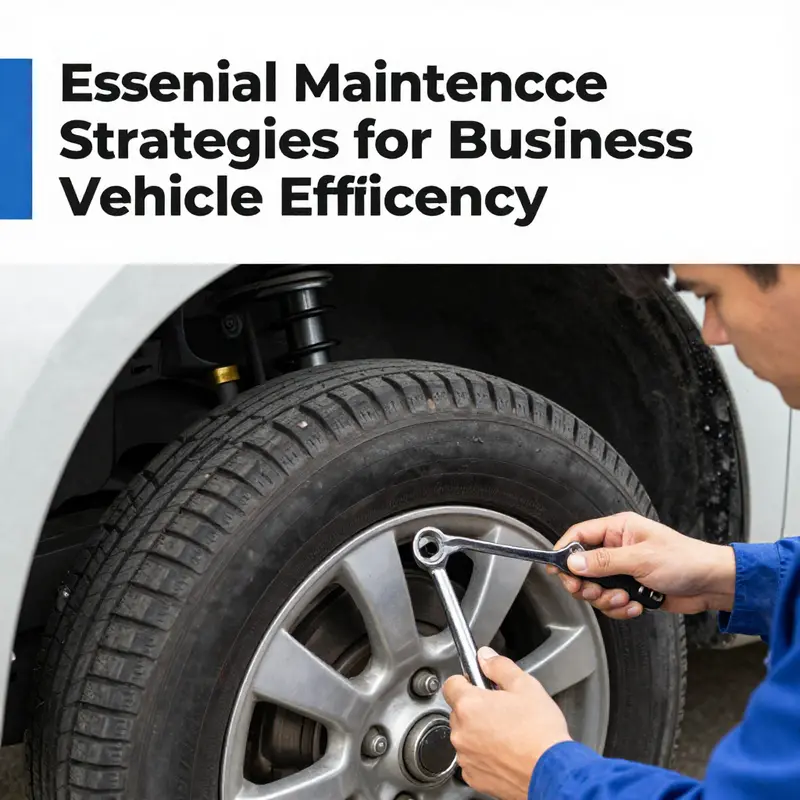
When you think about vehicle safety, your mind often lands on airbags, brakes, and the engine’s power. Yet far quieter and more fundamental is the relationship your tires and suspension have with the road. They are the last line of defense between your vehicle and unpredictable surface conditions, between controlled steering and a skittering loss of control. In 2026, as cars grow smarter with AI diagnostics and as electric drivetrains add weight and new thermal challenges, the tire and suspension system remains the practical, ongoing discipline that keeps everything else honest. A robust inspection routine is not a luxury; it is a daily shield that protects your safety, your comfort, and the longevity of every other system in the car. The conversation you have with your tires and suspension is not dramatic, but it is essential, and its rewards unfold with every mile you drive on a well-balanced, well-maintained machine.
The most immediate truth about tires is simple: the road and the tire must share the same expectations. A tire is a single component that must carry load, provide traction, absorb irregularities, and transmit steering inputs back to the driver. Any deviation in its condition breaks one of these links and can cascade into a loss of control, especially when you least expect it. A comprehensive tire and suspension inspection, therefore, begins with a careful audit of both external health and the quiet signals a system emits when it is unhappy. You do not need a garage full of tools or a weekend-long teardown to start. A routine that fits into a typical maintenance window can yield a surprising payoff in safety and performance, and it fits neatly into the broader maintenance discipline you practice as part of a modern, AI-enabled vehicle life.
Begin with the tires, the immediate interface with the surface you ride on and the first to tell you when something is wrong. Visible damage is the most obvious red flag: cuts, cracks, bulges, or embedded objects that could lead to punctures. A bulge on the sidewall often signals broken internal plies and a tire that is more likely to fail under load. Even when the tire looks intact, cracks near the tread shoulders can indicate age-related fatigue that reduces grip and increases the risk of a blowout at speed. Tread depth tells a similar story. In most regions, the legal minimum is about 1.6 millimeters or 2/32 of an inch, but many drivers benefit from replacing tires sooner for better wet grip and shorter stopping distances. If tread is worn unevenly, it’s not just a sign of a simple wear pattern—it’s a diagnostic clue about wheel alignment, camber, or suspension components that may be letting the tire ride unevenly. Tread that is worn in the center, or that shows cupping and scalloping, points toward overinflation or suspension misalignment that can reduce performance in wet or slick conditions.
Tire pressure may seem mundane, but it is a decisive factor in traction, steering response, and mileage. Manufacturers publish a recommended pressure range for the front and rear tires, and maintaining those setpoints matters, especially as tires wear and heat up under operation. Pressure that is too low causes excess deflection and heat, both of which can hasten tread wear and increase rolling resistance. Pressure that is too high reduces the contact patch, diminishing wet grip and ride comfort. When you check pressure, do it when the tires are cold for the most accurate reading. If you notice rapid loss of pressure over days or weeks, it may indicate a slow leak, a damaged valve stem, or a damaged rim that requires professional attention.
The rims and lug nuts deserve a careful, almost ceremonial check. Worn or bent rims can create an uneven bead seat, leading to air leaks and compromised handling. Any lug nuts that are loose, damaged, or corroded are a hazard. The speedy visual check is to listen for any rattling when the wheel is spun, feel for a wobbly wheel, and inspect the rim for dents or cracks that might compromise the seal. If any lug nuts show signs of looseness, strip, or corrosion, tighten to spec with a proper torque wrench in a star pattern, and replace damaged fasteners. The integrity of this area is essential because it directly influences steering precision and the wheel’s ability to stay mounted at highway speeds.
But tires do not live in isolation. The suspension system—the supporting orchestra that controls wheel movement and keeps ride quality tolerable—plays a parallel role in safety. The suspension’s job is to manage road irregularities without transferring excessive motion into the passenger compartment or into steering and braking inputs. Over time, components such as shock absorbers, struts, control arms, ball joints, bushings, and sway bars wear. The consequences of wear are not subtle. Worn shocks or struts can allow the vehicle to bounce, sway, or dive more than usual during braking and cornering. Control arms and ball joints may develop play, which reduces steering precision and alignment, making it harder to predict where the car will go in response to steering input. Worn bushings amplify vibrations, rattle, and noise, and they can alter the vehicle’s geometry enough to cause uneven tire wear and misalignment that worsens handling.
In EVs and plug-in hybrids, the suspension bears an extra load. The heavy high-voltage battery increases static load and dynamic weight transfer during acceleration, braking, and cornering. That extra mass translates into amplified suspension stress: shocks and struts have to work harder to maintain control, and any weakness becomes more apparent sooner. For this reason, the inspection cadence for suspension parts can be more aggressive in electrified vehicles. While the tires speak first with visible wear and proper inflation, the suspension speaks through ride quality, stability in corners, and the absence of noises or harsh impacts as you traverse potholes and speed bumps. If you notice a harsher ride, more chatter in the steering wheel, or unusual clunks when passing over rough pavement, these are signals that deserve closer inspection or professional alignment.
The practical, ongoing maintenance rhythm for tires and suspension is not a showpiece of a weekend project but a steady habit. Start with a monthly walkaround, before you drive, of all four tires: look for uneven wear patterns that tell a story about alignment or suspension. Check tread depth with a simple gauge or, when in doubt, replace. Verify that each tire is inflated to the manufacturer’s recommended pressure, paying attention to differences between front and rear tires and to how those pressures change with load. A quick spin and visual check can reveal obvious issues with rims or lug nuts, but the deeper checks—alignment, toe, camber, and the health of ball joints and bushings—often require a seasoned eye or a professional alignment and suspension inspection. It is tempting to rely on the vehicle’s status lights or the tire pressure monitoring system, but these systems can miss developing problems that manifest only under certain road conditions or at higher speeds. Rely on your eyes, your hands, and your sense of how the car behaves on a familiar stretch of road to notice early signs.
The role of AI-powered diagnostics in this narrative should not be ignored either. Modern vehicles increasingly monitor tire pressures, wear indicators, and the health of suspension sensors in real time. These systems can flag anomalies even when the car is parked, and they can guide you toward more precise maintenance actions. In practice, you might receive a maintenance alert that points to a slight reduction in tire tread wear or a mild imbalance detected by the wheel sensors. These insights complement human inspection rather than replace it. You still need to check the tires and suspension physically, especially after hitting potholes, curbs, or curving into a ditch of uneven pavement. The AI report tells you where to look; your hands and your own observations confirm what you find. This partnership between human judgment and machine diagnostics is the new normal for road safety, and it aligns with the broader maintenance philosophy that treats preventive checks as a shared responsibility between driver and vehicle.
One practical approach to keeping tire and suspension health on track is to integrate a simple inspection ritual with the vehicle’s maintenance routine. Start with a 15-minute monthly walkaround that covers the four tires and a quick bounce test for each corner. The bounce test is not a science experiment; it is a quick truth teller. Press down firmly on each corner and release. If the car bounces more than once or twice, the shocks or struts may be fatigued and in need of service. While you are on the ground, take a close look at the tire tread and the sidewalls for cracks, bulges, or embedded objects. Spin each wheel if possible to check for unusual resistance, noise, or wobble. After the walkaround, drive a short, familiar route with a careful eye on how the car feels in braking, turning, and over bumps. Notice any drifting, vibrations, or steering pull that could indicate misalignment or worn components. If you observe anything remotely suspicious, don’t delay. Schedule a professional inspection that includes wheel alignment, shock/strut evaluation, and, if necessary, a tire rotation or replacement.
The literature of safe driving emphasizes alignment as a critical factor in tire life and vehicle handling. When wheels are misaligned, tires wear unevenly and prematurely, and steering becomes less precise. The suspension’s job is to maintain geometry, compensate for road irregularities, and keep contact patches even across all four tires. If you have observed irregular tire wear or changes in steering response after hitting a pothole or curb, that is a clear signal to seek a professional evaluation. A trusted shop will verify alignment, inspect control arms and ball joints, check bushings and sway bars, and, if necessary, replace worn components. In the long run, this kind of proactive care pays off in improved fuel efficiency, better braking performance, and a smoother ride, which in turn reduces driver fatigue and enhances safety, especially on wet or icy roads where grip is everything.
The practical value of tire and suspension maintenance becomes even more evident when you consider the broader maintenance ecosystem described in recent research. AI-driven diagnostics, vehicle software updates, and evolving EV thermal management all interact with the tire and suspension in subtle ways. For example, a software update that alters stability control thresholds can change how aggressively traction is managed in slick conditions, which in turn can alter the wear pattern on tires. Regular inspection keeps you ahead of such shifts, ensuring that you receive the intended benefits of software and hardware improvements without compromising safety. In short, tires and suspension provide a tangible, measurable safety margin that compounds with every maintenance step you take.
As you build your maintenance playbook, remember that guidance is not one-size-fits-all. The specifics of tread depth, pressure, and component life depend on local climate, road conditions, vehicle weight, and even your driving style. If you regularly drive in harsh winter weather, you may want to monitor tread depth more closely and adopt a more frequent pressure check schedule to accommodate temperature fluctuations. If your vehicle is heavier due to a high-performance package or heavy battery, you may notice accelerated wear on suspension components and tires, prompting a slightly shorter inspection cadence. The most reliable approach is to couple personal observations with professional insights, and to treat tire and suspension maintenance as a living practice that you revisit often.
To deepen your understanding and access broader guidance, you can explore related maintenance content at the Vehicle Tricks hub, which offers a range of practical tips and maintenance strategies that align with the modern vehicle landscape. Vehicle Tricks provides a broad context for maintaining a vehicle that uses AI diagnostics, OTA updates, and advanced propulsion systems. While the hub presents a wide spectrum of topics, the tire and suspension strand remains a core pillar of road safety and driving comfort. The hub encourages drivers to approach maintenance not as a checklist but as an ongoing relationship with their vehicle, a collaboration that grows more effective as the car’s systems evolve.
In essence, tire and suspension inspection is both art and science. It requires a careful eye, an educated sense of feel, and a willingness to act when something seems off. It is a discipline that benefits from the synergy of human judgment and digital insight. When you approach tire and suspension health as a continuous practice rather than a one-off task, you create a safety margin that compounds with every kilometer you travel. You protect not only your own life but also the lives of others on the road who depend on predictable handling and reliable braking. The road does not pause for maintenance, and neither should your attention to these foundational systems. By staying curious, staying observant, and staying consistent, you keep the quiet guardrails under your car strong enough to meet the next curve, the next rainstorm, and the next obstacle with confidence.
For those seeking actionable, science-grounded resources on tire safety beyond the local shop, the National Highway Traffic Safety Administration offers detailed, accessible guidance on tire maintenance, wear indicators, and the relationship between tire health and overall vehicle safety. This external resource can provide practical checks and standards that complement the hands-on approach described here. External resource: https://www.nhtsa.gov/vehicle-safety/tire-safety
Final thoughts
Maintaining your vehicle isn’t merely about routine checks; it’s an investment in your business’s reliability and performance. As we’ve explored the role of AI diagnostics, EV battery care, fluid system maintenance, and tire inspections, the path to operational efficiency becomes clear. Regular maintenance safeguards against unexpected downtimes while maximizing vehicle lifespan and safety—a crucial asset for any business. Stay proactive, embrace the latest technologies, and you will not only enhance your fleet’s performance but also support the sustainability of your operations.