
In 2026, understanding vehicle maintenance is crucial, especially for business owners relying on their vehicles for operations. This article delves into the necessary safety checks, essential upkeep for electric and hybrid vehicles, the distinction between necessary and unnecessary services, and creating a regular maintenance schedule that prioritizes safety and efficiency. Each section builds on the premise that maintaining vehicle health is vital for safety, cost-effectiveness, and business productivity.
Essential Safety Inspections: A Comprehensive Guide to Vehicle Maintenance for 2026
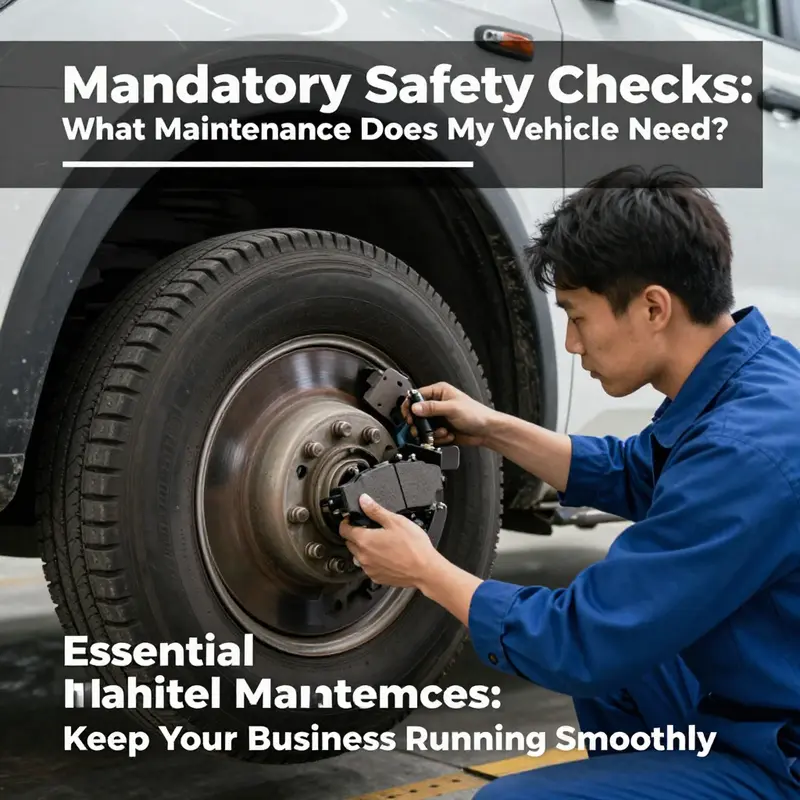
In the evolving landscape of automotive care, ensuring your vehicle is both safe and poised to perform is more critical than ever. The new maintenance framework as of 2026 shifts focus towards a schedule based on time or mileage—whichever comes first—without letting regulatory mandates slip by unnoticed. The robust framework calls for a series of mandatory safety checks that form the cornerstone of vehicular upkeep. This comprehensive guide explains how to address these checks as part of a broader maintenance philosophy that prioritizes safety, performance, and compliance.
Every vehicle owner must be acutely aware of the importance of routine maintenance, a responsibility that now carries heightened significance under new regulatory mandates. At the heart of the updated protocol lies the insistence on periodic mandatory inspections, which include checking the brake system, tire performance, lighting, and the undercarriage and suspension. These checks are designed to identify early wear and tear that could compromise safety, allowing drivers to address issues before they escalate. This preventive approach not only helps avoid serious accidents but also streamlines repairs by catching problems early.
To begin with, the brake system check remains one of the most critical reviews every driver must perform. Scheduled every 10,000 km or every 6 months, this check ensures that brake pad thickness is maintained at or above a safe level, with replacement demanded if the pad thickness falls below 3mm. Additionally, a careful examination of the brake disc wear is essential to avoid costly damage. An often overlooked aspect is the moisture content within the brake fluid. Moisture accumulation reduces the boiling point of the fluid, leading to a risk of brake fade during intensive usage. A slight compromise in braking ability can have disastrous consequences, making periodic brake inspections indispensable. Regularly attending to the brake system means not only extending its service life but also guaranteeing peace of mind for both the driver and passengers.
Equally significant is the tire inspection. The new set of maintenance standards dictates that tire inspections must occur every 10,000 km or every 6 months as well. Tire pressure, although monitored by a vehicle’s TPMS system, must be verified manually to ensure accuracy. Tire tread depth must be measured, and any reading below 1.6mm calls for an immediate replacement. Apart from basic wear, it is critical to assess any potential damage along the sidewalls such as bulges, cuts, or other forms of distortion. Proper tire maintenance is essential not just for comfortable driving but also for preventing longer stopping distances and preserving fuel efficiency. Given that tires are the only part of the vehicle in direct contact with the road, neglecting this check can severely compromise both safety and control.
Lighting systems, often taken for granted, play a determining role in road safety. The regulation now stipulates that a thorough inspection of the entire lighting system needs to be conducted every 20,000 km or every 12 months. This review covers all lighting components including headlights—both high and low beams—as well as turn signals, brake lights, and fog lights. The proper functioning of these elements is crucial not only to ensure your path is illuminated but to signal intentions to other road users effectively. Inadequate lighting can lead to reduced visibility and increased risk of collisions, especially in challenging weather conditions or in areas with little ambient light. Hence, this seemingly simple check cannot be overstated, as it is a vital emergency safeguard that many safety experts emphasize.
Beyond conventional vehicles, modern electric and hybrid vehicles introduce an additional layer of paperwork focused on high-tech maintenance issues. Battery health monitoring is at the forefront of this updated regimen. Owners of electric vehicles (EVs), plug-in hybrid (PHEV), or range-extended electric vehicles (REEVs) must keep a vigilant eye on the battery’s State of Health (SOH). A sudden drop in driving range or a noticeable decline in charging performance might indicate battery cell imbalance, necessitating professional diagnostics using a Battery Management System (BMS) reader. Within this framework, an effective, proactive approach can preempt more severe battery issues, ensuring the vehicle maintains optimal performance and longevity.
The coolant system undergoes its own specialized maintenance routine in modern vehicles, reflecting the shift from traditional practices to more nuanced requirements. Owners must use a specialized low-conductivity coolant—typically available in blue or pink—that is designed to suit the advanced engineering of today’s engines and battery systems. This coolant must be replaced every 2 years or 40,000 km, whichever comes first. One critical step that follows any coolant change is the forced purge cycle executed on a diagnostic tool. This procedure eliminates trapped air, which, if left unchecked, can lead to overheating or power deration. This meticulous attention to the coolant system is indispensable in maintaining vehicle performance and safety.
The innovation extends to the maintenance of high-voltage systems and charging ports found in vehicles with 800V platforms. A diligent inspection of high-voltage connectors and the DC fast-charging port is necessary to guard against oxidation or pitting. In these cases, using only a dedicated electronic contact cleaner is recommended to prevent subtle damage that could compromise the connectors’ integrity. Additionally, the sealing gasket around the charging port should be examined for any signs of physical deterioration such as cracks or aging. The ingress of moisture into these critical components can lead to a cascade of electrical issues, further emphasizing the need for thorough maintenance.
For those operating commercial vehicles or vehicles that frequently cover long distances, additional mandatory inspections are implemented under the Periodic Technical Inspection (PTI) regulations. These regulations extend beyond the basics by incorporating checks on the vehicle’s suspension, steering, and emissions performance. In the commercial sector, where reliability and safety are critical, conducting these comprehensive inspections at least once a year is not an option but a necessity. Maintaining detailed logs of these inspections ensures that fleet operators adhere to both legal mandates and manufacturer-recommended service intervals. This not only helps in avoiding potential penalties but also improves overall fleet performance and operational safety.
Daily vehicle checks are integral to this modern philosophy of routine maintenance. Even when driving an unfamiliar vehicle, the driver should take a few moments to perform a miniature safety review. Such preparatory routines include assessing the functionality of mirrors, seatbelts, and confirming that all essential components are operating as expected. Simple tests like checking the brake pedal’s responsiveness, verifying that the fuel levels are sufficient, and ensuring that there is no visible leakage or unusual sounds can prove to be lifesaving. These everyday tasks, though elementary, align with the broader goal of ensuring consistent safety standards. For those seeking more detailed guidance on vehicle maintenance basics, further insights are available in this comprehensive discussion on what constitutes regular vehicle maintenance available at Vehicle Maintenance Essentials.
Besides the core safety checks, the new maintenance guidelines advise caution when considering additional services that promise more than they deliver. Often referred to as the “smartphone tax” in some circles, services like engine carbon cleaning, deep AC sterilization, full fuel system flush, and tire dressings tend to be expensive add-ons that offer minimal benefits under normal operating conditions. Engine carbon cleaning, for example, should be reserved only for symptomatic cases such as rough idling or diminished acceleration. In many cases, routine use of a quality fuel additive at regular intervals is a far more economical and effective solution.
Similarly, while deep AC sterilization—a process that involves intricate cleaning of the entire air conditioning system—might sound appealing, it is rarely necessary unless persistent odors due to mold or mildew are a consistent problem. The recommendation is to replace the cabin air filter periodically and rely on the external ventilation mode, which resolves most odor issues without incurring excessive costs. The full fuel system flush is another service that is largely superfluous; modern fuel systems are designed to be self-cleaning, and only under specific conditions, such as confirmed clogging or contamination, should a flush be considered. These insights not only help owners save money but also prevent unnecessary wear on systems that are engineered to be robust over the long term.
Beyond addressing the immediate mechanical and safety issues, these maintenance practices foster an overall sense of reliability and readiness that has become indispensable in today’s vehicular landscape. A well-maintained vehicle is less likely to experience unscheduled downtimes, a factor that can prove particularly significant for those who depend on their cars for daily commuting or professional duties. Each safety check, from the brakes to the charging connections in electric vehicles, functions as a small but critical safeguard. When these elements are regularly inspected and maintained, the potential for catastrophic failures diminishes considerably, leading to both enhanced safety on the roads and greater longevity for your vehicle.
This holistic approach not only advocates for regular intervention when it comes to safety-critical components but also emphasizes the avoidance of unnecessary add-ons that do little more than inflate service bills. The careful selection of essential maintenance tasks ensures that vehicle owners are spending wisely, focusing their resources on the systems that have the greatest impact on safety and performance. By regularly referring to the owner’s manual and adhering to a well-established schedule based on mileage or time, vehicle owners can avoid the pitfalls of both neglect and over-servicing. The importance of following manufacturer recommendations cannot be overstressed, as these guidelines are crafted based on extensive testing and an in-depth understanding of the vehicle’s operational needs.
Integrating all these elements into a consistent and manageable routine is not only a matter of regulatory compliance but also a commitment to one’s own safety and the safety of others on the road. As we transition into an era where vehicle technology continues to rapidly evolve, understanding the nuances of maintenance becomes even more critical. The maintenance landscape today is not simply about so-called “regular service” but an ongoing dialogue between the driver and the vehicle. It involves continuous observation, timely intervention, and an unyielding commitment to keeping every component—from the brake pads to the high-voltage connectors—functioning optimally.
In practice, this means that drivers must cultivate a mindset that values preventive care as much as reactive repairs. Even a moment’s inattention to routine checks can lead to problems down the road. The new regulatory timeframe, which mandates servicing based on either time or mileage, underscores that even vehicles with low annual mileage are not exempt from the risks borne by prolonged periods without maintenance. Over time, the incremental deterioration of components that might otherwise seem minor can culminate in significant safety hazards. It is for this reason that comprehensive inspections are scheduled at relatively short intervals, ensuring that small issues do not snowball into costly and dangerous failures.
Moreover, the proactive maintenance strategy detailed here serves as a vital reminder that the convenience of modern vehicles comes with the responsibility of understanding and managing their complexities. Whether you drive a conventional gasoline engine or a fully integrated electric vehicle, adhering to these guidelines helps mitigate risks and fosters long-term vehicular health. Owners who are familiar with the specifics of their vehicle’s maintenance schedule will invariably find that routine checks and preventive interventions not only enhance performance but also contribute to better fuel economy, reduced emissions, and a smoother driving experience overall.
It is also worth noting that the interplay between modern diagnostic tools and traditional maintenance skills has transformed the way repairs are managed. Modern vehicles provide real-time data through onboard computers and diagnostic systems, which, when combined with routine physical inspections, create an environment where potential issues are swiftly identified and remedied. This synergy of technology and hands-on care represents the next evolution in vehicle maintenance—one that is adaptable, predictive, and dedicated to sustaining both performance and safety. For those looking to deepen their understanding of how vehicle maintenance strategies have evolved in the modern era, further context and technical details can be found at UK Government Vehicle Safety Checks.
In summary, embracing the mandatory safety inspections as outlined in these new protocols ensures that drivers are equipped not only to meet legal requirements but also to maintain a high standard of vehicular performance. By diligently inspecting the brake system, tire condition, lighting, undercarriage, and specialized systems in electric vehicles, you lay the foundation for a safe driving experience. This integrated approach to maintenance focuses on the essentials—delivering peace of mind through proactive measures while avoiding unnecessary services that provide little benefit. Ultimately, the routine of self-inspection, supported by professional checks, forms a strong bulwark against the unpredictability of road hazards.
As you commit to these maintenance practices, remember that every inspection is more than just a checkbox on a service schedule; it is a reaffirmation of your responsibility as a driver. In a rapidly evolving automotive landscape, the ability to navigate regulatory updates and technological advancements is essential. This chapter, while comprehensive in detail, serves as an essential roadmap for anyone looking to stay ahead of the curve in vehicle maintenance. By balancing careful attention to mandatory safety checks with smart avoidance of extraneous services, you not only safeguard your investment but also contribute to safer roads for everyone.
Maintaining a vehicle in this modern era is a continuous process – one where safety, performance, and regulatory compliance intersect. Embrace rigorous inspections not as a burdensome chore but as a critical and rewarding part of vehicle stewardship. The efficiency and safety of your journey depend on it, making every deliberate check a stepping stone to greater reliability on the road.
Powering Safety with Precision: Navigating Critical Maintenance for Your Electric and Hybrid Vehicles
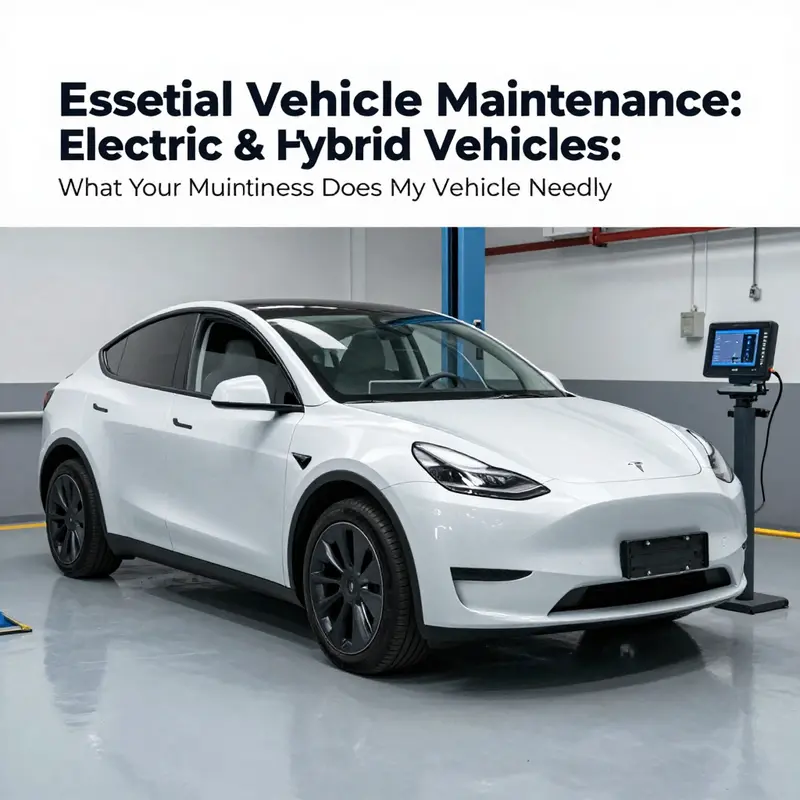
Electric and hybrid vehicles have reshaped the way we think about transportation and maintenance. In a world where technological advancements are constantly challenging old habits, owners of these vehicles must update their routines to ensure not only performance but also precise safety. The focus has shifted away from the traditional engine-centric checks to a more holistic assessment of systems that are unique to electric and hybrid drivetrains. This chapter canvases the core aspects of maintenance that these modern vehicles require, weaving together the necessity for rigorous battery care, cooling system precision, tire vigilance, and software updates into a unified narrative that answers the central question: What maintenance does my vehicle need?
The heart of any electric vehicle is its battery, and understanding how to maintain it is paramount. The battery is more than just an energy reservoir; it is the powerhouse that defines the vehicle’s range, performance, and longevity. Owners must monitor two critical components: the State-of-Charge (SoC) and the State-of-Health (SoH). Regular checks help ensure that the battery’s performance does not dwindle over time, which may otherwise lead to reduced driving range or uneven power distribution. Routine monitoring using the vehicle’s built-in diagnostic tools can reveal essential details such as the gradual drop in capacity or an unexpected increase in charging times, often the first signs of imbalance within the cells. Coupled with this, thermal management is crucial. Overheating can reduce battery lifespan and, in extreme cases, trigger safety mechanisms that disable the vehicle temporarily. Thus, it becomes essential to periodically verify that the cooling systems integrated in these vehicles are functioning properly and that the battery is not frequently exposed to unnecessary stress.
Beyond the battery lies another area that deserves significant attention: the electric motor and its accompanying power electronics. Although these components benefit from fewer moving parts than their internal combustion counterparts, they are integral to the overall performance of the vehicle. The electric motor, combined with sophisticated inverters and converters, ensures that energy is delivered efficiently to the wheels. A malfunction or degradation in any of these components can cause erratic behavior in vehicle performance or even lead to unexpected shutdowns. It is therefore important to inspect the cooling systems that keep the electric motor operating at optimal temperatures. Liquid cooling systems, commonly found in newer models, should be maintained at regular intervals. The coolant levels must be checked meticulously and replaced following the manufacturer’s guidelines, thereby protecting the motor and inverter from potential damage. This dedicated care of the motor and its environment prevents minor issues from snowballing into major repairs down the road.
Hybrid vehicles bring together the best of both worlds by combining an electric powertrain with a traditional internal combustion engine. This dual nature means that maintenance schedules must cover a broader array of components, balancing the needs of both systems. While the electric portion of a hybrid vehicle enjoys the benefits of fewer moving parts and lower wear, the internal combustion engine still insists on periodic care. Routine tasks such as oil changes, air filter replacements, and spark plug inspections become necessary, albeit at intervals that are usually more relaxed than those for conventional vehicles. It is intriguing to note that many hybrid systems benefit from regenerative braking, which not only improves efficiency but also significantly reduces wear on brake pads. While the brakes in a hybrid vehicle can last two to three times longer than those in a pure internal combustion engine vehicle, regular inspections remain non-negotiable. Keeping a close watch on both aspects ensures that the dual nature of the hybrid system is kept in harmonious balance, maintaining performance and safety without excess maintenance or unnecessary expenditure.
Tire care is another indispensable element in the maintenance regimen for both electric vehicles and hybrids. Unlike traditional vehicles, electric models often carry additional weight due to their batteries, which can accelerate tire wear if left unchecked. Proper tire maintenance extends beyond simple inflation and rotation; it requires vigilance to ensure that tread depth, sidewall integrity, and overall tire health are not compromised. Every journey should be preceded by a quick check of the tire pressures, ideally using modern tire pressure monitoring systems accompanied by a manual verification. Given that over- or under-inflated tires can lead to decreased fuel efficiency and erratic handling, taking the time to verify that they are in optimal condition contributes significantly to overall road safety. Additionally, periodic rotations help to distribute wear evenly across all tires, a practice that can save on long-term costs and provide a more stable ride. In this light, tire maintenance for electric and hybrid vehicles is a clear example of how traditional care practices must be recalibrated to suit modern design challenges.
An increasingly vital aspect of vehicle maintenance, particularly for modern electric and hybrid systems, is software management. Today’s vehicles are as much about code and algorithms as they are about metal and mechanics. Over-the-air (OTA) updates allow manufacturers to refine performance, address potential safety issues, and even diagnose problems before they become critical. Manufacturers often release these updates to optimize battery management systems and improve the overall energy efficiency of the vehicle. For the owner, this means that maintenance is no longer confined to physical inspections and replacements—the digital health of the vehicle must be monitored alongside its hardware. Regularly checking for updates and ensuring they are properly installed can preempt a host of issues, ranging from minor glitches to advanced safety concerns. In this digitized landscape, a vehicle’s firmware becomes a living component that evolves over time, underscoring the need for owners to treat software as an integral part of their maintenance schedule.
A deeper appreciation of the nuances in maintenance for electric and hybrid vehicles also includes a consideration of the cooling systems that underpin much of their operation. Unlike traditional engines that rely on a straightforward coolant mixture, modern electric vehicles necessitate specialized low-conductivity coolants. These specialized fluids not only help in minimizing electrical conductivity but are also tailored to the thermal demands of high-voltage systems. It is critical to adhere strictly to manufacturer guidelines when replacing the coolant, pivoting on scheduled intervals such as every 2 years or the stipulated mileage recommendations. In addition to careful replacement, following a forced purge cycle with a diagnostic tool after the coolant change is mandatory to eliminate any trapped air. Air pockets within the cooling channels can lead to overheating, diminished performance, and even potential damage to sensitive components. This meticulous approach to coolant maintenance reflects a broader trend in electric and hybrid vehicle care, where a combination of precision, adherence to guidelines, and an understanding of advanced technology comes together to maintain both safety and performance.
The narrative of modern vehicle maintenance is not solely about proactive servicing; it also involves a discerning approach to which services are truly necessary. Many vehicle service centers offer packages that include add-ons such as engine carbon cleaning, deep AC sterilization, or a full fuel system flush. However, these services are often marketed as essential upsells when, in reality, they may be redundant given modern designs. For instance, regular use of a reliable fuel additive in traditional vehicles can prevent carbon build-up, making expensive cleaning procedures unnecessary unless symptomatic issues like rough idling or poor acceleration occur. Similarly, the air conditioning system in most vehicles is designed to function effectively with routine maintenance such as replacing cabin filters and using external ventilation modes. Understanding which services provide genuine benefits versus those that constitute avoidable expenses is a vital part of managing vehicle upkeep intelligently. This approach not only saves money but also prevents over-servicing, ensuring that attention remains focused on components that directly impact vehicle safety and performance.
Throughout this detailed examination of electric and hybrid vehicle maintenance, the underlying theme revolves around balance and precision. Vehicle owners are encouraged to view their maintenance schedule as a holistic plan where every component, from high-voltage batteries to the smallest tire tread, plays a role in the overall performance and safety of the vehicle. When each element is maintained according to manufacturer guidelines, the result is a coherent system that delivers reliability and efficiency over the long term. It is worthwhile to read comprehensive guides on maintenance practices, such as the one available in this excellent discussion on whether electric vehicles require less maintenance, which offers further insights into optimizing service routines. This deeper understanding not only demystifies the complex interplay of modern vehicle systems but also empowers owners to make informed decisions regarding their maintenance strategies.
The evolution of vehicle maintenance practices is a response to the rapid advances in automotive technology. What once constituted a routine checklist for internal combustion engines has now been upended by the sophisticated requirements of electric and hybrid powertrains. This evolution is underscored by new guidelines and regulatory mandates that insist on mandatory safety checks at prescribed intervals. For instance, regular inspections of brake systems, tire conditions, and lighting setups continue to form the backbone of vehicle safety protocols. Yet, for an electric vehicle, these tasks are accompanied by additional layers of technical inspections involving battery diagnostics, coolant purity, and high-voltage connector integrity. Such a dual-focused maintenance approach ensures that readers understand the importance of adhering to a customized schedule that encompasses both conventional and modern requirements. In this integrated environment, safety is not an afterthought but a forethought embedded in every component of the vehicle.
A major takeaway from this comprehensive narrative is that maintenance for electric and hybrid vehicles is not a one-size-fits-all checklist but a dynamic interplay of art and science. Each vehicle owner must consider factors such as driving conditions, mileage, and the ambient environment in which the vehicle operates to tailor maintenance practices accordingly. For instance, operating in regions with extreme temperatures may necessitate more frequent battery and coolant checks, while urban driving might require closer attention to tire health due to frequent starts and stops. Furthermore, technological integration means that routine software diagnostics and updates have become as essential as mechanical inspections. Maintaining such a balanced regimen can be challenging, yet it is the key to prolonging your vehicle’s life and ensuring that its performance remains optimal over time.
Ultimately, the maintenance of electric and hybrid vehicles is a journey of ongoing learning and adjustment. As manufacturers continue to innovate, the maintenance protocols will also evolve. Vehicle owners must keep abreast of these changes by regularly consulting the owner’s manual and staying informed through reputable sources. This iterative learning process is crucial, as new diagnostic tools and software updates can often preempt costly repairs. In a world where every component is interconnected, a small oversight in battery care or coolant maintenance could have cascading effects on the overall vehicle performance. Embracing a proactive approach, rather than a reactive one, not only safeguards the investment but also contributes to safer roads and a more sustainable future.
For those keen to dive deeper into this subject, exploring further details on the science behind vehicle maintenance and the evolving standards in the automotive industry can provide valuable insights. The journey to mastery in vehicle upkeep is ongoing, and every consultation with a service professional or update in manufacturer guidelines adds to the pool of knowledge required to operate an electric or hybrid vehicle safely and efficiently. In this context, every maintenance step—from routine tire pressure checks to intricate battery diagnostics—becomes a vital link in a long chain of safety and reliability. Maintaining vigilance with every component and understanding how each piece fits into the larger system not only alleviates unexpected breakdowns but also ensures that your driving experience remains smooth and reliable.
In conclusion, the field of electric and hybrid vehicle maintenance reflects a sophisticated blend of traditional principles and modern innovations. By prioritizing battery health, monitoring electric motor systems, observing cooling protocols, caring for tires, and keeping software updated, owners can meet the new mandates for safety while also preserving the performance of their vehicles. These practices, when implemented diligently, contribute to a safer ride and a more sustainable use of technology. As we continue to embrace digital advancements and smarter diagnostics, the approach to maintenance becomes more integrated and data-driven, leading to vehicles that are not only efficient and reliable but also aligned with the highest safety standards. For further technical insights and additional information on maintaining a modern vehicle, you may wish to explore this detailed discussion from the Department of Energy: Critical Maintenance for Electric and Hybrid Vehicles.
This comprehensive dive into electric and hybrid vehicle care demonstrates that a successful maintenance strategy is built on informed choices, regular updates, and an understanding that every component is integral to overall performance. With careful attention and adherence to modern protocols, owners can rest assured that their vehicles will continue to perform at peak efficiency while meeting the stringent safety requirements imposed by current regulations. In navigating these waters, the blend of hands-on vigilance and digital monitoring emerges as the most effective strategy to safeguard the investment and future-proof the technology underlying today’s eco-friendly, high-performance vehicles.
Smart Car Care: Ditching the Unnecessary to Embrace Essential Maintenance
When you think about maintaining your vehicle these days, the landscape has drastically changed from what it once was. In an era where technology alters every part of our lives, car maintenance has evolved to incorporate a balance between essential safety protocols and outdated, often costly, add-on services that do little to improve the core performance of your vehicle. The modern approach to maintenance is built around the philosophy of “time or mileage, whichever comes first,” ensuring that safety checks are performed not only at set intervals, but also when the vehicle has been actively used for a specific distance. This philosophy stands in stark contrast to previous routines that pushed for a myriad of additional services, many of which have now been proven unnecessary or even counterproductive.
Most vehicle owners once accepted the idea that frequent engine cleanings, deep AC sterilization, and full fuel system flushes were part of a comprehensive care routine. However, research and practical experience over the past decade have confirmed that many of these tasks are more about generating unnecessary revenue for service providers than about delivering any real benefit to your vehicle’s performance or longevity. Today’s vehicle maintenance is more streamlined. It emphasizes critical safety checks that ensure your safety on the road while discouraging services that do not align with the latest engineering advancements and design improvements.
For starters, the mandatory safety checks remain non-negotiable. Regular inspections of the brake system, tire condition, lighting, and undercarriage suspension are at the heart of keeping you and your passengers safe. The brake system check, typically required every 10,000 km or six months, goes beyond simply replacing worn brake pads. It involves a detailed examination of the brake fluid’s properties, notably its moisture content, which can reduce boiling points and compromise braking performance. A tiny amount of moisture in the brake fluid can lead to brake fade—a phenomenon where brakes lose efficiency when they heat up—which underlines the importance of a thorough, routine inspection.
Tire inspections are equally critical. Tires are the primary point of contact between your vehicle and the road. Whether you are driving a modern internal combustion engine car or an electric vehicle, maintaining optimal tire pressure is essential for proper handling and fuel efficiency. Regular checks every 10,000 km or six months ensure that issues like tread wear, sidewall bulges, or improper inflation are caught early. When tire tread depth falls below the legally mandated threshold, it not only compromises safety but also increases the risk of accidents due to reduced grip and longer stopping distances.
Lighting systems, which include headlamps, fog lights, and turn signals, are indispensable on the road. A malfunction in any of these systems could lead to visibility issues that endanger both you and other drivers. Regular inspections ensure all lights are functioning as intended, and any issues with wiring or bulb deterioration are swiftly addressed. The importance of this check is magnified in darker seasons or adverse weather conditions when every light counts. In addition to these, the undercarriage and suspension checks, scheduled at longer intervals, ensure that components like shock absorbers and bushings are not showing signs of detrimental wear or leaks. Neglecting these aspects could result in decreased ride comfort and even lead to unpredictable handling during critical driving maneuvers.
Electric and hybrid vehicles, which have become increasingly popular, demand a focused approach to maintenance. The nature of electric drivetrains means that many components typical to conventional vehicles are absent or operate differently. For example, these vehicles rely on regenerative braking, reducing wear on traditional brake parts, yet still require periodic brake inspections to mitigate any potential issues. Furthermore, battery health becomes a central concern. Monitoring the State of Health (SOH) of your battery is integral to the overall performance of an electric vehicle. A sudden drop in range or inefficient charging can indicate deeper issues such as cell imbalance, which necessitates a professional evaluation with specialized tools like a Battery Management System (BMS) reader. On a similar note, the coolant system in modern electric vehicles requires a specialized, low-conductivity coolant and must be managed with precision. Failing to follow the manufacturer’s guidelines for coolant replacement and purge cycles can lead to overheating or power derating, undermining the vehicle’s performance.
What emerges from this redefined maintenance strategy is a clear focus on the essential elements that contribute to a vehicle’s safety and efficient performance. The modern maintenance guidelines do away with many of the legacy practices that once formed an integral part of vehicle care. For instance, services like engine carbon cleaning, deep AC sterilization, and full fuel system flushes were once considered must-dos, but technological advancements have rendered them largely unnecessary. Routine use of quality fuel additives can effectively prevent carbon build-up, while periodic changes of cabin air filters and the use of fresh air circulation modes resolve issues like persistent odors. Additionally, modern fuel systems are engineered to be self-cleaning, reducing the need for flushes that were once thought to be mandatory.
It is particularly important to be wary of the so-called “smartphone tax”—a term coined to describe the additional charges for services that might sound impressive but offer minimal real-world benefits. For example, tire dressings and the use of nitrogen in tires are touted as innovations that protect and prolong tire life. In reality, tire dressings can actually degrade rubber over time. Similarly, while nitrogen filling might have some minor benefits, for the average driver, compressed air is more than enough to maintain proper inflation without the extra cost.
The underlying trend in modern vehicle maintenance is a shift towards tasks that directly impact the operational safety and reliability of the vehicle rather than cosmetic or redundant enhancements. This new paradigm has been driven by advances in vehicle technology, better manufacturing standards, and an increased emphasis on safety regulations. Professional maintenance schedules have evolved accordingly. Manufacturers now stress the importance of following the recommended intervals and procedures as documented in the owner’s manual. Without question, the most reliable guide for your vehicle’s specific needs is the document that came with it when you purchased the car. It not only reflects cutting-edge research and development but is also tailored to accommodate the unique features of your vehicle model.
Consider the case of many electric vehicle owners who, if they follow conventional maintenance advice, might waste both time and money on services that are no longer appropriate. While traditional dealerships have often pushed a host of add-on services, rethinking your maintenance priorities can help you avoid being misled by unnecessary offerings. Knowing what your vehicle truly requires means understanding that the focus should always remain on the indispensable safety infrastructures. This mindset encourages a proactive approach: instead of reacting to every upsell, you prioritize systematic checks such as those for brakes, tires, and suspension systems. In doing so, you not only enhance your driving safety but also prolong the life and performance of your vehicle.
The evolution of vehicle care is not about reducing maintenance—it is about making it smarter and more efficient. When service providers try to sell extensive packages loaded with services like deep AC cleaning or fuel system flushes, it is useful to step back and assess whether these procedures offer any tangible benefits. Often, they do little more than add to the overall cost of keeping your car in shape. Instead, concentrate on the services that address critical safety features. This includes the evaluation of high-voltage systems in electric vehicles where connectors and charging ports must be inspected for corrosion or physical damage. Spending extra time and money on diagnostics in these cases ensures that minor issues do not escalate into major operational faults, which can have serious safety implications.
For enthusiasts and everyday drivers alike, it is important to realize that not all maintenance is created equal. Many legacy services were designed for an era when internal combustion engines dominated the automotive landscape. As automotive technology advanced, the role these services played diminished. The one-size-fits-all approach to car maintenance is now a relic of the past. Instead, the modern focus is on highly specialized services that directly correlate with safety and efficiency. This nuanced approach to maintenance is essential, particularly for those juggling multiple responsibilities and seeking to allocate their time and resources wisely.
A key element in maintaining this balance is to keep abreast of changes in manufacturer recommendations. Vehicle makers are constantly conducting research and gathering data on how their systems perform over time and under various environmental conditions. Such research often indicates that earlier practices, like full fuel system flushes or engine carbon cleaning, are unnecessary provided that you adhere to a disciplined schedule for essential inspections and preventive maintenance. By focusing on the core functions such as battery health, brake performance, and tire condition, you can save valuable money while ensuring your vehicle remains safe and efficient.
A practical tip for vehicle owners is to avoid getting swayed by the allure of additional, often expensive, services that promise to extend the life of your vehicle but fail to deliver real advantages. Instead, invest in a reliable and thoughtful maintenance regimen that aligns with the manufacturer’s recommendations. If your vehicle is an electric model, for instance, you must pay attention to its unique requirements, such as the specialized coolant system that must be handled with care. Even small deviations can have significant consequences—from overheating to unexpected power losses. For instance, if the cooling system does not undergo a forced purge cycle after a coolant change, trapped air bubbles can lead to overheating issues, which may compromise the vehicle’s performance under heavy loads or challenging weather conditions.
It is also worth noting that the entire industry is moving towards leveraging technology to make maintenance more accessible and less intrusive. Many contemporary vehicles, including those based on advanced electric technology, come equipped with sophisticated diagnostic systems that can monitor and report the state of various components in real time. These systems offer readings on brake wear, tire pressure, and battery performance, reducing the need for frequent manual checks. Such digital aids not only enhance safety by providing timely alerts but also empower the vehicle owner to make informed decisions. For more detailed insights on the basics of vehicle maintenance, you might want to take a look at this article on what is vehicle maintenance, which breaks down the core principles and helps you distinguish between what is truly essential and what is not.
Engineers and designers continuously refine vehicle systems to reduce the need for frequent, invasive maintenance interventions. This progressive shift has been partly driven by stricter regulatory standards, which now mandate that specific safety inspections must be performed at predetermined intervals. These regulations are designed to safeguard drivers by ensuring that every critical safety system—from the brakes to the suspension—is in optimal working condition. The regulatory framework compels service providers to focus on the elements that are absolutely necessary, leaving little room for services that do not contribute to safety or efficiency. In this environment, the responsibility falls on the vehicle owner to remain informed and not fall prey to unnecessary upselling.
The streamlined maintenance protocols also contribute to a longer lifespan for many modern vehicles. By reducing the frequency of non-essential services, there is less chance of inadvertently causing wear or damage to components that were never designed for constant intervention. This is particularly true in advanced electric vehicles, where over-maintenance of the battery system or cooling circuit can actually shorten the lifespan of these sensitive components. In essence, the adage that less can be more holds true when applied to vehicle maintenance. Performing only the necessary checks at the right intervals not only preserves the integrity of the vehicle’s design but also ensures that it continues to perform reliably over time.
Ultimately, this new model of maintenance fosters a relationship of trust and transparency between the vehicle owner and their chosen service provider. When both parties understand that the objective is to maintain safety and operational efficiency, rather than to generate revenue through superfluous procedures, the result is a more predictable, efficient, and economical experience. This approach builds confidence in the vehicle’s performance and reduces the stress associated with unexpected mechanical issues.
Maintaining your vehicle should be a straightforward, informed process. It is about concentrating on what truly matters: ensuring every trip is safe and that every component from the brakes to the battery is in the best possible condition. As you navigate the evolving world of vehicle care, remember that the most effective maintenance strategies are those that focus on health checks mandated by regulations and engineered to secure your safety. Unnecessary services, such as deep AC sterilization or full fuel system flushes, do little more than inflate maintenance bills without providing measurable benefits.
In this light, keeping your vehicle in top condition requires a blend of vigilance, informed decision-making, and reliance on authoritative sources. It is a common mistake to assume that more services equate to better maintenance. In reality, a lean maintenance schedule—one that prioritizes the critical safety inspections and the unique needs of your vehicle—will offer superior long-term results, both in terms of performance and cost savings. By questioning the need for every recommended service and understanding the technological advances incorporated into today’s vehicles, you empower yourself to make decisions that are both financially sound and aligned with modern engineering best practices.
This transition in vehicle maintenance philosophy is not simply a passing trend. It is a reflection of deeper changes in vehicle design, regulatory oversight, and the way we interact with technology in our daily lives. In a world where every component is designed with precision, and every safety feature is built on meticulous research, adhering to the essentials is the wisest course of action. The benefits extend well beyond mere cost savings; they include enhanced safety, improved reliability, and a more intuitive understanding of your vehicle’s operational health.
Keeping your car at its best now means focusing on what is truly critical: periodic brake and tire inspections, diligent monitoring of battery and coolant systems in electric vehicles, and ensuring that essential lights and suspension components are in step with regulatory standards. By steering clear of unnecessary add-ons, you ensure that your investment in vehicle maintenance works for you, not against you. This modern approach to care, which avoids redundant procedures, is the key to enjoying a reliable, safe, and efficient ride well into the future.
For further guidance on maintaining emerging automotive technologies and understanding the nuances of tailored maintenance schedules, it is important to consult official manufacturer resources. An excellent external resource is the Tesla Support – Recommended Maintenance Service, which offers detailed insights and clear instructions specifically designed for today’s electric vehicles. This kind of authoritative guidance is invaluable as you navigate the intricacies of modern vehicle care, ultimately helping you differentiate between services that add true value and those that simply inflate costs.
By embracing a maintenance philosophy that focuses solely on the essential, you not only safeguard your well-being on the road but also ensure that every dollar spent contributes directly to the performance and longevity of your vehicle. In the end, the choice is clear: smart car care hinges on informed, deliberate decisions that prioritize safety, efficiency, and lasting performance over the allure of unnecessary, superficial services.
Precision and Proactivity: Navigating the 2026 Vehicle Maintenance Revolution

In the evolving landscape of vehicle care, the approach to maintenance in 2026 has transformed from a once-annual chore into a dynamic, integrated process that walls off unnecessary costs while ensuring safety remains paramount. Gone are the days when maintenance was based solely on mileage or rigid time intervals; today, it is a blend of scheduled checks, digital monitoring, and proactive inspections that safeguard not only the longevity of your vehicle but also your safety on the road. In this comprehensive narrative, we explore how the revolutionary guidelines and modern diagnostic tools come together to create a maintenance philosophy that is both precise and proactive.
Modern vehicle care focuses on a few fundamental practices that have been honed by new regulations. The government-mandated safety checks are at the forefront of these practices. Every aspect of your vehicle—from the brake system to the undercarriage and suspension—is now inspected at defined intervals to prevent minor issues from escalating into potentially dangerous failures. For instance, brake system inspections are required every 10,000 kilometers or every six months, with careful attention to brake pad thickness, brake disc wear, and even the moisture content of brake fluid. This latter point is critical because moisture in brake fluid can reduce its boiling point and cause brake fade, potentially resulting in catastrophic failure during emergency stops. A similar rigour applies to tire inspections, where the proper inflation, tread depth, and physical condition are vital for safe handling and fuel efficiency. By maintaining strict standards and regulations that demand timely safety checks, vehicle owners are equipped with an actionable roadmap that not only prolongs the life of their vehicle but also minimizes the risks on busy roads.
At the heart of every well-maintained vehicle is the regular monitoring and replacement of essential fluids. Engine oil, coolant, brake fluid, power steering fluid, transmission fluid, and even something as seemingly minor as the windshield washer fluid each have a crucial role in keeping the vehicle’s components in optimal condition. Routine checks of these fluids can help prevent minor issues from deteriorating into major system failures. For example, engine oil not only lubricates the moving parts of an engine but also helps in dissipating heat; neglecting an oil change could result in friction-induced wear and severe engine damage. Similarly, coolant plays an indispensable role in regulating engine temperature. A degraded coolant system might lead the engine to overheat, causing irreversible damage to vital engine parts. The emphasis on these regular fluid level checks ties into a broader understanding: maintenance is not a single event but a series of interconnected tasks that, when performed consistently, protect your investment in the vehicle and ensure reliable operation over time.
In addition to the traditional elements of maintenance, modern vehicles—especially electric and hybrid models—introduce another layer of complexity. Battery health monitoring is now a routine requirement. Vehicle manufacturers recommend that you keep track of your battery’s State of Health (SOH) using your vehicle’s advanced infotainment system. A sudden drop in range or slower charging speeds could indicate cell imbalance, necessitating professional diagnostics and potential recalibration using specialized Battery Management System (BMS) readers. Equally important is the maintenance of the coolant system in these advanced vehicles. Unlike conventional engines that can use standard coolant mixtures, modern electric and hybrid engines often require specialized low-conductivity coolant. The process of replacing this coolant every two years or 40,000 kilometers is not complete without a forced purge cycle using diagnostic tools to eliminate any trapped air. Overlooking these details could result in overheating or power derating, compromising the performance and safety of the vehicle.
Another pillar of modern vehicle maintenance is the adherence to a schedule that prioritizes mandatory inspections while steering clear of unnecessary, costly add-ons. Many service centers may attempt to upsell services like engine carbon cleaning or deep AC sterilization, but these procedures are often not supported by evidence unless specific issues, such as rough idling or persistent unpleasant odors, are present. In many cases, simple solutions—like the use of a reputable fuel additive every 5,000 kilometers or the regular replacement of a cabin air filter—suffice to address potential issues. By focusing on what is essential, vehicle owners can avoid the so-called “smartphone tax” on unnecessary extras and allocate their resources more efficiently. This thoughtful approach to maintenance ensures that every service performed is both necessary and beneficial to the long-term health of the vehicle.
Beyond the obvious safety checks and fluid inspections, a holistic approach to maintenance considers the broader context of daily driving conditions and vehicle usage. Routine tasks such as rotating tires, changing wiper blades, and inspecting battery terminals remain as relevant today as ever, despite the advent of sophisticated onboard sensors. Technology has indeed provided advanced warning systems and digital dashboards that notify drivers when maintenance is due. However, these reminders should serve as supplements to, and not replacements for, the tactile, hands-on inspections that an experienced mechanic can provide. The synthesis of digital alerts and manual checks forms a robust safety net, ensuring that any deviations from optimal performance are quickly detected and corrected.
Taking a proactive stance in vehicle maintenance means not only following the manufacturer’s recommendations but also adapting them to your personal driving habits and local environmental conditions. For instance, drivers who frequently venture on long highway trips may have different wear patterns on their tires and brakes compared to those who mostly navigate urban settings. Similarly, the frequency of fluid changes might vary slightly in regions with extreme temperatures. Understanding these subtleties is critical. It is not merely a matter of adhering to a printed checklist; rather, it is about cultivating a relationship with your vehicle—observing, learning, and anticipating its needs over time. In this respect, routine maintenance becomes akin to periodic health check-ups: essential for long-term well-being and performance.
The shift in maintenance philosophy is supported by evolving technologies and regulatory changes. With digital systems increasingly integrated into modern vehicles, the balance between automated notifications and manual interventions has become more critical. On-board diagnostics now provide continuous monitoring of critical systems, yet the human element in identifying and addressing issues is irreplaceable. This synergy between technology and traditional expertise represents a major advancement in automotive care. For example, advanced sensor technologies can signal when brake pads have worn down to the minimum recommended thickness, but only a trained mechanic can evaluate the subtle signs of uneven tire wear or misaligned suspension components. In this way, vehicle maintenance in 2026 is as much about embracing new tools as it is about retaining old-fashioned instincts and practical know-how.
One cannot overstate the significance of routine safety checks. These are not mere bureaucratic requirements; they are measures designed to protect every road user. Brake fluid, if contaminated with moisture, risks reducing braking effectiveness just when it is needed most. Similarly, inadequately inflated or overly worn tires may increase stopping distances dramatically, leading to accidents that could have been prevented with timely maintenance. The undercarriage and suspension system, often overlooked by casual drivers, play a crucial role in ride quality and vehicle stability. Regular inspections of shock absorbers, ball joints, and rubber bushings help ensure that the vehicle can handle abrupt maneuvers or unanticipated road hazards without compromising safety.
In this new era, maintenance scheduling has become both an art and a science. The emphasis on the “time or mileage, whichever comes first” model means that your vehicle receives attention even if you haven’t clocked the projected kilometers. This dual-trigger mechanism is particularly useful for drivers who might not adhere to long trips consistently. It helps avoid the pitfalls of a one-size-fits-all approach and tailors maintenance to the real-world usage of the vehicle. The practicality of such a regimen is evident: by performing regular inspections at defined intervals, owners can rectify small issues before they evolve into larger, more expensive problems.
A key element in developing an effective maintenance routine is a strong reliance on trusted resources and expert advice. For more comprehensive guidance, many vehicle enthusiasts and regular owners alike turn to detailed explorations of vehicle care fundamentals—such as those found in the article comprehensive vehicle maintenance insights. Such resources compile decades of accumulated wisdom and technical advancements into actionable advice, ensuring that you have the latest information at your fingertips. This commitment to staying updated not only saves money but also reinforces a culture of safety and diligence among drivers.
Moreover, the specific requirements for electric and hybrid vehicles reflect the sophistication of modern automotive engineering. Battery systems, once a relatively simple component, now incorporate complex algorithms and diagnostic protocols to inform owners about their ongoing health. It is no longer sufficient to glance at a battery indicator; owners must now engage with detailed diagnostics to monitor subtle shifts in battery performance. A drop in battery range by more than 15% under consistent conditions can trigger an immediate service requirement. Such issues underscore the importance of professional-level diagnostic tools and the expertise needed to interpret them. Similarly, the specialized coolant used in these vehicles requires meticulous care. After every replacement, a forced purge cycle is essential to ensure that no microscopic air bubbles remain—bubbles that could otherwise compromise the efficiency of the entire cooling system.
Beyond the technicalities, the philosophy underpinning modern vehicle maintenance is one of empowerment. When you know exactly what to inspect—from the critical safety checks to the fluid levels that keep your engine running smoothly—you are empowered to take proactive steps in maintaining your vehicle’s performance. This empowerment leads to a cascade of benefits: reduced unexpected breakdowns, lower long-term maintenance costs, and, most importantly, enhanced safety for you and your passengers. The evolution towards a proactive maintenance routine represents not just a regulatory requirement but a fundamental improvement in how we approach the care of our vehicles.
The trend toward prioritizing only necessary maintenance procedures helps demystify automotive care. While it might be tempting to subscribe to every recommended service package offered by dealerships, experience shows that not all are indispensable. Services such as engine carbon cleaning and fuel system flushes are often marketed as vital to long-term engine health, yet in the absence of specific symptoms, they are more likely to be an unnecessary extra charge. Choosing to forego such add-ons in favor of manufacturer-recommended procedures ensures that you are not overpaying for services that provide little tangible benefit.
For instance, consider the delicate balance required in maintaining your vehicle’s cooling system. In older models, using regular coolant was acceptable; however, with today’s high-performance engines, using the manufacturer-specified low-conductivity coolant is crucial. This fluid is designed to match the thermal and chemical demands of modern engines. If you inadvertently use an incorrect type of coolant, or if you fail to perform the necessary purge cycle afterward, the result could be a buildup of heat and pressure that compromises both engine performance and longevity. It is these kinds of details—simple yet critical—that highlight the depth of modern vehicle maintenance protocols.
Similarly, the brake system is a focal point of safety-related maintenance. Every inspection cycle demands that you check the brake pads, discs, and even the fluid’s moisture content. Such vigilance is non-negotiable; a small oversight in any one of these areas can lead to reduced braking performance, which in emergency situations could prove disastrous. Despite the advances in technology that allow cars to alert drivers to potential issues, nothing substitutes for a thorough physical inspection. It is this blend of technological advancement and traditional mechanical know-how that defines the new maintenance paradigm.
The undercarriage and suspension components also receive heightened attention in today’s maintenance schedules. The integrity of your vehicle’s ride and handling can be compromised by seemingly minor issues—such as small leaks in shock absorbers or early signs of rubber bushing deterioration. Neglecting these components may not only affect your comfort on the road but also jeopardize your safety by diminishing the vehicle’s ability to absorb shocks or maintain proper wheel alignment. The evolution of safety standards now mandates regular checks of these components, ensuring that any wear or damage is addressed promptly and thoroughly.
While many of these changes might seem to impose added responsibilities on vehicle owners, they are designed with one goal in mind: to minimize risk and maximize longevity. The principle of conducting maintenance based on the first occurrence of either a specific mileage or time interval ensures that even vehicles that are not driven extensively still receive the attention necessary to remain roadworthy. This approach prevents a scenario where a car might be driven primarily on weekends, yet still miss critical maintenance simply because the mileage hadn’t been reached. Instead, a time-based checklist guarantees routine attention, thereby creating a balanced and comprehensive care strategy.
The modern maintenance schedule is not merely a set of rigid steps, but rather a flexible blueprint that adapts to your personal circumstances. Whether you navigate long stretches of highway or city streets peppered with stop-and-go traffic, the guidelines remain adaptable. Every inspection, every fluid check, and every scheduled regulatory service is part of a broader framework designed to preemptively address issues. This framework is built on the understanding that a well-maintained vehicle is more predictable, safer, and ultimately more economical to run. Minor expenditures on routine maintenance can far outweigh the cost of more significant repairs that might arise from neglect.
Furthermore, there is an undeniable peace of mind that comes from knowing that your vehicle is in prime operating condition. When you adhere to a regular maintenance schedule, you are not only reducing the risk of sudden breakdowns but also fostering a relationship of trust between you and your automobile. It’s a relationship built on mutual reliability: you provide consistent attention and care, and in return, your vehicle responds with dependable performance and safety. This proactive maintenance ethos is reflective of an overall shift towards smarter, data-driven decisions that benefit both the driver and the broader road safety landscape.
Ultimately, the future of vehicle maintenance is a perfect blend of modern technology and time-tested practices. Digital diagnostic tools, on-board sensors, and automated reminders all assist in keeping you informed, yet they remain companions to, rather than replacements for, a diligent maintenance regimen. The combination of these tools with the discipline of routine manual checks forms a strategy that is both comprehensive and effective. In a world where the complexity of vehicles continues to increase, simplifying the maintenance process to focus on what truly matters—safety, performance, and longevity—has never been more important.
The journey toward a well-maintained vehicle is ongoing and requires a conscious commitment to regular service and inspection. By integrating manufacturer guidelines, adhering to legal safety mandates, and avoiding unnecessary upsells, you embody a forward-thinking approach to vehicle ownership. Every routine check, whether it is for brake fluid, tire tread, battery health, or coolant purity, represents a step toward a safer and more efficient driving experience. This commitment not only protects you on the road but also ensures that your vehicle retains its performance and resale value over the long term.
In summary, the modern paradigm of vehicle maintenance in 2026 demands precision and proactivity. It is a comprehensive journey that starts with routine fluid checks and extends to advanced diagnostics for electric and hybrid components. By following the dual-trigger maintenance schedules—whether based on mileage or time intervals—and by steering clear of unnecessary services, you set the stage for enduring performance and road safety. Embrace this evolution in vehicle care, and you will find that each maintenance task is not merely a chore, but a critical contribution to the overall health and reliability of your automobile.
For further detailed guidelines and the latest on maintenance practices, please refer to the official resource available at Fuel Economy Maintenance.
Final thoughts
Prioritizing vehicle maintenance is not just a regulatory requirement but also a strategic business decision. By focusing on mandatory safety checks, understanding the needs of electric and hybrid vehicles, avoiding unnecessary services, and adhering to a regular maintenance schedule, you can ensure your vehicles remain reliable, efficient, and safe. This proactive approach not only minimizes costs but also nurtures your business growth, ensuring you can deliver your services without vehicle-related disruptions.