

For business owners, maintaining a reliable vehicle fleet is crucial to operations and profitability. Neglecting essential maintenance can lead to costly repairs and downtime, hindering productivity. This article delves into key maintenance activities that can significantly increase the lifespan of your vehicles. Each chapter will explore a specific aspect of vehicle care, from regular oil changes to adopting good driving habits. By following these guidelines, business owners can ensure their vehicles remain in peak condition, reducing expenses and enhancing efficiency in the long run.
Lubricating Longevity: How Regular Oil and Filter Changes Extend Your Vehicle’s Lifespan
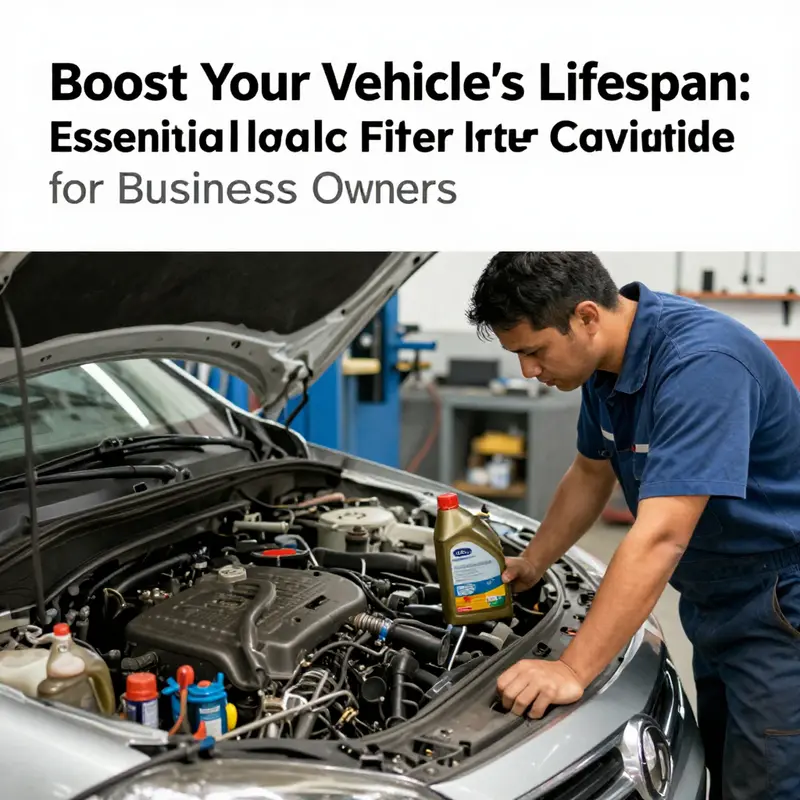
The engine is the beating heart of your vehicle, and its lifeblood is the oil that oils, cools, and cushions thousands of parts under relentless stress. A regular oil and filter change is more than a maintenance chore; it is a deliberate act of stewardship that preserves performance, guards against costly failures, and quietly multiplies the miles you can reliably drive. When oil is fresh and properly filtered, it coats bearing surfaces, pistons, camshafts, and valve trains with a protective film that minimizes friction and heat. That film isn’t permanent, and as time passes the oil degrades. Contaminants—dirt, metal particles from normal wear, and combustion byproducts—accumulate. Left unchecked, these impurities act like an abrasive slurry that can erode bearings, clog small oil passages, and reduce the engine’s ability to shed heat. Replacing both the oil and the oil filter at the manufacturer’s recommended intervals resets the system. Fresh oil has higher viscosity consistency, and a fresh filter traps contaminants that would otherwise recirculate through the engine. The result is not only quieter, smoother operation but also improved efficiency and reduced wear over the long haul. The act of changing oil is a simple win with cascading benefits that touch every other aspect of vehicle longevity. As you drive, a clean oil system keeps the engine running closer to its designed tolerances. When tolerances stay tight, the engine can maintain proper oil pressure, sealing, and timing, which in turn supports better combustion, fewer misfires, and steadier performance under a variety of conditions.
This is not merely about avoiding a catastrophic failure. Regular oil changes influence fuel economy in meaningful ways. Clean oil flows more easily through the engine’s galleries, reducing drag and enabling the engine to reach and sustain its optimal operating temperature more efficiently. The smoother operation translates into less fuel being wasted fighting friction, which, in turn, means lower annual fuel costs and a smaller carbon footprint. Emissions also benefit from fresh oil, as a cleaner, well-lubricated engine burns fuel more completely and vents fewer pollutants. The real payoff, however, is the quiet confidence that comes with knowing the engine’s internal wear rates are being kept at bay. The oil’s role extends beyond lubrication to heat management. Oil carries away a portion of the heat generated by combustion and mechanical action. Fresh oil has superior heat-absorbing properties, helping to prevent hot spots and thermal degradation. When oil degrades, its cooling capacity diminishes, and metal components endure higher temperatures that can accelerate wear. In short, the daily routine of an oil change helps maintain the engine’s health metrics and, over years, preserves the vehicle’s reliability and resale value.
To understand why this practice matters so much, it helps to consider what happens when oil is not changed on schedule. The longer oil sits in the engine, the more acidic byproducts form as fuel residues burn and combustion contributes to chemical reactions within the oil. These acids can corrode metal surfaces and compromise oil seals. Over time, oil becomes more viscous or thinner, losing its ability to cling to critical parts. The oil filter’s job is to remove the bulk of those contaminants before they circulate. When the filter becomes clogged, oil flow diminishes, leading to reduced lubrication at the exact moments when the engine needs it most—during cold starts, heavy acceleration, or sustained high-rpm operation. A neglected oil change can accelerate wear on components such as timing chains, bearings, and valve lifters, potentially leading to expensive repairs that could have been avoided with a routine service.
The discipline of a consistent maintenance schedule also cultivates awareness. When you commit to oil and filter changes on time, you establish a rhythm that makes other checks easier. The engine oil level is a reliable barometer of overall care; if you routinely verify and top off oil between changes, you catch leaks, consumption anomalies, or gasket deterioration early. This habit feeds into a broader mindset: proactive monitoring rather than reactive fixes. In practice, this means checking oil level and appearance at least monthly, and before long trips, and noting any unusual darkening, grit, or smell—signs that the oil has absorbed contaminants or fuel dilution and may need attention even if it hasn’t reached the scheduled interval yet. You can reinforce this approach by treating oil change as part of a holistic maintenance routine rather than a single, isolated task.
Choosing the right oil is part of the conversation about longevity. Most modern engines are designed to run with either conventional or synthetic oils, with different viscosity grades specified by the manufacturer. Conventional oil might require changes more often, while synthetic oil tends to maintain its protective properties longer under extreme temperatures or heavy-load driving. The decision between conventional and synthetic oil is influenced by climate, driving style, and engine design, but regardless of the choice, following the recommended interval remains essential. The filter that accompanies the oil change should match the oil’s properties and the engine’s demands. A clean filter does not merely trap particles; it ensures a steady flow of oil under all operating conditions, which helps the oil maintain its lubricating film and cooling capacity when the engine faces heat and load in stop-and-go traffic or when climbing grades on a hot day.
Within this framework, a key point emerges: do not rely on mileage alone to determine when to change oil. Operating environment and vehicle age can shift the ideal interval. Dusty roads, frequent short trips that prevent full warm-ups, or very high-mileage use can accelerate oil contamination and reduce its protective ability. In such cases, more frequent changes may be prudent even if the odometer sits within the manufacturer’s general schedule. The goal is to keep the lubrication system operating within its designed tolerances, not to chase a calendar or mileage target in isolation. That mindset aligns with the broader principle of preventive maintenance, where timely interventions avert bigger problems down the road.
To connect this practice with the larger conversation about vehicle longevity, consider how an oil change interacts with other wear items and fluid services. The engine oil does not operate in a vacuum; it supports the life of seals and gaskets, the efficiency of the cooling system, and the health of the lubrication path to the piston rings. When the oil is clean and flowing, it helps protect these surfaces during startup after a cold night or after a long highway stretch. It also reduces the thermal stress that can crack rubber seals over time. In turn, the engine remains better sealed, which minimizes oil leaks and maintains proper compression. This cascade effect—clean oil supporting a healthier engine, which reduces wear and avoids leaks, which preserves efficiency—illustrates why oil changes are often at the core of any discussion about extending the life of a vehicle.
All of this underscores why a simple, consistent routine matters as much as any specific diagnostic or repair. By adhering to the manufacturer’s schedule for oil and filter changes, you not only protect the engine’s critical components but also reinforce a pattern of care that extends the life of other systems. You begin to notice that reliability becomes a practical certainty rather than an occasional expectation, and value is preserved as the vehicle ages. The habit of changing oil on time elevates maintenance from a list of tasks to a philosophy of care that sustains performance, efficiency, and resilience across the vehicle’s entire lifespan. If you want a concise framework for the broader maintenance philosophy, a quick reference point such as What is Vehicle Maintenance can provide a clear, foundational overview that complements the specifics of oil care.
Of course, oil and filter changes are just one pillar of a longer house built on maintenance. They sit alongside timely replacement of other fluids, air and fuel system upkeep, belt and hose inspections, battery health, and regular tire care. Each practice supports the others, reducing the probability of unexpected breakdowns and preserving fuel efficiency, performance, and comfort. When oil changes are performed with thoughtfulness—correct viscosity, high-quality filters, proper torque on drain plugs, and the correct true-on-vehicle intervals—they contribute to a durable baseline of reliability. This baseline makes the more visible, but less frequent, maintenance activities easier to schedule and perform before they become urgent repairs.
In the end, regular oil and filter changes are a straightforward, high-impact investment in your vehicle’s longevity. They reduce wear, improve efficiency, protect emissions performance, and create a dependable platform for the many miles ahead. When combined with mindful driving and a broader maintenance routine, you gain not only a longer engine life but also the confidence that comes with knowing your car is cared for in a deliberate, proactive way. The payoff is measured not just in years on the road but in the smoother, quieter, more economical operation that accompanies a well-maintained engine day after day. For readers who want to explore maintenance as a broader discipline, the linked resource above offers a compact overview to anchor these practices within a coherent strategy. And for those who are ready to integrate these habits into everyday life, the next steps lie in the routine checks that complement oil care—fluid levels, belt and hose wear, battery health, and tire maintenance—that together form the foundation of a vehicle that lasts.
External resource: https://www.motor1.com/advanced-automotive/287956/why-you-should-change-your-oil-on-time/
Tire Stewardship as the Quiet Foundation: How Proper Inflation, Rotation, Alignment, and Vigilance Extend Your Vehicle’s Life

Tires are more than just the road’s contact patch; they are the unsung guardians of safety, efficiency, and longevity. When you think about extending the life of a vehicle, most owners picture oil changes and engine care. Yet the tires bear the brunt of every mile you drive, and the habits you cultivate around tire maintenance ripple through the entire drivetrain. A chapter drawn from practical, field-tested guidance shows how five core tire practices—correct inflation, regular rotation, precise alignment and balancing, smooth driving, and vigilant inspection—work together to slow wear, protect safety, and stretch every dollar spent on maintenance. In this light, tire stewardship becomes not a separate checklist item but a central, continuous discipline that anchors the broader strategy of extending vehicle life.
First, correct tire pressure stands as the single most impactful factor in tire longevity and overall vehicle performance. Underinflation invites higher rolling resistance, more heat buildup, and uneven shoulder wear. It also raises the risk of tire failure in demanding conditions. Overinflation, conversely, narrows the contact patch to the road, increasing center tread wear and reducing traction. The practical rule is simple: check pressure at least once a month, and always when the tires are cold. The recommended figure sits on a door jamb sticker or in the manual; it’s the baseline from which you judge current conditions. This care isn’t just about avoiding flats. It preserves the tire’s structural integrity, helps the suspension absorb road irregularities more evenly, and sustains fuel economy. When tires press near the correct pressure, the tire’s footprint remains balanced, and heat disperses more effectively through the tread, preserving both grip and life. The benefits cascade into smoother handling and steadier wear patterns across the tread, which means fewer early replacements and a calmer maintenance budget over the years.
Second comes tire rotation, a practice that recognizes the asymmetrical loads borne by different corners of the vehicle. On most cars, the front tires carry more weight and endure more stress from steering, braking, and acceleration. Without rotation, the front tires tend to wear out faster, creating uneven tread depth that can compromise grip in sudden maneuvers and reduce comfort. Rotating every five to eight thousand miles—frequency that aligns with the typical maintenance window—promotes even wear across all four tires. The most common pattern is a cross-rotation: front tires move to the opposite rear position, and rear tires switch to the opposite front position. This simple step yields a longer overall tire life and helps the car maintain predictable handling. It also prevents a situation where one pair of tires wears out much sooner than the others, forcing a premature investment in replacement and potentially affecting resale value.
Third, alignment and balancing address how tires interact with the vehicle’s geometry and weight distribution. Misaligned wheels scrub against the road surface, creating uneven wear that can appear as one side wearing faster or as pull and vibration during driving. A vehicle that pulls to one side or exhibits unusual tire wear deserves an immediate check for alignment. Wheel balancing is the companion service that keeps the tire and wheel assembly spinning true, eliminating vibrations that translate into uneven wear and treacherous steering responses at highway speeds. Together, alignment and balance help preserve even tread depth and uniform contact with the road. When alignment is on point, tires wear in a controlled, predictable pattern, the suspension experiences less unintended stress, and steering becomes lighter and more accurate. These gains translate into longer tire life, safer handling, and a steadier ride, especially on long trips or in mixed-use driving conditions.
Fourth, adopting smooth driving habits directly reduces thermal and mechanical stress on tires. Aggressive acceleration, hard braking, and aggressive cornering generate heat and friction that accelerate tread wear. The line between a spirited drive and tire fatigue is subtle but real; quick stops and sharp turns can shave miles from tread life in ways that aren’t immediately visible. Even more, maintaining steady speeds and avoiding high-load gear operation at low speeds minimizes drag and friction, which in turn reduces wear. Consider that a single hard stop at a relatively high speed can be a major contributor to tread and shoulder damage. Small, deliberate adjustments—accelerating in a controlled manner, easing into braking, and taking curves with steady, progressive inputs—preserve tread integrity, improve fuel efficiency, and keep tires performing at their best for longer. This is not about dulling the driving experience but about channeling it into a sustainable pattern that respects the tires’ design and longevity. The payoff extends beyond the tires themselves; smoother driving reduces impact on the suspension, steering, and wheel bearings, further extending the vehicle’s life cycle.
Fifth, tire inspection is the daily habit that keeps potential problems from becoming costly failures. Regular visual checks during routine maintenance or car-wash sessions can reveal cuts, cracks, bulges, embedded objects, or unusual wear patterns. Tread depth should be monitored with a gauge or a simple penny test, ensuring the tread remains deep enough to provide adequate grip. The presence of nails, stones, or other debris is not just a nuisance; it can lead to slow leaks or sudden loss of pressure. If wear appears uneven or if a tire shows obvious damage, it’s time for a professional assessment. Early detection can prevent blowouts, improve safety, and defer the expense of rapid, unplanned replacements. Tire life is not measured solely by mileage but by the quality of the wear pattern and the absence of compromising defects. Vigilant inspection keeps you ahead of wear and helps you plan replacements more strategically, aligning with the vehicle’s broader maintenance schedule.
These five practices do not exist in isolation; they reinforce each other. Proper pressure makes rotation more effective, because even pressure supports even wear. Rotation relieves uneven loading, which aids alignment and balance. Alignment and balance preserve the even wear that smooth driving and gentle handling depend on. And regular inspection ensures that the rotation and alignment services have not introduced any new issues or masked developing ones. When viewed together, tire maintenance becomes a cohesive system rather than a set of discrete tasks. The benefits ripple outward: safer driving conditions, steadier handling, better fuel economy, and a longer life for both tires and the vehicle’s chassis components. The strategy is practical and repeatable. It relies on routine checks, predictable intervals, and a mindset that views tires as a central asset in the vehicle’s overall health rather than as a disposable part that merely needs replacement when worn.
In the broader landscape of vehicle upkeep, tire stewardship should be woven into every scheduled maintenance cycle. It serves as a touchpoint that reminds drivers to assess overall health and to translate technical care into everyday driving habits. For readers seeking a wider lens on how tire care fits within the full spectrum of vehicle maintenance, see what-is-vehicle-maintenance. That resource frames maintenance as a continuous, integrated discipline rather than a patchwork of fixes, reinforcing the idea that tire care is indispensable to extending the life of the entire machine. Keeping tires in prime condition is a practical manifestation of respect for the vehicle and a concrete step toward preserving safety, efficiency, and value.
The tire’s life is a proxy for the vehicle’s overall longevity. When you treat tires as a dynamic, living part of the car—regularly checked, correctly inflated, rotated with care, aligned, balanced, driven smoothly, and vigilantly inspected—you cultivate a habit that pays off in every mile. Each practice supports the next, and together they form a durable foundation for a longer, safer, more economical driving life. The result is not merely fewer tire replacements but a chain reaction of benefits: improved fuel economy from proper inflation and reduced rolling resistance; safer braking and cornering from balanced and aligned wheels; less vibration and wear on the suspension from consistent driving dynamics; and the peace of mind that comes with proactive maintenance rather than reactive repairs. As with any well-run machine, longevity is built on a simple reality: attend to the basics well, and the system compounds benefits over time. External conditions will always throw curveballs—rough roads, temperature swings, and demanding loads—but with disciplined tire care, you tilt the odds in favor of durability and dependable performance at every stage of the journey.
External resource: For a broader understanding of tire safety and maintenance standards, consult a reputable external guide such as https://www.nhtsa.gov/road-safety/tires.
Critical Fluids, Lasting Miles: Timely Replacements as a Blueprint for Extending Your Vehicle’s Life
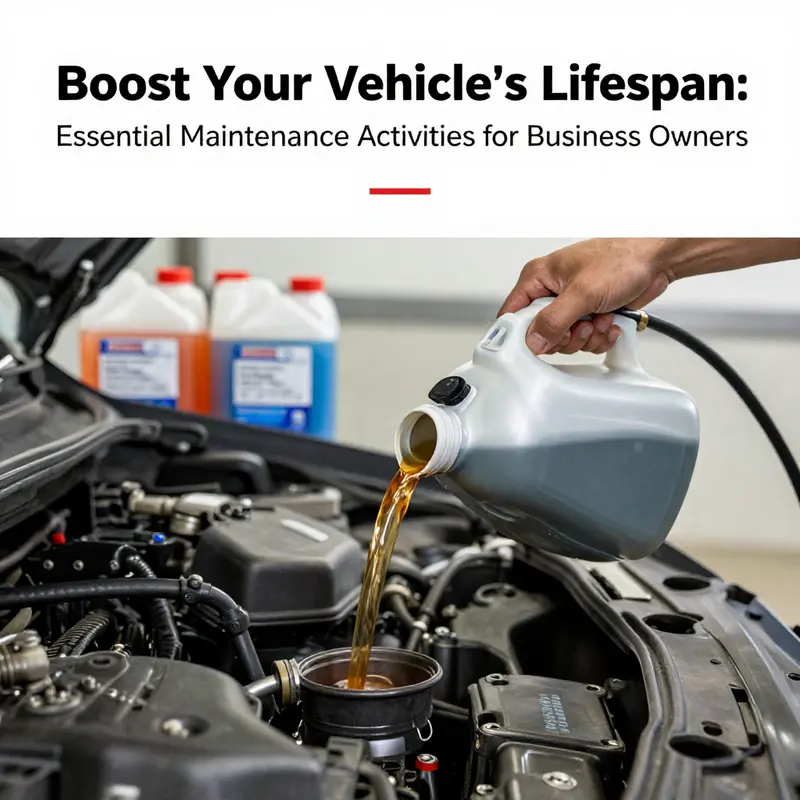
When a vehicle crosses the 100,000-mile threshold, the real test begins. The basic routines that kept it healthy in the early years still matter, but the fluids that protect and cool, lubricate and seal now carry years of heat, pressure, and contamination in their every drop. At this stage, the reliability of the next 50,000 miles often hinges not on bold new repairs but on disciplined fluid maintenance. Engine oil remains the obvious starting point, yet six other critical fluids demand equal attention if you want to preserve performance, prevent expensive failures, and stretch the life of the car well beyond the two-hundred-thousand-mile mark. Understanding this fluid family—and acting on it consistently—transforms maintenance from a periodic checklist into a protective regime that guards the heart and the plumbing of the vehicle. A solid framework for why this approach works begins with a clear grasp of vehicle maintenance as a whole, which you can explore here: What is vehicle maintenance. And while oil changes are familiar, the rest of the lineup—transmission fluid, coolant, brake fluid, differential fluid, power steering fluid—each plays a unique, irreplaceable role in longevity. The idea is simple: replace what wears, replenish what degrades, and flush what fouls before it can cascade into a costly repair. A proactive cadence can keep your car running smoothly, reduce the risk of sudden breakdowns, and preserve the value of the investment you’ve already made in it. It isn’t glamorous, but it is remarkably effective when applied with consistency and respect for the realities of high-mileage engines.
Transmission fluid acts as the lifeline of the drivetrain once the odometer creeps past the halfway point of a typical service life. Automatic transmissions generate substantial heat during every clutch engagement and torque conversion, and the fluid that carries lubricant and heat away from these parts gradually loses its protective additives after thousands of thermal cycles. Old, degraded fluid becomes less able to cushion metal components and to manage temperatures, which raises wear and shortens the life of the transmission. Signs of trouble can be subtle at first: hesitations during acceleration, shuddering at certain speeds, or a faint, metallic odor of burnt fluid. A professional assessment can determine whether a full service or a simple fluid change is appropriate, but the cost difference is striking. A full replacement to restore fresh lubrication and cooling can prevent rapid deterioration, while letting the old fluid linger can invite a cascade of failures that are far more expensive than the preventive flush. The aim is to restore clean flow, remove varnish and sludge, and renew the fluid’s protective barrier around clutches, bands, and valves. Although some vehicles benefit from a precise flush, others may be adequately served by a careful drain-and-fill, depending on transmission type and the accumulated mileage. The key point is to avoid extending a degraded fluid beyond the point where it can still offer protection.
Coolant’s job is more than keeping engines from freezing or overheating. It forms a protective shield against corrosion for aluminum and iron components alike. Over time, coolant additives dissipate, leaving the cooling system increasingly vulnerable to rust, scale, and electrochemical attack. The result can be rust-colored stains, restricted flow, and a drop in the efficiency of the radiator and heater core. When corrosion progresses, seals and gaskets can fail, leading to leaks, overheating, and in severe cases, head gasket issues that are far more expensive to repair than a timely coolant service. A practical approach is to test not just color, but the coolant’s chemistry. Modern Organic Acid Technology (OAT) coolants offer extended service life, but only if kept clean. A pH test, in particular, can reveal acidity creeping into the system long before you notice a temperature rise. If the coolant is as much as a few years past its prime, flushing the system thoroughly—sometimes in multiple drain-and-refill cycles—becomes necessary to clear rust, scale, and sludge and to restore proper flow. In addition, flushing the heater core during coolant service protects cabin warmth and ensures heat transfer remains efficient. The up-front cost of a thorough coolant service is modest compared with the potential expense of a compromised cooling system. Importantly, macroscopic indicators like discoloration are unreliable on their own; a holistic check of pH, freeze point, and flow is the right path to long-term protection.
Brake fluid, a sometimes overlooked but critical hydraulic medium, deserves equal vigilance. This fluid transmits pressure from the pedal to the calipers while also lubricating and protecting the hydraulic components. It is hygroscopic by nature, meaning it absorbs moisture from the air over time. As moisture content grows, the fluid’s boiling point drops, and the system becomes more prone to vapor lock under heavy braking or high heat. The consequences are dangerous: reduced braking effectiveness, corrosion of ABS components, and the possibility of complete brake failure in extreme conditions. By the time a high-mileage vehicle shows signs of braking trouble, it is often too late. A thorough brake fluid flush—starting from the master cylinder and bleeding through to each wheel—removes contaminated fluid and air, restoring the hydraulic integrity that modern braking systems rely on. It is essential to use the correct specification and to avoid mixing fluids with incompatible additive packages. In practice, a full flush every couple of years or at the milage threshold where signs of moisture accumulation appear can prevent expensive ABS module or rotor and caliper wear down the road. The cost of preventive maintenance contrasts starkly with the price of neglect, where a single faulty valve or module can total a portion of the car’s value.
Differential fluid protects gear sets that endure tremendous load, heat, and friction as power is delivered to the wheels. Over 100,000 miles, the additives designed to prevent wear degrade, and metal particles accumulate in the oil. The result can be gradual noise, harshness in turning, or even more serious drivetrain stress if the fluid becomes contaminated with debris. For vehicles with limited-slip differentials, friction modifiers become critical. They help manage the dynamic demands of power transfer during turns and acceleration. If these modifiers degrade, you may notice shuddering or hesitation in low-speed maneuvers. Synthetic gear oils often provide superior film strength and better cold-weather flow, which is advantageous for high-mileage applications. A magnetic drain plug can help you gauge wear by catching metallic particles—tiny amounts are normal, but an excess signals that further inspection is warranted. In some designs, the transfer case that shares the same lubrication philosophy as the differential also requires attention, especially in four-wheel-drive configurations. Low fluid levels or degraded oil can produce whining or grinding noises and can culminate in expensive repairs if ignored.
Power steering fluid deserves a mention for the way it preserves easy, responsive steering. Over the long arc of miles, contaminants accumulate and the lubricating properties degrade, reducing protection for the pump and rack. A telltale sign is a whine during turns or a stiff feel at the wheel. The simple remedy is a full fluid exchange, which clears out contaminants and refreshes additives that protect seals and moving parts. Many modern systems benefit from high-quality synthetic fluids that resist heat and temperature fluctuations better, supporting consistent steering even under demanding conditions. A visual check—fluid color should be clear red or light amber; dark, dirty fluid suggests contamination and the need for a change. If a leak is suspected, addressing it before a full flush is essential to prevent recurrent contamination and pump wear.
Engine oil remains the most scrutinized fluid, and for good reason. As engines age, blow-by gas leaks into the crankcase, contaminating the oil and accelerating wear. High-mileage engines benefit from synthetic oils with enhanced film strength and detergents that keep deposits from choking oil passages. Oils marketed for older engines can include seal conditioners to rejuvenate gaskets and reduce leaks and oil consumption, providing a meaningful safety margin for aging components. Additionally, oil analysis can reveal metal wear or silicon contamination from a failing air filtration system, offering a window into internal health long before a failure occurs. For vehicles past the hundred-thousand-mile mark, sticking to a conservative change interval with higher-quality oil becomes an investment in reliability and long-term performance, rather than a routine that only protects against rapid wear.
Fuel system cleanliness also plays a pivotal role as mileage accumulates. Injectors, including modern high-pressure types, can develop carbon and varnish deposits that distort spray patterns and worsen combustion efficiency. Regular fuel system cleaning—when indicated by performance symptoms or maintenance intervals—helps preserve smooth idling, responsive acceleration, and fuel economy. In engines with direct injection, valve deposits can become more pronounced because the fuel does not wash over the intake valves, necessitating more careful management of intake deposits and, in some cases, specialized cleaning methods. There are procedures aimed at restoring injector spray quality that range from routine cleaning additives to professional treatments that treat the injectors, throttle body, and intake valves. For some advanced systems, a targeted walnut-shell cleaning technique has proven effective in removing stubborn carbon buildup without harming aluminum components, though it requires skilled service and a price appropriate to the work. Regular use of high-quality fuel with robust detergents can also reduce the frequency and intensity of cleanings.
The central message is clear: at 100,000 miles and beyond, extending life depends on a disciplined approach to timely fluid replacement across the board. Engine oil, transmission fluid, coolant, brake fluid, differential fluid, power steering fluid, and even the fuel system all operate as an interconnected network of protection. When each fluid is refreshed on schedule, contaminants are kept at bay, seals stay lubricated, and the system’s collective resilience is preserved. The cumulative effect is a vehicle that remains responsive, efficient, and dependable through the next leg of its journey. The cost of preventive maintenance—relative to the price of major component failure—is remarkably favorable, and the practice translates into years of reliable service rather than months of uncertainty. In the end, the goal is straightforward: respect the longevity that your vehicle owes you by meeting its fluid needs with precision, attention, and consistency. For drivers who want to understand maintenance as a continuous, value-protecting practice rather than a mere checklist, this fluid-centric approach offers a clear, practical path to sustained performance and peace of mind. And while fluid brands and service intervals vary by vehicle, the principle remains universal: proactive, informed care today pays dividends in reliability tomorrow.
External reference for broader maintenance guidelines: https://www.consumerreports.org/cars-maintenance/how-often-should-you-change-your-oil/
Proactive Wear-Item Vigilance: How Routine Inspections and Replacements Extend Your Vehicle’s Life
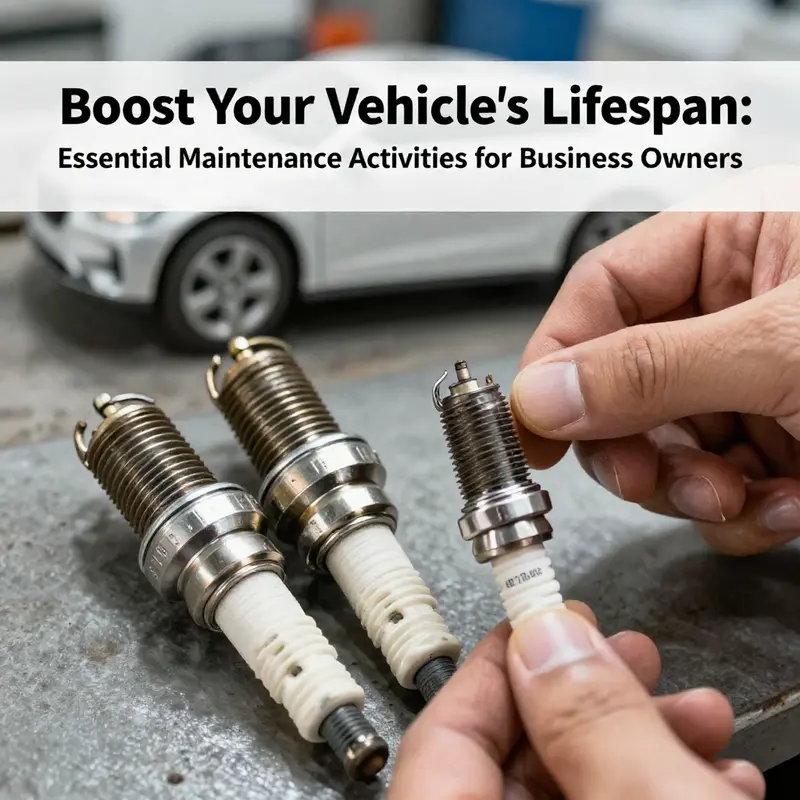
Wear items are the quiet sentinels of a well-loved car. They don’t grab attention the moment you turn the key, yet their condition determines whether your journey is smooth or interrupted by a roadside emergency. Belts, hoses, brake pads, tires, and filters are designed to bear the brunt of daily operation, and they wear not because they are faulty, but because they are used. The trick to a long-lived vehicle is not simply to replace parts on a clock, but to read the signs of wear early and act before small issues grow into expensive failures. When you approach these components with a steady, preventive mindset, you gain more than reliability; you gain confidence in every mile you plan to travel. Routine inspection becomes a habit rooted in the understanding that prevention costs less than repair and that safety rides along with every careful check.
Belts and hoses are the leading indicators of a healthy cooling, charging, and accessory system. The belts drive the alternator, the water pump, and other vital mechanisms, while hoses carry the critical fluids that keep engines at the right temperature and systems functioning. A fan belt that shows cracks, glazing, or signs of fraying is more than an annoyance; it is a ticking clock. A typical service life for a fan belt ranges from sixty thousand to one hundred thousand miles, depending on vehicle design and operating conditions. Regular inspections—at every major service interval or sooner if you drive in harsh environments—allow you to replace the belt within its safe window, avoiding a sudden failure that could strand you or, worse, damage the engine ancillary components. Hoses merit the same respect. A swollen, softened, or leaking hose can lead to coolant loss or fuel system problems. A single defective hose can cascade into overheating or a leak that leaves you stranded in a place far from help.
Brakes and tires sit at the intersection of performance and safety. Worn brake pads may still seem functional, but their reduced thickness diminishes the vehicle’s stopping power and increases heat buildup, shortening pad life and risking rotor damage. Tire tread is not a cosmetic feature; it is your contact with the road. Worn tires compromise braking distance, aquaplaning resistance, and cornering stability. Regular checks for pad thickness, rotor condition, and tire tread depth help you anticipate replacement needs before the performance envelope narrows to a single hazardous moment. Alongside these, original filters—oil, air, and fuel—play a quiet but immense role in engine efficiency and longevity. A clogged air filter reduces engine breathing, lowering power and fuel efficiency, while a dirty oil filter can allow debris to circulate, shortening engine life. The thresholds for replacement vary by vehicle and environment, but the underlying principle remains consistent: keep the filters clean, and the engine will thank you with steadier performance and cooler operation.
Service lives do not exist in a vacuum; they are shaped by the conditions of use. Drivers in dusty environments, for example, may see quicker air-filter loading and accelerated belt wear due to heat and vibration. Urban driving with frequent stop-and-go traffic can wear brakes faster, while long highway runs place different stresses on belts and hoses. The takeaway is practical: know the operating context of your vehicle and align inspections with it. This is not about chasing every possible abnormality, but about creating a disciplined rhythm in which wear signs are identified early and addressed promptly.
The benefits of a proactive wear-item program ripple through safety, reliability, and performance. When belts, hoses, and filters are kept in the recommended condition, you reduce the risk of sudden breakdowns that could strand you in inconvenient or dangerous places. Brakes that are inspected and refreshed as needed maintain predictable stopping performance, which is essential for safe driving decisions. Tires that are rotated and measured for wear keep handling consistent and extend the usable life of the tread. The cumulative effect is a vehicle that remains dependable, with fewer unplanned maintenance events interrupting trips or eroding resale value.
Integrating wear-item vigilance into daily driving requires a simple but disciplined approach. Start by creating a maintenance schedule that follows the manufacturer’s service intervals as a baseline, but tailor it to your driving realities. If you routinely drive in extreme heat or cold, or in a sandy or salted environment, you may opt for more frequent inspections of belts, hoses, and filters. The essence is consistency: set predictable dates or mileage markers and treat them as non-negotiable tasks.
Documentation is the quiet force behind long-term reliability. Keeping a record of inspections, observations, and replacements creates a trail you can follow for future decisions. Notes about belt tension, hose condition, brake pad thickness, tire wear patterns, or filter replacement dates translate into a memory you can rely on. This practice not only helps you stay on schedule but also provides valuable information if you ever sell the vehicle, because a transparent maintenance history is a strong indicator of careful ownership. When you document findings, you also create a benchmark. A belt that shows a small crack or a hose with minor bulging today can be tracked over subsequent inspections to confirm whether it is progressing toward failure or stabilizing with use. This data-driven approach keeps you from over- or under-maintaining and helps you allocate resources where they matter most.
For the curious or the meticulous, there is a point of reference in the broader maintenance conversation. It is useful to remind oneself that understanding vehicle maintenance in general—how and why these tasks matter—adds depth to the daily routine. A concise way to frame this is to explore the fundamental concept of vehicle upkeep and its impact on life expectancy and performance. That foundational framework can be discovered in more formal explanations of what maintenance encompasses and why it matters, which helps translate the practical steps into a coherent long-term strategy. See the discussion that frames maintenance in its proper context, such as the explanation of what constitutes vehicle maintenance, to anchor the approach you take with your car. What is vehicle maintenance.
As you move from awareness to action, the chapter on wear items becomes a practical blueprint you can apply at home or with your trusted mechanic. Start with a visual sweep: look for cracks in belts, glazing or fraying, bulges or hard spots in hoses, and wear lines on brake pads. Listen for signs that should prompt closer inspection— squealing brakes, a grinding sensation when applying the pedal, or a subtle vibration that appears under certain loads. These are not alarm signals but markers guiding you to check and, if necessary, replace. The next step is to align these observations with service life estimates, bearing in mind that the numbers are guides, not absolutes. A belt might be designed for sixty thousand miles under ideal conditions, but heavy towing or extreme heat could shorten that life. If you catch a potential issue before it crosses the boundary into failure, you gain not just time and money, but peace of mind.
Indeed, the most meaningful outcome of this vigilant approach is sustained performance. When wear items are maintained in proper condition, the engine can operate at its optimal efficiency, reducing unnecessary strain that can degrade fuel economy and emissions. A well-maintained driven path reduces the risk of collateral damage: a leaking hose might lead to overheating, a failing timing belt could result in catastrophic engine damage, and worn brakes can compromise your ability to stop safely. The real measure of success is a car that behaves consistently, with predictable maintenance needs that align with your budget and schedule. In that sense, the routine inspection and replacement of wear items is less a single act and more a habit—a daily practice that translates into fewer surprises and a longer, more dependable life for your vehicle.
To support this approach, it is helpful to view wear-item maintenance as part of a broader preventive-maintenance philosophy. The emphasis remains on early detection, timely replacement, and careful documentation. The overarching aim is simple: minimize mechanical wear and maximize the usable life of the car. Keeping pace with these tasks requires not only diligence but also a mindset that values preventive care as a foundational aspect of responsible ownership. When you adopt this stance, you pave the way for smoother ownership, lower total cost of ownership, and a vehicle that continues to meet your needs decade after decade. For readers who want to explore preventive maintenance further, consider the broader guidance that outlines how preventive measures extend vehicle lifespan and improve reliability; it complements the specific wear-item vigilance described here and underscores the practical realities of long-term car care.
External resource: https://www.carmd.com/blog/vehicle-maintenance-tips-to-extend-lifespan/
Mindful Motion: How Consistent, Moderate Driving Habits Extend Your Vehicle’s Lifespan

Every drive is a chance to treat the car as a partner rather than a prop. Consistent, moderate driving reduces stress on engines, transmissions, and brakes, yielding fewer repairs and a longer life for essential systems.
The most immediate gains come from smooth acceleration and gradual braking. When you avoid abrupt throttle changes and heavy braking, you cut peak forces and heat, which slows wear on seals, gears, bearings, and hydraulic components. Predictive braking—easing off early to slow gradually—embodies patience in motion and supports durability and fuel efficiency.
Tires and brakes respond strongly to driving style. Moderate speeds, steady steering, and careful lane changes distribute wear evenly across tires, improving life and handling. Safe following distances limit pad and rotor wear and preserve stopping power when you need it.
A quick pre-drive check—tire pressure, fluid levels, and obvious damage—helps prevent emergencies and reinforces safe driving. These small checks aren’t ritual; they are practical reconnaissance that saves time and money.
Driving at moderate speeds reduces engine load and tire wear. On highways, a steady, moderate range keeps engines within efficient ranges and avoids shock from road irregularities. This supports cooling, lubrication, and overall longevity.
Good driving complements regular maintenance. When you combine mindful driving with timely service, your vehicle remains responsive, economical, and dependable over many miles. In this book, see how driving habits tie directly to maintenance savings and safety.
The bottom line: steady, attentive driving preserves your car’s health, enhances reliability, and makes every mile more predictable and enjoyable.
Final thoughts
By incorporating these essential maintenance activities and adopting mindful driving habits, business owners can significantly increase the life of their vehicles. Regular oil changes, tire upkeep, timely fluid replacements, and routine inspections are foundational to ensuring peak vehicle performance. Additionally, fostering good driving practices not only protects your fleet but also enhances operational efficiency. Investing time and resources into vehicle maintenance will pay off in reduced costs and improved reliability, ultimately contributing to the success of your business.