
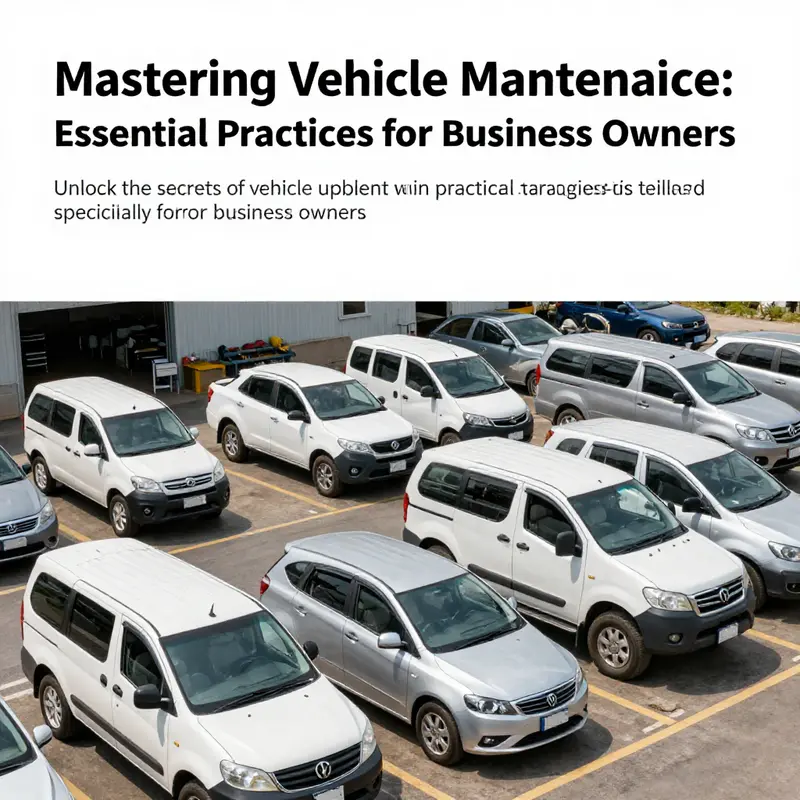
Proper vehicle maintenance is vital for business owners who rely heavily on their vehicles for day-to-day operations. Whether it’s a delivery truck, a service vehicle, or a fleet of cars, regular upkeep can greatly enhance safety, efficiency, and longevity. This article will explore the types of vehicle maintenance that owners can perform, emphasizing practical steps and essential checks to keep vehicles in optimal condition. By understanding the impact of owner-performed maintenance on vehicle longevity and identifying the right tools and supplies, business owners can save money, reduce downtime, and extend the life of their vehicles. Each chapter is designed to provide valuable insights, ensuring that your vehicle maintenance practices align with your business goals.
Empowering Vehicle Owners: Mastering DIY Car Care for Safety and Longevity
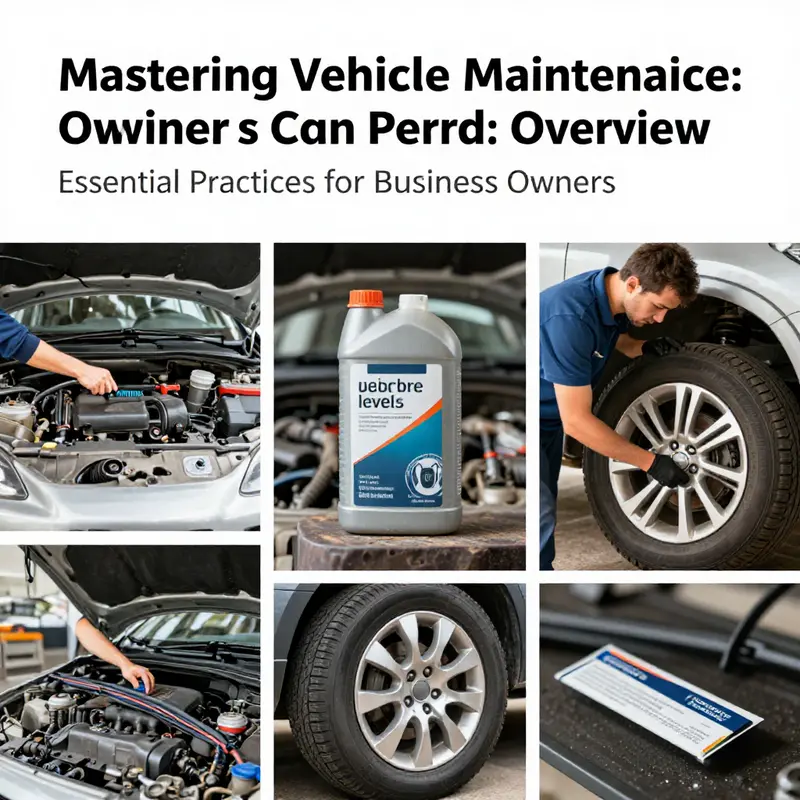
Vehicle maintenance is more than a routine chore; it is a proactive means of protecting your investment, ensuring safety, and extending the longevity of your car. When you learn to perform essential maintenance tasks yourself, you gain confidence in managing your vehicle’s well-being. You also develop a deeper connection with your car that goes beyond the typical driving experience. Taking a hands-on approach does not require advanced technical training. With a few basic tools, clear instructions, and proper care, you can handle many everyday services that keep your engine and other systems operating smoothly.
At the core of DIY vehicle maintenance is the practice of regular inspections and fluid checks. Checking engine oil, coolant, brake fluid, and windshield washer fluid on a routine basis is a simple yet effective method of preventing more serious problems. A dipstick and a trusted guide from your owner’s manual help you ensure that your car has the proper levels before embarking on your daily journey. Even a brief, organized visual inspection of your engine bay can dominate by fluid leaks, worn belts, or other signs that components are nearing the end of their service life. Such vigilance during both pre-drive and post-drive checks can make a significant difference. Observing the state of your tires and making sure that pressure levels are according to manufacturer recommendations also helps prevent unexpected incidents while on the road. In addition, early detection of issues often trends toward cost savings by avoiding major repairs later.
Examining tire pressure and tread is one of the easiest maintenance tasks for vehicle owners. It is wise to check your tire pressure at least once a month and before long trips. A reliable pressure gauge ensures that your tires are inflated to the correct PSI, a step that enhances fuel economy and driving safety. You can also perform a simple tread depth test using a penny or a gauge; if the tread wears thin, it is time for a tire replacement to keep grip and stability reliable on both wet and dry roads. Such hands-on maintenance not only reduces energy loss but also builds an understanding of how small adjustments can lead to big improvements in performance and safety. Over time, these consistent checks become a natural part of your routine, much like a scheduled tune-up for your car’s engine.
Another area where owners can excel in vehicle care is in replacing air and cabin filters. A fresh air filter ensures that the engine receives the optimal volume of clean air, which supports efficient combustion and fuel economy. The process is straightforward: locate the air filter housing, open it, remove the old filter, and slot in a new one while ensuring a proper fit. Similarly, swapping out a clogged cabin filter improves the quality of air inside your vehicle, an important aspect during extreme weather conditions or in regions with high levels of pollution. Regular filter replacement is often dictated by mileage and driving conditions. A timely swap is a small effort that protects both your engine’s performance and the comfort of your vehicle’s interior. These tasks are emblematic of a broader DIY maintenance routine that emphasizes preventive care over reactive repair.
The role of small yet critical components such as wiper blades should not be underestimated. Clear visibility is paramount for safe driving, and worn wiper blades compromise that safety during adverse weather conditions. A careful inspection typically reveals whether the blades are streaking, skipping, or leaving smears on your windshield. Replacing them every six months, or as soon as signs of wear appear, is one of the simplest maintenance steps. In addition, topping up the washer fluid during seasonal changes—especially in winter when ice can form—is essential for maintaining clear windows. These tasks bring a direct improvement in overall driving conditions with minimal time investment. They remind you that careful attention to even the smallest details plays a part in your car’s overall health.
Battery maintenance is another vital area where vehicle owners can greatly benefit from a DIY approach. Regularly inspecting the battery for signs of corrosion on the terminals, which might appear as a white or green buildup, prevents the risk of electrical failures. A simple cleaning with a baking soda and water solution can make a significant difference. Checking the battery voltage using a multimeter, with a reference reading of around 12.6 volts when the engine is off, ensures that your battery remains healthy. Securing the battery properly is also crucial to avoid damage from vibrations. By undertaking these relatively simple tasks, you ensure that your vehicle’s electrical components operate reliably. Taking care of your battery is often an overlooked responsibility, but it is one that pays off by preventing unexpected breakdowns during critical moments.
Brake system checks should become part of your maintenance routine even if you leave complex repairs to professionals. While you might not possess the tools or the expertise to perform an in-depth service, a cautious visual inspection of the brake pads can reveal much about your car’s current condition. By checking the pads through the wheel spokes, you can detect if they have worn to less than a quarter-inch in thickness. Listening for any high-pitched squeals when applying the brakes is an additional method of gauging wear. Although a full brake service is best left to a specialist, an early, self-caught sign of wear allows you to schedule timely professional intervention. This balance of proactive owner-level checks combined with professional maintenance ensures that your vehicle remains safe and dependable over the long term.
Fluid changes, particularly oil changes, serve as the cornerstone of engine upkeep and are a favorite project for DIY enthusiasts. Regular oil changes ensure that your engine stays lubricated, operates efficiently, and avoids harmful wear produced by degraded oil. The process starts with warming the engine for a few minutes to allow the old oil to drain more completely. Removing the drain plug, replacing the oil filter, and then refilling the engine with the specified type of oil are steps that many owners can handle with minimal mechanical expertise. This maintenance routine is one of the most accessible and cost-effective ways to extend the engine’s lifespan and preserve its performance. For those who are eager to learn more about the importance of oil changes, a detailed explanation is available in this article on how even modest routine maintenance can ensure excellent engine performance. In fact, regular DIY oil changes have been credited with saving car owners significant sums by preventing more severe engine damage over time.
Maintaining the integrity of belts and hoses forms another essential thread in the fabric of DIY vehicle care. Engine components such as serpentine belts and various hoses require periodic inspection for signs of cracking, fraying, or bulging. Owners should check these elements visually every few months, especially if the vehicle is driven in harsh weather conditions or on rough roads. Noticing and addressing signs of wear early can prevent the inconvenience and potential hazards of sudden belt failure or hose rupture. Although replacing these components might require a bit more effort than a routine fluid check, the complexity is still within reach for a determined owner. This proactive approach not only prevents costly repairs but also enhances the overall reliability of your vehicle. Every component, no matter how small, plays a role in ensuring that your car remains in top condition.
Adopting responsible driving habits further complements these hands-on maintenance activities. Gentle use of your car means avoiding aggressive acceleration, hard braking, and excessive speeding, all of which can accelerate wear on many vehicle components. The practice of driving moderately not only preserves tires and brake pads but also decreases the stress on the engine and suspension systems. Coupled with regular maintenance checks, cautious driving ensures a more predictable performance and reduces the likelihood of breakdowns. Small changes in the driving style, such as gradual acceleration and mindful braking, work hand in hand with preventive maintenance. Such habits transform routine driving into an exercise in care that reinforces your role as a vigilant vehicle owner. If you want to explore how regular upkeep can even lead to improved fuel efficiency, check out this insightful discussion on how vehicle maintenance saves on gas expenses.
A unified approach to DIY vehicle maintenance builds confidence in every journey. When you regularly perform checks on fluids, tire pressure, wiper blades, battery health, and more, you cultivate a proactive mindset that transcends reactive fixes. Each routine inspection becomes an opportunity to understand the unique needs of your vehicle and to address minor issues before they develop into major problems. This self-reliant approach to maintenance fosters a bond with your car that can lead to increased safety, reduced repair costs, and better overall performance. The satisfaction derived from knowing that you can tackle basic repairs and upkeep personally translates into long-term savings. It is this empowerment that motivates countless vehicle owners to embrace a disciplined maintenance schedule.
In the realm of vehicle care, every task matters. The companionable act of washing and waxing your car not only maintains its aesthetic appeal but also provides a protective barrier against environmental aggressors such as UV rays and road salt. Keeping the interior clean by vacuuming and wiping down surfaces preserves both hygiene and the longevity of your vehicle’s upholstery and dashboard. Combining these cleaning rituals with the more technical aspects of maintenance creates a holistic care routine that addresses every facet of your car’s well-being. This comprehensive approach is particularly beneficial when shared with family members who rely on the vehicle daily. A well-maintained car is more than a machine—it is a reliable partner that safeguards the mobility of a household.
Every small step you take in maintaining your vehicle yourself serves as a cornerstone for safety and reliability. It is essential to follow the manufacturer’s guidelines and to consult trusted resources when in doubt about any particular task. Modern vehicles do require some specialized attention for advanced mechanical issues, but there is a significant amount of preventive maintenance that you can manage on your own. The process builds not just a schedule of tasks, but a mindset of preparedness and care. For further reading on the importance of routine changes and preventive care, a comprehensive resource is available through Car and Driver’s detailed guide on oil changes. Engaging in DIY maintenance is a journey that begins with basic checks and evolves into a broader understanding of your car’s needs. Embrace this approach to foster safety, save costs, increase fuel efficiency, and ultimately ensure that your vehicle provides reliable, enduring service for many years to come.
Hands-On Car Care: Your Ultimate Guide to Routine Vehicle Maintenance

There is a distinct satisfaction in knowing that you can take charge of your vehicle’s well-being. Many routine maintenance tasks are designed for hands-on execution by auto owners who are interested in saving money, extending their vehicle’s life, and ensuring safety on every journey. Vehicle maintenance is more than a set of chores; it is a commitment to safety, efficiency, and reliability that you can manage with basic tools, minimal technical know-how, and a little persistence.
Regular self-inspection can ease the burden of unexpected breakdowns and expensive repairs. Simple tasks like checking fluid levels or looking over your tires are the cornerstone of proactive car care. By becoming familiar with the standard procedures and paying attention to little details, you can prevent minor faults from evolving into major headaches. A methodical approach not only boosts your confidence but also keeps you informed about the condition of your car, allowing you to decide when a professional’s help might be necessary.
Maintaining a vehicle at home begins with understanding its lifeblood: the fluids. The engine oil, often viewed as the most critical fluid, must be checked with care. Park your car on a level surface and allow the engine to cool for at least 15 minutes. Pull out the dipstick and wipe it clean before reinserting it fully, and then remove it again to see where the oil level sits between the minimum and maximum indicators. A quality oil change, ideally done at regular intervals, not only preserves engine performance but also prevents harmful deposits and wear. Equally important is the coolant. Checking the coolant, or antifreeze, in the expansion tank when the engine is cold ensures that the level sits between the designated marks. An overlooked detail such as a low coolant level may lead to overheating and costly damage down the line. Alongside these, brake fluid levels deserve attention. A low brake fluid level, visible through the reservoir gauge, could signal potential leaks in the braking system—a dangerous situation that requires immediate professional attention. In addition, the windshield washer fluid must be topped up before long trips or in times of inclement weather, ensuring that your view remains clear and safe.
The importance of tire maintenance cannot be overstated. Tires are the only point of contact between your vehicle and the road. Therefore, checking tire pressure is a task that should be performed at least once a month when the tires are cold. Use a reliable gauge and follow the manufacturer’s recommendation, typically listed on the driver’s side door jamb. Proper inflation not only improves handling and fuel efficiency but also minimizes the risk of tire blowouts. Tread wear should be carefully observed as well. A simple test, like using a penny or the built-in wear indicators in the tread grooves, can signal when a tire has reached its safe limit. In many regions, a tread depth below 1.6 mm means it’s time to replace the tires. As you inspect, look out for any physical damage: bulges, cracks, or cuts in the sidewalls can all indicate underlying structural issues. Regular visual checks of your tires ensure that you are well-informed about their condition and ready to respond if any irregularity arises.
Another essential area of owner-level maintenance involves the vehicle’s filters. The engine air filter, often enclosed in a black plastic housing, plays a pivotal role in maintaining engine performance and fuel economy. A clogged air filter forces the engine to work harder and can lead to inefficient combustion. It is advisable to inspect and replace the air filter every 15,000 to 20,000 kilometers – or more frequently if you drive in dusty conditions. Similarly, the cabin air filter, normally tucked away behind a glove box or beneath the dashboard, is critical for ensuring that the air inside your vehicle remains free of dust and allergens. Replacing a dirty cabin filter not only improves air quality inside your car but also prevents unpleasant odors and possible mold growth. For more internal maintenance insights, you might consider reading some comprehensive vehicle maintenance tips available on resources like the article on what is vehicle maintenance vehicle maintenance insights.
In addition to these primary checks, several other inspections form part of a well-rounded maintenance routine. Lights should be inspected regularly. Before each drive, confirm that the headlights, brake lights, turn signals, and fog lights are in good working order. Replacing even one faulty bulb can be a simple DIY task that greatly enhances safety during both daytime and nighttime driving. Wiper blades deserve a similar level of attention. Over time, wiper blades can crack or become stiff, resulting in streaks or missed spots on the windshield. A brief test while the car is in motion on a rainy day can indicate whether fresh blades are needed. Routine interior cleaning is another task that cannot be overlooked. A clean interior not only improves comfort but also protects the upholstery and electronics from damage caused by dust, spills, and general wear.
A pre-drive inspection routine is worth adopting as part of your car care habits. This three-step process includes a brief look under the vehicle for leaks or damage before driving, monitoring the dashboard for warning lights while driving, and doing an after-drive check for any signs of damage such as dents or fresh fluid leaks. This routine can help identify issues early, allowing for timely interventions that prevent small problems from escalating. Another essential check is the battery. Cleaning the terminals to prevent corrosion and periodically verifying the battery’s voltage using a multimeter can save you from being stranded. A healthy battery should read around 12.6 volts when the engine is off. For batteries older than a few years, having them professionally tested is a wise precaution.
The integrity of belts and hoses is yet another crucial aspect of vehicle upkeep. Rubber components can degrade over time due to exposure to heat and the elements. Inspecting belts—such as the serpentine belt—and hoses for cracks, fraying, or bulging provides an early warning system for potential failures. Replacing these elements before they fail can prevent unexpected breakdowns and safeguard against more extensive repair bills. Many of these small maintenance tasks are a direct result of adopting gentle driving habits. Avoiding aggressive acceleration, rapid braking, and excessive speed reduces undue wear on critical components like the brakes, suspension, and drivetrain. Smooth driving is not only beneficial for your vehicle but also helps to maintain a calm and focused driving environment on the road.
The routine of vehicle maintenance performed by owners is an empowering process that bridges the gap between professional services and everyday care. When you invest time in these daily checks and periodic replacements, you develop a deeper understanding of your vehicle’s performance and limitations. The process typically involves a combination of visual checks, tactile assessments, and simple adjustments that cumulatively secure your car’s reliability. It is a proactive approach that minimizes both the chance of unexpected failure and the overall cost of repairs. Beyond safety and cost savings, this DIY engagement allows you to cultivate an intimate knowledge of your vehicle’s unique characteristics, instilling confidence during your journeys.
When embarking on your maintenance tasks, it is essential to follow the guidance provided in your vehicle’s owner manual. Every make and model has its unique requirements and recommended intervals for service. Following these recommendations ensures that you do not inadvertently overlook a critical step. This detail is especially crucial when dealing with modern vehicles that incorporate advanced technologies and specialized fluids like full-synthetic oils. The difference in oil types and maintenance schedules is a reminder that your car is a finely tuned machine that deserves adequate attention and care.
The act of maintaining your vehicle goes well beyond the mechanical tasks. It is an exercise in responsibility and mindfulness. Each fluid top-up, filter change, and tire check represents a small but vital component of a larger safety network. When performed consistently, these tasks combine to reduce the risk of severe breakdowns while enhancing the overall driving experience. People who take ownership of their car maintenance report not only a sense of accomplishment but also an elevated confidence when they are behind the wheel. This self-reliance is a valuable complement to professional servicing and ensures that major systems continue functioning at their peak.
Moreover, regular self-maintenance is an ongoing learning process. As you gain experience, you learn to listen to your vehicle. Whether it is a subtle change in the engine sound or a slight vibration during acceleration, every cue becomes a signal that requires your attention. As you familiarize yourself with these signals, the threshold for recognizing abnormalities lowers, and you become more adept at diagnosing potential issues. Each routine check becomes a diagnostic tool that, when combined with professional periodic inspections, can extend the life of your vehicle considerably. In this light, vehicle maintenance is not a static set of tasks but a dynamic routine that evolves with your car’s needs.
Integrating these efforts into your regular schedule can emphasize efficiency and improve safety. Many vehicle owners who have embraced a hands-on maintenance approach experience consistent performance and longevity from their cars. Preparation is key: setting aside time once a month or aligning checks with your regular service schedule can make maintenance less burdensome and more habitual. Organized care leads to fewer surprises on long trips and ensures that every drive is as safe as possible. This conscious commitment to regular service is beneficial not only from an economic standpoint but also for the overall longevity and reliability of your vehicle.
It is also important to remember that while many maintenance tasks are straightforward, some aspects require specialized skills. For instance, replacing a timing belt, performing transmission services, or even diagnosing complex electronic issues are best left to professionals. Knowing when to call for help is an integral part of maintaining your vehicle. There is no substitute for professional equipment and expertise when a repair goes beyond routine maintenance. However, by mastering a significant portion of the everyday tasks, you ease the load on your mechanic and have a better understanding of what your vehicle needs when it finally is time for professional attention.
Ultimately, the rewards of knowing your vehicle are manifold. Routine maintenance not only safeguards your investment but also fosters a safe and efficient driving environment. Every check conducted, every fluid topped up, and every filter replaced is a proactive step toward a smoother, more reliable ride. The simple act of engaging in regular vehicle care reinforces the bond between you and your machine, giving you insight into the operational soundness of your car.
For additional tips and a deeper insight into the practical benefits of routine upkeep, you can explore further reading on topics such as effective maintenance strategies. It is a field where even a small amount of knowledge can lead to significant advantages, reducing expenses and preventing many common issues. Complementing your hands-on routine with occasional professional diagnostics is a smart move, ensuring that you cover all bases. To further enhance your understanding of maintenance and its impact on fuel efficiency and overall performance, consider reviewing insights from seasoned experts available in public resources such as the guide published by the National Highway Traffic Safety Administration (NHTSA) at NHTSA Vehicle Safety.
By integrating these self-care practices into your routine, you create a robust maintenance cycle that upholds the safety, performance, and longevity of your vehicle. This holistic approach to vehicle care is not only about extending the lifespan of your car, but also about building a reliable routine that contributes to safer driving experiences every day. Whether you are an experienced driver or just starting to notice the nuances of car care, these maintenance habits will serve as the foundation of your driving confidence for years to come.
Everyday Vigilance: A Hands-On Guide to Essential Vehicle Inspections
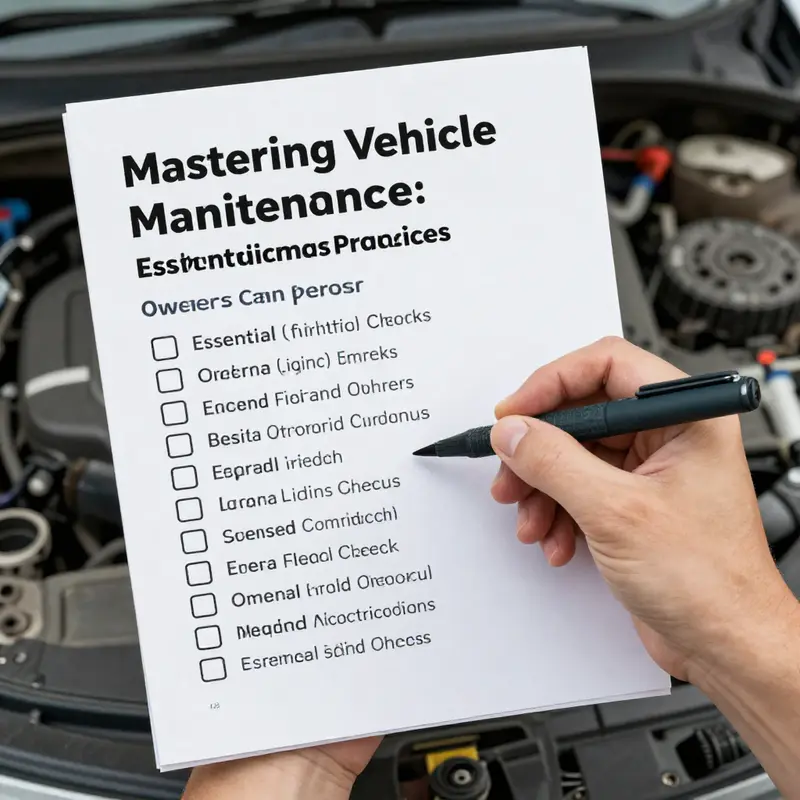
Vehicle maintenance doesn’t have to be intimidating. By dedicating a few minutes each day or week to check key components, owners can keep their cars safe, efficient, and long‑lasting. Start with the engine oil: pull the dipstick, ensure the level is between the Min and Max marks, and look for a clear amber colour; dark or gritty oil means it’s time for a change. Next, inspect all fluid reservoirs—coolant, brake fluid, power‑steering fluid, and washer fluid—topping them up to the indicated levels to prevent overheating, brake failure, or steering issues. Tire health is another pillar: use a pressure gauge to match the manufacturer’s PSI recommendation (found on the driver’s door jamb) and check tread depth with the penny test; worn tires reduce grip and fuel economy. Perform a quick walk‑around to spot visible damage, leaks, or cracked lights, and glance at the interior gauges for warning lights. Don’t forget the battery: clean terminal corrosion and test voltage with a multimeter (around 12.6 V when the engine is off). Finally, verify that headlights, brake lights, turn signals, and wiper blades are functional. Regularly replacing air and cabin filters improves engine performance and cabin air quality. By making these simple checks a habit, owners avoid costly repairs, extend vehicle life, and drive with confidence.
Performance and Longevity: How Routine DIY Car Maintenance Drives Vehicle Lifespan
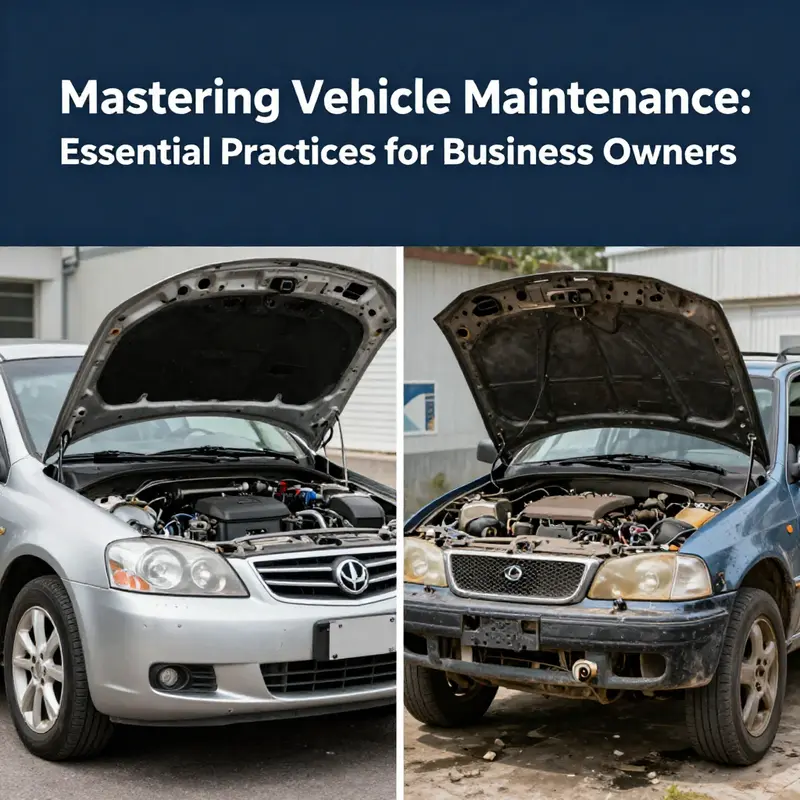
Owner-performed maintenance is more than just a set of tasks—it’s a philosophy that can extend your vehicle’s life and significantly improve its overall performance. Through simple, routine checks and timely interventions, even owners with modest mechanical skills can help their vehicles run more smoothly, safely, and efficiently. When car owners take on maintenance duties themselves, they develop not only a better understanding of their vehicles but also an appreciation for the little details that keep everything running in balance.
In many cases, regular maintenance begins with the basics. For instance, checking fluid levels such as engine oil, coolant, brake fluid, power steering fluid, and windshield washer fluid is vital. Each of these fluids plays a distinct role in protecting engine components and ensuring a safe driving experience. By monitoring and topping up fluids as needed, owners can prevent issues like overheating, brake failure, or costly engine damage. Taking time to consult the owner’s manual to determine the correct type of fluid can be a game-changer. Correct fluid ratios help the internal systems work without undue strain. Every drop of oil or antifreeze replaced is a small investment in the reliability and longevity of the vehicle.
Regular tire maintenance also forms a cornerstone of owner-performed care. A careful inspection of tire pressure and tread depth not only keeps the ride comfortable but also safeguards fuel efficiency and overall safety. It is recommended to check tire pressure at least once a month and before long trips. Over-inflated or under-inflated tires can lead to uneven wear, reduced traction, and even potential blowouts. Additionally, monitoring tread depth ensures that the tires are capable of gripping the road under any conditions. Many owners use simple tools like a tread depth gauge or the penny test to decide if a tire requires replacement. This level of attention makes a crucial difference in preventing premature tire wear and, by extension, contributes to a longer vehicle lifespan.
A vehicle’s filtering systems are among the most important yet often overlooked components. Replacing engine air filters and cabin filters at recommended intervals can have a direct impact on engine efficiency and the quality of air inside the car. A clogged engine air filter restricts airflow to the engine, which may lead to decreased performance and increased fuel consumption. Cabin filters, on the other hand, help maintain clean air circulation, ensuring that dust, pollen, and other allergens are kept at bay. By adhering to the maintenance schedule suggested by the manufacturer, owners may find that their vehicles not only run smoother but also maintain higher resale value over time.
Attention to the smaller components, such as windshield wiper blades and lighting systems, is equally important. Worn-out wiper blades reduce visibility during adverse weather conditions, potentially putting the driver and passengers at risk. It takes just a few moments to inspect these components, and replacing them as soon as signs of deterioration—such as streaking or skipping—becomes apparent is a small act with big benefits. Equally, regularly checking the operational status of headlights, brake lights, and turn signals is critical for safe driving. The simple measure of replacing a burned-out bulb is a quick and effective way to maintain the vehicle’s integrity on the road.
Battery health is another key element in this holistic approach to maintenance. Over time, battery terminals can accumulate dirt or corrosion, which might inhibit proper electrical connections. A periodic cleaning of the battery terminals, coupled with routine voltage checks using a multimeter, ensures that the battery functions as intended. A healthy battery reading around 12.6 volts when the engine is off is a sign of proper battery care. In addition, if the battery is more than a few years old, having it tested by a professional or diligently maintained by the owner can prevent sudden power losses when least expected.
Owners who perform their own maintenance are in a prime position to catch potential issues before they evolve into major problems. A simple pre-drive inspection, often referred to as the “three checks,” helps establish a routine of vigilance. Before starting the car, a quick glance for any leaks or obvious signs of damage lays the foundation for safe travel. During driving, monitoring dashboard warning lights or unusual vibrations can provide early signals that something is amiss. Finally, after a journey, a careful walk-around may reveal issues such as dents, fluid puddles, or tire damage. This structured, proactive approach not only aids in early detection but also cultivates a habit of responsibility and awareness among vehicle owners.
Such a hands-on approach to vehicle maintenance is not solely about preventing failures—it is also about embracing a lifestyle that values precision and care. Consistency in performing routine tasks ultimately reduces the risk of severe mechanical failures that might otherwise necessitate expensive repairs or even compromise safety. For example, regularly checking and replacing worn belts and hoses can prevent sudden breakdowns or costly engine repairs. Each visual inspection, no matter how minor it might seem, allows the owner to identify early signs of wear. A small crack or fraying observed early on can mean the difference between a quick, inexpensive fix and a major service overhaul down the line.
In the realm of modern vehicles, technological advancements have also shaped owner-performed maintenance. Many newer models now offer built-in maintenance reminders either through onboard diagnostics or via smartphone applications. Tesla vehicles, for instance, are designed to introduce a shift in maintenance needs through their electric drivetrains and regenerative braking systems. Although these vehicles require less traditional maintenance compared to their internal combustion engine counterparts, routine checks—such as brake inspections, tire rotations, and suspension assessments—remain important. Tesla’s system encourages owners to record completed services using the Maintenance Summary feature in its app. This digital record-keeping helps ensure that procedures follow manufacturer guidelines and that warranty conditions are met. For more on the specifics of maintenance recommendations for electric vehicles, you might consider checking out the official Tesla guidelines on Tesla Support – Vehicle Maintenance.
However, while technology provides helpful assistance, the foundation remains the same: adherence to manufacturer specifications is paramount. Home-maintenance enthusiasts must use recommended parts and procedures to avoid inadvertently compromising their vehicles. Deviations from the standard maintenance schedule or the use of substandard components can lead to mechanical failures, reduced performance, or even safety hazards. Thus, thorough research and careful execution are essential. Many owners consult detailed guides available online to understand the best practices for fluid checks, filter replacements, and other routine tasks. A good resource that sheds light on the overall scope of vehicle maintenance is available on what is vehicle maintenance, where the basic principles and benefits of owner-performed care are explained in a straightforward manner.
The positive effect of routine owner-performed maintenance extends well beyond a single service appointment or a one-time cost saving. Over time, vehicles that receive consistent care tend to show improved fuel efficiency, smoother engine performance, and a reduced likelihood of sudden breakdowns. For example, a well-documented history of maintenance can enhance the resale value of the vehicle, as prospective buyers are often willing to pay a premium for a car that comes with a verified record of meticulous care. Furthermore, this approach fosters a more rewarding driving experience, as owners who understand the intricacies of their vehicle can anticipate minor imbalances and address them before they evolve into expensive issues.
Achieving longevity through personal maintenance is also about cultivating good driving habits. Gentle driving, avoiding hard braking, and not subjecting the car to rapid acceleration all contribute to the vehicle’s overall endurance. Aggressive driving can strain components such as brakes, tires, and suspension systems, reducing the overall lifespan of important parts. By embracing smooth driving and gradually ramping up speed when necessary, owners not only reduce wear and tear but also enhance their vehicle’s fuel economy. This ultimately aligns with the broader objective of preventive maintenance, where each careful maneuver helps extend the durability of the vehicle.
It is clear that success in owner-performed maintenance does not lie in sporadic efforts. Instead, it is the result of a consistent, detailed, and dedicated approach. Each step—from checking fluids and tires to cleaning battery terminals and replacing worn-out belts—acts as a building block for a larger strategy aimed at preserving vehicle health. The cumulative effect of these regular interventions is a car that remains reliable, efficient, and safe over a longer period. Even simple measures, when applied regularly, weave together a robust network of preventive care that wards off unexpected breakdowns and minimizes repair costs.
The benefits of this approach are evident not only in monetary savings but also in the enhanced partnership between the vehicle and its owner. Taking the time to engage in maintenance tasks encourages a deeper connection to the vehicle, transforming it from a mere means of transport into a trusted companion. Every fluid top-up, every pressure check, and every filter change serves as a reminder of the importance of care and attention. Over the years, as the maintenance records accumulate, so does the owner’s confidence in their ability to manage and preserve a complex machine. This relationship is built on mutual respect: the owner’s commitment to diligent care and the vehicle’s dependable service, even under demanding conditions.
Ultimately, owner-performed maintenance is about creating an environment where vehicles can thrive and deliver peak performance over long periods. The kind of daily care that might seem routine at first glance often yields substantial dividends in terms of longevity, reliability, and overall satisfaction. It represents a proactive stance against the inevitable wear and tear that comes with age and usage. By investing a little time and effort into each maintenance task, owners set the stage for an extended lifespan for their vehicles, ensuring a smoother ride not just on the road, but also in the long journey of vehicle ownership.
In conclusion, the impact of regular, owner-performed maintenance on vehicle longevity cannot be overstated. Whether it is through vigilant fluid checks, tire inspections, filter changes, or the microscopic attention given to battery care and belt integrity, each maintenance task is a vital piece of the puzzle. Together, these practices transform routine car care into an effective strategy for prolonging the life of your automobile. For any vehicle owner looking to preserve their car’s performance and avoid unexpected repairs, embracing a disciplined maintenance routine is one of the most rewarding strategies. By staying informed, following manufacturer instructions, and exercising consistent care, you can be confident that your vehicle will stand the test of time, delivering reliable and safe performance for many miles to come.
Essential Gear and Supplies: A Comprehensive Guide to Owner-Level Vehicle Maintenance Tools
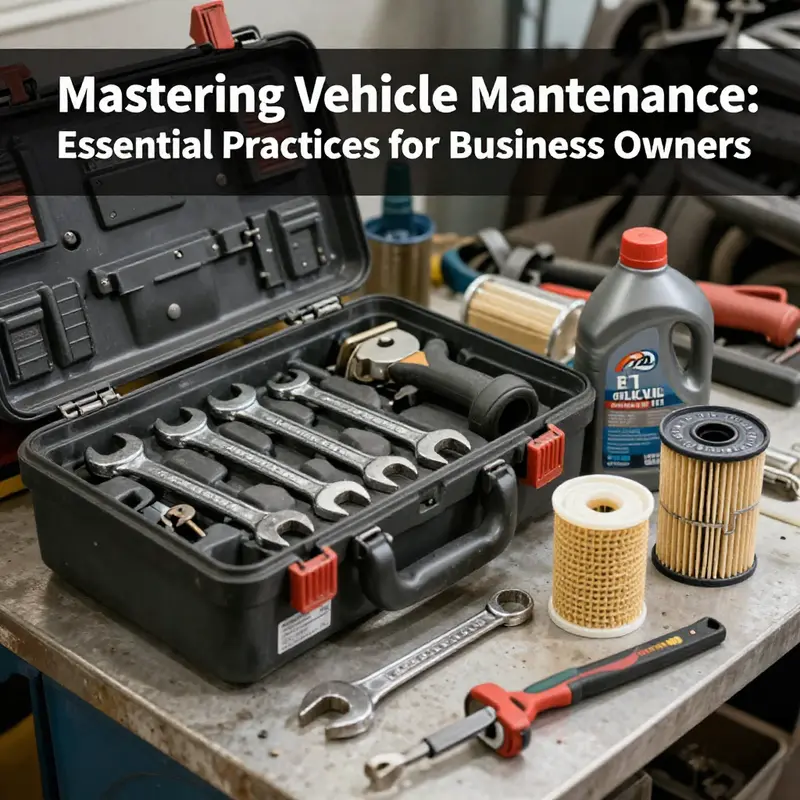
Maintaining your vehicle often starts with having the right set of tools and supplies, a well-stocked arsenal that helps you stay ahead of minor issues before they turn into serious problems. Whether you need to top up fluids, check tire pressure, or simply ensure your car’s safety during a routine inspection, the array of equipment available today makes owner-level maintenance straightforward and affordable. Equipped with a tire pressure gauge, jack, wheel wedges, and an assortment of wrenches, you lay the groundwork for a series of maintenance tasks that not only prolong the life of your vehicle but also ensure that every journey is as safe and efficient as possible.
Using a tire pressure gauge is perhaps one of the simplest yet most critical tasks for any vehicle owner. Regular checks help maintain optimum fuel efficiency and extend tire life by ensuring that the pressure is just right. This tool is easy to use and, when combined with periodic inspections of tread depth, helps you catch wear before it becomes dangerous. Alongside the tire pressure gauge, a sturdy car jack is indispensable. A hydraulic or scissor jack lifts your vehicle safely from the ground, giving you access to components that might otherwise remain hidden. It is important to always use the jack on a level surface, and to complement it with wheel wedges or chocks. These prevent accidental movement, offering an extra layer of security while you work under your vehicle.
A complete socket wrench set, including a ratchet and a variety of sockets in both metric and SAE sizes, counts among the most versatile tools in your kit. Its range of applications goes from loosening stubborn bolts to securing parts during minor repairs. Precision matters in these tasks, which is why a torque wrench becomes necessary when working with fasteners that demand an exact tightness specification. By ensuring that bolts and screws are neither under- nor over-tightened, you protect the integrity of components and diminish the likelihood of mechanical issues later on.
Safety is paramount during every maintenance task, and this is where support equipment such as work lights, gloves, and safety glasses play a crucial role. A bright LED headlamp or portable work light lets you clearly see in dimly-lit areas, such as in an engine bay or under the vehicle, reducing the chance of accidental injury. Pair these with protective gloves to guard against sharp edges and chemicals, and safety glasses to shield your eyes from flying debris. Equally important are wheel stands, which should always accompany a jack. These stands support the vehicle securely, especially when you have to work below it. A reliable emergency kit, featuring a flashlight, first-aid supplies, jumper cables, and even a spare tire with the necessary lug wrench, rounds out your preparations, ensuring that even unexpected situations are handled with care.
Even though many everyday tasks may seem simple, each tool in your maintenance kit has a unique role to play. For example, an OBD2 scanner, though a small device, casts a wide net in its diagnostic capabilities. By plugging into your vehicle’s OBD2 port, it reads the diagnostic trouble codes that might trigger a check engine light, and monitors real-time data such as engine temperature and fuel trim. This insight is a game-changer in early problem detection, alerting you to issues before they escalate into costly repairs. Similarly, a portable air compressor proves invaluable during long journeys or when managing a sudden tire pressure drop. Conveniently powered by the car’s 12V outlet, this device allows you to inflate tires instantly, reflecting the modern conveniences that make self-maintenance both accessible and efficient.
Among consumable supplies, engine oil and the oil filter are central to your vehicle’s health. Regular oil changes, timed according to the manufacturer’s recommendations, can significantly improve engine performance and longevity. Once the oil filter wrench is on hand, removing and replacing the oil filter becomes a task that any owner can confidently undertake. Air filters and cabin filters should not be overlooked; a clean engine air filter enhances engine performance and fuel economy, while replacing a clogged cabin filter improves the air quality inside the vehicle. These minor changes not only contribute to efficient vehicle operation but also underscore the importance of regular maintenance routines. Understanding these basic principles sets the foundation for confident DIY vehicle care, as detailed in guides on understanding the fundamentals of vehicle maintenance, which can further expand on these topics in depth.
Beyond the essential tools and consumables, having a well-rounded tool kit ensures that you are prepared for the unexpected. For instance, an oil filter wrench is specifically designed to tackle the often slippery oil filter, making the process of removal and installation considerably easier. An adjustable wrench and a set of fixed-size wrenches complement your socket set, providing flexibility when bolts or nuts do not fit standard sizes. When working on electrical components such as wiper blades or examining the vehicle’s lights, having the correct set of tools translates directly into safe operations. It is also wise to reserve specialized items like a battery tester. This handy tool can quickly assess your battery’s health by measuring its voltage, alerting you if it falls below optimal performance levels. Routine battery inspections and periodic cleaning of the battery terminals help prevent corrosion, thus safeguarding your vehicle’s electrical systems.
Maintaining belts and hoses is another area where owner-level intervention is both necessary and practical. Visual inspections for cracks, fraying, or bulging can identify potential issues before they lead to complete failures. A well-maintained serpentine belt, responsible for driving multiple engine components, and hoses free from damage ensure that engine fluids are properly circulated, preventing overheating and other related issues. Each element of your kit thus plays an integral part in a broader maintenance strategy that not only keeps your vehicle running smoothly but also builds your confidence in self-service tasks.
What connects all these tools and supplies is the concept of prevention. By being proactive with regular inspections and routine maintenance, car owners can avoid the high costs associated with major repairs. Each tool—from a simple tire gauge to a specialized OBD2 scanner—serves as an investment in the vehicle’s longevity. These supplies transform routine check-ups into effective defense mechanisms. Whether you are changing a tire, testing your battery, or simply ensuring that the fluid levels are optimal, every task contributes to a holistic approach to vehicle care that is both methodical and efficient.
In practice, ensuring you have a comprehensive kit is the first step in making DIY maintenance a viable option for busy vehicle owners. Gather your essential items and familiarize yourself with their proper use. Before undertaking any task, review the manual and check for any manufacturer-specific recommendations. For instance, using the correct grade of engine oil or selecting the proper tire pressure based on manufacturer guidelines is critical. When specific tools, like a torque wrench, are employed during bolt tightening, even minor deviations from recommended settings can lead to damage. With a kit in hand, combined with the right procedures, every task becomes less about trial and error and more about following a well-understood routine that balances safety with performance.
It is equally important to recognize the value of periodic evaluations. While daily maintenance tasks may seem routine, setting aside time for a deeper inspection can uncover hidden issues. For example, if you notice unusual noises or if your vehicle’s dashboard lights indicate a problem, this might suggest that your current supplies and tools could be complemented with additional equipment for more advanced troubleshooting. Over time, as you become more proficient and your vehicle ages, your maintenance routines may require upgrades or additional tools to tackle emerging challenges efficiently.
Owner-level vehicle maintenance is about more than just having the right tools; it is about cultivating a mindset of care and responsibility for your personal safety and the durability of your investment. From the moment you check the tire pressure to the care you take in monitoring fluid levels and replacing filters, every action contributes to a narrative of proactive car ownership. The process is empowering, combining technical knowledge with practical skills that sidestep unnecessary mechanic visits for everyday issues. Each tool acts as both a safeguard against unexpected mishaps and as a reinforcement of a well-organized maintenance schedule.
For many drivers, the prospect of handling maintenance on their own can initially seem intimidating. However, by breaking down the process into its fundamental components—correctly utilizing a jack, properly engaging with a socket wrench set, and ensuring safety with wheel stands and work lights—you can replace apprehension with assurance. Investing in these supplies and taking the time to learn their functions not only reduces repair costs over time but also deepens your appreciation for vehicles as complex, yet manageable, machines. As you handle these tasks, you are also contributing to a culture of responsible vehicle stewardship, one that reinforces the belief that informed car owners are empowered to keep their vehicles in top condition.
While this chapter has focused on the tangible tools and supplies essential for basic maintenance, the philosophy behind their use is a blend of simplicity and precision. It is a reminder that even in a world where high-tech solutions are increasingly popular, the basic, reliable tools remain the cornerstone of sound vehicle care. For anyone eager to expand beyond the basics, additional resources and guides can offer targeted advice on optimizing fuel efficiency or mastering more advanced diagnostic techniques. For further insights on how meticulous care can lead to tangible savings in gas expenses, you might explore this detailed guide on vehicle maintenance saving on fuel costs.
The act of maintaining your own vehicle cultivates a deeper understanding of its inner workings and builds a routine that encourages continuous learning. This approach not only saves money but instills a sense of self-reliance that extends to all aspects of vehicle ownership. With the right tools in your kit—from basic items like the tire pressure gauge and oil filter wrench to more advanced instruments like the OBD2 scanner—the scope of what you can accomplish on your own expands gradually. Ultimately, these supplies empower you to address and resolve common issues independently, transforming routine checks into a sophisticated regimen that sustains your vehicle’s efficiency and performance over the long term.
Final thoughts
By actively engaging in vehicle maintenance, business owners can significantly improve reliability and safety while extending the lifespan of their vehicles. Understanding the various tasks that can be handled personally, from fluid checks to tire inspections, empowers owners to take control of their vehicle’s performance. Implementing these practices not only ensures that the vehicle operates smoothly but also helps in avoiding costly repairs down the line. Adopting a proactive approach to maintenance fosters an operational environment that values efficiency and responsibility. As you consider your vehicle upkeep strategies, remember that investing time in regular maintenance is investing in the longevity and success of your business.