
Scheduled vehicle maintenance is not just a process—it is a crucial strategy for business owners aiming to maximize the lifespan and efficiency of their fleet. Regular maintenance ensures vehicles are safe, reliable, and operational, preventing costly breakdowns that can disrupt business operations. This article delves into the definition and overview of vehicle scheduled maintenance, its key components and services, the importance of such maintenance for vehicle longevity and performance, and effective methods for tracking and managing maintenance tasks. Each chapter contributes to a complete understanding of the significance of maintaining your fleet efficiently and effectively.
What Is Vehicle Scheduled Maintenance? A Practical Guide to Definition, Rationale, and Everyday Practice
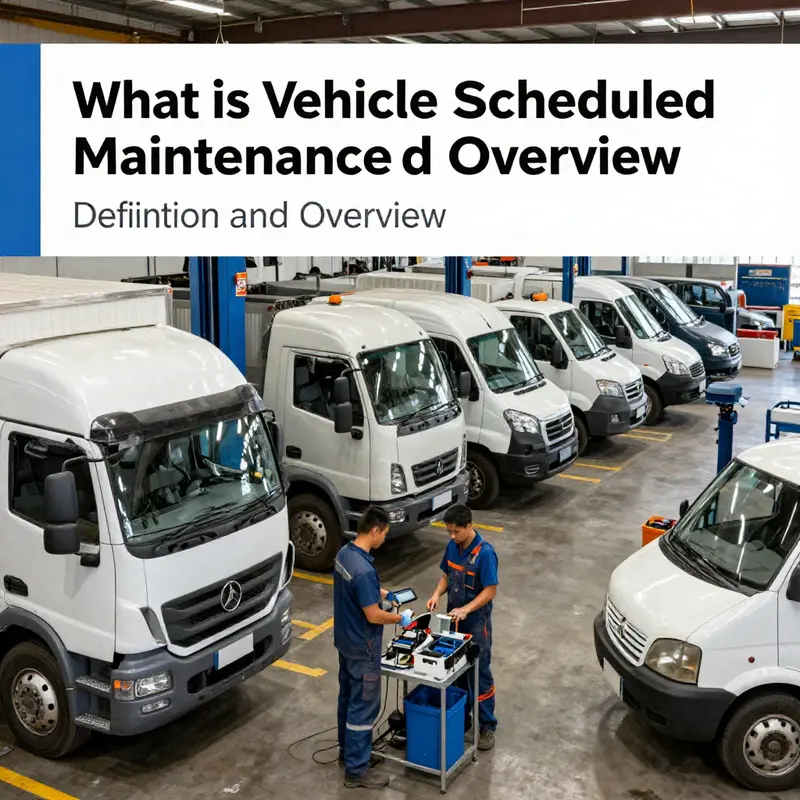
Scheduled maintenance is the season of care that makes a vehicle reliable, safe, and efficient year after year. It is a planned, preventive approach that watches over a car’s systems before problems appear. Rather than waiting for a warning light to illuminate or a part to fail, maintenance is scheduled in advance based on time elapsed, mileage driven, or a hybrid of both. This approach rests on the simple idea that proactive care costs less than reactive repairs and that small, routine tasks can prevent big, disruptive failures. In practice, it means following a manufacturer-recommended timetable and performing a defined set of inspections and services at regular intervals. The result is a vehicle that maintains its performance, safety margins, and resale value over the long arc of ownership.
To understand scheduled maintenance, it helps to keep two threads in view at once: the logic of the schedule and the reality of a vehicle’s daily life. The schedule is a map laid out by the maker, designed to align with the engineering needs of components that wear: engines, transmissions, braking systems, cooling loops, and driveshafts, among others. The real life side is the road—varying climates, driving styles, cargo load, and even fuel quality all influence how a vehicle ages. The schedule, then, is not a rigid calendar but a practical framework that adapts to what a vehicle endures as it travels. The core aim remains constant: to stop trouble before it starts and to keep the machine operating at its best for as long as possible.
In the everyday rhythm of driving, maintenance has a concrete, almost invisible value. It preserves safety by ensuring brakes, tires, steering, and suspension behave predictably. It sustains performance by keeping the engine or powertrain in proper tune, maintaining proper lubrication, cooling, and air quality for the system to breathe and operate efficiently. And it protects longevity by reducing the cumulative stress that comes from minor issues left unchecked. The result is a vehicle that starts reliably, stops consistently, and uses fuel or energy more efficiently, so the cost of ownership stays within reason over many miles and years.
A practical way to think about maintenance is to view each service as a checkpoint on a longer journey. These checkpoints are not arbitrary. They reflect the engineering design and the wear patterns that come with normal use. Time-based checks account for aging fluids, seals, and materials that can degrade simply by sitting or by environmental exposure. Mileage-based checks capture wear that accumulates through use—tire tread, brake pads, and hoses that gradually wear away with each mile. When both time and mileage are considered, the maintenance plan becomes robust enough to cover the broad spectrum of a vehicle’s needs, regardless of whether it is driven gently, aggressively, or somewhere in between.
The exact content of a maintenance schedule can vary by manufacturer and model, but several broad categories tend to recur across vehicles. The most universally recognized tasks include oil and filter changes, tire rotation and pressure checks, brake system inspection and pad replacement, battery and electrical system checks, and fluid level and condition assessments for coolant, transmission fluid, and brake fluid. It is common to inspect belts and hoses for signs of wear, cracks, or aging, and to verify the condition of suspension and steering components. Even vehicles that use electric propulsion or hybrid layouts still require attention to tires, braking system wear, and cooling or battery health checks. In many cases, cabin air filtration and climate-control system maintenance are also part of the routine, since comfort and air quality contribute to overall safety and alertness while driving.
A modern practice that supports this proactive philosophy is the maintenance reminder system. Most contemporary vehicles include an onboard indicator that signals when service is due. The reminder can appear as a dash light or a message, sometimes triggered by a timer, a mileage milestone, or a combination of the two. When the reminder appears, it invites a driver to perform the scheduled tasks or to arrange service with a qualified technician. The reminder serves as a tangible cue to take action, turning maintenance from a vague aspiration into a concrete, timely activity. It also encourages a disciplined approach to upkeep, making it less likely that small issues slip into bigger, more disruptive problems.
The act of completing a maintenance task creates a new baseline. After service, most systems are reset so that the next reminder is aligned with the updated interval. This reset is not merely a cosmetic adjustment; it recalibrates the schedule to reflect the vehicle’s current condition and the precise odometer reading and date. By keeping the maintenance timeline accurate, the vehicle continues to provide reliable alerts for the next interval, reducing the risk of missed services and helping owners plan ahead for future visits. In this sense, scheduled maintenance is a loop: plan, act, record, reset, plan again, and so on. A well-maintained car becomes a model of consistency in a world where wear never stops and conditions constantly change.
The value of maintenance extends beyond the mechanical. Safety, of course, sits at the summit of the priority pyramid. Regular checks of brakes, tires, steering, and suspension directly influence a vehicle’s ability to stop quickly, steer crisply, and respond to sudden hazards. Cleanliness and filtration matter too; a clean cabin filter helps maintain interior air quality and can improve the efficiency of heating and cooling systems, which in turn supports driver comfort and alertness. From a broader perspective, well-maintained vehicles tend to retain their performance characteristics longer, which translates into more predictable driving experiences and steadier resale value. While many drivers want to minimize downtime, maintenance is not a needless interruption; it is the deliberate, preventive investment that sustains reliability across the life of the vehicle.
In today’s market, even as electric and hybrid powertrains redefine efficiency and emissions, scheduled maintenance remains a constant. Electric propulsion reduces some types of routine maintenance—there are fewer oil changes and simpler engine-related wear items—but it introduces its own set of critical checks. Battery health, thermal management, high-voltage safety systems, and inverter cooling become essential considerations. Tire wear and brake usage persist, too, because even in regenerative braking, the physical components still experience wear. The essence of scheduled maintenance does not change with propulsion technology. The how may adjust, but the why—safety, reliability, efficiency, and longevity—remains steady. For readers seeking a concise primer on the concept, a broad overview is available in trusted car-care resources that describe maintenance as the ongoing partnership between a vehicle and its owner.
For a broader, accessible introduction to the idea, see What is vehicle maintenance. What is vehicle maintenance.
In many modern maintenance programs, manufacturers offer multi-year plans or bundled coverage for certain services. These arrangements are designed to reduce the total cost of ownership by spreading routine care over a defined period. When such programs exist, they typically include a core set of tasks—often the tasks drivers would perform themselves or have performed by a technician—such as tire rotation, brake inspection, and cabin air filter replacement. Some new-model offerings extend coverage to four years or longer, and they may apply to all vehicles in the initial buyer cohort or to a specific class of models. The practical effect is that owners can project maintenance expenses with greater confidence, secure in the knowledge that essential upkeep is scheduled and supported for a substantial portion of the vehicle’s early life. Even without a formal plan, following the standard maintenance cadence published by the manufacturer remains the most reliable path to preserving performance and safety.
The discipline of maintenance also has a tangible impact on operating costs. Routine services help maintain fuel efficiency, which means lower fuel or energy use per mile. They preserve engine and transmission efficiency, reduce the likelihood of expensive repairs, and help keep the vehicle’s resale value intact. For business fleets and individual drivers alike, the benefits accumulate over time. The focus is not on a single service, but on the cumulative effect of consistent, timely care. When owners treat maintenance as a regular habit rather than a reactive ritual, they often observe smoother operation, fewer unexpected stops, and a more predictable ownership experience overall.
The lifecycle of maintenance is also a story of information and access. The schedule is provided by the manufacturer, but the day-to-day practice involves reading the vehicle’s status indicators, tracking service dates, and maintaining records of completed tasks. Owners who keep a simple log—dates, odometer readings, and the work performed—find it easier to anticipate upcoming needs and coordinate with service providers. For many, the vehicle’s onboard computer is a companion that quietly notes the journey and nudges the owner toward better outcomes. In this sense, maintenance is not a solitary chore but a collaborative routine between person, machine, and the systems designed to keep them in harmony.
It is worth noting that neglecting maintenance has practical consequences beyond the obvious risk of breakdown. When vital components go unchecked, a vehicle’s efficiency can decline, accelerating wear in other parts, increasing emissions, and reducing safety margins. A driver may notice reduced acceleration, longer braking distances, or a jittery ride. Small, early indicators—odd noises, vibrating wheels, or a change in steering feel—often accompany the initial signs of wear and can be traced back to a missed service. By responding promptly, drivers can prevent minor issues from becoming costly, disruptive, or dangerous experiences on the road. The message is clear: a well-planned maintenance routine is not a luxury; it is a practical cornerstone of responsible vehicle ownership.
To connect this overview to real-world practices, consider how a modern vehicle’s reminder system functions in daily use. The system is designed to be unobtrusive yet reliable, providing timely prompts that fit the owner’s schedule. It can be triggered by elapsed time, by distance traveled, or by a combination of both. When a service is completed, the reminder is reset so that the next interval is calculated from the new baseline. This creates a dynamic, living maintenance schedule that evolves with the vehicle’s life, not a static, one-size-fits-all timetable. While the specifics of the interface may vary by make and model, the underlying principle is the same: proactive maintenance supported by a clear, repeatable process that keeps vehicles dependable across miles and seasons.
The chapter closes on a practical note: maintenance is not something to fear or dread. It is a disciplined, informed practice that rewards attention with reliability, safety, and efficiency. It invites owners to be proactive partners in the life of their vehicle, using the built-in tools and guidelines provided by the manufacturer, and supported by reputable resources that describe best practices for vehicle upkeep. As with any long-term relationship, success comes from consistency. When maintenance becomes a regular habit, the vehicle becomes a dependable companion, ready to perform its task with confidence, mile after mile.
External resource for further guidance on maintenance practices and best practices in the broader context of vehicle upkeep can be found here: https://energy.gov/eere/vehicles/articles/vehicle-maintenance-tips
Beyond the Oil Change: The Anatomy of Vehicle Scheduled Maintenance
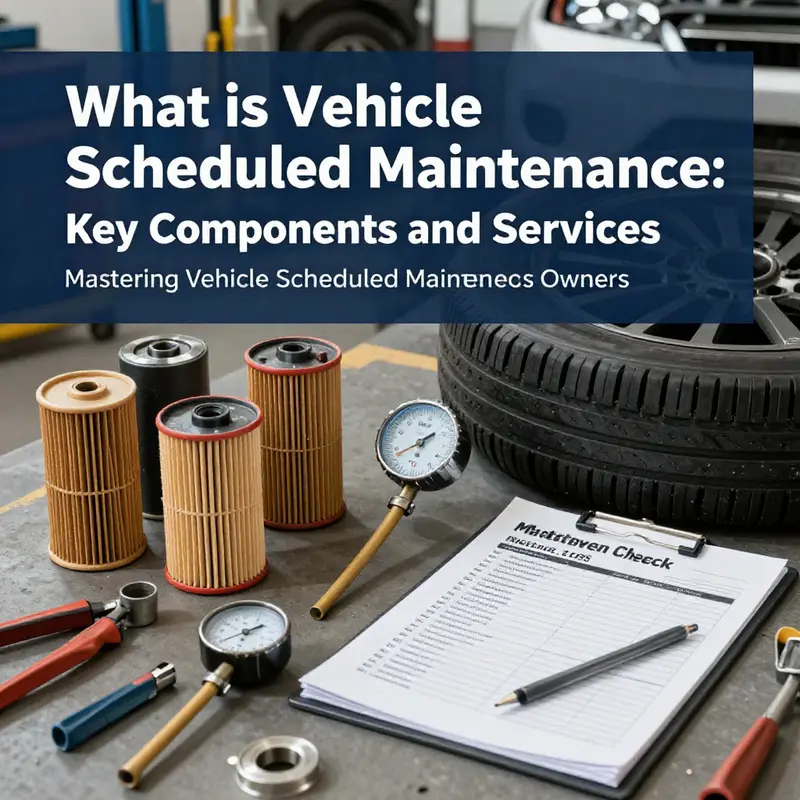
Scheduled maintenance sits quietly at the core of responsible vehicle ownership. It is the deliberate, manufacturer-driven cadence that keeps a complex machine reliable, efficient, and safe over years of use. Rather than waiting for a problem to appear, maintenance anticipates wear and tear, testing the limits of parts and systems so small issues never bloom into costly breakdowns. When done consistently, scheduled maintenance does more than extend a car’s life; it preserves performance, fuel economy, and the confidence that a driver relies on, day in and day out. To appreciate this, it helps to imagine the vehicle as a network of interconnected systems, each with its own rhythm. The engine’s lifeblood flows through oil and filters; tires, brakes, and suspensions create the tactile interface between road and chassis; fluids throughout the system maintain cooling, lubrication, and hydraulic pressure. Each of these components requires periodic attention, and the manufacturer’s maintenance schedule translates a broad, complex set of needs into a practical, time- and mileage-based plan that any owner can follow. For anyone seeking a concise framework, a good starting point is to understand maintenance as the disciplined intervals when inspections are performed, adjustments are made, and parts are replaced to prevent failure, not as a one-off fix to a problem after it arises. If you want a compact definition, you can explore what is meant by vehicle maintenance in a broader sense What is vehicle maintenance.
The essence of scheduled maintenance lies in the manufacturer’s approved intervals. These schedules reflect extensive testing, real-world wear data, and the expected lifespan of different components under typical driving conditions. They are not arbitrary. They are the product of engineering analysis and empirical experience, designed to balance cost, downtime, and risk. A schedule typically aligns with time, mileage, or a combination of both. Some tasks are more time-sensitive—such as replacing fluids that degrade with heat and age—while others are more closely tied to cumulative distance driven and the level of utilization. Regardless of the exact cadence, the philosophy is consistent: maintenance should be proactive, not reactive. The payoff is straightforward—enhanced reliability, safer operation, and a vehicle that holds its value longer because it has been cared for in a systematic way.
A practical way to visualize maintenance is to think of it as a layered routine that protects the core performance of the car while safeguarding the ancillary systems that keep it usable and comfortable. The most basic, universal service is an engine oil and filter change. Oil lubricates engine bearings, cleans away microscopic metal shavings, and aids heat dissipation. Over time, oil breaks down, thickens or becomes contaminated, and its lubricating properties diminish. Regular oil changes—using the specific oil grade and viscosity prescribed by the manufacturer—prevent accelerated wear, keep components moving freely, and minimize fuel consumption by reducing internal friction. The oil and its filter work in tandem; the filter traps particulates, preventing them from circulating and causing accelerated wear or sludge build-up. Skipping or delaying this routine is one of the most common ways a vehicle’s performance degrades gradually before a warning light even appears.
Beyond oil, tire health stands at the forefront of safety and performance. Tires are the sole point of contact between the vehicle and the road, translating steering input, braking force, and engine torque into motion. Regular inspection of tire pressure, tread depth, and overall condition is essential for predictable handling and optimal fuel economy. Scheduling a tire rotation at manufacturer-recommended intervals helps ensure even wear across all four tires. Even wear translates to balanced traction, shorter stopping distances, and more consistent ride characteristics. Balanced tires also reduce the risk of premature suspension wear caused by irregular loading or misaligned contact with the road. While rotation is the visible action, it rests on maintaining correct inflation, inspecting for cuts or bulges, and ensuring wheel alignment is within spec. These steps together maintain the vehicle’s confidence-inspiring stability, especially during cornering and emergency braking.
Brakes form the critical safety boundary of any vehicle. Scheduled maintenance involves a thorough inspection of pads, rotors, calipers, and hydraulic fluid levels. Even when the driver does not notice a problem, brake components wear and degrade over time. Worn pads can silently erode stopping power and cause rotor damage, while low or contaminated brake fluid can alter pedal feel and compromise braking efficiency. A structured maintenance approach ensures that braking performance is preserved and that potential issues—such as caliper sticking or rotor warping—are identified before they compromise safety.
Fluids, the lifeblood of a car’s systems, require regular checks beyond the familiar engine oil. Coolant, transmission fluid, power steering fluid, brake fluid, and even windshield washer fluid contribute to reliability and performance. Coolant maintains the engine’s operating temperature, protecting against overheating and freezing. Transmission fluid lubricates and cools, helping the gearbox shift smoothly and last longer. Power steering fluid underpins maneuverability and steering response, while brake fluid maintains hydraulic pressure across the braking system. Each fluid has a specified range for its levels and a horizon for replacement or flushing; neglecting these checks can lead to degraded performance, reduced efficiency, and, in some cases, costly repairs.
Air quality within the engine and cabin also depends on maintenance. The engine requires clean air for efficient combustion, which is why the air filter matters. A clean filter prevents dirt and pollen from entering the intake, supporting fuel economy and engine power. Car interiors rely on cabin air filters to scrub incoming air and maintain comfort. As conditions vary—dusty roads, urban air quality, and seasonal use—the replacement interval may shift. Following the manufacturer’s guidance, or adjusting for local conditions, helps preserve both engine efficiency and cabin comfort.
The battery and electrical system receive a modern, proactive check that reflects the increasing role of electronics in vehicles. A scheduled inspection evaluates the battery’s charge, the health of terminals, and overall connectivity, safeguarding reliable starts and uninterrupted operation of onboard computers, sensors, and entertainment systems. In many contemporary vehicles, electronics govern safety features and advanced driver-assistance systems, making a healthy battery a prerequisite for safer driving and system reliability. Alongside the battery, belts and hoses deserve careful scrutiny. The serpentine belt, for example, drives critical components such as the alternator and the power steering pump. Cracks, fraying, or glazing indicate that a belt is nearing the end of its life. Hoses can deteriorate, leak, or crack, leading to coolant or other fluid losses that impair cooling and performance.
Suspension and steering deserve particular attention as a vehicle ages. Shocks, struts, control arms, ball joints, and tie rods work together to keep tires planted and the ride controllable. Worn suspension parts can dull handling, contribute to uneven tire wear, and degrade ride quality. A routine inspection helps detect subtle changes in alignment or damping, allowing timely adjustments or replacements that preserve cornering stability and comfort. The exhaust system, too, is routinely scanned for leaks, corrosion, and damage. A compromised exhaust can affect performance and emissions, and in some cases lets in harmful fumes. Lighting and electrical checks ensure visibility and safety; dim or malfunctioning lights not only reduce visibility but can also reduce the vehicle’s visibility to others, increasing risk on the road.
Taken together, these elements form a holistic picture of scheduled maintenance. Each component has its own life cycle and cadence, but the value lies in watching the whole network. The goal is not merely to replace worn parts but to maintain consistent operating temperatures, stable mechanical pressures, clean air intake, steady electrical performance, and predictable behavior under dynamic driving conditions. The result is a vehicle that runs smoothly, delivers steady performance, and resists inexplicable failures that can surprise even a careful owner.
The practical reality for many drivers is that maintenance often feels like a constant balancing act between cost, downtime, and the convenience of modern life. Manufacturers understand that direct, inconvenient shutdowns can create friction, so the maintenance schedule is designed to be integrated into routine ownership. Some brands even enhance value by offering maintenance packages or warranties tied to specific model years or trims. For instance, some newer models include packages that bundle essential services for a set period. In the case of certain high-end electric models, there can be packages that cover tire rotation, wheel alignment, HEPA filter replacement, and cabin air filter replacement for several years. When these packages exist, customers receive not only maintenance coverage but also a clearer path to budgeting for upkeep, which reduces the friction associated with unplanned service costs. The rationale is straightforward: a proactive maintenance plan helps preserve the vehicle’s performance envelope and resale value while simplifying ownership.
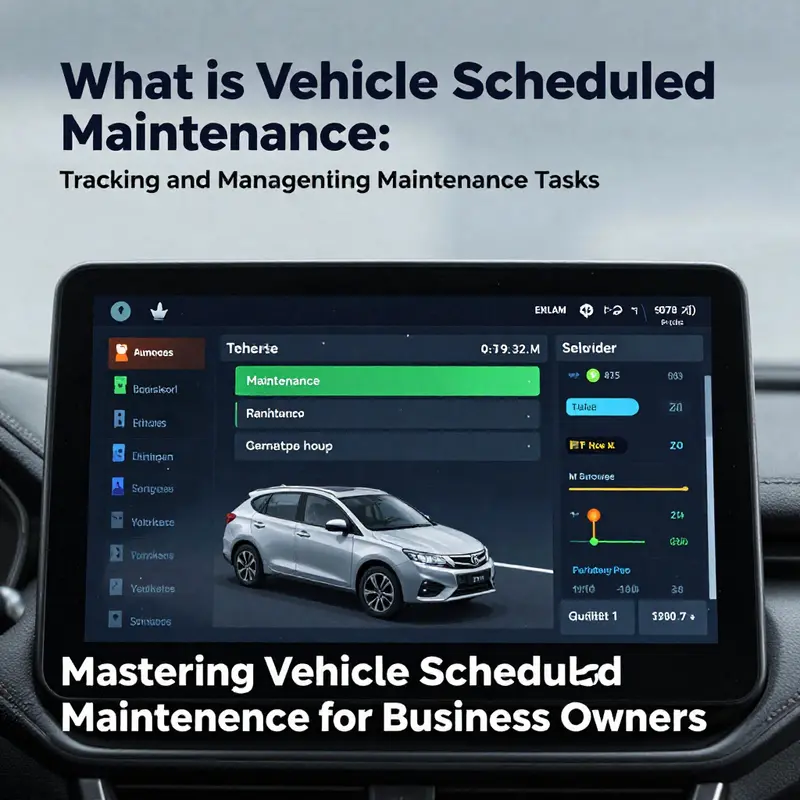
In practical terms, many car owners interact with maintenance through the vehicle’s own interface. For electric or highly computerized cars, the maintenance schedule can be accessed via a touchscreen, where controls route you to service items and reminders. In the example of some contemporary electric vehicles, you would typically navigate to a path such as Controls > Service > Maintenance to view upcoming tasks, track completed work, and see what remains on the calendar. The system not only lists tasks like tire rotation and cabin air filter replacement but also records the service history. If you or a qualified technician completes a maintenance task, you can reset the interval to start counting toward the next scheduled service. This involves selecting the specific maintenance item, tapping Record, and confirming the date and odometer reading before tapping Reset. The ability to both view and reset within the vehicle interface makes the maintenance cadence tangible and immediate, reinforcing a sense of ongoing care rather than a dreaded checklist. For owners who prefer more traditional methods, the same intervals are typically described in the owner’s manual or service schedule, but the digital interface offers a practical, up-to-date snapshot that evolves with every mile.
A concrete example helps connect these ideas to real-world ownership. In some automaker plans, the Luxe Package represents a strategic shift toward bundled maintenance. Specifically, certain 2026 model year Model S and Model X vehicles, ordered on or after August 15, 2025, include four years of recommended maintenance covering the key tasks that keep the vehicle in peak condition. The same comprehensive maintenance package was extended to new Cyberbeast vehicles ordered within a defined window, from August 21, 2025, to February 19, 2026. While the exact contents may vary by model and year, the core idea remains: a multi-year commitment to essential services, designed to reduce the friction of upkeep and encourage owners to maintain the vehicle as intended by design. For those exploring this option, the Luxe Package terms and conditions provide the definitive details on what is included, how it is redeemed, and what limits or qualifications apply. In any case, the existence of such packages signals a broader shift toward maintenance as a value proposition in modern vehicle ownership, rather than a reactive afterthought.
The central takeaway is simple: scheduled maintenance is not just about a checklist; it is a proactive system that protects performance, safety, and longevity. It unites engineering insight with the day-to-day realities of ownership, translating complex engineering into a practical, repeatable routine. The strategy is to identify likely points of wear, address them before failures manifest, and retain the vehicle’s reliability through consistent care. For the driver, that means fewer unexpected trips to the shop, reduced risk of breakdowns, and a steadier sense of trust in the machine. For the vehicle, it translates into a longer life span, better efficiency, and more predictable behavior on the road. For the owning experience, it means budgeting with clarity, scheduling around personal time, and leveraging modern technology to keep the maintenance plan accurate and up to date.
As with any responsible practice, the specifics matter. The exact intervals for oil changes, fluid top-offs, or filter replacements depend on the vehicle’s design, operating environment, and usage habits. A city-driven commute with frequent stop-and-go traffic will influence cooling, oil, and brake wear differently than long highway driving in a milder climate. Local conditions—dust, road salt, humidity—can accelerate some maintenance tasks, prompting drivers to adjust the recommended cadence accordingly. The owner’s manual remains the final reference for model-specific guidance, while the vehicle’s digital tools help translate those guidelines into today’s service schedule. The best approach is a partnership: let the manufacturer’s plan guide you, use the vehicle’s tools to stay on track, and consult with a trusted technician when deviations occur or when anything feels off. In the end, the real goal is straightforward—keep the vehicle functionally aligned with its design intent and preserve the sense of reliability that makes driving a pleasure rather than a risk.
For readers who want to explore the broader idea of maintenance and how it connects to everyday driving, this chapter sits within a larger conversation about keeping a vehicle in peak condition over its lifetime. The principles apply whether you drive a traditional internal combustion engine car, a hybrid, or a fully electric model. The core promise remains the same: a well-planned, consistently executed maintenance program protects investment, safety, and everyday dependability. The practice may vary by brand and model, but the underlying logic—inspect, refresh, and renew at the right times—underpins every successful maintenance plan. In this light, scheduled maintenance is not a chore; it is a disciplined way to extend the car’s life and to enjoy a more predictable, safer, and more satisfying driving experience over many years.
External resource: Luxe Package Terms and Conditions: https://www.tesla.com/support/luxe-package-terms-and-conditions
Maintenance as a Lifeline: How Scheduled Service Safeguards Longevity and Peak Performance

Scheduled vehicle maintenance is more than a checklist of tasks. It is the disciplined rhythm by which a car preserves its reliability, performance, and safety across years of use. At its core, scheduled maintenance is the manufacturer’s map for keeping a machine that blends precision engineering with variable wear in harmony. By aligning service with time and mileage, owners receive reminders to perform essential functions—oil and filter changes, brake inspections, tire rotations, air and cabin filter replacements, and other system checks—before small issues become costly or dangerous. This approach rests on two simple ideas: components wear at known rates, and proactive care minimizes the surprises that force a garage visit on a cold morning or a highway at dusk. When a maintenance interval is respected, the engine or electric powertrain runs with cleaner fluids, happier bearings, and cooler temperatures. The brakes stay responsive, the tires wear evenly, and the vehicle’s heart remains free from avoidable stress. The payoff is not merely fewer breakdowns; it is a smoother ride, steadier acceleration, and a level of confidence that comes from knowing the car is checked and cared for at predictable moments in its life.
Across the automotive landscape, manufacturers set these intervals based on a combination of laboratory testing, real-world data, and engine or system design. In conventional gasoline-powered cars, the schedule often centers on oil life, air filter condition, coolant levels, belt and hose integrity, and the health of key emissions components. In modern electric propulsion, the emphasis shifts to tires, brake systems, battery thermal management, coolant quality, and air filtration, but the underlying principle remains the same: routine service prevents wear from silently turning into failure. In both cases, adhering to the schedule supports safety by keeping critical subsystems within their designed tolerances and helps drivers detect creeping issues early—before they derail a trip, an emergency stop, or an important commute. The combination of predictability and prevention makes maintenance a practical act of care that quietly sustains performance and safety in daily life.
A central feature of maintenance practice is the way intervals are tracked and reset. In many modern vehicles, maintenance reminders live inside the onboard computer, accessible through the vehicle’s display or a dedicated app. The system watches a range of indicators—from elapsed time to odometer readings to sensor-detected wear levels—and surfaces reminders when service is due. Completing a task—whether you schedule it through a service center or perform it yourself—often updates the clock and the odometer reading, resetting the reminder so it reappears at the next appropriate interval. This creates a living calendar that reflects actual driving and service history rather than a static schedule printed in a manual. In a sense, the car becomes a partner in the maintenance journey, prompting you to act at the right moments and, when you do, acknowledging the care with a refreshed reminder for the road ahead.
A practical example of this cooperative approach can be seen in how digital maintenance interfaces present tasks. For many vehicles, the maintenance menu lists items such as tire rotation, wheel alignment, air filtration, and cabin air filtration. Each item has an associated interval that is counted in days, months, or miles. The owner or a qualified technician can record the completion date and current odometer reading, then reset the interval. This simple, lasting feedback loop keeps the vehicle’s maintenance history legible and actionable, which is valuable not only for the driver but also for future owners seeking reliability and predictability. When a task is overdue, the system often highlights it with a clear alert, nudging the owner to address it before it becomes a safety or performance risk.
Technology has also shaped how maintenance is delivered and perceived. A growing number of vehicle families include maintenance coverage as part of the purchase or lease, effectively bundling routine services for a defined period. In such arrangements, four years or another multi-year window of scheduled services can be included, encompassing the core tasks that most drivers would need on a regular basis. While the specifics vary by model and market, the intent remains: reduce the friction of upkeep, lower the barrier to staying up to date, and promote consistent care that supports long-term reliability. For drivers who value simplicity and assurance, this approach removes a layer of decision-making and places routine maintenance on a predictable trajectory. It also reinforces the idea that maintenance is not a one-and-done event but a continuous partnership between driver, vehicle, and maintenance ecosystem.
To understand the rationale behind scheduled maintenance, consider the relationship between wear, performance, and safety. Components wear in predictable ways. Engine oil lubricates and cleans, but it becomes less effective over time and with miles, leading to greater friction and heat if not replaced. Air filters trap dust and debris; when clogged, they reduce airflow and efficiency. Brakes endure a daily burden that can degrade stopping power unevenly if inspection and pad replacement are delayed. Tires wear where and how you drive—rotation and alignment help even that wear and maintain stable handling. In the realm of electric propulsion, where the powertrain is simpler than a combustion engine, maintenance still matters: tires and brakes dominate wear, battery thermal management influences longevity and efficiency, and cooling and filtration systems support overall reliability. Across both powertrains, scheduled maintenance serves as a guardrail that keeps performance from drifting and safety from slipping.
The environmental angle adds another layer of importance. When vehicles run with properly serviced emissions components, filters, and cooling systems, they operate more efficiently and emit fewer pollutants. Even in the EV space, where tailpipe emissions are not a factor, design teams emphasize keeping systems clean and efficient because sustainability is a core objective of modern mobility. A well-maintained vehicle tends to use energy more efficiently, requiring less fuel or charging energy to perform the same tasks. This translates into lower operating costs and a reduced environmental footprint over time. Moreover, reliability and lower risk of breakdown contribute to fewer emergency trips, which reduces wasteful detours and energy use associated with unexpected repairs.
From a practical standpoint, maintenance is also a matter of value preservation. A vehicle that stays within its scheduled service plan tends to maintain its resale value better, offers a lower likelihood of expensive repairs, and provides the driver with a predictable ownership experience. The financial calculus of maintenance is not only about the cost of parts and labor but also about the intangible value of reliability and confidence. When a car is known to be cared for on a regular cadence, it conveys a sense of stewardship to future buyers and can ease the transfer of ownership. This is especially relevant in markets where buyers weigh service history as a key factor in assessing vehicle condition and longevity.
For readers seeking authoritative guidance on schedules and best practices, it is useful to refer to official resources that distill the essentials of vehicle maintenance into accessible guidance. The core message from these resources is consistent: follow the manufacturer’s recommended intervals, perform tasks with attention to quality and safety, and maintain a transparent record of services performed. A practical approach to implementing this guidance starts with a simple audit of the current maintenance status. Gather service records, note the odometer readings at each service, and compare them with the manufacturer’s recommendations. If a task has not been performed within the recommended window, plan it promptly. If a vehicle’s duty cycle or climate exposes it to harsher conditions—frequent stop-and-go driving, extreme heat or cold, heavy loads, or dusty roads—adjust expectations accordingly. In some cases, more frequent checks are prudent, particularly for components that show accelerated wear under particular driving patterns. The goal is not rigidity but attentiveness: a schedule that reflects real-world usage and keeps the car’s health in clear view.
For readers who are curious about how to navigate maintenance in practice, one broad recommendation emerges: treat the vehicle’s maintenance interface as a living record rather than a static instruction. Regularly review upcoming intervals, confirm completion when services are performed, and make a habit of logging date and mileage. Over time, this practice builds a narrative of upkeep—one that can be reviewed at a glance by a technician or a future buyer. This narrative is particularly valuable in vehicles that, while offering sophisticated onboard monitoring, still benefit from human oversight and judgment. A well-documented maintenance history can illuminate patterns of wear and help identify issues that might otherwise go unnoticed until they become inconvenient or unsafe. It also helps owners distinguish routine service tasks from more significant repairs, supporting better budgeting and planning for future needs.
For readers seeking deeper understanding of the baseline concepts behind maintenance, a concise overview can be found in reputable automotive resources that synthesize the full spectrum of guidance—from oil life and filter replacement to brake and tire care. See the entry on What is vehicle maintenance for a concise primer on the core ideas and why staying on schedule matters so much to overall reliability and efficiency. What is vehicle maintenance. In addition, broad consumer guidance emphasizes that maintenance is a time-tested investment in safety and performance, reflecting the fact that preventive care reduces the probability of unexpected failures and the anxiety that accompanies them when you are far from help.
The practical takeaways are simple but powerful. Establish a steady rhythm of checks that aligns with the vehicle’s recommended intervals. Embrace the digital tools that track and remind you, and use them to maintain a transparent service history. Approach maintenance as a routine, not a reaction, and you will likely enjoy a safer drive, steadier performance, and a longer, more reliable life from your vehicle. This mindset—paired with disciplined scheduling and careful record-keeping—translates into real-world benefits: fewer roadside surprises, better energy efficiency, and preserved value when it is time to trade or sell. The experience of driving a well-maintained car, year after year, is a testament to the value of treating maintenance as an essential, ongoing practice rather than a one-off obligation.
As we turn to the broader landscape of vehicle care, it is worth acknowledging that maintenance lives at the intersection of science, engineering, and everyday use. It is where the driver’s daily choices—how you drive, how you store the car, how you seasonally store it, and how you respond when a dashboard light flickers—meet the vehicle’s built-in safeguards. The result is a car that remains responsive to your needs, performs consistently, and ages with a degree of grace that comes from proactive attention rather than reactive repair. For those who want a practical, reliable compass, the core message remains unchanged: respect the manufacturer’s schedule, log your services, keep the records clear, and let maintenance guide the car through its lifecycle with dignity and dependability. The chapter you are reading is not a theoretical map but a blueprint for a practical habit—one that, when adopted, translates into safer, smoother, and more sustainable journeys for years to come. And in the end, that is precisely what makes scheduled maintenance more than a routine; it is a lifelong commitment to the vehicle that serves as your partner on the road.
External resource for further reading: Fuel economy and emissions guidance provide a complementary perspective on how regular maintenance supports efficiency and environmental stewardship. See the official Fuel Economy Guide for detailed insights into how vehicle upkeep relates to performance and emissions. https://www.fueleconomy.gov/feg/MyCar.shtml
Tracking the Schedule: How Vehicle Scheduled Maintenance Keeps Your Car Reliable
Scheduled maintenance is more than a checklist; it is the ongoing agreement between the vehicle and its owner that preserves safety, efficiency, and longevity. Think of it as regular health checks for your car, timed to when the vehicle wears, ages, or refreshes its components. The schedule itself rests on two simple axes: time and distance. Some tasks are due after a specific number of months, others after a certain number of miles. When kept faithfully, these reminders keep the car from slipping into a state of cumulative wear where a minor issue grows into a major repair. The overarching idea is practical: address small problems before they become big ones, and do so in a way that minimizes inconvenience and cost over the life of the vehicle. In this sense, scheduled maintenance is a core part of responsible ownership, a proactive habit rather than a reactive fix after a breakdown.
Inside modern cars, this discipline is supported by a built‑in system that tracks service needs in real time. The software behind the maintenance schedule records every relevant event—wheel rotations, filter changes, brake inspections, and other essential services—so the owner can see a clear, up‑to‑date picture of what remains to be done and when it is due. Access to the maintenance timeline is typically straightforward, often reachable through the vehicle’s central touchscreen. A standard path might be something like Controls > Service > Maintenance, where a dedicated Maintenance Summary presents both upcoming and completed intervals. This centralization matters. It keeps the information in one place, reduces the risk of missing a service, and makes it easier to share the vehicle’s health status with a technician if needed. Beyond convenience, the real value lies in consistency. The reminder system nudges owners to address wear and tear predictably rather than waiting for a fault signal to appear.
Within this framework, the maintenance tasks themselves are practical and tangible. Tire rotation, for example, helps ensure even tread wear, extending the life of tires and maintaining predictable grip and handling. Wheel alignment is not merely about straight steering; it preserves tire life, improves fuel efficiency, and stabilizes braking performance. Cabin air filters and any HEPA filtration elements protect the interior environment, contributing to occupant comfort and overall air quality. While these items may seem routine, they are the quiet guardians of safety and comfort, especially when the car spends long hours on the road or faces variable weather and road conditions. The schedule also encompasses checks that safeguard critical systems, ensuring that braking, steering, and visibility—the core interfaces between vehicle and driver—are consistently reliable.
To ground this discussion in a concrete, but generic, sense of how manufacturers bundle maintenance, some newer vehicle lines include a comprehensive, multi‑year maintenance coverage with essential upkeep baked in. While the exact terms vary by model and region, the practical effect is the same: a set of routine services—such as tire rotations, wheel alignments, and filter replacements—becomes a bundled benefit for a defined period. This approach reduces long‑term ownership costs and provides peace of mind, because the car’s maintenance needs are anticipated and funded upfront rather than presented as a surprise bill years into ownership. The core idea here is not luxury; it is predictability. When a car arrives with a built‑in maintenance cadence, both driver and shop can plan around it, leading to smoother service experiences and less downtime. For readers who want a fuller sense of what such a program can entail, a close reading of the official terms and conditions for these offers can provide clarity on coverage limits, eligible tasks, and the process for enrollment. The language is straightforward, focusing on the practical upkeep covered and how it translates into a better ownership experience.
Seeing and understanding a maintenance schedule is one thing; acting on it is another. The system in the vehicle is designed to make action easy. When a service is completed, it is possible to update the interval in the touchscreen interface. The steps are intuitive: open the Maintenance menu, select the specific task that was performed (for example, Tire Rotation), tap Record, and then confirm the service details—such as the date and odometer reading. In many cases, a final step—Reset—updates the reminder so that the next interval reappears at the appropriate future point. This reset is more than a cosmetic change; it ensures the system’s cadence stays aligned with the car’s actual condition and the owner’s usage. If a professional service is performed, the technician can log the date and odometer reading directly into the vehicle’s system, or an owner can create a current record to reflect a recent action. Either path preserves the integrity of the maintenance timeline and helps the car’s health history stay accurate over time.
The practical benefits of this integrated approach extend beyond mere convenience. When a maintenance task is tracked and reset accurately, the vehicle’s overall reliability improves. The car becomes less prone to unplanned downtime, and the likelihood of minor issues escalating into major, more disruptive repairs diminishes. A well‑maintained car generally performs more consistently, retains value better, and offers a more predictable ownership experience. For drivers who use their vehicles heavily in urban commutes, long road trips, or harsh weather, the regular cadence of tune‑ups and part replacements adds a layer of confidence. It is easy to underestimate how much time and worry a well‑managed maintenance schedule saves, particularly when it comes to long trips or tight schedules that leave little room for unexpected service needs.
A subtle, but meaningful, dimension of this system is its adaptability to different driving realities. The maintenance needs of a vehicle that spends most of its life in stop‑and‑go city traffic differ from those of a car that logs miles on highways through varied climates. The on‑board schedule is designed to reflect these differences. Many tasks are influenced by distance traveled and driving style, while others hinge on elapsed time since the last service. The software synthesizes these inputs to present an actionable plan. In essence, the schedule becomes a dynamic, personalized roadmap rather than a rigid, one‑size‑fits‑all timetable. That adaptability matters because it acknowledges the truth that wear and tear are not perfectly predictable; they respond to how, where, and how hard the vehicle is driven.
For readers curious about how such maintenance thinking translates into real‑world savings, consider the relationship between upkeep and efficiency. Proper maintenance tends to optimize fuel use, reduce rolling resistance, and preserve braking performance, all of which contribute to lower operating costs over time. The link between routine service and lower long‑term expenses is not accidental; it stems from the way maintenance counters wear, preserves component life, and prevents energy losses that accumulate during aggressive operation or neglect. A practical takeaway is simple: a predictable maintenance cadence aligns with steadier performance and a smaller chance of expensive surprises. This is not merely a theoretical benefit but a tangible practical advantage that owners can observe in the car’s behavior, feel in its response, and measure in the maintenance receipts that accumulate over years of ownership.
To connect this discussion to a broader, lessons‑learned perspective, it helps to ground the idea in a real‑world reference point. For a practical sense of how maintenance can influence running costs, you can explore a detailed discussion on how vehicle maintenance affects fuel expenses. The linked resource examines the cost dynamics and illustrates how timely service correlates with efficiency and savings over time. how vehicle maintenance saves on gas expenses. This kind of evidence supports the intuitive logic of a maintenance schedule: take care of things early, and you keep the car’s performance steady and predictable.
Beyond the mechanical specifics, there is a philosophical angle to maintenance that often goes unspoken. Scheduled upkeep reinforces a habit of attention. When a driver routinely checks the Maintenance Summary, records dates, and notes mileage, maintenance becomes a known, manageable part of owning a car rather than a mysterious, reactive nuisance. This habit extends to other aspects of vehicle care as well—checking tire pressure, listening for unusual sounds, and noting changes in handling. The effect is cumulative: a driver who treats maintenance as a regular part of car care tends to notice subtler changes sooner, which can translate into quicker, cheaper fixes and a longer, healthier life for the vehicle as a whole.
It is worth noting that this narrative sits comfortably within a broad ecosystem of guidance and best practices. The core concepts—time and mileage intervals, on‑board tracking, and the ability to log completed work—are common across many modern vehicles. The exact interface and terminology may vary, but the intent remains the same: make maintenance visible, manageable, and aligned with the car’s actual usage. The maintenance summary, the reset mechanism, and the option to have a service professional input data are all designed to minimize guesswork and maximize reliability. In this sense, scheduled maintenance is less a chore and more a structured, intelligent approach to care that respects both the car’s design and the owner’s time.
As this chapter moves toward the next stage of the discussion, the reader can begin to see how the maintenance cadence integrates with broader themes of vehicle ownership. It is not merely a set of tasks; it is a living system that tracks health, informs decisions, and shapes the long arc of a vehicle’s life. Keeping up with the schedule keeps the vehicle closer to its intended performance envelope and away from the frustrations and costs that come with unmanaged wear. Practically, that means more confident starts, steadier handling, consistent climate control, and a clearer sense of when it is wise to replace components before they fail. The overarching message is straightforward: when you treat scheduled maintenance as a continuous partnership with your car, you gain clarity, control, and continuity through every mile.
Internal link note: for readers looking for concrete, real‑world implications of maintenance on operating costs, see the discussion linked above on how routine service can influence fuel efficiency and expenses. This connection helps translate the abstract concept of a maintenance schedule into something tangible you can measure in bills, receipts, and the car’s day‑to‑day performance. While the specific maintenance terms and timing may differ from vehicle to vehicle, the core discipline remains universal: a predictable, well‑managed maintenance cadence supports safety, reliability, and value over time. External terms and conditions governing any bundled maintenance offers should be reviewed closely to understand coverage, eligibility, and enrollment steps. The key takeaway is that the schedule is not optional; it is a practical framework for thoughtful ownership. It asks for a commitment to regular check‑ins with the vehicle, and in return, it promises steadier performance, reduced risk, and greater peace of mind during every journey.
External resource: https://www.tesla.com/support/luxe-package-terms-and-conditions
Final thoughts
Vehicle scheduled maintenance is essential for ensuring the performance and longevity of your business fleet. By understanding its definition, key components, and importance, and effectively managing maintenance tasks, business owners can significantly reduce the risk of breakdowns, enhance vehicle reliability, and ultimately ensure smooth operations. Regular maintenance not only safeguards your investment but also contributes positively to your business’s image and productivity.