
For business owners, vehicles are not just a means of transportation; they are key assets that contribute to operational success. A well-structured vehicle maintenance plan is pivotal in ensuring these assets remain reliable and cost-effective. Such a plan consists of a schedule of routine checks, inspections, and services tailored to your fleet’s needs. This article delves into the components of a vehicle maintenance plan, how to create one effectively, and the manifold benefits it offers to businesses. Each chapter will provide insights that empower you to optimize fleet performance and minimize operational disruptions.
null
null
The Architecture of Vehicle Care: Building a Maintenance Plan That Keeps Your Car Safe, Efficient, and Ready for Anything
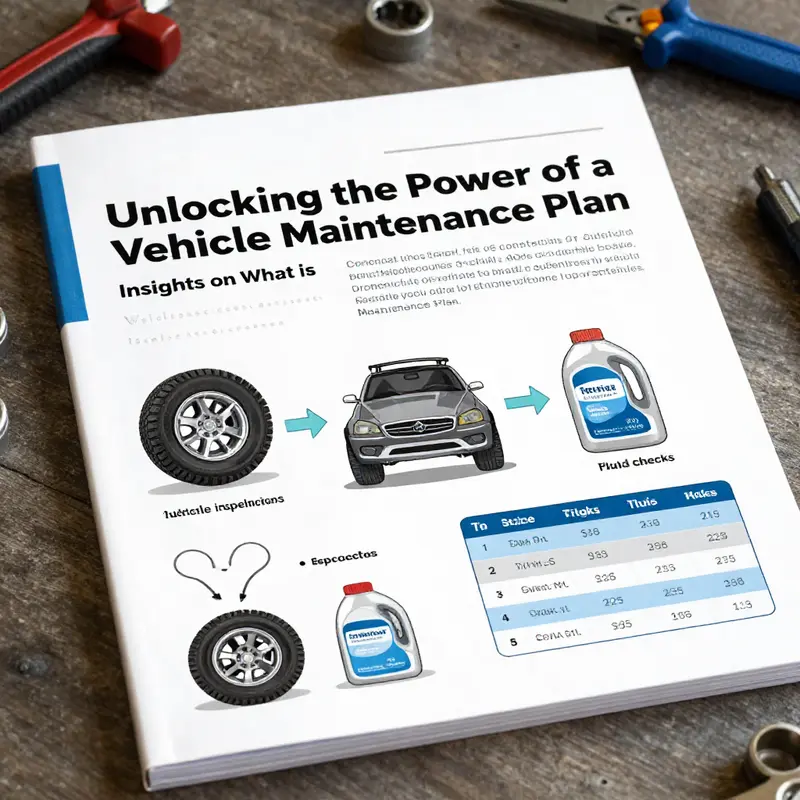
A vehicle maintenance plan is not merely a list of tasks to tick off. It is a carefully designed architecture that binds together safety, performance, reliability, and total cost of ownership into a single, proactive strategy. At its core, a maintenance plan treats a vehicle as a dynamic system whose various parts age at different rates and in response to different stresses. The idea is to intervene before minor wear becomes a roadside emergency or a costly repair, using a blend of time-based and usage-based triggers. The most effective plans translate driving realities—how far you go, where you go, and how you drive—into a schedule that governs inspections, adjustments, replacements, and even upgrades. When you approach maintenance as a strategic program rather than a one-off service, you empower yourself to preserve safety margins, maintain efficiency, and extend the life of the vehicle without guessing at the right moment to act.
A well-structured plan rests on seven interconnected components that, together, form a continuous loop of prevention, verification, and adjustment. First come scheduled maintenance intervals. These are more than calendar dates; they are milestone opportunities to verify the health of key systems. Manufacturers provide guidelines that map a practical cadence to the typical wear patterns of a given design. The earliest check often focuses on basic readiness: oil and filter conditions in traditional engines, fluid levels, tire pressures, and a quick road test to listen for unfamiliar sounds or vibrations. As a vehicle ages or accumulates more miles, the intervals expand to cover more components, and the checks become more comprehensive. This progression is not rigid. It adapts to how the vehicle is used, where it is driven, and the environmental conditions it faces. A thoughtful plan respects the tension between avoiding unnecessary maintenance and preventing avoidable failures, balancing cost with risk in a manner that aligns with the owner’s priorities and the car’s role in daily life. For a concise primer on the concept, you can consult what-is-vehicle-maintenance.
Second, core technical inspections anchor the plan in measurable health indicators. Braking systems are tested for pad wear, fluid levels, and pedal feel to ensure stopping performance remains consistent under varying loads. Tires and wheels are examined for tread depth, inflation, alignment, and wear patterns that reveal suspension or alignment issues. Fluids—engine oil, coolant, brake fluid, transmission fluid, and washer fluid—are checked not only for level but for quality and contamination. Suspension and steering components are assessed for play, noise, and response through both visual inspection and controlled road testing. Electrical and lighting systems receive a similar level of scrutiny, including the health of the battery or energy storage system, charging or alternator output, and the function of headlights, signals, and brake lights. These inspections are not cosmetic; they are diagnostic checkpoints designed to flag potential problems before they become safety risks or expensive repairs.
Third, the plan identifies component replacement and upgrades. Some parts wear predictably and arrive at a point where proactive replacement provides real value. Filters, belts, hoses, spark plugs, and brake pads are classic examples where premature replacement improves reliability, efficiency, and performance. Even when a lubricant is labeled as long-lasting, chemical degradation and external conditions—heat, cold, dust, and moisture—will eventually erode its protective qualities. The maintenance plan therefore includes both routine replacements and strategic enhancements that reflect advances in materials and design. In essence, the plan recognizes that prevention is often cheaper than cure, and that certain consumables pay for themselves by preventing collateral damage to other systems.
A fourth dimension—the adaptation to driving conditions—addresses how usage patterns influence maintenance intervals. A vehicle spending most of its life in stop-and-go city traffic experiences higher engine temperatures, more engine idle time, and accelerated oil degradation, which can compress service intervals. Conversely, highway-dominated use tends to stabilize operating temperatures and can extend the window between services. The plan therefore embeds a learning mechanism: it recalibrates based on actual driving behavior and sensor data, rather than relying solely on generic mileage thresholds. This adaptive approach makes the schedule more precise and less wasteful, ensuring that maintenance actions occur precisely when the vehicle needs them, not just when the clock or the odometer says so.
Fifth, the plan emphasizes the use of qualified service providers and genuine parts. The reliability and safety of the vehicle depend on professional expertise and the compatibility of parts with the original design. Authorized technicians bring access to the correct diagnostic tools and the latest technical bulletins, ensuring that interventions are appropriate and traceable. Genuine or OEM parts carry warranties and guarantee fit and function as intended by the manufacturer. While this may seem straightforward, it remains a critical principle: a maintenance plan that uses inferior parts or unqualified labor often saves money in the short term but inflates risk and cost over the vehicle’s life.
Sixth, modern maintenance integrates vehicle-specific technology. Advanced systems monitor component health in real time, generating alerts when service is due, sometimes using sophisticated algorithms that account for actual driving patterns and sensor readings rather than static schedules. This dynamic layer makes the maintenance plan a living document that evolves with the car and with technology itself. Owners learn to trust these intelligent prompts—maintenance reminders become a predictive tool rather than a reminder of a forgotten task. In this sense, the plan leverages digital tools to translate data into informed action, reducing downtime and extending the vehicle’s useful life.
The narrative above frames a maintenance plan as a dynamic, data-driven strategy rather than a one-time service. It also clarifies why a plan is worthwhile: it shifts maintenance from a reactive process to a proactive discipline. By scheduling the right checks at the right times, you minimize the chances of unexpected breakdowns, preserve peak performance, and extend the life of the vehicle. The plan is not a tedious burden but a structured approach to care that yields tangible returns in safety, efficiency, and peace of mind.
Though the specifics can vary across vehicle types, some universal truths emerge. First, a solid plan is not rigid. It is a framework that accommodates exceptions, such as regional weather, storage conditions, and personal usage changes. Second, the best plans are transparent and well-documented, so the owner and any service provider share a common understanding of the vehicle’s health and the rationale for each action. Third, the plan respects the vehicle’s technology, using built-in diagnostics and driver aids to guide decisions without overwhelming the owner with complexity. When these principles align, maintenance becomes a steady habit rather than a stressful obligation.
A practical path to implementing this architecture begins with a careful kickoff: assemble the vehicle’s service history, current odometer readings, and any known issues. From there, establish a baseline based on manufacturer guidelines while allowing for local conditions and personal preferences. Schedule the initial maintenance window and set up a simple tracking mechanism—whether a digital record, a notebook, or a dedicated app—that captures upcoming intervals and what was done in each visit. Then, as data accumulates, let the plan evolve. If the vehicle sees heavy use in urban corridors with frequent braking and short trips, shorten routine checks accordingly. If it travels long distances on open roads, emphasize tire condition, fluid integrity, and drivetrain health. The goal is not to chase perfection but to optimize reliability and cost-effectiveness over the long haul.
Vehicle maintenance, at its best, blends three elements: discipline, personalization, and foresight. Discipline means sticking to scheduled checks and not deferring services just because they seem optional. Personalization recognizes that no two drivers experience the same wear patterns, so the plan must accommodate your driving style, climate, and storage. Foresight translates the data from your vehicle into actionable decisions—repair before failure occurs, replace before components degrade beyond a useful limit, and tune the strategy as new technology and better parts become available. That triad—discipline, personalization, foresight—turns maintenance from a cost center into a strategic asset that protects safety, reliability, and cost efficiency on every mile.
In practice, this approach also invites a conscious conversation about how you manage your vehicle’s life cycle. For readers seeking a concise pointer to the broader concept while staying within the same ecosystem of practical guidance, the internal reference article on what-is-vehicle-maintenance provides a compact overview that can be revisited as you begin to tailor a plan to your specific model and environment. The chapter you’ve just explored invites you to view maintenance not as a one-time obligation but as a continuous, intelligent process that evolves with your car and your life on the road. As you adopt this perspective, you may find that the maintenance plan ceases to be a chore and becomes an active partner in safe, efficient travel.
External resource for further reading: For a practical view on how service scheduling works in modern electric and traditional vehicles, consult the official guidance on service intervals and maintenance planning available from the vehicle’s support resources: https://www.tesla.com/support/vehicle-maintenance#service-intervals
By weaving these ideas into daily practice, you can approach vehicle maintenance as a disciplined, adaptable, and ultimately empowering aspect of car ownership. The architecture described here is not an abstract ideal; it is a realistic, repeatable framework that supports safer roads, cleaner running engines, and fewer disruptive surprises on the way to your next destination. The maintenance plan you build will reflect how you drive, where you drive, and what you expect from your vehicle, turning maintenance from a cost into a lasting investment in safety, reliability, and confidence on every trip.
null
null
Maintaining Momentum: How a Thoughtful Vehicle Maintenance Plan Safeguards Safety, Saves Money, and Extends Life
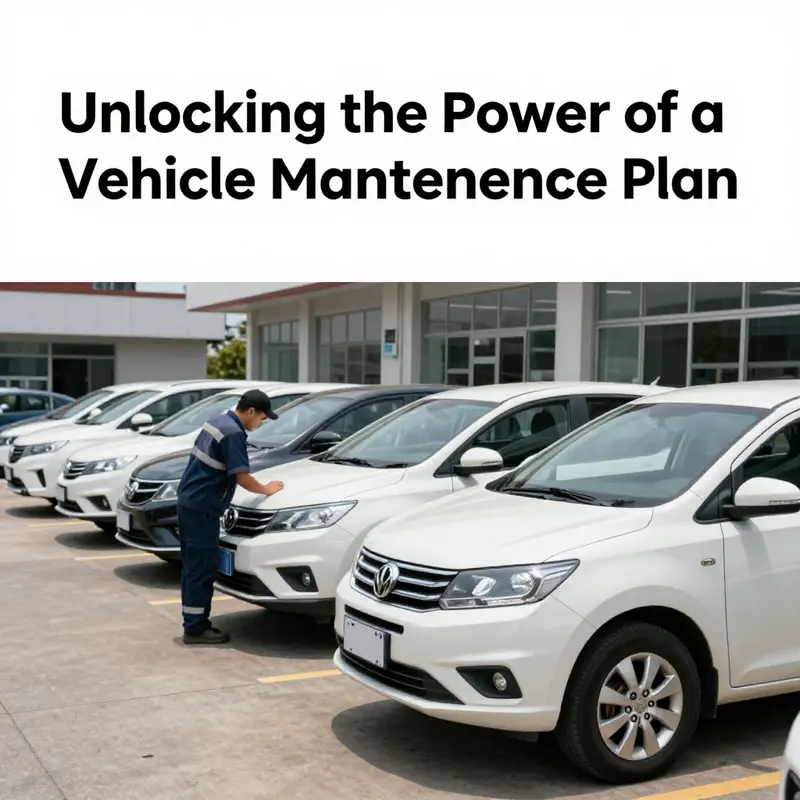
A vehicle maintenance plan is not simply a list of tasks to tick off; it is a disciplined way to treat your car as a long term partner. When you drive, you accumulate wear and exposure to the elements, and even parts that seem ordinary can degrade quietly, eventually leading to discomfort, expense, or compromised safety. A well designed maintenance plan translates that reality into a proactive rhythm: regular checks that catch problems before they become dramatic, a documented trail of care that grows with the vehicle, and a strategy that aligns with how you use the car day to day. Instead of waiting for a breakdown, you map out specific milestones, influenced by the climate you live in, the type of roads you traverse, and the way you drive. The goal is not to chase every tick of wear but to balance prevention with cost, to preserve performance without turning upkeep into a barrier to your mobility. For readers seeking a clear starting point, the concept of maintenance basics is well described in What is Vehicle Maintenance, which lays the groundwork for how a plan should function across different vehicle types and ownership models.
This framing matters because a maintenance plan moves beyond impulse repairs and reactive fixes. It invites you to adopt a mindset that values consistency over crisis management. The plan becomes a lens through which you view every mile you put on the odometer. It encourages you to consider not just what the car needs today, but what it will require in the weeks, months, and years ahead. When you approach maintenance as an ongoing conversation between you and your vehicle, you start to notice subtle signals—a whisper of tire wear, a change in idle smoothness, or a slight shift in fuel economy—that would have been easy to overlook otherwise. That is where the real payoff lives: a car that behaves predictably, a driver who feels confident behind the wheel, and a lifecycle that stays within a more predictable budget.
The structure of a good maintenance plan is not a rigid cage; it is a flexible framework that accommodates how you drive and where you drive. Your plan should begin with core, vehicle-agnostic practices—inspecting fluid levels, monitoring tires, and verifying lights and wipers. Then it should adapt to your vehicle’s technology and your environment. A plan that ignores local climate, road conditions, and typical driving patterns risks becoming either overly burdensome or insufficient. In practice, that balance means some tasks occur on a fixed cadence, while others shift with the seasons or with mileage. The aim remains the same: maintain safety, protect performance, and guard against the surprise of a preventable breakdown. If you want a more precise foundation before you tailor the plan to your own car, consider the broader maintenance discourse available online and in owner communities that emphasize clarity, traceability, and practical action.
As you begin drafting or refining your plan, you should be aware that vehicle care evolves with technology. Modern cars incorporate more sophisticated electronics, more complex cooling loops, and fewer moving parts in some areas, but they also introduce new subsystems that demand awareness. A careful plan acknowledges both the continuity of traditional checks—brakes, tires, lights—and the new realities of digital dashboards, battery health metrics, and software-driven maintenance cues. The result is a hybrid approach: retain the common-sense checks that have always protected drivers, while embracing the digital tools that help you stay on track with fewer visits to the shop and more confidence in your car’s reliability. Keeping this dual focus helps align your maintenance habits with the real world of everyday driving, where time, cost, and safety all compete for attention.
Moving from theory to practice, a maintenance plan delivers five clear benefits that together shape a better ownership experience. First, improved reliability follows from addressing wear before it becomes a failure. A routine once-a-year or once-a-season check can reveal worn tires, seepage, or degraded belts that would otherwise disrupt a trip or a commute. Second, safety rises as critical systems receive timely inspection. Brakes, steering, lighting, and suspension are not cosmetic features; they keep you in control in emergencies and during routine maneuvers alike. Third, fuel economy or efficiency tends to improve when the car operates as designed. Clean air, proper lubrication, and correct tire pressure reduce resistance and unnecessary drag, lowering operating costs over time. Fourth, resale value gains from a documented maintenance history. Buyers and lenders see value in a car whose care has been logged and verified, which reduces perceived risk. Fifth, environmental responsibility grows as worn components drift toward optimal performance rather than drifting toward wasteful failure. Clean engines, well-tuned cooling systems, and properly maintained energy flows use energy more efficiently and emit fewer pollutants.
All of these advantages hinge on adherence to the maintenance protocol. The most robust plan remains only as good as the discipline with which it is followed. A plan that sits on a shelf or lives only as a handful of receipts does not translate into reliability or value. The following point about adherence anchors the entire approach: regular, data-informed revues of the plan are essential. When you maintain a schedule and keep records, you create a feedback loop that informs decisions about driving habits, parts replacement, and even future vehicle choices. You can look back at the history to understand seasonal patterns, detect recurring warnings early, and plan finances around upcoming services rather than reacting to a sudden problem. The outcome is less stress, more predictability, and a safer ride for you and your passengers.
For readers who want a deeper understanding of the maintenance landscape, consider how the plan applies differently across vehicle types. A traditional internal combustion engine may require more frequent oil changes, filter replacements, and coolant service, while a modern electric vehicle concentrates on battery health, thermal management, and brake wear. Yet even in the electric domain, maintenance is not optional. Radiator cleanliness remains relevant for thermal efficiency, especially for drivers who navigate dusty or polluted environments. Winter care takes on a specific hue as exposure to road salt can creep into calipers and other metal parts, warranting periodic cleaning and lubrication to prevent corrosion. High voltage battery integrity remains vital, and any service on those components must be performed by trained technicians who follow strict safety protocols. Tire rotation continues to matter, and it should align with seasonal usage to ensure even tread wear and balanced handling. The practical takeaway is that maintenance is not a one-size-fits-all regimen; it is an adaptable program built to protect the individual vehicle you own.
To guide you as you consider the practical steps, keep in mind the way you interact with your car today and the tools you have at hand. Many manufacturers provide onboard dashboards, app interfaces, and service summaries that take the guesswork out of scheduling and understanding what needs attention. The ability to record tire rotations, check fluid levels, and receive service alerts directly from the vehicle or your phone creates a seamless loop of care. The psychological benefit of this approach should not be underestimated; access to clear, timely information reduces anxiety about maintenance decisions and fosters a sense of partnership with the vehicle rather than a dependency on memory or luck. In addition, when maintenance data is shared with trusted service providers, it lowers diagnostic time and helps technicians reproduce issues with higher accuracy, which speeds up repairs and reduces downtime for you.
The practical rhythm of maintenance also aligns with environmental stewardship. Well-kept cars operate more efficiently, produce fewer emissions, and generate less waste through less frequent part replacement and longer component lifespans. This is not a political stance but a pragmatic one: taking consistent care of a vehicle translates into tangible benefits for the environment and for your local community. The effect compounds over time as the vehicle ages and the miles accumulate. You begin to see a pattern where preventive care makes the later years of ownership more predictable and less costly. The maintenance plan thus evolves into a responsible habit that resolves the tension between convenience and prudence, turning everyday driving into a more sustainable and enjoyable experience.
The practical steps toward implementing this kind of plan are not exotic. Start with a baseline—core checks that apply to almost any vehicle: top up or replace essential fluids; inspect brake pads, rotors, and calipers; verify tire condition, tread depth, and inflation; confirm lights, wipers, and seals are functioning; and listen for unusual noises during operation. Then tailor the cadence to your vehicle and environment. If you drive through heavy traffic daily, you may find more frequent brake inspections or tire rotations beneficial. If you live in a climate that exposes the car to snow and salt, incorporate corrosion prevention and more frequent system cleanings. The plan should also incorporate checks of nonessential comfort features—air quality, climate control filtration, and cabin acoustics—to preserve the overall driving experience. The goal is to assemble a coherent sequence that makes sense for your life while keeping safety and efficiency at the forefront.
A pivotal moment in managing a maintenance plan comes when you begin to integrate your car’s digital tools into the routine. Use the vehicle’s built‑in interface and, where available, the connected mobile app to schedule service visits and record what has been completed. This approach turns maintenance from a scattered set of tasks into a living record that travels with the vehicle. It gives you a clear window into what has been done, what remains due, and how the car has performed over time. The maintenance summary that appears on the dashboard can guide you toward preemptive actions rather than reactive fixes. If you ever decide to sell the car, you will have a verifiable history that supports a smoother transfer of ownership and can help secure a better price. The same discipline that helps you optimize fuel efficiency and tire wear will also translate into safer, more reliable operation on every trip you take.
In summary, a well designed vehicle maintenance plan is a strategic asset rather than a chore. It harmonizes reliability, safety, efficiency, resale value, and environmental responsibility into one coherent practice. It invites you to approach driving with intention, to treat the car as a lifecycle partner, and to embrace the tools available to stay on track. The plan does not demand perfection; it invites ongoing learning and adjustment as your vehicle, climate, and lifestyle evolve. By committing to habit, record, and reflection, you turn maintenance from an afterthought into a discipline that protects your mobility and your peace of mind. And as you prepare for the next journey, you will find that the plan you built today supports every mile that lies ahead.
For further reading and to begin shaping a plan that matches your vehicle and climate, the global maintenance conversation offers clear, practical guidance. The concept is straightforward, the benefits are tangible, and the path to implementation is accessible through the vehicle’s own tools and the broader maintenance literature. The result is a sustainable, confident approach to ownership that honors both the machine and the road ahead.
External resource: https://www.energy.gov/eere/vehicles/articles/vehicle-maintenance-tips
Final thoughts
Establishing a vehicle maintenance plan is not just a procedural necessity; it is a strategic investment in the longevity and efficiency of your business’s fleet. By understanding the intricacies of such a plan, recognizing its components, effectively crafting it, and appreciating its numerous benefits, business owners are better equipped to navigate the complexities of vehicle management. A proactive maintenance strategy can significantly reduce unexpected costs, enhance reliability, and ultimately contribute to the growth and success of your operations.