

Maintaining a fleet of vehicles is a vital responsibility for any business owner, impacting overall operational costs and efficiency. Understanding vehicle maintenance cost is paramount; it encompasses various expenses including routine inspections, repairs, and necessary replacements that keep vehicles running smoothly. This comprehensive guide reviews the essential aspects of vehicle maintenance costs, detailing how vehicle type affects these expenses and identifying key factors that influence them. The discussion will also compare costs across traditional, hybrid, and electric vehicles, providing you with a holistic view of potential financial implications. With strategies to effectively manage these costs, you’ll be well-prepared to maintain both efficiency and budgets in your fleet management.
Decoding Vehicle Maintenance Costs: What They Include and Why They Vary
Understanding the true cost of vehicle ownership starts with a clear definition of maintenance costs. Vehicle maintenance cost covers all expenses necessary to keep a vehicle safe, reliable, and functional over its life. That simple definition hides a layered reality: routine services, part replacements, specialized system repairs, energy or fuel consumption, and unavoidable regulatory or insurance fees all contribute. Each of these categories behaves differently, so a single annual number only tells part of the story.
Routine service and repairs form the baseline. These are scheduled tasks intended to prevent failure and preserve performance. Examples include oil and filter changes, air and cabin filter swaps, tire rotations, brake inspections, and periodic fluid checks. They recur predictably, often by mileage or time intervals. Because they are frequent and usually inexpensive per event, routine maintenance shapes the rhythm of ownership costs more than its peaks. Missing these services accelerates wear and drives up future repair bills.
Component replacement is the next major layer and often produces the largest single-ticket expenses. Tires, brake pads, and batteries wear out with use and must be replaced periodically. Timing belts, suspension components, and other mechanical parts eventually fail. The price of these items varies with size, material, and supply chain factors. For many newer cars, replacement parts can be surprisingly costly relative to the vehicle’s price, especially when demand for specific components is low and manufacturing is complex.
Modern vehicles add another dimension: specialized equipment and electronics. Luxury cars and many newer models include advanced infotainment systems, driver aids, and sensor suites. These components can be expensive to diagnose and repair because they require proprietary software, specialist tools, or calibrated replacement parts. In electric vehicles, the “three electric systems” — the motor, power electronics, and battery pack — are central. Routine maintenance needs may be lower for EVs, but when an expensive high-voltage component fails, repair costs can be substantial.
Fuel or energy is closely tied to maintenance as a recurring expense. While not a repair cost per se, fuel and charging directly affect operating costs and sometimes maintenance patterns. For example, aggressive driving increases fuel consumption and accelerates wear on brakes and tires. Conversely, EVs eliminate oil changes and certain engine services, reducing routine costs. However, their long-term cost profile depends heavily on battery longevity and replacement costs.
Insurance and mandatory fees complete the picture. Insurance premiums vary by vehicle class, driver history, and location. Registration, road taxes, and inspection fees also add predictable annual expenses. Together, these obligations influence the total cost of ownership and how owners budget for maintenance and repairs.
Several key factors explain why maintenance costs vary so widely among vehicles and owners. Vehicle type and brand matter. Luxury and high-performance cars typically use more expensive parts and require specialized labor. A small service for an upscale brand can run far higher than for an economy car. Similarly, hybrid vehicles combine internal combustion engines with electric systems, creating complexity that can raise both routine and unexpected repair costs.
Age and mileage are reliable predictors of cost. As kilometers accumulate, so does the probability of wear-related failures. Preventive replacements become necessary as rubber, seals, and mechanical tolerances degrade. Older vehicles often need more frequent attention, and parts may be harder to source, increasing labor time and expense.
Driving conditions and usage patterns shape maintenance needs as well. Rough roads, heavy towing, extreme temperatures, and stop-and-go urban driving all accelerate wear. A vehicle primarily used for short city trips will show different maintenance demands than a long-distance commuter car. Usage influences timing for items such as brakes and transmissions, and it can change how often routine services are genuinely necessary.
Part choice and repair shop selection influence costs at the point of service. Using original equipment manufacturer (OEM) parts and dealership service centers typically costs more than aftermarket parts and independent shops. However, OEM parts sometimes provide longer life or better fit, which can reduce lifetime cost. Labor rates also vary by region and facility. A skilled technician may diagnose problems faster and prevent unnecessary replacements, saving money in the long run.
Technological change drives both cost reductions and cost spikes. Advances in materials, engine design, and diagnostics have extended service intervals and reduced some routine needs. At the same time, increasing electronic complexity raises the cost of specialized repairs. Software updates, sensor calibrations, and electronic control unit failures require diagnostic tools and expertise that not every shop can provide.
A few practical strategies reduce total maintenance cost without compromising safety. First, follow the manufacturer’s maintenance schedule. Preventive maintenance prevents many expensive failures. Second, research expected costs for a model before purchase. Real-world owner reports and service records reveal typical problem areas better than marketing brochures. Third, take advantage of warranties and service packages. New-vehicle plans sometimes include free scheduled services and reduce out-of-pocket costs during the early years of ownership. Finally, make deliberate choices about parts and service providers. A balanced approach—mixing reputable aftermarket parts for noncritical items and OEM parts for key systems—often yields the best lifetime value.
Understanding the distribution of costs helps set expectations. Routine maintenance accounts for steady, predictable spending. Component replacements and unexpected repairs generate irregular spikes. Fuel or electricity and insurance add ongoing operational and compliance costs. For electric vehicles, lower routine service often reduces annual spending, yet battery replacement risk looms large and can dominate lifetime costs if it occurs. Hybrids, with their dual systems, can show higher variance and cost spikes related to drivetrain complexity.
One more reality matters for budgeting: a small number of expensive repairs often accounts for a large share of lifetime maintenance costs. Timing belt failures, major transmission repairs, or high-voltage battery replacements are rare, but they are costly. Planning an emergency fund equal to a few months of your car’s operating cost can prevent financial strain when such repairs occur.
For readers seeking a foundational explanation of maintenance and ownership responsibilities, a focused resource can help. Learn more about the basic elements of vehicle upkeep in this concise guide: what is vehicle maintenance?
By viewing maintenance as a portfolio of predictable and unpredictable expenses, owners can better manage costs. Regular care reduces cumulative wear and lowers the chance of sudden, large bills. Informed choices about vehicle type, parts, and service providers reduce lifetime cost. Above all, understanding the components and drivers of maintenance cost puts owners in control of their budgets and their vehicles’ longevity.
How Vehicle Type Shapes Maintenance Costs: Comparing ICE, EV, and Hybrid Realities
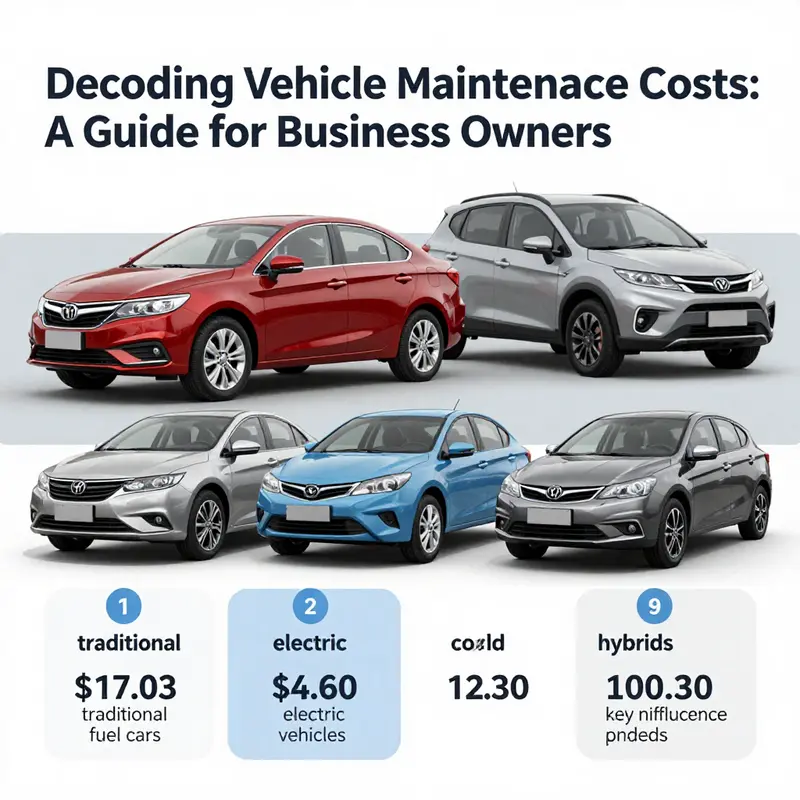
How vehicle type shapes maintenance costs: comparing ICE, EV, and hybrid realities
Vehicle type is one of the single strongest determinants of maintenance cost. Different drivetrains, levels of system integration, and parts availability create distinct cost profiles. Understanding those profiles helps buyers, fleet managers, and policymakers make better choices. It also explains why headline comparisons—like ‘‘EVs cost less to maintain’’—often miss crucial trade-offs.
For traditional internal combustion engine (ICE) vehicles, maintenance patterns are predictable. Regular oil and filter changes, periodic tune-ups, and mechanical wear on components such as belts, water pumps, and exhaust systems drive routine costs. Repair frequency and cost scale with engine size, vehicle age, and annual mileage. Larger engines usually mean more parts, higher fluid volumes, and greater wear. Older cars typically require more frequent replacement of mechanical components. Mileage amplifies wear exponentially; braking systems, tires, and suspension components wear faster with greater use. These dynamics create a steady, broadly understood maintenance budget many owners can plan around.
Electric vehicles (EVs) disrupt that pattern. Their powertrains have far fewer moving parts. There are no oil changes, no timing belts, and fewer fluid services. On average, EV ownership shows lower annual routine maintenance costs than ICE vehicles. Yet a sobering reality abuts that advantage. EVs concentrate value in a smaller set of complex components—particularly the battery, power electronics, and electric motor. When a component fails, repair or replacement often costs much more than a comparable ICE fix. Minor cosmetic or electronic repairs can run two to 2.5 times higher than similar ICE interventions. That ‘‘small repair, big cost’’ phenomenon stems from structural industry issues.
First, repair markets for many EVs remain concentrated. Authorized dealerships and franchise service centers dominate repair options in many regions. This dominance limits price competition and raises labor rates. Second, parts lack standardization both across manufacturers and across model years. That variability raises inventory costs and prolongs lead times, increasing repair bills. Third, high system integration means a single fault may require replacing an entire module. A damaged sensor inside a high-voltage module, for example, can force a full module swap. Finally, technician capacity is limited. Skilled repairers with experience in high-voltage systems and software diagnostics are scarce. Labor rates reflect that scarcity.
Hybrids form a middle ground, but they are not just a blend of EV and ICE costs. They combine two complex systems in one vehicle. That dual nature increases component count and raises failure modes. Hybrid owners still face oil changes and engine maintenance. They also face battery and electrical system risks. As a result, some hybrid maintenance profiles show higher average annual costs than either pure EVs or some ICE vehicles. Complexity drives both frequency and severity of repairs, and hybrid repairs often require technicians proficient in both mechanical systems and high-voltage electronics.
Beyond drivetrain, vehicle class and brand matter. Luxury and high-performance models typically use exotic materials and advanced electronics. Those features increase part costs and labor time. Suspension systems, braking technologies, and specialized powertrain components in premium models raise repair bills. Likewise, some mainstream models benefit from widely available aftermarket parts and a competitive independent service sector. That competition brings down the cost of common repairs.
Part pricing patterns also shape the picture. In some markets, a single replacement part can cost a surprisingly large share of a vehicle’s original value. Studies show a high ‘‘part-to-vehicle’’ price ratio for some components. When that ratio is large, single failures create outsized financial shocks. This is especially true for cutting-edge modules and batteries in newer models.
Mileage remains a strong predictor of maintenance cost regardless of drivetrain. Higher annual miles increase the frequency of wear-related services. Some EV owners might see low routine costs early in a vehicle’s life. But heavy usage accelerates non-drive-train wear like tires, brakes, and cabin systems. In high-mileage use cases, the cost advantage of EVs can narrow, particularly where battery degradation and replacement become relevant.
Service ecosystem matters nearly as much as vehicle design. A well-developed independent service market reduces prices and shortens repair time. Greater technician supply lowers labor costs and encourages third-party parts suppliers. Conversely, markets dominated by limited-authority service centers see higher prices and slower innovation in repair models. Progress is underway. Regulators in some regions are encouraging more open repair ecosystems. Some suppliers are building open-service platforms. Those changes should expand options and reduce costs over time, particularly for EVs.
For consumers, assessing maintenance cost means looking beyond average annual figures. Total cost of ownership includes routine maintenance, repair shocks, parts availability, and downtime. Warranties and service plans alter the picture significantly. New-vehicle warranties often cover major modules for several years. Extended warranties and certified pre-owned programs shift risk, but they come at a price. For high-mileage drivers, prioritizing models with robust service networks makes economic sense. For buyers who value lower routine service, EVs offer measurable savings. But they must accept the possibility of infrequent, high-cost events.
Fleet operators must weigh the same trade-offs under different constraints. Predictability and downtime are critical for fleets. While EVs reduce scheduled maintenance intervals, an unexpected module failure can disable a vehicle for longer. Fleets often prefer standardized models with accessible parts and trained technicians. They may also negotiate service contracts or establish in-house repair capabilities to manage costs. For vehicles that see heavy use, hybrids can add complexity without delivering proportional benefits.
Policy and market forces are evolving to reduce the cost delta for advanced drivetrains. Oversight agencies are promoting competition and transparency in the after-sales market. Some component makers are introducing open-service platforms to simplify repairs. Those shifts should reduce outsize repair costs and expand independent repair options. As parts standardize and technician training scales, EV repair costs should fall relative to current levels. But that transition will take time.
Practical steps can help owners manage the risks tied to vehicle type. Track mileage and usage patterns honestly before buying. Review warranty coverage for major components, and budget for potential module replacements. Favor models with extensive service networks if uptime and repair cost predictability matter. Consider independent shops where trained technicians are available. For EV buyers, ask about battery health monitoring tools and policies for software updates. For hybrid buyers, account for the cost of both systems over the vehicle lifecycle.
The bottom line is nuanced. Vehicle type strongly influences maintenance cost, but not always in obvious ways. ICE cars bring steady, predictable costs tied to mechanical wear. EVs cut routine servicing but concentrate risk into expensive, specialized components. Hybrids add complexity that can increase both frequency and price of repairs. Service ecosystems, parts pricing, and technician capacity shape how these forces play out in real bills. Buyers and fleet managers who evaluate those forces in totality will make the most resilient choices.
For a focused discussion on whether EVs truly require less maintenance, see this examination: Do electric vehicles require less maintenance?.
Further analysis of EV repair costs and market structure is available here: https://www.bjnews.com.cn/detail/169147550418255.html
How Design, Usage and Market Forces Drive Vehicle Maintenance Cost
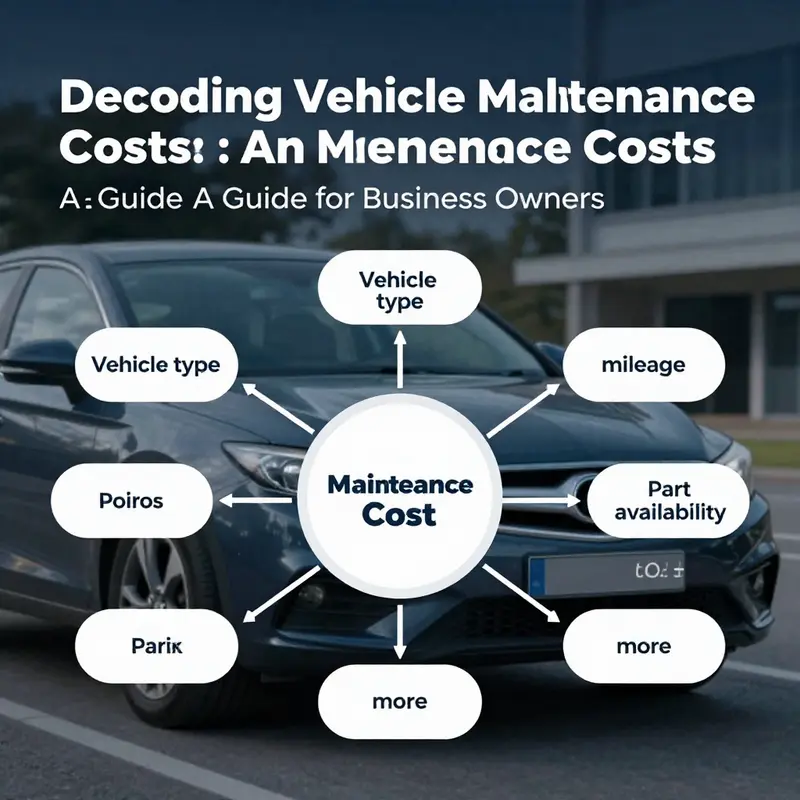
How Design, Usage and Market Forces Drive Vehicle Maintenance Cost
Vehicle maintenance cost is not a single number; it is the product of design choices, how a vehicle is used, and the market dynamics that determine parts and labor prices. To make useful decisions about buying or keeping a vehicle, you need to see how those forces interact. Annual averages give a starting point: the typical fuel-powered car incurs about $2,623 per year in maintenance and repairs, a typical electric vehicle about $1,877, and hybrids often fall into a wider band—roughly $3,500 to $9,000—because they combine two powertrain systems. These figures hide a lot of variation. Understanding the drivers beneath them reveals why two cars of the same age can have very different lifetime costs.
At the core is vehicle design: the complexity of systems and the availability of parts. Cars with simpler mechanical systems and broad parts availability tend to cost less to maintain. By contrast, vehicles that include advanced electronics, specialized materials, or rare components create concentrated cost points. The industry sometimes describes this as a parts-to-whole ratio: the cost of replacing certain original parts relative to the vehicle’s overall price. In some markets, a single expensive component can equal a very high percentage of the vehicle’s purchase price. When replacement parts are scarce or proprietary, even minor repairs become costly because the part price is high and the labor is specialized.
Powertrain architecture is one of the most decisive design factors. Internal combustion engines have many moving parts that require regular service—oil, filters, belts, hoses, spark plugs, and so on. Larger engines and higher displacement increase those needs. Bigger engines use more consumables and often require specialized tools and technicians, which raises labor costs. Hybrids add another layer: they keep the combustion engine along with an electric drivetrain, so maintenance must cover both systems. That dual complexity is why hybrids sometimes show a surprisingly wide maintenance-cost range: routine needs can be low, but when hybrid-specific components fail, repairs can be expensive.
Electric vehicles (EVs) change the equation. They eliminate many routine maintenance items—no oil or spark plugs, fewer fluids to change, and fewer moving parts overall. That structural simplicity reduces average routine costs. However, EVs concentrate cost risk in a small set of high-value components: the battery pack, power electronics, and the electric motor. These three systems are often called the primary electric systems, and while they are generally durable, replacement or major repair of any one of them can represent a large, sometimes vehicle-defining expense. Battery replacement remains the single most significant long-term cost risk for many EV owners, even though warranties and improved battery management systems have reduced that risk for many modern models. For a deeper look at how EV maintenance compares in practice, see this article: Do electric vehicles require less maintenance?.
Vehicle age and mileage provide the clearest, continuous predictor of rising maintenance cost. Wear accumulates unpredictably, but certain components show very reliable life cycles: brakes, tires, suspension elements, and wear items in transmissions become more likely to fail as mileage climbs. A vehicle that sees 20,000 miles per year will require more frequent part replacement than one that sees 5,000 miles. Moreover, older vehicles often face part-obsolescence issues: models discontinued by manufacturers can see parts become rare, driving prices up. In some regions, that scarcity causes a single replacement item to cost a surprisingly large fraction of a used car’s value.
Driving behavior and operating environment translate design into real-world wear. Aggressive driving accelerates brake and tire wear, stresses engines and transmissions, and increases the chance of collision damage. Constant stop-and-go urban driving is harder on brakes and cooling systems than steady highway use. Environmental exposure—extreme heat, cold, humidity, road salt—speeds up corrosion and degrades rubber and electronic connectors. A well-maintained vehicle used gently in temperate climates can outlive a similar vehicle exposed to harsh conditions by several years, with significantly lower annual repair bills.
Geography also shapes maintenance through labor rates and local market dynamics. Hourly labor charges vary widely between regions and service providers. Urban centers with higher living costs typically have higher mechanic rates. Authorized service centers may charge a premium for certified technicians and OEM parts, while independent shops can be cheaper but may not have access to certain proprietary components or diagnostic tools. In some parts of the world, local tariffs, shipping costs, or limited import channels can make parts exorbitantly expensive. A useful metric from recent market studies shows that, in certain contexts, the cost of a single part relative to a car’s price can average around 50.96%, indicating how concentrated costs can become when parts are scarce or tightly controlled.
Brand and segment position also matter beyond simple build quality. Cars positioned as luxury or high-performance models typically use higher-spec materials, bespoke electronics, and tighter tolerances. Those design choices increase both the frequency of specialized service needs and the cost per service event. Additionally, manufacturers that use proprietary fasteners, specialized fluids, or unique modules can make routine maintenance dependent on dealer-level parts and labor, which raises costs. By contrast, mass-market vehicles prioritized for broad availability of replacement parts and serviceability tend to be cheaper to maintain over time.
Parts availability and supply-chain resilience are underappreciated drivers of maintenance cost. A stable supply chain keeps part prices and lead times manageable. Modern vehicles with globalized supply lines can be affected by international disruptions, trade policy changes, or sudden spikes in demand for specific components. When replacement parts sit in long backorders, repair timelines stretch and interim fixes may be used—sometimes increasing overall long-term cost. Manufacturers and owners who track parts ecosystems can anticipate these risks and choose models with established aftermarket support.
Finally, maintenance cost is not purely reactive. Usage tracking, scheduled service adherence, and preventive replacement of wear items maintain a predictable cost profile and often avoid catastrophic failures. For owners, understanding the likely failure modes of a chosen vehicle—whether it’s an aging transmission, hybrid inverter, or battery degradation—lets them plan for reserves or warranties. Insurance, extended service plans, and regional service networks can redistribute cost risk, but they also come with premiums that must be weighed against expected maintenance trajectories.
Taken together, these forces show why two cars with identical purchase prices can end up with very different lifetime maintenance bills. Design choices concentrate risk into a few expensive components for some vehicles. Usage and environment accelerate wear unpredictably. Market structures determine how much those parts and labor will cost. For anyone comparing vehicles or planning ownership budgets, the useful approach is to translate these abstract drivers into a scenario: anticipate the high-cost components for a given architecture, estimate realistic annual mileage, and consider local labor and parts markets. That approach turns average yearly numbers into a practical, individualized maintenance plan and clarifies where cost control is possible.
For readers interested in the technical underpinnings of how vehicle design and usage affect energy, environmental, and operational outcomes, consult the in-depth analysis by experts on vehicle automation and system interactions: https://doi.org/10.1007/978-3-319-05990-7_12
From Oil Changes to Battery Replacements: Decoding Vehicle Maintenance Costs Across ICE, EV, and Hybrid
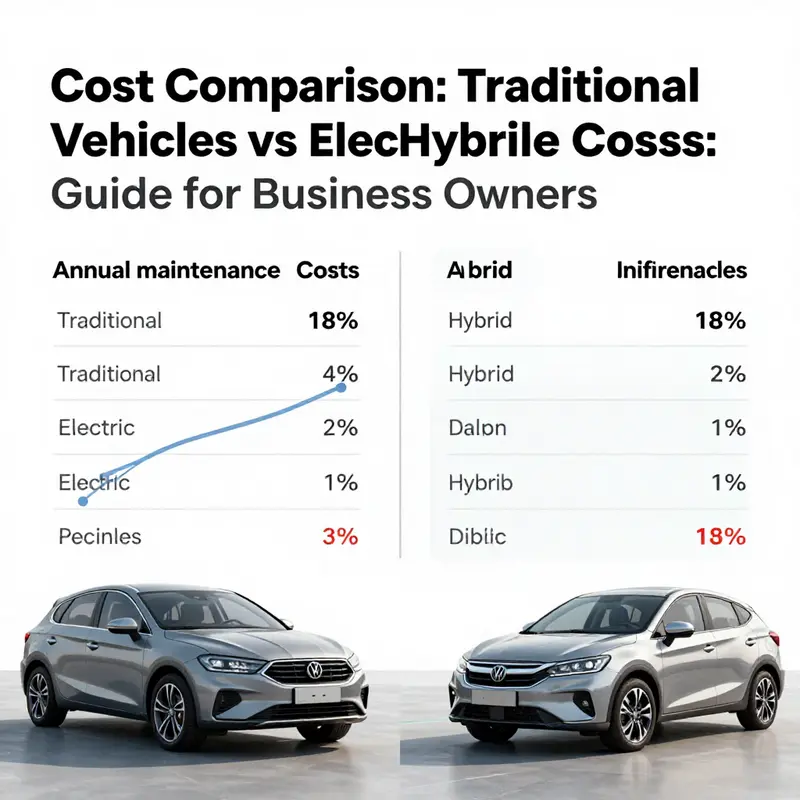
Maintenance cost, in its simplest form, is the price of keeping a vehicle reliable, safe, and roadworthy. Yet the picture shifts as technology evolves. To understand the long arc of maintenance costs, we must separate routine care from repair events and acknowledge how the type of powertrain reshapes both. Across traditional internal combustion engine (ICE) vehicles, electric vehicles (EVs), and hybrids, the same core questions persist: How often will service be needed? What will repairs cost, especially when high-value components fail? And how do energy and ownership costs interact with maintenance to determine the true price of driving over time?
At first glance, the numbers tell a clear story: EVs tend to demand less routine servicing than ICE cars, while hybrids fall somewhere in between with a complexity premium. This divergence becomes most visible when we focus on routine maintenance cycles. Traditional ICE vehicles carry the burden of oil changes, air filters, spark plugs, transmission fluids, and exhaust-related checks. These items translate into recurring costs that accumulate each year as the vehicle ages and mileage climbs. In a broad snapshot from recent industry analyses, the average annual maintenance and repair cost for a traditional ICE car sits around $2,623. When you translate that into a decade-long horizon, the cumulative routine costs become meaningful. For many households, routine maintenance is the dependable underpinning of ownership costs, even if it isn’t the flashiest line item on a new-vehicle window sticker.
EVs, by contrast, owe their routine maintenance advantage to a simpler mechanical heart. They lack engines, exhaust systems, and many of the moving parts that wear with gasoline combustion. The typical EV service involves checks on the battery’s health, inspection of the electric motor and power electronics, and a cabin air filter replacement—often every 10,000 kilometers or once a year. Across the board, these services are relatively inexpensive. Analyses from a wide range of industry sources suggest that routine EV maintenance can be in the low hundreds of currency units per visit, and a six-year window covering tens of thousands of kilometers can yield total routine maintenance costs well under traditional ICE vehicles. In some regional analyses, EVs appear to accumulate total routine maintenance costs that are less than half of what ICE cars require over similar driving profiles. The practical upshot is clear: EVs reduce the friction of keeping the car healthy on a year-to-year basis.
This contrast matters because routine maintenance is only one side of the coin. When EVs fail, the consequences can be stark. The same three electric systems—electric motor, power electronics, and battery—drive most of the repair risk. The probability of a major failure that requires replacement or major overhaul is relatively low, but the cost of a failure can be high. Battery replacement, in particular, looms large. In rare cases, a battery replacement can cost anywhere from a significant fraction of the vehicle’s original price to more than half of it. Warranties typically mitigate this risk for a substantial portion of ownership, covering the battery for eight years or 150,000 kilometers in many markets. Still, the specter of a high-cost repair alters the risk calculus for EV adoption and ownership. In a 2026 analysis, even though an EV’s average repair cost edges slightly above an ICE vehicle’s on a formal per-repair basis, the lifetime savings in fuel and reduced routine maintenance nearly always outweigh the potential for a large battery-related expense for most drivers.
A closer look at the long-term economics reinforces why EVs often win the total-cost-of-ownership (TCO) argument over a typical ownership horizon of six to ten years. Energy costs alone tilt the scales decisively. Electricity remains cheaper per kilometer than gasoline in virtually every major market, even when you account for charging at home plus possible peak rates. If a driver covers about 20,000 kilometers per year, annual energy costs for an EV are typically a fraction of the gasoline bill for a comparable ICE vehicle. Added to this are the reduced maintenance expenses—no oil changes, no transmission service, fewer exhaust system checks—and many regions offer incentives or tax exemptions that further improve the relative price of ownership. Insurance and taxes also factor in, but these are increasingly balanced as EVs improve in safety ratings and as local policies evolve to reflect their different risk profiles. The net result is a total cost of ownership curve that trends downward for EVs relative to ICE cars over a typical ownership span, despite higher upfront prices and the potential for battery-related risk.
From a practical planning standpoint, the lines of cost are drawn not just by the type of vehicle but by mileage and the specific model’s design. Mileage is a potent driver of maintenance spend. Vehicles accumulate wear on components that are sensitive to use patterns, such as brakes, tires, suspension, and cooling systems. In ICE cars, routine servicing tends to scale predictably with miles, and the probability of failure in critical systems grows steadily as the odometer climbs. In EVs, the story shifts: the absence of routine oil changes reduces recurring costs, but the battery and power electronics are the high-stakes components that can command significant repair or replacement bills when things go wrong. The balance of probabilities—the likelihood of needing an expensive battery repair versus the likelihood of multiple minor ICE repairs—often works in the EV’s favor over a longer horizon, particularly when batteries are protected by strong warranties.
The hybrid adds its own twist. Hybrids marry the ICE powertrain with an electric assist, and in some configurations, a full hybrid drives the wheels with electric motors at low speeds while the gasoline engine takes over at higher loads. This hybrid complexity translates into a broader maintenance envelope. On average, hybrids can incur annual maintenance costs well above a traditional ICE car, especially for owners who embark on long drives with high mileage while the vehicle relies on both powertrains in tandem. A reported range for hybrid annual maintenance costs spans from roughly $3,500 to $9,000, depending on the model, brand, and how the vehicle is driven. The practical effect is that while hybrids may deliver better fuel economy, the maintenance budget has to absorb the cost of two overlapping systems, a reality that many buyers must account for when calculating the true cost of ownership.
Language around cost is also shaped by regional pricing dynamics and the availability of parts. A telling perspective comes from the so-called zero-to-ten, or zero-to-one, ratio used in Chinese markets to measure how pricey a single part is relative to the vehicle as a whole. The mean value around 50.96% signals that parts can be disproportionately expensive, particularly for newer or higher-end models. This ratio helps explain why the cost per repair event for advanced EV components can feel sharp even when routine maintenance is modest. It also explains why warranties covering key components, notably the battery, materially affect the financial risk of owning an EV. In practice, the warranty can be the difference between a manageable annual maintenance bill and a major outlay in a scenario where a high-value component fails unexpectedly.
What does this mean for everyday decisions? The broad takeaway is that the type of vehicle you choose shapes both the predictable costs and the exposure to exceptional repairs. Traditional ICE vehicles offer predictability in routine costs and a well-understood repair ecosystem, but they also carry ongoing costs for fuel, oil changes, and emissions-related services. EVs deliver a clear advantage in routine maintenance and energy expenses, with the caveat that a battery or power-electronics failure—though rare—can be expensive without warranty protection. Hybrids sit in a middle ground, offering efficiency gains but presenting maintenance complexities that can push annual outlays higher than a purely ICE vehicle in some cases.
The practical path to cost control rests on disciplined maintenance habits and data-driven planning. Following recommended maintenance schedules, monitoring usage data, and understanding the specific needs of the vehicle type you own are essential steps. For those considering switching to an EV, this often means certifying a home charging setup that optimizes energy use and recognizing that the savings from reduced routine service and fuel come with a longer horizon risk focused on high-value components. In this light, maintenance cost becomes not just a line item but a signal about the vehicle’s design philosophy and the driver’s expectations for reliability.
For readers curious about whether the maintenance burden really is lighter with electric powertrains, there is ample evidence to consult. Do electric vehicles require less maintenance? can often be a concise answer in the affirmative for routine service, while the battery and electronics demand a measured respect for the high-stakes repair costs that can arise if something goes wrong. https://vehicletricks.com/blog/do-electric-vehicles-require-less-maintenance/
Ultimately, the economic logic favors a broader adoption of EVs and hybrids when total costs of ownership are evaluated over meaningful ownership horizons. Energy savings, reduced routine maintenance, and the evolving policy landscape tend to tilt the balance in favor of electrified powertrains. Yet the decision should be grounded in one’s driving profile, climate, local charging infrastructure, and the availability of robust warranties. The maintenance equation, with its mix of predictable costs and rare but expensive repairs, remains a central, solvable piece of the broader cost puzzle of owning and operating a vehicle in the modern era. External research on EV maintenance costs can provide additional context and empirical grounding for readers seeking deeper validation of these trends. https://afdc.energy.gov/files/u/publication/electricvehiclemaintenance_costs.pdf
Smart Spending on Vehicle Maintenance: Practical Strategies to Lower What Vehicle Maintenance Cost Means for You
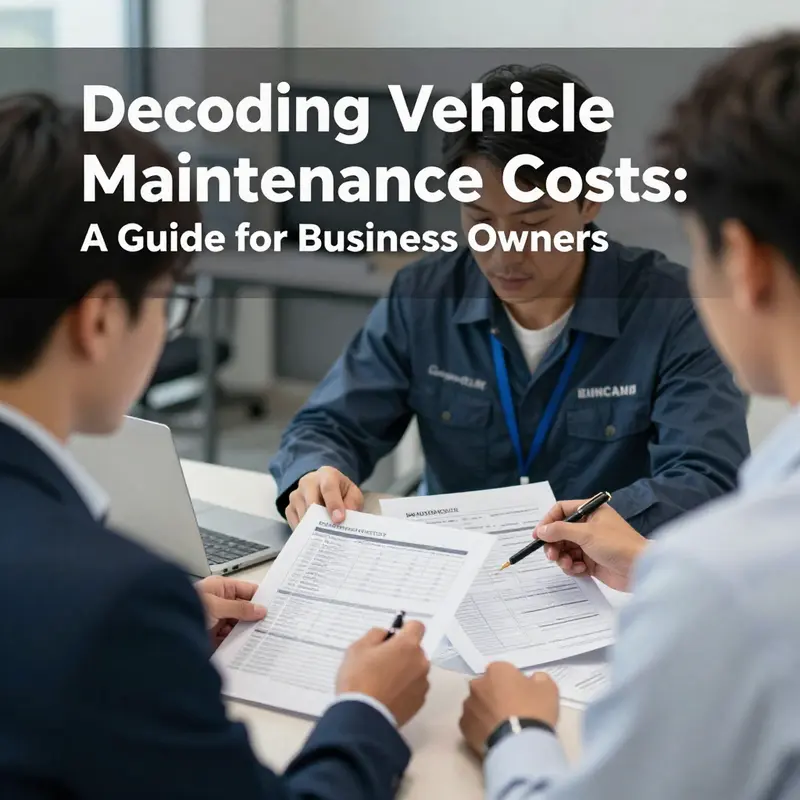
Smart Cost Management for Vehicle Maintenance
Managing vehicle maintenance costs starts with redefining what those costs actually include. Maintenance is more than oil changes and tire rotations. It includes labor, parts, diagnostics, downtime, fuel or charging-related upkeep, and the financial impact of unexpected failures. Treating maintenance as a single line item hides where waste accumulates. A smarter approach breaks cost into measurable components and then applies targeted strategies to reduce each one.
Begin with data. Modern vehicles produce a steady stream of usable information: mileage, fault codes, battery state-of-health, brake pad wear, coolant temperature cycles, and more. Gathering and analyzing this data lets you move from calendar-based servicing to condition-based maintenance. Instead of changing parts on a rigid schedule, you act when metrics show real need. This approach reduces premature parts replacement and cuts unnecessary labor. For fleets, telematics systems can flag engines running rich or show repeated hard-braking events. For private owners, a digital maintenance log with mileage and service dates helps avoid both procrastination and over-servicing.
Preventive maintenance still yields the best return on investment. Small, inexpensive actions avoid large bills later. Replace air and fuel filters at the right intervals. Monitor belts and hoses for cracking. Rotate and balance tires to extend their life and preserve fuel efficiency. Brakes, wheel alignment, and fluid checks all fall into this bucket. Vehicles that follow condition-based preventive maintenance see significantly fewer emergency repairs. Less downtime also lowers indirect costs, such as lost productivity for businesses or inconvenient rental fees for individuals.
Parts procurement and repair sourcing determine much of your cost structure. OEM parts may cost more up front but can offer predictable fit and longevity. Quality aftermarket parts can be an economical alternative when chosen carefully. For fleets, centralized procurement and bulk purchasing reduce unit costs and improve delivery reliability. Negotiate vendor contracts that include lead times, warranty terms, and return policies for defective items. A just-in-time inventory strategy minimizes holding costs, but maintain safety stock for high-failure items to avoid prolonged downtime.
Choose repair providers based on both price and track record. Transparent pricing and documented quality matter. Certified shops with skilled technicians reduce callbacks and rework. For specialized systems, such as advanced electric drivetrains, use facilities with specific experience. Keeping a digital case library of past repairs helps technicians diagnose recurring issues faster. It also creates institutional knowledge about common failures and their true costs.
Invest in tools and training. Diagnostic tools that interpret fault codes and perform non-invasive testing reduce diagnostic time. Digital work-order systems improve parts matching and labor allocation. For technicians, regular training in emerging technologies—especially electrified systems and advanced driver-assistance systems—keeps repair times down. Trained staff find root causes rather than treating symptoms, which reduces repeat visits. Training also improves safety and helps preserve warranty coverage when repairs align with manufacturer recommendations.
Integrate cost analysis into everyday decision-making. Track spending by labor, parts, external repairs, and downtime. Set monthly benchmarks and identify anomalies quickly. When one vehicle consistently costs more, investigate its usage patterns, driver behavior, or maintenance history. Use total cost of ownership thinking when deciding to repair or replace a vehicle. Calculate the break-even point where replacement better serves operational needs than continued repairs. For fleets, vehicle retention policies tied to predictable cost thresholds simplify those decisions.
Plan for the high-cost components that can skew averages. Electric vehicles (EVs) typically have lower annual maintenance spend because they lack oil changes and many wear items. But battery and power electronics repairs can be expensive. Hybrid systems combine complexity and thus incur costs somewhere between traditional and electric models. Anticipate these large, infrequent expenses by reserving funds or purchasing extended coverage where it makes sense. Understand manufacturer warranties and the typical lifespan of major components to avoid surprises.
Mileage and operating conditions shape maintenance budgets. Urban stop-and-go driving stresses brakes and batteries more than steady highway travel. Heavy towing accelerates transmission wear. Document typical duty cycles and align maintenance plans to those patterns. For businesses, driver coaching reduces harsh driving, which directly lowers brake and tire costs. Incentivize careful operation and provide feedback loops, such as scorecards or brief coaching sessions after risky driving events.
Emphasize lifecycle thinking. A short-term fix that extends life by a few months may cost more than planned replacement. Conversely, replacing a well-maintained vehicle too early wastes remaining value. Use lifecycle models that include maintenance, fuel or charging, insurance, and residual value. These models reveal which vehicles or technologies make sense for your needs. They also support decisions about warranties, service contracts, and resale timing.
Warranties and service contracts are tools for transfer of risk, not automatic savings. Compare contract coverage against expected failure modes and historical repair costs. A comprehensive plan may be cheaper for high-risk assets. For low-cost vehicles or predictable repairs, self-insurance or a dedicated reserve fund can be more economical. When leasing, know who pays for routine maintenance and unexpected repairs. That knowledge avoids end-of-term surprises and informs whether an extended maintenance package is worthwhile.
Finally, measure what matters. Track mean time between failures, average repair cost per event, and downtime per vehicle. Monitor parts supply lead times and out-of-stock rates. Set targets and review them regularly. Continuous improvement practices refine maintenance protocols and improve supplier performance. Over time, small gains in diagnostics, procurement, and training compound into significant reductions in total maintenance spend.
For owners seeking a primer on basic maintenance scope and responsibilities, consult the guide on what vehicle maintenance entails. It clarifies routine tasks and ownership obligations and complements the practical strategies outlined here. For an accessible set of best practices from an authoritative source, see the U.S. Department of Energy’s guidance on vehicle maintenance and efficiency: https://www.energy.gov/eere/vehicles/articles/vehicle-maintenance-best-practices-boost-efficiency-and-save-money
By treating maintenance as a system of interlocking decisions rather than a single cost center, you spend smarter. Data-driven schedules prevent waste. Preventive care avoids emergency repairs. Thoughtful procurement and training reduce unit costs. And lifecycle analysis ensures money goes toward value, not short-term fixes. The result is not minimal maintenance spending, but optimal spending that keeps vehicles safe, reliable, and affordable over their entire service life.
Final thoughts
Understanding vehicle maintenance costs is essential for protecting the bottom line of your business. As you’ve explored in each chapter, differing vehicle types come with varied expenses, influenced by factors ranging from vehicle complexity to mileage. Balancing these costs through strategic management is crucial in ensuring operational efficiency and sustainability in fleet operations. By implementing cost-effective maintenance strategies, business owners can significantly mitigate expenses, setting their operations up for success.