
Effective vehicle maintenance and repair is not merely an option for businesses that rely on transportation but a crucial aspect of operational success. Owners of commercial vehicles must ensure that their fleets are in optimal condition to avoid costly breakdowns and maintain safety on the road. This article delves into two primary dimensions of vehicle care: preventive approaches and corrective measures. Additionally, it explores the economic and safety implications associated with vehicle maintenance and repair, providing business owners with the knowledge needed to make informed decisions that protect their investment and ensure efficient operations.
Guardians on the Road: Preventive Approaches that Sustain Vehicle Health, Safety, and Longevity
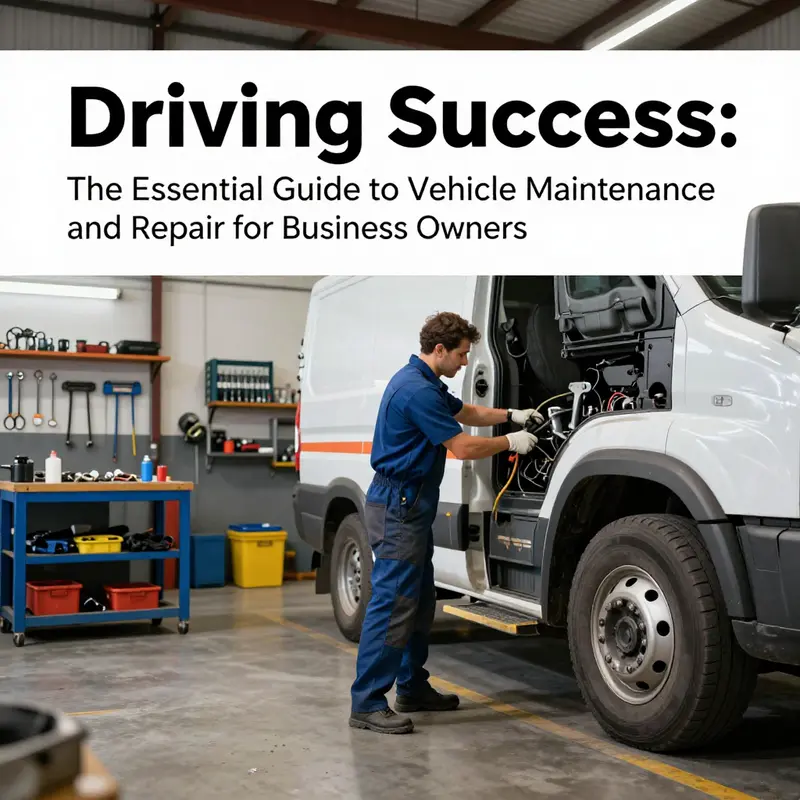
Maintaining a vehicle is rarely about one dramatic repair or one grand overhaul. It is a continuous, integrated practice that centers on prevention as much as cure. The preventive approaches described in this chapter form a cohesive philosophy: care for the car today to prevent trouble tomorrow. This view recognizes that a vehicle is a complex system of interdependent parts, each with its own lifespan, wear patterns, and failure modes. When approached with foresight, maintenance becomes less about chasing failures and more about orchestrating reliability, safety, and long-term value. In this sense, preventive maintenance is not a mere schedule of chores but a strategic habit that aligns mechanical health with daily safety and overall driving confidence. To understand the logic more deeply, imagine maintenance as the rhythm of care that keeps a vehicle in tune, much as regular exercise sustains a body’s strength. The payoff is not only fewer breakdowns but also smoother operation, better fuel efficiency, and a higher resale price due to a verifiable history of proactive care. As the National Highway Traffic Safety Administration notes, regular upkeep reduces the risk of accidents caused by mechanical failure and extends a vehicle’s life. That warning is not a scare tactic; it is a practical reminder that preventive care pays dividends over time. For readers who want to anchor preventive thinking in a broader frame, exploring discussions like What is vehicle maintenance? can ground the daily practices in a larger narrative about ownership responsibility and car health.What is vehicle maintenance?
The core principles of preventive approaches are simple to state and powerful in practice. First is regular scheduled maintenance, a disciplined cadence that follows the vehicle maker’s guidance and balances between time and mileage. Second is condition-based maintenance, a more dynamic practice that uses real-world data to decide when service is truly needed rather than when a calendar or a mileage marker says so. Third is proactive component replacement, replacing parts before they fail in a way that protects the engine and other vital systems from collateral damage. Fourth is driver education and habits, recognizing that responsible operation and awareness are essential to extending component life. Each principle complements the others, and together they form a robust, adaptable framework for any vehicle, whether a daily driver, a family-hauler, or a light commercial fleet.
Regular scheduled maintenance remains the backbone of preventive care. It is the most common form of prevention because it is predictable, scalable, and relatively straightforward to implement. Manufacturer service intervals, often expressed in mileage or time units, set a baseline for service tasks. These tasks typically include fluid changes for oil, transmission fluid, coolant, brake fluid, and, when applicable, power steering fluid. They also encompass filter replacements—air filters, cabin filters, and fuel filters—that protect the engine and improve air quality inside the vehicle. In addition to fluids and filters, scheduled maintenance emphasizes inspections of wear-prone components such as brakes, tires, belts, hoses, and suspension parts. It is during these checks that a technician can spot subtle signs of wear, such as a brake rotor beyond its effective thickness, a leaking hose, or a belt starting to crack. The goal is to catch these signs early while parts are still inexpensive to replace and while the vehicle remains safe to drive. This approach also extends to systems that may seem distant from daily drive quality, such as the cooling system, battery and electrical wiring, exhaust, and emission-related components. A well-executed scheduled maintenance plan translates into a smoother-running engine, more predictable performance, and less risk of an unexpected breakdown that could compromise safety.
A second pillar, condition-based maintenance, takes the loom of routine service and weaves in the real-world data gathered from sensors, diagnostic tools, and routine driving. It reframes maintenance from a fixed calendar into a responsive practice that meets the vehicle where it is. This approach, sometimes labeled predictive maintenance, relies on monitoring the actual condition of critical components. If data shows a developing issue—such as deteriorating oil quality, rising brake wear indicators, or cooling system pressures drifting from the normal range—service is recommended before the failure manifests as a breakdown. The beauty of CBM lies in its efficiency: it focuses attention and resources on parts that are showing a sign of wear, potentially extending service intervals when oil or other fluids still demonstrate healthy performance. The oil condition example illustrates the concept well: if analysis reveals that the oil’s protective properties persist beyond the standard change interval, the interval can be extended without sacrificing engine health. When CBM is implemented thoughtfully, it reduces unnecessary maintenance while preserving reliability, and it is particularly valuable in environments with variable driving patterns, such as long highway trips interspersed with short urban runs.
Proactive component replacement resonates with the practical wisdom of anticipating wear patterns that follow known life cycles. Some parts simply have finite lifespans that, if neglected, can lead to cascading failures. Timing belts, serpentine belts, certain rubber hoses, and other wear-prone items are typical candidates for proactive replacement according to manufacturer guidance or observed wear trends. The rationale is straightforward: replacing a belt or hose just before it fails eliminates the risk of sudden engine or accessory drive problems. This is not about chasing an arbitrary replacement schedule; it is about replacing parts in alignment with their known failure patterns and ensuring the system remains protected. The consequences of misjudging a failed belt or ruptured hose can be severe, ranging from engine overheating to loss of power assistance or electrical charging. By planning these replacements ahead of time, the maintenance plan stays cost-effective and minimizes the chance of unexpected downtime. In practice, proactive replacement often becomes part of a broader maintenance strategy for high-mileage vehicles or fleets, where preventive decisions line up with downtime planning and total cost of ownership assessments.
The fourth pillar, driver education and habits, acknowledges that the best maintenance plan can be undermined by how a vehicle is used. Driving style, trip patterns, and attention to dashboard warnings influence wear as much as the quality of parts and the regularity of service. Aggressive acceleration, excessive idling, and frequent short trips create conditions that accelerate wear on engines, transmissions, and exhaust components. Conversely, smooth acceleration, steady speeds, and timely responses to warning lights help prolong life. Driver education should emphasize simple practices: reporting unusual noises or vibrations early, acknowledging that a lamp on the dash is not just a nuisance but a signal that something needs attention, and building a habit of checking fluid levels, tire pressures, and lights on a pre-drive basis. This human factor completes the preventive loop, reinforcing that preventive care is not a mechanical ritual alone but a partnership between vehicle, owner, and technician.
The advantages of preventive approaches extend beyond the immediate reduction in breakdowns. Regular maintenance contributes to a safer driving experience by keeping braking systems, steering, lighting, and tires in optimal condition. It enhances fuel efficiency and performance through cleaner filters, properly inflated tires, and a well-tuned engine, which translates to lower running costs and reduced emissions. Preventive care also preserves resale value; a well-documented maintenance history reassures buyers and can justify a higher price. In sum, preventive maintenance is a strategic investment in reliability, safety, efficiency, and future value. The essence of this approach is to shift from a reactive mindset—fix it after it breaks—to a proactive one that emphasizes reliability and consistent performance.
Implementation of preventive care benefits from a thoughtful, integrated plan. A practical way to start is to align the maintenance schedule with the owner manual’s guidance while also recognizing that real-world driving can diverge from idealized usage. A simple, robust approach begins with a centralized record of all service events, including dates, mileage, and service descriptions. Such a log makes it easier to track intervals, identify patterns, and negotiate with technicians who will perform the work. For CBM, modern diagnostic tools and onboard data streams can be used to flag when a part needs attention. A practical note for readers is that not all vehicles or driving patterns will support significant CBM improvements, but even modest data-informed decisions can improve reliability and lower long-term costs. The economic argument for preventive care often hinges on the contrast between the cost of routine service and the expense of major repairs or unscheduled downtime. A timing belt failure, for example, can ruin an engine and trigger far more expensive repairs, while a routine belt replacement is a predictable, manageable expense. When considering the total cost of ownership, preventive maintenance frequently proves itself as a prudent, financially sound strategy rather than a mere maintenance expense.
The communication between owners and technicians is another critical element. The owner manual, a repository of vehicle-specific guidance, should guide decisions on fluids, service intervals, and replacement parts. Yet a knowledgeable technician can translate the manufacturer’s criteria into a tailored plan that matches the owner’s actual driving profile. In this light, preventive maintenance becomes a collaborative effort: the vehicle tells its story through data and symptoms, and the owner and technician respond with informed, timely actions. This collaborative model helps to maintain the vehicle’s technical condition while ensuring that the owner remains confident behind the wheel. As preventive maintenance practices mature, they begin to form a narrative that participants can understand and trust, rather than a checklist that feels arbitrary or optional.
A broader perspective links preventive maintenance to daily driving realities. Driving is not a static activity; it changes with seasons, traffic conditions, and geographic realities. A routine that works well in a mild climate and light traffic may require adjustments in harsher environments or for vehicles used in rugged conditions. In locations with extreme temperatures, for instance, cooling systems, battery health, and tire performance require particular attention. Conversely, in areas with high humidity or salty roads, corrosion prevention and brake system maintenance gain priority. A resilient preventive program recognizes these regional and seasonal variations, and remains flexible enough to adapt to the driver’s evolving needs. It also remains anchored in the principle that small, consistent actions over time yield the largest returns. Replacing a small filter or inspecting a brake pad early may seem minor, but those small actions accumulate into meaningful improvements in safety and reliability.
The social and cultural dimension of preventive maintenance should not be overlooked. Vehicle owners who develop a routine of proactive care often experience reduced stress and greater peace of mind. They do not worry about the next trip or the status of their vehicle in a traffic stop; they know the vehicle is in good shape, and they have documentation to prove it. This psychological benefit is part of the value proposition of preventive care: it transforms maintenance from a reactive obligation into a confident practice that supports daily life. And because maintenance history is increasingly accessible, those who adopt preventive strategies can communicate their vehicle’s health with prospective buyers, lenders, or insurers, further reinforcing the value of ongoing care.
In practice, a well-designed preventive program not only schedules fluid changes and inspections but also integrates data-informed decisions with a driver’s day-to-day life. It benefits from clear, simple messages and a plan that can be explained in plain language to any driver. It avoids jargon and replaces it with meaningful indicators: a certain interval for replacing a filter, a warning light worth heeding, or a dashboard readout that calls for a diagnostic check. This clarity makes preventive maintenance accessible to a broad audience and increases the likelihood that owners will adopt and sustain the practices needed for long-term vehicle health.
Ultimately, preventive maintenance is about stewardship. It asks owners to treat a vehicle as a long-term asset that serves daily needs while also bearing the costs of time, care, and occasional investment. The payoff is multi-faceted: fewer roadside emergencies, safer operation, lower ongoing costs, and a stronger sense of confidence behind the wheel. It is in this light that preventive approaches are not merely methods but a philosophy—a way of aligning human behavior with the complex engineering that makes modern vehicles possible. The practical takeaway is that prevention is a form of respect for the machine and for the people who depend on it every day. This perspective invites readers to embrace the preventive mindset as a standard habit rather than a temporary program, ensuring that each mile traveled reflects careful, deliberate care rather than urgent, last-minute fixes. For readers seeking a foundational understanding of maintenance principles, the ideas outlined here connect with broader discussions of vehicle care and can be explored further through basic introductions such as What is vehicle maintenance? as a starting point for developing a durable, proactive approach to car health.
External resource for deeper context on maintenance practices and road-safety implications: https://www.nhtsa.gov/road-safety/vehicle-maintenance
Beyond the Surface: Corrective Measures that Restore, Protect, and Prolong Vehicle Health

Corrective measures in vehicle maintenance and repair are not merely a fallback for when things go wrong. They are an essential counterpart to preventive care, a disciplined set of actions that restore a vehicle’s health after wear, diagnose and address emerging faults, and strengthen its long-term reliability. In practice, corrective work ranges from quick-fix tasks that keep a car on the road today to meticulous, data-driven interventions that avert costly failures tomorrow. The centerpiece of a robust corrective strategy is a shift from reactive, ad hoc fixes to a coordinated, disciplined process that treats maintenance as a lifecycle discipline rather than a series of isolated repairs. To frame this shift, one can begin with a clear understanding of what maintenance is, what repair entails, and how modern practices weave these elements into a coherent system. For readers seeking a foundational overview, a concise, accessible reference on vehicle maintenance provides a useful entry point: the idea that maintenance encompasses routine, scheduled actions designed to preserve performance, safety, and longevity, while repairs address issues that arise despite those routines. See the overview available at the linked resource for a concise primer on maintenance concepts.
In contemporary practice, corrective measures start with capturing data as the vehicle moves through its daily life. A Digital Vehicle Management System (DVMS) sits at the heart of this approach. Unlike paper logs or scattered spreadsheets, a DVMS provides a centralized, digital record of every aspect of the vehicle’s lifecycle. Real-time monitoring—enabled by GPS data, telematics sensors, and onboard diagnostics—unfolds a continuous stream of information about location, fuel consumption, engine health, and driving behavior. This real-time visibility is essential for moving from a purely reactive stance to a proactive one. When a sensor flags an anomaly, the DVMS aggregates evidence from multiple sources, enabling maintenance teams to interpret the symptom contextually rather than in isolation. A low oil pressure reading, for example, can be a symptom of a simple issue like a faulty sensor, or a more serious problem such as worn bearings or a failing pump. Without the broader data picture, the risk is either a needless replacement or a missed early warning that could escalate into a breakdown. The DVMS, therefore, acts as a cognitive amplifier—transforming scattered data into actionable insight.
Predictive maintenance is not a fantasy of the future; it is a practical, data-driven capability that emerges when the DVMS’s analytics are paired with disciplined maintenance practices. Predictive maintenance uses historical patterns, component wear data, and real-time operating conditions to forecast when a part will fail or when efficiency will degrade, and it schedules intervention just before a fault reaches a critical point. This approach reduces unplanned downtime and stretches the life of engineered systems. It can alert teams to subtle trends—slightly rising exhaust gas temperatures, gradual increases in brake fluid leakage, or a gradual shift in fuel economy—that, in the past, might have gone unnoticed until a failure occurred. The result is not only fewer emergencies but also more effective budgeting. Centralized cost transparency, another feature of DVMS, consolidates parts, labor, and downtime into a single, accessible ledger. Managers can see total cost per vehicle over a given period, compare repair versus replacement scenarios, and plan for capital expenditures with greater confidence. The outcome is a maintenance ecosystem where decisions are driven by data rather than by anecdote or luck.
A well-implemented DVMS does more than log events; it creates a shared lens of responsibility across drivers, technicians, fleet managers, and owners. When a vehicle technician opens the DVMS, they encounter a structured diagnostic trail that records symptoms, sensor readings, diagnostic trouble codes, and the technician’s interpretation. The system can guide the technician to manufacturer-recommended procedures, ensure that torque specifications are applied precisely, and verify that parts are OEM or equivalents meeting defined standards. This digital backbone also supports post-repair verification. After a repair, the DVMS can prompt a test drive checklist, push diagnostic scans, and require a four-wheel alignment check when necessary. In scenarios where repairs are shared across multiple vehicles or fleets, standardized digital templates ensure consistency and repeatability. The net effect is a culture where uptime is optimized and quality is verifiable.
A second pillar of corrective practice is the establishment of standardized repair procedures. Inconsistent processes create variation in outcomes, lengthen repair times, and introduce safety hazards that are hard to track across teams. A standardized repair workflow begins with accurate diagnosis—employing professional diagnostic tools and manufacturer-specific procedures to identify the root cause. This step matters because a misdiagnosis inevitably leads to rework, wasted parts, and the risk of returning a vehicle to service with the underlying problem unresolved. Diagnostics are not a one-and-done activity; they are part of a structured sequence that leverages calibrated tools, recent service bulletins, and the knowledge embedded in the DVMS.
From diagnosis, the repair plan is crafted. The plan delineates the required parts with part numbers, the estimated labor hours, the precise sequence of steps, and, crucially, the torque specifications for fasteners and the alignment tolerances for the subsystem under repair. A well-scoped plan reduces the chance of scope creep and ensures that the team has the necessary tools, parts, and references before work begins. The execution phase follows the plan with disciplined rigor. Technicians work with calibrated instruments, install high-quality components, and adhere to the accepted standards of practice. This includes using OEM or equivalent parts that meet performance and safety specifications, and adhering to torque values to prevent over-tightening or under-tightening that could compromise safety or function. Verification and feedback complete the cycle. After the repair, a thorough post-repair inspection is conducted—often including a test drive and a system-wide diagnostic scan—to confirm operation within specification. Feedback from the operator or driver is captured to refine future repair processes and close the loop on continuous improvement. The value of standardized procedures lies in predictability: more consistent repairs, reduced rework, and a safer, more reliable vehicle.
Across both data-driven management and standardized repair workflows, the element that underpins success is a disciplined emphasis on safety and professionalism. The repair environment is inherently hazardous. A rigorous safety culture protects technicians, drivers, and bystanders, and it also preserves the integrity of the repair work itself. Pre-repair safety begins with securing the vehicle on proper jacking points, using jack stands where appropriate, and verifying that all systems are stable before any component removal. Tool calibration, especially for torque wrenches, is not a nicety but a necessity. PPE is non-negotiable: gloves, safety glasses, and clothing appropriate to the work. For some procedures, additional precautions are warranted. For example, when replacing components in brake or suspension systems, specific steps protect against fluid splashes, flying debris, and the risk of sudden, uncontrolled movement. In practice, this means close attention to brake fluid reservoir handling, careful use of spring compressors, and ensuring no residual energy remains in coils or torsion components. Post-repair verification is equally important. After major interventions, especially on critical systems like brakes, steering, or suspension, technicians perform a full diagnostic scan, verify system readiness, and confirm that all fasteners are torqued to specification. A four-wheel alignment may be necessary to guarantee handling characteristics and tire wear are within design expectations. Safety, in this sense, is a process that begins before work begins and continues through the vehicle’s return to service.
The third thread in corrective strategy emphasizes adherence to manufacturer guidelines and preventive maintenance schedules. Manufacturer guidance is not an optional addendum; it is the foundation of warranty protection, performance expectations, and long-term reliability. Deviating from the prescribed maintenance intervals risks warranty voidance and a higher likelihood of premature failures. The corrective mindset here is proactive rather than reactive: if the owner’s manual specifies oil changes every six months or 5,000 miles, that cadence remains the baseline. If a fault is detected, even one that seems minor—like a small leak or a dashboard warning light—attention should be prompt. Small issues escalate when ignored, turning manageable problems into major repairs. Part of manufacturer adherence is also understanding fuel and lubrication guidelines. Avoiding common myths—such as the belief that more frequent oil changes always yield better protection or that higher octane fuel universally enhances performance—helps maintain a rational maintenance plan. The right fuel grade and service intervals, defined by the manufacturer, preserve engine health, protect emission systems, and maintain efficiency. The objective is not to chase a mythical “better-than-best” schedule but to implement a schedule and practice that align with the vehicle’s design, operating environment, and usage patterns.
Choosing the right maintenance partner to execute these corrective practices is not a decision best left to chance. The market contains a spectrum of capabilities, from shops with basic diagnostic tools to facilities with advanced OEM-level equipment and specialized training. The selection criteria should emphasize qualifications, transparency, and the ability to handle your specific vehicle profile, including electric or hybrid systems where applicable. Certification matters: ASE-certified technicians are a strong signal of professional competence, while a shop’s reputation can reflect consistency and reliability over time. Technical capabilities are equally important: a partner should possess the latest diagnostic equipment, access to current service bulletins, and training that covers the broad spectrum of modern vehicles, including electrified powertrains that require careful handling and state-of-the-art diagnostics. Transparency in estimates and communications is essential: a reputable shop will provide a detailed written estimate, describe why a repair is needed, outline the parts to be used, and explain the expected labor scope. Finally, the choice of partner is not just a technical decision but a relationship built on trust and accountability. A high-quality maintenance partner will document work thoroughly, maintain open lines of communication, and welcome questions from drivers or fleet managers who want to understand the repair’s rationale and implications for vehicle availability and total cost of ownership.
Taken together, these corrective measures—digital lifecycle management, standardized repair procedures, unwavering safety and professionalism, strict adherence to manufacturer guidance, and careful selection of qualified partners—form a cohesive framework that elevates vehicle maintenance from an occasional fix to an integrated operational discipline. In practice, the payoff is multifaceted. Downtime can be reduced as diagnostics quickly converge on root causes, and repairs are executed with predictable accuracy. The quality and consistency of work improve because every repair follows the same, clearly defined steps, leaving less room for error. Financial planning becomes more reliable as costs are tracked in a centralized system, with explicit visibility into parts, labor, and downtime. Safety outcomes improve because every phase of the process—preparation, execution, and verification—follows well-defined safety protocols and uses appropriate PPE and equipment. And perhaps most importantly, vehicles stay safer and more reliable on the road, which translates into lower risk of accidents caused by mechanical failure, better driver confidence, and longer vehicle lifespans.
In the broader arc of vehicle care, corrective measures complement preventive routines by ensuring that a car not only survives day-to-day operation but also remains a capable, dependable asset across years of service. The integration of digital data, standardized processes, and professional accountability creates a virtuous cycle: reliable data informs better decisions, better decisions yield better repairs, and better repairs sustain performance and safety. This cycle is not abstract theory; it is a practical, repeatable workflow that fleets and individual owners can adopt. The chapter’s grounding idea remains simple yet powerful: maintenance is not merely about avoiding breakdowns; it is about knowing when and how to intervene to preserve the vehicle’s health, efficiency, and safety over time.
To connect this corrective framework with a fundamental understanding of what maintenance means, consider how preventive maintenance and corrective maintenance interact in a typical life cycle. Preventive tasks—oil changes, filter replacements, brake inspections, tire rotations—create a baseline of reliability and performance. Corrective work, when needed, then leverages precise diagnostics, rigorous planning, and disciplined execution to restore and, ideally, improve upon the baseline. A well-balanced program does not let small issues fester into expensive failures, nor does it treat every anomaly as an immediate emergency. Instead, it uses data-driven signals, manufacturer guidance, and professional judgment to determine the appropriate response time and scope for repair, always with an eye toward safety, compliance, and total cost of ownership. This approach allows drivers to rely on their vehicles for daily life while offering organizations a framework for predictable maintenance budgets and improved vehicle readiness.
As you move forward with corrective measures in your own maintenance practice, remember that the path to reliability is not a single action but an integrated system. The DVMS provides the eyes and memory; standardized repair procedures provide the hands and steps; safety and professionalism provide the guardrails; manufacturer guidelines provide the compass; and a qualified partner provides the accountability. When these elements align, vehicle health becomes a measurable, manageable asset rather than a recurring uncertainty. For readers seeking a concise entry point into the broader topic of maintenance, the linked overview offers a clear, accessible description of what vehicle maintenance encompasses and why it matters. What is Vehicle Maintenance
In closing, the corrective dimension of VM&R is not about replacing preventive care with fixes; it is about recognizing that even well-tuned preventive programs require responsive, well-executed interventions. The most effective fleets and drivers approach corrective work as a strategic capability—one that combines data intelligence, disciplined process design, and a culture of safety. When this capability is in place, maintenance becomes a powerful driver of safety, performance, and longevity, not a constant drain on time and resources. The goal is straightforward: keep the vehicle in its optimal condition, protect the people who rely on it, and extend its useful life through thoughtful, well-executed corrective actions.
External resource: https://www.nhtsa.gov/vehicle-safety
null
null
Final thoughts
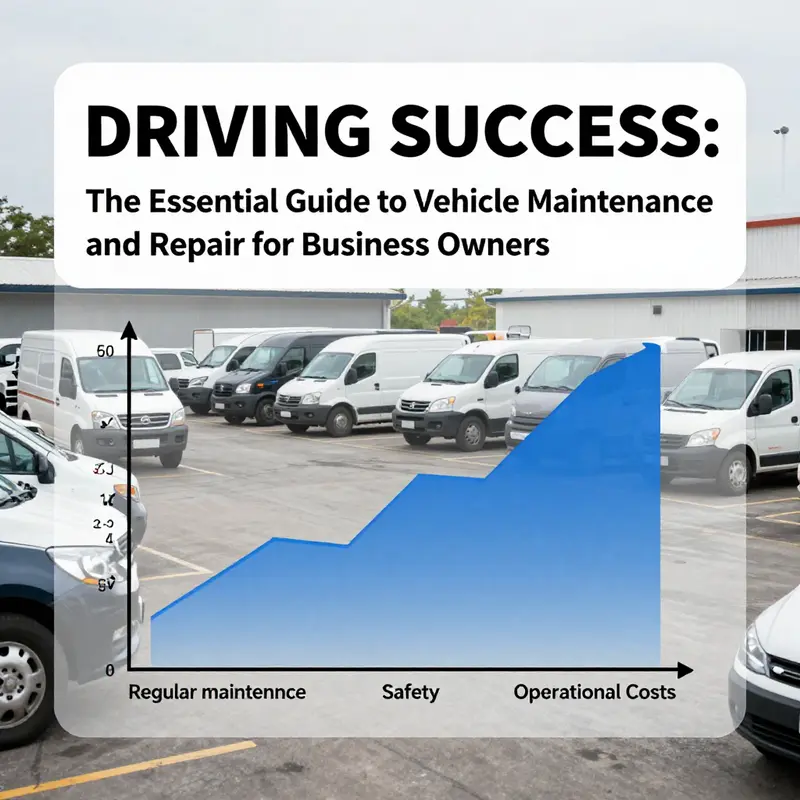
In summary, the importance of vehicle maintenance and repair cannot be overstated for business owners relying on a fleet for operations. Preventive approaches not only help to avoid unexpected costs but also enhance safety, while corrective measures ensure reliability when issues arise. Understanding the economic and safety implications of these practices enables owners to take proactive steps in protecting their investment. By prioritizing a comprehensive vehicle maintenance program, businesses can ensure their vehicles operate at peak performance, reducing long-term costs and enhancing road safety.