

As a business owner, maintaining your vehicle’s reliability is critical for operational efficiency and success. The scheduled maintenance warning on your dashboard is a key alert that signals when your vehicle requires service, ensuring peak performance and safety. This article explores the nuances of scheduled maintenance, focusing on its importance, essential components, and actionable steps to address alerts. In doing so, it aims to empower you with the knowledge necessary to maximize your vehicle’s lifespan and uphold your business commitments.
Decoding the Dashboard: What Scheduled Maintenance Really Means for Your Vehicle

The moment you glance at the dashboard and spot a maintenance indicator, a quiet question asks to be answered: what does this really mean for my car, and how should I respond? The answer is practical, not mysterious. Scheduled maintenance is the routine care the manufacturer recommends at specific milestones—either by distance traveled or by the time that has passed since the last service. It is built into the vehicle’s design to protect the engine, preserve safety, and extend the life of components that keep the car reliable. Think of it as an annual checkup for a person, but tuned to the car’s own rhythms. The maintenance light is not a random alert; it is a carefully calibrated signal from the onboard computer that your car’s systems are due for inspection, topping up, and sometimes replacement of elements that wear with use. When you respond promptly, you keep the vehicle closer to its designed performance envelope and reduce the chances of unexpected problems appearing on the road. It is a practical habit that translates into smoother driving, lower operating costs over time, and a higher likelihood that your car will meet or exceed its expected lifespan. To explore a concise overview of what vehicle maintenance encompasses, you can read more at what is vehicle maintenance.
The logic behind the scheduled maintenance system is straightforward, even if the details feel technical at first glance. Manufacturers specify maintenance windows based on two reliable measures: mileage and elapsed time. Mileage thresholds are the most familiar to drivers—intervals like every 5,000, 7,500, or 10,000 miles, depending on the model and the engine design. These thresholds bundle several routine tasks that, together, preserve lubrication, filtration, airflow, tires, brakes, and the overall integrity of the drivetrain. Time-based reminders acknowledge a truth often overlooked: fluids degrade in our cars even if the vehicle isn’t driven a lot. Static storage, heat cycles, and the slow onset of oxidation or viscosity changes can affect components just as much as miles do. Even if you drive less, a six-month or annual schedule helps ensure that fluids and seals aren’t silently losing their protective properties. A third factor that can trigger the warning is practical, and sometimes frustrating: after a service, if the maintenance light isn’t reset, the system will continue to display the alert. This keeps the signal honest: it’s a reminder that the maintenance was due again, which helps you avoid slipping back into a neglected maintenance cycle.
When the light comes on, it typically signals a tier of tasks that together form a comprehensive checkup rather than a single item you can scribble off a list. A central task—oil and filter change—considers engine health first. Engine oil lubricates, cools, and cushions the moving parts; over time it breaks down and becomes laden with contaminants. The oil change is the anchor of scheduled maintenance because clean oil is foundational to minimizing wear and maintaining efficient lubrication. The specifics matter: the recommended oil type—whether conventional, synthetic blend, or full synthetic—depends on the engine’s design and the manufacturer’s guidance. Using the correct oil ensures optimal viscosity, protective film strength, and residue control. The oil filter accompanies this service, capturing particles that could otherwise circulate and abrade bearings and chambers. Belts and hoses near the engine also deserve a careful look during these visits, since cracks, glazing, or separation can hint at potential failures that could cause a breakdown or unexpected repairs down the road.
Beyond the oil, a typical maintenance visit includes a proactive review of the intake air system. The air filter is essential for delivering clean air to the combustion chamber, and a clogged filter can impair engine performance and fuel efficiency. A routine inspection or replacement of the air filter, sometimes accompanied by a cabin air filter check, helps ensure the interior air quality and engine breathing are both optimized. The tires, too, often feature on the maintenance agenda. A tire inspection considers tread depth, sidewall condition, and general wear patterns, while tire pressures are checked to manufacturer specifications. Adequate inflation contributes to handling, braking response, and fuel economy, and it also extends the life of tires by promoting even wear. The service window typically touches on the vehicle’s fluids as a whole: brake fluid, coolant, transmission fluid, power steering fluid, and windshield washer fluid. These checks aren’t only about the obvious needs of the moment; they are about preserving the integrity of the hydraulic circuits and cooling loops that keep the vehicle predictable and safe.
The electrical system is another frequent focus, with attention to the battery’s health, charging state, and terminal connections. A healthy battery is more than a starting aid; it powers the sensors and computers that manage everything from cruise control to anti-lock brakes. A thorough brake system inspection follows, examining pads, rotors, and fluid levels because braking is a safety-critical function. In conjunction with these inspections, technicians often evaluate wear on belts and hoses for signs of cracking or tension loss, which can herald imminent issues.
Understanding the practical rhythm of these tasks helps you see why the maintenance light exists. It isn’t a sign of an emergency; rather, it is a structured prompt telling you that the car’s critical systems deserve attention at regular intervals. The goal is preventive care: catching minor issues before they become costly repairs, preserving performance, and protecting safety across every drive. The light’s urgency hinges on the context: an oil change is urgent if the oil is degraded or the level is dangerously low; air and cabin filters, tires, and fluids benefit from timely attention but may not demand the same immediacy as an engine oil condition concern.
To address the warning, start with the owner’s manual. It is the most reliable source of tailored guidance for your specific make, model, and year. The manual translates the generic concept of maintenance into a concrete plan: what to check, when to check it, and what signs warrant additional attention between scheduled services. Once you’ve consulted the manual, the next practical step is to schedule a service appointment. A dealership or a trusted independent mechanic can perform the mandated inspections and replacements, resetting the maintenance indicator afterward if required by your vehicle’s design. It’s worth noting that the reset procedure can differ significantly by brand and model. Some modern vehicles incorporate reset steps into the infotainment or instrument cluster menus, while older models might require a specific button sequence or a test-drive to confirm the system acknowledges the completion of service. The caution is simple: do not attempt a manual reset unless you have the exact procedure for your car. A misstep could distort the system’s future reminders or, in rare cases, affect other onboard functions that rely on the correct maintenance status. If you’re unsure, the safest course is to rely on the manual or seek professional assistance.
A special note for the oil warning within the maintenance message is worth emphasizing. If the display shows a specific oil icon—often a tiny oil can—paired with the maintenance reminder, this signals a more urgent condition related to engine oil. It usually means the oil is either at a critically low level or degraded beyond its safe operating limit. In such a case, you should check the oil level immediately, top up if necessary, and arrange a service as soon as possible. Driving with compromised oil can accelerate wear, impair lubrication, and increase the risk of overheating, especially under heavy load or high-temperature conditions. This signal is distinct from the broader maintenance reminder, and it deserves prompt action to protect the engine’s longevity.
The broader value of scheduled maintenance extends beyond immediate safety and reliability. Regular, timely service helps prevent unexpected breakdowns that can strand you at inconvenient times. It also tends to improve fuel efficiency, because engines operating with clean oil, properly inflated tires, and well-maintained air and fuel systems perform more efficiently. Components that are tuned, lubricated, and inspected on a regular cadence often last longer, which translates into lower replacement costs and a higher likelihood of preserving the vehicle’s value over time. A robust maintenance history can become a selling point when you decide to trade or sell, because it demonstrates responsible ownership and mechanical stewardship. In other words, scheduled maintenance is an investment in reliability and resale value as much as it is a safeguard for your daily driving.
Staying on top of maintenance requires a practical system you can live with. Start by consulting the owner’s manual for the official schedule, but don’t rely solely on it if your driving is atypical. People who regularly haul heavy loads, drive in extreme heat, or operate in very cold climates may find that some service intervals need to be adjusted. Built-in reminder systems in modern cars are a helpful guide, yet they work best when complemented by a personal service log. A simple record of when services were performed, what was replaced, and the mileage at the time of service makes planning easier and reduces the chance of missing an important interval. Some drivers keep digital logs, while others prefer a physical notebook stored with the vehicle’s manuals. The key is consistency: treat maintenance as a recurring appointment with your car, not a reaction to a problem after it occurs.
An integrated approach to maintenance also means recognizing that the list of tasks can vary by manufacturer, model, and year. The basics—oil changes, filter replacements, tire checks, and fluid levels—are common to most vehicles, but the exact intervals and the additional items that appear on a given service sheet can differ. This variation reflects engineering and design decisions that optimize performance for a specific engine and chassis combination. When you investigate a maintenance schedule, look for the guidance that matches your exact vehicle. If you’re ever in doubt, your service provider can explain which tasks are essential at your current milestone and which items are recommended for future visits. The overarching principle remains the same: regular, informed maintenance reduces risk, sustains performance, and protects your investment.
For many drivers, the most practical path is to treat scheduled maintenance as a collaborative process with your vehicle. The car’s onboard reminders, your understanding of how you drive, and your mechanic’s expertise combine to form a steady rhythm of care. If you’re curious about the larger context of vehicle care and how it fits into everyday life, consider the broader framework of maintenance knowledge that helps people stay informed and confident on the road. Keeping a service log, noting any anomalies observed between visits, and scheduling ahead for next-year or next-interval needs can prevent last-minute scrambles and lost days waiting for repairs. By embracing this approach, you are not merely responding to a warning light; you are cultivating a reliable habit that supports safety, efficiency, and value over the long run.
In this sense, the scheduled maintenance warning is less a single alert and more a signal of ongoing partnership with your vehicle. It invites you to acknowledge the car’s needs as it endures the miles and seasons with you. The internal systems you rely on—from the lubrication the oil provides to the braking that protects you and others on the road—benefit from timely attention. And as you incorporate the maintenance schedule into your routine, you’re creating a predictable rhythm that makes driving less stressful and more dependable. The payoff is not just a healthier engine or a quieter ride; it is the confidence that comes with knowing you have done what is necessary to keep your car in safe, reliable working condition.
Finally, as you explore maintenance options, remember that quality of service matters as much as timing. A competent technician who follows the manufacturer’s recommended procedures and uses the correct parts can make a significant difference in how well the maintenance holds up over time. If you need authoritative guidance, you can consult reputable sources that offer practical tips on keeping a vehicle in good condition. This chapter’s discussion aligns with the broader understanding that scheduled maintenance is a proactive, ongoing commitment rather than a one-off chore. It is part of the daily discipline of responsible vehicle ownership that contributes to safety, efficiency, and long-term value. For readers seeking additional practical insights, Consumer Reports’ vehicle maintenance tips provide further context on how to approach maintenance with clarity and confidence: https://www.consumerreports.org/cars/vehicle-maintenance-tips-a246912/.
In closing, the scheduled maintenance warning is a gateway to a more deliberate and informed relationship with your vehicle. It signals opportunity—to replace worn parts before they fail, to verify fluid integrity before performance dips, and to protect your investment as you navigate the road ahead. By following the manufacturer’s guidance, staying aligned with the maintenance schedule, and using a flexible, proactive approach to your driving needs, you can enjoy safer trips, steadier fuel efficiency, and a vehicle that continues to serve you well for years to come.
Reading the Dashboard: The Hidden Anatomy of Scheduled Maintenance for Your Vehicle
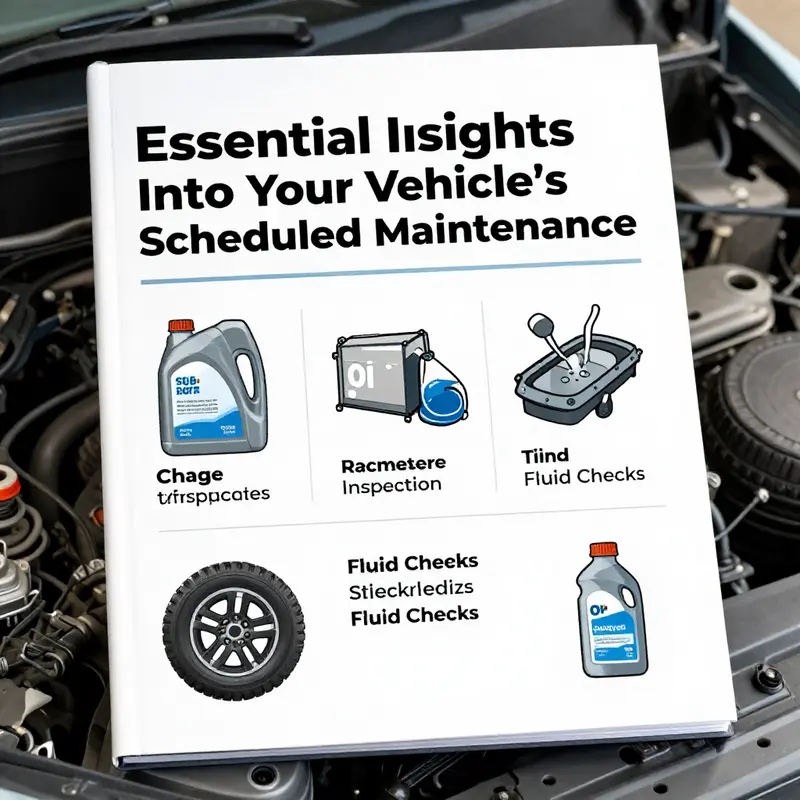
The moment you see a maintenance light flicker to life on your dash, you’re not looking at a vague suggestion. You’re looking at a precise, manufacturer-designed reminder that your car needs care—care that preserves performance, safety, and longevity. Scheduled maintenance is not a single checklist item. It is a carefully orchestrated program that blends time, miles, and the car’s own condition signals into a personalized service blueprint. When you lean into that blueprint, your vehicle rewards you with smoother operation, lower operating costs, and fewer surprises on the road. The light itself is a compass, pointing you toward the tasks that keep the engine, the cooling systems, the tires, and the fluids in balance. To read it correctly, you must understand not just what the light means in one moment, but how the vehicle’s life story is being read by its onboard systems. In that sense, scheduled maintenance is less about chasing a fixed calendar and more about listening to the car’s own narrative as it unfolds with every mile and every season.
At its core, the scheduled maintenance warning is generated by a calculation that considers both mileage and elapsed time since the last service. Manufacturers embed a schedule that reflects how components wear with use and how fluids degrade with age. This is why the light often triggers at a mileage threshold—say every 5,000, 7,500, or 10,000 miles, depending on the model—and why, if the car sits unused for a period, a time-based reminder can still emerge. A well-programmed reminder system is proactive: it nudges you before a minor issue becomes a disruption or a more expensive repair. There is a reason the light exists in the first place. It is a safeguard for performance, safety, and long-term reliability, not a nuisance to be reset and dismissed at will.
What happens when that warning comes on varies with the make and the model, but there is a common thread across the automotive world: a scheduled maintenance visit typically involves a holistic check rather than a single service. The list of tasks is familiar, but the depth of each task can vary. An oil and filter change remains a mainstay in many gasoline-powered vehicles. The right oil—whether conventional, synthetic blend, or full synthetic—depends on the manufacturer’s specification for heat tolerance, viscosity, and engine design. The goal is to maintain proper lubrication so that metal surfaces glide with minimal wear and optimal heat management. Even in this era of advanced synthetics, the oil itself can lose its protective properties over time, so the interval is not merely a matter of mileage but of fluid condition as well.
Beyond oil, the air filter deserves attention. A clogged air filter restricts airflow into the engine, which can degrade performance and reduce fuel efficiency. This is particularly noticeable in urban driving with higher particulate exposure or in regions with heavy pollen in the air. A simple inspection or replacement at the recommended interval can yield immediate, tangible benefits in throttle response and engine breathing. The routine inspection extends to the tires as well. Tire condition and inflation are not cosmetics; they are safety and efficiency issues. Worn treads, uneven wear patterns, and improper pressures can silently erode grip, braking performance, and fuel economy. As you approach a maintenance visit, a tire inspection becomes a practical health check: tread depth, wear balance, and the air that keeps each tire performing as designed.
Fluid systems—the brakes, the coolant, and the power steering fluid—also demand a careful once-over. Brake fluid is hygroscopic, absorbing moisture over time that can lower its boiling point and reduce braking performance in demanding situations. Coolant serves as the lifeblood of the cooling system, protecting the engine from overheating. Power steering fluid ensures easy, precise steering and can reveal leaks or aging seals if left unattended. Windshield washer fluid rounds out the basic cycle of checks, ensuring visibility and safety in adverse conditions. Then there is the battery and electrical system, which in modern vehicles is not a simple static power source but a dynamic network, constantly communicating with the vehicle’s computer and sensors. A battery check is not merely about the battery’s charge; it is about health indicators, electrolyte balance, and terminal integrity. A compromised battery or corroded connections can ripple through the vehicle’s starting, charging, and electronics, sometimes causing symptoms that masquerade as more serious mechanical problems.
In this broad panorama, there is a component that deserves closer attention, even to drivers who do not think of it as a maintenance item: the radiator and the broader thermal management system. In many vehicles, especially those with sophisticated cooling networks, the radiator does more than keep the engine at an optimal temperature. It acts as the frontline guardian of performance and reliability. Over time, dust, dirt, pollen, and road grime can accumulate on the radiator fins, partially clogging the airflow that carries heat away from the engine and, in the case of electric or hybrid powertrains, from battery packs and electric motors. This buildup is not uniform. It depends heavily on your driving environment. A driver weaving through a desert corridor or a city that traps dust from construction work will see different wear and clogging patterns than someone who mostly glides along well-paved, clean highways. The impact can be subtle at first—slightly higher operating temperatures, minor reductions in efficiency, or a marginal drop in cooling capacity during peak load. If ignored, those small drifts can widen, leading to hotter engine temperatures, reduced performance, and in worst cases, accelerated wear or even thermal shutdowns in electrified drivetrains.
Because the radiator sits at the heart of the vehicle’s cooling ecosystem, modern service schedules increasingly treat radiator inspection and cleaning as a routine maintenance task in many models. The rationale is straightforward: a clean radiator supports the entire cooling chain, from the coolant circulating through the engine block or battery modules to the fans and pumps that push air and liquid through the system. If the radiator is impeded, the entire system bears the cost, with higher temperatures and compromised efficiency. In internal combustion engines, this translates into more heat stress on components like pistons and seals. In electric powertrains, the consequences can include degraded battery performance, reduced range, and shortened battery life due to elevated thermal conditions. The environmental variable—dust, pollen, or heavy seasonal debris—becomes a practical factor in deciding when to schedule a radiator service. This is why a maintenance visit may emphasize radiator inspection, cleaning, and a broader check of the cooling system’s hoses, clamps, and fluid levels.
To align with the evolving landscape of vehicle technology, many manufacturers provide real-time, usage-based maintenance guidance that is accessible directly from the vehicle’s central touchscreen. In practical terms, this means you can often access a dynamic maintenance schedule tailored to your car’s current usage, conditions, and software level. The path to this guidance typically runs through the vehicle’s on-board menu: you would navigate to Controls, then Service, and finally Maintenance. The information you see there is not a static printout; it adjusts with how you drive, the environment, and the wear signals the car’s sensors detect. However, the reliability of this real-time guidance depends on keeping the vehicle’s software updated. In the modern era, the accuracy of maintenance recommendations hinges on the software version being current. In this particular context, the system provides the most up-to-date maintenance schedule when the software version is at or beyond a specified release, for example 2024.44.25 or later. Keeping your software current ensures you receive precise maintenance prompts that reflect the latest service intervals, new diagnostic checks, and any manufacturer updates that affect the maintenance cadence.
When the maintenance warning lights up, you have a moment to act, but you should act deliberately. Start by checking your owner’s manual for the exact schedule and the recommended tasks for your model. This manual is the most reliable source for any clarifications about what the dealer or the manufacturer expects at each service interval. The practical next step is to schedule a service appointment with an authorized technician or a trusted mechanic who can perform a thorough inspection. The goal is not just to add oil or replace a filter, but to evaluate the broader system health: engine lubrication, air intake, exhaust or emissions components where applicable, braking systems, suspension connections, and the reliability of electrical systems that keep the vehicle responsive and safe.
It is also worth noting a procedural caveat that often appears in maintenance discussions: some vehicles allow the maintenance indicator to be reset after service. While a reset can be convenient, it is essential to understand that the reset process is model-specific. In some vehicles, you can reset the indicator through the infotainment system after completing the service. In others, a different sequence—sometimes involving a specific combination of button presses or a wait period—must be followed. A wrong reset can confuse the system, cause misalignment with the actual service status, or lead to missed maintenance. The safest approach is to treat the indicator as a reliable memory that records when maintenance was last performed, and only reset it after a verified service has been completed according to the manual. If you are unsure how to perform a reset, consult the owner’s guide or a qualified technician rather than attempting a trial-and-error approach.
As you consider the light’s meaning and the recommended tasks, think of the scheduled maintenance visit as more than a single stop for an oil change. It is an integrated service where the technician verifies the condition of multiple systems and addresses any issues that might not be immediately obvious. The engine oil, the filters, the air intake, the coolant levels, the brake fluids, the battery and charging system, and the tires all get assessed in one session. The radiator or cooling system—the centerpiece of heat management—receives particular attention because it often reveals environmental wear that can hamper overall efficiency. In a conventional vehicle, the focus might lean more toward oil and fuel system integrity, but the core principle remains the same: maintenance is preventive care, designed to stop minor problems from becoming expensive repairs or safety hazards.
In this broad conversation about maintenance, it is helpful to anchor your understanding in practical steps you can take today. If the warning lights up, do not wait. Schedule a service promptly and choose a facility that respects the manufacturer’s recommended procedures and fluid specifications. Bring along any service records you have, especially if you recently had work done somewhere else. This helps the technician understand what was done previously and what may need to be revisited. If you are part of a program that emphasizes digital maintenance prompts, you will likely be guided by the onboard system toward the most appropriate actions for your car’s unique needs. The real value of this approach is that it leverages data: how the car has been driven, what environments it has traversed, and how the car’s sensors interpret fluid quality, air flow, and temperature readings. This is not a guess; it is a data-informed plan rooted in your vehicle’s ongoing health profile.
For drivers curious about the broader concept of maintenance beyond the dash indicator, a useful reference point is to explore the general idea of vehicle maintenance and its purpose. See What is vehicle maintenance for a broader, accessible overview. This resource can help you translate the specific maintenance prompts you see into a bigger picture of how routine care extends the life of a vehicle, saves fuel, and preserves resale value. What is vehicle maintenance.
A final note on the practical realities of radiator care in the modern vehicle. When you hear the term radiator, think of it as part of a larger heat-management ecosystem. Dust and debris are not merely cosmetic problems; they are active contributors to heat retention that can push cooling systems past their comfortable operating envelope. The result can be higher engine temperatures, reduced efficiency, and, over time, unnecessary wear on seals, gaskets, and hoses. Routine radiator inspection and cleaning are, therefore, a sensible component of scheduled maintenance, especially if you drive in dusty areas, near construction sites, or in regions with heavy pollen or seasonal debris. The exact steps for radiator service—inspection of fins, cleaning, flushing coolant lines, and checking the condition of hoses and clamps—will vary by vehicle, but the guiding principle remains consistent: keep the cooling system clear and functioning at peak efficiency to protect the engine and the powertrain.
In practice, the integration of radiator care into scheduled maintenance reflects a broader shift in how drivers experience maintenance in the modern era. The days of waiting for a mysterious failure are fading as onboard diagnostics become more precise and as service intervals become more personalized. With software-driven maintenance schedules, your car communicates a more granular story about its needs, and you, as the driver, become the curator of that story. You learn to anticipate the next service, to prepare the vehicle for it, and to recognize the signals that indicate a deeper or unexpected problem. The light that once felt like a nuisance becomes a responsible invitation to care for your vehicle—an invitation you can answer with confidence when you know what to look for, what to ask for, and how to maintain a routine that respects both manufacturer guidance and your own driving realities.
As a practical takeaway, remember that scheduled maintenance is a proactive habit. It is not a single service event, but a cadence that supports your car’s health, efficiency, and safety over years of use. The light is not a verdict, but a call to action. Your response—via a timely appointment, a careful check of fluids, tires, and brakes, and by keeping software and manuals up to date—forms the backbone of responsible vehicle ownership. And as you grow more familiar with your car’s maintenance language, you will find that the dashboard becomes less of a mystery and more of a trusted guide guiding you toward a longer, more reliable driving life. To deepen your understanding of the maintenance landscape and to connect with broader guidance, consider exploring additional resources about vehicle maintenance. For official, model-specific guidance on maintenance practices, you can consult the manufacturer’s support resources and service documentation, which will provide details tailored to your car’s design and technology while reinforcing the general principles outlined here.
External resource: Official guidance as published by the vehicle manufacturer’s maintenance team can be found at https://www.tesla.com/support/vehicle-maintenance.
null
null
Final thoughts
Understanding scheduled maintenance is essential for business owners to ensure vehicle reliability and safety. By familiarizing yourself with the triggers, key components, and how to address alerts, you can cultivate a proactive approach to vehicle upkeep. This not only enhances your vehicle’s longevity but also plays a crucial role in maintaining smooth business operations and fulfilling customer commitments. Stay ahead by adhering to your vehicle’s maintenance schedule and leveraging professional help when needed.