
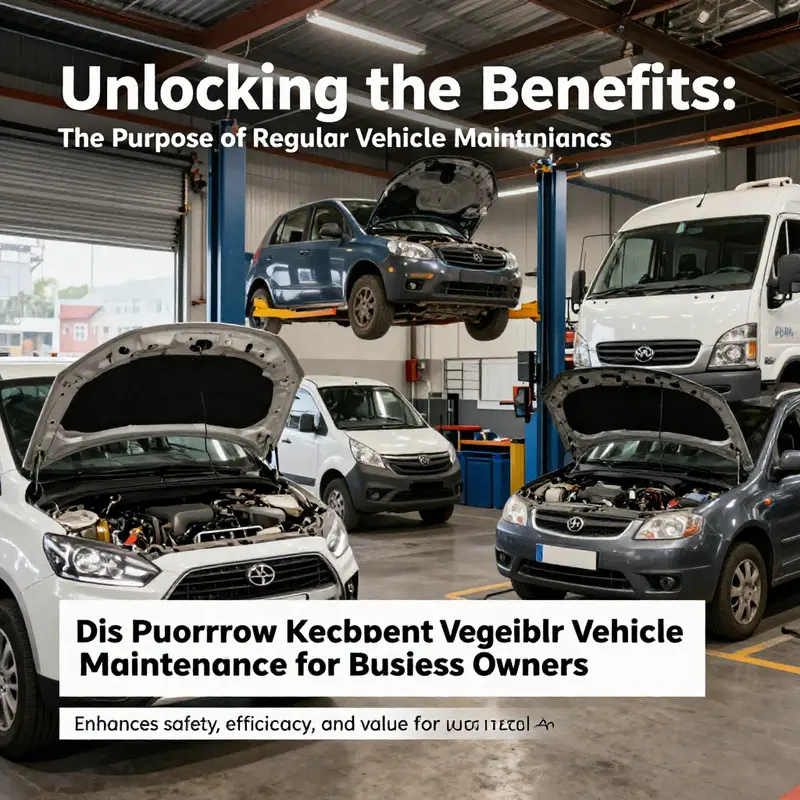
Maintaining a fleet of vehicles is not just about ensuring mobility for your business; it’s a critical investment in safety, efficiency, and cost-effective operations. Regular vehicle maintenance plays a vital role in enhancing safety, extending the lifespan of your assets, improving fuel efficiency, reducing long-term repair costs, and preserving vehicle value. For business owners, understanding the multifaceted advantages of routine maintenance is imperative for informed decision-making and optimizing operational performance. This article will delve into each of these aspects, illustrating how proactive maintenance practices benefit your business in the long run.
null
null
Longevity in Motion: How Consistent Maintenance Extends a Vehicle’s Lifespan
A car is not merely a collection of parts; it is a system designed to work in harmony over time. Regular maintenance is not a frivolous add-on to ownership but a disciplined practice that acknowledges a vehicle’s lifecycle. When done consistently, maintenance shifts from reactive repairs sparked by the next breakdown to a proactive rhythm that preserves safety, preserves performance, and preserves the investment built into the machine. The purpose of this ongoing care extends beyond the next road trip. It is about keeping the machine reliable enough to meet the unpredictable demands of everyday life while delaying the onset of major failures that can upend plans, budgets, and schedules. In essence, maintenance is a covenant between driver and vehicle, one that recognizes wear as an inescapable companion of motion and regards it as the primary driver of a long, dependable journey rather than as an inconvenient burden of ownership.
A comprehensive maintenance regimen begins with the engine’s lifeblood: oil. Modern engines rely on carefully engineered full-synthetic oils that resist breakdown and maintain viscosity across a wide temperature range. Replacing this fluid every eight to ten thousand miles, or at least once a year, whichever comes first, creates a continuous film that reduces metal-to-metal contact. It also prevents sludge formation that can choke oil passages and compromise lubrication. When oil remains fresh, the engine operates with less internal friction, which translates into less wear, lower fuel consumption, and a quieter, more confident start every morning. The implication is practical: scheduled oil changes are not merely a dull chore; they are the most fundamental act of stewardship for the powertrain, a quiet promise that the engine will perform when requested and endure the miles ahead.
Behind that simple routine lies a broader discipline of fluid maintenance that protects the component systems that keep a car moving, stopping, and staying cool in the heat of the road. Transmission fluid, brake fluid, power steering fluid, and coolant all degrade with time and use. The typical guidance places their replacement within a framework of years or miles, commonly every three to six years or forty thousand to sixty thousand miles, depending on the model and the fluid in question. When fluids age, their properties shift: braking fluid can absorb moisture, dulling hydraulic response and encouraging corrosion staining within the brake system; coolant loses its heat-transfer efficiency and can invite overheating; transmission fluid can thicken or break down, altering shift quality and overall drivability. Heeding these intervals keeps the hydraulics and cooling circuits resilient, reduces the likelihood of unexpected failures, and helps maintain predictable performance on long trips as well as daily commutes.
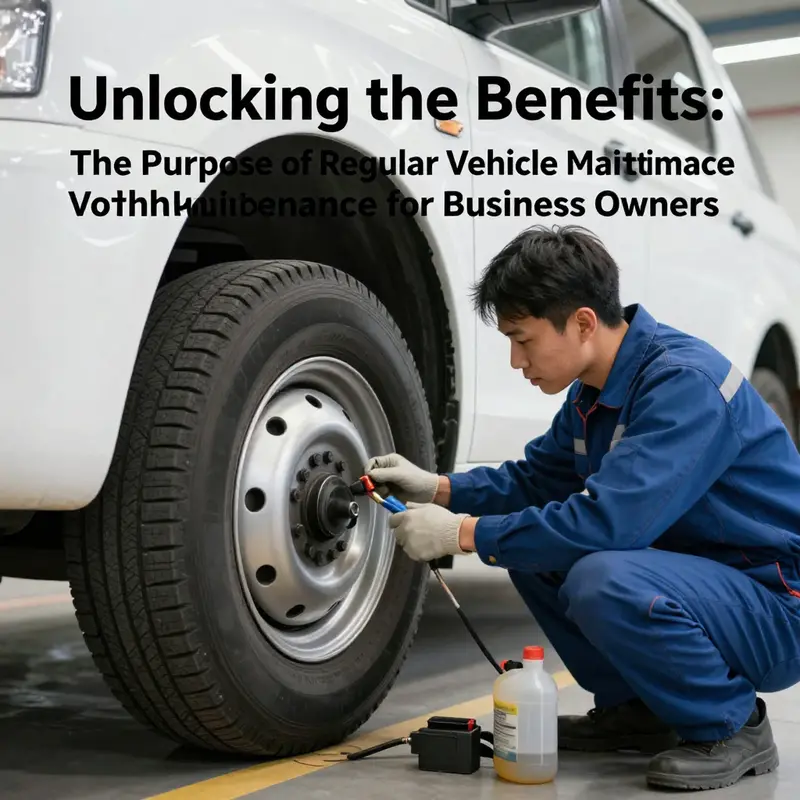
Yet maintenance is not a ritual of replacing stuff on a calendar. It is anchored in regular inspection and timely intervention. A trained eye during every service visit should scrutinize brakes and rotors for wear and heat damage, inspect tires for tread depth and even wear, and monitor tire pressure monthly since under- or over-inflation quietly drains performance and increases maintenance costs over time. The same careful attention applies to air filters, spark plugs, and timing components. A clogged air filter robs the engine of air needed for efficient combustion, reducing power and fuel economy; worn spark plugs can cause misfires and wasted fuel; and a failed timing belt—though less common in variable-valve engines—poses a catastrophic threat to valve-train integrity if it fails. Scheduling these replacements at the manufacturer-recommended intervals, rather than waiting for symptom signals, preserves smooth running, clean emissions, and predictable acceleration.
Maintenance also encompasses the often overlooked but equally vital systems that support stability and control on the road. Brakes, steering, and suspension deserve frequent checks to ensure that the vehicle responds to driver input with precision. Worn brake pads or warped rotors can dramatically increase stopping distance in emergencies; low or degraded power steering fluid can impair steering effort; and suspension wear can alter tire contact with the pavement, affecting handling and comfort. Even tire maintenance—monthly pressure checks and rotations to promote even tread wear—contributes to safety and efficiency. These checks, when performed regularly, turn occasional warning lights into early alarms that prevent minor issues from becoming expensive or dangerous failures.
The chapter on durability would be incomplete without addressing how driving behavior interacts with maintenance. Aggressive driving, characterized by rapid acceleration, hard braking, and frequent short trips, accelerates wear across multiple systems. It raises internal engine temperatures, increases carbon buildup, and compounds the fatigue of brakes and tires. Conversely, deliberate driving habits, such as allowing the engine to warm up briefly after startup, minimizing idling, and maintaining steady speeds, lessen mechanical stress and promote more even wear. The simple act of smoothing out trips—the longer, steady drives that let the engine reach its efficient operating range rather than a sequence of stop-and-go segments—helps each maintenance intervention do more work per mile. In this sense, driving style becomes an ally of maintenance, shaping how long components stay within their design tolerances and how predictably the vehicle behaves after thousands of miles travel.
Environmental conditions also leave fingerprints on wear patterns. Parking in shaded or covered spaces reduces interior fading and exterior paint oxidation, while regular washing removes corrosive contaminants like road salt and bird droppings. These measures slow the insidious wear that accumulates on surfaces and mechanical joints alike. They are not substitutes for the core maintenance schedule, but they are complementary steps that protect both appearance and durable function. Taken together, a scientifically grounded maintenance routine and conscientious daily habits create a synergistic effect: each action amplifies the benefits of the others, extending the period during which the vehicle remains safe, dependable, and cost-efficient.
What emerges from this integrated approach is a practical truth about longevity: extending a vehicle’s lifespan is not an isolated act of care but a continuous, evidence-based conversation between the owner and the car. The science of wear and degradation is well documented, and the disciplined performer—the driver who respects service intervals, monitors fluid quality, and adjusts use patterns to reduce stress—reaps tangible rewards. Industry analysis and automotive expertise consistently show that a well-maintained vehicle can maintain its performance closer to original specifications for a longer period. The payoff is real: fewer unplanned repairs, steadier fuel economy, reliable starts, and a higher degree of confidence on long trips. It is not merely about avoiding breakdowns; it is about sustaining the vehicle’s character and capability across its entire lifecycle.
A note on the economics of care is essential. Preventive maintenance remains one of the most effective ways to manage total ownership costs. Early-small issues caught early prevent expensive failures that would otherwise escalate into costly engine repairs, transmission overhauls, or compromised safety systems. Documented service records also contribute to higher resale value because future buyers gain confidence from a clear history of proactive care. Beyond dollars and cents, there is the intangible benefit of reliability: a vehicle that responds predictably to the road and to the driver, mile after mile, season after season. In this light, maintenance becomes less about time spent in the shop and more about time gained on the road.
For readers seeking a concrete takeaway grounded in real-world practice, consider the evidence that regular maintenance translates into measurable fuel savings and improved efficiency. The logic is straightforward: a well-maintained engine runs more efficiently, clean air filters promote better combustion, properly inflated tires reduce rolling resistance, and optimized ignition systems ensure complete fuel burn. This is not a slogan; it is a quantifiable benefit that flows from disciplined care. To explore the practical impact of maintenance on fuel expenses, you can see an accessible discussion here: how vehicle maintenance saves on gas expenses.
In the end, extending a vehicle’s lifespan through consistent maintenance is about cultivating a mindset. It requires recognizing that care today forestalls disruption tomorrow. It means scheduling oil changes not as a nuisance but as a responsible investment. It means accepting that fluids, filters, and threads of metal are not disposable items but wear-prone allies that deserve respect. It means understanding that driving habits and environment interact with maintenance, shaping the rate of wear and the length of a road trip’s potential. And it means viewing the vehicle as a long-term partner rather than a short-term possession. When maintenance is conceived in this way, the car becomes a durable companion that can reliably traverse the miles ahead, preserving safety, performance, and value long after the initial purchase.
External resource: https://www.carcare.org/
Fuel Efficiency Through Routine Care: How Regular Vehicle Maintenance Pays Off in Every Drive
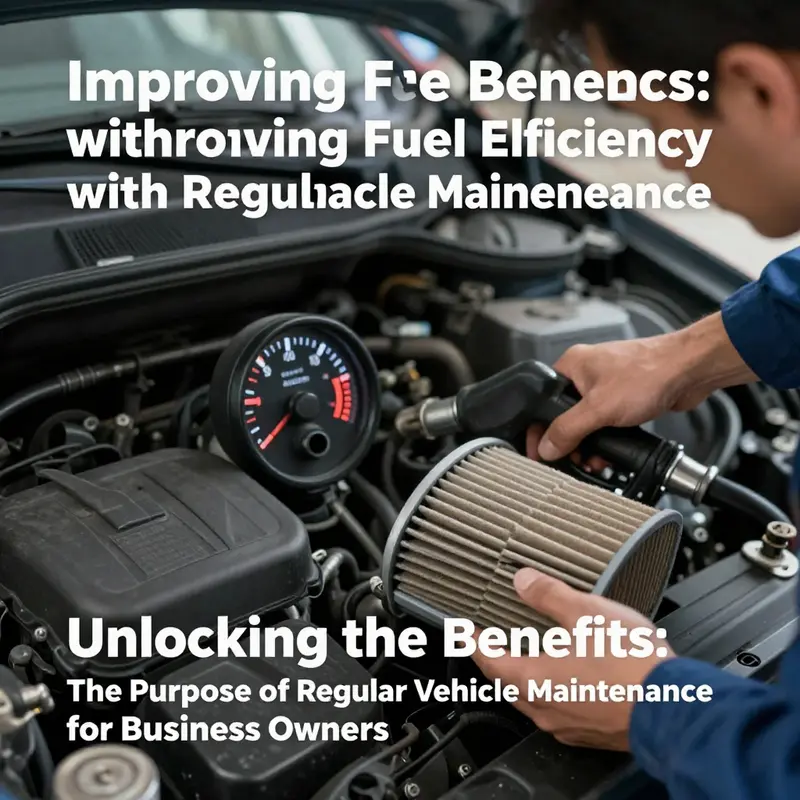
Fuel efficiency is often framed as a function of engine size, aerodynamics, and the tilt of a driver’s hands on the wheel. In truth, the most reliable and repeatable gains come from a steady, proactive maintenance routine. When a vehicle is kept in good repair, every subsystem can perform closer to its optimal design, and that collective efficiency translates into less fuel burned per mile. The result is not merely a smaller fuel bill, but a smoother, more predictable driving experience, with fewer surprises at the pump and fewer interruptions on the road. This chapter threads together the practical maintenance habits that consistently improve fuel economy, showing how attention to a few core components can yield meaningful savings over time while supporting safety and reliability along the way.
Five routine tasks matter most for fuel efficiency, and they are approachable enough to integrate into any regular service habit: regularly replacing the air filter, maintaining the spark plugs, keeping tires properly inflated, sticking to sensible oil change intervals, and ensuring proper alignment and tire balancing. Each of these areas touches the engine’s ability to convert fuel into forward motion efficiently, and each is a point where neglect compounds energy waste. The air you breathe into the engine is part of the combustion equation; even a modest restriction can tilt the air-fuel balance so the engine compensates by burning more fuel to achieve the same power. Likewise, the spark that ignites the mixture must be clean and timely; worn or fouled plugs can cause misfires, which waste precious fuel and put extra stress on the catalytic converter. Tire pressure, often overlooked, directly affects rolling resistance. Underinflated tires demand more energy from the engine to push the car down the road, a simple fact backed by government data that links lower pressure to measurable drops in fuel economy. Engine oil serves as the lubricant that allows components to move with minimal friction. Contaminated or degraded oil raises internal drag, prompting the engine to work harder and sip more fuel. Finally, alignment and balancing affect the way the vehicle rolls and vibrates; misalignment or unbalanced wheels create drag and oscillations that force the engine to sustain higher power output than necessary. Taken together, these maintenance tasks form a practical, cumulative path to better miles per gallon.
Delving into each area clarifies why maintenance pays off. A clean air filter ensures the engine receives a sufficient and uncontaminated air supply for combustion. When the filter becomes clogged with dust and debris, airflow to the cylinders is restricted. The engine then compensates by drawing in more fuel to maintain power, which directly raises fuel consumption. The interval for replacement varies by environment and manufacturer guidance, with typical recommendations spanning roughly 15,000 to 30,000 miles, or about 24,000 to 48,000 kilometers. In dusty or polluted environments, it is prudent to shorten that interval so airflow remains unobstructed and fuel use stays within reasonable bounds. Spark plugs sit at the heart of ignition. They deliver the spark that ignites the air-fuel mixture in each cylinder. When plugs age, foul, or wear, misfires can occur, causing incomplete combustion and wasteful energy use. Replacing plugs according to the vehicle’s specifications—commonly in the broad range of 30,000 to 100,000 miles, depending on the type—helps ensure reliable ignition and maintains peak engine performance. Properly inflated tires are a straightforward, powerful lever. The rolling resistance that tires create changes dramatically with air pressure. The U.S. Department of Energy has highlighted that underinflated tires can reduce fuel economy by as much as about 3 percent. Monthly checks, with adjustments to the level specified in the owner’s manual, keep fuel use aligned with the car’s design. Oil changes are more than a routine upkeep item; they are a performance safeguard. Clean oil reduces internal friction, allowing the engine to spin freely and with less energy loss. Over time, oil breaks down and collects metal particles and combustion byproducts, diminishing its lubricating qualities. Following recommended intervals—typically every 5,000 to 10,000 miles for conventional oil, with longer intervals for synthetic blends—keeps internal resistance low and power output high. Alignment and balancing, though less glamorous than shiny filters, affect the car’s efficiency journey as well. A misaligned vehicle will pull and drag, while unbalanced tires can induce vibrations that increase load on the drivetrain. Regular wheel alignment checks and tire balancing after noticeable vibration or impact with potholes or curbs help minimize drag and preserve fuel efficiency.
The beauty of these maintenance effects is their cumulative nature. A well-tuned engine, aided by clean air and fresh spark, operates with less waste and more predictable performance. Proper tire pressure reduces the energy the engine must muster to maintain speed, translating into tangible fuel savings over thousands of miles. Clean oil keeps moving parts free of excess drag, so the engine doesn’t have to burn extra fuel to overcome unnecessary resistance. When all these elements work together, the car moves through its daily routines with less energy input for a given amount of travel. The improvement is not just theoretical; it translates into real-world savings at the pump, which in turn reduces emissions and supports environmental goals without demanding any dramatic changes in driving habits.
This approach to efficiency is deeply practical. It invites drivers to see maintenance not as a set of passive chores but as a deliberate strategy for reducing fuel expenditure. By scheduling regular checks aligned with the manufacturer’s guidance and local operating conditions, owners create a cycle of optimization rather than reaction. The idea is to anticipate wear and address it before it becomes a drag on performance. In addition to the mechanical and economic benefits, maintaining these systems contributes to ride quality and safety—the brakes stay responsive, the steering remains precise, and the vehicle preserves its predictable handling under varying loads and road conditions. Those advantages reinforce the broader purpose of regular maintenance: to protect safety, reliability, and value while quietly delivering economic benefits that compound with time.
For drivers seeking a compact, actionable path, a practical mindset helps. Treat the air filter as a first-line sensor of the engine’s breathing; check it when you fill up if you drive in dusty conditions or on unpaved roads. Schedule spark plug inspections in accordance with the vehicle’s service schedule, and don’t hesitate to address misfires promptly. Make tire pressure checks a monthly habit, and set a reminder to adjust to the recommended level whenever the seasons shift or the tires are rotated. Adhere to oil-change intervals appropriate for your oil type and driving environment, and remember that synthetic blends may extend intervals but still require maintenance discipline. Finally, pay attention to wheel alignment and balancing, especially after striking a large pothole or after replacing tires, since proper alignment protects both tire life and fuel economy.
A practical way to connect these ideas to everyday decision-making is to view maintenance as a direct, ongoing contributor to fuel costs. This perspective reframes maintenance from a cost to a form of savings—one that compounds as miles accumulate. It also helps explain why, even in the face of fluctuating fuel prices, a well-kept car continues to perform efficiently. For readers who want to explore this connection further, there are accessible resources that unpack the ways maintenance translates into gas savings in real-world terms. See this overview on how vehicle maintenance saves on gas expenses for a concise, concrete discussion of the practical returns from routine care: how vehicle maintenance saves on gas expenses.
As the chapter circles back to the central question of the article, the purpose of regular vehicle maintenance emerges with clarity. It is not merely a schedule or a list of service items; it is a foundational practice that keeps the car efficient, safe, and durable. When you keep air clean, ignition steady, tires round, oil thin, and wheels aligned, you create conditions in which fuel is used economically rather than wasted. That effectiveness compounds: better fuel economy lowers running costs, reduces emissions, supports longer component life, and preserves the vehicle’s value—an interconnected set of benefits that reinforces the overarching goal of maintenance as a proactive investment in both safety and economy. For readers seeking a broader, external perspective on how efficiency scales with conscientious upkeep, one reliable resource offers deeper context on fuel economy and the impact of maintenance on overall efficiency: https://www.fueleconomy.gov.
Reducing Long-Term Repair Costs Through Preventive Vehicle Maintenance
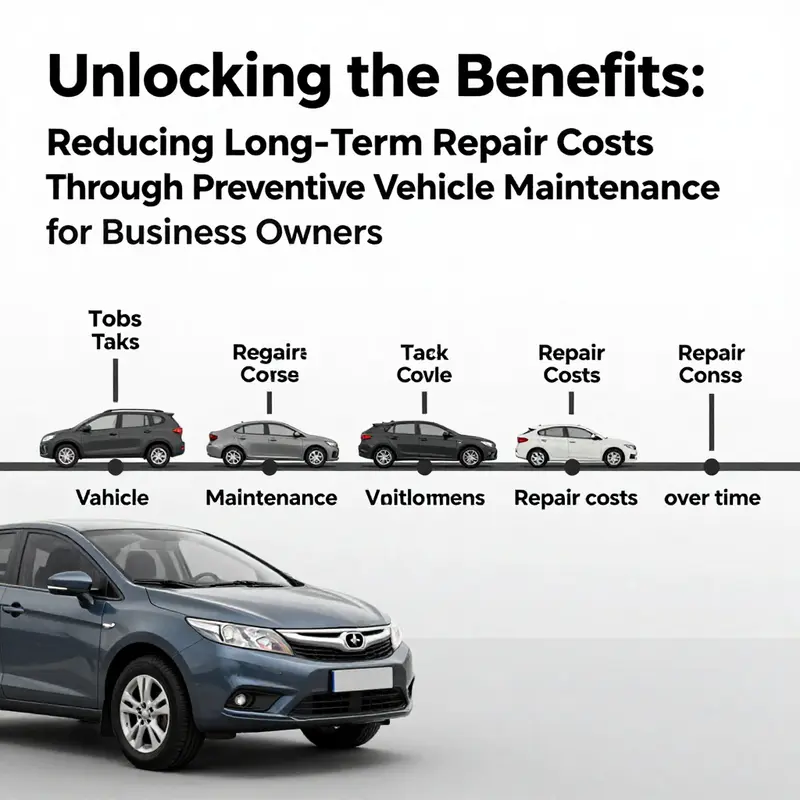
Preventive vehicle maintenance is not a flashy feature of car ownership. It is a steady discipline that quietly protects safety, finances, and the reliability you depend on every day. When you frame maintenance as a long term strategy rather than a set of chores, the logic becomes clear: small, timely actions today reduce the likelihood of expensive failures tomorrow. The idea rests on a simple premise that has proven true across decades of automotive design and real world experience: treat wearable parts before they fail, and you keep the machine healthier for longer.
Long term repair costs tend to emerge from neglect in a few predictable patterns. A neglected oil change can lead to accelerated engine wear, overheating, and eventually an expensive engine rebuild. Worn brake pads can allow the rotor to overheat and become warped, inviting rotor replacement costs far above the price of pads. Underinflated tires wear unevenly and can cause poor handling, increased fuel use, and tire failure at inopportune moments. These are not theoretical risks; they are recurring realities for drivers who skip routine service.
The core of preventive maintenance is following the manufacturer suggested service schedule. Automakers embed a plan that reflects the design and materials of the vehicle. Adhering to this plan does more than satisfy a checklist; it aligns the life cycle of components with the way the car is built to operate. The base starts with the oil and filter changes. Engine oil is the lifeblood of the engine; it lubricates, cools, and cleans surfaces that never stop moving. Oil degrades with heat and time, losing viscosity and protective ability. If the interval is missed, the consequences compound. Mineral oil needs changing more often than synthetic options, with the actual kilometers or miles varying by engine design and operating conditions. The tradeoff is typical: higher upfront cost for synthetic oil yields longer intervals and better protection, which translates into fewer interruptions and less risk of catastrophic failure.
Tire maintenance follows a related logic. Proper tire pressure optimizes contact with the road, supports longer tread life, and improves fuel economy. A routine monthly check of air pressure is a small ritual with outsized returns. Rotation every 8,000 to 10,000 kilometers helps ensure even wear, which preserves traction and keeps braking predictable. Worn tires are not only risky in wet or icy conditions; they also alter steering response and can accelerate wear on other components. Regular inspection of tires and alignment components ensures that small misalignments do not quietly eat through suspension parts.
Brakes illustrate the clearest payback from preventive care. Brake fluid absorbs moisture over time, lowering its boiling point and diminishing braking performance. Replacing the fluid every 2 to 3 years or within the manufacturer window helps maintain consistent stopping power. Checking pad thickness and replacing pads before they reach metal backing saves the more expensive rotors from damage. If a pad wears unevenly due to issues in the caliper or the suspension, the cost climbs quickly and the vehicle safety profile drops as well. These inspections may seem routine, yet they are directly tied to safety margins that matter in emergencies.
Electrical systems and the chassis deserve attention as well. A healthy battery and alternator avert unexpected stalling and roadside frustration. Regular checks of belts, hoses, and the cooling system prevent leaks that can trigger overheating or breakdowns in the most inconvenient moments. The suspension and steering system, when kept in good condition, preserves ride quality and precise handling, reducing the chance of expensive unintended consequences such as sudden loss of control in demanding driving scenarios. In many cases, early wear is visible as minor rattles or changes in steering feel, signals that a wear item is nearing the end of its life and should be addressed before it escalates.
Another often overlooked benefit of preventive maintenance is the value embedded in factory service events. Automakers periodically offer diagnostic opportunities, sometimes at no charge, that deploy professional equipment able to detect carbon buildup, electrical faults, or sensor drift that may not be easily spotted in a routine home check. These events can reveal hidden issues before they become expensive repairs, and they reinforce the idea that maintenance is about proactive care rather than a series of isolated tasks.
Viewed through this lens, preventive maintenance becomes a disciplined investment, not a discretionary expense. It reduces the likelihood of major failures, stabilizes ownership costs, and preserves the vehicle as a functioning, reliable tool rather than a rolling budget sinkhole. The mathematics are straightforward: the upfront cost of routine checks and replacements is small compared with the price tag of an unplanned repair, especially one that damages multiple systems.
From a financial perspective, regular maintenance influences the total cost of ownership in several ways. First, it lowers the probability of unplanned downtime, which can be costly in terms of time and transportation alternatives. Second, it prevents accelerated wear that forces early replacement of parts and, in some cases, entire assemblies. Third, it protects the resale value by providing a documented history of care, something that buyers consider a major confidence signal. When a seller can demonstrate that a car has received consistent maintenance, buyers are more willing to pay a premium for the peace of mind. Warranties are also typically supported by proof of scheduled service, meaning neglect can void coverage and expose owners to out-of-pocket expenses that would otherwise be borne by the manufacturer. The environmental argument echoes through this as well: an engine and drivetrain that operate efficiently burn less fuel and emit fewer pollutants, aligning cost control with social responsibility.
To connect these ideas to everyday budgeting, consider the impact on fuel costs. Maintain engine efficiency with clean intake systems, correct ignition timing, and properly inflated tires. The cumulative effect over thousands of miles adds up to real savings at the pump. For a practical read on how upkeep translates into gas expenses, see this resource on how vehicle maintenance saves on gas expenses How vehicle maintenance saves on gas expenses.
Building a maintenance plan does not require heroic discipline, just a thoughtful routine. Start with the manufacturer schedule and a realistic calendar that accounts for driving style, climate, and the vehicle’s age. Some align reminders with the service intervals in the owners manual, others set calendar alerts or use a maintenance journal. Budget for fluid changes and wear items in line with the expected life of each component, and treat small repairs as they come rather than letting a string of problems accumulate. The aim is not to chase perfection but to avoid predictable, avoidable failures that disrupt daily life and strain finances.
Beyond the financial calculus, preventive maintenance is about staying connected to the health of the vehicle. It creates a feedback loop where performance, safety, and value reinforce one another. A well maintained car feels more confident to drive, handles adverse conditions with composure, and rewards a careful owner with fewer trips to the repair shop. When people ask about the purpose of regular maintenance, the answer often centers on safety and reliability, yet the deeper motive is continuity—continuity of function, continuity of safety, and continuity of ownership that respects both the user and the investment.
In the chapters that follow, we explore how attention to the smallest maintenance details intersects with routine driving realities, showing how everyday decisions accumulate into a durable asset. By recognizing the long arc of maintenance, drivers can approach car ownership not as a series of expenses but as a continuous practice that sustains performance and lowers costs over the life of the vehicle.
External resources provide further nuance on the economics of maintenance and the value of preventive care. See the industry synthesis at Car and Driver for a practical perspective on savings from preventive maintenance: https://www.caranddriver.com/insights/a43998955/how-to-save-money-on-car-maintenance/
Preserving Value Through a Living Record: Why Documented Regular Maintenance Shields Safety, Reliability, and Resale Worth
Maintenance is often framed as a routine chore, but when viewed through the lens of value, it becomes a strategic act of stewardship. A car is more than a machine; it is a storytelling artifact that narrates how well its owner cared for it. The narrative is most credible when it is written down in a living record that travels with the vehicle. Documented regular maintenance does more than keep a car running; it provides a transparent account of a vehicle’s health, one that reduces ambiguity for future buyers and preserves the owner’s investment in tangible ways. As a result, the value of a well-documented vehicle isn’t merely a matter of current condition but of trust. A prospective buyer does not just imagine a car’s capabilities; they weigh the confidence that comes with a proven maintenance history, and that confidence translates into measurable value. In practical terms, this means that every oil change, tire rotation, filter replacement, and brake inspection becomes a data point in a larger, cumulative story of reliability and care. The impact is both psychological and financial. When a seller presents a complete service history, buyers perceive lower risk, which can shorten the time on the market and justify a premium. The market intuition is simple: a documented record reassures, whereas gaps in service history raise questions about unseen wear, hidden leaks, or overlooked problems. A thorough history signals that the car has been supervised with attention to safety-critical systems such as brakes, tires, steering, and suspension. It is this alignment of care with risk reduction that compounds value. The result is not just a price bump but a smoother, faster negotiation where the narrative of responsible ownership carries weight.
Central to this value proposition is adherence to a sensible cadence of maintenance according to the manufacturer’s guidelines. Routine scheduling—oil changes at the recommended intervals, filter replacements, and inspections of crucial systems—helps sustain performance and reduces the likelihood of sudden, expensive failures. The logic is straightforward: when wear items are replaced before they fail and fluids are kept at optimal levels, the engine and accessories run more predictably. This predictability matters to buyers who rely on a vehicle for daily transportation, family safety, or workplace reliability. A vehicle that feels frictionless to operate, with consistent responses from the brakes and steering, offers more than comfort; it offers assurance that the decision to buy is the correct one. In the context of a used-car market that prizes transparency, the value of a car with a documented maintenance history tends to rise above peers that lack such records. Studies and industry guidance suggest that buyers are willing to pay a premium for vehicles whose service histories can be verified. That premium is not merely incremental; it reflects a perceived reduction in risk and greater certainty about future performance.
To translate this into practical steps, the core components of a valuable maintenance log begin with meticulous record-keeping. A comprehensive service history acts as a health dossier, documenting every oil change, filter replacement, tire rotation, brake inspection, and major repair. When records are complete and verifiable, the vehicle becomes a more credible candidate in the eyes of buyers and dealers alike. The premium is real: vehicles with full documentation often command higher resale prices relative to otherwise similar models without such documentation. The exact figure varies by market, model, and mileage, but the principle remains constant: transparency compounds value. To build this trust, owners should maintain both physical and digital records. Receipts, maintenance checklists, and stamped service logs provide tangible proof, while digital histories can offer convenience and accessibility for future buyers who prefer online verification. The key is consistency over time. A single, comprehensive booklet is helpful, but a continuously updated record—where every service entry is dated, described, and authenticated—creates the most durable impression of responsible ownership.
Beyond documentation, adherence to recommended intervals underscores a buyer’s confidence in the vehicle’s ongoing integrity. Consider the practical cadence: synthetic oil changes every 10,000 miles or annually, air and cabin filters every 15,000 to 30,000 miles, and brake inspections around every 10,000 miles. Using OEM parts or high-quality aftermarket equivalents strengthens the credibility of the maintenance log because it signals fidelity to the vehicle’s original design and performance expectations. When these intervals are followed, it is easier to argue that the car has experienced normal wear in predictable ways rather than neglected maintenance. The log should note the specific part numbers and service details whenever possible, so a buyer can verify that replacements align with the manufacturer’s specifications. This level of detail is more than bureaucratic diligence; it is a signal that the car has been treated with a seriousness typically reserved for new-vehicle ownership.
Another facet of the living record is the timely attention to minor issues before they escalate. Small scratches, wiper blade wear, dashboard warnings, or tiny fluid leaks may seem inconsequential on their own, but when recorded and addressed, they collectively tell a story of proactive care. Addressing issues promptly reduces the chances of unchecked problems that can undermine safety or reliability. Even seemingly cosmetic or routine repairs—like preventing rust on surface scratches or replacing worn seals—contribute to a cleaner, more trustworthy maintenance history. Buyers notice these details because they reduce the perceived risk that a vehicle has hidden flaws. The value of careful stewardship extends beyond the diagnosis of a fault; it reflects a mindset of prevention, precision, and respect for the vehicle’s long-term performance.
The significance of a documented maintenance history also resonates with the broader responsibilities of ownership. In many markets, warranties and manufacturer guidelines emphasize the importance of scheduled servicing. Following these guidelines preserves warranty validity and demonstrates a commitment to proper care. When a vehicle has a clear trail showing compliance with service requirements, it offers reassurance that the owner understood the importance of preventive care and acted accordingly. For buyers, this kind of record reduces uncertainty about future costs and reliability, making the vehicle more attractive in a competitive market. The value proposition is not merely about avoiding breakdowns; it is about ensuring safety for occupants and preserving the vehicle’s performance envelope over time.
Everything discussed thus far contributes to a central conclusion: documenting maintenance creates a form of social trust between current owners and future buyers. The record is a narrative of care, accountability, and foresight. When a car has been maintained with consistency and transparency, the buyer’s risk is diminished, and the perceived value rises. This dynamic is particularly evident in used-car transactions, but its influence extends to lease vehicles returning to dealers, to private-party sales, and even to trade-ins where appraisers weigh service history as part of the vehicle’s overall condition. A well-maintained car can, in effect, narrate a life of careful ownership that translates into a higher headline price, shorter negotiation times, and a smoother transition to a new owner who will likely follow the same disciplined routine.
The practical takeaway is clear. If you want to maximize value—whether you plan to sell in a year or keep the car for many more—the simplest, most powerful investment is to commit to a regular, documented maintenance routine. The habit pays dividends in safety, reliability, fuel efficiency, and, ultimately, resale value. It is not a mere cost or hassle; it is a disciplined practice that protects the driver and enhances the vehicle’s market narrative. For a practical look at how maintenance affects fuel economy and overall running costs, see how-vehicle-maintenance-saves-on-gas-expenses. By integrating this mindset with a careful record-keeping system, owners can ensure that their vehicle’s story remains compelling to future buyers while continuing to deliver dependable service in the present.
External resource: https://www.edmunds.com/cars/used-car-buying-tips/
Final thoughts
The insights presented throughout this article highlight the significant impact that regular vehicle maintenance has on a business’s operations. By prioritizing vehicle upkeep, business owners not only enhance safety and performance but also ensure long-term cost savings and asset value retention. Understanding these benefits reinforces the importance of a proactive maintenance strategy, transforming vehicle care from a mere obligation to a fundamental aspect of sound business management. Embracing regular maintenance can pave the way for improved efficiency and a stronger bottom line.