
As electric vehicles (EVs) continue to gain traction in the automotive industry, understanding their maintenance is crucial for business owners looking to optimize their investment. While EVs boast simpler mechanical systems than traditional internal combustion engine vehicles, they still require regular upkeep to maintain safety, performance, and longevity. This article explores essential maintenance areas for EVs, providing a comprehensive look at battery management, tire care and inspection, brake system maintenance, and software and cooling system checks. By prioritizing these aspects, businesses can ensure their fleet operates efficiently and effectively, ultimately leading to cost savings and enhanced performance.
Battery Stewardship in Motion: How Battery Management Shapes EV Maintenance and Longevity
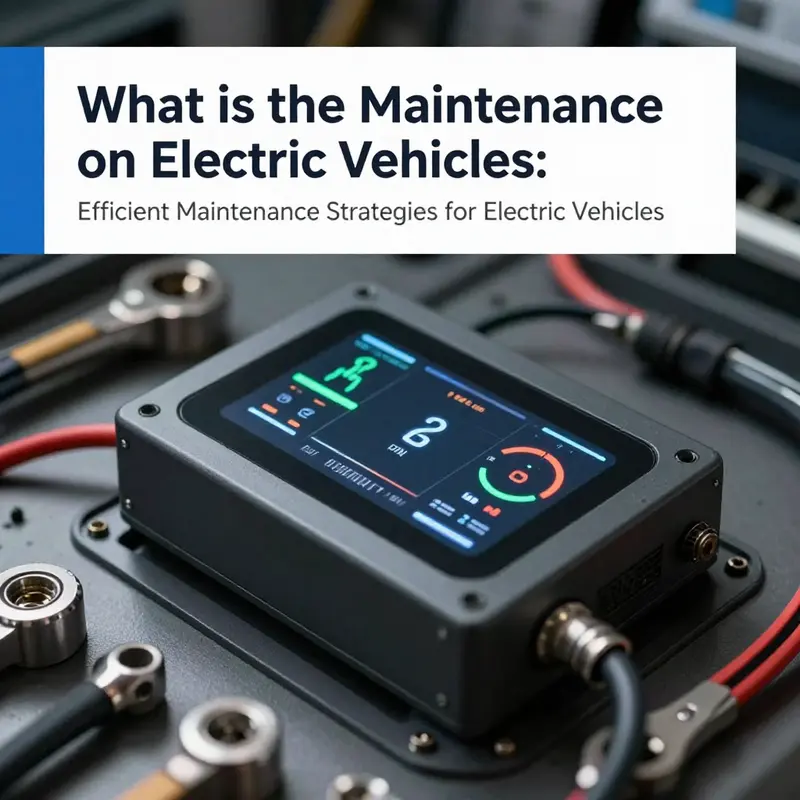
Battery stewardship sits at the center of electric vehicle maintenance, yet it often goes unseen by drivers until the gauge needle wobbles or the pack temperature rises. The battery is both the essential power source and one of the most expensive components in an EV, and its health reverberates through range, performance, charging speed, and resale value. Because of that, maintenance begins long before a warning light appears. It starts with understanding what the Battery Management System, or BMS, does and how it translates complex chemistry into practical, day to day upkeep. The BMS is not a single device but an orchestration of sensors, software, and actuators that monitor state of charge, state of health, temperature, voltage, and current. Its job is to keep the battery within safe operating limits, balance the chemistry across countless cells, and prolong usable life while enabling the vehicle to perform reliably across miles of driving. In a well engineered EV, the BMS operates mostly in the background, quietly nudging charging profiles, balancing cells, and reporting data through the vehicle’s interfaces. For the owner, that translates into two practical truths: first, battery health can be actively managed with thoughtful charging and driving habits; second, modern EVs offer software updates that refine how the battery behaves under different conditions, extending both safety and longevity without additional mechanical work.
State of Charge, State of Health, and the balancing act among cells are the everyday vocabulary of battery maintenance. State of Charge is the battery’s current energy level relative to its capacity, a dynamic readout that guides when and how you charge. State of Health, by contrast, is a longer view — a probabilistic assessment of how much capacity and how much power the battery can deliver compared with its original specification. The BMS constantly compares SOC and SOH against safe operating envelopes. It prevents dangerous scenarios like overcharging or deep discharging and helps avoid stress that can accelerate aging. To accomplish this, the BMS tracks voltage and current at the cell level and uses those signals to estimate the health of each cell and, by extension, the entire pack. In practice, this means the system can step in when a particular portion of the battery begins to age faster, prompting minor adjustments to charging or thermal management so that the overall capacity remains usable rather than lost to imbalance.
Temperature is another cornerstone of battery maintenance. Batteries are sensitive to heat and cold, and their performance and longevity hinge on staying within an optimal window. The BMS monitors temperature at multiple points in the pack, because a single hotspot can become a weak link in the entire system. Thermal regulation relies on an integrated cooling system, which may be liquid or air based depending on the design. The cooling system supports both the battery and the power electronics that convert chemical energy into electrical energy for the wheels. When temperatures drift outside the safe range, the BMS can modulate cooling flow, adjust charging current, or even reduce output to prevent thermal runaway. This seamless modulation helps preserve long term health, a contrast to internal combustion engine vehicles where heat is a byproduct of combustion rather than a central control variable.
Beyond SOC, SOH, and temperature, voltage and current management are the quiet conversations happening within the pack. Cells are balanced so that no single cell becomes a bottleneck or a failure point. If some cells are a little higher or lower in their state of charge, the BMS redistributes energy so every cell approaches the same level. Without this balancing, the pack would lose usable capacity over time, and charging could become uneven, leading to faster degradation for the weakest cells. The BMS also guards against rapid transitions in voltage and current that could stress the battery, particularly during high load or fast charging. As a result, drivers may notice that charging speeds or regenerative braking feel smoother and more predictable, because the battery is kept in a pruned, well-regulated operating region. The practical upshot is that a well maintained EV delivers steadier range, more consistent performance, and a lower likelihood of unexpected battery-related faults—an outcome that is as much about software and management as about hardware.
A phrase you will hear in debates about EV maintenance is idling, or the period when a vehicle sits unused for an extended stretch — overnight, for example. This is not just a neutral state for the vehicle; it is a period that can influence how the battery ages. During idle, electrochemical side reactions occur even without active charging or discharging. If a vehicle remains at a very high state of charge for long periods, and if ambient or pack temperatures rise, these reactions can gradually degrade battery materials. The literature points to two intertwined risks during idle: elevated SOC combined with heat accelerates degradation pathways. Conversely, letting the battery drift toward too low a state of charge can also be wasteful, limiting usable capacity when the vehicle returns to service and increasing the time required to restore a useful charge. The BMS and charging strategy together provide a counterbalance. Rather than leaving the battery to drift under a constant charging regime or relying on fast charging to preserve readiness, a more nuanced idle strategy can help preserve capacity and performance.
That nuance has spurred a shift toward adaptive charging profiles that actively manage SOC during idle periods. In practical terms, this means an adaptive profile aims to keep the battery within an ideal SOC range and at a stable, safe temperature rather than toward extremes. The BMS, in concert with smart charging infrastructure, can execute a tailored approach that minimizes degradation without compromising availability. The idea is not to live in a sci fi optimization zone but to acknowledge that a little planning can yield meaningful gains in life. For example, rather than constant current charging or a rapid top up that keeps SOC near the upper end, the system can modulate charging pace and stop points so energy is stored in a way that minimizes stress on the chemistry. Advanced studies have demonstrated that such strategies can markedly reduce capacity loss compared with conventional charging patterns, underscoring the practical value of a smarter idle routine.
A notable thread in the research literature links these optimization strategies to measurable gains. In a study focused on charging profiles for battery maintenance and degradation management, optimized profiles yielded substantial improvements over standard methods. The results showed a reduction in capacity loss by a substantial margin, with a figure that captures the potential benefit of smarter charging practices. Another important insight from this research is the contrast between slow, controlled charging and fast charging during idle periods. Fast charging, while convenient, can accelerate degradation when applied during idle in suboptimal conditions. The takeaway is not to demonize fast charging but to acknowledge that its effects are context dependent. If the grid, the battery, and the vehicle are managed in harmony, the degradation risks can be mitigated while still delivering speed where it matters. This is where the concept of a tailored, adaptive charging strategy becomes a cornerstone of responsible EV maintenance rather than a theoretical ideal.
The integration of battery management with grid considerations further expands the scope of maintenance beyond the vehicle itself. Modern BMS solutions increasingly interface with the electrical grid and with vehicle demand to support smart charging strategies. This is a key element of the broader electricity ecosystem: charging decisions are informed by real time electricity pricing, grid load, and user preferences. In practice, that means EVs can charge when power is plentiful and cheap, or participate in vehicle to grid services that help balance supply and demand across the network. From a maintenance standpoint, this integration contributes to the sustainability and reliability of the vehicle by reducing the stress on both the battery and the grid while providing economic efficiency for the owner. The battery’s health benefits from stable thermal conditions and optimized charging windows, a synergy that demonstrates the value of a system-wide approach to maintenance rather than a compartmental view of the car as a standalone machine.
As battery management technologies advance, several practical improvements keep appearing on the horizon. Faster and safer charging remains a constant goal, with thermal regulation getting tighter control through more sophisticated cooling solutions and smarter thermal interface materials. End of life planning, recycling pathways, and recycling-friendly pack designs are increasingly incorporated into the lifecycle philosophy of EVs. These advancements feed back into maintenance by reducing long term costs, enabling safer handling during service, and ensuring that battery reuse and repurposing fit cleanly into the circular economy. In short, battery management is not a single device or a solitary software update; it is a living ecosystem that evolves as vehicles, batteries, and grids interact with one another. The most tangible benefit for drivers is a more predictable, safer, and longer lasting battery pack that supports the vehicle’s performance across many years of ownership.
For readers who want a broader sense of how this plays out in everyday ownership, consider the broader question of whether electric vehicles require less maintenance. Do Electric Vehicles Require Less Maintenance? is a question often debated, and the answer tends to be nuanced. While EVs do dramatically reduce maintenance items tied to exhaust systems, oil changes, and certain drivetrain components, the battery and electronics demand careful attention through monitoring, software updates, and thoughtful charging practices. This reminder that maintenance remains essential helps anchor readers in practical habits that align with the science of battery aging and the realities of real-world use. If you would like to explore related reflections on maintenance philosophy and the EV lifecycle, you can read more in-depth discussion here: Do Electric Vehicles Require Less Maintenance?. The emphasis across credible sources is not to minimize battery care but to elevate how routine attention to charging behavior, software health, and cooling performance translates into tangible extensions of drive quality and value over time.
That said, a routine that seems simple on the surface—monitor SOC, keep the pack cool, avoid extreme temperatures, and ensure the software is current—has a more complex scientific substrate when you zoom in on the chemistry. The BMS’s pace and precision depend on sensors, software algorithms, and the thermal system. In modern packs, there is redundancy and cross checks to ensure that a single sensor out of spec does not mislead the system. The result is a robust, resilient approach to maintenance that shifts the burden from the driver toward intelligent design and thoughtful operation. While every model may implement the strategy a little differently, the underlying principle holds: the better you understand how the battery is managed, the more you can align your daily usage with its natural rhythms, reducing aging while preserving performance. This knowledge translates into practical habits—charging to moderate SOC after long trips, using scheduled charging when temperatures are favorable, and keeping software up to date so that the BMS can apply the latest protections and efficiency improvements.
As the field continues to advance, the practical takeaway remains clear. Battery management is not merely a set of checks but a dynamic process that shapes how an EV ages. The health of the battery pack depends as much on how you treat the battery during idle periods and how you plan charging as on how fast you can drive or how often you accelerate hard. The most important maintenance decisions are those that embrace a system perspective: balance cell health, regulate temperature, optimize charging profiles, and leverage software updates that improve safety and performance. In that sense, maintenance on electric vehicles circles back to the battery’s stewardship. When an owner treats the battery as a living, responsive part of the vehicle—one that communicates with the BMS, adapts to environmental conditions, and aligns with grid dynamics—the payoff is measured not merely in volts and amp hours, but in range confidence, safety margins, and the long arc of the vehicle’s life. The battery becomes less a fragile component and more a well tended system, capable of delivering dependable mobility for years to come. And as researchers continue to refine idle management, thermal strategies, and smart charging, the chapter on battery maintenance remains the most practical, repeatable, and impactful portion of the EV maintenance story. In the years ahead, the dialogue between drivers, vehicles, and grids will likely become even more integrated, turning maintenance from a reactive check into a proactive, almost conversational, partnership with the technology that powers our journeys.
External resource: https://doi.org/10.1109/TTE.2020.3000181
Rolling with Power: Tire Care and Inspection in the Electric Vehicle Era
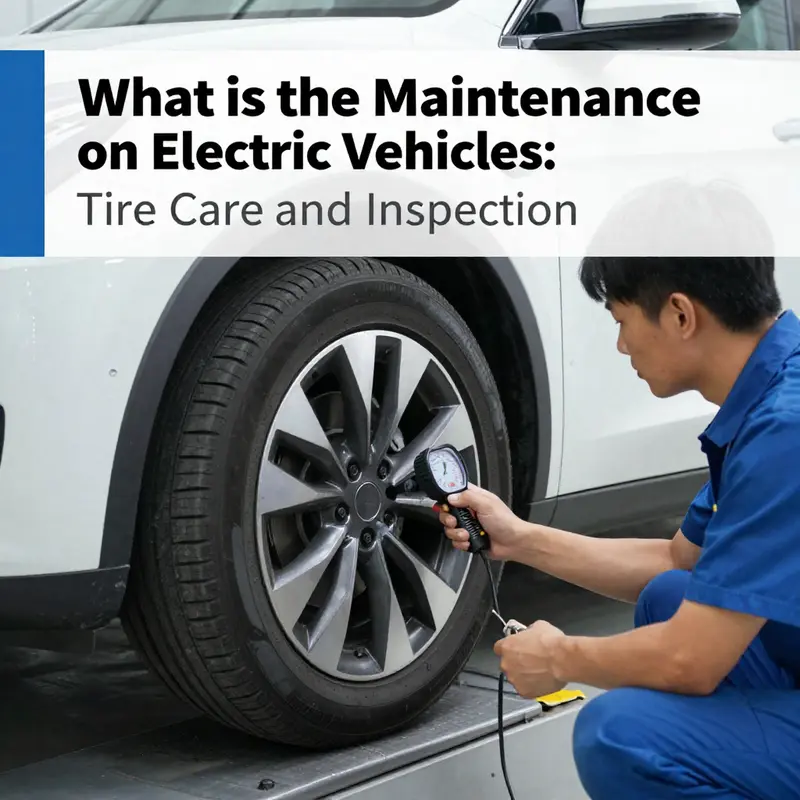
Tires do more than carry a vehicle down the road; in electric vehicles (EVs), they are the interface between the machine’s extraordinary torque, the weight of a battery pack, and the pavement beneath. The shift from internal combustion to electric propulsion changes the physics of everyday driving in small but meaningful ways. The heft of the battery adds weight, the instant torque nudges tires into grip, and the rolling resistance that shapes efficiency becomes a more sensitive parameter to manage. In this context, tire care is not a marginal maintenance task but a foundational practice that protects safety, preserves performance, and guards range. The road to reliable EV performance starts with keeping the tires in proper shape and aligned with the car’s evolving needs. When you approach tire care as a holistic habit rather than a one-off check, you unlock a safer drive, sharper handling, and a longer life for a critical component that otherwise wears out silently and quickly in the face of weight and power.
Regular attention to tire pressure is the simplest, most powerful lever you have. Most EVs arrive with a Tire Pressure Monitoring System (TPMS) that continuously watches each tire’s pressure and alerts you to underinflation. Because temperature shifts blur the line between comfort and risk, a regular, seasonally aware check becomes a nonnegotiable routine. Cold weather tends to shrink tire pressure, while heat can push it up. When the TPMS indicates underinflation, the first impulse should be to pause and verify gauges against the recommended pressure spec. In EVs, where the tire is pressed hard into the road by extra mass and high torque, underinflation isn’t merely a performance hiccup; it’s a heat-generating risk that magnifies wear and can shorten tire life. The simplest response—checking and adjusting to the correct pressure—often yields the most immediate benefits: improved range, better steering feel, and more even tread wear. If you need to confirm the exact target pressure for a given tire and load, consult the vehicle’s manual or the information displayed in the controls menu. On many vehicles, a dedicated path such as Controls > Service appears on the touchscreen, guiding you through the steps to verify and adjust tire pressures accurately.
Alongside pressure management, regular tire inspection is essential. EVs tend to wear tires differently from their ICE counterparts. The extra weight borne by the tires, together with instant torque on acceleration and frequent regenerative braking, can push tires into faster front-end wear and irregular patterns if pressures drift. Visual checks for uneven tread wear, cupping, or feathered edges provide early clues about alignment or suspension issues that manifest more readily under the load of an EV’s battery. If you notice vibration, pull to one side, or an unusual thump while driving, a tire inspection should rise to the top of your maintenance list. Tire wear isn’t only a matter of safety; it’s a signal about how the car is being driven and maintained. A small service gap can compound into a larger safety risk if tires are allowed to degrade unnoticed, particularly on winding roads or during sudden lane changes where grip and stability are paramount.
Seasonal tire rotations deserve particular emphasis in EV maintenance. Rotating tires on a schedule helps ensure even wear across all four tires, which is especially important for EVs because the front end often carries more weight due to the battery pack’s placement. Even wear translates into more predictable handling, consistent traction, and balanced braking performance. The rotation cadence may be outlined in the vehicle’s manual, but as a practical rule, many EVs benefit from a rotation every 5,000 to 7,500 miles, or at the interval recommended by the tire manufacturer. After a tire rotation, the TPMS system may need a quick recalibration, because the sensor positions relative to the wheel are changed and the system’s learned values must be updated so that readings reflect the current configuration accurately.
When tires are adjusted, replaced, or rotated, manual calibration of the TPMS is typically required. This process ensures the system accurately monitors each tire’s pressure with the new setup. The exact steps depend on the make and model, but the general approach involves following instructions in the infotainment system or vehicle manual under a section like Calibrating Tire Pressure. A well-calibrated TPMS remains a reliable guardian against underinflation, providing timely alerts that help you avoid pressure drift caused by temperature swings, load changes, or tire repairs. Keeping TPMS calibrated is not a cosmetic step; it’s a functional safeguard that maintains the integrity of the information you rely on when deciding how to inflate, rotate, or replace tires.
Tire wear, however, is not only about the front-back balance. The combined effect of EV weight and aggressive torque means tread depth and pattern can deteriorate more quickly if tires are underinflated or overworked in demanding conditions. Regular inspections should include a check of tread depth, even wear across the tire surface, and the absence of cords or sidewall damage. The four-tar pattern on modern EVs can reveal subtle shifts in alignment or suspension that emerge when the vehicle carries heavy loads frequently. If tread depth becomes shallow, performance in wet or icy conditions can drop sharply, and the risk of punctures or blowouts rises. Addressing tread wear promptly might involve tire rotation, pressure adjustment, or eventually replacement to maintain safe handling and braking.
The broader relationship between tire care and safety in EVs is worth dwelling on. Regenerative braking reduces wear on traditional brake components, but it does not eliminate the essential role of tires in stopping power. Tires handle the conversion of kinetic energy into frictional heat and deceleration. In snowy or wet conditions, worn tires lose grip more quickly than new ones, and the instant torque of an EV can overwhelm tired tread, leading to abrupt loss of control. A tire that is properly inflated and evenly worn behaves more predictably under sudden steering inputs or during an evasive maneuver. In other words, tire maintenance is part of the car’s overall safety architecture, not a separate routine best kept for the wheels alone.
Another dimension to consider is how tire selection affects range and efficiency. EVs depend on rolling resistance as a portion of total energy consumption. The tire’s design, tread compound, and even tire size influence rolling resistance, which in turn affects how far the car can travel on a charge. While it’s tempting to chase the lowest rolling resistance tire for every condition, drivers must balance efficiency with safety and regional weather needs. In warm, dry climates, low-rolling-resistance tires can help maximize range. In cold or wet climates, winter or all-season tires with appropriate tread patterns offer safer grip, even if they trade a little efficiency. The maintenance discipline remains the same: monitor pressure, rotate regularly, and keep the TPMS calibrated so that you don’t lose range to avoidable tire issues.
Keeping a practical maintenance log can help align tire care with the EV’s overall service schedule. Note the tire pressure readings at different seasons, the dates and outcomes of rotations, and any signs of unusual wear or vibrations. This record becomes a useful tool when communicating with service technicians or when reviewing the vehicle’s history during a long ownership period. An organized approach to tire care also supports a broader view of the vehicle’s maintenance needs, since the tires often reveal subtle shifts in load distribution or chassis dynamics that may require alignment, suspension, or wheel balancing services.
As you integrate tire care into your EV routine, you may encounter a broader maintenance philosophy about electric vehicles. If you’re curious about whether EV maintenance is inherently lighter than that of conventional cars, you can explore a broader discussion here: Do electric vehicles require less maintenance?. This resource highlights that while some components indeed demand less attention, tires remain a central focus because they mediate safety and efficiency in every drive. The takeaway is simple: treat tires as a continuously monitored system, not a one-time check. Let TPMS alerts guide you, but also trust your eyes and hands—feel the ride, inspect tread, and verify inflation again after seasonal changes.
In addition to these internal checks, consult the external tire guidelines for EVs to expand your practical toolbox. A reputable general reference for EV tire care outlines best practices across pressure management, rotation patterns, and calibration steps, and it reinforces the idea that tire health is a cumulative habit that pays off in safety and efficiency over time. The link below points to a comprehensive resource that complements the guidance offered here and provides model-agnostic directions you can adapt to your vehicle’s specific requirements. External resources like this are invaluable when you want a broader overview beyond your owner’s manual, especially as EV technology evolves and tire technology continues to advance with heavier loads and new materials.
External resource: https://www.tireandrim.com/ev-tire-care-guide
To sum up, tire care in electric vehicles is about a careful, proactive routine that respects the vehicle’s unique physics. Regular pressure checks, timely rotations, and proper TPMS calibration form the backbone of this routine. Combined with vigilant tread inspection and a balanced approach to tire selection, these practices safeguard safety and maximize efficiency. The driving experience becomes more predictable, and the EV’s performance—whether it’s the instant acceleration you enjoy or the longer ranges you count on—rests on the tires’ health. The era of electric propulsion invites a slightly different cadence for tire maintenance, but the fundamental principle remains the same: well-maintained tires enable safe, confident driving and a more reliable journey toward sustainable mobility.
Braking Brightly in a Regenerative Era: Comprehensive Brake System Maintenance for Electric Vehicles

Electric vehicles arrive with a braking story that is both familiar and different. Regenerative braking captures energy that would otherwise be wasted and returns it to the battery, reducing wear on traditional friction components and shifting the braking workload toward electronic control and hydraulics. Yet safety, reliability, and consistent performance depend on a well-maintained brake system. The maintenance challenge in an EV is not simply to maximize stopping power; it is to preserve a safety net that remains effective across a wide range of driving styles and weather conditions. The goal is to sustain energy recovery, ensure predictable pedal feel, and maintain the redundancy that modern braking systems require. Even with strong regenerative braking, there are moments when friction brakes must take over—during full-power stops, when the battery cannot absorb energy quickly enough, or in cold starts when regen is limited. In those moments, well-maintained brakes are non-negotiable. A disciplined maintenance approach, therefore, treats brakes as an integrated part of the vehicle’s safety and performance ecosystem rather than as a separate subsystem to be checked only when a warning light appears.
Brake system maintenance in an EV blends mechanical inspection with electronic diagnostics. The result is a holistic practice that recognizes the battery’s energy strategy, the heavy load transmitted through the wheels, and the importance of a precise, predictable braking response. In practice, this means paying particular attention to wear of pads and discs, the health of the brake fluid, the integrity of hydraulic lines, the cleanliness and operation of sliding components, and the health of the regenerative control circuitry. The process is not about chasing every minor irregularity but about sustaining a reliable threshold of performance that aligns with the vehicle’s design philosophy. It also requires adherence to manufacturer guidelines, since each model integrates brakes with its own sensor arrays, control modules, and software logic. A well-maintained brake system supports not only stopping power but also energy efficiency, ride quality, and long-term reliability as the vehicle accrues miles in varying climates and road conditions.
From a practical standpoint, the most visible aspect of brake maintenance in EV ownership is the condition of pads and rotors. Even though regenerative braking reduces friction brake wear, pads still wear with use, and discs can wear, groove, or warp. The general rule of thumb for pad replacement is when thickness drops to around 3 millimeters. This threshold helps preserve ample friction surface and ensures that braking remains consistent under different temperatures and speeds. In EVs, the heavier vehicle mass—often a consequence of the battery pack—can translate into higher rotor heat and more demanding pad loads, which is why routine inspection becomes even more important than it might be in lighter, conventional vehicles. During service intervals, technicians measure pad thickness, inspect rotor surfaces for grooves or scoring, and check for signs of uneven wear that could indicate caliper or guide-pin issues. If pads wear past the recommended limit, or if rotor surfaces show pronounced wear or warping, replacement is necessary to maintain reliable stopping performance and to avoid vibrations that compromise comfort and control. The goal is steady, predictable feel rather than a last-mile scramble to restore performance after a degraded brake surface has already proven insufficient in a critical stop.
Brake fluid deserves equal attention because it is the lifeblood of the hydraulic system. It transmits braking force from the pedal to the wheels and, over time, it absorbs moisture from the air. Moisture in the fluid lowers its boiling point, increasing the risk of vapor lock under heavy braking or sustained stops. EV service schedules typically call for brake fluid replacement every two years or every 40,000 kilometers, whichever comes first. Using the fluid type specified by the manufacturer is essential; mixing different fluid families can alter boiling points and lubricity, potentially compromising system performance. Aging fluid may darken in color or exhibit a musty, contaminated odor, both of which are indicators that a flush is due. A proper brake-fluid service involves draining the old fluid, flushing with the correct new fluid, and ensuring a completely sealed system thereafter. The procedure should be performed with clean, dedicated equipment to prevent introducing contaminants that could damage seals or corrode metal components. Regular fluid replacement helps preserve pedal feel, ensures consistent braking response, and guards against corrosion in hydraulic components such as the master cylinder, proportioning valves, and caliper seals. Dealers and service centers follow manufacturer guidelines to minimize risk and maximize the life of the hydraulic network.
Even with careful attention to fluid and pads, the hydraulic network can develop leaks. A leak in a brake line, fitting, or the master cylinder can compromise braking performance and lead to dangerous reductions in braking effectiveness. Routine checks should include a visual inspection for dampness around connections, a look for fluid puddling in the engine bay or wheel arches, and a diagnostic assessment of hydraulic pressure and ABS function. If a leak is detected, it must be repaired promptly to prevent a gradual or sudden loss of braking power, especially in adverse weather when moisture can accelerate corrosion or reduce friction performance. Small leaks can worsen with temperature fluctuations and road spray, turning a minor issue into a safety risk. Consequently, technicians will often perform pressure tests on lines and run diagnostic checks on the ABS module to confirm integrity and to ensure the system’s electronic safety features remain fully capable of intervening when required.
A layer of complexity in brake maintenance comes from the need to maintain moving parts in a state that supports consistent engagement. Caliper slides and guide pins require periodic cleaning and lubrication to prevent sticking, which can cause uneven pad wear, inconsistent contact with the rotor, or brake drag that wastes energy. Use only brake-specific cleaners and lubricants recommended by the manufacturer, and apply lubricants only at the points specified by service literature. The objective is to keep sliding components moving freely without leaving residues that might degrade pad-to-rotor interaction. Adequate lubrication helps maintain even pad wear, reduces heat buildup, and preserves pedal feel across a wide temperature range. Although regenerative braking often dominates how energy is managed, the friction brakes must respond with reliable actuation when regen is insufficient or when driver input demands immediate stopping. A disciplined approach to cleaning and lubrication ensures clear, smooth, and predictable braking action, minimizing noise, vibration, and pedal pulsations that can arise from sticking calipers or corroded guide pins.
In the broader frame of EV maintenance, the regenerative braking system—while not a traditional mechanical component in need of grease and pad wear assessment—still requires routine monitoring. Vehicle diagnostics continuously monitor the brake control system to verify that regen is delivering energy recovery and that the friction brakes are ready to step in when needed. Technicians verify sensor readings, controller interfaces, and the seamless transition between regenerative and hydraulic braking. If regen performance appears diminished, the friction brakes may be called upon to bear more load, accelerating wear. Some cars offer adjustable regen levels, which alter how aggressively the system deploys energy recovery and can influence the frequency with which hydraulic brakes engage. Regular checks should confirm robust communication among brake sensors, the ABS, and stability-control systems, ensuring that there are no fault codes signaling degraded energy recovery or brake control faults. In short, the regenerative system should complement the mechanical brakes rather than mask underlying issues, maintaining the safety margin and energy efficiency that modern EVs promise.
Following the manufacturer’s guidelines remains the cornerstone of sound brake maintenance. Each model integrates brakes with a unique set of sensors, actuators, and software logic. Adhering to the prescribed service schedule ensures compatibility with the brake hardware and the control software. In recent years, many vehicles have begun receiving over-the-air software updates that adjust braking behavior, regen thresholds, and fault-detection logic. While these updates can improve safety and efficiency, they may also shift recommended inspection intervals or diagnostic routines. The prudent approach is to treat the owner’s manual and official service schedule as primary references, while also tracking vehicle advisories and service notices issued by the manufacturer. When followed, these guidelines help preserve the integrity of the brake system, ensure compliance with safety standards, and maximize the system’s performance over the life of the vehicle.
Even with a disciplined maintenance regime, attentive drivers can help catch issues early. Look for unusual brake noise, such as squealing or grinding, which often signals pad wear or caliper misalignment. A spongy pedal can indicate fluid problems, air in the hydraulic line, or aging seals. Pedal pulsations or vibrations at speed frequently point to rotor problems or sticking components. Regular visual checks for leaks, attentive monitoring of brake-fluid color and level, and timely scheduling of service at the first sign of trouble are all prudent steps. The goal is not to chase every minor anomaly but to prevent them from developing into safety hazards. A proactive approach—regular inspection, prompt replacements, and adherence to service intervals—keeps braking performance steady across weather conditions and driving demands.
The brake system sits at a critical junction in electric vehicles, connecting the car’s energy strategy to its safety and handling. It benefits from the larger maintenance framework that includes battery health monitoring, tire care, software updates, cooling system checks, and routine cleaning. The regenerative component serves as a constant reminder that some maintenance tasks are less about replacing worn parts and more about ensuring the system’s energy management and control logic cooperate with the physical brakes. Even though EV brakes involve fewer moving parts in some respects, they require the same disciplined attention that any high-precision system deserves. A well-maintained brake setup supports safe emergency responses, stable handling, and long-term reliability, reinforcing the driver’s confidence to rely on the vehicle in diverse driving scenarios. For readers curious about the broader maintenance picture, consider the framing question: Do electric vehicles require less maintenance?. This subtle inquiry anchors the larger narrative and helps readers approach maintenance planning with nuance. External depth on brake maintenance can be found in industry guidance that emphasizes fluid replacement, component inspection, and adherence to manufacturer schedules. For further depth on professional standards, see the following external resource: https://www.sae.org/news/2025/10/electric-vehicle-brake-system-maintenance
The Quiet Guardians: Software and Cooling System Care in Electric Vehicle Maintenance
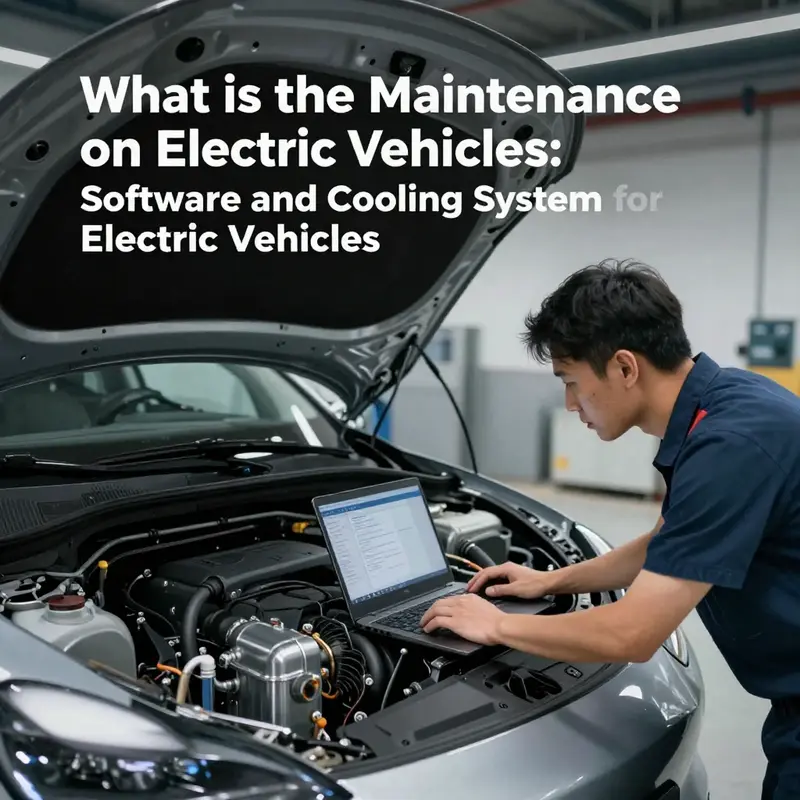
Maintenance for electric vehicles centers on two invisible yet crucial pillars: the software that runs the vehicle’s brain and the cooling system that keeps its heart from overheating. This is not a book of oil changes or spark plug swaps; it is a careful cultivation of the digital and thermal intelligence that powers modern EVs. The shift from internal combustion to electric propulsion reorders maintenance into a different rhythm. There are fewer moving parts to wear, yet those parts operate within a tightly controlled, software-driven ecosystem that relies on precise thermal management. When you listen for what EVs require, you hear a whisper rather than a rattle: regular software updates, mindful charging habits, and a steady, attentive eye on cooling components. The result is not a more mysterious maintenance regime but a more purposeful one, where neglect shows up as a drop in performance, a rise in temperature, or a stubborn software prompt rather than a leaky gasket and a burnt oil pan.
Cooling system maintenance forms the first and most tangible pillar of this regime. The cooling loop, which moves coolant through the battery pack, electric motor, and power electronics, is the unsung guardian of performance and longevity. The radiator, a central piece in the thermal orchestra, acts like a referee for heat. Dust, pollen, and debris can accumulate on the radiator fins, especially in dusty urban corridors or industrial belts, or in areas with high pollen counts in spring. When airflow is blocked, cooling efficiency falls, temperatures creep upward, and the software may respond by reducing power to protect components. This is not a sign of failure but a protective measure, signaling that the cooling system is working—and perhaps that it needs a little attention.
Maintenance guidance for the cooling system is practical and context dependent. In daily life terms, it means periodic inspection for debris on the radiator surface and around the intake areas, followed by a careful cleaning to restore airflow. The frequency of cleaning is not a one size fits all prescription; it scales with the environment in which the vehicle operates. A vehicle that spends its life in a dense city with heavy traffic and poor air quality may require more frequent attention than one that roams cleaner rural roads. The goal is simple: keep the radiator and its nearby pathways free enough to allow unimpeded air to reach the cooling core. As part of this vigilance, the on board diagnostic system becomes an ally. It can flag abnormal temperatures, alert you to cooling fan anomalies, or remind you to service the cooling circuit. The exact steps to access these prompts vary by vehicle, but the essence remains the same. The diagnostic cockpit monitors temperatures in real time and translates buffers and thresholds into actionable guidance. In some systems, you can pull up a maintenance timeline or a service reminder from the vehicle’s display, navigating through the menus much like a gallery of health checks. This on board capability lowers the barrier to timely maintenance, turning a potentially complex mechanical task into a routine check that the owner can understand and engage with.
Cleaning the radiator is more than a cosmetic gesture. Debris accumulation can reduce the radiator’s open surface area and limit cooling airflow when heat is most intense, such as during hot weather, climbing grades, or rapid acceleration events when the motor and electronics demand more energy. It is worth noting that the coolant circuit itself requires periodic checks. Coolant is not just water with an antifreeze additive; it is a precisely formulated fluid that carries heat away from the battery and power electronics while resisting corrosion and freezing. The service interval for coolant replacement is specified by the manufacturer and may vary with climate, driving style, and the specific chemistry of the coolant used. When a technician inspects the cooling system, they will examine coolant levels, look for leaks along hoses and connections, test the pump and fans, and verify the integrity of temperature sensors. A healthy cooling loop is invisible because it operates within the expected temperature window, but its absence is loud in the form of performance throttling, warning lights, or degraded range.
Software maintenance threads through every aspect of EV upkeep. Over the air updates have become a defining feature of modern electric vehicles. These updates are not cosmetic; they refine the thermal management algorithms, recalibrate battery cooling strategies, and tighten safety protocols that govern how the vehicle behaves in different environmental and load conditions. Updates can optimize energy efficiency by refining how and when the cooling system engages, how aggressively the battery is heated or cooled to maintain optimum charging or discharge conditions, and how thermal data is interpreted by the Battery Management System. In practical terms, software updates can unlock smoother charging, more accurate range estimates, and better consistency in performance across a wide range of temperatures. They also deliver security patches that protect against emerging vulnerabilities in the vehicle’s electronics ecosystem. Keeping the software current is, in itself, a form of maintenance because it preserves the integrity of the entire electrical chain—from the battery to the motor controllers to the human-machine interface that displays the vehicle’s health.
Beyond the benefits to range and safety, software updates can improve the way the battery and cooling systems interact under real world conditions. The thermal management system is not a static loop; it adapts to the vehicle’s firmware and learning over time. When the vehicle learns your daily routes, climate patterns, and charging habits, it can tune how often the coolant circulates, how quickly fans ramp up, and how the battery preconditions itself before a charging session. This adaptive capability is a key reason why software updates matter for long term health. Regular updates help ensure that the protective mechanisms—ranging from preconditioning to thermal throttling—are calibrated to the latest understanding of the battery chemistry, the newest sensor data, and the most efficient motor control strategies. In other words, software is not a backdrop to hardware; it is a dynamic instrument that shapes how the hardware behaves and ages.
To reflect on the maintenance philosophy for EVs, some readers may wonder if electric vehicles require less maintenance overall. The short answer is that maintenance becomes more targeted and digital, not less important. A compact way to think about it is to see software updates and cooling system care as two halves of a single health story. The software keeps the vehicle’s brain sharp and the thermal management intelligent, while the cooling system physically preserves the battery’s health and the electronics’ reliability. Together, they form a holistic approach that emphasizes prevention over repair. As you consider this, it helps to recognize that the schedule is not a fixed set of dates but a living plan that adapts to your geography, your driving patterns, and the car’s evolving software. The vehicle itself often becomes a guide, nudging you toward maintenance steps through gentle prompts and diagnostic readouts. In this sense, maintenance ceases to be a quarterly ritual and becomes a data informed practice that aligns with the way you live your life.
From a practical standpoint, owners should integrate a few straightforward habits into their routine. First, stay attentive to the vehicle’s health prompts. If the on board system flags the cooling path as needing service, or if it recommends a maintenance window for a software update, treat it as a priority rather than a suggestion. Second, anticipate the effect of environment on cooling needs. If you drive in dusty areas or extreme heat, plan for more frequent radiator checks and cleaning, even if that means a quick exterior wipe and a visual inspection of the intake areas. Third, recognize that software updates often require the vehicle to be stationary or to be in a safe operating state; plan updates during times you can allow the car to be connected to a stable power source and with a reliable network connection. These practices reinforce the idea that maintenance is a continuous dialogue between the car and its owner, mediated by software intelligence and physical care.
The maintenance conversation also extends to the tires and brakes, even though the cooling and software questions are the focus here. EVs are heavier than many comparable ICE vehicles due to the battery, which can influence tire wear and handling. While regenerative braking reduces wear on traditional brake pads, the entire braking system should not be neglected. Periodic inspections of pads, rotors, fluid levels, and the braking hardware remain essential. The goal is clarity: you want to preserve grip and stopping power, because a well maintained chassis supports effective thermal management by avoiding abrupt temperature spikes that can arise from aggressive cornering or sudden braking events. Wiper blades, lights, and general cleanliness are simple, universal maintenance tasks that help ensure safety and long term condition. The creative tension of EV maintenance lies in recognizing how these hardware checks sit beside, and are supported by, the software and cooling system care described above.
Within this integrated framework, the maintenance habit you cultivate should be anchored in the manufacturer’s official schedule. The recommended maintenance intervals reflect not only the vehicle’s hardware but the software version, the climate, and the typical load the vehicle carries. The key is to view maintenance as a cohesive program rather than a patchwork of unrelated tasks. The software keeps the brain coherent with the system, and the cooling loop keeps the heart within safe operating temperatures. When done thoughtfully, maintenance becomes an ongoing project that preserves performance, protects investment, and sustains safety over the vehicle’s life.
For readers seeking a concise cross check of the CPU like question, consider this synthesis: software updates are your monthly health check for the vehicle’s mind and its energy systems, while cooling system maintenance is your quarterly health check for the vehicle’s heart. Neither operates in isolation, and both rely on your participation as the owner. The vehicle invites you to engage with its health data, to respond to prompts, and to schedule service when the software reveals a needed update or a cooling component appears to require attention. In that sense, the modern EV owner is both a user and a steward of a tightly integrated machine. The maintenance you perform and the care you take with charging behavior, environmental exposure, and diagnostics will determine how gracefully the vehicle ages and how consistently it performs in the years to come.
If you want to see a compact framing of the broader maintenance picture for EVs, you can explore a concise overview that places the emphasis on the question of maintenance requirements in context. Do electric vehicles require less maintenance? The short answer points to fewer moving parts and simpler routine tasks, but it quickly expands into a richer narrative about software health and thermal management as the new core duties. This framing helps a reader move beyond the old ICE mindset toward a modern maintenance philosophy that respects digital and thermal stewardship equally. And since maintenance guidance is best understood in the language of the car itself, owners are encouraged to consult the on board health prompts and the manufacturer’s published maintenance schedule, using those resources to shape a personal upkeep rhythm that respects climate, usage, and the evolving software landscape. For a deeper dive into how this question is framed by the industry, see the concise discussion linked here: Do electric vehicles require less maintenance?.
In closing, the maintenance of electric vehicles is not a single fixed checklist but a living practice that blends software intelligence with tangible cooling system care. The software keeps the vehicle’s decisions aligned with the best available data, while the cooling system keeps the hardware safe under load. Together, they ensure safety, reliability, and longevity without the need for the old routines that defined ICE maintenance. By embracing this integrated approach, owners can enjoy the advantages of EVs with confidence, knowing that the quiet guardians of software and cooling are working in harmony to protect performance and value over time.
External resource: For ongoing, manufacturer specific guidance on maintenance practices, you can consult the official maintenance guidelines from the vehicle maker at https://www.tesla.com/support/vehicle-maintenance
Final thoughts
Regular maintenance of electric vehicles is not just about keeping them running; it’s about maximizing safety and efficiency while minimizing long-term costs. Business owners must prioritize battery management, tire care, brake inspections, and software updates to ensure their electric fleet performs at its best. These proactive measures lead to fewer breakdowns, extended vehicle life, and improved operational efficiency. By integrating these practices into your maintenance regimen, your business will harness the full potential of electric vehicles, ensuring a more sustainable and cost-effective future.