
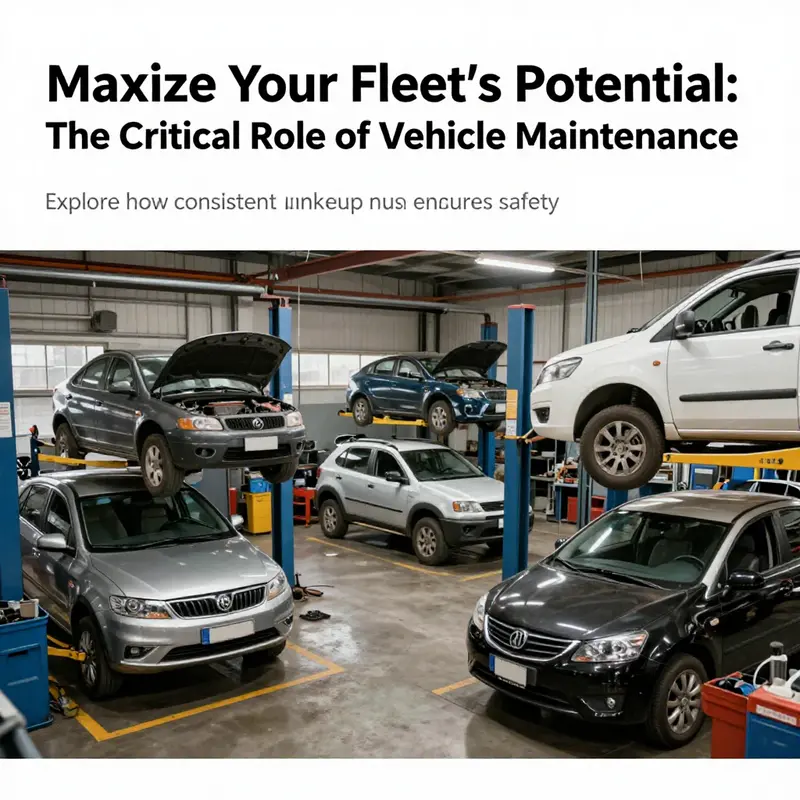
For business owners managing fleets of vehicles, understanding the importance of vehicle maintenance is crucial not just for the safety of drivers but also for enhancing overall operational efficiency. Regular vehicle maintenance extends the lifespan of vehicles, ensures their reliability, and proactively addresses issues before they escalate into costly repairs. As we delve into the crucial aspects of vehicle maintenance, chapter one will examine its undeniable impact on safety, chapter two will focus on how it enhances longevity and performance, and chapter three will highlight its role in promoting cost efficiency while benefitting the environment. Together, these factors contribute to a sustainable and profitable vehicle operation strategy.
Guardians of the Road: The Vital Role of Vehicle Maintenance in Safety, Longevity, and Everyday Efficiency
Guardians of the Road: The Vital Role of Vehicle Maintenance in Safety, Longevity, and Everyday Efficiency
The car you drive daily is more than a metal frame and a dashboard; it is a complex system that translates your choices into movement, comfort, and security. When you think about why a vehicle needs maintenance, it is helpful to shift from a checklist mindset to a relationship mindset. Regular care is not merely about avoiding breakdowns. It is a disciplined practice that keeps the vehicle aligned with your needs, your routes, and your responsibilities as a driver and a member of a road-sharing community. Maintenance is the continuous interface between intention and action, between the driver’s will and the machine’s performance. Each routine service becomes a small, cumulative investment in safety, reliability, and efficiency.
The most immediate reason to adopt regular maintenance is safety. Vehicles are safety systems in their own right; every component works within a network that must communicate, respond, and endure. Brakes are the obvious frontline; yet their effectiveness depends on the entire hydraulic chain and the condition of pads, rotors, and fluid. Brake fluid is an incompletely appreciated part of the system. Over time it absorbs moisture from the air, which lowers its boiling point and can lead to fade during heavy braking. In a moment of urgency, fading brakes can translate into inches or feet that spell the difference between a near miss and a collision. Regular checks of brake fluid and the replacement of worn pads and rotors when their thickness falls below a safe threshold are not mere maintenance tasks; they are ongoing protections for the people in front of, behind, and around the car.
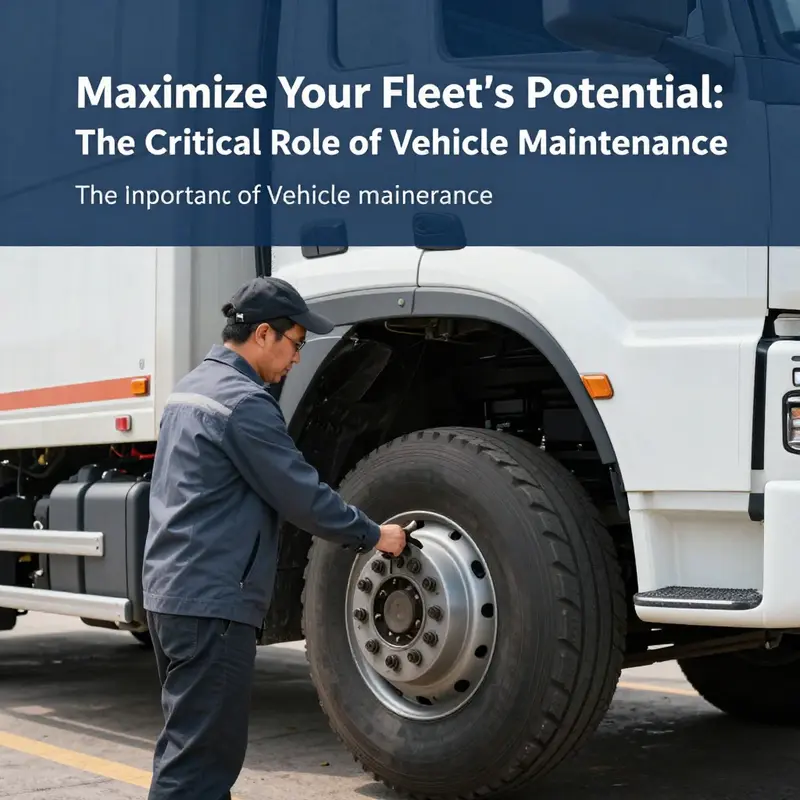
Tires, too, occupy a unique position of safety and risk. They are the only part of the vehicle that touches the road, transmitting power, steering input, and braking force, while also bearing the load of every mile traveled. Underinflation or overinflation alters the contact patch, changing grip, steering feel, and heat buildup. It accelerates wear in uneven patterns and can invite dangerous blowouts in hot conditions or during long trips. The tread depth matters as well; the legal minimum is a practical lower bound, but grip is a function of what remains on the tire—especially on wet or snowy pavement. Regular checks of tire pressure, along with tread depth assessment, become a simple, repeatable ritual that yields immediate safety dividends. When tires are correctly inflated and the tread is above threshold, braking, cornering, and steering return a crispness that drivers often underestimate, because it is mostly invisible in normal times.
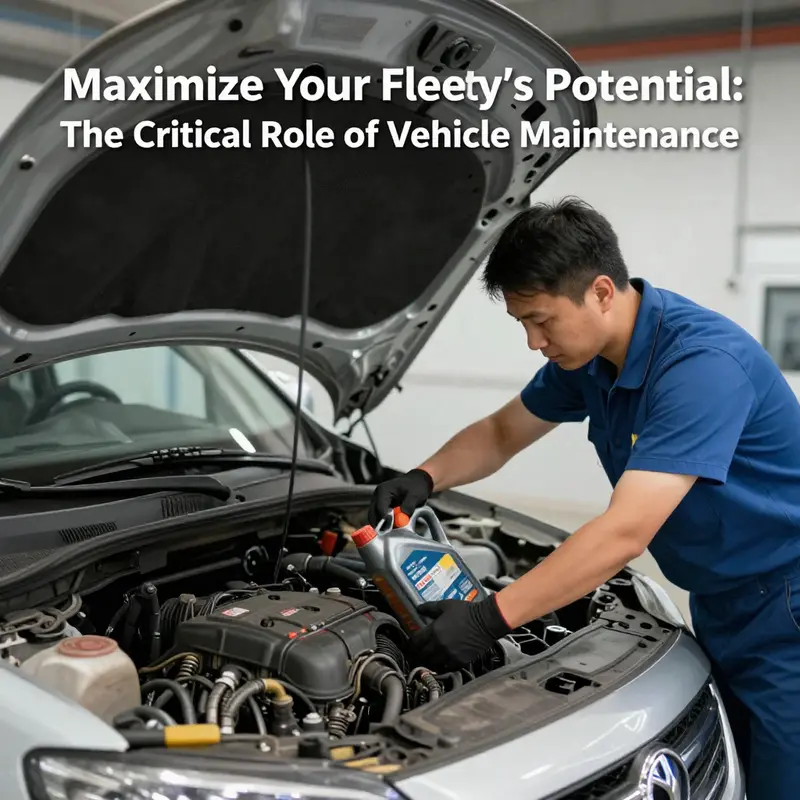
In the engine bay, the relationship between performance and safety might seem less direct, yet it is equally important. An engine that receives the right oil and the right coolant at the right intervals is protected against overheating, excessive wear, and the unpredictability of heat cycles. Oil serves as more than a lubricant; it carries away heat, cushions moving parts, and helps keep contaminants suspended until they can be filtered out. The grade and type of oil—mineral, semi-synthetic, or synthetic—are selected based on the vehicle’s design, the climate, and how the car is driven. Regular oil changes do more than keep the engine quiet; they slow the wear that would otherwise accumulate into a gradual, unplanned decline in power and reliability. Coolant or antifreeze plays a parallel role in maintaining stable operating temperatures and protecting against corrosion. If coolant levels drop or the fluid ages, the risk of radiator damage and overheating escalates, setting the stage for leaks, failed gaskets, or, eventually, a costly engine-heat crisis. These considerations are not abstract; they translate into predictable, testable outcomes in performance, fuel economy, and the car’s ability to respond in traffic.
A single focus on the engine would miss a large part of the safety equation. The electrical system, lighting, and signaling are the communication channels of the vehicle with the world outside. A headlight that spots a road edge at night, a taillight that signals to following traffic that you are slowing, or a turn signal that provides a clear cue to other drivers—these are not decorative features; they are essential for safe navigation at every hour. Lighting also interacts with the vehicle’s protective systems. A sensor fault might not stall the car, but it can mask an emerging safety issue or degrade the performance of safety aids such as stability control or lane-keeping assist. Regular inspection of all exterior and interior lights, along with the associated fuses and connections, helps ensure that a simple failure does not become a hazard in critical moments.
Beyond the obvious systems, a vehicle’s suspension and steering deserve careful attention, especially for drivers who encounter potholes, rough roads, or quick, evasive maneuvers. Worn ball joints, bushings, and struts can change alignment, alter steering response, and create instability when a driver needs precise control. On a long journey, the margin between controlled handling and a skid can be razor-thin, and a well-maintained suspension system helps preserve that margin. Regular checks for unusual tire wear patterns, clunking noises, or a drifting tendency can reveal problems long before they threaten safety. The goal is not to chase every minor symptom, but to maintain a baseline of reliability that reduces the chances of a sudden loss of control.
The maintenance conversation often centers on cost, yet the most significant benefits are not always measured by a price tag. Preventive care, when viewed through the lens of safety, returns dividends in the form of reliable starts, predictable performance, and the driver’s confidence. A vehicle that behaves consistently under different loads, temperatures, and road conditions provides a steadier platform for daily tasks, longer trips, and family errands. When maintenance is neglected, small issues can become larger, costlier problems, sometimes culminating in breakdowns in inconvenient locations or during inconvenient times. A routine service that checks fluids, tightens connections, and replaces worn parts can prevent the cascade of failures that escalate repair bills and downtime.
Fuel efficiency is a practical, sometimes overlooked, dimension of maintenance’s safety and economic value. A well-tuned engine requires less energy to produce the same work. Clean air filters allow the engine to breathe properly, while properly inflated tires reduce rolling resistance. With a clean fuel injector or ignition system, power is delivered more efficiently, and wasted fuel becomes a tangible cost rather than a theoretical concern. A maintenance habit thus translates into steadier fuel consumption and fewer emissions. In a world increasingly conscious of environmental impact and cost of ownership, the link between regular servicing and cleaner operation is not merely aspirational; it is measurable in miles per gallon, or liters per 100 kilometers, depending on the region and the vehicle design.
Another layer is the long view of a car’s life. Vehicles are expensive, durable assets, and their resale value depends on how well they have been cared for. A service history that shows timely oil changes, brake service, tire maintenance, and cooling system care speaks to reliability and prudent ownership. Prospective buyers often weigh how much life remains in an engine, a transmission, or a suspension when negotiating price or deciding whether a used vehicle is worth purchasing. In this sense, maintenance becomes a strategic financial practice that protects value long after the initial purchase.
The moral case for maintenance also grows from the responsibilities we bear toward others who share the road. Regular checks and timely repairs reduce the probability that a vehicle with defective brakes, worn tires, or failing lights might become a danger to pedestrians, cyclists, and fellow drivers. In dense urban areas, where vehicles operate in close quarters and at irregular intervals, the margin for error is small. The quiet habit of routine inspections becomes a kind of social etiquette—an acknowledgment that being on the road is a shared privilege that benefits from predictable, dependable behavior.
The topic of safety-centered maintenance is not a static checklist; it evolves with our vehicles and our environments. Advances in materials, electronics, and onboard diagnostics provide more opportunities to catch issues early, often before the driver notices a change in performance. Modern vehicles present a growing array of indicators—from service reminders to precise fault codes—that help narrow the window of uncertainty. But the core principle remains constant: safety is strengthened when maintenance aligns with the car’s design, the driver’s patterns, and the road’s realities. Behavioral discipline—setting reminders, recording service, prioritizing timely repairs—converts this principle from abstract intent into concrete protection.
The practice of maintenance also intersects with legal and regulatory considerations. In many regions, annual safety inspections or emissions checks enforce a baseline of roadworthiness. While the stringency of these mandates varies, they reflect a broader philosophy: a road system functions better when vehicles entering it meet certain performance standards. The maintenance diary, whether formal or informal, helps ensure compliance with these expectations and reduces the risk that a minor fault becomes a legal or financial liability. In short, safety is not a single act but a continuous discipline, a rhythm by which a driver and their vehicle stay aligned with each other.
In embracing maintenance as a core habit, drivers gain a more predictable and responsive vehicle. The process of looking after a car becomes a practical education in cause and effect: your actions influence its performance, which in turn shapes your experience on the road. The driver learns to listen for unusual sounds, to notice slight changes in steering feel or braking response, and to interpret the vehicle’s messages with care rather than fear. This knowledge is not arcane; it is accessible through simple, routine checks, regular servicing, and the willingness to address early warning signs rather than waiting for a failure.
To make this understanding actionable, it helps to anchor maintenance in the vehicle’s own physiology. The engine is a living system when viewed through the lens of wear and heat cycles. The cooling system acts as a circulatory network, and the electrical system forms nerves that keep sensors, lamps, and actuators in harmony. Fluids serve as lifeblood—oil lubricating and cooling, coolant preserving temperatures, transmission fluid enabling smooth gear changes. The more drivers recognize this inner life, the more naturally maintenance flows into day-to-day life: checking oil level on a calm weekend, replacing a clogged air filter during a season of dust, and ensuring tires remain at the recommended pressure as seasons shift.
As with any living system, the parts interact. A small leak in the cooling loop can escalate into overheating if neglected; a tired brake fluid can raise the risk of fading under heavy stops; a distant vibration may be traced to a wheel bearing wearing unevenly. A mechanic can confirm these suspicions, but the informed driver has already begun the diagnostic process by noting changes in performance. The practice of maintenance, in its most efficient form, becomes a collaborative process between the owner and the vehicle. The owner brings awareness, prior experience, and preventive intent; the vehicle, through its components and warning signals, returns feedback. This two-way relationship fosters not only safety but also a deeper sense of responsibility: a driver who understands the machine learns to respect its limits, avoid pushing into risky scenarios, and schedule care with a forward-looking mindset.
In examining the broader social and environmental footprint, maintenance also matters. A car that runs efficiently wastes less fuel, emits fewer pollutants, and contributes less to landfill waste through extended service life. The environmental calculus of maintenance is not romantic; it is part of responsible ownership that aligns personal costs with public goods. When a vehicle is well cared for, it remains dependable in all kinds of weather and road conditions, reducing the likelihood that drivers will abandon journeys or improvise dangerous fixes on the roadside. The cumulative effect of many well-maintained vehicles upholds safety standards on a community scale and preserves the integrity of shared infrastructure such as roads, highways, and emergency services.
The chapter now invites a practical moment for reflection. Regular maintenance is not a ritual reserved for car enthusiasts or engineers; it is a feasible practice for busy people who rely on mobility for work, care, and opportunity. The core act is to integrate maintenance into daily life: set a calendar reminder for oil changes aligned with the manufacturer’s recommendations, test the tires’ inflation when the seasonal weather shifts, and keep a simple log of repairs and replacements. The aim is simplicity and consistency, a rhythm that keeps the car’s performance aligned with the driver’s expectations. In that rhythm, safety becomes less of a discrete event and more of a steady state—a continuous, reliable baseline that supports every mile driven.
To broaden the perspective, consider the following invitation: what is vehicle maintenance? This is more than a set of tasks; it is framework for thinking about care, responsibility, and forward planning in relation to the machine that carries you through your days. If you want to explore this framework in more depth, you can consult resources that organize maintenance around the lifecycle of a vehicle, the demands of different climates, and the changing technology of modern drivetrains. For a broader framework on the practice, readers may consult what is vehicle maintenance. Understanding that frame helps you translate general principles into concrete actions tailored to your own vehicle and circumstances.
In the spirit of responsible ownership, the chapter subtly bridges toward the practicalities that follow in the narrative arc of this article. While the specifics of service intervals may vary, the overarching logic holds: timely attention to brakes, tires, fluids, electrical systems, and suspension preserves safety, lengthens life, improves efficiency, and protects value. The next sections will build on this foundation by exploring how to translate these principles into a maintenance schedule that fits different budgets and driving patterns, without losing the clarity that maintenance brings to daily life. The path forward is one of informed, consistent care—an everyday discipline with outsized impact on safety and well-being.
To give readers a more actionable sense of how to implement this rhythm, think of maintenance as a light cadence rather than a heavy burden. On a monthly basis, you might glance at the oil level, the brake fluid, the coolant reservoir, and the battery terminals. You can check tire pressures when you fill up at the gas station or at the start of a long trip. Quarterly checks can be a gentle audit of brake pad wear (by eye or with a gauge), wiper blade condition, and the belts and hoses that thread through the engine bay. Annually, you can align with the car’s service schedule, tackling larger items such as air filter changes, inspection of the suspension components, and the integrity of the exhaust system. The goal is continuity and predictability, so there are no big surprises when the seasons change or life circumstances shift. The driver acknowledges that care is not optional when safety is at stake, and it is not an extravagance when it yields a calmer, more reliable vehicle in daily use.
The practical benefits extend to emergency readiness. When the car is in good shape, it is more likely to perform as expected during an unexpected route, a long drive through unfamiliar terrain, or an abrupt detour due to weather or roadworks. You begin to rely less on improvisation and more on a system that can be trusted to start, to brake, and to steer under pressure. That confidence, built through routine attention, reduces stress in moments when every decision matters. It also invites a calmer, more purposeful approach to driving, one that prioritizes awareness, anticipation, and measured responses over frantic, last-minute fixes. In a society that depends on mobility for economic opportunity and personal connection, the value of such reliability cannot be overstated.
As this chapter closes, the thread linking safety, longevity, efficiency, and value remains intact. Regular maintenance is not a luxury reserved for those who can afford it; it is an essential practice that safeguards lives, protects assets, and sustains the practical rhythm of daily life. While this discussion has focused on safety as the compass, it has also shown how maintenance aligns with broader aims—economic sense, environmental stewardship, and social responsibility. The maintenance habit becomes a lens through which the everyday act of driving reveals its deeper significance: care that keeps the road safer, the journeys smoother, and the future within reach.
External resource: https://www.nhtsa.gov
null
null
Maintaining Momentum: Vehicle Care as a Path to Cost Efficiency and Environmental Stewardship

Maintaining momentum in vehicle care translates to cost efficiency and environmental stewardship. Regular maintenance keeps the car reliable, safe, and efficient, turning small checks into long term savings. Safety matters: brakes, tires, steering, and suspension require routine inspection to prevent breakdowns and accidents. Early intervention reduces downtime and expensive repairs. Regular oil changes, filter replacements, belts, and cooling system checks prevent wear from escalating. A well maintained engine runs cleaner, uses fuel more efficiently, and delivers steadier performance. The environmental and economic benefits accrue over years: fewer emergencies, less waste, and lower emissions due to improved efficiency. Technology like onboard diagnostics and smart maintenance planning can help predict issues, optimize service intervals, and reduce unnecessary visits. The human aspect—awareness, proactivity, and routine documentation—transforms maintenance from a chore into a practiced discipline that supports safety and long term value. In the broader picture, extending vehicle life reduces demand for new parts and materials, contributing to sustainability. The takeaway is simple: adopt a consistent, preventive maintenance routine, tailor it to your vehicle, and stay engaged with its signals to maximize both budgeting and ecological outcomes.
Final thoughts
Business owners must recognize the multifaceted benefits of vehicle maintenance. By prioritizing regular upkeep, companies can enhance safety, extend the lifespan of their fleets, optimize performance, and save significantly on costs—ultimately supporting environmental sustainability. A diligent approach to vehicle maintenance is not merely a routine task but a strategic decision that safeguards your business’s operational efficiency and contributes positively to the larger community.