
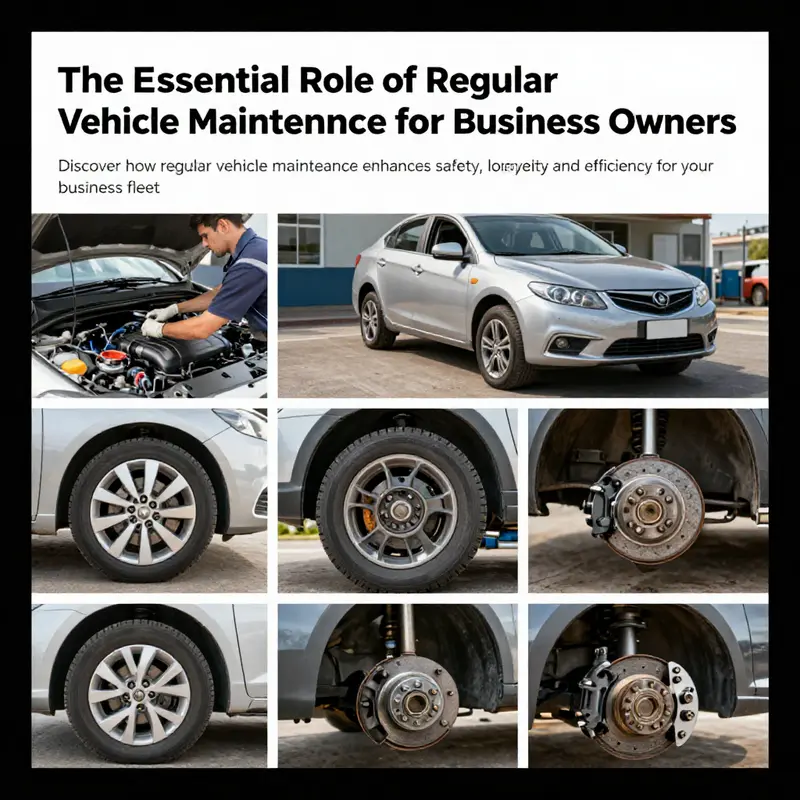
For business owners relying on vehicles, regular maintenance is not merely a best practice, but a critical necessity. It’s pivotal for enhancing safety, ensuring vehicle longevity, and improving fuel efficiency — all key factors that contribute to operational success. In this exploration, we will delve into three significant aspects: how regular maintenance enhances safety features, extends the overall lifespan of vehicles, and optimizes fuel efficiency. Understanding these dimensions will empower business owners to make informed decisions to protect their investments and ensure smooth operations.
Safe Miles Ahead: How Regular Vehicle Maintenance Elevates Safety and Confidence on Every Drive
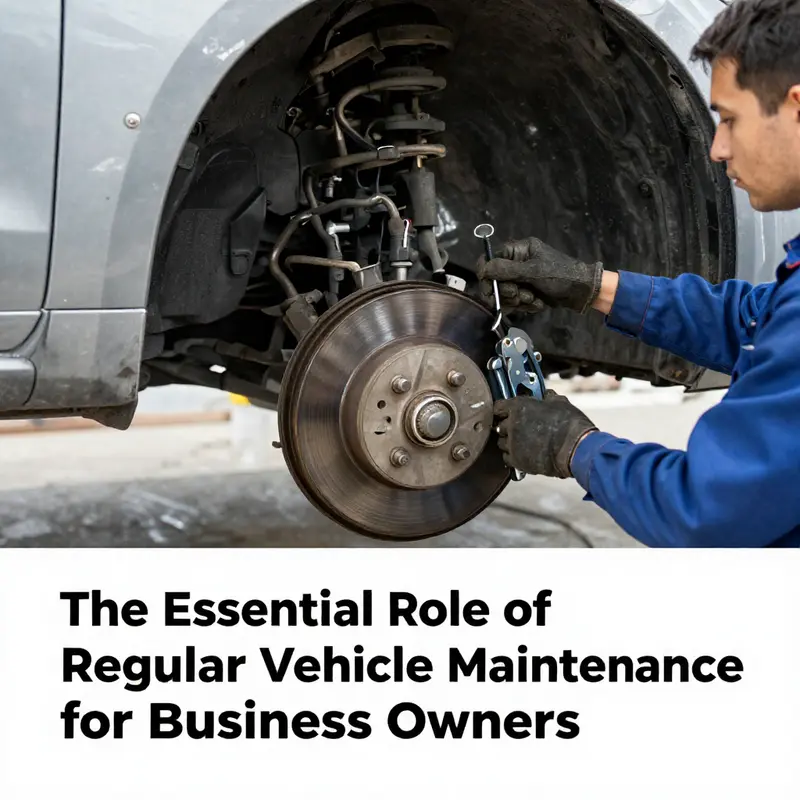
On the road, safety is not a single guardian but a chorus of systems that must stay in tune. Regular vehicle maintenance keeps that chorus in harmony, smoothing out the rough edges before they become the loud notes of danger. It is not a luxury or a chore; it is a practical discipline that translates into real-world safety for you, your passengers, and every driver you share the road with. When you approach maintenance as a continuous habit rather than a checklist of repairs, you begin to see the subtle ways in which attention to detail reduces risk in daily driving. The payoff is not only fewer breakdowns but also greater predictability: a car that responds when you expect it, at the moment you need it, with brakes that bite firmly, steering that feels precise, and tires that cling to the road whether it’s dry, wet, or slick with fallen leaves. If you are unsure where to start, consider that maintenance exists to preserve the conditions that keep you upright and in control in an emergency. For a clear definition of maintenance itself, you can explore explanations at what is vehicle maintenance.
Tire safety: The foundation of stability. Tires touch the road, so every decision you make about air pressure, wear, and condition directly affects handling. Regularly checking tire pressure matters because too much air reduces the contact patch and warmth; too little air increases friction and generates excessive heat. Both extremes undermine grip and can lead to a blowout or a surprise loss of control. Tread depth matters too; most safety standards set a minimum around 1.6 millimeters. When tread wears down to that threshold, the tire’s ability to channel water diminishes, making hydroplaning more likely on a wet road. Beyond that, inspect for cuts, bulges, cracks, or nails that can suddenly puncture or fail under load. This is not mere sightseeing; it is a critical step in ensuring reviews of the tires become a habit rather than a one-off check during a long trip. The practice of maintaining tires is not only about safety; it also affects fuel efficiency and ride comfort, which means it touches the wallet in meaningful ways.
Braking system reliability: The last line of defense. Brakes work only if they are in good health. Regular maintenance includes monitoring brake pads for thickness and listening for telltale sounds such as squealing or grinding. When pads wear below about 3 millimeters, replacement is necessary to maintain stopping power and to protect rotors from damage. Brake fluid deserves attention too. It is not a static fluid; it absorbs moisture from the air, which lowers its boiling point over time. When moisture content rises, you risk brake fade during heavy or prolonged braking. For many vehicles, replacing brake fluid every two years or forty thousand kilometers is recommended to minimize this risk. A spongy pedal or reduced braking response is a warning signal that should prompt an inspection. Regular checks ensure the system remains responsive, allowing you to stop quickly and predictably when new hazards appear in the road or in traffic.
Engine health: Ensuring reliable performance. An engine that runs smoothly is the backbone of safety because it provides consistent power delivery and predictable response to driver inputs. Oil is the lifeblood of the engine; it lubricates, cools, and cleans, and as it ages, its protective properties fade. Regular oil changes matter, and the interval depends on the oil type and the manufacturer’s guidance: mineral oil often calls for more frequent changes, semi-synthetic extends a bit, and full synthetic can go longer between changes. Fresh oil reduces friction, minimizes wear, and helps the engine maintain temperature, which in turn preserves performance and safety. In addition, check coolant levels and condition. Coolant prevents overheating that can warp components or seize cylinders in extreme heat; low or contaminated coolant is a leading cause of overheating. Belts, hoses, and the air filter deserve periodic attention as well. Cracked belts can slip or fail suddenly, compromising accessory systems, while a clogged air filter can choke the engine’s breathing, reducing power just when you need it most. All of these checks, performed on schedule, prevent small problems from compounding into failures that could leave you stranded or worse.
Lighting and visibility: Communication with other road users. Lights are not merely for you to see; they are a language that other drivers read. Headlights must illuminate clearly and be properly aimed, and all signaling lights—brake, turn, and hazard indicators—must function reliably. A burnt-out bulb is not a mere nuisance; it deprives others of crucial information and can create situations where another driver misreads your intentions. Regular inspection should be part of your weekly routine: check that bulbs are functioning, that lenses are clean, and that the headlight aim is set so you neither dazzle oncoming traffic nor wash out the road ahead. In winter and in rain or fog, good lighting is even more critical because visibility is reduced and the margin for error narrows. A small investment in keeping lights in top condition yields outsized returns in safety, especially as you approach dusk, dawn, or late-night driving windows.
Comprehensive checks beyond the obvious. Safety relies on more than a few critical components. The suspension and steering system influence handling, cornering stability, and ride quality, and worn components can mask a developing problem that could escalate into a dangerous loss of control. The electrical system, including the battery, provides essential reliability; a weak battery can fail to start in cold weather or leave you stranded in a commute. Windshield wipers and washer fluid may seem mundane, but visibility in rain or snow hinges on their performance. When wiper blades streak, smear, or chatter, or when the motor whines or stalls, the risk of an accident increases. The maintenance routine becomes a safety net when it is supported by a practical schedule—monthly tire and fluid checks, quarterly brake inspections and fluid refreshes, and biannual engine, lighting, and system assessments. A plan like this grounded in the manufacturer’s recommendations helps you identify issues early and address them before they evolve into expensive repairs or safety hazards. Keeping a written history of service appointments and replacements also makes future maintenance decisions clearer, especially if you resell the vehicle later. The habit is not about fear, but about empowering your driving—giving you the confidence that your car will respond as intended when you need it most.
Value, regulation, and the driving experience. The safety you gain from regular maintenance is tightly linked to long-term costs. Preventive care costs less than major repairs; addressing a worn spark plug or a small coolant leak today can avoid engine damage that would otherwise require hours of labor or even a costly part replacement tomorrow. On a broader scale, adherence to maintenance supports compliance with local inspections and emissions tests. Many regions require periodic verification that vehicles meet safety and environmental standards; staying current with maintenance records helps demonstrate readiness and roadworthiness during inspections. Equally important is the sense of control and peace of mind that comes from knowing your vehicle’s critical systems are in good shape. When you hear a strange vibration, feel a slight shift in steering response, or notice a lights flicker in a dim cabin, you do not have to panic. Instead, you can consult the maintenance history, perform the straightforward checks described by your manual, and seek professional help before the problem worsens. That proactive stance translates into a smoother, more comfortable driving experience, where the car responds with precision, the ride feels settled, and the driver trusts that the machine is listening to the road and to their input. In short, regular vehicle maintenance converts your car from a potential source of anxiety into a reliable partner you can count on in traffic.
Adopting a practical maintenance rhythm. The challenge is not to memorize endless rules but to cultivate a realistic, repeatable rhythm that fits your life. Start by aligning your checks with the vehicle manufacturer’s maintenance schedule and the real-world conditions you drive in: frequent highway miles, hot climates, or extremely cold seasons all place different demands on tires, fluids, and cooling systems. Use your owner’s manual as a compass, and treat maintenance records as a living document—every service entry adds to a clearer map of your vehicle’s health. Observe simple, consistent cues: tire pressure gauges, a quick brake feel test, a glance at the oil dipstick, and a check of lights before you take a trip. Over time, these small actions become second nature and reduce the likelihood of surprises. If you want a concise definition of maintenance in plain terms, see the resources on what is vehicle maintenance. The point is to build a sensible plan that you can sustain across seasons and miles. The aim is not perfection but reliability, not fear but confidence, and not inconvenience but a quiet assurance that your car will serve you well for the long haul. When maintenance is embedded into daily life, safety follows as a natural byproduct, not an afterthought.
Looking ahead, the practice of keeping your vehicle in peak safety condition becomes more than an individual choice; it shapes your daily life on the road and influences the safety culture of everyone around you. You are not merely fixing things; you are preserving the machine that ferries your family, your colleagues, and your friends through weather, traffic, and fatigue. The discipline is practical, measurable, and enduring, and its dividends arrive as steadier handling, more predictable performance, and a broader sense of confidence behind the wheel. In a world where conditions change quickly and dangers can appear without warning, the quiet work of maintenance is the most reliable form of risk reduction you can practice every day. External resource: https://www.nhtsa.gov
The Long Road to Reliability: Extending Your Vehicle’s Lifespan Through Consistent Maintenance
A car’s lifespan is not a given. It is the result of countless micro-decisions made over years—the small, steady commitments to upkeep that keep a machine from aging faster than its design allows. When we treat maintenance as a form of stewardship rather than a chore, the road ahead becomes clearer: a reliable vehicle that starts every morning, handles confidently in wet or dry weather, and resists the creeping costs of neglect. Regular maintenance acts as a continuous shield against the inevitable wear and degradation that accompany all mechanical systems. Engines heat, metals fatigue, fluids break down, and tiny leaks become larger ones if left unchecked. Yet through disciplined inspections, timely replacements, and mindful driving, the most aggressive forces in a car’s life—friction, heat, contamination, and corrosion—can be mitigated. This is not mere theory. It is a scientifically grounded approach to prolonging a vehicle’s health by aligning maintenance with the physics of motion and the realities of aging machinery. At its core, extending a vehicle’s life is about managing the balance between energy and resistance. Engine oil functions as the lifeblood of the engine, carrying away heat, washing away particles, and cushioning moving parts under extreme pressures. When oil ages, its viscosity shifts, contaminants accumulate, and the oil’s cooling and lubricating properties diminish. Regular oil and filter changes keep this balance in check, reducing internal friction and heat generation. The interval guidance varies with oil type, reflecting differences in composition and durability. Mineral oils typically have shorter cycles, semi-synthetic oils extend those cycles, and full synthetics are designed for longer runs. Adhering to these intervals isn’t about chasing a calendar date alone; it’s about preserving the engine’s operating envelope. When oil is changed on schedule, the engine experiences cleaner lubrication, fewer varnish and sludge deposits, and more consistent thermal performance. This translates into smoother starts, less engine noise, and a lower risk of premature wear in vital components like bearings and cam lobes. It also reduces fuel consumption indirectly, because a well-lubricated engine can convert chemical energy into motion with less wasted energy due to friction. For readers who want a practical perspective, consider how maintenance can influence fuel efficiency in everyday driving. Routine upkeep—oil changes, air-filter replacement, and correct spark timing—helps the engine breathe and burn fuel more efficiently. Clean air filters, for instance, ensure air reaches the combustion chamber with less resistance, enabling more complete combustion and better mileage. The cumulative effect of these small gains is significant over the life of a vehicle, particularly when combined with proper tire pressure management and alignment checks. A well-tuned engine, kept clean by timely oil and filter changes, is less likely to develop parasitic issues that sap power and efficiency. The journey to longevity, however, extends well beyond the engine. A vehicle’s lifespan hinges on the health of its hydraulic fluids, cooling systems, and transmission. Brake fluid, which readily absorbs moisture from the air, can become corrosive and compressible if neglected, leading to softer braking and unpredictable pedal feel. Replacing brake fluid on the recommended schedule guards against moisture-induced fade, ensuring the braking system remains responsive in emergency stops and routine slow-downs alike. Coolant or antifreeze plays a parallel role in safeguarding the engine from overheating. Over time, coolant loses its ability to regulate temperatures effectively, increasing the risk of engine damage in hot climates or during sustained highway driving. Regular coolant replacement maintains the cooling loop’s integrity, protecting cooling channels, gaskets, and water pumps from corrosion and deposits that could otherwise compromise cooling efficiency. Transmission fluid, particularly in automatic transmissions, is another crucial lifeline. Its role goes beyond lubrication; it also provides hydraulic pressure that governs gear shifts and torque delivery. As the vehicle ages, fluid breakdown and contamination can cause sluggish shifts, slipping, or harsh engagement. Adhering to the manufacturer’s schedule for transmission fluid changes helps preserve smooth operation and reduces the likelihood of expensive transmission repair later on. The chain of maintenance extends to the tires, brakes, air pathways, and electrical system—each a gatekeeper of safety and reliability. Tires are the only contact patch with the road, and their condition directly governs traction and handling. Regular checks of tire pressure, tread depth, and wear patterns promote even tire wear and maximize fuel efficiency. Rotations every 8,000–10,000 kilometers help ensure that tread wears evenly, extending the usable life of tires and maintaining consistent grip. Brake components deserve equal attention. Pads and rotors, when inspected at every service, reveal wear before it undermines stopping power. Replacing worn pads before rotor damage occurs is a straightforward, affordable safeguard against sudden braking performance loss. Air and cabin filters may be overlooked, but they matter. Clean air filters support efficient combustion and reduce engine strain, especially in dusty environments. Attention to these filters at intervals—every 10,000 kilometers or sooner in dirty climates—helps sustain engine efficiency and longevity. Beyond the mechanical everything, maintenance is also a discipline of habit. Daily driving choices shape how gracefully a car ages. Short trips that never allow the engine to reach its optimal operating temperature can foster carbon buildup and incomplete combustion, especially in older engines. A routine of smooth acceleration, steady cruising, and gentle braking minimizes stress on drivetrain components, reduces wear on engine mounts and suspension, and lowers fuel consumption. Parking in a dry, shaded place protects finishes and electrical components from UV damage and weathering. Regular washing and undercarriage cleaning, especially for vehicles exposed to road salts or coastal environments, curtails corrosion and preserves structural integrity. The cumulative effect of these responsible practices is a vehicle that remains responsive, reliable, and affordable to operate over hundreds of thousands of kilometers. It is not merely about avoiding breakdowns; it is about maintaining the vehicle’s core fearlessness and confidence. When a car is consistently serviced, it accumulates a traceable history of care—an asset in itself. A well-documented maintenance record provides reassurance to prospective buyers and reduces the perceived risk of ownership. It signals that major systems—engine, transmission, braking, steering, and suspension—have received attention at appropriate intervals. In practical terms, this translates into real savings. The upfront costs of routine services pale beside the cost of major repairs triggered by neglect. An inexpensive spark plug, for instance, is far cheaper than repairing an engine damaged by poor lubrication or carbon buildup from old, degraded oil. The same logic applies to belts, hoses, sensors, and other wear-prone components. When these elements are replaced in a timely fashion, the vehicle maintains its efficiency and reliability, and the potential for a catastrophic failure is reduced. For readers seeking a concrete link to the everyday economics of maintenance, the broader narrative of fuel savings and efficiency is worth exploring. See how vehicle maintenance saves on gas expenses for a practical orientation toward cost-conscious driving. Yet longevity is not a one-season project. It is a lifecycle investment, anchored by the discipline of following manufacturer schedules and a vigilant eye for signs of trouble. Manufacturer schedules emerge from a synthesis of laboratory testing and real-world data, reflecting conditions that span climates, driving styles, and vehicle electronics. They are designed not as rigid rules but as scientifically grounded guardrails to guide owners through the vehicle’s most demanding periods. Adhering to these guidelines helps ensure that aging components are replaced or serviced before they become causes of failure. This approach yields dividends in reliability. A car that has been nurtured with timely oil changes, fluid replacements, and routine inspections tends to behave consistently across seasons and miles. The engine remains strong, the transmission shifts smoothly, and the braking system responds predictably. The suspension holds a steady line through bumps, and the steering feels immediate rather than vague. The overall driving experience, in turn, becomes a quiet story of resilience rather than a series of surprises. It is also a story about value. A well-maintained vehicle tends to retain its value better than one with a spotty service history. In a market where buyers often weigh risk carefully, a complete and accessible service record can be a decisive factor. The sense that a car has been cared for reduces perceived risk and supports a more favorable depreciation curve. Maintenance transforms a car from a potential source of frustration into a dependable asset, a partner that enables daily life rather than a source of anxiety about the next repair bill. In this light, the maintenance regimen transcends mere cost management. It becomes an approach to life on the road, a philosophy of responsibility that aligns with broader aims like safety, efficiency, and environmental stewardship. When you consider the environmental side of longevity, regular maintenance reveals additional long-term benefits. An efficiently running engine emits fewer pollutants per mile, and well-maintained fuel systems squander less energy. Cleaner air intakes, properly functioning exhaust components, and optimized combustion all contribute to a reduced carbon footprint over time. This alignment of personal stewardship with public responsibility adds another layer to why regular maintenance matters. The science behind extending a vehicle’s life is not mysterious. It rests on predictable principles: lubrication reduces wear, clean fluids manage heat and friction, and timely component replacement prevents cascading failures. When these principles are applied consistently, the vehicle develops a robustness that surprises people who view maintenance as a frequent, unnecessary interruption to daily use. Instead, it opens up a longer horizon of dependable transport, fewer disruptions, and a more stable budget for the future. As you reflect on your own vehicle, consider the long arc of its life—the thousands of miles you will accumulate, the seasons you will endure, and the various trips you will make that depend on a predictable, safe, and efficient machine. Consistent maintenance is more than a list of tasks; it is the quality control for your vehicle’s health across years. It is also a bridge to other chapters that explore how maintenance connects with driving behavior, safety, and vehicle value. For readers who want a practical reminder that maintenance pays off beyond theory, the equation is simple: well-cared-for systems resist wear, performance stays steady, and the cost of small, timely fixes remains far lower than the price of large, unexpected repairs. The long road to reliability is paved with attention to detail, deliberate planning, and a mindset that treats a car as a living machine that benefits from ongoing care. And in embracing that mindset, you not only extend the vehicle’s life but also secure a smoother, safer, and more economical journey for years to come. For a broader perspective on what vehicle maintenance entails, see the overview that frames maintenance as an ongoing journey rather than a single event: What is vehicle maintenance?.
Fuel on the Move: Harnessing Regular Maintenance to Maximize Mileage and Lower Costs
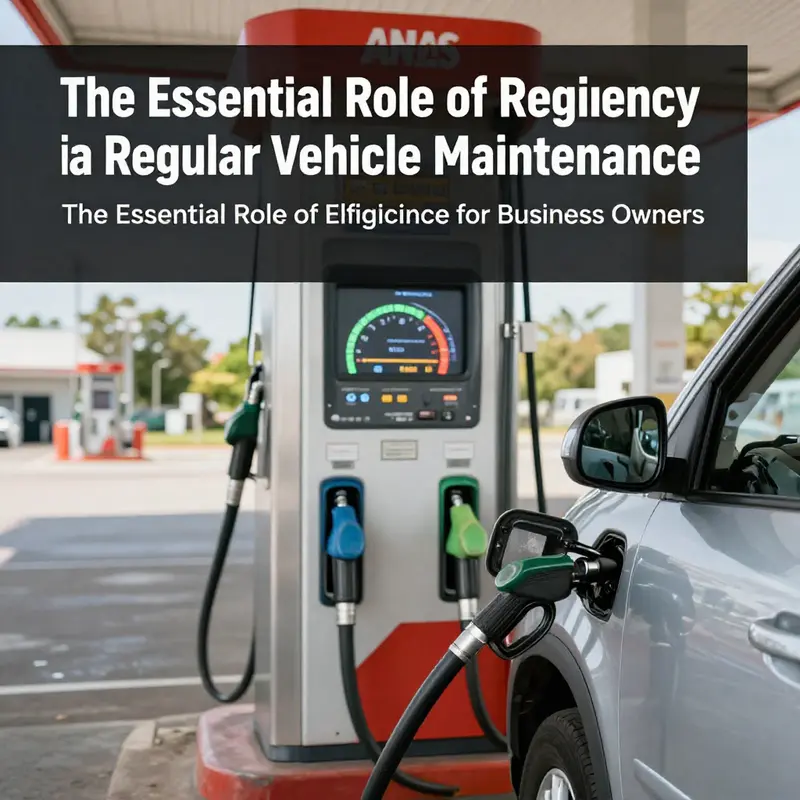
Rising fuel prices and the pressure to reduce emissions put a sharp focus on how efficiently a car uses fuel. Yet fuel efficiency is not solely a matter of the vehicle’s design; it is strongly influenced by how well you care for the car day in and day out. The truth is simple: regular maintenance keeps the engine and its supporting systems operating as they were meant to, and that steady state of care translates into measurable gains in miles per gallon, lower running costs, and a lighter environmental footprint. When you approach maintenance not as a checklist to appease regulatory demands but as a continuous optimization of every major pathway that consumes energy, you begin to see a clearer path to saving money at the pump and reducing the wear and tear that leads to bigger bills later on. The car becomes less a perpetual consumer of fuel and more a well-tuned partner that converts energy into motion with as little waste as possible. In that sense, routine maintenance is not an inconvenience but a practical strategy for practical results, one that compounds across thousands of miles and across years of ownership.
At the heart of fuel efficiency is the engine’s ability to burn fuel cleanly and completely. When maintenance is neglected, tiny inefficiencies accumulate into real costs. A clogged air filter, for example, chokes the engine’s intake, creating a lean or uneven air–fuel mixture that makes combustion less efficient. The result is more fuel required to produce the same amount of power. This is not merely a theoretical risk; it is a direct, observable effect on daily driving. By keeping the air filter clean, the engine breathes easier, the combustion process stays balanced, and the engine can draw the air it needs to achieve complete, smooth burning. The improvement can be subtle in one trip, yet noticeable over months as fuel economy edges upward and the engine operates with less effort.
Tire condition and pressure sit at the boundary between the engine’s output and the road. Underinflated tires increase rolling resistance because more of the tire’s surface remains in contact with the road, and the engine must work harder to overcome this resistance. That extra work translates into extra fuel each time you press the accelerator, especially at highway speeds or during frequent stop-and-go driving. Maintaining tire pressure at the vehicle manufacturer’s recommended level is one of the simplest, most reliable ways to shave fuel use. This isn’t about a single dramatic improvement but about a chain of small efficiencies that add up over time. When tires are properly inflated, you reduce energy waste and enjoy more predictable handling and longer tire life, which is itself a form of efficiency because it lowers the frequency of tire replacements and the energy involved in manufacturing and fitting new tires.
The spark plugs, tiny as they are, play a major role in how effectively fuel is used. Worn or fouled plugs can misfire, disrupting the precise timing and completion of each combustion event. Misfires waste fuel because the air–fuel mixture is not ignited in a controlled, efficient manner, and the engine may compensate by injecting more fuel to maintain power, which only worsens the overall efficiency. Regular spark plug replacement within the intervals specified by the manual helps ensure clean ignition, stable engine performance, and consistent fuel economy. This is particularly important for vehicles with advanced ignition systems that can tolerate longer intervals on paper but still deliver suboptimal efficiency when the plugs begin to degrade. Keeping this component in good shape means fewer misfires, steadier power output, and smoother acceleration—factors that directly influence how efficiently you use fuel in everyday driving.
Oil might be the most taken-for-granted element of the powertrain, yet its condition and viscosity have a direct bearing on energy use. Fresh oil reduces internal friction and engine drag, letting the engine spin more freely as it converts fuel into motion. As oil ages, it thickens or breaks down, losing its lubricating ability and generating more friction. The result is the engine working harder to achieve the same performance, which costs more fuel. Adhering to the manufacturer’s recommended oil-change intervals—commonly every 5,000 to 10,000 miles, depending on oil type and driving conditions—helps preserve lubrication quality and engine efficiency. This is especially crucial for engines that operate under high load in hot or dusty environments, where oil degradation can accelerate. The choice between conventional, synthetic, or synthetic-blend oils also matters; synthetic oils often resist breakdown better and maintain lubrication at extreme temperatures, which can further support efficiency in demanding conditions. Regular oil and filter changes create a cleaner, better-lubricated engine core, reducing drag and energy loss and enabling the car to use fuel more effectively.
Another often overlooked but readily addressable maintenance task is throttle-body cleaning. Over time, carbon deposits can accumulate on the throttle body, subtly restricting airflow into the intake manifold and altering the air-fuel balance. When the throttle body isn’t allowing air to flow as freely as designed, the engine must compensate by adjusting fuel delivery, which can reduce efficiency and throttle response. Periodic cleaning of the throttle body helps restore optimal airflow, improves engine performance, and supports more efficient combustion. It’s a small service with a tangible payoff in smoother operation and more reliable fuel economy, particularly in vehicles that see frequent stop-and-go driving where the throttle is exercised aggressively and carbon buildup can form more quickly.
Lastly, proper wheel alignment and tire balance ensure that energy is not being squandered by the vehicle’s suspension and tires fighting against each other. Misalignment or unbalanced wheels create uneven tire wear and extra resistance, which translates into higher fuel consumption as the engine continually fights to maintain straight-line stability and smooth handling. These checks are not dramatic maintenance items, but they are essential to keeping the vehicle responsive, predictable, and efficient. When alignment and balance are maintained, the car tracks true, experiences less rolling resistance, and uses less energy to maintain cruising speed and accelerate away from stops. Taken together, these maintenance steps form a coherent system: clean air intake, properly inflated and balanced tires, well-timed ignition, clean and well-lubricated engine internals, and unimpeded airflow through the throttle body. Each element contributes to a more efficient whole, and their combined effect can be greater than the sum of their parts.
To make this practical, consider the maintenance intervals that anchor fuel-efficiency gains. Replacing the air filter every 15,000 to 20,000 miles is a reasonable target, though in dusty or polluted environments a shorter interval may be wise. This simple replacement preserves the engine’s breathing and keeps combustion efficient. Keeping tires inflated to the manufacturer’s recommended pressure is a monthly practice that yields measurable improvements in fuel economy and helps maintain consistent handling. Spark plugs, depending on type and design, typically require attention somewhere in the realm of 30,000 to 60,000 miles; verifying your owner’s manual for the exact figures ensures you don’t miss a vital service window. Oil changes, with the range often cited at 5,000 to 10,000 miles, are a cornerstone of long-term efficiency because they sustain low friction and prevent sludge buildup that can slow the engine. In addition to these core items, a periodic throttle-body clean, and a professional evaluation of wheel alignment and balance, comprise a holistic approach to keeping energy use in check.
Taking maintenance seriously does more than lower fuel bills. It also reduces emissions by keeping the combustion process clean and efficient. When an engine runs smoothly—air flows freely, fuel is burned more completely, and friction is minimized—the exhaust emissions tend to be lower, and the engine’s response to throttle input is more predictable. This is not only good for personal budgets but also beneficial for air quality and community health. The cumulative effect of regular maintenance is a vehicle that stays closer to its designed efficiency, year after year, rather than a progressively less efficient machine that requires increasingly more fuel to deliver the same performance.
For many drivers, the question is not whether maintenance affects fuel economy but how to integrate these tasks into a busy life without feeling overwhelmed by a cascade of service intervals. The answer lies in making maintenance a routine part of vehicle ownership rather than a reaction to a check-engine light or an alarming drop in miles per gallon. A simple, consistent approach can be put into practice: maintain a running log of service dates, keep a copy of the owner’s manual and the vehicle’s maintenance history, and set reminders for key intervals. If a car sees a lot of dust, heat, or heavy city driving, it is prudent to adjust intervals accordingly, perhaps shortening them to preserve efficiency and performance. Choosing a reputable technician or service center that understands the link between maintenance and fuel economy helps ensure that tasks are performed correctly the first time, avoiding revisits and the fuel wasted in repeated visits.
The broader message is not merely about saving a few dollars on each fill-up. It is about adopting a mindset where care for the car translates into stability and reliability over the long haul. When you treat maintenance as an ongoing investment rather than a one-off expense, you protect the vehicle’s ability to transform fuel into motion with minimal waste. You reduce the risk of unexpected breakdowns that complicate budgets and force drastic, emergency repairs that often carry higher costs and bigger environmental footprints. In short, regular maintenance acts as a bridge between immediate cost control and long-term savings, while also contributing to safer, smoother, and cleaner driving—qualities that matter as much to everyday living as to the health of the planet.
For readers seeking a concise overview that ties maintenance directly to gas savings, a practical takeaway is to view maintenance as a set of small, reliable actions rather than a set of lofty promises. The core idea is simple: when these tasks are performed on schedule, the engine runs more efficiently, tires roll with less resistance, and the car experiences fewer mechanical hiccups that waste energy. This is a straightforward, repeatable formula that drivers can apply without requiring specialized knowledge. If you want a quick, accessible summary of how maintenance translates into gas savings, see the resource linked here: How Vehicle Maintenance Saves on Gas Expenses.
Beyond the immediate vehicle and budgetary benefits, there is a broader rationale for maintaining fuel efficiency through care. Reduced fuel consumption lowers carbon emissions per mile, contributing to cleaner air and a smaller environmental footprint. It also fosters a culture of responsibility around resource use, encouraging drivers to think about the energy their vehicles consume and how everyday choices, like tire inflation checks or timely oil changes, contribute to collective benefits. In this way, maintenance becomes a practical act of stewardship, linking personal economics with environmental responsibility without requiring heroic leaps in behavior.
The guidance is straightforward, and the proof is practical. Regular checks and timely service on air intake, tires, ignition, lubrication, airflow management, and wheel alignment create a chain of efficiencies that multiply over time. This is not about a single dramatic tweak but about a disciplined, repeatable practice that aligns with how most people actually drive: with regular routes, predictable schedules, and the need for dependable, economical transportation. In the end, maintenance is a smart investment because it preserves value, reduces running costs, and makes the vehicle a truer partner on the road rather than a variable expense that erodes both budget and confidence. For readers who want a structured, objective source of guidance on fuel economy, the U.S. Department of Energy’s Fuel Economy Guide offers accessible benchmarks and references that complement the routine tasks described here, and it can be found at https://www.fueleconomy.gov/feg/.
Final thoughts
In summary, the significance of regular vehicle maintenance for business owners cannot be overstated. By prioritizing safety through meticulous inspections, extending the lifespan of vehicles with routine checks, and improving fuel efficiency, businesses can ensure operational integrity while minimizing costs. Investing in regular maintenance not only protects your assets but also enhances your organization’s reputation, productivity, and bottom line. Keep your fleet running efficiently and safely — it’s an investment that pays dividends.