
For business owners relying on vehicles, regular maintenance is not just an operational task but a crucial part of ensuring safety, reliability, and longevity of your fleet. Vehicles that are well-maintained not only reduce downtime but also enhance productivity and protect investment. This article outlines the importance of three fundamental aspects of vehicle maintenance: fluids management, tire care, and battery and brake system checks. Each chapter will explore the best practices, how they contribute to vehicle efficiency, and the impact this maintenance has on your overall business operations.
Fluid Stewardship: A Practical Guide to Vehicle Fluids
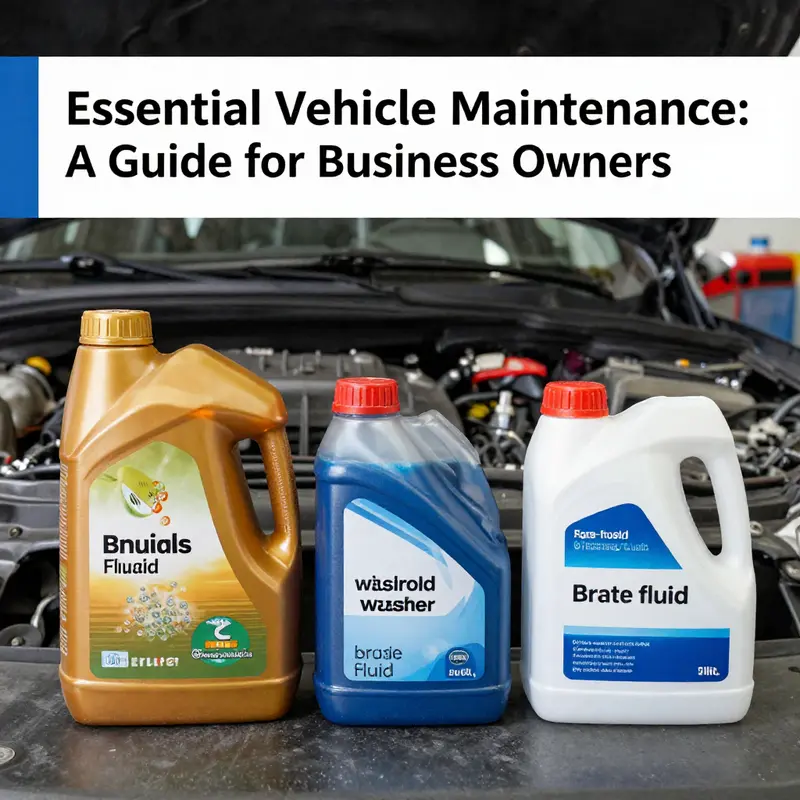
In the daily rhythm of car ownership, fluids act as the quiet lifeblood that keeps a vehicle reliable, safe, and ready for the road. They do not grab headlines the way a new feature does, but neglect them and performance falters, fuel economy suffers, and repairs become costly surprises. This chapter follows a simple thread through the fluids that make a car work from engine oil to cooling, brake and transmission circuits. It also notes that electric vehicles change the flavor of fluid care while the core purpose remains remove heat, reduce wear and preserve efficiency. A fluids discipline is more than a checklist; it is a habit that touches safety, performance and environmental care.\n\nTo understand fluids as a system is to see how each serves a distinct role while contributing to overall health. Engine oil is the most familiar, but the set includes coolant to regulate temperatures, brake fluid to translate pedal effort into stopping power, transmission fluid to lubricate gear trains, and power steering fluid where applicable. In electric vehicles the physics shift a touch but the logic endures: heat must be managed, friction controlled, and components kept within their operating envelopes. The expansion of these principles into new thermal and hydraulic realities invites drivers to treat fluid care as a continuous practice rather than a one time task.\n\nThe heart of fluid stewardship lies in routine monitoring proper selection and timely changes. Monitoring begins with calm observation of the car s temperament: does the engine sound different on startup, does idle feel smoother, are there temperature fluctuations hinting at coolant imbalance, or signs of leaks under the car? The best practice is simple check levels compare to reference marks and act when readings drift outside safe ranges. This becomes part of a regular cadence that mirrors brushing teeth or scheduling maintenance.\n\nIn traditional internal combustion engine vehicles fluid health revolves around four essentials engine oil coolant brake fluid and transmission fluid with ancillary care for windshield washer fluid power steering where applicable and the engine s air and fuel interfaces. The engine oil lubricates and protects moving parts; it also cleans and cools. Because oil degrades with use and heat it must be refreshed on a schedule that matches manufacturer recommendations. For many drivers that means an oil change at the intervals recommended by the maker depending on oil type and driving. The oil filter helps keep the lubricant clean as it circulates. Skipping changes invites faster wear and costs.\n\nCoolant prevents overheating and protects against freezing. The level should be checked when the engine is cold and kept between min and max. If low, refill; if contaminated or discolored, flush or replace. The radiator cap hoses and expansion tank offer clues to health. A coolant system that stays intact under pressure is key to long term performance.\n\nBrake fluid is hygroscopic and lowers boiling point as it absorbs moisture. Routine checks look for moisture and color changes, and fluid should be replaced on a schedule so that performance remains within safe limits. Brake system health should be checked as well; squeaks or reduced braking response warrants a full inspection.\n\nTransmission fluid lubricates cools and transmits power. Old transmissions may have frequent changes; newer sealed transmissions may require service only when indicated by diagnostics. The color smell or viscosity can warn of wear or contamination. Some modern transmissions need professional service for correct exchange. The goal remains smooth engagement and clean, stable fluids.\n\nPower steering fluid in hydraulic systems should be clean and at proper level. In many modern cars electronic assist reduces hydraulic use, but many cars still rely on hydraulic fluids that benefit from timely checks. EVs rely on thermal management for batteries and motors; the coolant used there is formulated for high heat and long duty cycles. The bottom line is that heat friction and contamination must be managed with appropriate fluids.\n\nEnvironmentally, leaks and proper disposal matter. Store fluids securely and dispose of them at certified points. Small daily habits matter catching drips not dumping used oil and following local regulations.\n\nTo implement a fluids strategy at home adopt a cadence aligned with the vehicle and your life. Monthly checks should cover essential levels engine oil coolant brake fluid; inspect for leaks or signs of deterioration. Transmission fluid checks may require warming the engine or professional services follow the maker guidelines. Power steering and windshield washer as applicable.\n\nThe broader maintenance ecosystem includes tools such as a fluid syringe for rapid exchanges in fleets or service centers. For everyday drivers the simplest routine checking levels verifying no leaks and changing fluids on schedule provides a robust foundation for reliability. The aim is not perfection but responsible stewardship that respects the car and the people who rely on it.\n\nIn closing the fluids of a vehicle form an integrated network whose health dictates driving confidence. The core idea is to measure monitor replace and dispose responsibly. The exact intervals and fluid types are in the owner manual. This approach empowers planning budgeting and avoiding surprises. Fluid care complements tires brakes air filters and lights tying together the visible and invisible parts that keep a car safe and capable.\n
Rolling Safely: Tire Care as the Cornerstone of Basic Vehicle Maintenance
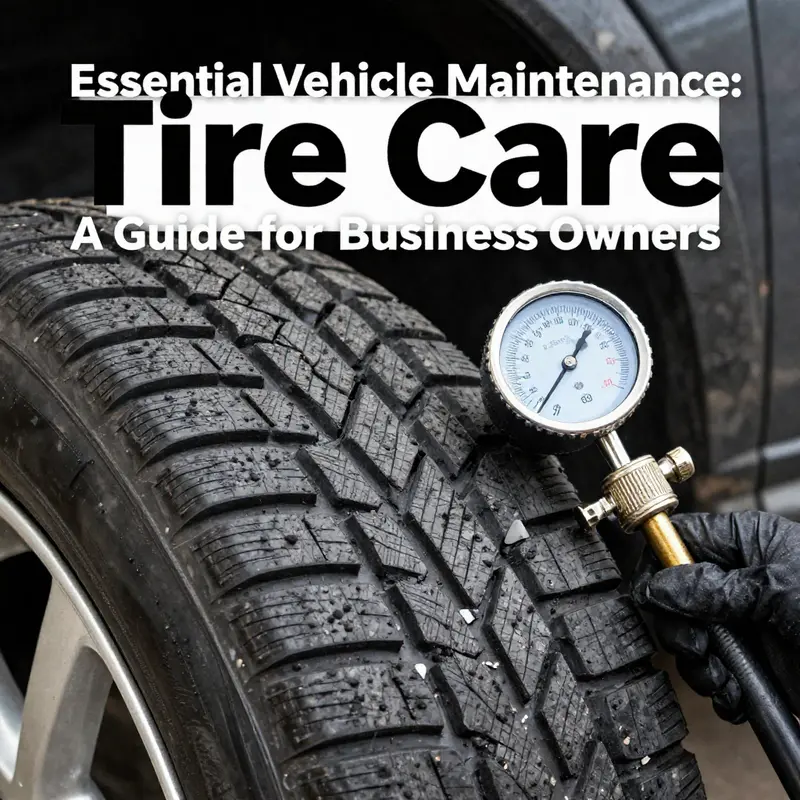
Tires are the quiet boundary between a vehicle and the road, a constant reminder that safe driving begins long before you press the accelerator. They are the only part of the car that directly touches the pavement, bearing the full burden of weight, speed, and weather. Because of this intimate contact, tire care sits at the heart of any durable maintenance routine. It is easy to overlook, because it often happens out of sight and out of mind, yet neglect here can erase years of careful upkeep elsewhere. The life of a car is measured not just in miles but in the integrity of the tires that carry those miles. The relationship between pavement and rubber is a dialogue of pressures, temperatures, and wear that speaks loudly about safety, efficiency, and the comfort you expect from your ride.
Tire care begins with recognition of aging as a real factor, even when the tread still looks acceptable. Tires age due to exposure to ultraviolet light, temperature fluctuations, and the slow chemical changes inside the rubber compounds. Environmental factors like road salts, oils, and road grime also contribute to the breakdown process. This aging is independent of tread wear; tires can appear to have plenty of tread left while their structural integrity has declined. That is why industry guidance increasingly stresses not only how tires wear but how long they last from the date of manufacture. A common rule of thumb is to consider replacement roughly around six years from production, regardless of mileage or visible wear. The logic is simple: rubber compounds lose elasticity and resilience over time, and a tire that feels fine in years one or two can become a safety risk in year six or seven, particularly under sudden deceleration, cornering, or high-speed conditions.
This softening of the rubber and the aging of the belt and ply layers translate into a higher probability of sidewall cracking, bead loosening, and even catastrophic failure under stress. It is a reminder that tires are a finite component. They do not renew themselves with each mile; instead, they tell a story of the road through their performance and their condition. This is why tire care is not a passive maintenance task but an active contributor to the overall reliability and safety of the vehicle. The practical implication is clear: tire maintenance deserves the same respect as oil changes, brake inspections, and battery checks, because it plays a direct and immediate role in your ability to stop, steer, and accelerate predictably.
Consider the everyday realities of tire management. The air inside a tire is not a static thing; it expands or contracts with temperature, load, and speed. A tire that’s underinflated generates more heat as it works harder to support the same load, and heat is a tire’s greatest enemy. Underinflation reduces the tire’s contact patch integrity, makes the sidewalls more pliable, and raises rolling resistance. All of this translates into reduced fuel efficiency and a harsher ride, while also increasing the chance of a blowout under stress. Overinflation, on the other hand, can reduce the contact patch too much, increasing the risk of damage from road hazards and causing uneven wear—the center of the tread wears faster than the shoulders, which can lead to less grip in cornering. The balance is delicate, and it is maintained through regular checks and adjustments to the inflation pressure according to the vehicle manufacturer’s specifications.
In practical terms, a tire maintenance routine starts with regular checks of inflation pressure, but it extends far beyond a quarterly gauge poke. The door jamb sticker on most vehicles lists the recommended cold inflation pressure for different loading conditions. This recommendation is not a one-size-fits-all number; it accounts for the weight distribution of the vehicle, the tire size, and the typical load the car carries. Checking pressure monthly, and especially before long trips or seasonal changes, ensures that the tires operate within their designed performance envelope. This is not merely about avoiding a flat or minimizing noise; it directly affects fuel economy, tire wear, braking performance, and handling. Tires operate best when they are at the pressure level intended by the manufacturer, because the tire’s shape, contact patch, and heat generation are all calibrated around that specification.
Another core element of tire care is rotation. Even wear is essential for maintaining predictable handling and extending tire life. The tread on a tire wears more quickly on the driven axle, so rotating tires helps distribute wear evenly and preserves grip across all four corners. The commonly recommended interval—roughly every 8,000 to 10,000 kilometers—reflects a balance between allowing the tires to wear evenly and avoiding the fatigue that can accompany longer intervals between rotations. If you notice uneven wear patterns before a scheduled rotation, it is a sign that the vehicle’s alignment, suspension components, or tire balance may need attention. Alignment issues can cause edges to wear down more quickly or the tread to develop scalloped patterns. In a well-tuned system, rotation becomes a straightforward routine that helps keep tires performing uniformly and extend their usable life.
But rotation is not the only maintenance lever. Visual inspection remains a critical habit. Tires should be checked for cuts, bulges, or embedded objects such as nails or screws. A bulge in the sidewall often signals internal damage that an ordinary patch cannot fix, and continued driving can be dangerous. Embedded debris can lead to punctures that evolve into slow leaks or rapid flats. The tread itself must be measured, not just observed. A tread depth below the legal or recommended minimum indicates compromised traction, particularly on wet or icy surfaces. In many regions, the minimum is around 1.6 millimeters, but some driving conditions and regional requirements call for earlier replacement to maintain grip. Even if the remaining tread seems adequate, a tire that has aged or undergone repeated flexing can lose its ability to grip when it matters most. For this reason, professionals often err on the side of caution when assessing the overall safety of a tire, combining tread depth measurements with an evaluation of tire age, wear patterns, and signs of cracking or weathering.
Temperature, road conditions, and vehicle loads contribute to tire wear in nuanced ways. Hot summer days raise rolling resistance and heat buildup, accelerating internal wear. The hotter tires get, the more pressure rises, which can push you into the overinflated range and create a stiffer ride with less grip. Conversely, cold weather lowers tire pressure, reducing the contact patch and increasing the risk of poor traction when you need it most. For this reason, seasonal awareness matters. In winter, maintaining proper pressure is crucial because cold air shrinks the internal volume and reduces the tire’s ability to maintain its designed shape under load. In summer, monitoring for overinflation and heat-related signs becomes equally important. The optimal practice is to check tires regularly across the year, adjusting pressures as necessary when you switch from city driving to longer highway trips, or when you change the vehicle’s loading scenario—carrying a roof rack, a trailer, or a heavy cargo box changes the dynamic substantially.
The science of tire maintenance also encompasses the broader ecosystem that supports safe driving. Consider the tire’s internal construction: the layers of rubber, fabric, and steel belts that form a tire’s core. Aging affects not only the rubber but the structural integrity of the belts and plies. Even with an apparently healthy tread, the internal materials can become brittle with time. This is why the six-year replacement recommendation is not merely about tread life but about preserving the tire’s overall structural reliability. As part of a broader maintenance philosophy, this mindset acknowledges that tires are a critical safety interface. A minor tire issue can trigger cascading effects: delayed braking, reduced steering precision, and a higher likelihood of skidding in rain or on uneven pavement. The tires deserve attention for what they can prevent as much as for what they can deliver in performance.
Beyond the mechanical and safety considerations, there is the practical matter of tire performance in real-world driving. Proper inflation and even wear always translate to better steering feel and more predictable braking. A tire that is properly inflated maintains a larger, more stable contact patch, which means more consistent traction when you need to brake hard or corner sharply. The pattern of wear can also reveal hidden problems within the vehicle’s suspension or alignment, offering a diagnostic signal to service technicians that the car may need servicing beyond the tires themselves. In this sense, tire care serves as a benchmark for overall vehicle health. When tires are tended to with diligence, they reflect a broader approach to maintenance that recognizes safety and efficiency as inseparable goals.
The thread connecting these ideas is simple and powerful: tires require regular, informed attention because they are the vehicle’s interface with the world. The maintenance choices you make about tire pressure, rotation, tread depth, and replacement age determine how the car responds in emergencies, how efficiently it uses fuel, and how comfortable the ride feels over long distances. This is not about chasing perfection in tire technology; it is about implementing a practical, vigilance-based routine that keeps you, your passengers, and other road users safer. A well-considered tire plan—regular pressure checks, timely rotations, attentive inspection, and a principled stance on replacement age—translates into a smoother ride, fewer unexpected trips to the shop, and a stronger sense of control behind the wheel.
To anchor this approach in practical, day-to-day decisions, think of tire care as a continuous dialogue with the road. When you inflate to the correct spec before a road trip, you are inviting efficiency and steady handling. When you rotate on schedule, you are ensuring that every wheel shares the burden of wear, preserving traction on wet streets and dry highways alike. When you inspect for wear and damage, you are listening for warnings that would otherwise go unheard. And when you respect the tire replacement timeline, you honor the integrity of the rubber and the belt system inside. These choices accumulate over time, shaping the vehicle’s behavior in the most critical moments—swerving to avoid an obstacle, stopping on a slippery surface, or climbing a grade with a heavy load. They also reduce the likelihood of avoidable breakdowns, which aligns with the broader objective of basic vehicle maintenance: safety, reliability, and longevity.
For readers seeking a broader framework of maintenance beyond tires, a concise overview of what maintenance means for a vehicle can provide helpful context. See What is vehicle maintenance for a concise, practical view of maintenance principles that apply across systems, including tires. What is vehicle maintenance.
In the larger canvas of automotive care, tires also connect to other maintenance disciplines. Proper tire pressure supports efficient fuel use, which ties into the engine’s thermal and lubrication strategies. When tires wear unevenly, you may be alerted to alignment, suspension, or steering component issues that deserve inspection at the next service. Similarly, the care you give your tires can influence the longevity of wheels and bearings, as misalignment can produce vibration and stress that propagate through the chassis. The relationship is reciprocal: well-maintained tires contribute to the overall health of the drivetrain and chassis, while attention to other systems helps tires wear more evenly and perform more predictably.
On a practical level, the maintenance mindset around tires is simple to implement. Start with a monthly check of inflation, guided by the vehicle’s door jamb sticker. Before long trips or seasonal changes, verify that the pressure matches the specification for the expected load. Inspect the tread visually and measure depth with a simple gauge, noting any unusual wear patterns. If you see cracks, bulges, or embedded objects, address them promptly and evaluate whether the tire needs repair or replacement. When wear becomes uneven or the tread depth approaches the minimum, schedule a rotation and a professional inspection. If you notice a wheel vibration, alignment issue, or persistent pressure loss, do not delay diagnosis. Tires shield you against danger in ways that other components cannot, and the investment in their upkeep yields tangible returns in safety and performance across miles and seasons.
Industry insights reinforce this message by highlighting that tire performance hinges on high-quality rubber compounds, thoughtful design, and rigorous testing under demanding conditions. Tires are subjected to extreme environments during development, including motorsport scenarios that stretch materials to the limit. The goal of these efforts is to deliver tires that perform consistently, resist degradation, and provide dependable grip in wet and dry conditions alike. While brand names may appear in technical summaries, the core takeaway remains timeless: the best tires come from an ongoing dialogue with the road, a commitment to regular care, and a respect for the age and condition of the rubber. This broader perspective echoes the maintenance philosophy of the chapter as a whole: it is not enough to replace tires when they are worn; tires must be cared for as a living aspect of the vehicle’s health, integrated with the ongoing maintenance habits that keep a car safe, efficient, and comfortable for years to come.
The practical cadence of tire care thus becomes a discipline embedded in the daily routine of vehicle ownership. When you approach tire maintenance with a calm, methodical mindset, you set the stage for safer driving and more predictable performance. You learn to anticipate the needs of your tires through seasons, trips, and loaded conditions. You gain the ability to interpret subtle signals—the soft thump of a roughened ride, a slight pull to one side, or a vibration at highway speed—as messages from the tire system rather than nuisance symptoms. In this sense, tire care is not a single task but a way of thinking about car maintenance: a continuous, attentive, and proactive practice that helps all the other systems work together harmoniously. And because this approach is practical rather than theoretical, it naturally flows into the next chapters that address how fluids, batteries, and braking systems interact with tire performance, completing a cohesive picture of the basic maintenance every vehicle requires to stay safe and reliable on the road.
External resource note: Tire replacement guidelines from a major electric-vehicle maker’s service manual provide an additional, technology-informed perspective on when to replace tires, and how to match tire specifications to vehicle design and performance requirements. See the detailed tire guidelines in the external resource linked at the end of this chapter for further reference.
External resource: https://www.tesla.com/support/service/manuals
Power, Brakes, and the Quiet Heartbeat of Vehicle Care: A Thorough Look at Battery and Brake System Maintenance
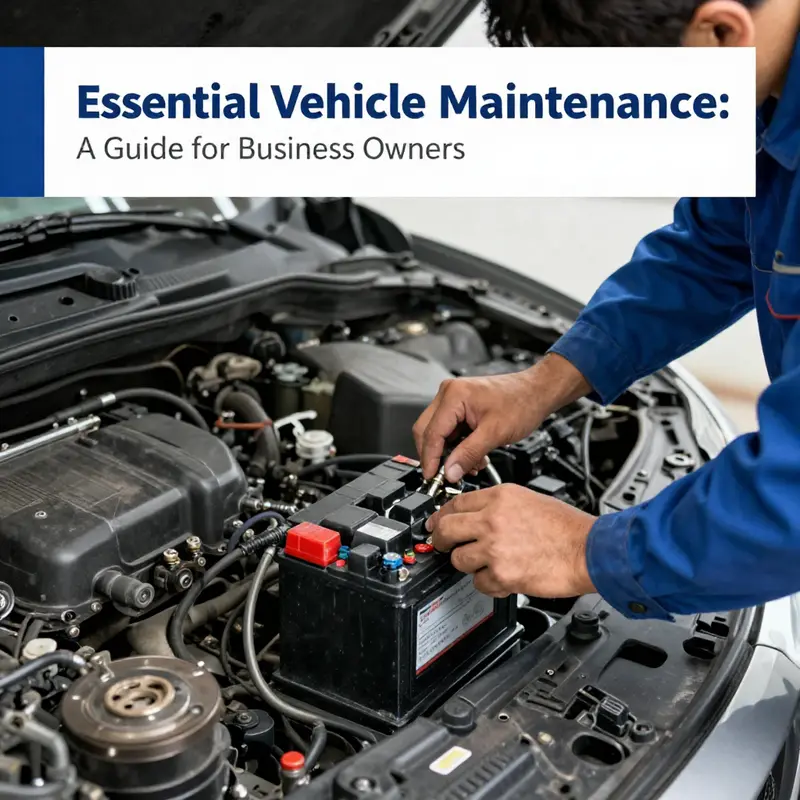
A vehicle’s basic maintenance rests on a few steady pillars that keep it safe, reliable, and ready for the road. Among them, the battery and the brake system form a pair of essential signals: they tell you when the car is ready to begin the journey and when it is ready to stop it with confidence. The chapter that follows ties these two systems into the broader practice of routine upkeep, showing how attentive care to power delivery and deceleration prevents small problems from turning into costly, dangerous failures. In the end, the health of your car’s battery and its brakes is not merely a technical matter; it is a reflection of how consistently you respect the vehicle’s basic needs. The more faithfully you monitor, test, and respond to warning signs, the longer your car will serve you well, and with fewer surprises along the way.
To begin with the battery, think of it as the heart of an intricate network that powers the car’s starting sequence and every electronic feature you rely on. The battery’s job is deceptively simple in description: provide a reliable spark and a steady flow of power when the engine is not running, then accept a recharging routine when the engine is active. Yet the consequences of neglect here are anything but simple. A weak or failing battery can leave you stranded in a parking lot, at a traffic light, or in the middle of a winter storm. The cost of an unexpected failure goes beyond the price of a new battery; it can disrupt your plans, compromise safety, and wear down your confidence in the car you depend on daily. Regular checks, performed with calm, methodical care, are your first line of defense against such disruptions. They are also a learning window into the car’s electrical system, a practical bridge between the routine and the unexpected.
The directions at the battery can seem precise and almost ceremonial: inspect the terminals, check for corrosion, ensure a solid connection, assess the electrolyte level if you have a non-sealed unit, measure voltage when the engine is off, and consider a load test to gauge how the battery performs under stress. Each step serves a purpose. Corrosion on the terminals creates resistance, a silent foe that robs power and can lead to a no-start condition on the coldest morning. A dull, low voltage reading when the engine is off—below about 12.6 volts for a healthy, fully charged battery—serves as a red flag indicating it is time to recharge or replace. The electrolyte level, relevant to non-sealed batteries, is another indicator of age and health; low levels expose plates to air, accelerating deterioration and reducing capacity. A load test, though more advanced, simulates the real-life demand of starting the car, revealing whether the battery can hold up under the strain of a cold morning or a high-load accessory draw.
Even when a battery seems to be behaving, the fine details matter. A battery that remains tightly mounted is less vulnerable to vibration damage, a factor that can shorten its life in a vehicle that sees rough roads, potholes, or off-road use. The mounting hardware—brackets, trays, and hold-downs—must be secure and free of corrosion. In modern vehicles, where the battery is integrated with a web of sensors and control modules, a failing battery can cascade into erratic power delivery, warning lights, or misbehaving systems. Here, the practice of maintenance becomes a habit of listening to the car’s quiet signals: a new groan at startup, a dash light that hesitates briefly before the engine cranks, or an abrupt, dimming of interior lights when accessories engage. These are not anomalies to be dismissed; they are the language of the battery system, read through routine checks and interpreted with patience and care.
When the vehicle is not a traditional internal combustion machine but a hybrid or an electric vehicle, the language shifts in tone but the core duty remains: protect the health of high-voltage components and respect the safety boundaries around them. High-voltage battery systems require specialized care and, crucially, trained technicians. The era of electric propulsion demands that maintenance for these systems be conducted with appropriate tools and safeguards. The principle is straightforward: do not tamper with high-voltage components; schedule service through the manufacturer’s channels and rely on qualified personnel for any diagnostics beyond routine, low-voltage checks. This is not an impediment to care but a recognition that some boundaries are deliberate for safety reasons. For drivers, that means remaining mindful of the vehicle’s warning indicators, understanding the limits of DIY testing, and seeking professional support when the signs point toward a high-voltage issue.
Even within traditional battery care, the routine is broader than a single task. Inspecting the battery visually for cracks, swelling, or leaks; listening for unusual sounds around the battery compartment; and noting a sudden change in engine start behavior all deserve attention. A practical cadence emerges: a quick voltage check once every month when the engine is off, a terminal clean when you notice corrosion (a mix of baking soda and water can help neutralize buildup), and a targeted load test when symptoms indicate deeper battery aging. The goal is not to coax a dying battery to work for one more day but to identify the moment when replacement becomes the more reliable, safer choice. In many cases, a battery issue precedes a broader electrical problem, offering a window to prevent cascading failures in other electronics, lights, or infotainment systems. This is why battery health is a foundational pillar of basic maintenance rather than a specialized or optional concern.
After you have paid attention to energy storage, the brake system follows as the counterpart that translates power into controlled stopping. Brakes are the vehicle’s most immediate safety feature, and their condition is not measured only by the absence of noise or the presence of a strong pedal; it is measured by certainty. A good brake system provides a reassuring, progressive feel in the pedal, accompanied by predictable deceleration and a clear sense that the car is actually slowing when requested. When something feels off—pedal travel increases, the pedal feels spongy, or the car pulls to one side during braking—the first impulse should be to pause and assess. Brake health is not about chasing perfection in a single moment; it is about cultivating awareness of patterns that indicate wear or contamination and then acting decisively to maintain the system’s reliability.
The visual and tactile checks for brakes begin with the pads and rotors. Pads wear down over time, and as they thin, the rotor surface wears accordingly to maintain a safe contact patch. A typical rule of thumb is to consider replacement when pad thickness approaches about 3 millimeters, a threshold that aligns with many manufacturers’ wear indicators. Beyond that, the system can begin to produce noise, reduce braking efficiency, or generate vibrations that transmit through the brake pedal and steering wheel. Rotors deserve equal attention. They should be free of deep grooves, cracks, or scoring that would compromise braking force or create noise. If a rotor shows significant wear, runout, or warping, it may need turning or replacement. This is not merely an issue of performance but of safety; uneven rotor surfaces can cause inconsistent friction and unpredictable braking behavior, especially in wet or slippery conditions.
Brake fluid is the other critical component in this system. Unlike the fluid that lubricates the engine, brake fluid transmits force through a hydraulic network. It is hygroscopic, meaning it absorbs moisture from the air over time. This moisture absorption lowers the fluid’s boiling point, potentially leading to vapor pockets and a soft or spongy pedal during heavy braking. Regular checks of the fluid level at the master cylinder reservoir are essential, and if the color of the fluid darkens or becomes contaminated, flushing and replacement become necessary. The frequency of this service often lies in the two- to four-year range, depending on climate and driving conditions. A dark, opaque, or contaminated appearance should trigger a professional flush rather than a do-it-yourself guesswork. Checking for leaks in brake lines, calipers, and the master cylinder is another indispensable part of the routine. A small puddle under the car or a patch of wetness along the wheel wells is a telltale sign that a system needs attention. The pedal feel itself is a valuable diagnostic: a soft or spongy feel, or a pedal that sinks toward the floor under light pressure, can indicate air in the hydraulic circuit or a diminished fluid level. In such cases, the issue warrants a careful inspection and, often, a brake fluid bleed or system service by a qualified technician.
As with the battery, the brake system’s maintenance benefits from a practical, patient approach. The rules of thumb—check for pad and rotor wear, inspect fluid condition and leaks, test pedal feel, and perform a controlled performance test—form a coherent framework for ongoing safety. A test drive after any service is a wise practice; it helps ensure that the brakes respond evenly across a range of speeds and does not merely rely on the absence of obvious issues in daylight conditions. If there is any uncertain noise, vibration, or change in braking performance, it is prudent to escalate the matter rather than postponing action. The goal is not to chase a flawless system but to avoid the risk of sudden brake failure or degraded stopping power when you need it most. In the broader arc of maintenance, the battery and brake checks are not isolated tasks but integral, synchronizing components that together keep the car ready to run and safe to drive.
A broader integration of these checks with the vehicle’s routine maintenance schedule has practical benefits. When you incorporate battery and brake inspections into monthly or bi-monthly checks, you create a disciplined rhythm that also reinforces other essential maintenance activities, such as fluid level checks and tire care. This cadence becomes especially valuable for those who rely heavily on their vehicles for daily commuting, family trips, or work-related travel. The same mind that remembers to top up windscreen washer fluid or to verify tire pressure can also make it a habit to glance at the battery’s terminal condition and to listen for unusual brake sounds during a short test drive. Such a habit reduces the likelihood of surprises and builds confidence in the vehicle’s reliability over time.
For readers seeking a broader framework on vehicle care, a quick reference point is to connect these practices with the general concept of vehicle maintenance. Understanding what maintenance entails—from battery health and brake integrity to fluid management, tire care, and lighting systems—helps drivers approach ownership with a clear, actionable plan. As you consolidate knowledge about battery and brake care, you can extend similar diligence to other subsystems, recognizing that each component supports the whole. The path to resilience lies in consistent attention, informed by manufacturer guidelines, common-sense testing, and safe, conservative responses to warning signs. In practical terms, this means keeping to recommended service intervals, using quality parts when replacements are necessary, and avoiding risky shortcuts that could jeopardize safety or long-term reliability. In a sense, maintenance is less about chasing a perfect car and more about sustaining a dependable partner for the road.
To reinforce the idea, consider the value of building a quick-reference routine for yourself. A short monthly checklist that touches the battery terminals for corrosion, verifies the battery voltage, inspects the fluid level if applicable, and then moves on to a visual brake inspection can be transformative over time. You will begin to recognize normal baselines for your vehicle and notice when a small deviation signals a potential issue. The process becomes less about fear of a breakdown and more about informed stewardship of your vehicle’s lifeblood—electric charge and friction-based stopping power. This mindset aligns with the broader objective of basic maintenance: reduce the probability of unexpected failures, extend the vehicle’s usable life, and preserve safety for you, your passengers, and others on the road.
As you navigate the landscape of maintenance, you may encounter situations where professional service is the most sensible path. For example, high-voltage battery systems in electric or hybrid vehicles require specialized diagnostics, tools, and safety protocols. In such cases, it is prudent to rely on trained technicians and official service channels rather than attempting DIY repairs. Similarly, brake systems that show persistent abnormal behavior, significant fluid degradation, or evidence of leaks deserve a professional evaluation. The aim is to balance practical DIY skills with the recognition that some tasks demand formal expertise. This balance is not a limitation; it is a practical acknowledgment of safety, availability of parts, and the complexity of modern vehicle systems. By adopting this balanced approach, you maintain your vehicle’s reliability while safeguarding your own safety and that of others on the road.
In the end, the basic maintenance of a vehicle hinges on attention, consistency, and an appreciation for the two systems that can most directly affect safety and dependability: the battery and the brakes. Regular battery monitoring reduces the risk of unexpected starts and keeps electronic systems functioning smoothly. Regular brake inspection maintains stopping power and control, which are essential for safe driving in all conditions. When these two systems are cared for, the car is more predictable, more comfortable to drive, and less likely to impose emergency repair costs on a busy schedule. The habit forms a feedback loop: routine care leads to fewer surprises, which in turn reinforces the value of ongoing maintenance. This is the essence of keeping a vehicle in robust, reliable condition—the quiet heartbeat of care that enables every journey to begin and end with confidence.
For readers who want to explore a broader frame of reference about vehicle maintenance, it can be helpful to connect these ideas to a general overview of maintenance practices. A practical starting point is to consider how a single chapter of maintenance relates to the overall health of the car. The battery and brake checks act as a foundation upon which other checks build, much like the engine oil, coolant, tire care, and filter changes discussed in broader maintenance guidelines. Each element supports the next, ensuring that the car remains safe, efficient, and capable of meeting daily needs. By greeding into this integrated perspective, you learn to see maintenance not as a checklist of isolated tasks but as a coherent strategy that sustains performance, extends life, and minimizes risk. And as you commit to this strategy, you can share the practical wisdom of your routine with others, encouraging safer and more informed driving habits across communities.
To deepen practical understanding and connect with broader concepts, you can explore further resources that frame maintenance within a comprehensive view of vehicle care. For a broader introduction to the topic that complements the battery and brake focus, see what is vehicle maintenance, which offers a concise overview of the essential practices drivers should adopt for overall vehicle health. This reference helps situate the battery and brakes within the larger maintenance landscape and reinforces the idea that care is ongoing, dynamic, and central to safe, reliable transportation.
External resource: For a manufacturer-focused perspective on electric and conventional brake systems and how maintenance aligns with safety best practices, refer to high-level guidance from industry resources. https://www.tesla.com/support/vehicle-maintenance
Internal link note: For a broader view on maintenance concepts and how battery and brake checks fit into the larger routine, you may consult the article on what is vehicle maintenance, which provides foundational context and aligns with the ideas presented here. What is vehicle maintenance: https://vehicletricks.com/blog/what-is-vehicle-maintenance/
Final thoughts
In summary, regular vehicle maintenance is a critical responsibility for business owners. By managing fluids effectively, ensuring tire integrity, and routinely checking battery and brake systems, owners can improve vehicle safety, efficiency, and overall longevity. This proactive approach not only minimizes costly repairs but enhances operational success. Investing time and resources in these essential maintenance tasks translates into a fleet that supports your business objectives efficiently.