

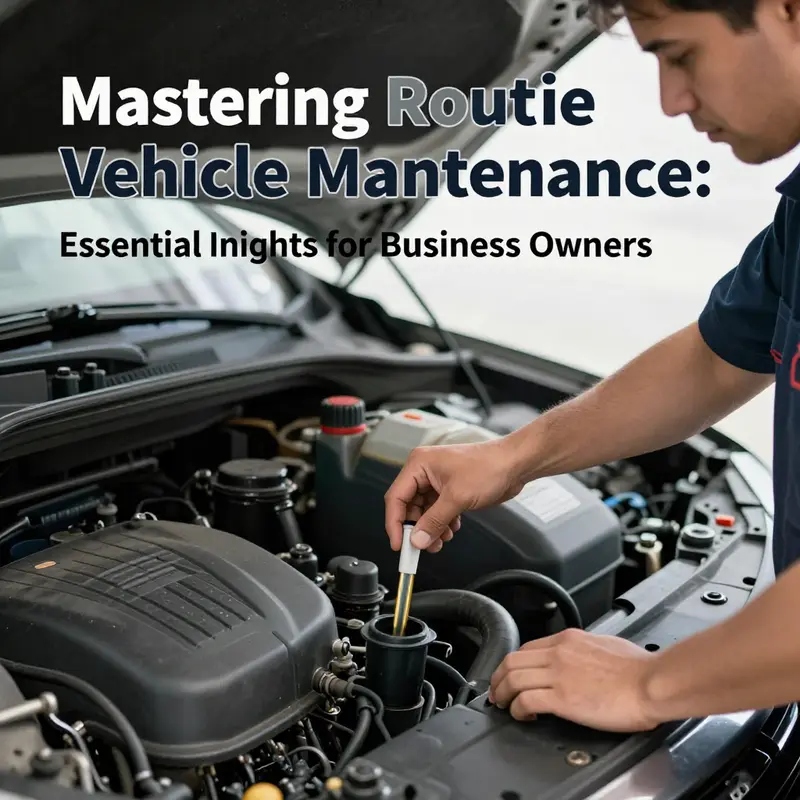
Routine maintenance on vehicles is not merely a best practice; it is a cornerstone for any business owner reliant on transportation for operations. Preventing unexpected breakdowns and ensuring optimal performance are vital for maintaining productivity and managing costs. This article details integral aspects of routine maintenance, including fluid checks, tire care, battery and brake inspections, and the importance of visual checks. Each component plays a significant role in extending the lifespan of vehicles, ultimately contributing to the efficiency and reliability that businesses demand.
null
null
Tread, Pressure, and Pathways: Making Tire Maintenance a Core of Routine Vehicle Care
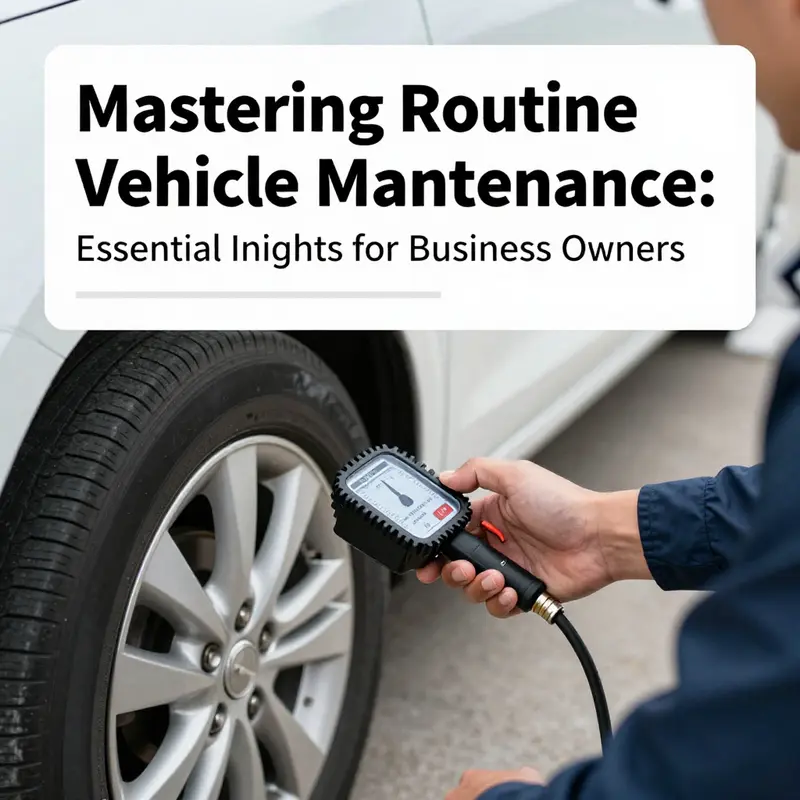
Tires are the quiet guardians of safety on every road. They are the only component that directly connects a vehicle to the surface beneath it, translating power into motion, steering intent into direction, and braking force into controlled deceleration. Yet tire maintenance is frequently treated as a separate chore or an afterthought until a warning light flickers or a nail finds a welcome home in the tread. In reality, tire care sits at the heart of a broader routine maintenance philosophy. When you keep tires in good shape, you support not only safety but also fuel efficiency, ride comfort, and the long-term health of the vehicle’s suspension and steering systems. Tire maintenance deserves to be woven into the fabric of regular checks the way oil level, brake wear, and fluid health are. It is the first line of defense against everything from weather-induced slip to sudden loss of control, and it pays dividends in more predictable handling and reduced repair costs over time.
At its core, tire maintenance is a practical routine composed of a few interrelated tasks: maintaining the correct air pressure, monitoring tread depth, inspecting for visible damage, rotating and balancing the wheels, and recognizing when wear has passed the point of safety or efficiency. Each element influences the others. Proper pressure helps tread wear stay even, which in turn preserves grip and steering response. Even wear reduces the likelihood of handling quirks that can surprise a driver in rain or on uneven pavement. Regular rotation and balancing prevent uneven tire wear and vibration, which can degrade ride quality and accelerate component wear in the suspension and drivetrain. Taken together, these practices create a reliable platform for every drive, from a quick commute to a long road trip.
The first and most basic pillar is tire pressure. Pressure is not just a number on a gauge; it is the pressure that defines contact between the tire and the road. Underinflation causes the tire to flex more, generating heat and accelerating wear along the outer edges. Overinflation, by contrast, stiffens the tire and reduces the contact patch, diminishing grip and increasing the risk of damage from road hazards. The impact on fuel economy is real and measurable. The U.S. Department of Energy notes that maintaining correct tire pressure can improve gas mileage by as much as a few percentage points, and that the handling benefits are not merely theoretical but tangible in corners and lane changes. Drivers who check pressure monthly and before long trips are actively reducing unnecessary wear and improving safety margins. The recommended pressures are not a guess; they come from the vehicle’s design and are typically found on a door jamb sticker or in the owner’s manual. The actual numbers apply to cold tires, meaning tires that have not been driven long enough to heat up, which is why the best practice is to check pressure when the tires are cold.
Tread depth is the second pillar that directly affects safety. Tread is the vehicle’s traction on wet or slick surfaces. When tread wears down, the tire loses its ability to channel water away from the contact patch, increasing the risk of hydroplaning. A simple and widely used self-check is the penny test. Insert a penny into the tread with Lincoln’s head facing down; if you can see the top of Lincoln’s head, it’s time to replace the tire. While this is a quick bedside test, it should be complemented by a more precise measurement with a tread depth gauge during routine inspections. Tire wear is not uniform; it can be influenced by driving style, alignment, and how evenly the tires are rotated. Worn tread does not only jeopardize wet-weather performance but also increases the stopping distance on dry pavement, handles poorly in emergency maneuvers, and can expose the interior construction of the tire to damage from road hazards more readily.
Damage checks constitute the third pillar of tire care. Tires may look fine on the surface, yet the sidewalls can harbor cuts, cracks, or bulges that compromise strength and predict failure. Regular visual inspections help detect embedded objects, nails, or screws before they work their way deeper and cause a sudden leak. Bulges or blisters on the sidewall are a clear sign of internal damage; those tires should be retired from service promptly. Another visual cue to watch for is cut stitching, uneven wear patterns, or cords showing through the tread. Regularly running fingers along the tire surface, especially after encountering potholes or curbs, can reveal micro-cracks that would otherwise go unnoticed. The goal is not to chase every minor scar but to separate ordinary wear from signs of structural weakness.
Rotation, alignment, and balancing are the mechanical companions to the more tactile checks described above. Tires wear faster on one axle or in a particular position due to cornering forces, braking patterns, and load distribution. Rotating tires, typically every 5,000 to 7,500 miles, promotes even wear and extends tire life. Wheel alignment is a more exacting service; misalignment causes uneven wear that shortens the useful life of the tires and can create a pull to one side, making steering feel heavier or less precise. Balancing addresses weight imbalances that can create vibrations at cruising speeds. Regular balancing and alignment checks are not luxuries; they preserve smoothness, reduce noise, and protect suspension components from abnormal stress. All of these practices require attention not only at the tire shop but as part of a vehicle-wide routine that keeps the entire drivetrain in better condition for longer.
The discussion of when to replace tires is a reminder that maintenance has limits. Tires last, on average, within a broad range that depends on the tire type, driving conditions, and maintenance quality. They may deliver 25,000 miles in some scenarios and surpass 50,000 miles in others when treated with care and kept within recommended pressures and alignment. The moment tread wear or cracking becomes noncompliant with safety thresholds or performance expectations, replacement is the prudent choice. This decision is not solely about tire cost; it’s about safety margins, braking performance, and the longer-term health of the suspension system that interacts with the tires. When tires are nearing the end of their life, the benefits of rotation, balancing, and alignment diminish, and replacement becomes a prudent, non-negotiable step.
Seasonal considerations further complicate tire care in practical terms. Colder temperatures reduce tire pressure and alter the elasticity of the rubber. In climates with snowy or icy conditions, transitioning or equipping appropriate tire types—without naming specific product lines here—helps preserve traction and control. The seasonal nuance does not invalidate the core maintenance steps; it heightens their importance. Regular checks become even more critical as temperatures swing and wear patterns shift with seasonal driving habits. In this light, tire maintenance is not a static checklist but a responsive practice that adapts to weather, road conditions, and daily driving realities.
That a well-maintained tire system also supports overall vehicle efficiency is not a coincidence. Proper inflation reduces rolling resistance, which means the engine does not have to work as hard to propel the car. The cumulative effect of consistently maintaining pressures, guarding against aggressive wear, and ensuring alignment can translate into more predictable fuel consumption and a smoother ride. It also mitigates several cascading issues: when tires wear unevenly, steering geometry and suspension links can experience uneven loads, which may lead to earlier or more expensive repairs. In parallel, the driver benefits from improved braking reliability and handling confidence, especially in wet or slick conditions. These benefits underscore the integrative nature of tire maintenance within a broader maintenance strategy rather than treating tires as a standalone concern.
To make tire maintenance an ongoing habit, many drivers adopt a simple rhythm that blends with other routine checks. A practical approach is to inspect tire pressure once every month and before long trips, as part of a broader pre-drive checklist. A quick glance at tread depth, along with a tactile feel for sidewall integrity, can catch early signs of unusual wear or damage. When it is time for service, a rotation and balance can be scheduled alongside a general tire inspection, while an alignment check can follow any significant incident that might have altered wheel geometry. The goal is not to chase perfection but to preserve consistent performance, safety, and cost-effectiveness over the lifetime of the tires. This is exactly the kind of maintenance mindset that makes other routine tasks more effective because tire health reinforces the reliability of the entire system.
In the spirit of making maintenance feel cohesive rather than compartmentalized, consider how tire care interacts with other topics in routine upkeep. The same disciplined approach that helps conserve fuel and reduce wear on rotating parts also translates to better overall vehicle health. For a deeper exploration of how routine maintenance yields tangible cost and efficiency benefits, readers can consult resources that discuss the broader economics of maintenance. how vehicle maintenance saves on gas expenses provides a clear framing for the idea that small, regular checks—tire pressure, tread health, alignment, and balance—aggregate into meaningful long-term savings and safer, more predictable driving experiences. how vehicle maintenance saves on gas expenses
As a final thought, tire maintenance is not a luxury or a narrow technical concern but a practical, everyday discipline. It is a cornerstone of dependable handling in varied weather, a contributor to efficient fuel use, and a safeguard against sudden failures that can escalate into costly repairs. The tires cradle the vehicle’s most essential functions, and by giving them consistent attention, drivers invest in the overall reliability of their transportation. This approach aligns with a broader maintenance ethic: address the fundamentals with regularity, respect the signs of wear and damage, and integrate tire care into the routine checks that keep a car ready for whatever the road may bring.
External resource for further reference: For more detail on tire pressure and fuel economy, see the U.S. Department of Energy resource on tire pressure and fuel economy. https://www.energy.gov/eere/vehicles/tire-pressure-and-fuel-economy
Under the Hood and at the Wheel: The Essential Battery and Brake Inspections That Sustain Your Vehicle
Routine vehicle maintenance is a disciplined practice built on attention to the systems that keep a car safe, reliable, and ready for the road. Among these, the battery and braking system stand as two of the most critical pillars. They operate largely out of sight until a problem surfaces, yet their condition dictates whether a vehicle can start smoothly, stop promptly, and continue to perform under varied conditions. The chapter that follows weaves together the practical checks technicians perform with what a driver can understand and anticipate. It remains tightly connected to the larger maintenance framework outlined in the owner’s manual and professional guidelines, while anchoring the discussion in everyday experience.
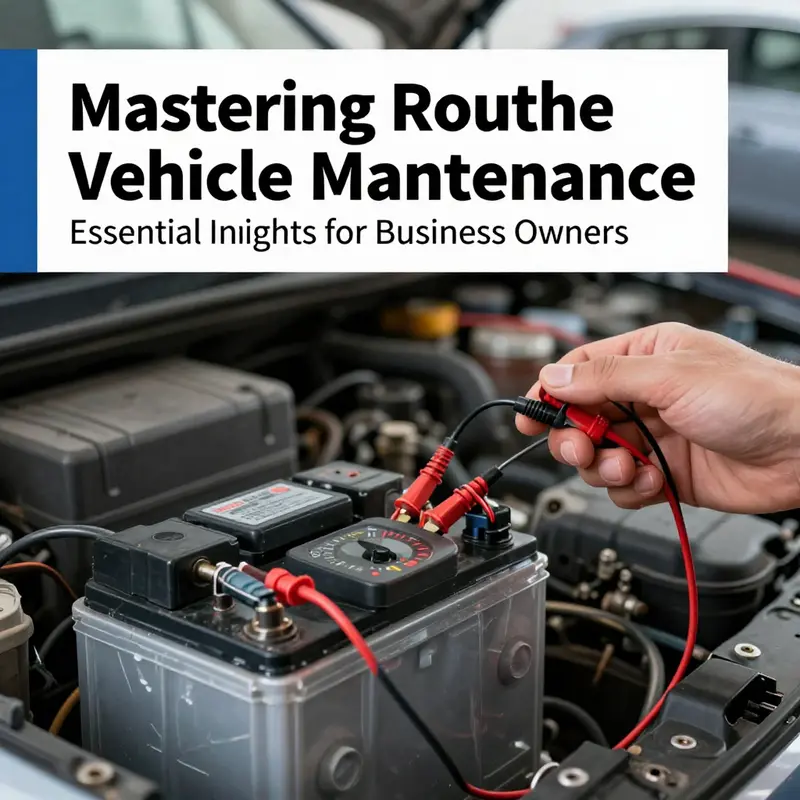
The battery, at first glance a simple source of electrical power, is in truth a complex, aging component that endures with a car through heat, cold, vibration, and time. It powers the car’s starting circuit and supports myriad electronic systems, from lighting to sensors that guide the engine’s performance. A battery’s health is measured not only by its ability to crank the engine but also by how steadily it sustains voltage under load. Technicians inspect several aspects: corrosion on the terminals, which interferes with clean connections; the tightness of connections that secure reliable current flow; and the overall condition of the battery case, where cracks or bulges can signal internal failure. A fully charged, healthy battery typically reads around 12.6 volts when the engine is off, a benchmark that helps technicians interpret voltage readings during a diagnostic test. When a battery shows signs of weakness—hard starting, dimmed or erratic electrical lighting, or surprising failures after sitting idle—diagnostic steps follow, because a weak battery can cascade into no-start conditions, misfires, or electronic glitches that mimic other problems.
Corrosion is a common, often visible clue. It forms a white, blue-green, or yellow crust on terminals and connectors and can be worsened by road salt and moisture. The remedy is straightforward in many cases: clean and re-tighten with attention to moisture protection, then monitor for recurrence. More telling than surface corrosion, though, is how the system behaves under load. A voltmeter or a professional battery tester will reveal whether the battery can sustain the required current during cranking or if a more thorough load test is needed. The case should be intact, without cracks or bulges that would indicate internal gas buildup or plate damage. If the battery is aging—typically five years or more in many driving climates—a professional may advise replacement even before it fails, because aging plates lose capacity and cannot hold a charge as effectively as new ones.
Alongside battery health, the alternator and charging system play a coordinating role. A battery might show symptoms of weakness, but the root cause could lie in an alternator struggling to replenish the charge. This is why routine inspections often pair battery checks with a charging system assessment. The result is a clear picture: can the charging system maintain the battery’s state of charge during normal driving and while the vehicle runs electronic accessories? If not, a technician will isolate the cause, which could be a failing alternator, poor wiring, or parasitic draws when the vehicle is off.
Braking, in contrast to the often-silent battery, is all about control, safety, and predictable response. The brake system’s primary duty is to convert a driver’s stopping intent into a safe, measured deceleration. The components most visible in routine inspections are the brake pads and rotors, which wear gradually with use. If pads are worn to the point where their backing plates are exposed, or rotors show grooves, scoring, or thickness loss, braking efficiency can be compromised. A professional will measure pad thickness and rotor condition, looking for even wear and signs of heat damage or warping. Uneven wear can indicate an alignment issue, caliper sticking, or improper hydraulics, all of which deserve attention.
Brake fluid deserves careful attention as well. Fluid is more than a lubricant; it’s a hydraulic medium that transmits force from the pedal to the brake components at the wheels. Over time, brake fluid can absorb moisture, leading to reduced boiling points, a spongy pedal feel, or diminished braking performance in demanding conditions. A technician checks the fluid level and inspects its clarity. Dark or contaminated fluid may signal moisture intrusion or other contaminants that warrant a fluid flush and possible system bleed. In addition to fluid, the integrity of brake lines and hoses is evaluated for leaks, cracks, or soft spots that may degrade hydraulic pressure and brake response.
Frequency matters in brake maintenance. Manufacturers typically recommend inspections every 12,000 to 15,000 miles or at least once a year, depending on driving conditions and the vehicle’s age. This cadence acknowledges that real-world variables—stop-and-go urban driving, mountainous terrain, or heavy towing—accelerate wear. The National Highway Traffic Safety Administration underscores the critical safety role of brakes, reminding drivers that brake performance directly influences stopping distances and overall road safety. Regular inspections, therefore, are not merely preventive maintenance but a fundamental safeguard against one of the most consequential failure modes a vehicle can face.
The interplay between battery and brake health is subtle but meaningful. A failing battery can leave a driver stranded or create electrical drift that affects sensors feeding the braking control system in some modern vehicles. Conversely, persistent braking issues can generate conditions that stress the electrical system as the car’s electronic stability and anti-lock systems attempt to compensate for degraded braking performance. Because both systems depend on reliable power delivery and predictable hydraulics, they are often examined in a single service visit to ensure that a driver’s safety net remains intact.
Home assessments can empower drivers to participate in routine maintenance without displacing the responsibility onto technicians. Battery checks can be as simple as observing signs of slow engine cranking or electrical anomalies and obtaining a professional battery test if concerns persist. While it’s not advisable to disassemble a battery or perform high-voltage work without proper training, drivers can inspect terminal connections for corrosion and ensure cables are secure. For the braking side, drivers should pay attention to pedal feel and braking distance. A spongy pedal, grinding noises, or a pulling sensation during braking should prompt a professional inspection. When in doubt, reviewing the owner’s manual helps align personal observations with the manufacturer’s recommended maintenance window and service scope.
In the broader framework of routine maintenance, these checks sit alongside other foundational tasks—oil and filter changes, fluid level checks, tire maintenance, and a general visual inspection for leaks or damage. The objective remains the same: address potential issues before they escalate into breakdowns or safety hazards. A well-executed battery and brake inspection does more than prevent inconvenience; it preserves reliability, supports performance, and sustains safety for every mile of a vehicle’s life. For readers seeking a broader context on how these tasks fit into a comprehensive maintenance philosophy, see What is vehicle maintenance.
As a final reminder, while this chapter highlights the essential battery and brake inspections, it is not a substitute for the hands-on expertise of a qualified technician. ASE-guided maintenance emphasizes following the manufacturer’s recommended intervals and using the appropriate diagnostic tools to interpret readings accurately. The goal is not to chase every possible issue during a single visit, but to establish a dependable schedule that catches wear early, preserves safety, and keeps operating costs reasonable over the vehicle’s lifespan. When inspections reveal marginal wear or fluid condition that can be improved with a service, the path forward becomes a clear decision: service now, or risk larger, more disruptive repairs later. The difference is measured not just in dollars but in confidence—confidence that your vehicle will start when you turn the key, brake when needed, and carry you safely to your destination.
External resource: https://www.nhtsa.gov/vehicle-safety/brakes
Seeing Beneath the Surface: The Quiet Power of Visual Inspections in Routine Vehicle Maintenance
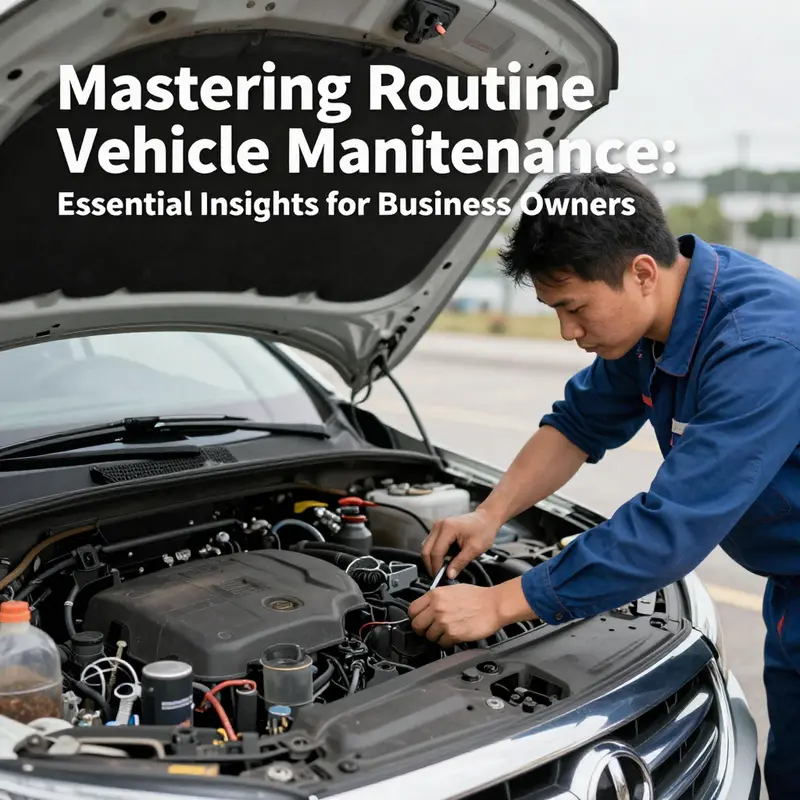
Routine vehicle maintenance is more than a list of tasks performed at regular intervals. It is a habit of paying attention, a habit that begins with the simple act of looking closely at the machine we depend on every day. A seasoned driver knows that many problems reveal themselves first not through dramatic failure but through small, telltale signs that a trained eye can spot during a careful visual inspection. These inspections are the quiet foundation of preventive maintenance. They bridge the gap between scheduled fluid changes and the unpredictable realities of road life, acting as an early warning system that keeps a car reliable, safe, and efficient for years to come.
A visual inspection is, at its core, a systematic scan for wear, leaks, and damage in plain sight. It does not replace more formal checks or diagnostic tools, but it complements them by catching issues that might otherwise slip through the cracks until a fault becomes visible—or audible—only after a breakdown or at the worst possible moment. When conducted with calm attention, visual inspections reveal patterns and anomalies that are often overlooked amid the bustle of daily driving. They empower drivers to take proactive action, reducing the risk of surprise repairs and helping maintain the vehicle’s performance and safety profile over time.
Consider the tires first, because they are the most immediate contact point between the car and the road. A monthly visual audit of tires should note tread depth, uneven wear, and any cracks along the sidewalls. Tread wear can indicate misalignment or improper inflation, and even subtle sipes in the tread can foreshadow a loss of grip in wet conditions. Look for embedded objects like nails or screws that may have lodged in the tread; a small puncture can become dangerous if ignored. Tire pressure plays a pivotal role in both safety and fuel efficiency, so a quick check of inflation against the recommended specification is essential. A tire with low pressure can overheat, wear unevenly, and compromise handling, especially in hot weather or on long trips. Conversely, overinflation can lead to a harsher ride and uneven contact with the road. A visual inspection paired with a quick pressure check forms a practical shield against these issues.
Beyond the tires, the undercarriage and engine bay offer a landscape of subtle clues. Hoses should appear firm and supple, not cracked, brittle, or swollen at any point. A soft, spongy feel or a visible bulge can indicate impending failure, potentially causing coolant leaks or overheating. Belts should not exhibit fraying or excessive cracking. A torn or glazed belt can lead to belt-driven accessories losing tension or failing, with consequences ranging from reduced alternator output to a stalled engine. While these components may not show up in a routine diagnostic light, a close look can reveal tears, wear marks, or grime buildup that signals maintenance is due.
A visual inspection also keeps a watchful eye on the battery and its connections. Corrosion on terminals is a common culprit behind stubborn starts and intermittent electrical faults. A build-up of white or blue crystalline residue around the terminals can restrict current flow and shorten battery life. Cleaning corrosion, re-tightening connections, and inspecting the overall battery case for swelling or leaks are simple steps that often prevent more serious electrical issues later. In parallel, check the wiring harnesses and electrical connectors for fraying or loose fits. A loose connection can masquerade as a more puzzling electrical fault, leading to unnecessary trips to the shop if not caught early.
Leaks are another primary concern during visual inspections. Oil leaks, coolant leaks, and transmission fluid leaks are not merely cosmetic problems; they are signals of stressed seals, worn gaskets, or damaged hoses that warrant prompt attention. A damp spot under the engine or a rainbow smear along a hose can indicate different fluids with distinct risks. Oil leaks require attention not just for the mess they create but for the potential to gradually reduce lubrication, which can accelerate engine wear. Coolant leaks may lead to overheating, especially in hot climates or during long drives. Transmission fluid leaks can indicate deeper issues with the drivetrain. Even a small puddle or a faint odor near a seam or joint should be investigated, because catching a leak early is often much cheaper and easier to repair than letting it advance.
Light emission and visibility form another crucial domain of visual assessment. Functioning headlights, brake lights, turn signals, and marker lights are not optional; they are essential to safety. A visual inspection should verify that bulbs are intact, lenses are clean, and the light housings are free from cracks or moisture ingress. Fogged lenses can reduce illumination by a noticeable margin, diminishing night visibility. Wipers deserve equal attention: the rubber blades should make steady contact with the windshield, leaving a clear smear-free swath. A worn wiper blade can fail when it is needed most, and a quick replacement is a small investment against the hazard of reduced visibility in rain or snow.
Air quality inside and outside the engine also merits a careful look. The air filter, though often overlooked, plays a critical role in engine performance and fuel economy. A clogged filter restricts airflow, which can cause the engine to work harder and burn more fuel, while also potentially increasing emissions. A visual check can determine when the filter has accumulated enough debris to necessitate replacement, typically aligning with the vehicle’s recommended maintenance intervals. The cabin air filter deserves attention too; a dirty filter can limit airflow and degrade the interior environment, especially for drivers with allergies or in areas with high pollution.
Under the hood and along the body, a quick visual sweep should also address fluid levels and the presence of any signs of wear. Engine oil, coolant, brake fluid, power steering fluid, and transmission fluid should be at proper levels and free of contamination. A pale, milky appearance in a fluid might indicate a leak into another system, while a dark, dirty oil often signals the need for an oil change or a more thorough inspection of the engine’s internals. While many of these checks are part of a scheduled service, identifying a low level or unusual coloration during a visual inspection can help prevent a roadside emergency.
As important as the mechanical checks is the awareness of indicators and warning lights on the dashboard. A visual inspection of the exterior and under the hood should be complemented by an understanding of what the instrument cluster is signaling. If a warning light illuminates or a gauge spikes unexpectedly, it is a signal to pause and investigate. Notably, this is where the broader knowledge of dashboard symbols becomes handy. For an accessible, driver-friendly overview, see Jeep dashboard symbols explained: essential guide for drivers. This internal resource helps demystify common indicators and guides appropriate, timely action when something looks off. A visual inspection, in concert with a clear understanding of warning signals, creates a robust early-warning system that aligns the physical check with the vehicle’s electronic diagnostics.
Frequency and discipline are key to turning visual inspection into a reliable habit. The tasks described do not require complex tools or extensive time, but consistency matters. A few focused minutes each month, plus attention before and after long trips or seasonal shifts, can catch patterns that evolve into meaningful problems. The goal is not perfection but prudence: to observe, compare with the vehicle’s known state, and address issues before they escalate. This approach dovetails with manufacturer recommendations and ASE guidelines, which emphasize maintenance schedules built around mileage and time intervals. Visual inspection acts as a proactive companion to those guidelines, ensuring the car remains safe, reliable, and efficient between formal service visits.
The cultural impact of making visual inspection a regular practice should not be underestimated. When maintenance teams and individual drivers adopt a routine of careful observation, a shared language of safety emerges. It becomes a habit that supports safer driving conditions, a longer vehicle lifespan, and a more reliable ownership experience. Drivers learn to trust their own judgments a little more each time they notice a small change—an extra squeak, a slight oil aroma, a new vibration—and respond with measured care rather than denial or neglect. This culture of vigilance translates into fewer emergency repairs, lower long-term costs, and a vehicle that can better shoulder the demands of daily life.
In practice, a seamless visual inspection blends into the narrative of regular maintenance rather than standing apart as a separate ritual. It is the moment when the car tells its story through appearance and condition, and the driver chooses to listen. The act itself is simple, but the payoff is substantial: early problem detection, timely repairs, and a continued sense of confidence on the road. The experience of care is evident in the car’s performance, in smoother operation, and in the quiet reassurance that comes from knowing that the vehicle has been seen and understood.
For readers seeking a broader frame of reference on the role of visual inspection within preventive maintenance, this chapter aligns with established practices and offers a practical lens for everyday use. The visual check described here is not a replacement for professional diagnostics or scheduled service; it is a continuous, low-cost, high-yield safeguard. It encourages drivers to ask questions, to notice deviations from the car’s normal rhythm, and to act decisively when something is amiss. By integrating these observations with the manufacturer’s maintenance schedule, drivers can manage safety, reliability, and cost in a balanced, informed way.
External resources provide additional depth for those who want to extend their understanding beyond the vehicle. For a comprehensive look at what visual inspection entails in maintenance contexts beyond the automotive world, you can refer to the broader guide on visual inspections: What is a Visual Inspection? The Complete Guide. (https://www.maintenanceonline.com/what-is-a-visual-inspection-the-complete-guide/)
In sum, visual inspections are more than a courtesy; they are an essential component of responsible vehicle stewardship. They enable the driver to detect early signs of trouble, keep systems performing at their best, and preserve safety for every journey. When paired with regular fluid changes, tire care, battery maintenance, and system checks, visual inspection helps ensure that routine maintenance remains a meaningful, value-adding practice rather than a reactive chore. The road to a longer-lasting, more dependable vehicle is paved not only with scheduled services but also with the careful eyes of those who drive it and care for it.
Final thoughts
Routine maintenance is a pivotal practice that every business owner should prioritize to maintain efficiency and reliability in their fleet. Regular checks on fluids, tires, batteries, brakes, and comprehensive visual inspections extend the lifespan of vehicles and minimize unexpected repair costs. Implementing these proactive measures not only enhances safety but also supports the overall productivity of the business. Embracing a culture of maintenance can result in significant long-term benefits and peace of mind for business owners.