
For business owners, the efficiency and reliability of a fleet can significantly impact overall operations and profitability. Vehicle maintenance is not merely a checklist of tasks; it’s a strategic approach that encompasses various definitions and practices essential for keeping vehicles in optimal condition. In this guide, we will delve into the definition of vehicle maintenance and its importance, explore its key components, and examine industry standards and best practices. Each chapter unpacks critical insights, enabling business owners to better understand how effective maintenance strategies can enhance their operations.
Maintenance on the Move: Defining the Vehicle Maintenance Vehicle and Its Critical Role in Safety, Reliability, and Operations
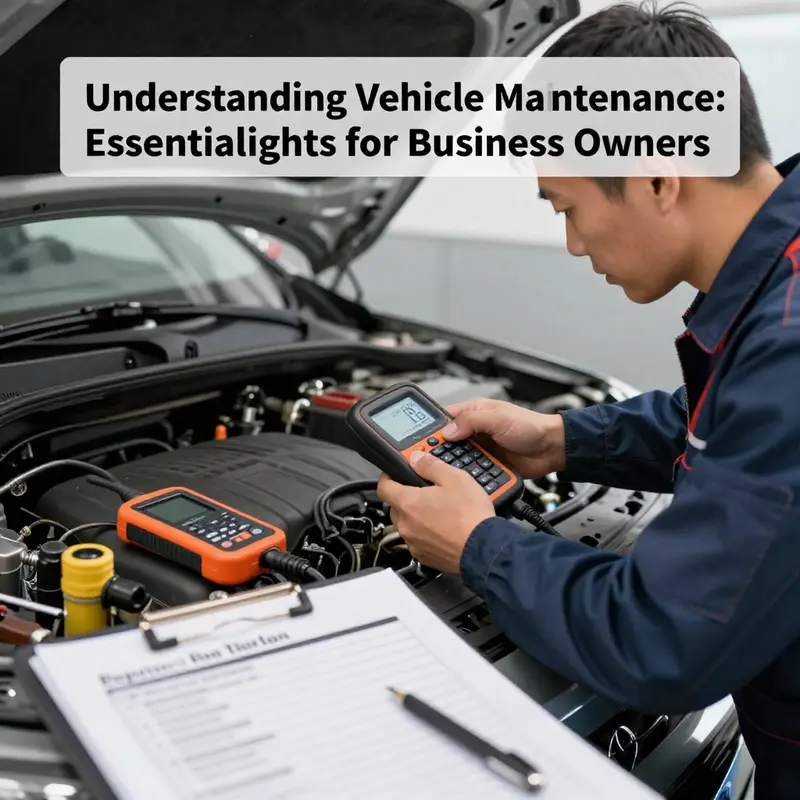
Maintenance on the move begins with a simple definition that travels beyond the four wheels and into the purpose a vehicle serves for a fleet or a site. A maintenance vehicle is not merely a transport; it is a compact workshop on wheels, equipped to carry tools, spare parts, diagnostic equipment, and trained personnel. Its job is to support the uptime of other vehicles and machinery by enabling on site inspection, quick field repairs, and when necessary, controlled evacuation of a faulty unit to a fixed service facility. In many operations, this vehicle is the first line of response to minor failures and the safety net that prevents a small problem from becoming a major disruption. In practice, maintenance vehicles are designed to blend mobility with storage, ruggedness with dexterity, and immediacy with accuracy. They enable technicians to reach the root of problems where they appear, rather than forcing the entire system to move to a shop. In some settings, they also provide a staging point for tools and personnel when the work requires coordinated actions, such as routine inspections of a distributed network of vehicles or on site retrofit tasks that must be completed under time constraints.
Definitions are more than semantic; they shape how organizations allocate resources, train staff, and measure performance. The Collins Dictionary frames maintenance as the ongoing effort to preserve a vehicle’s condition through regular monitoring and timely repairs. The Cambridge English Dictionary emphasizes a related idea: maintenance is the act of regularly checking and repairing a machine to keep it in proper working order. Taken together, these definitions highlight a discipline that spans prevention and response. The maintenance vehicle sits at the intersection of that discipline and the field operations it supports. It is both a conveyance and a mobile workspace, a platform for diagnostics and a rolling depot for spare parts. When a driver arrives at a problem, the vehicle should not merely transport people; it should bring the means to understand the fault, stabilize the system, and implement a fix, even if that fix is as simple as topping up fluids or as complex as replacing a module in the field.
Beyond the obvious mechanical tasks, the scope of maintenance stretches into rehabilitation and preventive regimes that keep a broader range of systems safe and efficient. Law Insider notes that maintenance encompasses rehabilitation, mechanical repairs, painting, fueling, and lubrication, an enumeration that signals how maintenance touches every aspect of a vehicle’s life cycle. In practical terms, this means that a maintenance vehicle might carry not only tools and parts but also consumables such as lubricants, cleaning supplies, fuel, and even coatings for minor touch ups. The design implications are clear: a compartmentalized, organized interior that allows quick access, corrosion resistant fittings for harsh environments, and reliable power sources for tools and diagnostic equipment. The on board systems—cabin comfort, lighting, climate control, and electrical power—are not luxuries but enablers that keep technicians focused and accurate during long shifts or complex tasks. As the work grows more data driven, a mobile diagnostic bay inside the vehicle becomes increasingly common, with space for scanners, fault diagnosis devices, and portable analyzers that support rapid decision making without pulling away from the job site.
In professional fleets and service networks, maintenance extends into diagnostic testing and performance assessment conducted in the field. Modern practice requires more than a mechanic’s eye; it relies on calibrated instruments, software tools, and standardized procedures. On board diagnostic capabilities, fault code readers, brake testers, and emission analyzers are now part of the standard toolkit in many configurations. The mobile unit might also provide a safe area for technicians to perform engine health assessments, fuel system checks, and emission verifications while still keeping the operation in motion. Such capabilities help ensure that a vehicle is safe to operate until it can be brought to a shop or until a more permanent corrective action can be implemented. The presence of a maintenance vehicle on site also changes the logic of how work is scheduled. Instead of pulling a vehicle off the road for a day of service, teams can integrate checks into regular operations, staggering tasks to minimize downtime and to maintain a predictable pace of service.
From an engineering perspective, the maintenance vehicle embodies a practical integration of mobility and apparatus. Its chassis is built to endure road hazards, its storage spaces are arranged to minimize time spent searching for the right tool, and its power systems are sized to run drills, lighting, laptops, and portable diagnostic devices for extended periods. This fusion of design aims to reduce the distance between problem and solution. When a fault emerges, the technician can reach for a calibrated instrument, extract a spare part, or connect to a diagnostic tablet in seconds rather than minutes. The human factor is central here: the vehicle is a work platform that respects the technician’s workflow, reinforces safety protocols, and supports disciplined problem solving. The result is not a single repair but a sequence of actions that preserve, restore, or gradually improve a system’s performance. In highly regulated settings, such as those with strict safety standards or environmental obligations, the maintenance vehicle also acts as a mobile compliance unit, ensuring that inspections, tests, and record keeping occur in a controlled, auditable manner.
It is essential to recognize that maintenance is both proactive and reactive. Proactive maintenance emphasizes prevention through scheduled tests, fluid checks, filter changes, and component life tracking, while reactive maintenance responds to unexpected faults. A maintenance vehicle makes both approaches feasible at scale. Regular drills and data driven routines can be conducted in the field, with technicians updating maintenance logs, recording diagnostic findings, and planning follow up work. This ongoing cycle helps extend the life of the entire fleet, reducing the likelihood of catastrophic failures and optimizing fuel efficiency through timely tune ups and repairs. The practical benefits reach beyond safety and reliability; they touch the economics of operation. Fewer roadside breakdowns mean lower emergency response costs, shorter downtime for essential tasks, and steadier utilization of vehicles and machinery. In cost conscious contexts, the mobile workshop becomes a capital asset that supports maintenance as a core service rather than a disruptive afterthought.
Standardization is a driving force behind effective maintenance. The ongoing revision of national and international guidelines shapes how maintenance is performed, documented, and audited. The example of a comprehensive maintenance framework operating in field environments is illuminated by the emerging references to formal specifications that govern inspection and diagnostic practices. As these standards mature, fleets gain clearer expectations about the sequence of checks, the required precision of measurements, and the types of diagnostic data that must be captured. The trend toward interoperability means that the equipment, software, and procedures used in maintenance vehicles share common interfaces, allowing technicians to swap parts or software across different vehicle categories without encountering compatibility hurdles. This harmonization reduces the time needed to respond to a fault and improves the consistency of results across operators and regions. In this context, the maintenance vehicle is not merely a transport unit; it becomes part of a standardized ecosystem that connects the field with the workshop, the data stream with the record, and the operator with the safety and reliability that communities depend on.
Looking ahead, the role of a maintenance vehicle will continue to evolve as technology advances and regulations tighten. The integration of digital diagnostics, cloud based maintenance history, and predictive analytics will push field service toward a more proactive posture. Portable devices will offer richer data, more precise fault localization, and the capacity to translate raw measurements into actionable maintenance plans on the spot. At the same time, the physical design of these vehicles will adapt to ever more demanding work cycles. Lighter materials may give way to more modular interiors, while decoupled power systems can provide independent energy sources for long shifts in remote locations. The human dimension will remain central: skilled technicians who can interpret diagnostics, apply the correct repairs, and communicate findings to stakeholders in clear terms. In the end, a maintenance vehicle is not a relic of a certain era but a living instrument of reliability, resilience, and responsible stewardship on the road and in the field.
To connect with broader standards and definitions, consider the ongoing conversation about what constitutes maintenance as it applies to vehicles. The concept is not static, and its boundaries shift with technological progress, safety demands, and evolving best practices. For readers seeking a concise synthesis of maintenance definitions, a leading resource summarizes the core idea that maintenance is the activity of keeping a machine in proper working order through regular checks and timely repairs. The linked resource provides a compact orientation to the field that underpins many of the practices described here, including the on site diagnostic routines, preventive workflows, and the use of mobile workshops as essential infrastructure for operational continuity. For those who want to learn more about formal standards, the National Standards of China document on Automotive Maintenance, Inspection, and Diagnostic Technical Specifications offers a structured framework for the procedures described above. The presence of these standards signals a shift toward more predictable, auditable, and safety conscious maintenance in both public and private sectors. What is vehicle maintenance.
External resource: GB/T 18344-2025 Automotive Maintenance, Inspection, and Diagnostic Technical Specifications https://std.samr.gov.cn/gb/2025/18344-2025
Defining Vehicle Maintenance: Core Components and the Promise of Reliability
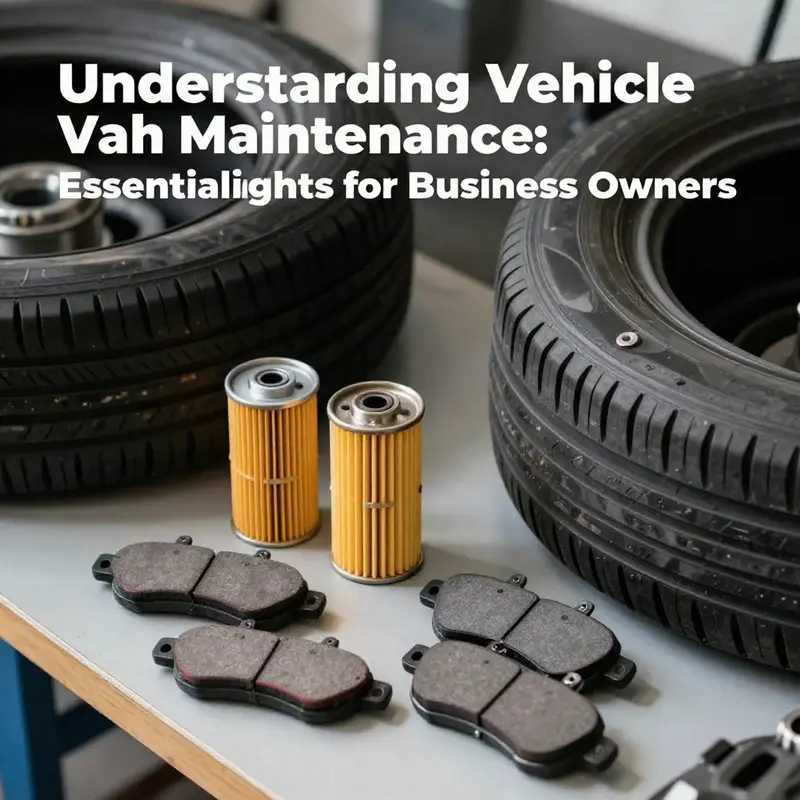
Maintenance of a vehicle is a disciplined routine of inspection, servicing, and repair aimed to preserve function, safety, and longevity. Dictionaries anchor the term in support: Cambridge defines maintenance as the act of regularly checking and repairing a machine to keep it in proper working order; Collins frames it as the ongoing effort to preserve a vehicle’s condition through monitoring and timely repairs. Law Insider expands the view by noting rehabilitation, painting, fueling, lubrication — highlighting a scope that reaches beyond mechanical upkeep. In practice, maintenance is not a one-off fix but a structured program that binds safety, performance, and cost control across the life of a vehicle.
In everyday use, maintenance ranges from routine tasks like oil changes and filter replacements to more nuanced activities like intake air cleanliness, coolant health, and monitoring engine timing. The engine is the heart; if it falters, the consequences cascade into efficiency loss, higher emissions, overheating, and costly damage. Regular oil changes lubricate the moving parts, prevent sludge buildup, and aid heat dissipation. Air filters protect the engine from dirt that can degrade power and fuel economy; timing elements ensure that pistons and valves operate in precise synchrony. Skipping these steps invites degradation of fluids, misfires, and unnecessary wear. It’s a paradox: small regular acts deliver outsized returns in reliability and value.
The scope widens when we consider the transmission system, which is the bridge between the engine and the wheels. Transmission maintenance includes replacing fluids at intervals that keep gears and hydraulic systems cool and clean, changing filters to trap contaminants, and inspecting seals for leaks. Neglect here often shows up as sluggish shifts, unusual noises, or abrupt gear engagement, each of which erodes driving comfort and increases repair costs later. The deeper we go into maintenance, the more apparent the interdependence becomes: engine health supports smooth shifting; timely transmission service protects fuel economy; proper lubrication interfaces with the drivetrain to reduce drag and heat.
Beyond powertrain components, the suspension and steering systems play a central role in safety and control. Shock absorbers and struts damp road irregularities; springs support the vehicle’s weight; control arms and sway bars maintain geometric alignment as the vehicle encounters corners. Worn components translate into compromised ride quality, reduced cornering stability, and uneven tire wear. Regular inspection catches play and leaks, and timely replacements preserve handling precision and braking effectiveness. While engines deliver power, it is the suspension and steering that translate that power into controlled motion on every mile of the journey. The tires, too, deserve attention, because their contact with the road is the only interface between the vehicle and the surface; tread depth, temperature, alignment, and rotation schedules all tie back to the overarching maintenance philosophy of safety and efficiency.
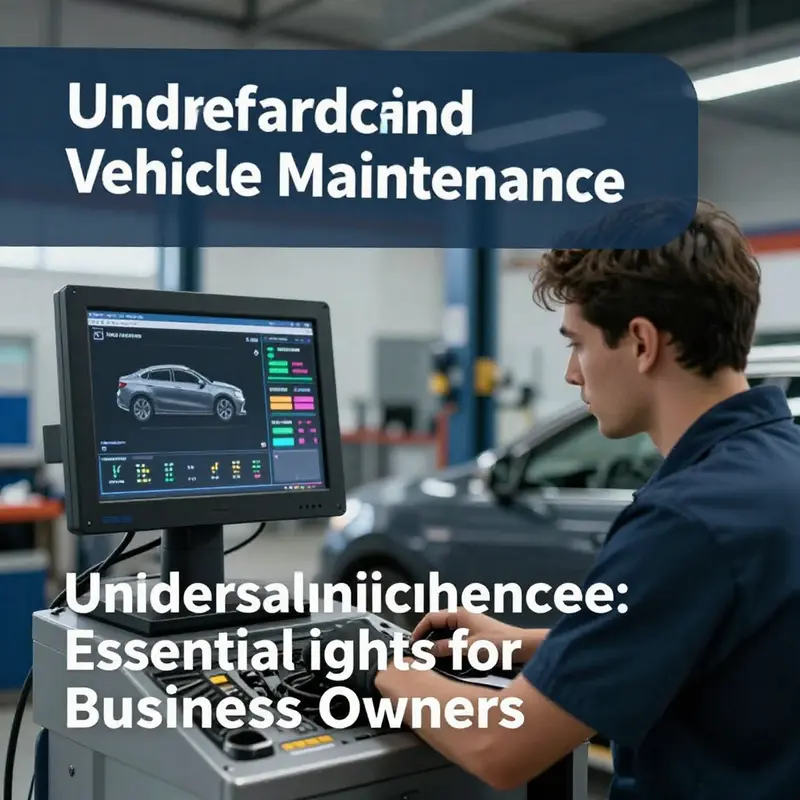
In organizations that operate fleets, from delivery vans to heavy machinery, maintenance takes on a managerial dimension. A structured fleet maintenance program serves as a backbone for safety compliance, budget control, and uptime. It requires standardized service intervals, traceable records, and proactive planning to prevent failures before they disrupt operations. Fleet management blends human judgment with data, forecasting service needs based on mileage, duty cycles, and environmental conditions. This approach also supports a broader duty of care: ensuring that every asset in the fleet is fit for purpose, meets regulatory requirements, and remains safe for drivers. The practice includes diagnostic testing using fault diagnosis tools, brake testers, and OBD scanners, enabling technicians to detect hidden faults that would not surface during a casual inspection. Preventive measures—such as engine health assessments and emissions checks—help identify issues early and calibrate maintenance schedules to the actual wear patterns of each vehicle.
The definition of a vehicle itself informs how we frame maintenance. Collins defines a vehicle as a machine such as a car, bus, or truck with an engine used to carry people from place to place. That functional emphasis guides maintenance priorities: the primary purpose is safe and reliable transportation, but the means by which that purpose is achieved differ across contexts. A car used for daily commuting has different wear patterns than a delivery truck that runs long shifts, or a service boat in a harbor. The key is to treat maintenance as an ongoing discipline rather than a flux of ad hoc fixes. The steadfast practice of regular checks, timely repairs, and appropriate part replacements extends both safety margins and asset life, supporting a more predictable operating budget and a healthier second-hand value when the vehicle changes hands.
Putting these ideas into a seamless narrative requires seeing maintenance as a system rather than a string of disconnected chores. Engine care, transmission upkeep, suspension and steering fidelity, and fleet management decisions are the pillars that uphold reliability. Each pillar informs the others: fresh engine oil reduces friction, which in turn preserves bearing surfaces in the transmission; a properly aligned suspension reduces uneven tire wear, thereby protecting braking efficiency and preventing sudden handling anomalies. In this sense, maintenance is both art and science: practitioners apply inspection discipline and diagnostic insight while calibrating service frequencies to the machine’s actual wear. The practice is dynamic; it adapts to vehicle age, usage patterns, environmental exposure, and evolving regulatory standards. Even the terminology matters: maintenance is not merely repairing what is broken but anticipating what might fail and acting before it does. The approach recognizes that safety, performance, emissions, and cost are not isolated metrics but interconnected facets of a responsible stewardship of mobility.
To ground this concept in everyday experience, consider how a routine service visit unfolds. A technician begins with a diagnostic triage: reading fault codes, listening for abnormal sounds, and checking fluid levels and temperatures. Oil changes follow once the engine has had time to warm up, with attention to viscosity and the right filter; air and fuel filters are evaluated, and replacements scheduled when necessary. The transmission, while out of sight, receives its own careful attention: fluid quality, temperature regulation, and seal integrity are checked to prevent slip and overheating. The suspension and steering system are inspected for play, wear, and hydraulic leakage; alignment is adjusted to restore proper tire contact and steering responsiveness. In fleet contexts, this process is repeated across vehicles with a schedule tailored to each asset’s role. It is a rhythm built from data and experience, a rhythm that yields shorter downtimes and longer service intervals when the machine is treated as a living system rather than a pile of disparate parts.
The practical takeaway is straightforward: maintenance is a defined program that translates the abstract notion of care into concrete, repeatable actions. It requires clear objectives, reliable diagnostic methods, and a culture that values safety and efficiency as strategic assets. When organizations articulate service intervals, document repairs, and monitor performance metrics, they create a feedback loop that informs every future intervention. The goal is not simply to fix problems but to optimize the vehicle’s operational life and to maintain a stable baseline for performance. This is especially important as vehicles age or as they are exposed to demanding duty cycles. The maintenance philosophy should also account for environmental concerns, because emissions checks and fuel system upkeep contribute to cleaner operation and reduced operating costs over the long term. In short, maintenance is a disciplined path to safer roads, more predictable budgets, and a more resilient fleet.
For readers seeking a concise synthesis, a gateway is to explore definitions that place maintenance in a broader SAS-like frame: ongoing monitoring, timely intervention, and diagnostic-guided repairs that reflect the machine’s actual wear patterns rather than imagined schedules. An accessible starting point is the widely cited overview of vehicle maintenance that foregrounds regular inspection and repair as the core activity, yet recognizes rehabilitation, painting, fueling, and lubrication as integral elements within a cohesive program. The emphasis remains on the practical outcome: a vehicle that performs reliably, with reduced risk, lower life-cycle costs, and longer life. As you reflect on your own driving or fleet management experience, consider how you can align preventive practices with the realities of daily operation, balancing the immediacy of safety needs with the longer horizon of cost efficiency and asset preservation. To explore a concise, widely used formulation of the concept, see What is vehicle maintenance.
In addition to the practicalities of care, the language we use to define maintenance matters. The term implies regularity, standardization, and a proactive posture, rather than a reactive stance. It signals an organizational commitment to reliability and to the stewardship of capital invested in assets. The official terminologies in this field—those that anchor the concept in standardized practice—underscore the practical reality that maintenance encompasses inspection, repair, and preventive action across a spectrum of activities. The broad view also accommodates emerging trends in the industry, including the digitization of service records, remote diagnostics, and data-driven maintenance planning, all of which reinforce the notion that maintenance is not a static routine but a living framework that evolves with technology, policy, and market demands.
To close the loop on definitions and expectations, consider the canonical reference point in standard terminology that captures the idea of maintaining a vehicle station in a broader scientific and technological context. Such terminology reminds us that maintenance is not simply a hobbyist habit but a structured discipline within the transportation ecosystem. While the exact phrasing may vary by jurisdiction and sector, the underlying principle remains the same: prevention, preservation, and performance are the triad that defines maintenance today. For standardized terminology and a deeper historical lineage, see the official publication linked in the research notes, including the National Committee for the Standardization of Scientific and Technical Terms, 1996 edition. See https://www.nstc.gov.cn/ for more information about terminology in highway traffic science and technology.
null
null
Final thoughts
Vehicle maintenance is an integral part of running a successful fleet. By defining maintenance clearly, identifying its key components, and following industry standards and best practices, business owners can improve vehicle reliability, reduce downtime, and optimize operating costs. A proactive maintenance culture supports safety, efficiency, and long-term profitability across the entire fleet.