
Fleet vehicle maintenance is a crucial aspect for businesses that rely on vehicles for their operations. It not only ensures the longevity and reliability of your fleet but also impacts overall profitability and safety. This guide delves into what fleet vehicle maintenance entails, from understanding its fundamentals to recognizing best practices, leveraging technology, and anticipating future trends. Each chapter will provide detailed insights to enhance your fleet management efficiency, helping you make informed decisions that benefit your organization in the long run.
Fleet Maintenance: A Practical Guide
Fleet maintenance is the disciplined management of a diverse vehicle fleet to ensure safety, reliability, and compliance. It combines routine service, proactive diagnostics, and data-driven decisions to reduce downtime and optimize total ownership costs. This chapter outlines the core concepts of routine checks, scheduled repairs, recalls, diagnostics, record-keeping, and the role of technology in modern fleet programs. It also discusses how governance, planning, and continuous improvement contribute to predictable performance and regulatory alignment. For readers seeking more, see broader references on vehicle upkeep and the framework for maintenance excellence.
The Core Components of Fleet Vehicle Maintenance: A Roadmap to Safer, More Reliable, and Efficient Fleets
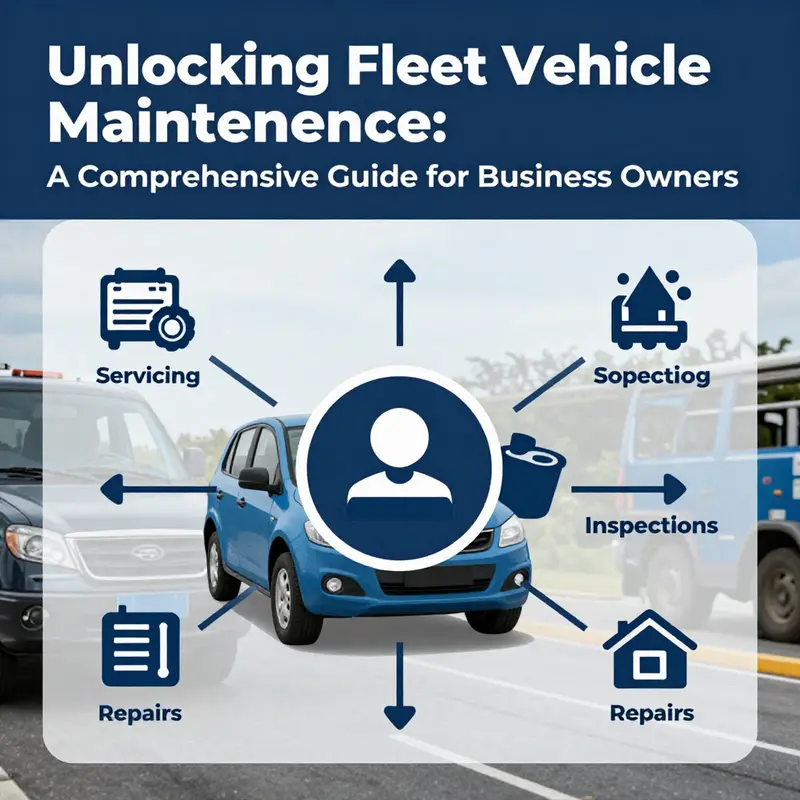
Fleet vehicle maintenance is a disciplined system that aligns safety, reliability, and cost efficiency with daily operations. It involves planning, execution, and continuous improvement, turning data into prudent decisions and reducing downtime. The six interlocking components form a single living workflow: preventive maintenance, corrective maintenance, predictive maintenance, record keeping and documentation, vendor and supplier management, and compliance and safety checks. Each component matters, and together they create a proactive, transparent, and financially accountable model of maintenance. Preventive maintenance forms the backbone of the practice, with time based and usage based intervals. Routine acts like oil changes, tire rotations, brake inspections, fluid checks, and filter replacements curb wear and catch issues early. A maintenance system can automate schedules and alerts to prevent slips in service across dispersed sites. Corrective maintenance addresses issues that surface despite planning and aims to fix fast with clear documentation that supports warranty claims and future prevention. Predictive maintenance uses real time data from telematics, diagnostics, and wear trends to forecast failures and schedule interventions that minimize downtime and extend component life. Record keeping and documentation ensures a centralized, searchable ledger of service entries, parts, labor, and diagnostics, linking each event to vehicle history and compliance. Vendor and supplier management focuses on reliable partners, quality workmanship, and cost control, balancing speed with safety. Compliance and safety checks anchor the program in regulatory standards and driver safety, reducing risk and protecting assets. The interplay among these components creates a model of maintenance that is proactive, transparent, and financially accountable, guiding budgeting decisions, technology investments, and the way vehicles are maintained and retired.
Steady Hands, Smart Systems: A Cohesive Blueprint for Fleet Vehicle Maintenance
Maintaining a fleet is not just ticking tasks off a list; it is an operating philosophy that ties vehicle health to service quality, safety, and bottom-line performance. In practice, a fleet maintenance program treats every vehicle as a rolling asset with a life cycle that must be understood, measured, and optimized. At its core lies a simple question: how can we ensure every mile is safe, predictable, and cost-efficient? Answering it requires a cohesive system that blends routine care with science, data, and disciplined process. A clear definition anchors the program: What is Vehicle Maintenance. The answer is a concise framework that sets expectations, responsibilities, and measurable outcomes for technicians, drivers, and managers alike.
Routine inspections provide the early warning signals that prevent surprises on the road. Pre-trip checks mature into a habit when drivers see them as part of safeguarding their own day. Post-trip checks, similarly, catch issues that might have developed during a run. In combination, they form a feedback loop: telltale signs like tire wear patterns, small leaks, or braking irregularities are noted while the vehicle is still within reach of maintenance staff. The goal is not to chase every fault but to triage issues so that urgent problems are addressed promptly and minor wear is logged for timely intervention. The benefit is straightforward: fewer unexpected breakdowns, longer tire life, cleaner fluids, and a fleet that spends more time in service than in the shop.
Preventative maintenance is scheduled care anchored to both the manufacturer’s recommendations and the realities of how the fleet is used. A robust calendar aligns oil changes, filter replacements, brake servicing, and tire rotations with the vehicle’s duty cycle. Real-world usage data may shift these intervals, especially for high-mileage routes, extreme climates, or vehicles that carry heavy loads. The software that underpins modern fleets becomes the brain of this approach. It tracks service intervals, automates reminders, and stores detailed digital records. Managers can pull a maintenance history at a glance, compare the cost of preventive tasks against the risk of breakdowns, and forecast replacement needs well before a vehicle reaches the point of failure. The outcome is not only consistency but transparency: maintenance becomes auditable, accountable, and easier to justify to stakeholders who watch the fleet’s uptime and total cost of ownership.
Driver involvement turns maintenance from a siloed function into a shared responsibility. When drivers are trained to perform basic checks and to report issues with clear, actionable details, the detection window widens. This fosters a culture where safety is collective, not departmental, and where a small discovery at the end of a shift can prevent a larger problem during peak service. Training can be lightweight yet practical: recognizing unusual noises, monitoring dashboard indicators, and knowing which faults warrant immediate attention. The most successful programs embed reporting into daily routines, with simple forms or digital prompts that translate observations into work orders. Over time, the fleet gains not just fewer breakdowns but quicker response times, because the person closest to the vehicle becomes an early informant rather than a voice at the end of a chain.
Continuous monitoring through telematics is where data translates into decisive action. Telematics systems collect real-time health indicators such as engine diagnostics, fluid Temperatures, battery status, and tire pressure, along with driver behavior metrics and route efficiency. The value lies in transforming streams of numbers into a narrative about each vehicle’s health. Analysts look for patterns: rising oil consumption that may signal a seal wear, abnormal brake wear that could indicate misadjustment, or fuel economy dips that point toward tire underinflation or air filter issues. By correlating health signals with duty cycles, maintenance teams can schedule interventions just before a fault becomes a failure, thereby reducing downtime and emergency repairs. The challenge is not access to data but turning it into action: building clear thresholds, alerting the right people, and linking diagnosis to a concrete work order. When done well, real-time health becomes a proactive shield against costly surprises.
A well-run fleet consolidates maintenance history, parts inventory, and diagnostic insights into a single, navigable ecosystem. Detailed digital records allow teams to track what was done, when, and at what cost, while inventory visibility prevents parts shortages that stall repairs. Diagnostic tools, combined with ongoing electronic health monitoring, enable technicians to pinpoint root causes with precision, reducing the risk of repetitive fixes. Effective programs also manage warranties, recalls, and supplier relationships, ensuring that capital investments deliver maximum value. The contagious effect is operational: with better visibility, routes can be redesigned to minimize wear, vehicles can be redeployed to match their strengths, and capital planning can be aligned with vehicle lifecycles. The result is a fleet that ages gracefully, rather than one that suddenly spirals into unplanned downtime because data resided in silos rather than in a dashboard that managers actually consult.
Peace of mind for leadership comes from knowing that maintenance is not a cost to be trimmed but a strategic capability that enhances safety and reliability. When maintenance history is complete and accessible, audits become routine, compliance checks are straightforward, and safety programs gain credibility. Uptime improves because preventive tasks are performed on schedule, not as a reaction to breakdowns. Fuel efficiency often gains when tire rotations and alignment checks are timely, and planned component replacements prevent cascading failures that would demand expensive, last-minute parts buys. In practice, the best programs keep a fluid balance: a living maintenance plan that adjusts to new data, a budget that reflects true life-cycle costs, and a culture that treats a well-maintained vehicle as a shared asset rather than a disposable tool. For fleet managers, the payoff is measured in miles covered with confidence, a reduced risk profile, and the ability to articulate the value of maintenance to operators, executives, and regulators alike.
For additional guidance, consult the Vehicle Maintenance Resource from the U.S. Department of Energy’s Alternative Fuels Data Center: https://afdc.energy.gov/fleets/vehicle_maintenance
Tech at the Helm: The Data-Driven Future of Fleet Vehicle Maintenance
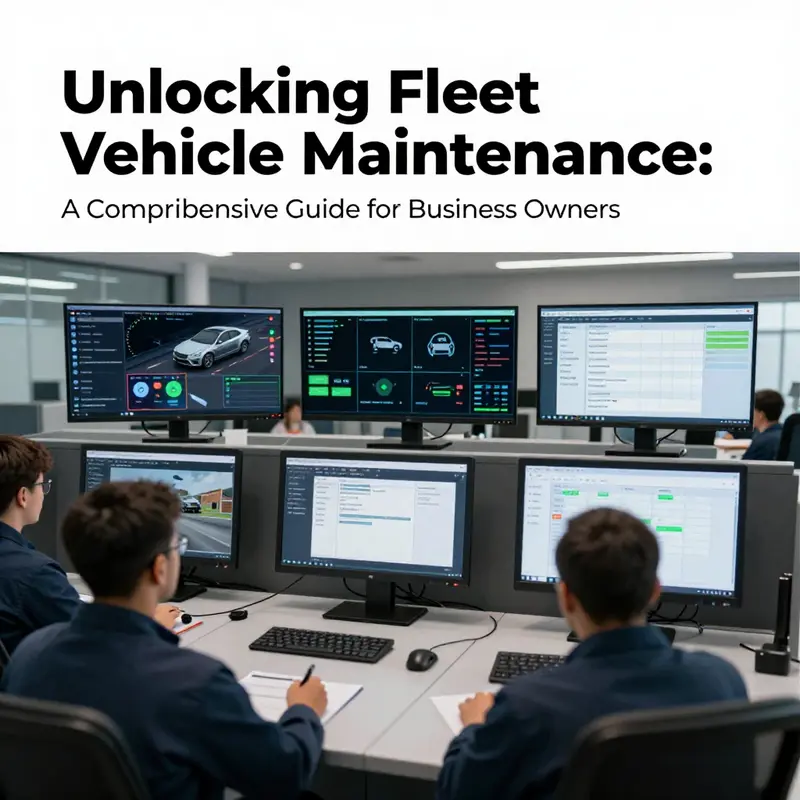
Fleet vehicle maintenance has always been about keeping wheels turning and ensuring safety on the road. Yet the discipline has evolved from a calendar-based checklist into a sophisticated, data-driven ecosystem. Today’s fleets rely on a fusion of sensors, software, and smart workflows that transform maintenance from a reactive chore into a proactive, financially sound practice. This transformation is not just about fixing what breaks; it is about predicting what will fail, scheduling work before it disrupts operations, and using every mile driven as data that feeds a more resilient system. In this sense, technology becomes the backbone of reliability, safety, and efficiency across the entire fleet.
At the heart of modern fleet maintenance is real-time health monitoring. Telematics and onboard diagnostics collect streams of information from thousands of components, from engine oil quality and brake wear to tire pressure and battery health. When this flood of data is analyzed with purpose-built software, patterns emerge. Small shifts in oil temperature, unusual vibration signatures, or slower-than-expected brake pad wear rates can indicate an approaching issue long before a warning light paints the dashboard red. The result is not merely sooner repairs; it is smarter planning. Maintenance windows can be scheduled around delivery commitments, driver rosters, and maintenance bays, reducing downtime and improving asset utilization. The shift from time-based servicing to condition-based or predictive maintenance marks a profound change in how fleets think about risk and cost.
This change also reframes what maintenance means in practice. It is no longer an isolated set of tasks—oil changes, tire rotations, filter replacements—performed when the clock tells you to perform them. It becomes a continuous, integrated process where service history, parts availability, and fleet health are chronically synchronized. Modern maintenance platforms centralize service histories, automate preventive maintenance scheduling, and integrate with parts inventories so that technicians have the right components in the right order at the right time. In other words, the system becomes an extension of the fleet manager’s judgment, turning complex operations into a rhythmic, predictable cadence. For readers exploring the broader concept of maintenance in vehicles, this conversation aligns with the idea that maintenance is an ongoing discipline rather than a single event, a notion elaborated in what is vehicle maintenance.
Technology also expands the toolkit available to technicians and engineers. Diagnostic tools, connected powertrains, and advanced test equipment enable deeper insights into engine management, electrified propulsion, and subsystems such as braking and steering. As vehicle platforms grow more sophisticated, the need for skilled technicians escalates. IBM has highlighted a critical tension: as fleets adopt AI-driven analytics and more capable diagnostic systems, there emerges a shortage of training options to equip technicians with the higher skill sets these systems demand. The consequence is not only slower adoption but also the risk of misinterpreting data, leading to unnecessary maintenance or missed failures. The practical takeaway is clear: upskilling must be an early and ongoing priority, not an afterthought. Partnerships among manufacturers, training institutions, and fleet operators can accelerate knowledge transfer, keeping technicians ahead of the evolving technology curve.
Automation forms a natural complement to upskilling. A 2025 framework study describes how transport companies can automate maintenance decisions, optimize resource allocation, and reduce downtime through intelligent systems. Such automation doesn’t erase the technicians’ expertise; it channels it more effectively. Automated decision-making can handle routine scheduling, parts provisioning, and even triage for repairs, while human technicians focus on complex diagnostics, calibration, and innovative upgrades. This collaboration between brain and machine is essential as fleets expand into electrification, telematics-enabled service, and connected vehicle platforms. The result is not a de-skilling of the workforce but a rebalancing of tasks: high-frequency, data-driven decisions run by software, and high-skill, craft-based interventions performed by trained professionals.
One practical effect of this tech-enabled maintenance paradigm is the dramatic improvement in uptime. When breakdowns are anticipated rather than unexpected, vehicles spend more time in service and less time in the shop. Downtime costs shrink, not merely because repairs happen faster, but because the entire maintenance lifecycle becomes leaner. Predictive alerts can trigger pre-approved work orders, shaded by fleet-wide optimization rules that consider service bay availability, technician workload, and parts lead times. Fuel efficiency often improves as well, because engines and drivetrains remain within optimal operating envelopes, avoiding the wear and fuel penalties that arise from sustained suboptimal performance. Fleets also become better at maintaining compliance. Real-time data trails support regulatory reporting and quality assurance, reducing the risk of penalties and improving audit readiness.
The human dimension remains central. The tech does not replace judgment; it augments it. Up-to-date data, clear diagnostic narratives, and standardized maintenance workflows empower technicians to interpret signals with confidence. Yet the goal is not to drown staff in data but to present actionable insights. User-friendly dashboards and integrated maintenance portals help operators translate complex analytics into concrete actions: when to service, what to replace, and how to minimize disruption to operations. It is a shift from chasing the clock to shaping it—buffering the clock with data-driven predictability.
Another cornerstone is the ability to scale the maintenance program across diverse vehicle types within a single organization. Modern fleets rarely consist of a single vehicle model. They may include light-duty vans, medium- and heavy-duty trucks, and perhaps specialized equipment or off-road units. The same core principles apply, but the systems must accommodate varying powertrains, fault codes, and service intervals. In fact, the broader applicability of intelligent maintenance extends beyond road vehicles to other transport domains, underscoring a growing ecosystem that links fleet maintenance with broader asset management. This scalability is exactly what forward-looking operators are pursuing as they consolidate maintenance data, optimize procurement, and align service standards across multiple depots or regional hubs.
As the industry moves forward, a central challenge remains: ensuring the workforce has access to the right training at the right time. The complexity of modern fleets—electric propulsion, advanced driver-assistance systems, and unified connected platforms—requires curricula that blend theory with hands-on practice. The push toward upskilling is not merely about keeping pace; it is about building resilience against future disruptions. Early investments in training can pay off in reduced downtime, safer operations, and fewer unforeseen maintenance spikes during peak demand periods.
In sum, technology in fleet vehicle maintenance reframes the entire practice. It shifts the focus from calendar-based servicing to condition-based, data-driven decisions. It elevates maintenance from a routine obligation to a strategic capability that safeguards safety, reliability, and cost control. It aligns human expertise with intelligent systems to deliver a maintenance program that is as much about foresight as it is about fixes. This integrated approach—real-time monitoring, predictive analytics, automated decision processes, and structured workforce development—forms the backbone of a resilient fleet that can meet today’s speed and tomorrow’s demands. If you seek to deepen your understanding of how maintenance intersects with vehicle care more broadly, the linked resource below offers a comprehensive external perspective on how technology shapes fleet maintenance in practice: https://www.ibm.com/topics/fleet-maintenance.
Predictive, Connected, and Sustainable: The Future of Fleet Vehicle Maintenance
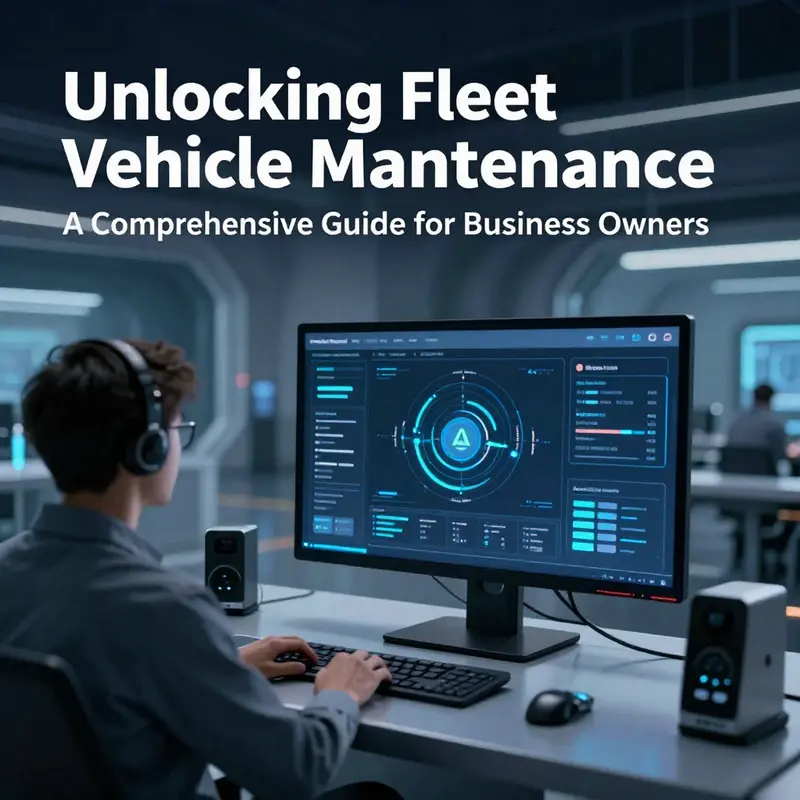
Predictive, connected, and sustainable—these three threads are stitching the next era of fleet vehicle maintenance. What used to be a routine cycle of oil changes, brake checks, and parts swaps is evolving into a data-driven discipline that treats maintenance as an ongoing, intelligent capability. The driver behind this shift is not a single breakthrough but a convergence: advanced sensors, real-time data streams, artificial intelligence, and a reimagined operations model that treats vehicles as dynamic assets rather than static machines. For fleets, this means maintenance is no longer about reacting to a failure, but about preventing it, optimizing every mile, and aligning upkeep with broader organizational goals such as reliability, safety, and cost control.
At the heart of the transformation is predictive and preventative maintenance powered by AI and IoT. Modern vehicles are repositories of data. They monitor engine temperatures, wear on critical components, fluid quality, battery health, tire pressures, and hundreds of other signals in real time. When this data is streamed to a centralized platform, patterns emerge. AI models can forecast when a part will drift from its optimal range or when a system is likely to fail, often before the operator notices any symptom. This capability shifts maintenance from a calendar-based or mileage-based approach to a condition-based one. It allows fleets to schedule service precisely when it will produce value—reducing downtime, avoiding unnecessary service, and steering repairs toward the most cost-effective windows. The practical payoff is clear: fewer unexpected breakdowns, steadier delivery performance, and better alignment between maintenance activity and actual vehicle use.
The connected vehicle is not just a single device but a node in a larger IoT ecosystem. Each fleet expands its health insights across hundreds or thousands of units, all communicating through secure networks to a centralized health dashboard. This ecosystem makes it possible to monitor fleet-wide health trends, identify anomalies that may indicate a systemic issue, and allocate maintenance resources with a level of granularity that was once unattainable. It also enables more sophisticated inventory and parts planning. Instead of stocking an expansive assortment of spare parts, fleets can synchronize procurement with projected maintenance windows, reducing tied-up capital and waste while improving service speed. Even routine inspections gain new clarity when compiled data shows historical degradation patterns across vehicle types, routes, or times of year.
As vehicles become software-driven platforms, maintenance management must adapt to a software- and data-based reality. Telematics and diagnostic tools are no longer add-ons but core components of fleet operations. The interplay between software and hardware creates new opportunities to optimize lifecycle costs. Predictive maintenance informs not only when to service, but what to service and how to service it most efficiently. It can guide decisions about replacing wear-prone components with higher-grade parts, selecting more durable tires for a given route, or adjusting maintenance schedules based on weather, terrain, or payload. This level of optimization integrates with a broader fleet management program that coordinates service history, parts inventory, technician scheduling, and compliance reporting into a single, auditable workflow.
The Automotive Innovation Forum 2024 highlighted how innovations like AI and virtual reality (VR) are accelerating reliability and uptime. VR, in particular, is redefining how technicians learn and apply complex maintenance procedures. Remote assistance, assisted diagnostics, and guided repair workflows reduce the time spent on uncertain tasks and shorten the learning curve for newer technicians. Digital twins—virtual replicas of actual vehicles or fleets—allow teams to simulate wear, stress tests, and maintenance scenarios without tying up physical assets. These tools make it possible to test maintenance strategies in a risk-free environment before deploying them in the field, improving predictability and safety.
To manage this growing complexity, fleets need a robust maintenance program that spans the entire asset life cycle and across multiple vehicle types—cars, trucks, and even non-road or marine assets when applicable. A cohesive program provides a governance framework for data collection, analysis, decision rights, and performance metrics. It also anchors the human element: training and reskilling technicians to work with diagnostic software and data science concepts, while empowering operations staff to translate insights into actionable maintenance plans. In practice, this means creating cross-functional teams that blend mechanical expertise with software and data analytics, so the fleet can respond quickly to health signals and evolving requirements.
The shift also raises important considerations about cybersecurity and data governance. As fleets become more connected, the surface area for potential threats grows. Organizations must implement layered security—encryption, access controls, secure over-the-air updates, and continuous monitoring of data integrity. Data governance becomes equally important: who owns the data, how it is stored, how long it is retained, and how privacy and regulatory obligations are met. These concerns are not afterthoughts; they are essential to maintaining trust in the predictive systems that underpin maintenance decisions.
Sustainability is another compelling driver. Efficient maintenance planning reduces waste and emissions by limiting unnecessary trips, optimizing fuel and tire usage, and extending vehicle lifespans. For electric fleets, maintenance acquires new dimensions: battery health management, thermal management, and high-voltage safety protocols. Predictive insights help prolong battery life, optimize charging strategies, and ensure that EVs stay within their performance envelopes. The result is a fleet that is not only more reliable but also better aligned with environmental goals and state or national incentives that reward sustainable fleet practices.
Of course, success hinges on a flexible, phased implementation. An incremental approach starts with instrumenting a representative subset of the fleet, establishing data standards, and building a baseline of reliability. As confidence grows, the program expands to additional vehicle types and routes, while refining predictive models and decision governance. It is essential to pair technology with process changes: rethinking preventive maintenance windows, integrating diagnostics with procurement, and aligning maintenance scheduling with labor capacity. The aim is a resilient system where data-informed decisions translate into tangible outcomes—lower downtime, faster repairs, and more predictable operating costs.
For readers seeking a quick touchpoint with the fundamentals while engaging with these forward-looking ideas, consider reviewing foundational material on maintenance basics. It provides the bedrock upon which the more advanced, data-driven approaches build. What is vehicle maintenance.
As fleets embark on this journey, the question shifts from whether to adopt predictive maintenance to how to design a program that scales, adapts, and sustains a competitive edge. The answer lies in treating maintenance as an integrated capability—one that harmonizes health monitoring, skilled technicians, and a data-driven operating model. When done well, maintenance becomes not a cost center but a strategic driver of reliability, safety, and efficiency across the entire fleet lifecycle. The result is a fleet that can meet changing demand with confidence, maintain high inspection outcomes, and stay ahead in a landscape where technology evolves at a relentless pace.
Further reading for industry outlook and cost trends can be found in the maintenance trends and cost outlook for 2024, which offers a broader context for how these innovations translate into operational realities across fleets of all sizes: https://www.automotivefleet.com/insights/maintenance-trends-cost-outlook-2024/ .
Final thoughts
Efficient fleet vehicle maintenance is vital for ensuring that your vehicles operate at their best. By understanding its components, adhering to best practices, embracing advancements in technology, and staying alert to future trends, business owners can enhance fleet reliability and save on costs. Investing in a robust fleet maintenance strategy not only protects your assets but also ensures your business remains competitive and compliant in a rapidly evolving marketplace.