

Vehicle maintenance is essential for business owners who rely on their fleet for operations. Regular checks and services help ensure not only the safety and performance of vehicles but also their longevity, contributing to the overall efficiency of business activities. This article delves into the primary aspects of vehicle maintenance, including cooling system care, brake system checks, tire inspections, fluid levels, and battery health. By understanding and implementing these key maintenance strategies, you can prevent breakdowns and ensure compliance with warranty terms, ultimately saving your business time and resources.
null
null
null
null
Rolling Safely: Tire Inspections as the Cornerstone of Vehicle Maintenance
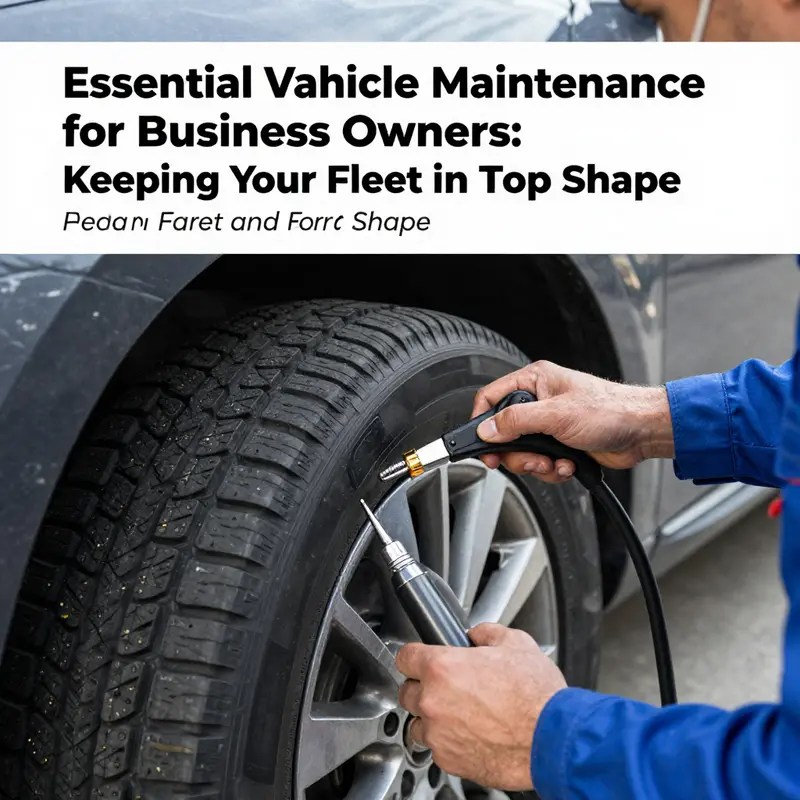
Tires are the point of contact between a vehicle and the road, and their condition directly affects grip, braking, and stability. Regular tire care is a practical part of vehicle maintenance that pays off in safer handling and longer tire life. A well cared for tire set supports smoother rides, predictable steering, and more confident acceleration and braking.
Routine tire checks start with a visual scan. Inspect each tire for wear patterns, cuts, punctures, bulges, or objects embedded in the tread. Uneven wear can signal alignment or inflation issues; a cut may indicate aging rubber; bulges suggest an internal weakness that could fail suddenly. If you see signs of damage, have the tire examined before driving farther.
Tire pressure is equally critical. Check when tires are cold and compare with the recommended specification from the door jamb sticker or owner manual. Proper inflation improves fuel efficiency, tire wear, and handling. Many vehicles include a TPMS that alerts you when a tire is significantly underinflated; treat these alerts seriously and verify with a gauge.
Rotation and balancing help distribute wear and reduce vibrations. Follow the manufacturer pattern and interval for rotation; typical ranges are every 5,000 to 8,000 miles, depending on vehicle and tires. Regular balancing and alignment checks after impacts keep steering precise and tread even.
Tire aging matters too. Rubber ages from sun and heat even if tread depth remains adequate. Consider replacing tires around six years from manufacture date, with extra caution in hot climates or after long storage.
When replacing tires, use matching sizes and types as specified by the manufacturer. Consistency across all four tires helps stability, especially during braking and cornering. If using different tires, prefer similar tread depth and performance characteristics on the rear axle.
Professional guidance is important for safety. Some checks can be done by a prepared owner, but more complex tasks should be performed by certified technicians who follow industry guidelines. Do not attempt repairs for internal damage or bulges. After service or rotation, ensure TPMS is recalibrated if required.
For further reading, see the reference on vehicle maintenance at the linked page: https://vehicletricks.com/blog/what-is-vehicle-maintenance/
In short, regular tire inspections, correct inflation, timely rotation, mindful aging, and professional service when needed together form a simple routine that supports safety, performance, and value from your tires.
Fluid Vigilance: How Fluid Level Checks Preserve Reliability and Longevity in Vehicle Maintenance
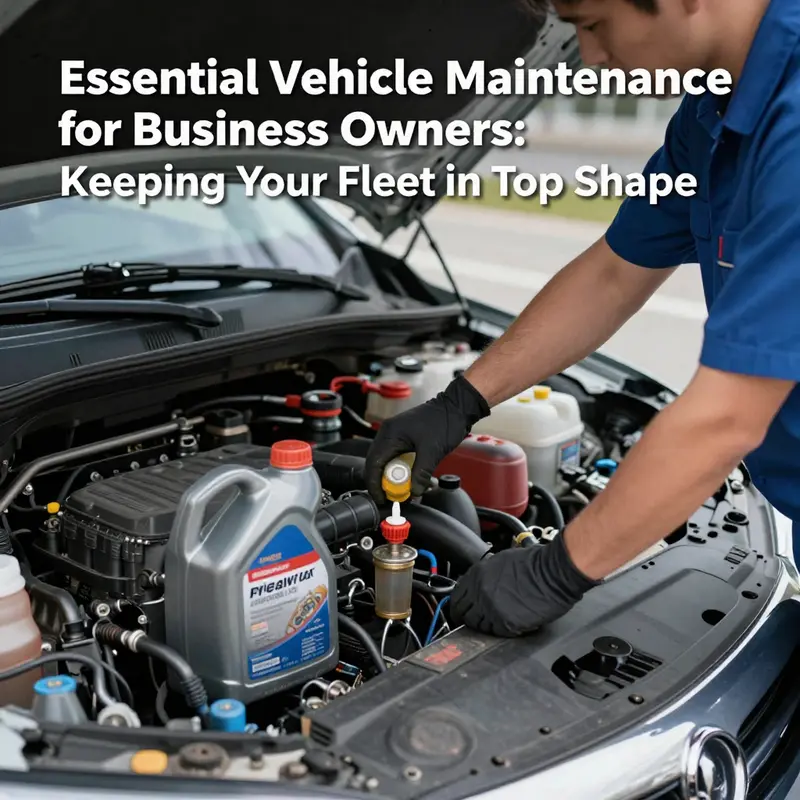
Fluid vigilance is often the quiet backbone of a vehicle’s reliability. It operates beneath the surface, invisible to most drivers, yet its effect is immediate and tangible. When you drive, the car’s fluids perform a delicate ballet: engine oil lubricates and cushions moving parts, transmission fluid cushions gears and maintains hydraulic pressure, coolant keeps the engine from cooking, brake fluid translates pedal effort into stopping power, and power steering fluid (where applicable) assists steering. Taken together, these fluids form a network that sustains control, comfort, and performance. Regularly checking their levels is not a flashy maintenance task; it is a disciplined habit that catches small problems before they become costly, disruptive failures. The logic is simple: when levels drift away from the design specification, systems begin to strain, heat up, or lose their efficiency. The effect is cumulative, and the cost often follows the path of the least resistance—more fuel, more wear, less responsiveness, and, eventually, a breakdown that could have been prevented with a routine check.\n\nEngine oil stands at the core of this routine. It is both lubricant and coolant for the bearer of the engine’s heart. Checking oil while the engine is warm and the car is on level ground gives you a reliable reading of both quantity and condition. The dipstick reveals not just whether oil is present, but its color and texture. A golden, translucent look suggests fresh oil; a dark, gritty, or milky appearance can signal contamination or degradation. A dipstick that shows oil near the minimum mark is a clear prompt to plan an oil change. The frequency of oil checks is tied to your driving patterns and the vehicle’s design, yet the habit remains universal: a quick glance should be part of every weekly or monthly check. This practice extends beyond the mere number on the dipstick. If you notice a sudden drop in oil level, a change in odor, or an unusual engine sound, those cues warrant closer scrutiny, possibly including a professional inspection to locate leaks or internal wear.\n\nThe transmission fluid, too, deserves careful attention, though its handling has grown more complex with modern designs. Many newer vehicles run sealed transmissions without a traditional dipstick, complicating DIY checks. Even when a dipstick is still present, the level must align with the manufacturer’s specifications, and the method can vary from model to model. Some systems require locating a fill plug and using specialized tools to measure the level, a reminder that design evolution can alter simple maintenance rituals. The message is clear: always consult the owner’s manual or a trusted, model-specific guide before attempting any transmission fluid check or service. The goal remains unchanged—ensure the fluid is within the correct range and that its color and aroma are normal. Burnt or metallic smells, or a troubling change in shifting feel, can indicate overheating or internal wear that needs professional attention. A monthly or trip-bound check is prudent, especially for vehicles used in demanding conditions or with high mileage.\n\nCoolant forms the third leg of the fluid triad. It circulates through the engine and radiator, absorbing heat and carrying it away to prevent overheating. Coolant levels matter as much as the coolant’s condition. If coolant is low, the system’s ability to transfer heat diminishes, increasing the risk of overheating under load or in hot climates. Coolant color, visible through a translucent reservoir, can signal degradation; a rusty, sludgy, or overly sweet smell may indicate contamination or leak channels that require repair. The cooling system, including radiators, hoses, and the water pump, relies on this fluid to perform its job. In dusty or dirty driving environments, the radiator can collect dust and debris that impede airflow and thermal efficiency. Regular inspection and cleaning of the radiator, along with a check of coolant level, help sustain cooling capacity and protect the engine from heat-related damage. The coolant test is not a one-and-done task; it benefits from periodic verification, especially before strenuous trips or extreme weather.\n\nBrake fluid, the hydraulic lifeblood of the braking system, demands careful attention because it operates under high pressure and is susceptible to moisture absorption. A rising moisture content lowers the boiling point of the fluid, reducing braking efficiency and increasing the chance of brake fade during heavy or repeated braking. If the fluid looks dark or feels thicker than it should on the reservoir’s edge, or if you notice a soft or spongy brake pedal, those signs warrant an inspection. Many drivers underestimate the importance of this fluid until a performance issue surfaces, but a routine check—paired with a rule of thumb to replace at manufacturer-specified intervals—keeps braking responsiveness crisp and dependable. The car’s braking system is a safety-critical domain; neglect can compromise stopping distance and overall control, especially in wet or hilly conditions.\n\nPower steering fluid is the final fluid in our immediate circle of concern. In vehicles that rely on hydraulic power steering, fluid quality and level influence steering effort and feedback. In models with electric assist, this fluid may play a smaller role, yet many drivers still benefit from a quick glance to detect leaks, discoloration, or unusual odors. A fluid level that is low can produce harder steering, and leaks signal compromised seals that should be addressed promptly. Even in systems with electric power steering, the fluid’s condition often reflects the health of ancillary components, such as pumps and hoses, making its periodic check a helpful proxy for broader system integrity.\n\nGuidance on maintenance scheduling should reflect a blend of the vehicle’s design, climate, and usage. The manufacturer’s recommended maintenance schedule remains the anchor. It provides model-specific instructions about how often to inspect and replace fluids, and it accounts for warranties and long-term reliability. In practice, many drivers find value in a simple monthly rhythm: quick checks during each month’s start or before long trips, with a more thorough quarterly or semiannual review that includes a visual assessment of all fluid reservoirs, leaks, and hoses. This cadence is particularly useful for vehicles that operate in extreme conditions—hot summers, cold winters, dusty deserts, or wet regions—where fluid performance is tested repeatedly. Keeping maintenance records handy helps track when to top up or replace fluids, and it supports warranty terms by showing a consistent care history.\n\nThe broader purpose of these fluid checks is not just to avoid breakdowns. It is about maintaining performance, efficiency, and safety across the vehicle’s life. When engine oil is clean, lubrication remains effective and wear is minimized. When transmission fluid remains within spec, shifting stays smooth and the risk of overheating stays low. Adequate coolant prevents overheating and preserves engine integrity. Adequate brake fluid preserves braking performance under load, and stable power steering keeps steering feel predictable. These outcomes translate into a more reliable driving experience, lower operating costs over time, and greater peace of mind for the driver.\n\nTo situate these practices within a wider framework, consider the broader concept of vehicle maintenance. For a broader framework, see What is vehicle maintenance. This perspective links fluid checks to other essential routines, such as inspecting the cooling system, cleaning radiators to maintain thermal efficiency, and verifying that lights and electronics function correctly. It also emphasizes that maintenance is not a one-off event but a continuous discipline that crosses systems and subsystems. The idea is to create a habit in which drivers routinely verify levels, observe conditions, and act on signs of wear or abnormality before they escalate into interruptions on the road. In this sense, fluid level checks are less about chasing a perfect number and more about sustaining a dependable baseline of readiness.\n\nIn practice, a careful reader will approach each fluid with respect for its role and its vulnerabilities. Engine oil requires an eye on both level and condition; a check of the dipstick is a diagnostic, not a mere top-up. Transmission fluid demands attention to specification and method, recognizing that some transmissions are sealed and require professional assistance. Coolant warrants attention to both level and color, with an eye for leaks that betray cracked hoses or compromised seals. Brake fluid must be observed for moisture content and clarity, and power steering fluid calls for a qualitative appraisal of appearance and scent as a hint of system health. Taken together, these checks form a consistent, cumulative effort to preserve the vehicle’s operating envelope.\n\nThe practical value of this approach becomes especially clear when you consider how fluid checks interact with other maintenance tasks. Cleaning the radiator and maintaining clean cooling pathways support consistent coolant efficiency and prevent heat buildup that can compound wear in the engine and transmission. Regular oil and filter changes, aligned with the vehicle’s schedule, keep lubrication up to date, while timely attention to transmission fluid—whether via dipstick or fill-plug check—helps avoid harsh shifts and overheating. A well-ordered maintenance routine reduces the risk of sudden failures, minimizes the probability of emergency repairs, and extends the life of the vehicle’s core mechanisms. The result is not merely the preservation of mechanical function but the preservation of the driver’s confidence behind the wheel.\n\nAs you plan your maintenance mindset, remember that simplicity often yields the best results. A calm, regular regimen of fluid level checks—alongside visual inspections for leaks and signs of wear—can be integrated into the weekly routine without demanding elaborate tools or procedures. The habit becomes part of responsible ownership: a steady practice that reflects an understanding of how a car sustains itself through fluids as much as through metal. For readers who want to situate these steps within a broader maintenance philosophy, see What is vehicle maintenance. And for readers seeking model-specific details that can guide a precise procedure, consult your vehicle’s official maintenance documentation or trusted automotive resources. For more detailed procedures, see Ford Official Vehicle Maintenance Guide: https://www.ford.com/support/vehicle-maintenance/.
Battery Health: The Quiet Backbone of Modern Vehicle Maintenance
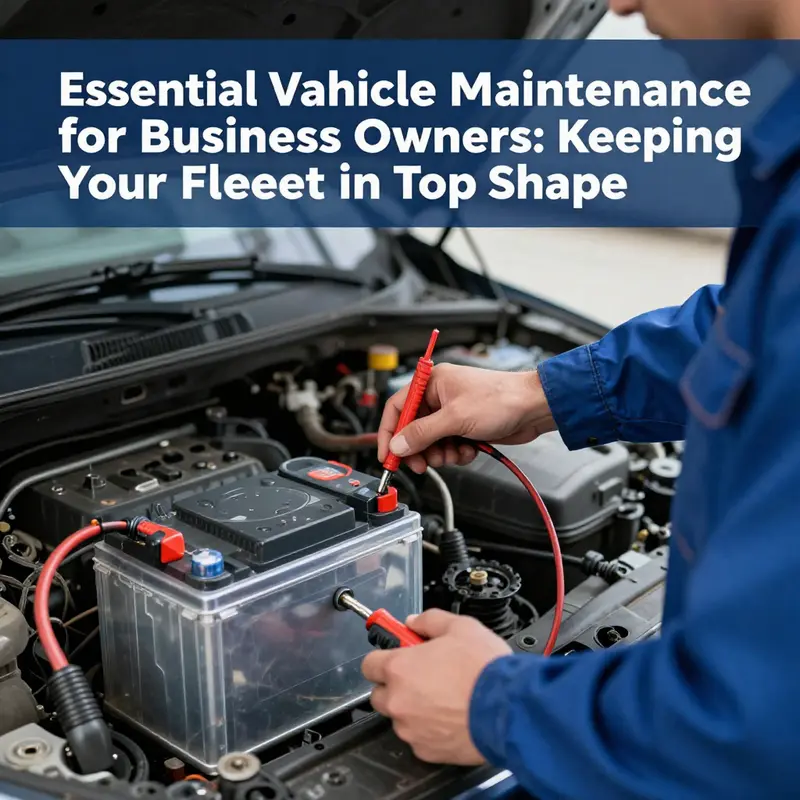
Modern vehicles rely on a web of electrical systems that govern propulsion, braking, sensors, and safety features. The battery is not just a power source; it is the heartbeat that keeps critical functions alive when the engine is off and the nervous system that informs the powertrain and driver-assisted features. Caring for battery health is a core maintenance task. When done with consistency, it means fewer surprises, steadier performance, and longer life for the vehicle. This care hinges on observable health indicators, diagnostic checks, and prudent usage in daily driving and in demanding conditions. The approach treats the battery as central energy and the electronics as its guardians.
A practical starting point is the State of Health, or SOH, which captures a battery’s remaining capacity relative to its design. In electric and hybrid vehicles, SOH tells you how much usable life remains and how performance may decline under load, temperature, and charging. An SOH around 80 percent or higher is generally healthy for continued operation with predictable performance. If SOH drops below this threshold, degradation risk rises and replacement costs become more impactful. This framing helps drivers and technicians prioritize maintenance actions before visible deterioration in range, charging speed, or power delivery. Numbers matter, but what matters most are the drivers of those numbers and how to respond when indicators move.
For electric vehicles, diagnostic tools provide battery health readouts via the battery management system (BMS) and thermal controls. The workflow varies by manufacturer, but the principle is the same: the vehicle uses cell-level monitoring, voltage and current data, and thermal sensors to estimate SOH, detect cell imbalances, and alert the user when calibration is warranted. In many setups, a diagnostic cycle requires a prompt to connect to a charger with adequate power and may take several hours. The calibration phase relearns cell characteristics, aligns estimates, and improves future readings. It is natural for this to generate heat and cooling activity; these are signs of normal recalibration.
In hybrids, battery management follows a similar aim to protect longevity while preserving performance. Hybrid packs are tuned to avoid deep discharges and full charges by keeping the high-voltage battery in a mid-range window, often around 20 to 80 percent. Regenerative braking helps reclaim energy but can push the battery toward its upper end if not moderated by software. Regular maintenance visits verify the cooling system, firmware updates, and diagnostics that check for issues in wiring, sensors, and thermal circuits.
The software that governs the battery deserves attention too. OTA updates refine management algorithms, improve state estimation, and optimize charging for efficiency and longevity. Keeping firmware current protects the integrity of health data and the reliability of range estimates. The BMS must stay synchronized with thermal controls, power electronics, and ADAS to ensure coherent energy management.
Regular visual and functional inspections remain foundational. Monthly checks of battery terminals for corrosion and tight connections help prevent failures. Inspect wiring harnesses, fuses, and relays for wear or looseness. Most warning lights (battery, ABS, or traction control) warrant prompt professional diagnostics to prevent minor concerns from escalating.
Integrating these practices into daily use creates a steady maintenance rhythm aligned with manufacturer plans. The goal is not to chase every new diagnostic drill but to maintain a sensible routine that keeps the battery and electronics communicating clearly with the vehicle. This approach supports the broader maintenance ecosystem—cooling, brakes, tires—and keeps the car reliable, safe, and ready for the road ahead.
For more context on preventive maintenance, you can explore overviews of vehicle maintenance. The key takeaway is that the smallest component, when well cared for, supports the most vital functions. As you plan your next service, consider long-term health signals—SOH, sensor alerts, thermal behavior, and software updates—that together tell the story of a battery and its electronic guardians.
Final thoughts
In conclusion, regular vehicle maintenance is not just a necessity but a strategic advantage for business owners. By ensuring thorough checks on the cooling system, brakes, tires, fluid levels, and battery health, you can greatly enhance the safety and efficiency of your fleet. Proactive maintenance will result in fewer breakdowns, better compliance with warranties, and ultimately lower costs for your business. Prioritize these critical tasks, and your vehicles will serve you reliably, allowing your business to focus on achieving its goals.