
For business owners operating fleets or service vehicles, maintaining vehicles effectively is crucial to ensuring operational efficiency, safety, and cost management. Vehicle maintenance encompasses practices that prevent mechanical failures, ensuring every component of the vehicle operates at optimal levels. This article breaks down vital areas of vehicle maintenance, including engine systems, braking systems, tire management, and the impact of modern technologies. Each chapter will elaborate on specific practices and considerations, providing a comprehensive guide to what vehicle maintenance entails, particularly in the context of business operations.
Engine Systems as the Pulse of Vehicle Maintenance: What Truly Deserves Attention and Why It Matters
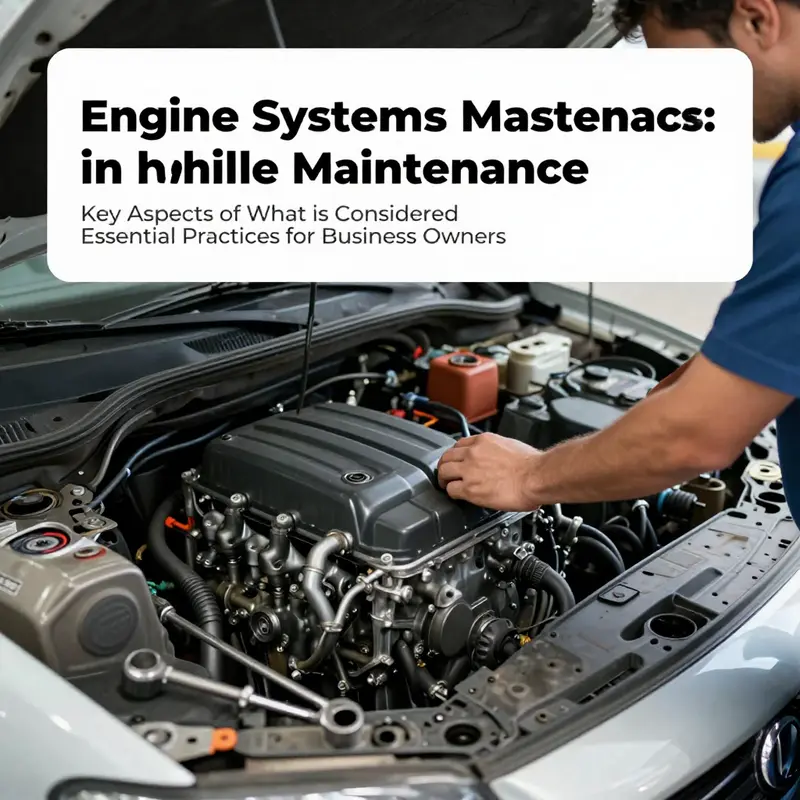
The engine is more than a collection of moving parts; it is the living core of a vehicle’s reliability, efficiency, and safety. When we talk about what constitutes vehicle maintenance, the engine system sits at the center because its health affects every other performance facet—from how smoothly the car accelerates to how long the fuel in your tank continues to seem scarce despite your careful driving. To understand maintenance in a practical, actionable way, it helps to see the engine not as a single machine but as an interdependent ecosystem that includes the intake and exhaust paths, the cooling and lubrication circuits, the ignition and fuel delivery frameworks, and the occasional deep-service intervals that reset wear patterns and restore efficiency. This integrated view helps owners translate a maintenance schedule into real-world benefits: fewer breakdowns, steadier fuel economy, and a longer-lived engine that remains a dependable workhorse through years of use.
Regular oil and filter changes anchor engine maintenance. Oil is the lifeblood of the engine, and not just for lubrication. It cools surfaces that slide against one another, carries away tiny particles of wear, and helps seal gaps in the piston rings. Through time, heat, and contaminants, oil can degrade into a thick, dirty substance that loses its protective properties. The rule of thumb—often expressed as an interval of five thousand to ten thousand kilometers or about six months—comes from manufacturers who tailor the recommendation to the engine’s design and the vehicle’s operating environment. In practice, that interval can shift with driving style: frequent short trips, heavy loads, or extreme temperatures can accelerate oil breakdown and require more frequent changes. Skipping or delaying an oil change invites sludge formation and contaminant buildup, which increases friction and can trigger a chain reaction of wear that ripples through bearings, cam lobes, and the oil pump itself. The accompanying oil filter plays a complementary role, trapping particulates and preventing them from circulating. Yet even filters have a finite capacity; when they clog, they impede flow and raise moments of pressure that stress the lubrication system. Adhering to the recommended oil-change schedule is a straightforward, highly effective way to preserve engine life and maintain consistent performance.
The intake and exhaust systems are the lungs of the engine. Clean air entering the engine ensures efficient combustion, which translates to better power, smoother idle, and improved fuel economy. The air filter’s job is simple but essential: keep particulates from entering the combustion chamber. A clogged filter can starve the engine of air, reduce power, and increase fuel consumption as the engine compensates for the lean mixture. Beyond the air filter, the entire intake path—from the throttle body to the intake manifold—deserves periodic inspection for leaks, cracks, or carbon buildup that can impede airflow. On the exhaust side, the catalytic converter, exhaust pipes, and muffler together determine how efficiently spent gases leave the system. Blockages or leaks here can raise back pressure, disrupt engine timing, and trigger abnormal temperatures that stress the exhaust valves and related components. When these pathways function well, combustion is precise, power delivery is clean, and the engine remains efficient across a wide range of RPMs.
Cooling and lubrication are twin guardians of the engine’s temperature and wear profile. The cooling system, with its radiator, water pump, thermostat, radiator hoses, and coolant, acts as the engine’s thermostat and cooling fan, maintaining an optimum operating window. Coolant should be changed within the manufacturer’s recommended window—often every two to three years, depending on the formulation and service history. Regular checks for leaks, hose integrity, and signs of cooling-system scaling or corrosion can prevent overheating, which is one of the surest paths to accelerated wear and head-gasket problems. The lubrication system, while closely linked to oil changes, demands attention to oil pressure as well. A drop in oil pressure can precede more serious failures, signaling wear in the oil pump or internal passages that are beginning to clog. A simple practice—monitoring oil level and listening for unusual engine noises—can catch early warning signs before they translate into expensive repairs. In practice, cooling and lubrication are not separate chores but two halves of a shared responsibility to keep the engine at its most efficient temperature and its moving parts properly bathed in clean, well-circulated oil.
The ignition and fuel delivery systems translate the fuel-air mixture into controlled flames and measured injections that power the engine. The ignition system relies on spark plugs that must ignite with a consistent gap and a clean electrode surface. Worn plugs can cause misfires, rough idling, and reduced fuel efficiency, especially at higher temperatures or under load. Fuel delivery—through injectors and filters—must maintain clean fuel flow and precise metering. Carbon buildup can alter spray patterns and compromise combustion efficiency, causing a drop in power and a climb in emissions. Regular inspection of spark plugs, ignition coils, injectors, and fuel filters ensures reliable starts and smooth running. In the modern engine, even minor deviations in fuel delivery or ignition timing echo across performance metrics and fuel economy, making attention to these components a cornerstone of maintenance.
The engine’s health also hinges on the interplay with the cooling and fuel systems through sensors, belts, and timing components. Belts and hoses deserve routine checks for cracks, glazing, or signs of wear. A failed belt can stall the water pump or alternator, which then cascades into overheating or charging issues. Timing belts or chains control valve operation, and any wear here threatens valve timing and a host of related stresses on the engine’s mechanical heart. Periodic inspections should assess tension, alignment, and the age of belts and hoses, replacing them proactively to avoid sudden failures. The ignition system’s electronics—sensors, wiring, and the battery’s health—also feed data to the engine control module (ECM). This computer brain uses readouts from these sensors to manage fuel delivery, ignition timing, and idle quality. Clean, intact wiring and a healthy battery thus support the engine’s ability to run efficiently and safely.
Engine maintenance is not merely about fixing problems as they appear; it is about a disciplined rhythm of care that matches the engine’s needs with the vehicle’s usage. A well-conceived maintenance plan recognizes that routine checks are the daily rituals of maintenance: confirming fluids, listening for unusual sounds, watching for warning lights, and performing timely replacements of consumables. Routine checks—like confirming tire pressures or supplementing windscreen washer fluid—are small actions, yet they matter because they prime the engine and its subsystems for the long haul. These routine acts complement more comprehensive scheduled services, such as oil and filter changes, air-filter replacements, and coolant system checks. The idea is simple: consistency beats intensity when it comes to engine health. Small, timely actions prevent big, expensive repairs later and ensure the engine remains responsive, efficient, and safe across decades of driving.
The concept of level-three maintenance introduces a structured approach to deeper maintenance that goes beyond routine surface checks. After the vehicle has accumulated substantial mileage, typically in the mid to high thousands of kilometers depending on the model and operating conditions, more exhaustive disassembly and inspection become prudent. Level-three maintenance may involve inspecting piston rings, valve seats, and bearings for wear, removing carbon deposits, and cleaning internal passages that have accrued deposits over time. Such an overhauled approach is not about short-term fixes; it is a strategic refresh that can restore performance, reduce emissions, and extend the lifespan of vital engine components. When performed by skilled technicians, level-three maintenance mitigates risk, preserving the engine’s integrity in the face of prolonged use and challenging operating environments. It is the acknowledgement that engines age and that wealth of experience with a given engine model is invaluable for recognizing subtle wear patterns before they translate into major failures.
The engine does not operate in isolation. Its maintenance is tightly interwoven with the broader vehicle maintenance framework that keeps the entire machine reliable. For example, a well-tuned engine often pairs with properly inflated tires and well-maintained brakes to deliver safe performance. The engine’s efficiency is most tangible when it operates with clean air, verified fuel quality, and a properly functioning exhaust system that minimizes back pressure and emissions, while the cooling system keeps overall operating temperatures in check. Diagnostic checks using On-Board Diagnostics (OBD-II) tools can read error codes and assess engine health, translating light signals into actionable maintenance tasks. In modern vehicles, software updates may also address engine management strategies, adjusting fuel trims, vibration control, and start-stop behavior to optimize performance and economy. As the vehicle ages, a proactive mindset—guided by the manufacturer’s maintenance manual and tailored to real-world driving conditions—helps ensure that engine maintenance remains not a fearsome repair bill but a practical, predictable part of ownership.
Practically speaking, a thoughtful maintenance approach centers on three questions: What needs to be checked at what interval? Which components are wear items likely to fail with the vehicle’s specific duty cycle? And when should one escalate to more advanced service? The answers are shaped by the engine’s design, the vehicle’s use case, and the environment in which it operates. A city commuter who makes short trips, faces stop-and-go traffic, and endures cold starts will experience different wear patterns compared to someone who logs long highway miles or to a vehicle that tows loads regularly. The maintenance plan therefore becomes a personalized contract between the car and its owner, translating miles into meaningful service steps. It also implies a mindset: maintenance is not a one-time event but a continuous practice that rewards diligence with steadier performance and lower long-term costs. In this sense, the engine’s health reflects the owner’s discipline and attention to the tiny, routine acts that add up to big outcomes over time.
In the end, engine maintenance is an argument for a holistic view of vehicle care. It argues that the engine is not just a mechanical device but the hub of a complex network of subsystems whose health depends on regular attention. Oil and filter changes, intake and exhaust care, cooling and lubrication system integrity, ignition and fuel system maintenance, belt and hose condition, and deliberate, periodic deep maintenance all combine to keep the engine both resilient and efficient. The aim is not merely to avoid failure but to ensure the vehicle performs reliably under a wide range of conditions and over a long horizon. When you integrate these practices into a consistent schedule, you protect your investment, preserve safety, and sustain the vehicle’s value. This is the essence of what constitutes vehicle maintenance: an ongoing, informed partnership with the engine that preserves performance, safety, and longevity for the road ahead.
For readers seeking a broader perspective on the philosophy behind vehicle maintenance and how engine-focused care fits into the larger picture, see the general guide What is Vehicle Maintenance. This resource frames maintenance as a balanced blend of routine checks and proactive services that together support longevity and efficiency across the vehicle’s life. As you consider the engine’s needs, remember that maintenance is not complex mystery but a practical practice rooted in regularity, observation, and timely action. The payoff is a vehicle that remains dependable, economical, and safe for years to come, with the engine serving as a steady, well-supported heart instead of a chronic source of worry. For further depth on how maintenance concepts translate into real-world savings and reliability, a comprehensive external reference offers deeper details on engine maintenance practices.
External reference for deeper grounding: https://www.scribd.com/document/528142888/Vehicle-Engine-Maintenance-1-Notes-PDF
Brakes in Focus: How Routine Maintenance Keeps You Safe, Secure, and Efficient on the Road
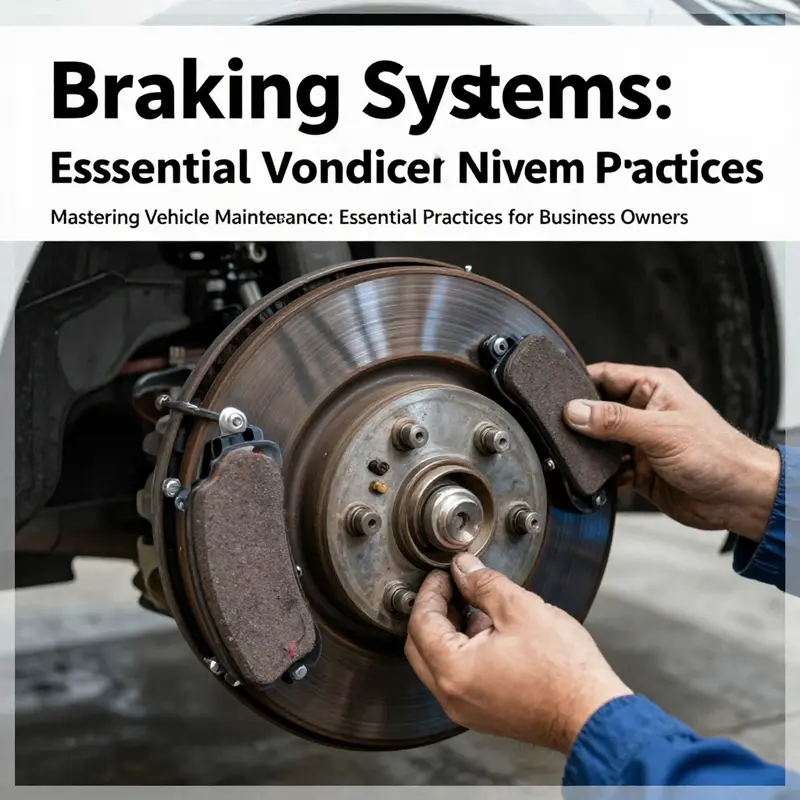
Brakes are more than a system that slows a vehicle; they are a daily safeguard that stands between a driver and the unpredictable realities of the road. In the broad conversation about what counts as vehicle maintenance, braking systems sit near the top of the list not just for their mechanical importance but for the safety and confidence they confer to every trip. Regular attention to brakes—through inspection, cleaning, lubrication where needed, and timely part replacement—embodies the central idea of maintenance as prevention. It is this preventive posture that helps a vehicle remain reliable, keeps driving predictable, and reduces the likelihood of costly, last‑minute repairs that can disrupt schedules or compromise safety. The ingenuity of modern braking technology, with anti-lock systems, electronic stability controls, and, in some models, regenerative braking, does not absolve us from routine care. Rather, it places a premium on understanding how each component wears, how it interacts with other subsystems, and how diligent upkeep translates into safer, more economical motoring over the long haul.
At its core, a braking system is a complex assembly designed to convert kinetic energy into heat and dissipate it safely. When maintenance is neglected, this energy conversion can become uneven or inconsistent, leading to longer stopping distances, pedal feel disturbances, or even sudden system failure under heavy use. The stakes are high. Brakes operate under high stress, daily, and their failure is rarely due to a single catastrophic fault but often the result of cumulative wear, fluid degradation, or corroded connections. This reality frames maintenance not as an optional hobby for enthusiasts but as an essential practice for every vehicle owner. It is not merely about avoiding inconvenience; it is about preserving safety margins, protecting occupants, and preserving the vehicle’s overall reliability across years of use. The emphasis on brake care is thus inseparable from the broader principle of thorough vehicle maintenance that governs engine health, transmission reliability, and the integrity of steering and suspension alike. In other words, brakes exemplify how preventive routines permeate all the systems that keep a vehicle performing consistently over time.
A practical way to think about brake maintenance is to view it as a cycle of inspection, assessment, and action that aligns with the vehicle’s overall maintenance schedule. Car owners should not wait for conspicuous signs of trouble, such as squealing noises, grinding sensations, or a spongy pedal, to initiate service. Proactive checks catch wear before it becomes dangerous or costly. The recommended cadence—often during oil changes or at least once a year, regardless of driving conditions—functions as a safety net that keeps a driver from being surprised by a sudden brake issue. Each inspection looks at a cluster of indicators: pad thickness, rotor condition, fluid levels, and the presence of leaks or corrosion. These are not abstract measurements; they directly translate into how much friction is available for stopping and how predictable the pedal feel will be under different loads and temperatures. A technician will also look for signs of uneven wear, which can point to problems in the calipers, wheel bearings, or even rotor warping. When wear is detected early, simple replacements or refinements can restore the system’s performance without turning a routine service into a major expense.
The composition of brake components matters as much as the act of inspecting them. High‑quality brake pads and rotors, chosen for their material composition and heat management properties, can significantly improve performance and durability. The goal is not to chase the lowest price but to ensure consistent friction, stable temperature behavior, and resistance to fade under repeated braking. Brake pads wear down in a pattern dictated by driving style, road conditions, and the vehicle’s mass. High‑performance environments, such as mountainous terrain or frequent urban stop‑and‑go traffic, accelerate wear and increase heat buildup. In those contexts, a more frequent inspection schedule can prevent rotor scoring, caliper seizing, or pad delamination. The conversation about part quality extends beyond friction material to all braking elements, including rotors, calipers, hydraulic lines, and the master cylinder. Each piece plays a role in transmitting force, maintaining hydraulic pressure, and delivering a reliable pedal response. When one component falters, it can place additional stress on others, nudging the system toward a cascade of issues that could, in the worst case, compromise stopping power at a critical moment.
Fluid health is a topic that deserves careful attention. Brake fluid is a hygroscopic liquid, meaning it absorbs moisture from the air over time. This moisture lowers the fluid’s boiling point, which can lead to pedal sponginess, reduced braking efficiency, and, in extreme cases, brake fade during sustained braking. Regular fluid maintenance—often a flush every two years or as specified by the manufacturer—keeps the hydraulic system operating within its intended temperature and pressure range. Flushing removes contaminants and moisture, reducing the risk of corrosion in calipers and master cylinders and preserving the integrity of seals. This aspect of maintenance demonstrates how braking care is a window into the health of the entire hydraulic circuit. It is not merely about replacing old fluid; it is about preserving the system’s resilience to heat, pressure, and long‑term exposure to road grime, salt in winter climates, and other corrosive elements.
Driving conditions and vehicle configuration influence how brakes wear and how maintenance should be planned. Vehicles operating in harsh conditions—mountainous driving with steep descents, heavy city traffic with frequent stops, or extreme weather that invites road salt and moisture—often require more frequent inspections. Similarly, vehicles used for towing or hauling heavy loads place additional demands on the braking system. In these cases, wear patterns shift, rotor temperatures stay higher for longer, and the risk of pad glazing or rotor warping increases if routine servicing is neglected. The takeaway is not to fear variety in driving life but to adapt maintenance vigilance to that variety. A smart maintenance approach recognizes that a one‑size‑fits‑all schedule rarely captures the realities of real world driving. Instead, service intervals should be informed by both the manufacturer’s recommendations and the lived experience of the vehicle—how it stops, how it feels at the pedal, and how it responds after repeated braking under load.
Driver behavior, in particular, exerts a surprisingly large influence on brake life. Smooth, progressive braking minimizes heat buildup and evenly distributes wear across pads and rotors. Aggressive braking, frequent hard stops, or late braking for hazard avoidance can accelerate pad wear and invite rotor scoring or caliper sticking. While vehicle systems such as ABS and electronic stability control provide safety nets, they do not replace the value of thoughtful driving habits. The maintenance practice, therefore, extends beyond replacing worn parts; it includes cultivating a driving style that protects the brakes. This broader approach aligns with the broader maintenance philosophy: attend to the parts you can control through careful operation, and the system as a whole will thank you with more consistent performance and longer service life.
Another layer of complexity comes from the integration of braking with other vehicle systems. Modern vehicles are a web of interdependent components. The anti‑lock braking system, traction control, and electronic stability control rely on precise brake performance to keep the vehicle stable in dynamic conditions. When the brakes operate inconsistently, these safety systems can compensate only so much, which is why keeping the braking system in prime condition is foundational to overall vehicle safety. Likewise, the health of electrical and control systems can influence brake diagnostics, informing the driver or technician of potential issues via warning lights and diagnostic codes. In the age of software‑driven maintenance, some vehicles require firmware updates or calibration procedures to ensure brake components and control modules communicate correctly. While software updates are commonly associated with electric and hybrid vehicles, many modern internal combustion engines also benefit from software tweaks that optimize brake performance under various conditions. This software dimension is a reminder that maintenance is both a mechanical and a digital discipline, and effective care requires attention to both realms.
All of these threads converge in a practical frame that makes brake maintenance a straightforward, repeatable habit. The discipline is simple in concept: schedule regular inspections, choose quality parts when replacements are needed, monitor fluid condition, and adapt the cadence to your driving life. Additional steps include keeping the brake area clean, removing road grime that can trap moisture, and ensuring there are no leaks or corrosion signs around calipers, hoses, or the master cylinder. A key insight from this approach is that maintenance has a direct relationship to fuel efficiency and operating costs. Keeping the braking system in good order reduces drag and friction losses that can otherwise creep into fuel consumption and performance. For readers who want a practical nudge toward a broader maintenance mindset, consider the idea that consistent brake care is part of a larger strategy to minimize overall maintenance expenses and maximize reliability. See how maintenance practices translate to savings in the broader sense: how vehicle maintenance saves on gas expenses.
As with any specialized area of vehicle care, informed attention yields the best results. A vehicle owner who understands the signs of impending brake issues—such as uneven pedal effort, pulsing when braking, or unusual vibrations—can seek timely service and avoid more serious problems. Regular inspection is not a fearsome ritual but a routine that fits naturally alongside tire care, engine checks, and fluid maintenance. It also aligns with a broader culture of safety that recognizes a vehicle as a system of interrelated parts requiring ongoing care. This perspective mirrors the philosophy shared by many professional service networks: effective maintenance is an investment in safety, reliability, and value. The goal is not to chase perfection but to maintain a predictable, dependable pace of performance that you can trust in everyday driving and on longer journeys alike.
In summary, braking systems demand attention that is both proactive and informed. Regular inspections, quality parts, and conscientious driving habits form the triad of effective brake care. Fluid health, environmental conditions, and the interaction with other vehicle systems further shape how maintenance should be scheduled and executed. The result is safer travels, more consistent braking response, and a vehicle whose safety features operate as designed when you need them most. This chapter has traced the throughline from preventive care to real‑world outcomes, reinforcing that understanding what counts as vehicle maintenance includes recognizing brake health as a core element. The brakes do not exist in isolation; they are a living part of a broader maintenance ethos that aims to preserve safety, performance, and value over the life of the vehicle. For readers advancing in this journey, the invitation is clear: blend mindful driving with timely checks, invest in quality components, and stay curious about how each part of the brake system contributes to overall vehicle integrity and responsible ownership.
External reference: https://www.nhtsa.gov/vehicle-safety/brake-systems
Tire Health and Wheel Alignment: Foundations of Safe Driving
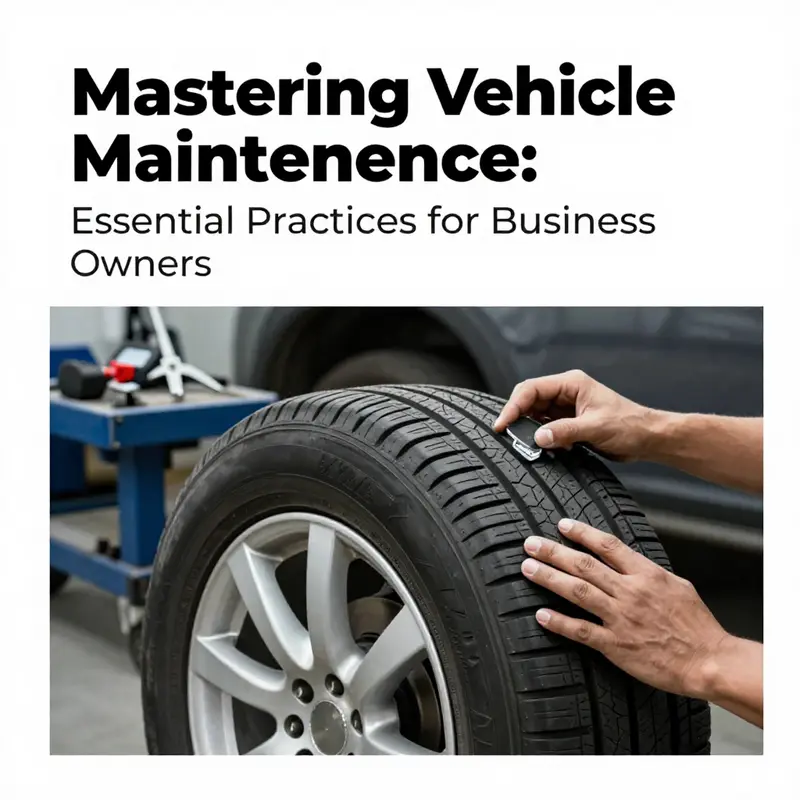
Tires and wheel alignment are not flashy topics, but they sit at the heart of safe driving. They are the contact points between a vehicle and the road, translating power, braking, and steering into predictable behavior. When maintenance discussions turn to bigger-ticket repairs, tires and alignment remind us that basics—proper pressure, even wear, and correct geometry—often prevent problems before they happen. This chapter explores how these elements influence grip, durability, and efficiency in real-world driving. The tires handle the road; alignment directs wear and workload, making tires’ performance safer and more economical over time.
Consider the tire as the vehicle’s only link to the road. The tire surface experiences temperature changes, load, and road texture. Air pressure shapes the contact patch and hence traction in wet, snowy, or hot conditions. Worn tread reduces grip and increases hydroplaning risk. Rotating tires helps ensure even wear across corners, balancing handling and prolonging life. But pressure and rotation alone can’t fully counteract misalignment, which changes how the tire meets the pavement and how wear develops. Alignment is about the whole chassis communicating with the road through the tires.
A precise alignment is the alignment of intent with geometry. Wheel alignment involves toe, camber, and caster to keep wheels pointing harmoniously. Toe is inwards or outwards, camber is top-to-bottom tilt, and caster affects straight-line stability. If any angles drift, the vehicle may pull, the steering wheel may not center, and tires wear unevenly. Misalignment often shows as a subtle drift or a persistent pull and is a signal that the vehicle is working harder than necessary to maintain a straight path.
The consequences of neglecting alignment go beyond comfort. Misalignment contributes to a portion of preventable tire failures and can degrade handling and safety. Regular checks help catch issues before tire wear becomes dangerous. Fuel efficiency also benefits from proper alignment, since rolling resistance decreases when wheels are in spec; studies show modest but meaningful gains in fuel economy with proper alignment.
A comprehensive tire care strategy blends inflation, rotation, and alignment. Regular inflation checks ensure the tire footprint remains as intended; rotation promotes even wear across positions; alignment guards against irregular wear patterns caused by geometry changes.
To place alignment within a maintenance frame, many experts recommend checks every 6,000–10,000 miles or after suspension work. Signs of misalignment include a steering wheel that doesn’t feel centered, a car that drifts, or vibrations at speed. These cues should prompt professional inspection.
Alignment is part of a broader maintenance ecosystem. Tire health, tread depth, and even wear are connected to external mechanical relationships that keep tires aligned to the road. In modern vehicles, software and stability systems may interact with alignment angles, and electric drivetrains can shift weight and torque. Yet the core message remains: alignment and tire care are essential for daily safety and long-term reliability.
The practical takeaway is simple: keep tires properly inflated, rotate regularly, and schedule alignment checks within your maintenance cadence. If you notice steering irregularities, pulling, or vibrations, seek professional assessment promptly. The costs of ignoring misalignment accumulate as uneven wear, reduced fuel efficiency, and compromised safety margins.
As part of ongoing maintenance education, this chapter connects tire and alignment care to the broader idea of vehicle maintenance, including routine checks and scheduled services. A solid understanding of what counts as routine maintenance helps readers see how tires and wheel geometry fit into the larger health of a car. For more, consult general guidance on vehicle maintenance. The tire and alignment story remains a dependable anchor in the evolving maintenance landscape.
External resource: for deeper guidance on why wheel alignment matters, see industry resources and standards for alignment maintenance.
Predictive Diagnostics and the New Era of Vehicle Maintenance
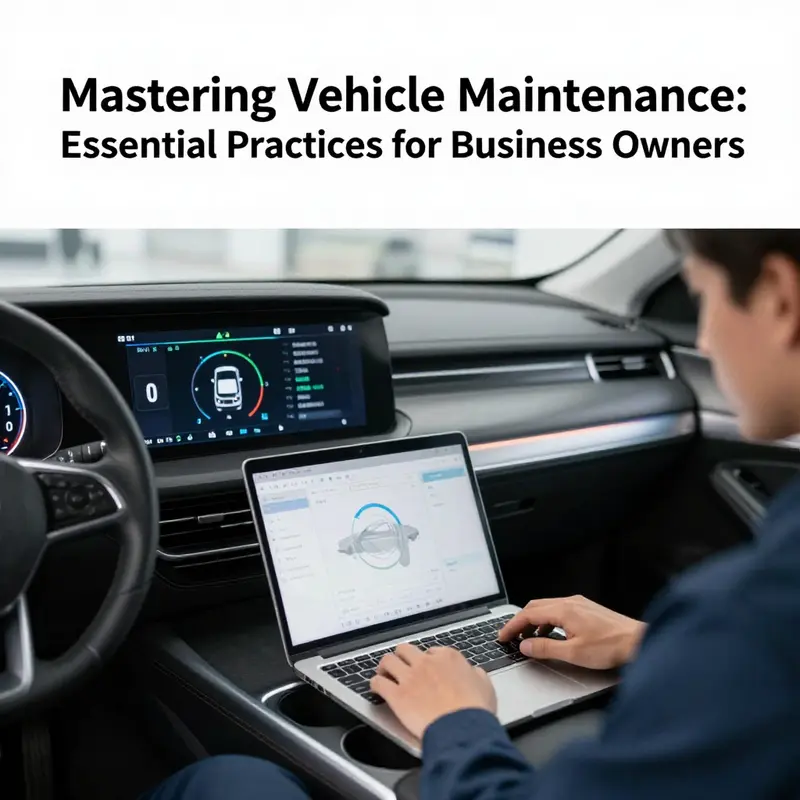
Maintenance is shifting from reactive fixes to proactive care driven by data. Modern vehicles are connected systems that continuously monitor engine wear, battery health, tire pressure, and safety-critical components. Remote monitoring feeds cloud-based analytics that detect patterns before failures occur, enabling maintenance actions to be scheduled when they matter most. Diagnostic workflows leverage cloud fault-code databases and AI reasoning to pinpoint causes quickly, reducing guesswork and downtime. Augmented reality and virtual reality tools assist technicians with precise torque, harness routing, and complex procedures, improving first-time fix rates and safety. Additive manufacturing and robotics shorten part lead times and enable on-demand repairs, especially for aging fleets. This data-driven lifecycle approach expands the maintenance envelope beyond calendar reminders to a transparent, condition-based care model that prioritizes safety, reliability, and efficiency.
Final thoughts
Incorporating a strategic approach to vehicle maintenance not only enhances safety and reliability but also fosters long-term savings and operational efficiency. By prioritizing key aspects such as engine systems, braking systems, tire management, and adopting modern technological tools, business owners can ensure that their vehicles remain in peak condition. Regular upkeep is not merely an expense; it’s an investment towards longevity and performance that will ultimately yield significant returns.