
A well-defined vehicle maintenance schedule is crucial for business owners. It not only ensures the longevity of your fleet but also promotes operational efficiency and safety. This article delves into the components, key tasks, and unique aspects of maintenance schedules for internal combustion engine (ICE) vehicles and electric vehicles (EVs) like Teslas. By understanding what tasks are necessary and their frequencies, as well as the benefits of adhering to a maintenance schedule, you can create a customized plan tailored to your business needs. Each chapter will guide you through these elements, equipping you with the knowledge to manage your vehicle maintenance effectively.
null
null
Mapping the Rhythm of Vehicle Care: How a Maintenance Schedule Keeps Cars Safe, Efficient, and Reliable
A vehicle maintenance schedule is more than a checklist pinned to a garage wall. It is a structured practice that translates a vehicle’s lifelong needs into a predictable rhythm. The aim is simple but powerful: to prevent failures, extend lifespan, and keep drivers safe and confident on the road. A good schedule is built on preventive maintenance principles, using time-based intervals and mileage milestones to decide when tasks should occur. It recognizes that components wear at different rates depending on how a vehicle is used, the climate it faces, and the quality of fuel or lubricant it receives. When you step back from the day-to-day chores of driving and look at the schedule as a whole, you can see it as a living map. It evolves with the car, the driver, and the environment, guiding decisions about servicing, part replacements, and even when to schedule professional inspections. The best schedules align with the manufacturer’s specifications, but they also adapt to real-world conditions. If you routinely haul heavy loads, drive in extreme temperatures, or shuttle family members across long trips, your vehicle’s maintenance map should reflect those realities. The core idea remains consistent: treat maintenance not as a rigid routine but as a proactive conversation between the vehicle and its owner, one that helps you head off trouble before a warning light even flickers or a roadside failure interrupts a trip.
At the heart of this approach is the recognition that maintenance can be driven by a variety of cues. Time-based intervals—such as every six months or every year—have historically guided many car owners. Mileage milestones—such as every ten thousand or twenty thousand kilometers—also play a central role. Yet today’s modern vehicles increasingly blend these cues with sophisticated software alerts. Routine checks become smarter because onboard systems monitor fluid levels, wear patterns, and component health. When something needs attention, the vehicle can alert the driver through the instrument cluster or a connected app. This alert-based layer does not replace the traditional schedule; it augments it by providing timely, model-specific guidance from the car itself. In practice, this means a maintenance plan should start with a solid, manufacturer-informed baseline and then incorporate the driver’s actual usage and driving environment. The result is a schedule that is both precise and personalized, a practical tool rather than a rigid calendar.
To understand how a schedule translates into action, consider three strands that weave through most maintenance plans: the routine checks that protect safety and performance, the intervals that keep wear reasonable and predictable, and the reliability checks that minimize the chance of unexpected breakdowns. The routine strand covers fluids, tires, and lights—the everyday essentials drivers regularly monitor. Fluid checks and replacements are the lifeblood of an engine’s health, and their importance cannot be overstated. Engine oil, coolant, brake fluid, transmission fluid, and power steering fluid all play specific roles in lubrication, cooling, and hydraulic function. The general rule of thumb—though always anchored to the manufacturer’s guidance—often places oil changes within a range of roughly every ten thousand to fifteen thousand kilometers or every six to twelve months, with adjustments based on driving patterns. In high-stress conditions—frequent short trips, extreme heat or cold, or heavy towing—more frequent changes can protect engine longevity and reliability. The science behind this is straightforward: cleaner oil reduces friction, disperses contaminants, and helps thermal management, all of which support efficiency and protection against wear.
Tire and braking system inspection forms the second pillar of the routine strand. Tires do more than provide traction; they influence handling, braking distance, and ride comfort. Regular checks of tire pressure, tread depth, and wear patterns are essential for safety and fuel efficiency. Brakes, likewise, deserve thoughtful attention. Pads and rotors should be inspected at regular service intervals to ensure their performance remains predictable. A worn brake system can compromise stopping power, and preventing such wear from escalating into more costly repairs is a core advantage of a well-managed schedule. In practice, many drivers find that a combined service visit every ten thousand kilometers or so provides a balanced cadence for a thorough brake and tire inspection, especially as tread wears and road conditions vary with the seasons. The aim is not to over-maintain but to maintain with awareness—knowing when a detail like a pad thickness or rotor wear threshold has changed enough to merit attention.
The battery and electrical system deserve particular attention as modern cars accumulate more electronics and smarter displays. Regular checks of the battery’s charge health and terminal connections, especially before winter, can prevent a host of starting and performance issues. Alongside this, the assessment of all lights, wipers, and dashboard indicators remains essential. A simple burned-out light or a failing wiper blade may seem minor, but such issues can affect visibility and safety in poor weather. A well-structured maintenance plan integrates these checks into each service interval so drivers do not overlook the small, cumulative signs of impending trouble.
Under the hood, the engine’s under-body health is monitored through a combination of visual inspections and filter replacements. A routine visual scan of the engine bay tends to reveal leaks, damaged hoses, loose belts, and air-filter condition. The air filter itself is a frequent touchpoint in a maintenance schedule, with replacements commonly recommended within broader ranges—for example, every twenty thousand to forty thousand kilometers, depending on the vehicle and environment. The idea is straightforward: keep air supply clean to preserve combustion efficiency and engine performance. The third strand—the engine and under-hood components—acts as a diagnostic window into the car’s overall health. It invites a proactive stance, encouraging owners to address minor issues before they become major malfunctions.
A separate, equally important group concerns the suspension, steering, cooling, and heating systems. Suspension components—bushings, ball joints, and tie rods—bear the brunt of road imperfections and dynamic loads. Routine inspection helps ensure that steering response remains precise and the ride remains comfortable even as kilometers accumulate. The cooling and heating systems demand annual checks of coolant levels and freeze protection, paired with a more involved coolant flush every two to three years, depending on the vehicle’s design and the climate. These checks protect the engine from overheating, prevent corrosion, and maintain effective climate control—an often-overlooked factor in passenger comfort and safety.
A simple but sometimes overlooked maintenance item is the windshield wipers and washer fluid. Replacing blades at least once a year reduces the risk of smeared visibility and poor performance in rain and snow, while ensuring the washer fluid reservoir stays topped up with a suitable cleaning solution. These seemingly small tasks aggregate into a significant impact on safety, comfort, and driver confidence. All of these areas combine to form a cohesive maintenance rhythm: a cadence of checks, replacements, and calibrations that keep the vehicle predictable and dependable.
The maintenance education that accompanies these tasks is not identical for every vehicle. Several levels of maintenance help owners gauge the depth and scope of service. Level 1, or a basic service, covers oil changes, tire rotations, fluid top-ups, and fundamental inspections. Level 2 expands into more detailed checks, including brake system calibration, suspension alignment, and basic electrical diagnostics. Level 3 represents the comprehensive end of the spectrum, often involving major component work such as timing belt replacements or transmission servicing at higher mileage. These levels are not aspirational markers; they guide planning, budgeting, and the allocation of time for car care. They also reflect the reality that as a vehicle ages and accumulates more miles, the needs of its systems become more involved. In practical terms, a well-structured plan will specify which level applies at different mileage bands and how to calibrate the schedule when a vehicle is operated in harsher environments or under heavier usage.
All of this must sit within a broader framework of standards and regional variations. Technical guidelines define the procedures and criteria for automotive maintenance, and they vary by country or region. The value of any schedule is amplified when it aligns with recognized standards and the vehicle’s official documentation. In practice, drivers should consult the owner’s manual for model-specific intervals and, when in doubt, seek a certified technician who can translate the schedule into a practical, safe, and compliant service plan. The broader purpose is to harmonize the car’s needs with the owner’s lifestyle, ensuring that the maintenance schedule remains a practical tool rather than a theoretical ideal. A well-conceived schedule makes it easier to plan service visits around work, travel, and family commitments, and it reduces the likelihood of downtime caused by unexpected repairs.
A helpful way to think about a maintenance schedule is as a dialogue between the vehicle and its operator. The vehicle provides signals—alerts, warnings, and performance trends—that indicate when something requires attention. The driver, in turn, interprets these signals and integrates them with the baseline intervals to decide whether to perform an intermediate service, adjust the timing of a planned visit, or escalate to a more thorough inspection. In this sense, the schedule becomes a collaborative framework where software, sensors, and human judgment work in concert. This collaborative approach is particularly relevant when considering the evolving landscape of powertrains. Electric and hybrid electrics reduce certain maintenance tasks, such as oil changes, but introduce new considerations around battery health, charging systems, and thermal management. In these cases, the maintenance strategy may rely more heavily on software updates and prompt-based servicing when the vehicle detects a battery or electrical concern. Even so, the underlying logic remains consistent: proactive care, guided by data, driven by safety and efficiency considerations, and tailored to how the vehicle is used.
A practical takeaway for readers is to see maintenance scheduling as a continuous, evolving discipline rather than a fixed to-do list. Start with the official recommendations for your specific model, but remain attentive to how you drive. If you routinely drive in stop-and-go city traffic, your oil and filter changes might come sooner than the base recommendation. If you log long highway commutes, intact tires and balanced suspension will matter more to comfort and efficiency. Regularly reviewing the vehicle’s alert history and service notes allows you to adjust the cadence to actual experience rather than a generic template. In this way, the schedule becomes less about chasing a calendar and more about aligning care with your vehicle’s real needs. For drivers who want to explore how maintenance philosophy translates into everyday practice, a detailed overview of foundational concepts is available in resources that discuss what vehicle maintenance entails and how it fits into broader car ownership considerations. See What is vehicle maintenance for a clearer articulation of these ideas, including practical guidance on when and how to approach service intervals.
To keep the discussion grounded, it is useful to acknowledge that maintenance standards exist to protect more than individual ownership benefits. Properly executed maintenance reduces the risk of breakdowns, supports safe operation, and contributes to environmental protection by maintaining efficiency and reducing emissions. Standards and guidelines serve as safeguards that help people take care of what often represents a substantial investment. They also facilitate consistency across different makes and models, making it easier for technicians to diagnose and repair issues when they do arise. The growing use of software-driven alerts complements traditional service intervals by providing a personalized alert system that adapts to how a vehicle is driven, the local climate, and the vehicle’s own condition. In short, the maintenance schedule is both a practical tool for day-to-day care and a strategic instrument for preserving safety, reliability, and value over time.
For readers who want concrete, model-aware guidance, the best approach is to couple the general principles outlined here with the specifics in your owner’s manual and with trusted technician advice. Always check the official intervals for your vehicle, but treat the schedule as a flexible framework that honors how you use your car. A thoughtful maintenance plan reduces risk, saves money in the long run, and makes every drive a more confident experience. If you want to explore more about the broader concept of maintenance and how it appears in practice, you can read more on What is vehicle maintenance, which provides grounded context and practical steps that align with the themes discussed here. What is vehicle maintenance.
External reference for further reading on regulatory and safety considerations can be found in official government guidance on vehicle maintenance and safety checks, which offers standardized checks and recommendations applicable across many jurisdictions. While the details may vary by region, the underlying principles—safety, reliability, and preventive care—remain consistent and valuable as a baseline for any owner building a personal maintenance routine.
Understanding the Roadkeeping Blueprint: Maintenance Schedules for ICE and Electric Powertrains
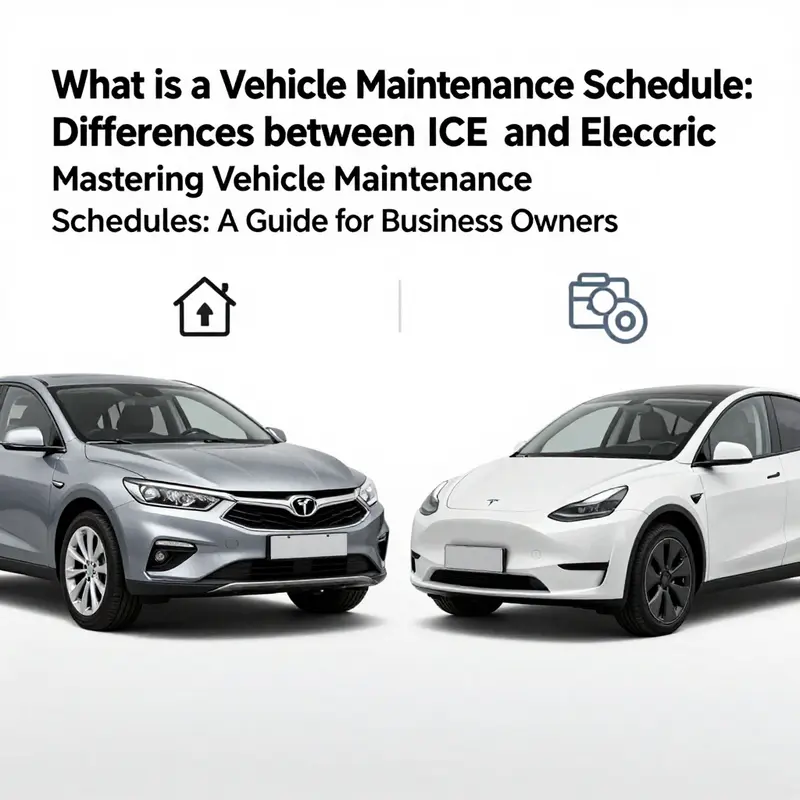
A maintenance schedule is more than a checklist. It is a roadkeeping blueprint that translates miles into predictable service moments, guiding drivers and technicians toward safe and reliable operation. At heart it turns wear and tear into practical actions such as oil or fluid changes where applicable, filter replacements, brake inspections, tire checks, and fluids topped off, plus diagnostics to verify performance. The cadence depends on how a powertrain works and how driving patterns evolve.\n\nICE vehicles require regular maintenance because their mechanical systems stay in motion. Oil lubricates and cools, belts and hoses transfer power and fluids, and the engine, transmission, and cooling system require periodic checks. Typical tasks include oil changes and oil filter replacement, belt and hose inspections, spark plug replacement in many engines, coolant and cooling system checks, brake inspection and pad replacement, tire rotation, and system diagnostics.\n\nEVs reduce many routine tasks common to ICE. The absence of engine oil and many drivetrain fluids means fewer regular tune ups. Electric motors have fewer moving parts and simplified transmissions, which translates into fewer oil changes and fluid replacements. Yet EVs demand attention to the battery and its cooling system, power electronics, thermal management, high voltage safety, and the software that monitors health. Battery health diagnostics, thermal management checks, and charging system health dominate maintenance needs and are often guided by software alerts rather than fixed mileage alone.\n\nPractically ICE maintenance follows a mileage and time cadence, while EV maintenance is more diagnostic and event driven. EVs may alert owners to service windows when battery health, cooling performance, or power electronics warrant attention. The result is a maintenance rhythm that feels more like a living health report than a fixed calendar.\n\nBeyond individual tasks, connected vehicles are changing how maintenance is performed. Remote monitoring and on board diagnostics deliver insights before components fail, and the cost profile shifts toward potential high value items such as battery health, charging infrastructure, and high voltage safety. Drivers should consult the owner manual and the manufacturer guidelines for their model to apply the correct cadence. In ICE cars, focus on oil, filters, brakes, fluids, and tires. In EVs, emphasize battery health, thermal management, software health checks, and tire and suspension condition.\n\nIn short, a robust maintenance schedule is a safeguard for safety, reliability, and value. It can be rooted in a simple baseline yet flex with software driven health signals. The exact schedule depends on your model, your climate, and your driving habits.
Charting the Road Ahead: Understanding and Benefiting from a Vehicle Maintenance Schedule
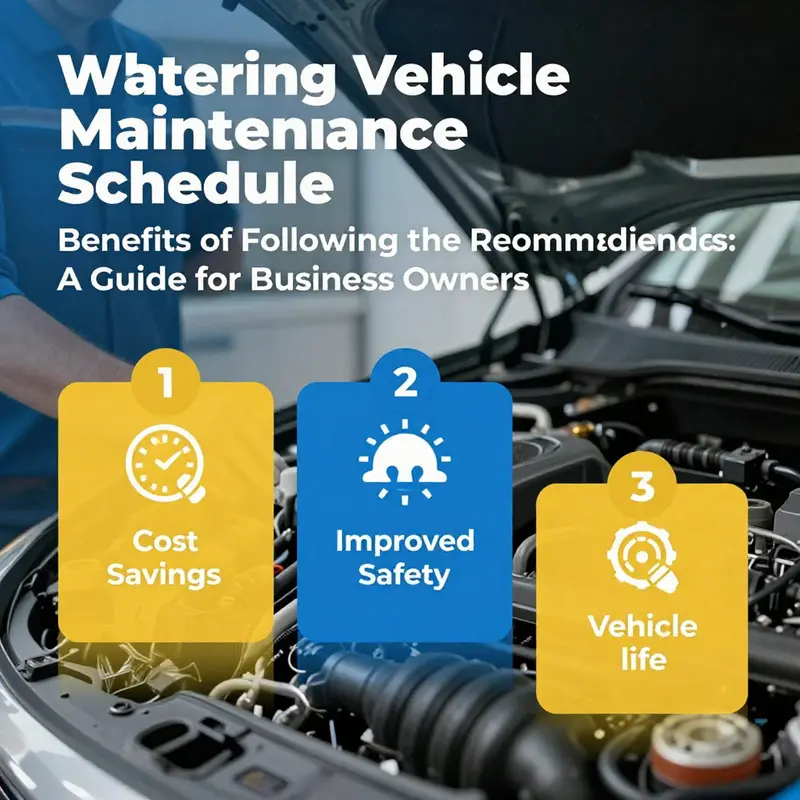
A maintenance schedule is more than a calendar of chores; it is a practical framework manufacturers embed into every vehicle to defend against wear, keep safety-critical systems reliable, and guard long-term value. At its core, the schedule translates the car’s mechanical life into a sequence of checks and services arranged around mileage and time. It recognizes that components wear at different rates and that some conditions—hard driving, extreme temperatures, or frequent short trips—speed up that wear. When you follow the plan, you aren’t simply ticking boxes; you are engaging with a strategy designed to identify small issues before they become costly or dangerous. The most common elements are predictable and familiar: monitoring fluid levels, inspecting tires and brakes, replacing filters, and ensuring that essential systems are healthy enough to operate under stress. These tasks are not arbitrary; they are calibrated to the car’s design, with the engine, transmission, suspension, and electrical components each having their own recommended cadence. The schedule guides owners toward proactive maintenance, converting potential surprises into planned activity and giving drivers a sense of control over the vehicle’s reliability and life expectancy.
Reading a maintenance schedule begins with recognizing two basic axes: mileage and time. Most tasks are triggered after a certain number of miles or after a period of months or years. The logic behind this dual axis is simple: some issues are more likely to accumulate with use, while others are more sensitive to age. Oil, for example, degrades with use and contaminant buildup, so an oil-and-filter change is typically scheduled after a defined miles interval, with allowances for extreme conditions or heavy towing. Fluid checks—coolant, brake fluid, power steering fluid, and transmission fluid—tend to follow both mileage and time guidelines, because degradation can creep in even when a vehicle sits idle for long periods. Tires and brakes require ongoing attention not only because their health changes with miles driven but also because the way you drive can accelerate wear. A schedule that accounts for tire rotations, brake inspections, and wheel alignments helps keep stopping power consistent and reduces the risk of uneven tire wear that can compromise handling.
Equally important are the often-overlooked components that quietly contribute to safety and performance. Air and cabin filters protect the air intake and cabin air quality, preventing dirt ingress that can impair engine efficiency or irritate occupants. Battery health, once a concern primarily for aging lead-acid units, remains relevant in many modern cars that rely on a complex electrical system. Even electrical components, sensors, and the cooling system are part of the routine checks because a small issue—say, a cooling hose with a minor leak or a sensor with a lag—can cascade into a more expensive repair if ignored. The maintenance schedule formalizes all of these checks, providing a clear pathway for when to inspect, service, or replace parts before they fail.
The conversation about maintenance schedules becomes especially interesting when you consider the rise of electric propulsion. A traditional internal combustion engine (ICE) car often centers the rhythm around oil changes and exhaust-related components, with a sizable portion of the plan devoted to fluids and mechanical wear that comes with combustion. Electric vehicles, by contrast, shift the emphasis. For example, some manufacturers emphasize that annual fluid changes or routine maintenance are not required in the same way, because there is no engine oil to change and fewer moving parts subject to lubrication wear. Instead, the maintenance experience leans heavily on software-driven health checks and proactive servicing prompted by onboard alerts. In many EVs, including those that share a fast-e-growing fleet of software-defined drive systems, the key to reliability is timely attention to battery health, cooling system performance, software updates, and system diagnostics. If the car senses a battery or high-voltage subsystem concern, it will flag the issue through a notification and steer the owner toward a service visit via an app. This proactive, alert-based approach represents a fundamental shift in how maintenance is executed, turning the vehicle into a responsive partner rather than a passive object that requires interrupting a routine to fix it.
To those who rely on the clock as much as the odometer, the maintenance schedule offers a structured method to protect safety and efficiency. Regular checks of brake fluid, steering responsiveness, suspension integrity, and lighting reliability are not merely about avoiding breakdowns; they are about maintaining the precise performance that makes driving predictable and safe. An early diagnosis of a worn brake pad, a subtle steering looseness, or a deteriorating light assembly can prevent situations that would otherwise compromise stopping distance, visibility, or vehicle control in an emergency. In this sense, a maintenance schedule is a preventative framework built around the logic of risk management. By following recommended intervals, a driver reduces the probability of sudden, expensive failures and keeps the car aligned with the safety expectations of modern road use.
This approach also supports the practical realities of ownership. For first-time buyers and long-term owners alike, the schedule communicates expectations for warranty coverage, resale value, and long-term cost of ownership. Manufacturers often tie service requirements to warranty terms, meaning that neglecting the prescribed maintenance window can complicate or even invalidate warranty protections. A well-documented maintenance history—that record of oil changes, filter replacements, tire rotations, and service visits—becomes a tangible asset when the time comes to sell. Buyers and dealerships view a car with a complete and consistent maintenance imprint as a lower risk, higher value proposition. The discipline of keeping service records is as much a financial choice as a safety choice, protecting the investment and providing a narrative of care that can reassure future owners.
For those navigating the specifics, a simple starting point is to understand what maintenance really involves. A solid foundation can be found in the broader explanation of vehicle maintenance itself, which outlines not just the tasks but the intent behind them. A practical way to engage with this concept is to explore a resource that explains maintenance in clear terms, such as What is Vehicle Maintenance. That overview helps demystify the jargon and frames the schedule as a practical toolkit rather than a distant obligation. From there, the owner can consult the vehicle’s owner’s manual or the manufacturer’s official maintenance resources to tailor the plan to their car’s exact model and operating conditions. It is also worth remembering that the schedule is not a rigid decree; it is a living guide that can adapt as technology evolves. Software updates may adjust recommended routines, and new diagnostic capabilities can refine when a service should be performed.
In practice, following the recommended schedule translates into a routine rhythm that fits into everyday life. For many drivers, a simple system works best: a yearly review of the manual to refresh memory on the upcoming checks, a quarterly glance at fluid levels and tire condition, and a calendar reminder for key intervals indicated by the odometer. For those who drive in harsh environments—extreme heat, frigid cold, or dusty landscapes—the schedule often expands to more frequent inspections of cooling systems, filters, and tires, even if the miles are relatively modest. The idea is to stay ahead of deterioration rather than chasing repairs after the fact. Regular maintenance visits also offer an opportunity to discuss driving patterns with a technician, who can offer personalized advice about brake wear, tire choices, alignment, and even battery health in the EV context. In essence, the schedule binds the car’s design with the driver’s habits, ensuring that the product of engineering remains reliable across its entire lifespan.
A crucial nuance in executing the schedule is recognizing when software-driven alerts or service reminders should take priority over routine timing. Modern cars increasingly use embedded systems to monitor performance in real time. If a screen prompt indicates a high-voltage battery inspection or a coolant system check, it is a signal that an issue could be developing even if the car has not yet reached the next scheduled date or mileage milestone. The careful reader of the maintenance schedule understands that alerts are not interruptions but navigational aids. They point to the parts of the system that the vehicle’s designers have determined require periodic verification. In the EV realm, this shift toward alert-based maintenance often aligns with a broader ecosystem of software updates and remote diagnostics, where technicians can perform remote checks or prepare specific service actions before the vehicle arrives at a service center.
Another layer of practicality comes from understanding how to balance efficiency with the schedule. Regular maintenance improves fuel economy and reduces emissions in ICE vehicles by maintaining efficient engine performance and clean air intake paths. Even with refined electrified powertrains, efficiency benefits from clean filters, well-lubricated mechanical interfaces, and properly calibrated software that optimizes charging and thermal management. A well-kept vehicle not only runs smoother but also burns energy more predictably, which translates into better range consistency for electric cars and fewer unplanned stops for charging in extreme conditions. This convergence of safety, efficiency, and reliability makes adherence to the maintenance schedule a straightforward, value-adding habit rather than a burdensome obligation.
To keep this practice sustainable, manufacturers and service networks emphasize education and accessibility. The manual and official resources are the primary references, but the real-world practice benefits from a simple, transparent maintenance log. Recording every service, noting any irregularities observed during inspections, and keeping receipts for parts and fluids can turn a maintenance routine into a long-term asset. For the modern driver, integrating digital reminders or an app-enabled history can streamline the process, offering a clear narrative of how the vehicle has aged and what has been addressed. This narrative is what enables confident decisions on future repairs, replacement parts, or even timing for upgrades. In other words, a well-kept maintenance schedule is not merely about preserving function; it is about shaping the vehicle’s life story—one that keeps you safe, reduces risk, and preserves value.
For readers seeking a broader exterior perspective on standard scheduling practices, the Autocar guide on vehicle maintenance schedules provides a useful reference point that complements this practical focus. It reinforces the idea that while the exact cadence can vary by maker, the underlying principle remains consistent: proactive care sustains performance and safety over time. As the automotive landscape continues to evolve with hybrid and electric technologies, the core discipline—regular checks, early issue detection, and timely servicing—remains the common thread that connects every maintenance plan to a longer, safer, and more economical road ahead. https://www.autocar.co.uk/car-advice/vehicle-maintenance-schedule
The Roadmap to Reliability: Understanding and Personalizing Your Vehicle Maintenance Schedule
A vehicle maintenance schedule is more than a checklist of tasks. It is a living map that translates the manufacturer’s engineering into a practical rhythm for keeping a car safe, reliable, and efficient over years of use. Think of it as a contract between the driver and the machine: if you follow the planned inspections and timely replacements, you gain fewer roadside surprises, steadier performance, and a stronger sense of what your car needs and when. At its core, a maintenance schedule catalogs routine maintenance items, typically framed around either time intervals or mileage milestones. Oil changes, tire rotations, brake inspections, and fluid level checks are among the staples that most owners will encounter in the manual. Beyond these basics, many schedules include air filter replacements, belt and hose checks, cooling system fluid refreshes, and even more specialized service for unique systems like the HVAC or transmission. The intention is not to chase every possible repair but to prevent issues before they become inconvenient, costly, or unsafe. This disciplined approach also helps preserve resale value by documenting a history of care, which is a powerful signal to buyers that the vehicle has been maintained responsibly. The schedule, however, is not one-size-fits-all. It is grounded in manufacturer recommendations but should adapt to real-world use, because no two drives are alike. A schedule that works for a car kept on highway trips in mild climates may under-serve a vehicle that endures frequent short trips in dusty surroundings or extreme heat. The principle is simple: align maintenance with how the car is actually used, and you reduce the risk of unexpected failures while keeping performance at its best.
To understand what a schedule should cover, it helps to start with the fundamentals a driver most often encounters. In traditional internal combustion engine (ICE) cars, routine maintenance revolves around fluids: oil changes to lubricate and protect engine internals, coolant checks to regulate temperature, brake fluid inspections to ensure stopping power, and transmission fluid changes to keep gears shifting smoothly. There are also checks that prevent wear from going unnoticed: tire rotations to even tread life, brake inspections to catch wear before it compromises safety, air filter replacements to sustain fuel efficiency and engine breathing, and battery tests to forestall inconvenient starts. The cadence of these tasks is typically tied to odometer readings and calendar time, so a car that racks up miles quickly or sits idle for long periods will have different needs than a car that travels gently and regularly.
Yet the maintenance schedule is not only about what to do, but also when to do it. The timing is the heartbeat of the plan. Manufacturer manuals outline the baseline: services every certain number of miles or every six months, whichever comes first. Those intervals provide a framework for routine care and serve as a starting point for customization. When you read your owner’s manual, you encounter guidance shaped by thousands of hours of testing, real-world feedback, and the specific engineering choices that went into your model. Beyond the baseline, drivers should factor in personal usage—the length of trips, the typical climate, whether the vehicle carries heavy loads, and how often it tows. Short trips, for example, don’t allow the engine to reach its optimal operating temperature, which can intensify wear on oil and exhaust-related components over time. Dusty roads accelerate filtration and air intake system wear. Frequent towing can stress the cooling system and brakes. The more you know about your typical patterns, the more precisely you can tailor the schedule so it remains protective without becoming an unnecessary burden.
Digital tools have transformed how people manage maintenance. Instead of a dusty box of receipts and a rough memory, modern owners often lean on apps, calendars, and cloud records to track when tasks were completed and what parts were replaced. Digital reminders can nudge you before an interval is up, while an ongoing log provides a transparent service history. When you log a service, you’re building a narrative about your car’s health. You begin to notice patterns—maybe the brakes needed more attention after a year in stop-and-go traffic, or perhaps a particular model year tends to accumulate more fluid deterioration in extreme heat. With a personalized schedule, you shift from reactive fixes to proactive prevention. As you tailor the plan, you may wish to consult a trusted resource that translates planning into practice. For a concise primer on the concept, you can explore the general framework of maintenance planning at What is vehicle maintenance.
A comprehensive maintenance schedule does more than name tasks; it invites you to calibrate expectations. The goal is not to chase every squeak or to overreact to every dashboard light, but to create a balanced rhythm that respects the car’s design while accommodating your driving realities. Most drivers will find that the baseline from the owner’s manual is a sound foundation. It presumes moderate conditions and ordinary use. If your environment is harsher—think frequent stops-and-go in urban spaghetti traffic, a world with significant dust, or prolonged high-speed highway runs—the schedule should shift accordingly. Your vehicle’s life expectancy and reliability hinge on preserving critical systems, from the engine and transmission to the cooling and braking circuits. When you’re attentive to the signs your car provides—oil level warnings, unusual noises, or changes in braking feel—you gain the power to both maintain performance and avoid dramatic downtime. The maintenance plan is as much about listening as it is about acting.
In the pursuit of a well-tuned drive, it is essential to recognize that not all vehicles follow the same script. Electric vehicles, for example, invert some of the traditional maintenance logic. With no combustion engine to oil, no fuel injectors to clean, and fewer moving parts in the drivetrain, these cars tend to require less frequent routine fluid changes and can operate with fewer service visits. Instead, maintenance becomes more driven by software updates and system alerts. In such vehicles, the touchscreen becomes a central hub for monitoring health: it may alert you to battery conditions, firmware updates, or diagnostics that require a professional inspection. Some components, like cooling radiators, may need periodic attention depending on driving conditions, and a professional service visit becomes necessary when the vehicle flags a service need. In these cases, the emphasis shifts from calendar-based servicing to a proactive, alert-driven model that prioritizes safety, battery health, and vehicle performance through software and expert intervention.
Even within traditional maintenance, the practice of combining a schedule with current usage patterns creates a more resilient ownership experience. The process starts with a careful read of the owner’s manual, then expands to an honest assessment of how you drive. Do you routinely tow or haul heavy loads? Do you drive in regions with frequent temperature extremes or a lot of dust? Do you take long trips or rely on short jaunts around town that never let the engine warm up fully? Each of these questions nudges your plan toward more frequent inspections, more attentive fluid management, or earlier replacement of wear items. You can then translate those insights into practical reminders—oil changes adjusted for heavy use, air filter checks when you’re driving in dusty environments, and brake system evaluations in areas with steep grades or heavy traffic.
Another practical pillar of a robust maintenance schedule is record-keeping. A well-documented history helps you track what has been done, when, and with what parts. It gives you confidence at resale and provides a trail for future technicians to diagnose issues more efficiently. It also makes audits and warranty work simpler, because you can show that services occurred at appropriate intervals. When you keep a clean log, you gain visibility into patterns that might otherwise be invisible: a fast-diminishing tire tread, a declining brake rotor condition, or a coolant level that trends downward after a couple of hot seasons. The act of logging—whether in a notebook, a spreadsheet, or a dedicated app—transforms maintenance from a vague obligation into a precise, accountable routine.
In the end, the value of a maintenance schedule rests in its adaptability. A schedule is not an immutable contract hastily taped to the glove compartment; it is a dynamic framework that should evolve with your car and your life. After major repairs or part replacements, the plan may shift, requiring a fresh baseline. If your driving patterns change—for instance, if you start commuting more miles or begin towing a trailer—your intervals should reflect that new reality. Regular reviews ensure the plan stays aligned with the vehicle’s current needs, preserving performance and minimizing the risk of surprises. The most effective maintenance strategy is a dialogue between the driver, the vehicle, and the road ahead, with the schedule acting as the public square where that dialogue happens and where data from every mile informs the next decision.
As you begin to shape your own maintenance rhythm, consider the broader purpose: beyond preventing failures, a thoughtful schedule safeguards safety. Regular inspections of tires, brakes, and lights directly influence the car’s ability to respond in emergencies. Fluid levels and cooling systems protect the engine’s longevity, and clean air and fuel delivery help maintain efficiency and performance. The schedule also supports savings. Regular, predictable maintenance helps avoid the spikes in repair costs that follow neglected wear. It can improve fuel economy, extend component life, and reduce downtime—benefits that accumulate over years of ownership. In this way, the maintenance schedule is not merely a theoretical plan; it is a practical investment in reliability, efficiency, and peace of mind on every trip you take. If you are curious about how to translate these ideas into a step-by-step personal plan, begin with the manufacturer’s guidance, layer in your daily realities, and then lean on digital reminders to keep you on track. For those who want a concise primer that translates maintenance into everyday practice, see What is vehicle maintenance.
Finally, remember that a maintenance schedule should feel like a helpful compass rather than a rigid rulebook. You do not have to chase every inspection at the expense of convenience, but you should respond promptly to alerts, signs of wear, and changes in how the car behaves. A well-crafted schedule empowers you to balance safety, performance, and cost, turning maintenance from a reactive chore into a proactive habit. In this light, the question of what a vehicle maintenance schedule is becomes less about ticking boxes and more about building a sustainable relationship with your vehicle—one that rewards you with smoother rides, fewer interruptions, and a longer, more reliable road ahead. For a broader, accessible overview of how a maintenance schedule fits into responsible car ownership, a trusted consumer guide discusses the principles of staying on top of car care and offers practical steps to tailor plans to real driving patterns and conditions.
External resource: For a detailed, user-friendly overview, see Consumer Reports’ Maintenance Schedule Guide at https://www.consumerreports.org/cars/vehicle-maintenance-schedule-101-a-guide-to-staying-on-top-of-your-car-care/.
Final thoughts
To safeguard your investment in vehicles and ensure operational efficiency, a comprehensive and well-planned vehicle maintenance schedule is indispensable for business owners. By understanding its components, key tasks, and bespoke customization, you’re standing on solid ground to enhance fleet reliability and safety. Make vehicle upkeep a priority, and enjoy the long-term benefits it brings to your business.