
For business owners who rely on vehicles, understanding vehicle maintenance is vital for ensuring operational efficiency and longevity of assets. This guide lays out a practical framework for routine checks, timely repairs, and sustainable practices that reduce costs and environmental impact.
The Quiet Observatory: Routine Checks that Guard Your Vehicle’s Safety, Performance, and Longevity
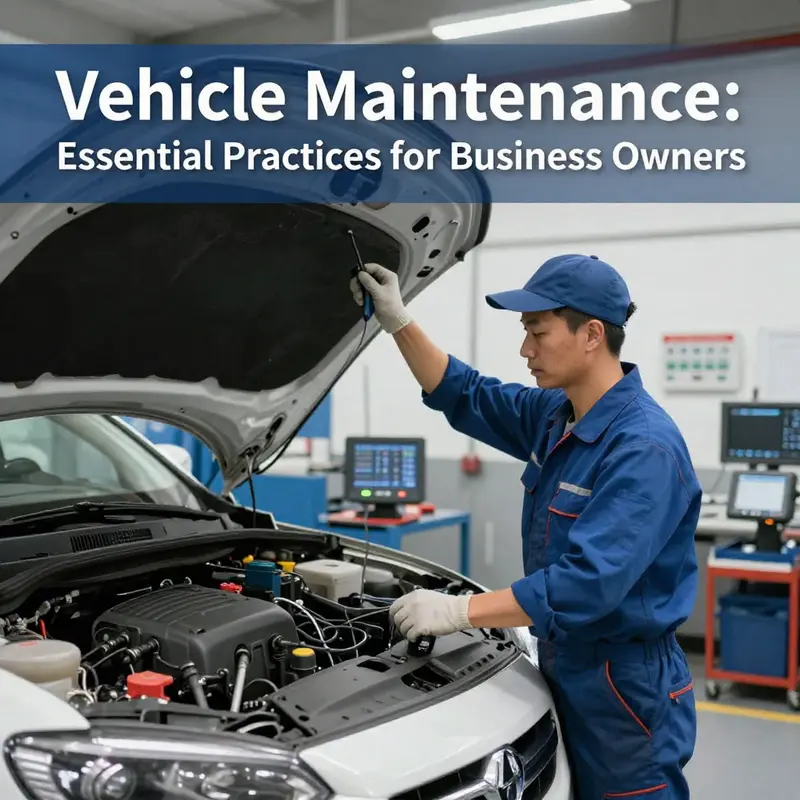
A vehicle is more than a metal shell and a motor; it is a living system that speaks in warning signs and a quiet hum of reliability. Routine maintenance is a preventative practice that preserves safety, performance, and longevity. It is not about chasing imminent failures but about keeping the machine balanced, predictable, and safe for you and everyone around you. The habit of routine checks transforms maintenance from a distant task into an active, preventative practice that safeguards safety, sustains performance, and extends the vehicle’s useful life.
At its core, maintenance begins with daily awareness. The simplest checks—tire pressure, tread depth, lights, mirrors, windshield clarity, and fluid levels—are quick tests that reveal the health of the car’s systems long before a breakdown occurs. Tire pressures change with temperature and load; underinflation can reduce handling and fuel economy, and uneven tread wear can signal misalignment or suspension issues. Lights and mirrors are visible guardians; a clear windshield is a window into the driver’s environment. Fluid levels—oil, coolant, brake fluid, transmission fluid, power steering fluid, and washer fluid—offer a snapshot of the vehicle’s internal ecosystem.
The discipline of these checks extends beyond the moment of looking. It builds a mindset: the vehicle is a complex, interconnected system whose performance rests on mechanical condition, electrical reliability, and thermal management. Modern cars host many ECUs that coordinate engine timing, braking, steering, and stability control. Faults can arise in ways that degrade efficiency or reliability without a dramatic failure. A routine maintenance encounter becomes a diagnostic check, with live data compared against expected patterns. The idea of checking the entire vehicle moves from a luxury to a necessity, acting as a safety net that catches small anomalies before they escalate.
For owners, this approach translates into a practical rhythm: a quick predrive routine before every trip and a longer calendar for in-depth service, including scheduled fluid changes and inspections. Many vehicles now offer proactive alerts that flag when a fluid nears its service limit, when tire tread is below the recommended depth, or when battery health requires attention. These reminders are digital interpreters, translating sensor data into clear actions. In modern practice, software prompts complement human vigilance, offering a plan whether it is a top-up, a replacement, or a professional diagnostic.
The daily checks form the foundation, but routine maintenance expands as the vehicle ages or travels farther from its origin. A robust mindset recognizes that performance cannot be sustained by chance. Regular fluid checks and replacements lubricate, cool, and protect. Engine oil forms a film that reduces wear and carries away heat. Coolant maintains thermal balance to prevent overheating. Brake fluid attracts moisture and can degrade braking performance over time. Transmission fluid preserves shifts and lubrication. Each fluid keeps the car alive and, if neglected, affects the drivetrain and safety systems.
Worn parts deserve equal attention. Tires influence grip, braking, and ride, while brakes affect stopping distance. Filters, belts, and hoses are essential sentinels; a clogged filter reduces air, a slipping belt risks failure, and cracked hoses can leak fluids. Correct tire pressure and alignment preserve efficiency and tire life, and poor alignment worsens wear and handling. These are not cosmetic concerns; they alter behavior and safety in real time.
The electrical backbone of modern cars adds another layer. A fault in a sensor or ECUs can distort performance or erode confidence. The best maintenance treats the car as a system with interdependent parts. A fault in the cooling system, for example, can influence engine performance and emissions. The approach aligns with industry guidance that routine maintenance should include a full-system check to ensure no new faults are introduced.
In the evolving landscape of propulsion, electric vehicles add new realities. EV maintenance focuses on cooling for battery and power electronics, with attention to debris and dust that can impede cooling. A predrive check might include a quick visual of cooling paths and software prompts related to battery health. The vehicle’s touchscreen maintenance guide provides a practical in-vehicle reference, while human vigilance remains essential. Digital reminders do not replace inspection; they guide proactive care.
For a practical anchor, many drivers can begin with a simple predrive check that takes only a few minutes: visually inspect tire pressures, verify exterior lighting, ensure the windshield is clean, and skim oil, coolant, and washer fluid levels. If something reads off, consult the owner’s manual or seek professional guidance. Over time, expand to a more thorough schedule: oil changes at recommended intervals, air and fuel filter replacements, belt checks, and brake evaluations. Monitor software alerts and reminders; treat them as signposts rather than distractions.
In closing, routine maintenance embodies responsible car ownership. It respects the vehicle’s integrity, public safety, and the environment. A well-maintained car is safer, more reliable, and often more economical, with fewer unexpected stops and a clearer sense of its ongoing health. The practice is stewardship, aligning hands-on care with the car’s digital intelligence to keep it trustworthy on every journey.
External resource: Routine maintenance insights and comprehensive checks can be explored through industry guidance and articles such as routine maintenance that asks whether the entire vehicle is being inspected: https://www.motorage.com/article/routine-maintenance-are-you-inspecting-the-entire-vehicle/.
Repair as the Lifeline of Vehicle Maintenance: Safeguarding Safety, Longevity, and Efficiency
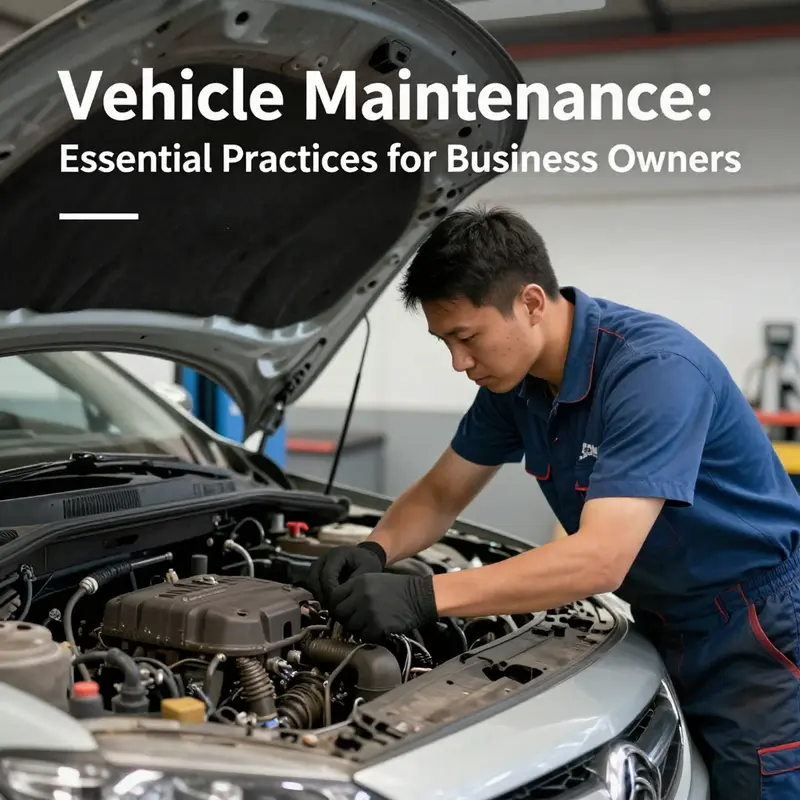
Maintenance is more than a checklist of parts and fluids. It is a philosophy of care that treats a vehicle as a complex, living system rather than a simple machine with a single job to perform. In this light, repair services are not last-minute salvages but essential, ongoing acts of stewardship. They translate the idea of maintenance from a passive demand for parts to an active commitment to safety, reliability, and performance. When we speak about what vehicle maintenance really means, we are talking about a continuous conversation between the driver, the vehicle, and the technicians who keep the conversation accurate, current, and constructive. The core idea is straightforward: regular inspection and timely repair prevent small issues from growing into expensive failures, while preserving the vehicle’s essential functions and its value over time. In this sense, repair services are not a response to breakdowns; they are a proactive practice that preserves the integrity of the entire vehicle system and reinforces confidence behind the wheel.
Consider the daily realities of how a car ages in real-world use. Tiny shifts in performance—an engine that takes a moment longer to start in cold weather, a subtle pull when braking, a faint whine from the drivetrain, or a brake pedal that feels different after months of wear—are signals. They are not mere inconveniences; they are invitations to diagnose, repair, and restore function. When such signals are addressed promptly by qualified technicians, the underlying problems are often contained. A small engine leak identified early can prevent loss of critical fluids and avoid cascading damage to seals, gaskets, or the sump. A worn brake pad, if detected and replaced in time, keeps braking power on the vehicle where it needs to be, protecting the driver and others on the road. These examples illuminate a broader truth: repairs conducted with care and precision preserve the vehicle’s core safety systems, ensuring that steering, braking, and stability controls perform as intended when they are most needed.
Safety is a central thread in this discussion because roads demand reliability. The National Highway Traffic Safety Administration has repeatedly highlighted that neglecting maintenance increases the likelihood of accidents caused by mechanical failures. This is not about blame or fear; it is about recognizing that vehicles are intricate assemblies in which many parts must work in concert. A fault in one part can stress another, creating a chain of vulnerabilities that reduces a car’s ability to respond to sudden braking, evasive maneuvers, or uneven road conditions. Professional repair services are where these potential problems are converted from latent risk into mitigated risk. Technicians use diagnostic tools and calibrated procedures to verify the health of critical systems, from the integrity of brake hydraulics to the condition of steering components and the health of the electrical network. They also ensure that components are replaced with parts that meet or exceed manufacturer specifications. This fidelity to proper parts and procedures matters: when repairs are performed to factory standards, the vehicle’s behavior aligns with the performance you were promised when you bought it, and that alignment translates into safer journeys for you and your passengers.
The modern vehicle adds layers of complexity that make repair services indispensable. Today’s cars rely on a blend of mechanical, electronic, and software-controlled systems. Diagnostic software communicates with numerous control units to monitor performance, calibrate responses, and implement protective measures. A technician’s job is not just to swap a worn component; it is to interpret data streams, compare live readings with expected ranges, and determine whether a fault is isolated or symptomatic of a deeper issue. In this environment, the value of professional repair becomes clear. Improper repairs—whether from using incorrect parts, bypassing a safety interlock, or misaligning a critical sensor—can compromise long-term performance and, in some cases, safety. The repair shop acts as a guardian of the vehicle’s architecture, ensuring that each subsystem integrates correctly with the others, and that any intervention preserves the unit as a cohesive whole.
Beyond the immediate safety implications, repairs contribute to the vehicle’s longevity and the preservation of its value. A well-maintained car is not a relic to be endured but a resilient asset that remains usable and efficient well into its later years. When technicians address issues promptly and with attention to quality, the structural and functional integrity of major systems—transmission, suspension, and electronic control units—remains intact. This is critical because a failure in one area can accelerate wear elsewhere, leading to a series of expensive repairs or, worse, a premature replacement. Reputable repair work, performed with genuine or high-quality parts, sustains the vehicle’s performance envelope. It protects the frame and body structure from accelerated degradation, maintains alignment and ride quality, and keeps the electrical network stable. The cumulative effect is a car that continues to perform as designed, with fewer unpredictable interruptions and less frustration for the owner.
There is also an economic dimension to repair services that often does not receive enough emphasis. Repairing a vehicle when problems are small is typically much less costly than replacing large parts after severe wear or failure. For example, addressing a minor engine seal leak early can prevent oil loss, which in turn protects engine components from heat and friction damage. Fixing a deteriorating belt before it fails prevents a cascade of accessory failures that would otherwise disrupt charging systems, cooling, and other vital functions. In financial terms, timely repairs can mean lower ownership costs, slower depreciation, and higher resale value, all of which contribute to a more favorable total cost of ownership. The idea is simple: when you keep the vehicle functioning as intended, you also maintain the equity embedded in the purchase—equity that can be crucial when you decide to trade in or sell.
Repair services also intersect with sustainability in meaningful ways. Extending a vehicle’s life by several years through diligent maintenance reduces the demand for new car production, which requires substantial energy, raw materials, and emissions. The Environmental Protection Agency notes that waiting five years to replace a vehicle can yield significant lifecycle emissions reductions, underscoring the environmental upside of longevity. This is not a passive benefit; it is an active contribution to a broader transportation ecosystem that favors durability, repairability, and responsible consumption. When repair professionals use high-quality parts and follow manufacturer specifications, the vehicle’s performance and efficiency are preserved, which helps maintain fuel economy and lower emissions over time. In a world where climate considerations are central to personal decisions, the role of repair services becomes a practical expression of environmental stewardship.
The interplay between repair capability and maintenance discipline also helps explain why many drivers value the option of professional repair despite the growing capabilities of in-car diagnostics and remote monitoring. Modern dashboards may alert you to a problem, yet the notification is only the starting point. A trained technician translates that alert into a concrete plan: confirm the fault, isolate its cause, verify whether a simple replacement will suffice, and, if necessary, recommend more extensive work. The diagnostic itself is an art as much as a science, because it requires not only reading data but understanding how a vehicle’s aging components interact under real driving conditions. In this sense, repair services offer a bridge between the sensor-laden future of automotive technology and the practical, hands-on knowledge of traditional mechanical work. They ensure that high-tech systems function within safe, manufacturer-approved tolerances and that software updates or recalibrations do not create new problems while solving old ones.
A key insight from this perspective is that maintenance and repair are not separate silos but ongoing processes that reinforce each other. Routine fluid checks, filter changes, tire maintenance, and belt inspections set the stage for successful repairs by keeping wear within normal bounds and reducing the likelihood of unanticipated failures. Conversely, timely repairs preserve the conditions that make routine maintenance effective. When a vehicle leaves a repair shop, it should feel, and in many cases perform, as though it is in peak condition for its current age and mileage. This is not about chasing perfection but about sustaining reliability and performance in the long run. The result is a vehicle that remains comfortable, predictable, and safe to operate, regardless of distance or weather.
If you consider the wider social dimension, repair services support not only individual safety and economic well-being but also community resilience. A well-maintained vehicle is less likely to break down on the highway, reducing the risk of stranded travelers, emergency help calls, and the traffic disruptions that accompany roadside incidents. Well-kept fleets—whether for work, delivery, or service—reliably meet schedules and obligations, lowering the social and economic costs of vehicle downtime. In this sense, repair services contribute to a smoother transportation system, making roads safer and mobility more dependable for everyone.
To fully appreciate the value of repair in the context of what vehicle maintenance means, it helps to view maintenance as a living practice rather than a static routine. The repair shop is not a last stop; it is a steady partner in keeping the vehicle aligned with its original design intent. It is where the clockwork of the machine is tuned, where wear is monitored, and where corrective action is taken with an eye toward safety, efficiency, and longevity. The result is a vehicle that remains responsive to the driver’s inputs, that maintains stable handling and braking, and that continues to deliver predictable power and acceleration within the bounds of its current condition. In short, repair services are the practical embodiment of maintenance’s core promise: a safer journey, a more reliable ride, and a vehicle that retains its value as it ages.
For readers who want a concrete connection between maintenance and everyday efficiency, consider the link between keeping repairs timely and fuel economy. When the engine, fuel system, and exhaust are in good order, combustion is cleaner and more complete, reducing unnecessary fuel burn. Variations in mileage or power loss often trace back to a minor issue that could have been resolved with a straightforward repair. The result is lower operating costs and a reduced environmental footprint over the vehicle’s life. This is not a speculative claim; it reflects the practical reality that repair repair work—done properly—preserves the efficiency that the vehicle’s design anticipated. If you want a quick glimpse into how routine maintenance translates into tangible savings, you can read about how vehicle maintenance saves on gas expenses, which links directly to the everyday realities of keeping a car efficient and economical in real-world use.
In conclusion, repair services are the essential hinge that connects maintenance philosophy with practical outcomes. They enable safety through precise, standards-compliant corrections; sustain performance by preserving the integrity of complex, interdependent systems; and support environmental and economic prudence by extending the vehicle’s usable life. This integrated view of maintenance is the most honest way to understand what it means to care for a car. A vehicle is never a finished product the day it rolls off the lot. It is a dynamic partner that requires ongoing attention, and repairing it when needed is the most responsible, effective way to honor that partnership. When you approach vehicle care with this mindset, you recognize that maintenance is not a one-time event but a continuous journey—one that keeps you moving safely, efficiently, and confidently down the road.
Internal link for further reading: how vehicle maintenance saves on gas expenses. how vehicle maintenance saves on gas expenses
External resource: For a broader reference on safety implications and maintenance practices, see the National Highway Traffic Safety Administration’s Vehicle Maintenance and Safety guidance: https://www.nhtsa.gov/vehicle-maintenance-and-safety
The Hidden Footprint of Routine Care: How Vehicle Maintenance Shapes Safety, Efficiency, and the Environment

Vehicle maintenance is often framed as a set of steps that keep a car running smoothly. Yet the act of keeping a vehicle in peak condition carries a deeper consequence: it influences the environment that surrounds every miles-driven journey. The chapter you are about to read treats maintenance not only as a safeguard for safety and reliability but as a deliberate practice that can bend the environmental arc of personal mobility. When we routinely inspect fluids, replace worn parts, and calibrate systems, we are choosing between a lifecycle of cautious stewardship and a more wasteful pattern of unspoken waste and energy use. In this sense, maintenance becomes a story about how we translate care into consequences—both for the road ahead and for the planet that hosts us. The path from routine tune-ups to planetary health is, in fact, a continuous line, and it begins with a clear understanding of what maintenance is and why it matters beyond the driveway gate.
To begin with, the most visible environmental thread in maintenance is waste. A typical repair or service generates multiple streams of discarded materials. Used motor oil is perhaps the most well-known hazard, but it is only one of several streams. Spent batteries, old filters, metal shavings, rags contaminated with solvents, and plastics from broken or discarded components add up quickly. If these materials are mishandled or disposed of improperly, pollutants can leach into soil and water, with effects that ripple through ecosystems and communities. This is not merely a regulatory concern; it is a practical one. Improper disposal can increase cleanup costs, require more energy, and create long-term liabilities for shop owners and vehicle owners alike. The regulatory backbone for managing these wastes is robust in many regions, and in the context of major guidelines such as the technical guidelines for environmental impact assessment in the automotive repair industry, the emphasis is on practical, enforceable steps that prevent contamination at its source. In Beijing’s framework, for instance, there is a clear call for proper waste handling and recycling as essential components of compliance and environmental protection. While the exact standards may vary by jurisdiction, the principle is universal: waste is a resource only when it is managed properly, and it is hazardous precisely because it contains materials that should not be released without treatment.
This is where the concept of repair versus replace becomes not just a cost decision but an environmental decision. Replacing a worn part might seem straightforward, but manufacturing new components consumes raw materials, energy, and transportation—each step carrying its own carbon footprint. Repairing a damaged component, when feasible and safe, can dramatically lower the environmental burden. It reduces the need for new resources, minimizes energy used in manufacturing, and cuts emissions associated with shipping and processing. Studies that examine lifecycle impacts consistently show that extending the life of existing parts and assemblies often yields a smaller environmental footprint than replacing them with newly manufactured equivalents. The nuance, of course, is that repairs must be technically sound and safe; shortcuts or improvisations can lead to higher failure rates and longer-term costs. The goal is a thoughtful balance: maintain safety and reliability while pursuing repair-first strategies whenever appropriate, with replacement reserved for components that demand it for performance or safety reasons.
Beyond waste and materials, maintenance education emphasizes energy use and emissions tied to the service sector itself. Modern maintenance facilities rely on a network of power-hungry tools and equipment. Lifts and hoists enable ergonomic and safer work, yet they demand a steady supply of electricity. Diagnostic scanners, climate control in the service bays, air compressors, hydraulic systems, and vacuum pumps contribute to electricity consumption that, if generated from fossil fuels, translates into tangible greenhouse gas emissions. There is a growing recognition that the environmental scope of maintenance extends beyond the vehicle being serviced. The shop becomes part of the energy system, and its energy profile can either amplify or mitigate the emissions embedded in a day’s work. A deliberate approach to energy efficiency—efficient lighting, high-performance motors, variable-speed drives, and smart scheduling of diagnostic cycles—can shrink this footprint markedly. In practice, the environmental advantage increases when the maintenance workflow is designed to minimize idle energy, optimize tool utilization, and reuse energy where possible, such as reclaiming heat or recirculating air in a controlled, safe manner. When maintenance is viewed through this lens, the benefit multiplies: safer, more reliable vehicles that operate with lower energy overhead during service, and a shop footprint that respects local air and energy priorities.
Noise is another often overlooked environmental dimension of vehicle maintenance. The mechanical energy unleashed by grinders, sanding tools, impact wrenches, and pneumatic devices can affect nearby neighborhoods and the health of workers in the shop. Chronic exposure to high noise levels can cause hearing loss and stress, while the broader community experience is an increase in environmental noise pollution. The environmental costs of noise are not merely comfort-related; they can influence wildlife behavior near service centers and exhaust a portion of urban soundscapes that people rely on for quiet, safe living environments. In many jurisdictions, noise regulations guide the placement of repair facilities, the hours of operation, and the level of permissible sound emissions. The equipment choices and maintenance practices in the shop matter here: well-maintained equipment tends to operate more quietly, lessening the need for heavy insulation or complex noise-control measures and reducing the overall acoustic footprint. In environments where community planning and environmental health intersect, thoughtful noise management sits at the core of responsible maintenance practice.
Chemical management stands at the heart of environmental stewardship in vehicle maintenance. Cleaning agents, lubricants, antifreeze, and coolant fluids carry inherent hazards if spilled, leaked, or stored improperly. The environmental risks of chemical mishandling range from soil contamination to groundwater infiltration and air emissions from volatilized solvents. The standard of care in chemical management is to structure storage, handling, and spill prevention through organizational systems that include secondary containment, dedicated spill kits, and routine staff training. The environmental logic is straightforward: when chemicals are managed with discipline, the potential for contamination is dramatically reduced, and the downstream costs of cleanup and remediation are minimized. This is precisely why regulatory frameworks emphasize storage separation, labeling, inventory control, and procedures for rapid containment of any leaks. The guidelines that govern these practices are not abstract. They are actionable steps that keep solvents and oils in their place and out of the environment, reinforcing a culture of responsibility the moment a service starts and continuing through the end of a vehicle’s life in the shop.
An essential insight across these dimensions is the relative environmental performance of repair versus replacement. Repairs that restore function without needing new components can offer a smaller ecological footprint, because they avoid the environmental costs associated with material extraction, component manufacturing, packaging, transport, and the energy used during those processes. Yet the environmental calculus is not one-size-fits-all. The durability and reliability of a repair, the availability of spare parts, the safety of the vehicle’s operation, and the potential for repeated failures all influence whether repair remains the best long-term option. What matters is a lifecycle view that weighs the cumulative impact of continuing to operate with a repaired part against the impact of replacing it. In practice, this means that well-managed repair programs encourage technicians to assess not only immediate performance but also the longer-term environmental implications of their maintenance decisions. When a shop cultivates this mindset, the result is a maintenance ecosystem that prioritizes durability, resource stewardship, and responsible disposal.
The regulatory horizon provides a framework for translating these principles into everyday practice. Detailed regulatory guidance encourages technicians and shop managers to implement robust waste handling, chemical management, energy efficiency, and noise control measures. The aim is not to create punitive compliance but to embed environmental protection into the routine logic of maintenance. Knowledge transfer and ongoing training help ensure that technicians stay current with evolving guidelines and best practices. In many places, these guidelines are backed by formal environmental impact assessments that address the full spectrum of vehicle maintenance activities—from the moment a bay door opens to the moment a vehicle exits with a clean bill of environmental stewardship. This regulatory dimension reinforces a practical point: environmental protection in maintenance is not an optional extra; it is a core component of responsible vehicle care.
Owners and drivers have a pivotal role in shaping the environmental outcomes of maintenance too. Regular, preventive maintenance that aligns with manufacturers’ specifications reduces the likelihood of sudden breakdowns and catastrophic failures. When fluids are changed at appropriate intervals, tires are kept at proper pressures and aligned, and the battery and electrical systems are kept in good condition, vehicles run more efficiently. Efficiency matters because it translates into lower fuel consumption, fewer emissions, and less wear on critical components that would otherwise need replacement. Clean operation also means reduced oil leaks, fewer contaminated fluids, and less environmental risk from spills or improper disposal. The ripple effects extend beyond the vehicle’s performance; they influence the environmental burden of daily commuting, service trips, and vehicle ownership as a whole.
To tie these threads together, consider the practical implications of a maintenance routine designed with environmental awareness in mind. A service visit begins with a careful assessment of what the vehicle actually needs, guided by a combination of diagnostic data and physical inspection. If a component can be repaired rather than replaced, technicians will consider the energy and material costs associated with both options as part of a broader environmental calculus. The waste generated is carefully segregated, and disposal is managed in compliance with applicable guidelines. The shop’s energy use is optimized through efficient equipment, proper scheduling, and energy-conscious workflows. Noise controls and chemical safety measures are actively implemented to protect workers and neighbors. In short, environmental stewardship becomes a natural byproduct of a well-run maintenance system, not an add-on policy.
For readers seeking a concise entry point into what maintenance entails—as well as its broader implications—consider this: maintenance is the ongoing, proactive care that keeps vehicles safe, economical, and less burdensome to the environment. It is a disciplined routine that, when executed with environmental intention, reduces waste, lowers energy use, and minimizes the ecological footprint of transportation. A clear definition of vehicle maintenance can be found here: What is vehicle maintenance. This link offers a grounded overview of the routine practices, the why behind them, and the practical steps that make environmental benefits a natural outcome of good maintenance.
As this chapter moves toward its close, the conversation returns to the core idea that maintenance is not merely a series of mechanics’ tasks. It is a responsible, lifecycle-aware practice that shapes the safety and sustainability of mobility. The environmental dimension is not a separate concern to be checked off at the end of a service; it is the thread that runs through every decision, from choosing to repair instead of replace when appropriate to insisting on proper waste handling and spill prevention. It is the quiet promise that routine care can be the difference between a vehicle that serves its owner faithfully for years and a system that contributes to a heavier footprint than necessary. In this sense, the environmental impact of vehicle maintenance is a call to action for technicians, shop managers, and drivers alike: to pursue care that protects people, preserves resources, and safeguards the air, water, and soil we all share.
External resource note: For a more detailed regulatory framework that informs these practices, see DB11/T 2058—2022: Technical Guidelines for Environmental Impact Assessment — Vehicle Maintenance and Repair Industry. https://www.bjda.gov.cn/xxgk/zfxxgkml/dfxq/202304/t20230401_3067892.html
Final thoughts
Effective vehicle maintenance is proactive and multidimensional: it combines routine checks, timely repairs, and sustainability. By investing in these practices, businesses reduce costs, minimize downtime, and contribute to a healthier environment while extending the life of their fleet.