
For business owners, the reliability and efficiency of your vehicles play a crucial role in operations. Vehicle maintenance is more than just a service; it encompasses regular inspections, servicing, and repairs that ensure your vehicles function optimally. By acknowledging the definition and importance of vehicle maintenance, you not only extend the lifespan of your fleet but also enhance fuel efficiency, safety, and cost-effectiveness. This article will delve into the various dimensions of vehicle maintenance, including essential services and inspections, the significance of adhering to scheduled maintenance, and the repercussions of neglecting this vital aspect of running your business.
The Real Meaning of Vehicle Maintenance and Why It Matters for Every Owner
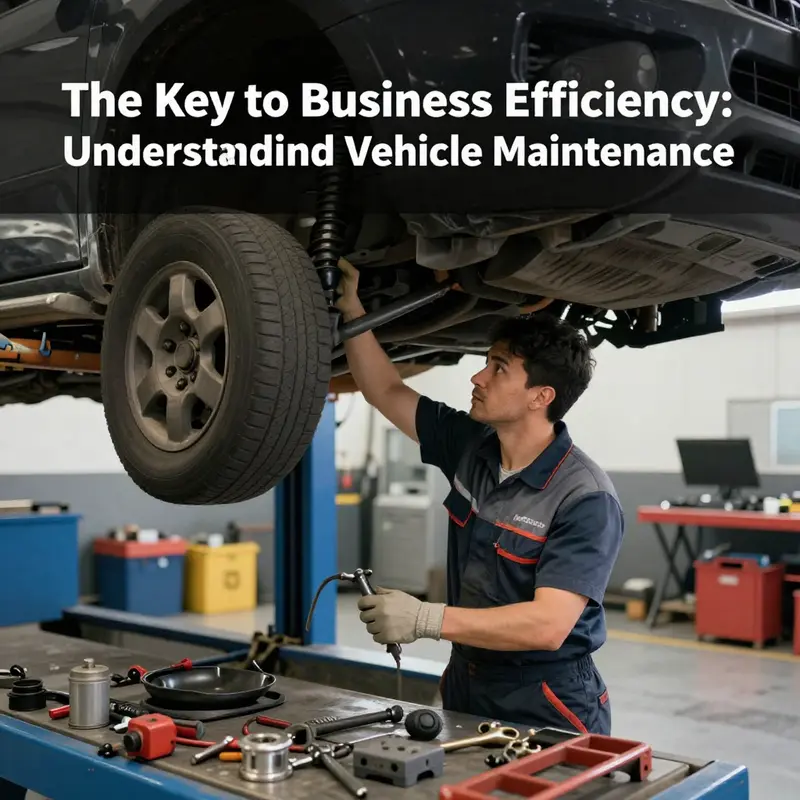
Understanding vehicle maintenance means more than checking fluids or rotating tires. It is a continuous commitment to inspecting, servicing, and repairing a vehicle to keep it safe, reliable, and efficient. At its core, maintenance is a proactive practice. It prevents sudden failures, reduces long-term costs, and preserves a vehicle’s performance over years of use.
Maintenance covers a wide range of tasks, from simple daily checks to scheduled professional services. Basic actions include monitoring oil levels, tire pressure, and visible fluid leaks. Regular servicing extends to scheduled oil and filter changes, brake inspections, and coolant replacements. It also includes system checks for the battery, belts, hoses, and modern electronic systems. Each task targets a specific risk: poor lubrication causes engine wear, underinflated tires reduce fuel economy and handling, and degraded brake components undermine stopping power.
Not all maintenance is identical. Preventive maintenance focuses on routine, scheduled work designed to keep systems within safe operating limits. Corrective maintenance addresses faults after they appear, such as replacing a failed alternator or repairing a leaking radiator. Both approaches matter, but preventive care often yields the greatest return. Small, inexpensive services can avoid large, unexpected repairs later. Replacing worn brake pads, for example, costs far less than machining rotors or replacing a damaged caliper.
Manufacturers provide recommended maintenance schedules based on mileage and time intervals. These schedules are calibrated to protect the engine and drivetrain, maintain emissions compliance, and preserve warranty coverage. When a dashboard shows a maintenance alert, it signals that a recommended service interval has arrived or has not been reset. Heeding those alerts helps maintain the vehicle’s health and prevents minor wear from cascading into major problems.
Maintenance directly affects safety. Worn tires, frayed belts, and low brake fluid increase the risk of accidents. Regular inspections catch early signs of failure. A quick check of the tire tread and pressure can prevent a blowout. Testing brakes and steering reveals hidden issues before they threaten control. A well-maintained vehicle stops reliably, steers predictably, and avoids breakdowns that can leave drivers stranded in dangerous situations.
Beyond safety, maintenance protects value. Vehicles with consistent service records sell for more. Buyers trust documented upkeep. Routine maintenance keeps mechanical systems in good condition and preserves interior and exterior components. Corrosion control, timely paint touch-ups, and interior care may seem cosmetic, yet they help a vehicle age gracefully and command a higher resale price.
Fuel efficiency is another concrete benefit. Dirty air filters, poorly aligned wheels, and low tire pressure all reduce miles per gallon. Regular service, including tune-ups and alignments, keeps the engine running efficiently. Over time, the savings on fuel can offset the cost of many routine services. In that way, maintenance finances itself through improved economy and fewer repairs.
Maintenance also supports environmental responsibility. A properly tuned engine emits fewer pollutants. Replacing worn catalytic components, fixing exhaust leaks, and ensuring the emission control systems function correctly reduce harmful emissions. Routine servicing helps a vehicle meet inspection standards and minimizes its ecological footprint.
Cost control is a clear, rational reason to maintain a vehicle. Ignoring small issues often creates larger, more expensive ones. Consider a slow oil leak: left unchecked, it can lead to low oil levels, overheating, and catastrophic engine failure. Replacing a gasket is minor compared to rebuilding an engine. Budgeting for scheduled maintenance prevents large, unexpected expenses and reduces the total cost of ownership.
Maintenance responsibilities vary by ownership. Personal owners, small fleet managers, and leased vehicle holders may face different expectations. Lease contracts often specify who pays for routine care. Commercial operators must adhere to stricter schedules to meet safety standards and regulatory requirements. Regardless of arrangement, keeping accurate maintenance records is essential. These records demonstrate compliance with warranty terms and provide a timeline of repairs and replacements.
Deciding between do-it-yourself work and professional service depends on the task and skill level. Simple checks and replacements, such as topping up washer fluid, changing a wiper blade, or checking tire pressure, suit most owners. More complex jobs—brake servicing, transmission work, and advanced diagnostics—require trained technicians and specialized tools. Professionals can follow manufacturer procedures and reset service indicators correctly. When in doubt, professional evaluation avoids mistakes that cause more harm than good.
Modern vehicles add complexity. Electronic systems, advanced driver assistance systems, and hybrid or electric drivetrains require specific knowledge. Software updates and diagnostic scans may be necessary when warning lights appear. Technicians use specialized tools to read fault codes and to recalibrate sensors. These systems make vehicles safer but also change how maintenance is planned and carried out.
A practical maintenance routine balances frequency with need. Daily simple checks, monthly inspections, and scheduled professional visits create a layered approach. Daily checks include mirrors, lights, and indicators. Monthly checks should verify tire pressure, fluid levels, and visible leaks. Seasonal or yearly services address items like coolant flushes, air conditioning servicing, and comprehensive brake checks. Following the manufacturer’s schedule—adjusted for driving conditions—ensures no critical item is missed.
Driving conditions affect maintenance needs. Frequent short trips, stop-and-go traffic, heavy towing, and dusty roads increase wear. Harsh climates may accelerate fluid degradation and corrosion. Owners who use vehicles in severe conditions should shorten service intervals. Fleet managers typically adopt conservative schedules to maintain reliability and safety across varied uses.
Record keeping is a simple practice with big benefits. Maintain a log of dates, mileage, and services performed. Keep receipts and note part numbers and technician comments. A clear history helps diagnose recurring problems and strengthens resale value. It also helps keep track of when the next service is due, reducing the chance that maintenance intervals will be missed.
Warning lights deserve attention but not panic. Some lights indicate routine reminders, while others require immediate action. Understanding what each indicator means prevents unnecessary worry and ensures timely repairs. A professional scan can identify the underlying cause and prioritize actions. Treat persistent warnings as priority tasks and avoid postponing them.
Preventive inspections catch hidden problems. A technician who inspects belts, hoses, suspension components, and electrical systems can find early signs of wear. These checks catch cracks, leaks, and loose connections. Replacing a worn belt before it breaks prevents a breakdown that could strand a driver or damage the engine.
Maintenance also involves parts selection and quality. Choosing appropriate fluids and replacement parts matters. Manufacturer-recommended oil grades and filter specifications protect the engine. Using the correct brake fluid and coolant preserves system integrity. When costs matter, quality aftermarket parts often provide a balance between price and performance, but choosing reputable components avoids premature failures.
At scale, well-maintained vehicles reduce downtime for commercial operations. Fleets with rigorous maintenance programs enjoy higher uptime, lower repair costs, and improved driver safety. Preventive schedules, centralized record keeping, and consistent technician training are common features of effective fleet programs. The result is predictable operating costs and reliable service delivery.
Finally, maintenance is a mindset. It treats the vehicle as a system that requires ongoing attention. Small, regular efforts prevent large failures. Whether an owner performs basic checks or relies on professionals, consistent maintenance preserves safety, performance, and value. Viewing maintenance as part of responsible ownership keeps vehicles dependable and reduces surprises.
For a clear, practical primer on what vehicle maintenance entails, refer to the detailed guide on what vehicle maintenance is. This resource breaks down common tasks and explains why each one matters.
External resource: U.S. Department of Energy – Alternative Fuels Data Center: https://afdc.energy.gov/vehicle_maintenance
Every Service That Keeps Your Vehicle Safe: Understanding Key Maintenance Tasks and Inspections
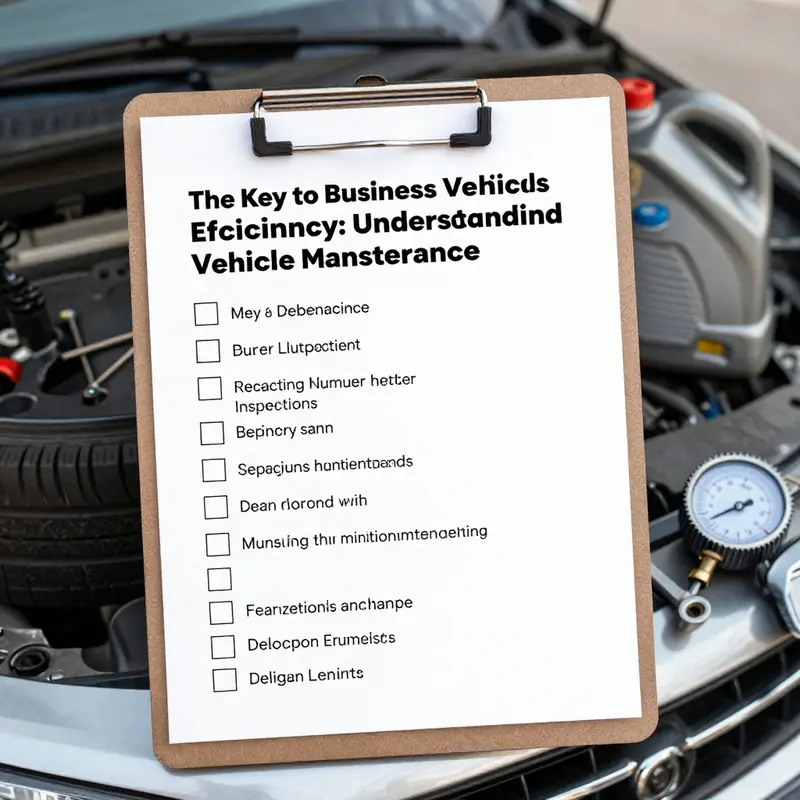
Vehicle maintenance is the steady, intentional care that keeps a vehicle safe, reliable, and efficient. It covers routine checks, scheduled services, and timely repairs. The aim is not only to fix what breaks, but to prevent failures. Regular maintenance preserves performance, lowers long-term costs, and protects everyone who rides in the vehicle.
At the heart of routine maintenance are a few recurring tasks that account for the majority of safety and reliability benefits. Fluids need regular attention. Engine oil reduces wear and carries heat away. Transmission fluid lubricates gears and cools components. Brake fluid transmits force for stopping and must stay free of moisture. Coolant stabilizes engine temperature and prevents corrosion. Power steering fluid keeps steering smooth and responsive. Each fluid has a service interval determined by vehicle design and operating conditions. Following those intervals prevents damage from friction, overheating, and contamination.
Tires also deserve near-constant attention. Proper inflation improves handling, fuel economy, and tread life. Tire rotation evens wear across all four tires and should usually occur every 5,000 to 8,000 miles. Wheel alignment affects steering and tread wear. Misalignment leads to uneven wear and reduced control. A quick visual and pressure check before long trips reduces the chance of blowouts or sudden failures. Tread depth affects wet traction. Measuring tread and replacing tires that are thin or old is central to safe driving.
Brakes are life-critical systems. Regular inspection of pads, rotors, and brake lines reveals wear before it becomes dangerous. Brake pads wear down and need replacement before rotors are damaged. Brake fluid should be changed per the manufacturer’s schedule to avoid diminished braking power. Modern cars often include wear sensors that signal when pads need service. Even without sensors, a firm maintenance plan avoids the high cost and risk of compromised brakes.
Battery and electrical checks prevent unexpected stalls and failures. A battery test checks voltage and cranking ability. Terminals should stay clean and tight. Wiring and fuses must be inspected when electrical oddities appear. As electric vehicles grow more common, battery health monitoring becomes essential. High-voltage battery systems require specialized inspection and, sometimes, recalibration after repairs.
Engines need several small but vital services. Clean air filters improve fuel economy and reduce engine strain. Spark plugs, ignition coils, and fuel system cleaning maintain combustion efficiency. Emission controls and catalytic systems require inspection to meet regulatory standards and to keep exhaust systems working properly. Vehicles with an onboard diagnostics system provide early fault codes that pinpoint problems and prevent larger failures.
Suspension and steering components shape ride quality and safety. Shock absorbers, struts, ball joints, and tie rods should be checked for wear and leaks. Damaged suspension parts affect steering precision and can lead to unstable handling at speed. Maintaining these parts preserves tire life and keeps the vehicle planted and predictable during emergency maneuvers.
Lighting and visibility systems are simple but often overlooked. Headlights, brake lights, and turn signals must work correctly. Windshield wipers and washer systems should clear vision effectively. Small fixes like replacing bulbs and wiper blades drastically reduce night and poor-weather crash risk. Clean lenses and correct headlight aim also matter.
Beyond individual parts, regular inspections provide a systems-level view. A comprehensive inspection typically includes fluid levels and condition, tire health, brake condition, battery performance, belt and hose integrity, suspension and steering checks, and diagnostics for engine and emissions systems. Many manufacturers recommend inspection intervals tied to mileage or time. A yearly professional inspection adds value, especially before long trips or after severe weather. Vehicles that undergo routine maintenance are measurably less likely to suffer unexpected breakdowns.
Modern vehicles bring new maintenance priorities. Advanced driver-assistance systems rely on cameras and sensors. After windshield replacement or body repairs, those systems may need recalibration. Electronic control modules and software updates may require attention at service intervals. Technicians now combine mechanical skills with electronic diagnostics. This makes professional service important for complex systems.
Preventive maintenance is both practical and economical. Addressing small issues early avoids major repairs later. For instance, changing engine oil per schedule prevents sludge buildup and premature engine wear. Rotating tires extends tire life and delays replacements. Replacing worn brake pads avoids warped rotors. These incremental services add up to substantial savings over a vehicle’s lifespan. They also maintain resale value. A documented maintenance record reassures buyers and protects the owner’s investment.
Owners must balance do-it-yourself tasks with professional service. Many checks are simple and safe for owners to perform. Checking tire pressure, topping washer fluid, and replacing wiper blades fall into that category. However, tasks involving high voltages, pressurized systems, or advanced electronics require experienced technicians. Professionals have specialized tools and training to handle complex diagnostics and repairs. Choosing the right balance keeps costs reasonable while ensuring safety.
A few practical habits make maintenance effective. Keep a log of services and inspections. Record dates, mileage, and what was done. This history helps technicians spot recurring issues. Follow the manufacturer’s maintenance schedule closely. It is based on the vehicle’s design and tested service intervals. Adjust schedules for severe driving conditions like frequent towing, heavy city traffic, or dusty environments. Those conditions usually demand shorter service intervals.
Pre-trip checks are a simple way to reduce roadside risks. Confirm tire pressure and visually inspect tires for cuts or bulges. Check fluid levels and lights. Test brakes for unusual noise or soft pedal feel. Pack an emergency kit with a spare tire, basic tools, and first-aid items. These steps add little time but yield peace of mind and safer travel.
Regulatory and environmental inspections also shape maintenance plans. Emissions testing ensures the vehicle’s exhaust systems limit harmful outputs. Failing emissions often indicates problems in engine management or exhaust systems. Keeping emission systems healthy helps the environment and avoids fines or failed inspections. Some regions require safety inspections that examine brakes, lights, suspension, and tires. Meeting these standards is part of responsible vehicle ownership.
Understanding the signs of trouble helps owners act quickly. Unusual noises from the engine or suspension, changes in fuel economy, strange smells, dashboard warning lights, or pull to one side while driving all signal the need for inspection. Ignoring these clues allows minor faults to grow into expensive failures. When a warning light appears, consult the owner’s manual and schedule service. Diagnostics often reveal issues manageable with a single visit.
Maintenance also adapts to vehicle type. Electric vehicles require less routine service in some areas, like oil changes, because they lack internal combustion engines. They still need tire care, brake inspections, and cabin systems maintenance. Hybrid vehicles combine the needs of both electric and combustion systems and require attention to both. Commercial vehicles, which see heavier use, demand stricter service schedules and more frequent inspections.
Cost is a common concern, but maintenance is an investment. Regular service spreads expenses over time. Preventive work is usually far cheaper than major repairs. Budgeting for maintenance protects an owner from the large, unpredictable costs of neglected systems. Many owners set aside a monthly maintenance fund. This approach makes planned services less stressful when they arrive.
Good maintenance practices protect safety, reduce ownership costs, and enhance reliability. They keep vehicles performing as designed and reduce environmental harm. Whether through routine DIY checks or professional inspections, consistent care is the best strategy for avoiding unexpected trouble on the road. To learn more about professional standards and best practices, refer to authoritative guidance from industry certifying organizations. For detailed, verified recommendations, consult resources from the National Institute for Automotive Service Excellence (ASE): https://www.ase.com
For a concise overview of fundamental maintenance concepts and schedules, see this internal resource on what maintenance involves: what is vehicle maintenance.
Scheduled Care and Long Life: How Routine Maintenance Protects Your Vehicle’s Future
Why scheduled maintenance determines longevity
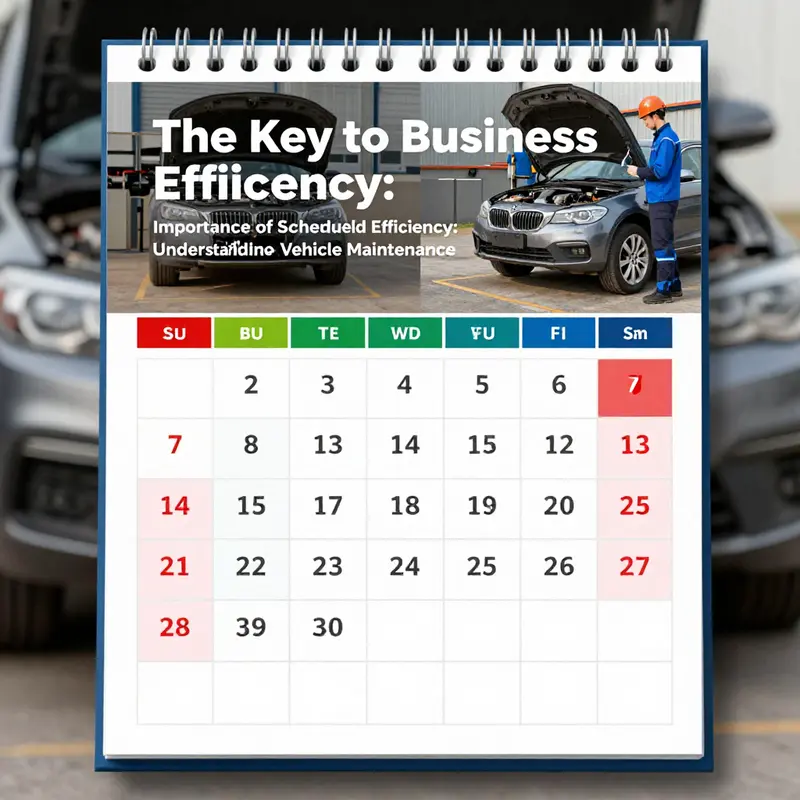
Vehicle maintenance is more than a checklist. It is a proactive strategy that protects a vehicle’s mechanical heart and electronic mind. When maintenance follows a schedule, small issues are found early. Small issues rarely become emergencies. That steady attention keeps systems healthy, and preserves performance, safety, and value for many years.
Think of scheduled maintenance as routine health care for your car. Oil changes and filter replacements clear harmful contaminants that build up with use. Clean oil means less friction inside the engine. Less friction translates to lower wear rates and more consistent performance. A neglected engine may still run. But over time, friction and debris will erode tolerances. That erosion shortens engine life and invites expensive repairs.
Beyond the engine, scheduled attention to cooling, fuel, and transmission systems is crucial. Coolant prevents overheating and corrosion in the engine’s coolant passages. Transmission fluid keeps gears and clutches lubricated and cool. Fuel system cleaners and filter changes protect injectors and valves. Each fluid has a role and a recommended replacement interval. Following those intervals prevents accelerated degradation and keeps components operating within design limits.
Tires and brakes directly influence safety and wear. Regular tire rotations and alignments promote even tread wear. Even wear extends tire life and stabilizes handling. Proper tire pressure reduces rolling resistance and helps fuel efficiency. Brake inspections catch pad and rotor wear before braking performance drops. Replacing brake pads on schedule prevents damage to rotors and calipers. Addressing brake wear early avoids greater expense and safety risk.
Scheduled maintenance also targets timing belts, serpentine belts, and hoses. These parts age, crack, and eventually fail. A timing belt failure can cause catastrophic engine damage. Replacing belts at the recommended interval is a low-cost preventative step. Hoses that are checked and replaced on a schedule reduce the chance of sudden coolant loss and engine overheating.
Electrical systems and batteries are part of the routine too. Batteries degrade with age and use. Corroded terminals reduce charging efficiency and cause unreliable starts. Replacing batteries within a sensible window prevents being stranded. Modern vehicles rely on dozens of sensors and control modules. Scheduled inspections often include scanning for trouble codes and checking sensor performance. These steps catch developing issues in electronic systems before they cascade into more serious faults.
Following a manufacturer’s maintenance schedule matters because it matches the vehicle’s design. Manufacturers determine intervals based on engineering tests and typical use scenarios. Those recommendations balance cost, reliability, and longevity. Ignoring them risks voiding warranty coverage in some cases. It also increases the likelihood of premature wear in components sized or rated for prescribed service intervals.
A disciplined maintenance approach reduces the total cost of ownership. Regular servicing costs money, but it is predictable. Unexpected repairs do not follow a budget. A single major failure can equal years of routine maintenance expenses. Consider a simple example: timely oil and filter changes prevent sludge buildup. Avoiding sludge keeps oil passages clear. Clear passages mean proper lubrication and cooling. That prevents engine wear and expensive rebuilds. Over the vehicle’s life, the savings from avoiding major repairs often outweigh the cost of scheduled service.
There is also a measurable effect on fuel efficiency. Engines that burn cleanly and are properly tuned use fuel more efficiently. Underinflated tires increase rolling resistance and reduce miles per gallon. Dirty air filters or clogged fuel systems force the engine to work harder. These inefficiencies slowly add cost to every mile. Routine maintenance restores efficiency and reduces operating costs.
A well-maintained vehicle retains more resale value. Prospective buyers consider maintenance records an indicator of how the vehicle was treated. A documented schedule with receipts and service stamps reassures buyers. That reassurance translates into higher trade-in or private sale prices. Conversely, a car with missing maintenance records often sells for less because buyers fear hidden problems.
Scheduled maintenance also plays a role in safety and legal responsibility. Brake systems, lights, steering components, and suspension are all inspected during routine service. Problems that affect vehicle control are identified and addressed. This reduces the risk of accidents caused by mechanical failure. For commercial operators, adherence to maintenance schedules may be a regulatory requirement. Failure to maintain vehicles can lead to fines, downtime, and liability exposure.
Maintenance planning is effective when it blends structure with adaptability. Owner manuals provide baseline intervals tied to mileage or time. Yet actual use matters. Vehicles that tow heavy loads, carry full passenger loads regularly, or operate in dusty environments may need more frequent attention. Similarly, short-trip city driving can be harder on some systems than steady highway use. A practical maintenance plan adapts manufacturer guidance to real-world conditions. Keep records, note unusual symptoms, and consult a trusted technician when conditions vary from the norm.
For modern cars, another layer of maintenance is software and electronic calibration. Many vehicles receive periodic software updates. Those updates can improve performance, fix bugs, and address safety issues. Scheduled checks with a dealer or qualified service center ensure the vehicle’s software remains current and security patches are applied. Neglecting this digital side of maintenance can leave systems operating suboptimally.
Fleet operators and commercial owners see longevity as a direct business metric. Downtime costs money. Preventative maintenance schedules reduce unexpected failures and keep vehicles in service. For fleets, scheduled maintenance programs are often automated and tracked with telematics. That data enables predictive maintenance strategies. Predictive maintenance uses usage patterns, fault codes, and condition monitoring to schedule service just before failure is likely. This minimizes both unplanned downtime and over-servicing.
Even with the best maintenance plan, human factors matter. Choosing a reliable service provider and using quality parts are important. Cheap parts can accelerate failure or cause other components to wear faster. Use parts that meet or exceed original equipment specifications. Maintain clear records of every service, part replaced, and inspection. Those records make it easier to diagnose future issues and preserve resale value.
Proper maintenance also reduces environmental impact. Efficient engines and properly inflated tires emit fewer pollutants and use less fuel. A leaking seal or faulty evaporative emissions system can release harmful vapors. Addressing these problems promptly reduces emissions over the vehicle’s life.
The shift to electrified vehicles changes some maintenance rhythms but not the underlying principle. Electric vehicles have fewer moving parts in their propulsion systems. They do not require oil changes or certain transmission services. But they still need scheduled care: battery cooling systems, high-voltage wiring inspections, brake system checks, and software updates. Tire and suspension maintenance remain vital. So even as service items change, following a schedule remains essential to preserve range, performance, and safety. For more on how maintenance affects fuel expenses and efficiency, see this practical guide on how vehicle maintenance saves on gas expenses.
A final practical point ties everything together: predictability. Scheduled maintenance makes vehicle ownership predictable. It turns surprise failures into planned service stops. It protects safety, performance, and value. It respects the engineering that went into a vehicle’s design. And it gives drivers control over costs and reliability.
Adopting a consistent maintenance routine does not require perfection. It does require attention, sensible scheduling, and timely action when issues arise. Over years of service, that disciplined care pays back in longer life, lower running costs, and greater peace of mind.
For authoritative guidance on routine checks and their role in preventing accidents, consult the U.S. National Highway Traffic Safety Administration resource: https://www.safercar.gov/.
When You Skip Care: The Real Costs of Neglecting Vehicle Maintenance
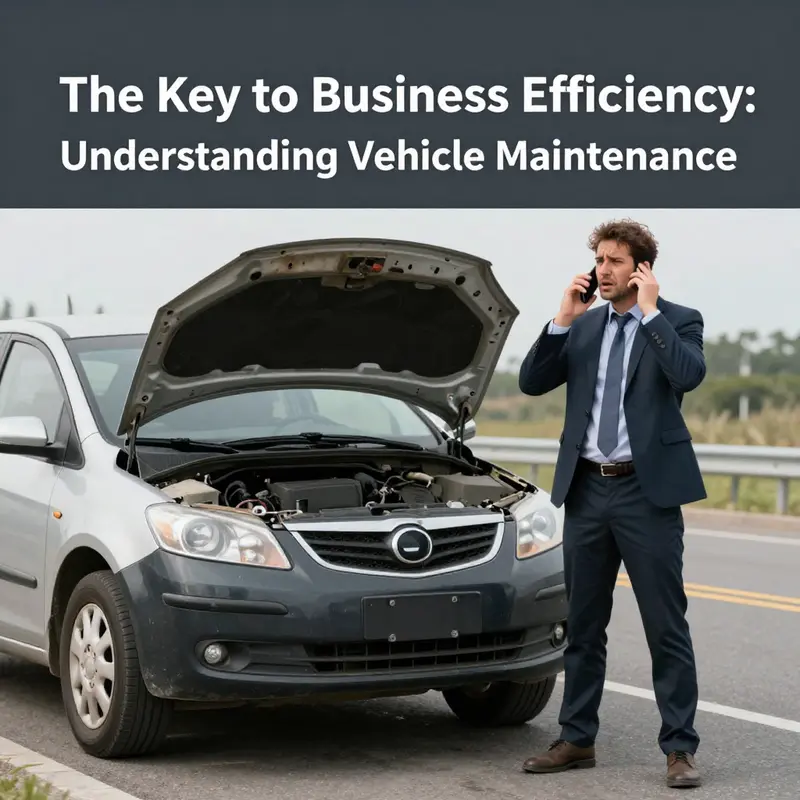
The meaning of vehicle maintenance becomes painfully clear when it is ignored. At its core, maintenance is the set of routine inspections, adjustments, cleanings, and part replacements that keep a vehicle safe, reliable, and efficient. When those routines stop, effects ripple through systems that drivers often take for granted. The consequences appear as sudden failures, chronic expense, diminished comfort, or worse, serious safety incidents. This chapter explores how neglect transforms routine care into real-cost problems, and why understanding those costs changes how you view maintenance.
Neglect first shows itself through loss of safety. Brakes, tires, steering components, and suspension parts wear predictably. If you skip inspections, wear can reach critical levels without warning. Thin brake pads and low fluid can lengthen stopping distances. Worn tires reduce grip and increase the chance of a blowout. A compromised steering linkage can make the vehicle wander or fail to respond correctly. These are not abstract dangers. They are the mechanical conditions that convert a routine drive into an emergency. Regular maintenance identifies wear early and replaces or repairs before control is lost.
Mechanical failures also produce hidden hazards. For example, a leaking coolant hose can overheat an engine. Overheated engines can stall in heavy traffic or on curves, creating immediate crash risk. Electrical problems, increasingly common as vehicles use more electronics, can disable safety systems. A weak battery or corroded terminal may stop a vehicle from starting, but can also interrupt active safety features while driving. Skipping maintenance raises the probability that one small, preventable issue cascades into a hazard with real physical consequences.
Cost is the next, and often most convincing, consequence. Routine servicing costs are small compared with the price of major repairs. An oil change and filter replacement every few thousand miles costs far less than engine repairs caused by long-term oil neglect. A damaged timing belt or chain left unattended can break and destroy the engine, and that repair can exceed the vehicle’s value. Transmission fluid exchanged at recommended intervals prevents wear and keeps shifting smooth. Neglect the fluid, and the transmission overheats and fails. Rebuilding or replacing a transmission is among the most expensive repairs a vehicle can face.
Emergency repairs carry a premium. A vehicle that breaks down on the road may need towing, diagnostic fees, and rush repairs. Parts replaced under emergency services are often billed at higher rates. Labor costs rise when a technician must disassemble multiple systems to reach the root cause of a neglected issue. Insurance rarely covers mechanical failure borne from poor upkeep. For many owners, a neglected repair is the difference between manageable monthly maintenance costs and a sudden six-figure bill for a single fix.
Beyond direct repair bills, neglected maintenance erodes fuel economy and increases operating costs. Dirty air filters, old spark plugs, and improperly inflated tires force the engine to work harder. This increases fuel consumption and reduces efficiency. For drivers who cover high mileage, the lost fuel economy adds up fast. Maintaining basic items like proper tire pressure and clean filters is one of the most cost-effective ways to preserve fuel efficiency. For a deeper look at how regular service affects fuel use, see how vehicle maintenance saves on gas expenses.
Resale value also drops when maintenance is ignored. Vehicles with clear service histories fetch higher prices. Prospective buyers look for records showing scheduled services, part replacements, and repairs. A well-documented maintenance history signals reliability. Conversely, a car with unknown service history prompts buyers to discount the price or avoid purchase. Even cosmetic neglect tells a story; a dirty, neglected interior suggests mechanical neglect too. For many, the lost resale premium quickly offsets the cost of following basic maintenance schedules.
Reliability and convenience suffer as well. Frequent breakdowns mean missed appointments, stranded commutes, and wasted weekends. For drivers who rely on their vehicle for work, unpredictability can cost income. Delivery drivers, salespeople, and service providers face immediate consequences when their vehicle fails. Even occasional users feel the annoyance of recurring problems. Regular maintenance increases predictability. It reduces the frequency of inconvenient interruptions and restores confidence in the vehicle’s availability.
Environmental impact is an often-overlooked consequence. Poorly maintained engines produce more emissions. Worn components, fouled sensors, and inefficient combustion increase pollutants released into the air. Modern emissions control systems depend on functioning sensors and clean fluids. Neglect those systems and emissions rise. Beyond the environmental cost, failing emissions tests can prevent vehicle registration in many jurisdictions. In short, maintenance is a small step toward regulatory compliance and environmental stewardship.
Neglect can also produce long-term declines in vehicle performance. Engines lose compression over time if intake and exhaust valves, spark plugs, or fuel injectors are not serviced. Suspension becomes loose, steering drifts, and braking responsiveness diminishes. These performance losses make driving less comfortable and less enjoyable. They can also cause secondary wear; for example, misaligned wheels wear tires unevenly, which then affects handling and fuel economy. Each neglected item accelerates deterioration across related systems.
Insurance rates and legal exposure may increase when maintenance is ignored. A poorly maintained vehicle involved in an accident can shift liability toward the owner if investigators determine that mechanical failure contributed to the event. Insurance companies investigate claims, and evidence of negligence can complicate coverage outcomes. Some policies exclude coverage for accidents resulting from lack of maintenance. Maintaining your vehicle is not only about safety and savings. It helps protect you from legal complications.
Time and knowledge are common barriers to consistent maintenance. Many drivers delay service because of cost or inconvenience. Yet delaying often means paying more later. Preventive actions tend to be simpler and faster than repairs. Replacing a timing belt on schedule requires hours of labor and a modest parts cost. Replacing a broken timing belt and a destroyed engine requires weeks, specialized parts, and a much larger bill. The choice between prevention and cure is rarely close in long-term expense.
Technology complicates but also helps maintenance. Modern vehicles include diagnostic systems that flag issues early. Dashboard warnings and maintenance reminders aim to prompt action. However, drivers sometimes ignore these warnings or delay repairs until the light becomes a glaring problem. Electronic systems themselves require care. Battery terminals corrode, sensors become dirty, and software updates become necessary. Neglecting electronics can mute the vehicle’s ability to warn you of other mechanical problems.
Commercial vehicles amplify the consequences. Fleets experience higher operating costs when maintenance is lax. Breakdowns translate into lost deliveries, dissatisfied customers, and scheduling headaches. Many fleet managers follow strict maintenance schedules because the cost of downtime is quantifiable. For personal vehicles, the cost-benefit analysis is similar but less formal. Still, the same logic applies: fewer repairs, higher reliability, and better resale value.
Regular maintenance is not only mechanical. It includes keeping records and following the manufacturer’s recommended schedule. Those schedules are not arbitrary. They reflect engineering tests and real-world use. Following the schedule ensures that components are replaced before they reach failure. Record-keeping also helps in resale and warranty claims. A documented maintenance history demonstrates that the vehicle was cared for throughout its life.
Ultimately, the consequences of neglect are predictable and cumulative. Small oversights grow into system-wide problems. Short-term savings become long-term expenses. The tangible risks include accidents, major repair bills, poor fuel economy, failed inspections, and lost resale value. The intangible costs include stress, lost time, and diminished confidence in your vehicle. When framed this way, routine maintenance becomes an investment in safety, efficiency, and peace of mind.
If the idea of constant upkeep feels daunting, start small. Prioritize safety systems like brakes, tires, and lights. Keep fluids at proper levels. Follow service intervals for oil, filters, and belts. Maintain records. Treat maintenance as scheduled care, not an optional chore. This approach reduces risk and expense at the same time.
For more insight into how missed maintenance affects long-term reliability and safety, consult broader industry discussions and studies. Practical guidance can help you convert understanding into action, avoiding the real costs described here. External reference: https://www.linkedin.com/pulse/consequences-neglecting-car-maintenance-james-lee
Final thoughts
Vehicle maintenance is a critical aspect of managing a successful business fleet. Understanding its definition and importance allows business owners to prioritize regular inspections and servicing. By committing to scheduled maintenance, businesses can extend the lifespan of their vehicles, improve safety, and enhance operational efficiency. Conversely, neglecting maintenance can lead to severe consequences, including costly repairs and safety hazards. Prioritizing vehicle maintenance is not merely a task to be checked off but a vital component that ensures the reliability and efficiency of your business operations, ultimately contributing to overall success.