
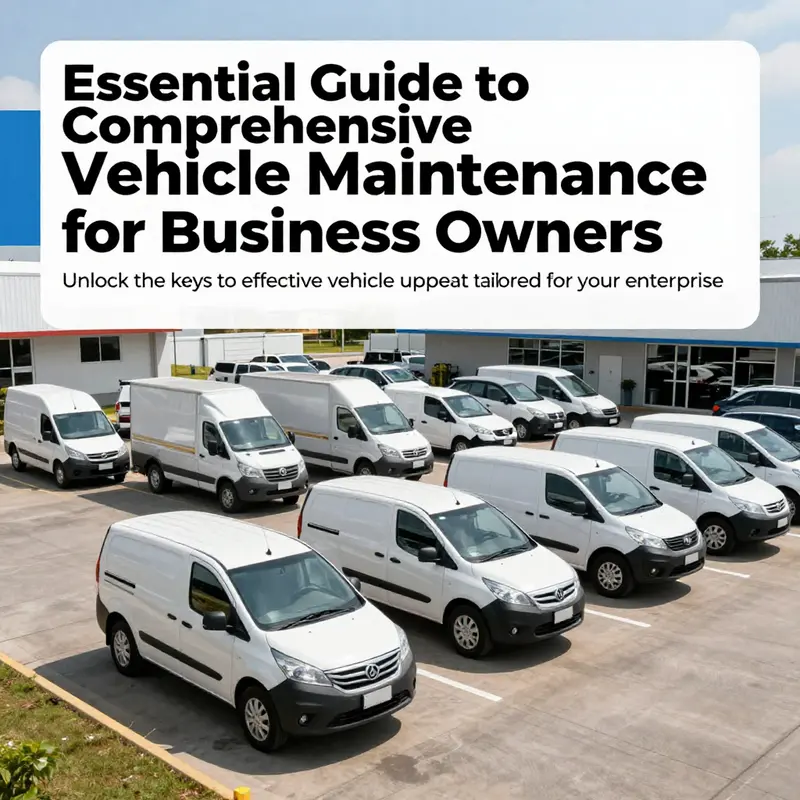
Effective vehicle maintenance is essential for business owners who rely on vehicles for operations. Understanding the intricate processes that ensure safety, performance, and longevity not only enhances operational efficiency but also safeguards your investment. This guide delves into five core aspects of maintenance: regular inspections to catch potential issues early; fluid changes and replacements to preserve vehicle systems; effective lubrication practices to reduce wear; cleaning and decontamination procedures to maintain vehicle integrity; and systematic checks and adjustments to optimize performance. Each chapter will explore these vital tasks, providing you with the knowledge to implement a robust maintenance plan for your fleet.
Regular Inspections as the Cornerstone of Safe, Efficient Vehicle Maintenance
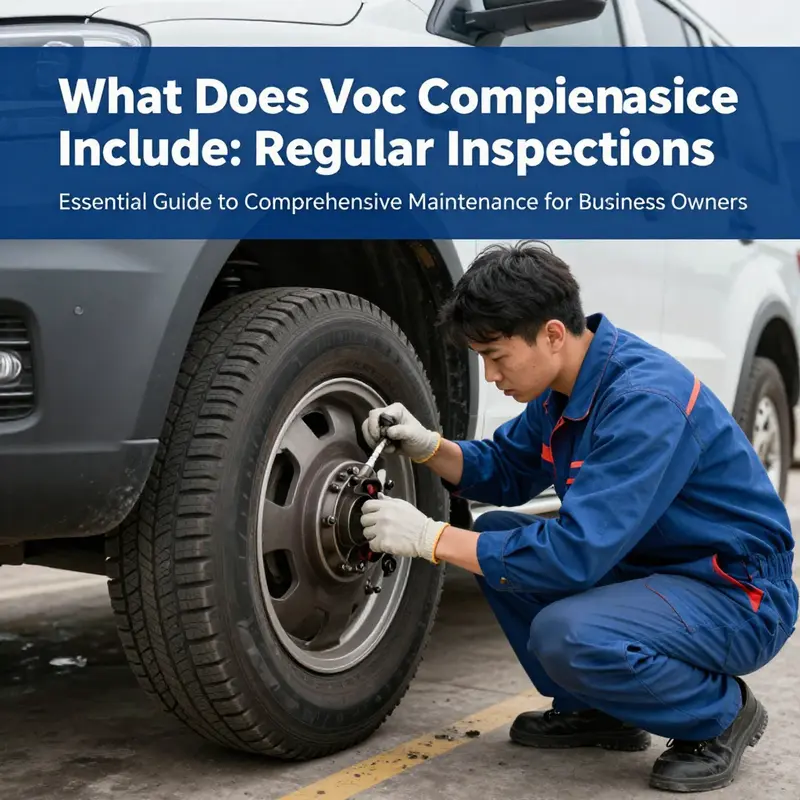
Every vehicle benefits from a thoughtfully designed maintenance plan, but the frame that holds that plan together is regular inspections. These are not merely cursory checks or a quick glance under the hood; they are deliberate, systematic assessments that seek out wear, fluid deterioration, alignment quirks, and hidden faults before they become inconvenient or dangerous. When you understand regular inspections as a core element of vehicle maintenance, you see how the routine becomes a proactive shield for safety, reliability, and efficiency. In practice, inspections cover a spectrum of checks that touch almost every system on the car, from the fluids that keep engines alive to the electrical and braking systems that keep you safe on the road. The goal is not to catch every possible issue, but to identify those issues early enough to fix them cleanly and affordably, without compromising performance or safety.
At the heart of regular inspections is a clear, consistent focus on nine broad areas that together determine the vehicle’s current health and its potential trajectory. First, fluid levels. The engines that power our daily commutes depend on oil for lubrication, coolant to regulate temperature, brake fluid for hydraulic braking performance, and windshield washer fluid to maintain visibility. Checking these levels isn’t about obsessing over minor fluctuations; it’s about recognizing when a dip signals a leak, a consumption pattern that is out of the ordinary, or a component that is wearing out. A simple low oil level or a rising coolant temperature can be a prelude to a more serious problem if ignored. Second, tires receive more attention than most drivers realize. Regular inspection includes measuring tread depth and verifying tire pressure. Adequate tread protects traction, while correct pressure improves handling, fuel economy, and even tire wear. The cadence of these checks is practical: low tread or underinflated tires can compromise braking, steering response, and comfort in unpredictable weather.
Brakes form another cornerstone. Inspections gauge pad thickness and rotor condition, listening for grinding noises or pulsation that hints at warped rotors or worn components. The brakes are not merely a safety feature; they are a critical interface between driver input and vehicle response. Any inconsistency in braking performance warrants attention, whether it’s fading under heavy use or an irregular pedal feel. Battery and electrical systems also demand careful scrutiny. A healthy battery supports reliable starts and consistent electrical function, while corrosion on terminals and loose connections can cause intermittent problems that are mystifying unless you examine the network of cables and clamps that power lights, sensors, and the vehicle’s computer systems.
Lights and wipers are the visible line of defense in low light and foul weather. An inspection checks headlamps, tail lamps, turn signals, and the effectiveness of windshield wipers. Even a small issue here—dim lights, a cracked housing, or a wiper blade that streaks—can degrade visibility and safety. Then there are hoses and belts, the belt-driven arteries and fluid conduits that keep the engine’s accessories turning and the cooling and heating systems functioning. Integrity and wear of engine hoses are assessed for cracks, swelling, or leaks, while serpentine and timing belts are checked for signs of fraying or glazing. Exhaust systems are scanned for leaks, corrosion, or loose hangers, because even a small hole in the exhaust can affect engine performance and emissions compliance.
Equally important are the suspension and steering components. Shocks, struts, ball joints, tie rods, and steering rack mechanisms undergo visual and tactile checks to identify looseness, unusual vibrations, or uneven tire wear that could indicate alignment issues. The heating and air conditioning systems—often overlooked in routine checks—receive a performance evaluation to ensure climate comfort and proper defogging capability, which also plays a role in overall visibility and occupant safety. Modern vehicles bring another layer to inspections: onboard diagnostic systems that continuously monitor a broad range of sensors and subsystems. While dashboard warning lights can alert drivers to many problems, a professional inspection remains essential to interpret codes, verify uncertainties, and confirm whether a fault is temporary, intermittent, or indicative of deeper wear.
The practice of conducting regular inspections is not merely about spotting defects; it is about building a narrative of the vehicle’s health over time. Each inspection creates a diagnostic snapshot that informs decisions about maintenance timing, parts replacement, and potential preventive measures. It’s here that owners begin to understand maintenance not as an annoying routine but as an investment in safety, reliability, and long-term performance. The tangible benefits are meaningful: extending the vehicle’s life, preserving resale value, maintaining fuel efficiency through properly functioning systems, and reducing the risk of breakdowns that leave you stranded on the side of the road. In weather and road conditions that demand more from a vehicle, regular inspections become even more valuable, acting as a first line of defense against the wear and tear that can escalate into costly repairs if left unchecked.
The cadence of these inspections is a practical question of frequency and context. Many industry guidelines—from professional service standards to manufacturer recommendations—advise a baseline of at least one comprehensive professional inspection per year or roughly every 10,000 miles, whichever comes first. Some driving conditions and vehicle types warrant more frequent checks, particularly if the vehicle clocks long miles each year, regularly tows, or operates in extreme temperatures. Modern vehicles add a helpful layer through onboard diagnostic systems that alert drivers to certain issues via warning lights; yet these alerts often accompany subtle conditions that a trained eye can detect during a professional inspection before they become noticeable to a casual driver. In this sense, inspections complement the dashboard’s signals. They translate what a light may not yet fully reveal into a clear course of action, ensuring that preventive care keeps pace with the vehicle’s actual use and environment.
To see the broader context of why regular inspections matter within a maintenance plan, consider the overarching framework that describes what vehicle maintenance includes. This broader view emphasizes that inspections are not an isolated procedure but a cornerstone that supports all other maintenance activities—from fluid changes and lubrication to adjustments and system checks. For a concise, structured overview of maintenance as a whole, you can read about What is Vehicle Maintenance. By anchoring inspections in this larger framework, drivers can appreciate how routine checks feed into more comprehensive care, ensuring that every component—from the engine oil to the HVAC system—receives attention at appropriate intervals and under appropriate conditions. See the concept in more detail here: What is Vehicle Maintenance.
A key takeaway from this approach is that regular inspections are not just about preventing sudden failures; they are about sustaining performance and comfort. A well-executed inspection routine helps keep the engine within its optimal temperature range, maintains effective lubrication, ensures consistent braking performance, preserves electrical reliability, and protects the vehicle from corrosion and wear that can silently erode reliability. The benefits ripple beyond the immediate maintenance needs. With a vehicle kept in good shape, fuel economy tends to improve because systems such as the cooling, air intake, and exhaust operate more efficiently when not impeded by leaks, clogs, or misalignments. Reliability goes up as components wear more evenly and predictably, reducing the likelihood of unexpected stoppages and the risk of safety-critical failures in traffic or at highway speeds. And because many of the checks involve small, preventive actions—like tightening fasteners, replacing a worn belt, or cleaning a battery terminal—the costs tend to be lower than the outlay required for a major repair that follows neglect.
For vehicle owners, the practical implication is clear: schedule and honor regular inspections as part of a realistic maintenance calendar. Treat the inspection as a diagnostic conversation between you and your vehicle’s evolving needs. Record what was checked, what was found, and what actions were recommended. Use the insights to plan fluid changes, component replacements, and touchpoints for calibration and alignment. In this way, inspections become a living, responsive aspect of maintenance rather than a static checklist. They empower you not only to react to problems but to anticipate them, making the vehicle more trustworthy and safer for every trip. As you build this habit, you’ll find that the “what does maintenance include” question becomes less about a fixed list and more about a recurring process of care, informed by the vehicle’s own behavior, the environment, and your driving patterns. And as with any ongoing discipline, consistency pays dividends in the form of longer life, lower total ownership costs, and a sense of confidence behind the wheel.
External resources can provide professional guidelines and deeper technical detail for those who want to explore further. For professional standards and certification guidance related to vehicle service and maintenance, see the ASE Official Website: https://www.ase.com.
Fluid Foundations: How Fluid Changes and Replacements Shape Vehicle Maintenance
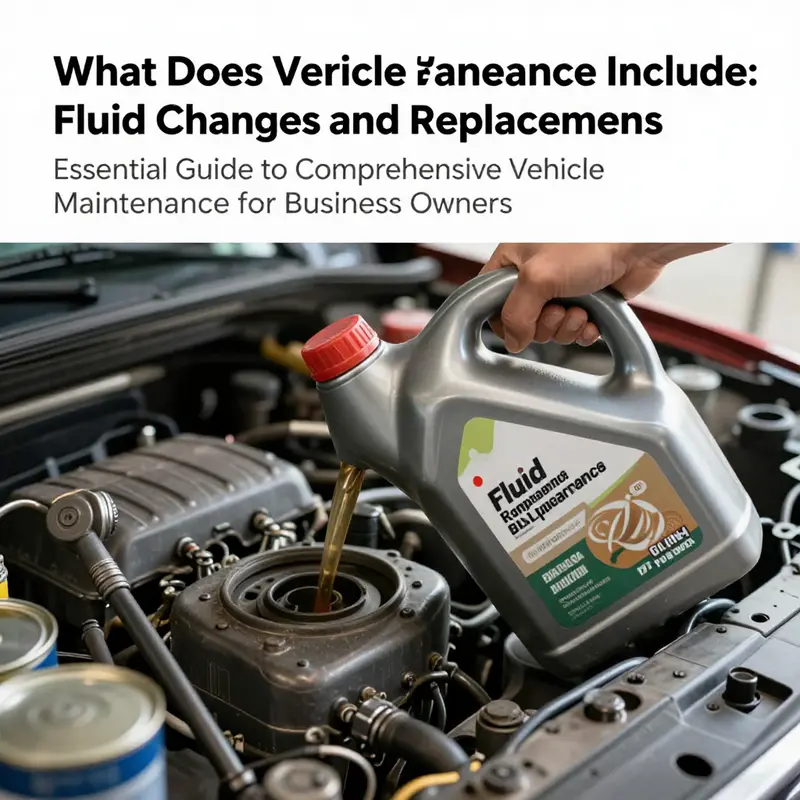
Fluids are often overlooked, yet they are the quiet lifeblood of a vehicle. Every critical system relies on clean, properly rated fluids to capably carry heat, cushion moving parts, and transmit pressure. When maintenance focuses on the big-ticket items—tires, brakes, engines—the routine fluid changes and replacements often happen in the background, but they are no less essential. Understanding what fluids you should monitor, why they matter, and when they should be replaced gives you a practical framework for preventive care. This chapter centers on fluid changes and replacements, exploring engine oil, coolant, brake fluid, transmission fluid, power steering fluid, and the additional reservoirs that keep complex drivetrains running smoothly. The aim is not to chase every interval but to cultivate a sensible rhythm of checks and replacements that align with the manufacturer’s guidance and the demands of your driving life.
Engine oil and the accompanying oil filter form the most basic, yet most consequential, line of defense against wear. Engine oil lubricates thousands of moving parts, cushions interactions between metal surfaces, and wicks heat away from the heart of the engine. Over time, oil breaks down, collects contaminants, and loses its viscosity. The exact replacement interval depends on the oil type—mineral, synthetic blend, or full synthetic—and the manufacturer’s recommendations. Synthetic oils tend to stretch intervals, but even they require attention after certain mileage or operating conditions, such as extreme temperatures or heavy towing. Regular oil changes also remove accumulated particles that would otherwise corrode bearings and clog precious passages. The filter works hand in hand with the oil, catching grit and metal shavings so that the lubricant that reaches the crankshaft is as clean as possible. Skipping this step or delaying it can quietly erode engine life, reduce fuel efficiency, and invite performance problems that seem to appear out of nowhere.
Coolant, sometimes called antifreeze, keeps the engine from turning into a heat prison in summer and a frozen block in winter. It circulates through the radiator, the engine block, and the heater core, carrying away heat and blocking the formation of scale and rust in the cooling channels. The proper coolant mixture and quality are essential for long-term reliability, especially in regions with wide temperature swings. Replacements are typically scheduled every couple of years or as the owner’s manual prescribes, not because coolant wears out quickly but because its protecting additives degrade over time. Regular checks of hoses, clamps, and the overflow reservoir complement the fluid change routine. A cooled, clean cooling system reduces the likelihood of overheating, which is a common precursor to gasket failures and engine damage. If you notice rising engine temperatures, see a service technician to verify the coolant level, the belt that drives the water pump, and the overall integrity of the cooling loop.
Brake fluid deserves particular attention because it operates under high heat and is exposed to moisture from the atmosphere. Absorbed water lowers the fluid’s boiling point, which can translate into spongy pedals, reduced braking performance, and, in extreme cases, brake failure. Regular replacement of brake fluid—often on a two-year cycle—helps prevent corrosion within the calipers, master cylinder, and ABS components. The fluid may look clear, but it can be contaminated; flushing it refines the hydraulic system and restores braking response. If you drive in hilly terrain, tow heavy loads, or frequently contend with stop-and-go traffic, you may need more frequent checks. A simple diagnostic at the service bay will confirm the fluid’s moisture content and the condition of the seals and hoses that rely on clean, consistent hydraulic pressure to deliver safe, predictable braking performance.
Transmission fluid plays a similar role for the gearbox as oil does for the engine, but it has a more specialized function. In automatic transmissions, the fluid lubricates, cools, and helps transmit power through the hydrodynamic system and clutches. In manual gearboxes, the oil or fluid keeps gears and synchros from grinding and reduces heat from friction. Over time, transmission fluid degrades; it can darken, develop a burnt smell, or lose its lubricating properties under heavy use. The replacement intervals vary widely—typically ranging from thirty thousand to one hundred thousand miles, depending on the vehicle and the type of transmission. If your owner’s manual recommends a fluid change, adhere to that schedule; many modern transmissions will also trigger a service warning if the fluid condition calls for attention. Some transmissions have specific additives or filtration considerations, so a professional diagnosis can prevent missteps that might lead to costly repairs down the line.
Power steering fluid helps ensure smooth, predictable steering and reduces wear on the pump and rack. Low or dirty fluid can cause stiffness, whining noises, and erratic steering response, especially at low speeds or during parking maneuvers. Unlike engine oil, which tends to be changed at fixed intervals, power steering fluid checks are often tied to the condition of the system and the vehicle’s service schedule. Regular inspection of the reservoir, hoses, and the steering linkage will reveal leaks or signs of contamination. If you notice foaming, a metallic smell, or a drop in steering performance, a service visit can confirm whether the fluid needs flushing or topping up. It’s a small maintenance step with big payoffs in drivability and the longevity of the steering components.
Windshield washer fluid, while peripheral to performance, contributes to safety by keeping visibility clear in rain, sleet, or snow. In practice, it’s one of the easiest fluids to maintain: keep the reservoir topped with a quality mixture suited to the climate, and avoid leaving it to freeze in winter. A simple habit—check the reservoir during routine cabin filters or tire rotations—ensures you won’t face a moment of reduced visibility at the most critical times. For many drivers, this is an opportunity to replace a tired reservoir cap, inspect the lines for cracks, and verify that the spray nozzles are evenly distributing fluid across the glass. It’s small, but it underscores how fluid care threads through the routines of safe driving and clean operation.
Beyond these core fluids, a few other reservoirs deserve attention depending on the drivetrain. Some vehicles require differential fluid changes to maintain the gears in the rear axle or front axle, particularly in vehicles designed for off-road use or heavy duty performance. For all-wheel-drive and four-wheel-drive configurations, transfer case fluid becomes part of the maintenance routine as the drivetrain requires lubrication and cooling in tandem with the main transmission. Hybrid and electric vehicles introduce a nuance: although many traditional lubrication tasks reduce in frequency because the drivetrain may lack a long-shaft lubrication path, there are still essential fluids such as coolant for battery thermal management and coolant for the motor or inverter, plus specialized fluids in some systems. The upshot is that fluid maintenance remains a common thread across powertrains, even as some vehicles diverge from conventional schedules with new engineering.
To put all of this into a practical frame, many drivers benefit from viewing fluid changes as a coordinated part of a broader maintenance rhythm rather than a series of one-off chores. A simple approach is to tally the major fluid responsibilities against the vehicle’s recommended service intervals and to set reminders. Regular checks of oil level with the dipstick, coolant level in the overflow bottle, and the color and smell of transmission fluid help you catch problems before they become expensive disasters. It also helps to maintain a log of service visits, which can guide future decisions about when to schedule the next change. If you want to connect this fluid-focused approach to the larger question of maintenance, one clear route is to consult a broader overview of maintenance concepts. For context, see What is Vehicle Maintenance.
Of course, the landscape of maintenance is not static. In modern electric vehicles, some of the traditional fluid-change rituals are less frequent or reimagined, reflecting different thermal needs and powertrain configurations. This is not a license to ignore maintenance; rather, it signals that the specific cadence should hinge on the vehicle’s design, usage patterns, and the manufacturer’s guidance. The Tesla community, for example, is often told that annual fluid changes are not required for every model, a nuance that highlights the importance of checking the owner’s manual or the vehicle’s on-board maintenance controls for the actual service needs. In any case, proactive fluid management remains a cornerstone of reliability and safety. The key is to stay informed about what each fluid does, how it interacts with the rest of the system, and how your driving style influences wear and degradation. By adopting a thoughtful, rule-of-thumb schedule that respects the factory recommendations, you can protect the value of your vehicle, maintain optimal performance, and minimize the risk of unexpected breakdowns. For official guidance, see the external resource: https://www.tesla.com/support/vehicle-maintenance
Lubrication Essentials: How Fluids and Grease Keep Your Vehicle Running Smoothly
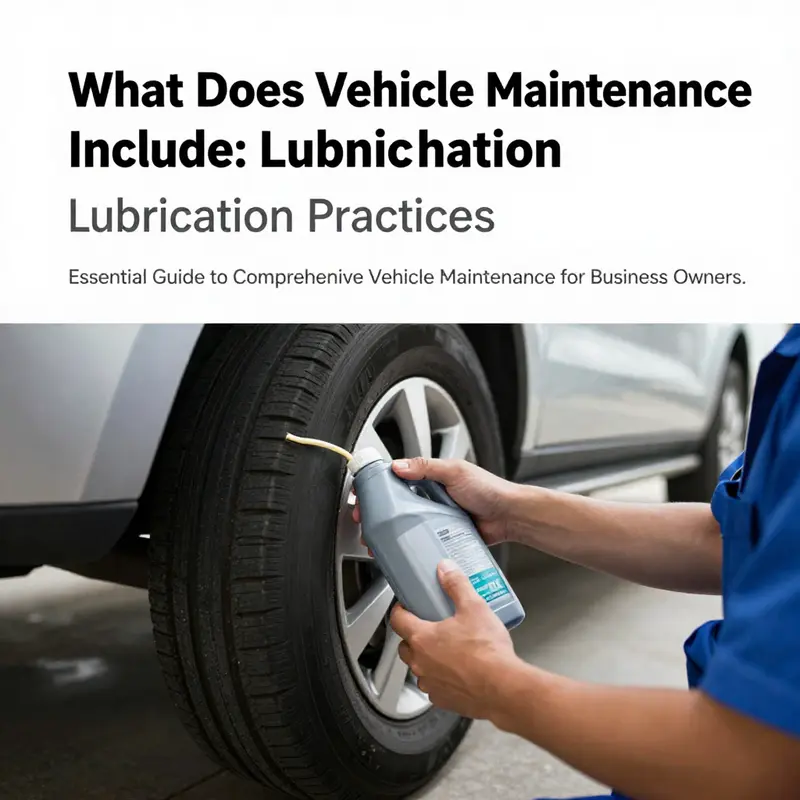
Lubrication: the backbone of routine vehicle care
Lubrication is more than an occasional oil change. It is a disciplined set of practices that protects moving parts, controls temperature, and preserves system integrity. When lubrication is done right, engines run cooler, transmissions shift smoothly, brakes respond reliably, and suspension components last longer. When it is neglected, wear accelerates, efficiency drops, and the risk of severe failures rises.
At the center of lubrication maintenance sits engine oil. Engine oil reduces friction between pistons, bearings, and camshafts. It also carries heat away from hot spots and suspends contaminants until the oil filter traps them. Regular engine oil and oil filter changes prevent sludge buildup and maintain protective film strength. Typical change intervals vary with oil type and driving conditions. Conventional oils often follow shorter intervals than synthetics. Modern cars may add oil-life monitoring, but a scheduled visual and level check remains wise. Changing the oil filter with the oil ensures clean oil circulates through the engine and extends component life.
Transmission fluid acts as both lubricant and hydraulic medium. Its role differs between manual and automatic transmissions, yet the principle is the same: protect gear surfaces and support smooth engagement. Over time, transmission fluid degrades and can darken or smell burnt. Scheduled checks and replacements prevent clutch slippage, noisy gear changes, and overheating. Heavier towing, hilly driving, or frequent stop-and-go traffic typically shorten the service window. Adhering to manufacturer intervals is essential for long transmission life.
Brake fluid often escapes casual attention, but it is critical to system safety. Because brake fluid absorbs moisture, its boiling point drops as it ages. Moisture also accelerates internal corrosion. Replacing brake fluid on a routine schedule maintains pedal feel and stopping power. While it is not a lubricant in the traditional sense, its hydraulic properties directly influence the functioning of brake components and thus belongs squarely in lubrication maintenance planning.
Power steering and other hydraulic fluids deserve periodic verification. Power steering fluid lubricates the pump and steering rack. Low levels or contaminated fluid can cause whining noises, stiff steering, or premature wear of seals. Regular checks and timely replacement reduce the chance of leaks and protect the steering system.
Coolant is sometimes treated separately from lubricants, but its role in managing temperatures and protecting against corrosion links it to overall fluid health. Modern coolants include corrosion inhibitors that protect aluminum and cast-iron surfaces. Over time these additives deplete, which makes scheduled flushes and refills necessary to prevent overheating and internal corrosion that can compromise seals and bearings.
Beyond liquids, grease remains vital for many mechanical interfaces. Chassis joints, U-joints, wheel bearings on older vehicles, and suspension fittings often have grease points. A grease gun keeps these moving parts slick and shields them from water and grit. Greasing frequency depends on use and exposure; vehicles driven off-road or in corrosive conditions need attention more often.
Good lubrication practice includes inspection as an inseparable step. Fluid level checks, color and smell assessments, and looking for leaks reveal developing problems. Oil that looks foamy, milky, or contains metallic particles signals contamination or internal failure. Transmission fluid that smells burned points to overheating. Brake fluid that appears dark and dirty indicates moisture contamination. Catching these signs early often allows a straightforward service rather than costly repairs.
Choosing the right lubricant matters. Viscosity, additive package, and base oil type determine performance. Thicker oils resist shear at high temperature but can increase friction at start-up if too heavy for the application. Synthetic oils resist thermal breakdown and shear better than many conventional oils, which often extends change intervals. However, following manufacturer specifications is essential; deviating from recommended grades can cause problems with oil pressure, timing chain tensioners, and emissions systems.
Seals and gaskets are another lubrication-related concern. Fluids keep these components cushioned and functioning, but age and heat dry rubber parts out. When seals harden, leaks follow. Regular fluid checks reveal small leaks before they become large. Replacing worn seals and gaskets at the first sign of seepage prevents secondary damage from lost lubrication.
Maintenance choices also include environmental and safety considerations. Used oil and contaminated fluids require proper disposal. Draining and recycling at certified facilities prevents pollution and complies with local regulations. When performing DIY lubrication tasks, store old fluids in sealed containers and avoid spills. Use absorbent mats where needed and keep work areas tidy to reduce slip hazards.
Some common pitfalls undermine lubrication efforts. Overfilling a crankcase can cause excessive crankcase pressure and oil foaming. Using the wrong fluid can damage internal components or void warranties. Relying solely on dashboard indicators without periodic manual checks risks overlooking slow leaks. Also, treating lubrication as a single task rather than a system-wide practice misses interactions among fluids and components. For example, contaminated coolant can accelerate corrosion in areas where oil and coolant interfaces exist.
Deciding when to perform lubrication work depends on use patterns. Severe-duty drivers, such as those towing or operating in dusty environments, should shorten intervals. Urban drivers with frequent short trips also stress oils differently and benefit from more frequent changes. Conversely, long highway trips at steady speeds are gentler on many fluids. Keeping a simple maintenance log helps track intervals and observe trends.
There are clear trade-offs between DIY lubrication and professional service. Home servicing saves money and builds understanding of the vehicle. It also requires correct tools, proper waste-handling, and knowledge of torque specs and fluid types. Professional service provides expertise, diagnostic capability, and often a warranty on the work. Regardless of who performs the service, accurate recording of what was changed, the fluid type, and the date or mileage supports better long-term decisions.
Finally, lubrication preserves value. Vehicles with consistent fluid service experience fewer performance issues, better fuel economy, and longer component life. Well-documented lubrication history increases resale appeal and reduces the chance of unexpected failures.
For a fuller view of how lubrication fits inside a complete care routine, see this overview on what is vehicle maintenance.
Beyond the Wash: Cleaning and Decontamination as a Core Pillar of Vehicle Maintenance
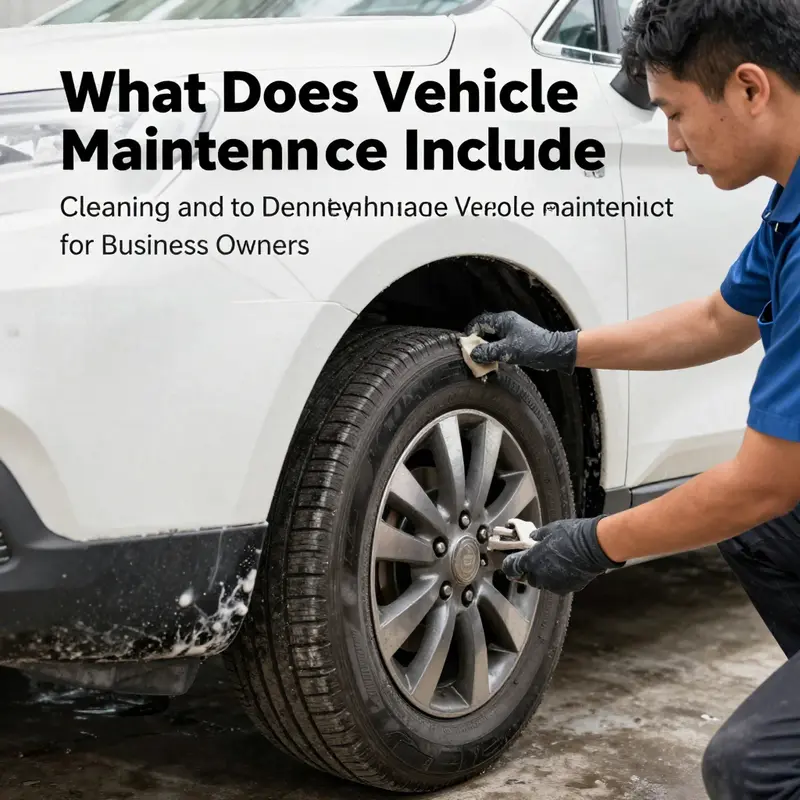
Maintenance is commonly understood as regular inspections, fluid changes, and component replacements. Yet a vehicle’s cleanliness and the control of contaminants are not superficial niceties. They are active safeguarding steps that protect performance, safety, and longevity. Cleanliness reduces resistance to systems, preserves sensor accuracy, and supports the reliability of crucial interfaces between metal, plastic, rubber, and electronic components. In this chapter, we explore cleaning and decontamination as a continuous, systematic part of maintenance, not a one-off detail. Framing maintenance this way helps owners and technicians see how appearance and function reinforce each other, and it explains why cleaners and decontaminants belong in the same workflow as oil changes and belt inspections.
Exterior cleaning begins with a proper wash that removes dirt, salt, and pollution. The sequence matters: start with pre-rinsing to loosen grit, then use a dedicated automotive soap to lift grime without attacking the finish. But dirt is a mask; embedded contaminants like tree sap, industrial fallout, and brake dust hide in the microscopic valleys of paint. Clay bar treatment is designed to pull these contaminants from the surface, restoring smoothness and allowing wax or sealant to form a true protective barrier. The latter is essential because UV exposure, acid rain, and minor scratches can gradually degrade finish; a protective layer helps resist such damage and keeps color and clarity intact. In practice, this exterior decontamination isn’t merely cosmetic. It preserves the integrity of clear coats, reduces paint oxidation, and makes future maintenance tasks more effective by allowing better inspection of the surface for rust or micro-damage. The decontamination steps also help identify paint damage such as micro-scratches that might not be visible after a quick wash, and they reveal areas where undercoatings or sealants may be thinning. Seasonal cycles, road chemistry, and environmental exposure all influence how aggressively or frequently you should decontaminate the surface, especially on wheels, undercarriage, and door jambs where salt and grit accumulate. Regular exterior care thus becomes part of a strategic plan to keep the body panels true to their original geometry and protective layers intact, which in turn supports aerodynamics and fuel efficiency over time.
Interior decontamination focuses on the air you breathe and the surfaces you touch. Regular vacuuming removes loose dirt and debris that can abrade fabrics and accumulate in crevices. Steam cleaning can reach deeper into upholstery and carpets, loosening oils and spills that attract dirt if left untreated. Shampooing helps treat stains and refresh materials, while appropriate cleaners and protectants are chosen for different substrates—leather, vinyl, plastics, and fabric. Special attention goes to air vents, door pockets, and under floor mats, where dust accumulates and allergens can breed if ignored. Clean interior surfaces reduce odors and create a healthier cabin environment, but they also prevent premature wear on materials that can become stiff, brittle, or faded if exposed to repeated spills and sun exposure. The goal is not merely cleanliness; it is a balanced restoration that sustains tactile feel, color, and resilience over time. A thorough interior cleanse also improves the accuracy of climate control components by reducing dust buildup in sensors and ducts, which can otherwise lead to fluctuating temperatures or reduced filtration efficiency. Across cabins with heavy use or multiple occupants, this scrutiny becomes even more important as it directly ties to comfort and concentration during long drives.
Interior cleaning and exterior decontamination have informational value for the broader maintenance agenda. When surfaces are free of grime and corrosive residues, inspections reveal the true condition of components, brackets, seals, and connections. For example, a clean battery terminal is less prone to corrosion that would compromise starting reliability, while a clear windshield allows safer perception of road hazards. This perspective aligns with broader guidelines that emphasize routine care to prevent corrosion, deterioration, and early fatigue of materials. The U.S. Department of Transportation guidance underscores that consistent cleaning supports material longevity and system reliability under challenging weather and road conditions. The practice also informs decisions about when to perform more intensive services, such as underbody treatments or interior fabric protection, ensuring that preventive steps are aligned with the vehicle’s design and operating environment. In modern vehicles, where sensors and connectors are tucked away in tight spaces, cleanliness becomes a diagnostic ally—heavy grime can mask leaks, misalignments, or degraded insulation that would otherwise go unnoticed until a failure occurs.
Adopting a practical approach to cleaning means planning these steps as part of regular service intervals rather than reacting to visible mess or odors. Exterior decontamination should follow a gentle, methodical sequence: wash, decontam, rinse, seal. Interior care should be scheduled to match the vehicle’s use and climate, with particular emphasis on removing moisture, controlling humidity, and preventing mold growth in damp spaces. The goal is to sustain a reliable baseline condition across the vehicle’s life, and it supports the broader maintenance framework by ensuring that sensors read correctly, seals stay supple, and coatings maintain their protective properties. Even routine tasks like checking fluid levels or inspecting belts benefit when the vehicle’s surfaces are free of grime, because contaminants can obscure wear or misalignment that otherwise would go unnoticed. Thoughtful cleaning also reduces the likelihood of cosmetic damage being misinterpreted as functional trouble during inspections, which helps owners avoid unnecessary repairs or replacements and keeps maintenance costs predictable.
Seasonal and environmental considerations further underscore why cleaning belongs in the core maintenance plan. In harsher climates, cleaning takes on added importance. Road salt in winter accelerates corrosion; mud and sand in off-road conditions wear at seams and undercarriage components. Regular decontamination and protective sealing counteract these effects, reducing the gap between maintenance visits. When the exterior finish is well maintained, minor scrapes and resinous contaminants are less likely to become sources of deeper damage. The interior benefits from reduced moisture and less particulate intrusion, which means less stress on HVAC systems and longer life for upholstery fibers. In any environment, a deliberate, repeatable cleaning routine reinforces the broader maintenance strategy and helps owners react to evolving conditions with confidence rather than improvisation. The discipline also supports resale value, as a well-kept vehicle signals a history of attentive care and fewer hidden issues.
Maintaining cleanliness also ties into safety and cost efficiency. Clean headlights and taillights maximize visibility, and clear lenses reduce glare for other drivers. Clean windows and mirrors are a direct safety enhancement, especially in poor weather. Clean interiors support driver focus by reducing odors or clutter that can distract during critical moments. From an economic perspective, the smoother a vehicle looks and feels, the longer it can retain value, and the less likely a minor issue will be misinterpreted as a major fault during service. The upkeep of cleanliness thus intersects with the economics of maintenance: it lowers the probability of hidden damage and helps technicians detect real faults early, which can lower repair costs and downtime. It also fosters a proactive mindset in owners, encouraging them to view maintenance as a continuous, integrated practice rather than a string of isolated tasks.
To keep this integrated approach from becoming overwhelming, many owners schedule routine cleaning as a parallel track to fluid changes and part inspections. This makes it easier to maintain a baseline condition across the vehicle’s life, and it supports the idea that maintenance is a continuous, proactive practice rather than a series of reactive fixes. For readers curious about how this philosophy connects with broader maintenance concepts, What Is Vehicle Maintenance provides a concise framework that places cleaning and decontamination in the larger ecosystem of vehicle care. See also the linked resource for a broader regulatory and safety framework.
Internal link: What Is Vehicle Maintenance
External resource: U.S. Department of Transportation Vehicle Maintenance Guidelines
What Vehicle Maintenance Includes: A Thorough Tour of System Checks and Fine-Tuning
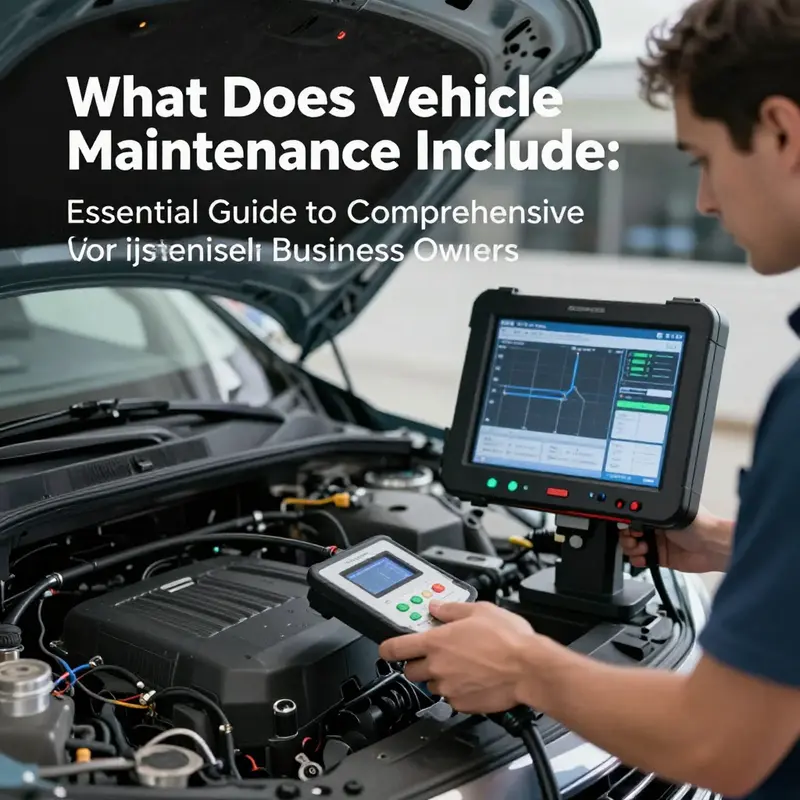
Maintenance is not a single chore but a continuous conversation between a vehicle and its owner or technician. It rests on the idea that safety, reliability, and longevity come from regular, informed attention to how each major system behaves in daily use. When you approach maintenance as a holistic practice, you begin to see how seemingly small tasks accumulate into meaningful benefits: fewer unexpected breakdowns, steadier performance, lower operating costs over time, and a vehicle that retains its value longer. The picture that begins to emerge is one of system-wide health, where preventive actions are timed, targeted, and executed with attention to manufacturer guidance, operating conditions, and the realities of real-world driving. The result is not just a smoother ride, but a more confident, safer ownership experience.
The engine is the heart of the vehicle, and its care is foundational. Regular maintenance involves inspecting and replacing the engine oil and the oil filter, a routine that cannot be neglected if internal parts are to slide against one another with minimal friction. Fresh oil carries away heat and debris, protecting bearings from wear and reducing the chance of sludge formation. Alongside the oil, the air filter deserves a check to ensure clean air reaches the combustion chamber; a clogged filter starves the engine of oxygen, reducing efficiency and potentially elevating emissions. Spark plugs, which ignite the air-fuel mixture, are another checkpoint. Worn plugs can cause misfires, rough idling, or reduced power, especially under load. The timing belt or chain is a critical component that, if overlooked, can lead to catastrophic engine failure. Inspection and replacement at manufacturer-recommended intervals prevent such a dramatic failure and preserve timing precision, which in turn sustains smooth acceleration and efficient fuel use.
Beyond the engine itself, the cooling and lubrication systems form a protective envelope around the moving parts. Coolant levels and the condition of the coolant mixture must be checked regularly, because an overheating engine can suffer irreversible damage in a short span. The radiator, hoses, and water pump are also inspected for leaks, cracks, or signs of wear. While the cooling system keeps temperatures in check, lubrication points throughout the vehicle—such as chassis joints, suspension linkages, and door hinges—receive attention to minimize metal-on-metal wear during operation. Proper lubrication reduces friction, dampens noise, and helps components operate freely under stress, whether on a long highway run or a brief city trip.
The braking system stands as the frontline of safety, and its maintenance is about more than just when the pedal goes to the floor. A careful inspection of brake pads and rotors for thickness and wear is essential, because worn components dramatically affect stopping distance and feel. Brake fluid is a critical but often overlooked fluid; moisture can accumulate over time, diminishing braking efficiency and increasing the risk of brake fade. Periodic flushing and replacement of brake fluid, typically every couple of years depending on the vehicle and usage, helps maintain consistent braking performance. In tandem with pads and fluid, the overall integrity of the brake system—calipers, lines, and the master cylinder—should be monitored for leaks or signs of performance degradation. This comprehensive check keeps stopping power predictable when real-world demands rise, such as emergency braking or descending steep grades.
The suspension and steering systems influence how a vehicle carries weight, absorbs irregularities in the road, and responds to driver input. The suspension includes components like shock absorbers or struts, control arms, and bushings, all of which wear gradually. A careful inspection looks for signs of leaking shocks, worn bushings, or loose rubber mounts. When these parts wear, ride quality declines, and handling becomes less stable, especially on uneven pavement or during cornering. The steering system is evaluated for play, alignment, and the performance of elements such as tie rod ends and the steering rack. Excessive steering play or vague feedback can indicate wear or misalignment that should be addressed to preserve precise control and safety. Together, these checks ensure the vehicle maintains its intended ride height, grip, and steering feel, so even modest road blemishes don’t translate into unsettling reactions on the driver’s end.
Electrical and lighting integrity underpins visibility, reliability, and comfort in everyday driving. Electrical tests assess battery health, alternator output, and wiring integrity, while lighting checks ensure headlights, brake lights, turn signals, and interior illumination perform as designed. A marginal battery or a failing alternator can leave you stranded, so measuring voltage and charge capacity, along with monitoring for voltage dips during cranking, forms a prudent part of routine maintenance. Lighting, often the most visible safety feature, must be correctly aligned and bright enough to illuminate the road and warning signals without dazzling oncoming traffic. In modern vehicles, electrical health also touches sensors and small actuators that support everything from climate control to electronic stability features. A steady, thorough verification of these elements minimizes the chance that a small electrical issue becomes a roadside concern.
Tire and wheel maintenance is both a safety and efficiency concern. Tires should be checked for proper inflation, which improves fuel economy and handling while reducing the risk of uneven wear or a blowout. Tread depth is a direct measure of grip, especially in wet or slippery conditions, where shallow tread can dramatically compromise braking performance. Regular tire rotation—typically every 5,000 to 8,000 miles—promotes even wear between front and rear tires, extending their life and maintaining balanced handling characteristics. Wheel alignment and balancing are additional actions that keep straight-line tracking and steering responsiveness in line with the vehicle’s geometry, preventing rapid, uneven tire wear and preserving predictable steering feedback. When tires wear unevenly or lose air too quickly, the whole drivetrain begins to compensate, often at the cost of efficiency and safety.
The transmission and drivetrain deserve their own careful scrutiny because they translate engine power to motion in ways that deeply affect performance and efficiency. For automatic transmissions, technicians monitor transmission fluid levels and condition, performing a fluid change in accordance with the manufacturer’s schedule. Dirty or degraded transmission fluid can lead to slipping, erratic shifting, or harsh engagements, particularly as temperatures rise or driving demands increase. Manual transmissions have their own fluid and spacing considerations, but the underlying principle remains: fluids must remain clean and at the correct levels to protect gears and bearings from wear. The drivetrain also includes the driveshaft, universal joints, and differentials, all of which should be inspected for signs of leaks, vibrations, or unusual noises. Small leaks can grow into big problems, and vibrations may indicate misalignment, worn joints, or imbalances that demand early attention.
The exhaust system, although sometimes out of sight, plays a critical role in performance, emissions, and safety. The exhaust path—muffler, catalytic converter, and exhaust manifold—needs to be free of leaks, rust, or damage. Leaks can alter engine efficiency and raise emissions, while a compromised exhaust can introduce dangerous gases into the cabin or yard of the vehicle. Routine inspection helps catch corrosion around hangers, clamps, or pipes before a leak becomes a hazard. As emissions regulations and fuel efficiency pressures continue to shape modern design, a sound exhaust system remains a visible marker of the health and maintenance discipline applied to the whole vehicle.
Across all these systems, diagnostic and computer checks have become an essential companion to physical inspections. Modern vehicles rely on electronic control units to manage engine timing, fuel delivery, emissions, and countless other functions. An OBD-II scanner can reveal diagnostic trouble codes that point to problems before they become obvious symptoms in performance. Interpreting these codes requires expertise, but the value is clear: early warnings allow timely repairs, protecting against cascading failures and costly downtime. In practice, a maintenance routine blends hands-on checks with digital reading, ensuring that both mechanical wear and hidden faults are brought into view and addressed.
All of these elements—engine, cooling, brakes, suspension, electrical systems, tires, transmission, exhaust, and diagnostics—come together in a coherent maintenance philosophy. The aim is preventive care rather than reactive fixes, guided by a schedule that aligns with each vehicle’s design and the realities of how it is driven. A disciplined approach saves money in the long run by preventing major failures, preserving performance, and extending resale value. For readers seeking a concise synthesis of these ideas, a foundational overview of what is vehicle maintenance can be explored here: what is vehicle maintenance.
In practical terms, this chapter’s view of maintenance invites a thoughtful cadence: consult the owner’s manual for interval guidance, perform quick checks before and after trips, and schedule professional inspections at meaningful milestones. If something feels off—a rough idle, a jangling sound, inconsistent braking, or lights that behave erratically—treat it as a signal to investigate rather than a nuisance to ignore. The goal is not perfection but reliability, safety, and predictability in the face of daily demands. When maintenance becomes a steady habit rather than a checklist of disparate tasks, the vehicle’s health becomes a living, trackable metric—one that informs every ride, from the routine commute to the occasional road trip.
External resource: https://www.caranddriver.com/vehicle-maintenance-checklist
Final thoughts
In conclusion, establishing a comprehensive vehicle maintenance plan is crucial for business owners to enhance safety, efficiency, and longevity of their fleet. By integrating regular inspections, timely fluid changes, effective lubrication, thorough cleaning, and systematic checks, businesses can minimize downtime and reduce unexpected repair costs. This proactive approach not only protects your investment but also ensures that your vehicles are always ready to support your operations seamlessly.