

Engine oil consumption in vehicles is a crucial concern for business owners committed to maintaining their fleet’s performance and efficiency. Understanding the causes of engine oil burning can save time, money, and prevent potential engine damage. This article breaks down the primary contributors, including worn or damaged parts, crankcase issues, and the importance of routine maintenance practices. Each section will provide insights and actionable solutions that will help you ensure your vehicles operate smoothly and efficiently, keeping your business on the road.
When Worn Parts Turn Oil into Smoke: A Cohesive Look at Why Engines Burn Oil and How Maintenance Stitches It Back Together
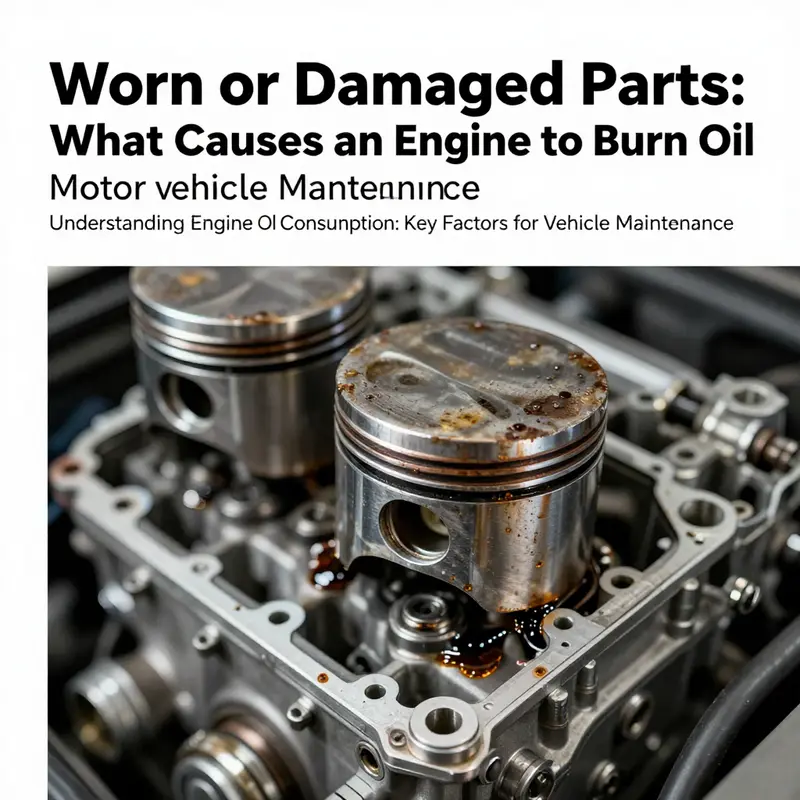
Oil burning in an engine is a signal written in blue-gray smoke and rising oil consumption, a symptom that something inside the heart of the machine has begun to fail. The simplest way to think about it is this: the engine was designed to burn air and fuel in a controlled chamber, not to burn oil. When wear or damage compromises the seals that keep oil where it belongs, the oil slips into places it should not go, where it meets flame and heat and becomes part of the exhaust. The result is not only a smoky tailpipe but a cascade of downstream effects—reduced efficiency, higher emissions, more frequent oil top-offs, and, if left unaddressed, potentially costly damage. What makes this especially tricky is that the most common culprits are often the ones that do their work quietly, day after day, until the wear becomes noticeable enough to demand attention. Understanding the mechanics behind worn or damaged components helps drivers recognize early warning signs and take action before the problem compounds. In this chapter, the focus is on the core wear patterns that commonly turn oil into a combustion byproduct: piston rings, valve stem seals, and cylinder walls, with a careful nod to the carbon buildup and lubrication dynamics that aggravate the situation. The broader maintenance framework—oil quality, oil level, and the health of the crankcase ventilation system—support this core narrative by explaining how proper care can slow the onset of oil burning or stop it in its tracks.
The piston rings sit at the center of the combustion-sealing story. They are the tiny, hardened rings that press against the cylinder walls, creating a tight seal that keeps the high-pressure, high-temperature gases contained within the combustion chamber while simultaneously scraping excess oil from the walls. When rings wear down or become damaged, their seal loses integrity. Oil in the crankcase leaks past these worn rings and migrates into the combustion chamber, where it mixes with air and fuel and is burned with the charge. The telltale signs of this failure loop are familiar to experienced drivers: a bluish tint in the exhaust, a noticeable uptick in oil consumption between changes, and potentially increased carbon buildup on the piston crown or ring grooves. A worn ring pack can also set off a subtle chain reaction—carbon can build up in the ring grooves, which in turn reduces the rings’ ability to wipe oil off the cylinder walls. That stickiness compounds the problem, as oil is more likely to be drawn into the combustion process with each cycle. In engines with high mileage or uneven maintenance histories, this is a common trajectory, and it is precisely why mechanics often begin diagnostics with a compression test or a leak-down test to assess ring seal and cylinder integrity.
The valve stem seals, though smaller and often overlooked, play an equally important role in oil control. These seals sit at the interface where the valve stems pass through the cylinder head and allow oil to lubricate the valve guides without letting oil drain into the intake ports. If these seals deteriorate, oil can bypass the intended path and slip into the combustion chamber along with the air-fuel mixture. This problem may manifest more clearly during cold starts or aggressive acceleration, when the engine needs more oil film on the stems for lubrication and the seals are already stressed by the sudden temperature and pressure shifts. The result is not only faster oil consumption but a potential change in engine smoothness and firing behavior as the engine runs with a bit more oil-splashing and a slightly altered air-fuel ratio in play. When oil makes it past the valve stems, it also contributes to additional deposits and carbon formation in the intake and combustion zones, which then circle back to irritate the very seals that failed in the first place, creating a cycle that is hard to break without targeted maintenance.
Cylinder walls and bore wear form the third critical pillar in this wear-focused narrative. The cylinder wall is the housing for the piston’s travel, and its smoothness is essential to maintaining a proper oil film separation between metal surfaces. Over time, scoring, scratches, or bore glazing can develop from aggressive driving, poor lubrication, or abrasive contaminants in the oil. When the cylinder walls lose their pristine finish, the oil film cannot reliably separate the piston from the metal, and oil can slip past the rings or directly into the chamber in tiny, persistent amounts. The consequences extend beyond oil burning. Worn walls invite greater blow-by, which increases crankcase pressure, robs the engine of compression, and pushes more oil into the combustion pathway. The smoke you see may therefore be a sign of multiple degraded surfaces working in concert, rather than a single failing seal. This is why a seasoned technician will often look for a constellation of symptoms—oil consumption, smoke color, compression readings, and a close inspection of the ring land and bore condition—before concluding that worn components are the primary drivers.
The story would be incomplete, however, without acknowledging how other wear-driven mechanisms amplify the core issues. Carbon buildup, for instance, worsens the oil-handling problem by restricting ring movement and altering the dynamic sealing surface. It can cause rings to stick longer than they should, reducing their ability to remove oil from the cylinder walls. In turn, that stuck oil film is drawn back into the combustion chamber at higher rates, particularly under load or at higher RPMs. This is the subtle, insidious side of wear: not only do the rings wear, but the byproducts of that wear—carbon deposits and glazing—make the rings less effective even if they have not yet reached their absolute limits.
The practical upshot of this wear-focused lens is that oil burning is rarely, if ever, caused by a single, simple failure. It is often the product of several interlocking faults developing over time. A barely noticeable leak around the valve stem seals may be accelerating the oil’s access to the chamber just enough to raise oil consumption gradually. A bore that has started to glaze can compound the ring’s inability to seal, so even healthy rings fail to do their job as effectively as they once did. A faulty PCV system, while not a wear item in the classic sense, can mimic this through elevated crankcase pressure that forces more oil into the intake tract and, ultimately, into the combustion chamber. The end result is not just blue smoke but a cycle of wear that continues until maintenance intervenes. Addressing these conditions requires a careful, methodical approach to diagnosis rather than a quick fix at the first sign of smoke.
From a maintenance perspective, the emphasis should be on early detection and proactive care. Regular oil changes with the manufacturer-recommended oil grade and viscosity help maintain the oil’s film strength and cooling capability, reducing the likelihood that the seals or bore surfaces will degrade rapidly under heat and stress. The oil’s quality matters because poor oil forms sludge and deposits that accelerate wear on all moving parts. High-quality oil, with the correct viscosity, helps ensure that the oil film remains intact under high temperature and speed. This is particularly important in engines that operate under heavy loads, frequent hot-cold cycles, or higher RPM ranges. In this context, choosing the right oil is not a cosmetic choice for smoother running; it is a foundational decision that affects wear rates and, by extension, oil consumption.
The condition of the crankcase ventilation system (PCV) can appear ancillary, but it is intimately linked to how much oil finds its way into the combustion chamber. A clogged PCV valve or compromised hoses can trap blow-by gases and pressure inside the crankcase. The pressure can push oil into the intake and eventually into the combustion chamber, compounding the wear-driven pathways already described. In many vehicles, a routine PCV inspection is a quick but crucial diagnostic step that helps separate a PCV-driven oil return problem from a ring or seal failure. Similarly, maintaining proper oil level is a simple and effective preventive measure. Overfilling the crankcase can cause misting of oil into the intake, especially in high-performance engines or turbocharged configurations where the crankshaft’s motion is more dynamic and the oil is whipped into the air stream. The opposite problem—too little oil—poses its own risks, including accelerated wear and the potential to magnify the impact of any small seal or ring imperfection.
The broader maintenance context suggests several practical paths to minimize the risk of oil burning. First, adhere to the manufacturer’s service intervals for oil changes and filter replacements. Skipping or delaying changes allows sludge to accumulate and wear to accelerate. Second, use the grade and specification of oil recommended by the vehicle’s maker; a mismatch in viscosity can reduce the oil’s ability to form a reliable protective film, particularly at higher temperatures or under sustained load. The third path is to be vigilant about unusual symptoms. If blue smoke appears after a cold start, if oil consumption spikes between changes, or if you notice a dipstick level dropping with no obvious leaks, these are flags that diagnostic work is warranted. A professional assessment can determine whether worn piston rings, valve stem seals, or bore wear is at fault, or whether a PCV or oil-control issue is contributing to the observed symptoms. It is also worth noting that the diagnosis often benefits from looking at the engine’s history: mileage, maintenance cadence, and the presence of prior repairs. An engine that has endured aggressive driving or late maintenance sessions in the past tends to show wear earlier, making a more thorough evaluation prudent.
In terms of prevention and remediation, the narrative points toward a multi-pronged strategy. Where wear has not yet progressed to the point of major component replacement, targeted maintenance can arrest the problem. For instance, cleaning and reconditioning carbon buildup in the ring grooves and valve train areas can restore some sealing efficacy. In other cases, replacing worn piston rings, renewing valve stem seals, or repairing bore damage may be necessary. These are not cosmetic fixes; they are fundamental repairs intended to restore the engine’s internal sealing integrity and reduce the oil’s access to the combustion chamber. The key is to act early, guided by diagnostic findings rather than waiting until smoke becomes constant or oil consumption becomes unmanageable.
To connect the mechanics with everyday decision-making, consider how a driver translates this knowledge into a maintenance plan. If you notice blue smoke on cold starts or a rising oil level, it’s wise to schedule a diagnostic check rather than topping off oil indefinitely. The technician will typically perform a compression test to gauge ring seal, a leak-down test for exact leakage paths, and a visual inspection of the ring lands and bore surfaces. If the seals are worn, the replacement strategy will depend on the engine design, the extent of wear, and the presence of any associated damage to other lubrication surfaces. In high-mileage engines, it is common to address several wear points in a single service to reduce the likelihood of repeated visits in the near term. While this may involve a larger upfront investment, it often proves more economical than repeatedly dealing with the symptoms of oil burning.
From the perspective of maintenance philosophy, treating oil burning as a symptom rather than a single fault aligns with best practices in mechanical care. The aim is to preserve the engine’s integrity by maintaining proper lubrication, sealing, and combustion control. The core idea is not to chase smoke with a quick fix, but to reduce the wear and stress that give rise to oil loss in the first place. This means staying current with oil changes, ensuring the oil meets the OEM’s viscosity and performance specs, verifying the PCV system’s function, and correcting any issues with the valve seals or ring assemblies as early as possible. In practice, a well-planned maintenance regimen that includes inspections for unusual oil consumption and exhaust smoke can significantly extend an engine’s life and keep emissions within expected ranges. The payoff is not just fewer visits to the repair shop; it is a more resilient engine that sustains performance, efficiency, and reliability under the demands of daily driving.
For readers who want to explore related maintenance considerations in practical terms, a deeper dive into oil-type selection and its impact on engine longevity can be worthwhile. The choice of oil grade and viscosity is a cornerstone of preserving sealing surfaces and oil control in many engines. A resource such as the Jeep Wrangler oil type essential guide for optimal performance offers a focused look at how manufacturers’ recommendations translate into daily care and performance. This connection illustrates how maintenance choices—down to the цифпов of viscosity—can influence wear behavior and the likelihood of oil consumption over time. While the specifics may vary by engine design, the underlying principle stands: appropriate lubrication under the right conditions is a foundational pillar of preventing oil from becoming a combustion fuel.
In sum, oil burning driven by worn or damaged components revolves around three central actors: piston rings, valve stem seals, and cylinder bore conditions. Each of these elements contributes to the broader seal and lubrication ecosystem that keeps oil out of the combustion chamber. The wear on one component can aggravate wear on others, especially when carbon buildup, oil viscosity, and crankcase pressure interact. The practical lesson for drivers is clear: monitor oil consumption, respond promptly to smoke or unusual smells, and adhere to a disciplined maintenance schedule that emphasizes quality oil, proper filtration, and functional PCV systems. The result is a more durable engine that preserves its performance and avoids the cascading costs of oil burning. For those curious to explore how specific maintenance choices affect oil behavior in engines, the linked resource on oil types provides a tangible, actionable starting point and reinforces the broader message that maintenance is not a one-off task but a continuous commitment to the engine’s health. As always, when in doubt, a professional diagnosis can separate wear-driven oil consumption from other lubrication or fuel-system issues and guide a realistic, effective repair plan.
External reference for further reading: For a detailed explanation of why cars burn oil and what to do about it, see Mechanic Master – Why Does My Car Burn Oil? https://www.mechanicmaster.com/why-does-my-car-burn-oil/
Internal resource note: For a practical look at oil grade choices and how they influence engine longevity, see the Jeep Wrangler oil type essential guide for optimal performance. This resource offers focused guidance on selecting the right oil for modern engines and underscores how viscosity and formulation intersect with wear and sealing performance. You can read more here: Jeep Wrangler oil type essential guide for optimal performance.
Crankcase Troubles: Decoding Why Engines Burn Oil and How Proactive Maintenance Stops the Slippage
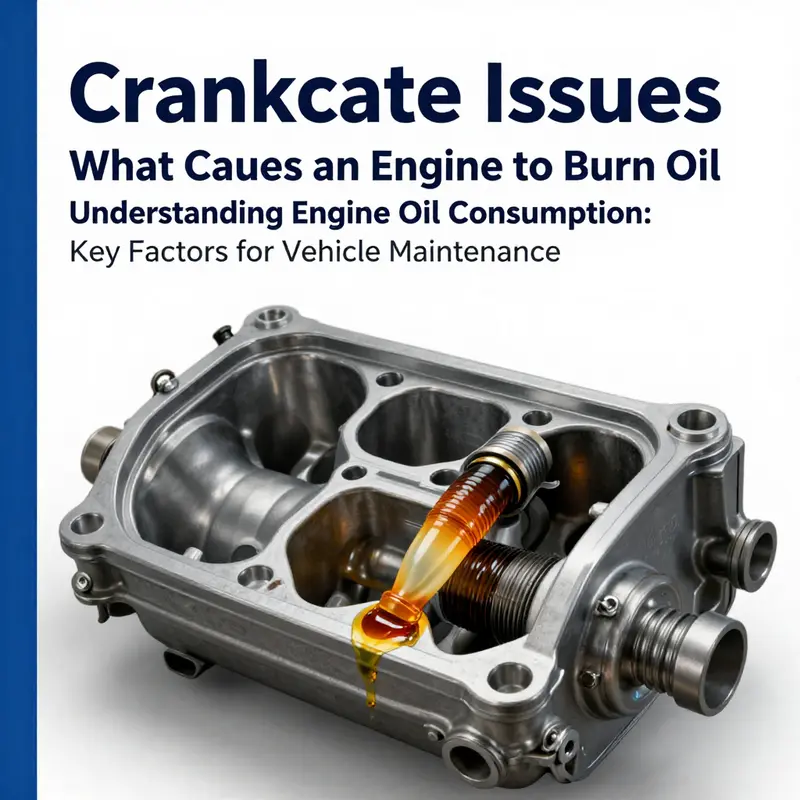
Oil burning in an engine often carries a quiet warning with it—blue or gray smoke, a subtle perfume of burnt oil when you pull away, and a steady drop in oil level that isn’t matched by visible external leaks. This problem is especially unsettling because it robs you of fuel efficiency, increases emissions, and can quietly accelerate wear and tear if ignored. The crankcase sits at the heart of this issue because many of the events that cause oil to vanish from its intended home originate there. The seals and passages designed to keep oil contained and out of the combustion chamber can degrade, shift, or clog, and when they do, oil can slip into places where it is burned rather than used for lubrication. The result is not just a smoky exhaust but a signal that the engine’s health is slipping and that the maintenance routine needs to become more attentive, not just more frequent. The challenge is to read the signs correctly and distinguish between a minor, temporary hiccup and a major, costly fault. That discernment starts with understanding the most common crankcase–related culprits and how they manifest in everyday driving.
At the core of most oil-burning issues are failures in the components that seal the crankcase and scrape excess oil off the cylinder walls. Piston rings are the frontline barrier between the combustion chamber and the crankcase. When rings wear or become damaged, they lose their ability to form a tight seal against the cylinder walls. Oil that should be scrapped back into the crankcase can instead slip past the rings and find its way into the combustion chamber. Once there, it is burned along with the air-fuel mixture, contributing to blue smoke and a steady drop in oil level. This isn’t just an old-engine problem; it can also appear on higher-mileage engines that have seen a lot of heat cycles and combustion stress. The image of worn rings evokes a chain of effects: reduced compression, more blow-by gas, and the crankcase pressurizing slightly as the piston moves, which further challenges the seals that keep oil where it belongs.
Another familiar villain is the valve stem seal. These small, pliant seals keep oil from dripping down the valve stems into the combustion chamber through the intake and exhaust paths. As engines age or experience heat and chemical exposure, these seals can harden, crack, or fatigue. When they fail, oil can sneak down the stems and enter the combustion stream. The telltale sign is often a puff of blue smoke during cold starts or a sudden burst of smoke when you accelerate after a stop, sometimes described by drivers as morning smoke. It can be easy to misinterpret as a moist intake issue, but the timing and scent of the smoke usually point toward valve stem seals or related valve area leakage.
A third major factor is the PCV system—the Positive Crankcase Ventilation setup that recirculates blow-by gases back into the intake for re-burning. The PCV valve and its hoses are a small, interconnected network that can become clogged or sticky over time. When the PCV path is obstructed or the valve fails, crankcase pressure builds. That pressure can push oil out through seals and gaskets, increasing oil consumption and sometimes producing sludge as contaminants accumulate. A malfunctioning PCV system can therefore feed a double trouble: more oil entering the combustion chamber and more sludge forming within the crankcase, which further compromises lubrication and seals.
Beyond seals and valves, there are mechanical and design factors that contribute to oil burning. Cylinder wall wear or scoring is a serious condition that occurs when the walls become scratched or grooves form due to poor lubrication, debris in the oil, or aggressive operation. When bore scoring happens, piston rings lose their effective scraping action, allowing more oil to escape into the combustion chamber. In extreme cases, the engine may require honing or boring to restore proper surface finish and ring sealing. Turbocharged engines add another layer of potential trouble: turbocharger seals. The turbo uses engine oil for lubrication and cooling, and if its seals deteriorate, oil can leak into either the intake or exhaust systems. The result is persistent blue smoke that often grows more noticeable under load or acceleration as the turbo fails to maintain its separation between oil and the air stream feeding combustion.
Oil management itself can contribute to the problem. An excessive oil level can be as problematic as an oil that’s too thin. If the crankshaft whips oil into a fine mist, that mist can be drawn into the intake and burned. This anomaly is more common in high-performance or turbocharged engines where the lubrication system is under higher stress. Conversely, using oil that’s too thick or too thin for the engine’s design can disrupt the formation of a stable lubricating film. When the film is unstable, metal-to-metal contact increases, wear accelerates, and the chance of oil slipping past rings and seals grows.
Carbon buildup is another subtle yet important factor. Carbon and sludge can accumulate in ring grooves and oil passages, making it harder for rings to scrape oil off the cylinder walls. When the ring lands are obstructed, oil remains in the chamber rather than being scraped into the crankcase. The result is a cycle of rising oil consumption and worsening deposits that can become self-perpetuating if not checked. Similarly, oil quality plays a role. Poor-quality or incorrect oil can form sludge or fail to maintain a consistent lubricating film under heat and stress. Sludge clogs passages, trapping oil and intensifying seal wear. The chain of events can begin from the simplest misstep: filling with the wrong viscosity or an oil that doesn’t meet the engine’s detailed specifications.
From a diagnostic perspective, the signs are often interconnected. You may notice blue or gray exhaust smoke, especially during startup or acceleration, accompanied by a gradual, sometimes barely perceptible, drop in oil level. External leaks are not always apparent; the oil is being consumed internally rather than escaping through a defined spot on the engine’s exterior. A compression test or a leak-down test can reveal whether worn rings or valve issues are allowing blow-by to escape, while a thorough PCV assessment can confirm whether the crankcase is venting correctly. In some cases, a dedicated oil analysis can shed light on the presence of metal fragments or unusual viscosity changes that point toward bore wear or ring deterioration. A careful inspection of the PCV valve and its hoses is a simple, low-cost step that often yields immediate clues.
The diagnostic journey does not end with testing. It continues with a practical plan for remediation that respects the engine’s age, usage pattern, and the owner’s willingness to invest in repair versus replacement. For milder instances—where deposits or seal softening are the culprits and the engine otherwise remains healthy—cleaning deposits, replacing a worn PCV valve, or restoring ring elasticity with targeted treatments may offer a window of relief. In more severe scenarios, where cylinder walls show scoring or rings have lost their tension, the repair scope expands to cylinder bore work, ring set replacement, or even more substantial engine work. It’s essential to understand that while some fixes address symptoms and provide temporary relief, others tackle the root causes that, if left unaddressed, will continue to erode engine life.
From a maintenance standpoint, prevention and early detection are your best defense against oil burning. Regularly scheduled oil changes with the manufacturer-recommended viscosity, avoiding overfills, and monitoring oil level trends between changes help you catch anomalies early. The PCV system deserves routine attention; a clogged valve or degraded hoses can masquerade as multiple problems, and replacing these components is a relatively affordable step that can avert more invasive repairs later. Keeping the air intake system clean, including the air filter and associated ducting, ensures that the engine isn’t pulling abnormal vacuum or dust-laden air that can compound deposits and seal wear. Carbon buildup prevention, through using appropriate fuel and staying within service intervals, complements lubrication maintenance. While all engines are different, and some configurations are more resilient than others, the underlying principle remains constant: oil management is as much about preventing intrusion into the combustion process as it is about providing lubrication inside the crankcase.
For readers who want to ground these concepts in a broader understanding of maintenance philosophy, consider reviewing the fundamentals of vehicle upkeep. A solid baseline helps you interpret symptoms without jumping to conclusions or chasing costly repairs prematurely. What is vehicle maintenanceWhat is vehicle maintenance offers a framework for how routine checks, proactive replacements, and disciplined schedules reduce the risk of oil-related problems. The aim is not to chase every ambiguous smoke plume but to build a maintenance discipline that keeps the engine’s internal environment stable and predictable. When you align your habits with the engine’s design expectations, you reduce the likelihood that seals, rings, and channels will drift out of spec—and you give yourself a better chance of catching genuine trouble before it escalates.
In the end, understanding crankcase issues is about reading signs, tracing them to their cause, and applying a measured plan that respects the engine’s design and the owner’s budget. Oil burning is not always catastrophic, but it is rarely trivial. It often signals wear that, if unaddressed, spirals into higher fuel consumption, increased emissions, and more expensive repairs. The path forward sits at the intersection of attentive maintenance, accurate diagnosis, and timely repair. With patience and discipline, a car can continue to run cleanly and efficiently, even as age and miles accumulate. And while this chapter has focused on crankcase-led pathways, the larger message applies across the entire maintenance landscape: proactive care reduces risk, protects value, and keeps performance reliable mile after mile.
External reference: For a practical overview of oil burning causes and solutions drawn from real-world maintenance experience, see this MotorTrend guide: https://www.motortrend.com/cars/why-is-my-car-burning-oil-common-causes-solutions
Oil Burning Unveiled: Maintenance Practices that Protect Your Engine from Burning Oil
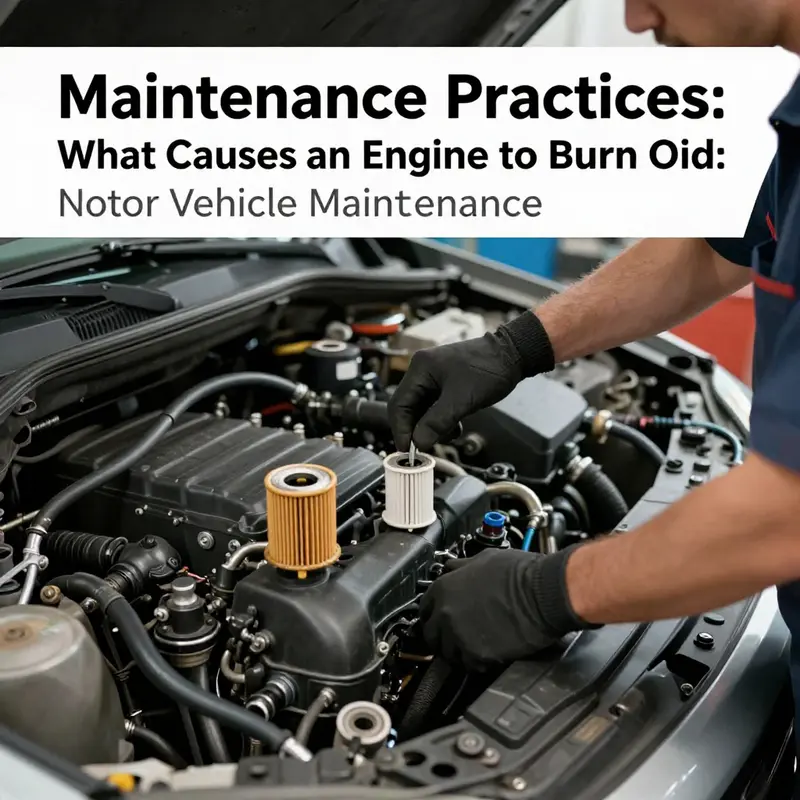
Oil burning in an engine is a telltale sign that something inside the heart of the machine is not behaving as it should. It is not just a nuisance that leaves blue smoke and an oily scent in its wake; it is a symptom of deeper wear, misalignment, and aging components that, if ignored, can threaten reliability, fuel efficiency, and, in the worst case, engine survival. The conversation about oil consumption is not a debate about a single part failing; it is a narrative about the life of an engine and how the maintenance choices you make today influence what happens tomorrow. To understand why an engine burns oil, we must look at the suite of failures that can allow oil to slip into places where it is burned, or where it can contribute to sludge, deposits, and abnormal wear. The good news is that many of these causes are not mysterious, and many of them are responsive to disciplined maintenance. The path from diagnosing an oil-burning engine to preventing future oil loss lies in recognizing how each component contributes to oil control, how maintenance routines reinforce those controls, and how simple changes in operating habits can reduce the frequency with which oil shows up as exhaust smoke or a telltale blue haze at the tailpipe.
In a broad sense, oil burning happens when oil escapes its intended lanes and enters the combustion process. A properly sealed engine uses oil to lubricate, cool, and cushion moving parts, while a precisely engineered air-fuel mix produces combustion that powers the vehicle. When that separation fails, oil can become part of the flame—either because it slips past piston rings into the cylinder, seeps down valve guides, or is drawn into the intake by a compromised crankcase ventilation system. Each path has its own telltale signs and its own maintenance fixes, but they share a common discipline: regular, specification-aligned maintenance that respects the engine’s design and the environment in which it operates. The conversation below weaves together the most common culprits with practical maintenance strategies, underscoring the idea that prevention is often the most efficient cure for oil burning.
A first principle to keep in mind is that oil never truly “disappears.” It is either burned, burned off as aerosolized droplets, or trapped in a system that fails to manage its circulation. The most familiar symptom is blue or gray exhaust and a rising oil consumption gauge over time. Some drivers notice a stronger odor of burning oil or a visible bluish tint rising from the exhaust during acceleration or after a cold start. These symptoms can point to several overlapping issues, which is why a methodical approach to diagnosis is essential. The root causes range from mechanical wear to maintenance missteps, and addressing them often involves a mix of component inspection, oil-system health checks, and adherence to the vehicle’s prescribed maintenance schedule. The aim is not merely to quiet the smoking tailpipe but to restore the engine’s internal oil management so it uses oil as intended, rather than treating it as an engine-generated consumable.
Among the most common culprits are worn piston rings and damaged ring lands. The piston rings form the seal between the piston and the cylinder wall, and they also help control the flow of oil along the cylinder walls into the combustion chamber. Over time, heat and friction wear the rings, or the lands become pitted and scored. When this happens, oil can bypass the rings and ride up onto the piston surface, where it mixes with the air-fuel mixture and burns. The result is a distinct blue-tinged smoke that grows more noticeable as the engine loads up under acceleration. The maintenance takeaway is straightforward: keep an eye on oil change intervals and use oil that matches the engine’s design specifications. Worn rings are a wear-out problem, but early detection comes from monitoring oil consumption and exhaust characteristics. If blue smoke appears consistently during acceleration or after a cold start, a professional compression test and oil-sealing inspection can confirm the ring condition. While replacing rings is a substantial repair, timely maintenance, avoiding aggressive driving while the engine is young, and ensuring the engine has had clean, consistent lubrication can slow the onset of this wear and extend the life of the rings.
Another frequent source is valve stem seals. These seals regulate oil flow from the head of the engine down into the intake ports or the valve guides. As engines age, seals harden and crack under thermal cycling, or they shrink as gaskets settle. When seals fail, oil can seep into the valve guides and enter the combustion chamber, particularly noticeable during idle or deceleration when the intake manifold is drawing air at low velocity. The result is a morning-smoke-like haze at startup that fades after the engine warms, or a subtle but persistent exhaust odor. The fix centers on replacing worn seals and ensuring gaskets and related components are not allowing oil to bypass the seals. In many engines, valve-seal replacement requires careful disassembly, but the payoff is significant: it reduces oil consumption and restores smooth idle and cold-start behavior. Regular inspection of valve train components and adherence to service intervals for gasket and seal replacements are prudent parts of preventive maintenance.
A third major factor is the PCV—Positive Crankcase Ventilation—system. The PCV system is designed to manage crankcase pressure by routing blow-by gases back into the intake for combustion. If the PCV valve becomes clogged, or if hoses or intake connections deteriorate, the crankcase experiences elevated pressure. This pressure can push oil past seals and gaskets, causing a slow, persistent consumption that manifests as higher oil use and sometimes a slight increase in exhaust emissions. Poor PCV performance also correlates with sludge formation because it hampers the evacuation of blow-by gases and oil vapor. Maintenance fix: inspect the PCV system at scheduled service intervals, replace a clogged PCV valve, and replace damaged hoses. The PCV valve is relatively inexpensive but plays a surprisingly critical role in controlling crankcase pressure, and its failure is a common, often overlooked contributor to oil burning. A routine PCV check is a wise investment in engine health, even for engines with otherwise low oil consumption.
Oil level management also plays a pivotal role. Overfilling the crankcase is more than a minor transgression; it can induce oil being whipped by the crankshaft, creating an aerosol that enters the intake or exhaust. This problem is especially common in high-performance or turbocharged engines, where the crankcase experiences higher centrifugal forces. The result is not only increased oil consumption but additional wear in places that are not designed to handle oil mist. The maintenance implication is simple: always follow the manufacturer’s oil-capacity guidelines and avoid overfilling after an oil change. If you suspect overfill, drain to the correct level and monitor consumption over subsequent miles to confirm stability.
Turbocharger seals deserve a separate note, because turbocharged engines introduce a dedicated pathway for oil to escape into the intake or exhaust. The turbo uses engine oil to lubricate its bearings, and when the seals degrade or replacement intervals are ignored, oil can seep into the exhaust or be drawn into the intake. The blue smoke signature during hard acceleration is a classic clue. Maintenance response is twofold: ensure the turbo is properly lubricated with clean oil of the correct viscosity, and verify that the seals are intact. Turbos respond to good lubrication and clean oil just like any other portion of the engine, but their seals are particularly sensitive to oil quality and pressure. If a turbo seal failure is suspected, it is a job that often involves the replacement of the turbo or seals along with an assessment of crankcase pressure and oil supply lines.
Beyond these specific components, more diffuse wear and deposition processes can create conditions favorable to oil burning. Cylinder-wall wear from long-term use with insufficient lubrication or poor oil quality can lead to scoring and reduced ring seating. When the walls lose their smoothness, the rings ride unevenly, and oil can slip past. Carbon buildup on piston rings and ring grooves is another quiet offender. Carbon acts like a stiff, adherent layer that prevents rings from scraping oil effectively, allowing it to migrate into the combustion chamber. Sludge, a byproduct of degraded oil and infrequent changes, can clog oil control rings and alter the way oil coats the cylinder walls. The result is a slow, progressive increase in oil consumption that may only become obvious at higher engine loads. The fix is preventive maintenance—timely oil changes with the right oil specification, occasionally accompanied by a professional flush if sludge is suspected. Regular oil-system cleaning, especially on engines with a long service history, can keep sludge at bay and preserve proper oil control.
Viscosity matters, too. The wrong viscosity oil—whether too thin for the operating temperature range or too thick for the season or engine wear level—can alter how oil forms a protective film. A film that is too thin may break under high heat and pressure, allowing oil to reach critical wear surfaces; one that is too thick can hamper piston-ring sealing and slow down oil drainage. The lesson here is not to chase performance numbers but to adhere to the viscosity specified by the manufacturer for the engine in its current state. This is particularly important when engines age and internal clearances change, or when climate and driving patterns shift. A routine viscosity check, especially during major service events, helps ensure the oil film remains robust under the engine’s real-world operating conditions.
A related but often overlooked factor is air quality within the intake system. A severely clogged air filter can create negative pressure in the intake and pull oil from the crankcase into the combustion chamber. While this is less common than ring wear or PCV issues, it is a reminder that even the air path matters for oil management. The intake system should be free of obstructions and debris to maintain stable airflow and avoid unintended oil migration along the path into the cylinders. Routine air-filter inspections and replacements, aligned with the maintenance schedule, contribute to overall oil-control performance.
The build-up of carbon and sludge itself is often a signal that maintenance quality has lagged. It is not merely the result of a single bad oil change but a pattern of neglect—miles racked up between changes, using a subpar oil, or skipping important service items. When a car has not had timely oil changes or has been run with the wrong viscosity, the oil becomes less effective at forming the protective film and at washing the cylinder walls and rings. Over time, that reduced lubrication invites wear and invites oil to become a routine occupant of the combustion chamber. In this sense, oil burning becomes a narrative about maintenance discipline. The solution is to return to a regime of timely oil changes, use only the manufacturer-recommended oil grade and spec, and perform periodic inspections of seals, gaskets, and the PCV system.
The recommendations culminate in a philosophy of preventive care. The sooner you address early signs of oil consumption, the cheaper and simpler the fix tends to be. Start by confirming that the oil level and quality meet the vehicle’s specification. Use the correct grade, avoid cheap blends that may create varnish or sludge, and replace oil filters at the intervals the manufacturer prescribes. Then move to the mechanical checks: inspect piston rings as part of a larger engine health evaluation, review valve seals and guides, and confirm the PCV system is free of clogging and leaks. Don’t overlook the water-cooled and oil-cooling circuits, as overheating can magnify wear and accelerate oil loss. If you are unsure of the condition of seals or if the vehicle has an unusual exhaust signature, a professional diagnostic session that includes compression tests, leak-down tests, and PCV system evaluation can help illuminate the precise path oil is taking into the combustion chamber.
To anchor this discussion in practical steps you can take today, consider the following approach. Begin with a thorough oil-change routine that honors the vehicle’s specification and uses a high-quality oil and filter. Track oil consumption over several hundred miles after the change; if consumption remains steady, you have at least ruled out several wear-related causes. If consumption increases, consult a professional to perform a compression test and inspect the piston rings and valve-seal areas for signs of wear or leakage. Simultaneously, inspect the PCV valve, hoses, and connections for cracks or clogs. Replace any components that show signs of deterioration. Check the air intake system for obstruction and replace the air filter if it looks dirty or restricted. If the vehicle has a turbocharger, examine the turbo oil lines and seals for seepage or unusual pressure symptoms, and consider a turbo-specific inspection if blue smoke appears under boost.
An integrated maintenance mindset also means planning ahead for potential wear as the vehicle ages. If your engine has accumulated significant mileage, plan for a proactive inspection of rings, seals, and the PCV system during major service intervals. These checks can uncover wear before it manifests as noticeable oil burning, allowing you to convert what could become a costly repair into a manageable maintenance task. The goal is not to chase perfection but to preserve reliability and performance by aligning maintenance practices with the engine’s real needs and its operating environment. Modern engines, despite their sophistication, still rely on human discipline to keep the oil where it should be and out of places where it should not be. By treating the maintenance routine as a living plan—one that adapts to mileage, climate, and driving style—you reduce the odds that oil will become a constant guest in your combustion chamber.
If you want to take a broader view on how maintenance underpins engine longevity, consider this resource that frames maintenance as a strategic practice rather than a series of patchwork repairs. What is Vehicle Maintenance helps situate the day-to-day checks you perform in the life cycle of your engine, reinforcing the idea that consistent, specification-aligned care is the best defense against oil-related issues. For readers who want to explore this concept further, see: What is Vehicle Maintenance.
In sum, oil burning is rarely the result of a single dramatic failure. It tends to emerge from a constellation of wear, deposits, and system malfunctions, all of which can be mitigated or delayed through thoughtful maintenance. Regular oil changes with the correct viscosity, vigilant monitoring of oil level and consumption, timely attention to the PCV system, valve seals, and piston-ring condition, and a disciplined approach to air intake cleanliness all contribute to keeping oil in the engine where it belongs. The maintenance practice you adopt does not merely prevent blue smoke; it preserves compression, reduces friction, and protects your engine’s long-term health. The more attentive you are to the engine’s lubrication balance, the more you extend its usable life and the more reliable your vehicle becomes across miles and seasons.
For those who want a broader, research-informed perspective, recent automotive literature highlights the variety of pathways that lead to oil burning and the diagnostic techniques used to differentiate them. The broader consensus emphasizes early detection, adherence to OEM specifications, and a cautious approach to any symptom—whether it is a slight smoke at startup, a faint burning odor, or a rising oil gauge. These symptoms should prompt a careful inspection rather than a quick fix. The goal remains to restore proper oil sealing and flow, not merely to silence an exhaust signature. As with many mechanical systems, prevention through regular, informed maintenance yields the most durable results, keeping engines quiet, efficient, and capable of meeting the demands of daily driving without the anxious reminder of oil leaks and consumption.
External resource for deeper reading: https://www.motortrend.com/cars/why-is-my-car-burning-oil/
Final thoughts
Recognizing the various factors that cause an engine to burn oil is vital for business owners. By addressing worn or damaged parts, resolving crankcase issues, and adhering to consistent maintenance practices, you can extend the lifespan of your vehicles and ensure they operate efficiently. Taking proactive measures not only enhances your fleet’s reliability but also prevents costly repairs and downtime. Implementing these insights into your vehicle maintenance strategy will set your business on a path to sustainable operational success.