
As a business owner relying on vehicles for operations, understanding the intersection of auto insurance and vehicle maintenance is vital. While standard auto insurance policies do not typically cover routine maintenance, there may be optional add-ons or partnerships worth exploring. This guide delves into the offerings of major auto insurance companies, the limitations of policies, the landscape of optional features, and alternative options for maintaining your fleet, helping you make informed decisions that ensure your business runs smoothly.
Maintenance Beyond the Policy: How Auto Insurance Really Interacts with Vehicle Upkeep
Maintenance sits at a curious place in auto ownership. You purchase insurance to guard against the unpredictable—accidents, theft, medical costs, and liability. Maintenance, by contrast, is the ongoing care that keeps a car running, minimizes the risk of surprise failures, and preserves value over time. In practice, standard auto insurance policies do not include routine maintenance or scheduled servicing. Across the industry, the core purpose of a policy is to restore you to your pre-incident condition, not to carry out or guarantee the regular care that keeps a vehicle healthy day after day. Because of that, the vast majority of major carriers do not bundle oil changes, brake jobs, tire rotations, or other routine servicing into the policy as a primary benefit. Instead, the policy is built to respond to damage, loss, or theft after the fact, with claims processes that address what happened, not necessarily what should have been done at the next service visit.
This separation between maintenance and protection matters for a driver who wants predictable upkeep alongside protection. It matters because it shapes decisions about how to budget for maintenance, where to seek care, and how to interpret any add-on options that promise to bridge the gap between risk protection and ongoing service. In a market where the default is clear—the policy takes care of the unpredictable, while maintenance remains the driver’s own responsibility—consumers often encounter two broad realities: first, genuine gaps in coverage when maintenance needs arise; second, a handful of optional or affiliate programs that claim to soften the burden without turning insurance into a maintenance plan. To understand what is realistically offered, it helps to unpack the logic behind maintenance coverage, the kinds of benefits insurers sometimes promote, and the practical steps a driver can take to stay ahead of wear and tear while keeping costs in check.
The most fundamental reason insurance does not routinely cover maintenance is tied to risk management. Routine servicing is highly predictable. Oil changes, filter replacements, tire rotations, brake pad wear, and fluid checks follow scheduled intervals that depend on the vehicle, its usage, and its environment. From an underwriting and pricing perspective, predicting safe costs for countless drivers over numerous service intervals is not compatible with the way standard auto policies are structured. Insurance pools are designed to absorb large, low-probability events—such as a sudden collision, a flood, or a theft—not the cumulative, small expenditures that accumulate with regular care. If maintenance were embedded in a policy, pricing would become opaque and likely less favorable for those who drive gently and maintain their cars well, and more favorable for those who routinely push a vehicle to the edge of its wear limits. In short, the math of risk transfer and the economics of pools work against routine upkeep becoming a guaranteed part of standard coverage.
That said, insurers do recognize maintenance as a genuine driver concern in several nuanced ways. Some providers offer optional add-ons or partner-based programs that give customers access to maintenance-related benefits without redefining the core policy. For example, an insurer might connect drivers to affiliated networks that provide discounted maintenance services, preferred scheduling at partner shops, or bundled roadside assistance that includes certain maintenance topics during an emergency or breakdown scenario. These arrangements are promotional or protective in nature, not a wholesale replacement for maintenance responsibility. They are designed to reduce friction, not to substitute for the owner’s obligation to keep up with routine care.
Another pathway some insurers pursue involves incentives that orientation toward maintenance discipline rather than maintenance coverage per se. Telematics-driven programs, for instance, may reward drivers who demonstrate consistent servicing in line with manufacturer guidelines. The logic is straightforward: regular maintenance reduces the likelihood of breakdowns, which in turn lowers claims risk for the insurer. When these programs exist, they tend to manifest as premium credits, deductible reductions, or other financial incentives tied to documented service activity. Importantly, participation in such programs does not turn the policy into a maintenance plan. It simply makes prudent upkeep financially attractive by aligning some cost savings with demonstrated care.
There is also a separate but related category worth noting: mechanical breakdown insurance and service contracts. These products sit alongside standard auto coverage but are not the same thing. They are designed to address repair costs arising from mechanical failures after the vehicle leaves the warranty period or after certain stated conditions. They come with their own terms, limits, exclusions, and price structures. For buyers, understanding the difference between a normal insurance policy and a separate mechanical breakdown plan is crucial, because one covers incidents and losses related to accidents and liabilities, while the other covers repair costs associated with the vehicle’s mechanical health. The important takeaway is that these are distinct offerings, and none of them should be mistaken for routine maintenance coverage.
For some drivers, lease terms or manufacturer programs introduce another wrinkle. When a car is leased, the lease agreement often includes maintenance coverage as part of the deal, or the car may come with a factory-backed maintenance plan that runs for a fixed period. In those cases, the maintenance benefits are built into the vehicle arrangement rather than the insurance policy. Similarly, new-car warranties covering powertrain or comprehensive issues can provide peace of mind about certain repairs, which can indirectly reduce the maintenance burden as the vehicle ages. Yet even here, the warranty or maintenance package exists independently from the standard liability and collision coverages in an auto policy. Understanding how these pieces fit together helps avoid double-counting benefits and ensures an owner makes the most of each program.
With that landscape in mind, how should a driver think about maintenance when shopping for auto coverage? The answer lies in the practical act of planning and the careful reading of policy documents. First, ask whether the insurer offers any maintenance-related add-ons or network benefits. If yes, what exactly is covered? Are services discounted, or are there restrictions on where maintenance can be performed? How is the cost of the add-on justified in the context of the overall premium? It is common for maintenance-related add-ons to be optional, with limitations such as a cap on annual service discounts or a set list of eligible services. The more a driver maintains a car, the more those discounts can accumulate, but the value must be weighed against the cost of the add-on itself.
Second, examine any telematics or usage-based programs. If daily driving patterns or adherence to maintenance schedules unlock premium incentives, the driver should quantify the expected savings versus the baseline premium. A key caveat is that these programs rarely offer universal forgiveness for missed services; incentives are often earned through consistent behavior rather than occasional maintenance stitching. The incentive structure matters a great deal, because it can tilt the balance toward maintaining a vehicle if the financial payoff is clear and reliable.
Third, review the gap between stated benefits and actual practice. Roadside assistance, for example, is often marketed as a supportive feature. While it can help in a pinch—toward a vehicle-down scenario—it is not a substitute for regular maintenance. The same holds for any partner discounts: discounts attract service at certain shops, but they do not eliminate the need for routine servicing. A prudent approach is to map out a maintenance calendar aligned with the vehicle’s manual and to treat insurance as a backstop for the unpredictable, not a substitute for predictable upkeep.
The practical implications for ownership become clearer when you bring in the day-to-day realities of ownership. A driver who embraces proactive maintenance tends to experience fewer unexpected repairs, higher resale value, and, over time, more peace of mind about safety and reliability. Yet the maintenance mindset does not vanish when a policy comes into play. Instead, it becomes a balancing act: you allocate resources for routine care, pursue any available maintenance-related benefits offered by an insurer or its affiliates, and rely on the policy to cover major, covered losses that are outside the driver’s control. In this framework, the role of the insurance contract is not to manage maintenance but to provide a shield against the financial shock of accidents and major mechanical failures that are not the fault of planned wear and tear.
For drivers who want a clearer picture of what maintenance means in practice, it can help to see it in a broader context. Maintenance is about preserving the vehicle’s reliability, safety, and value through regular service, timely replacements, and informed decisions about parts and fluids. It is an ongoing partner to the ownership experience, not a one-time transaction. To understand this concept more deeply, consider exploring a concise guide that explains what maintenance entails and why it matters for long-term costs and performance: https://vehicletricks.com/blog/what-is-vehicle-maintenance/
The decision to pursue maintenance-related benefits alongside auto insurance is, at its core, a question of strategy. Do you prefer a lean policy that concentrates on risk transfer and leaves maintenance entirely to you, or do you want to explore the possibility of extras that lower the friction of upkeep without erasing the responsibility of regular servicing? If you choose the former, you can still plan for maintenance with a disciplined budget and a maintenance log, which makes the costs of ownership predictable and easier to compare across vehicles and lifetimes. If you lean toward the latter, you should draft a careful shopping list before you enroll: tally the potential premium savings from telematics programs, weigh the value of any network discounts against the price of the add-on, and ensure that the maintenance discounts are real, verifiable, and usable at reputable local shops. In either scenario, the objective remains the same: keep the car safe, dependable, and valuable while managing the overall cost of ownership in a way that reflects your driving habits and priorities.
When readers move from theory to comparison, the process should feel less like negotiating a single product and more like designing a personal maintenance and protection plan. Look at the big picture: the car’s age, its warranty status, its maintenance history, and your own tolerance for risk. A fresh vehicle with a robust factory warranty and an extended maintenance program in place will look different from a high-mileage car nearing the end of its warranty window, where maintenance costs can escalate quickly. Similarly, a driver who puts in long daily commutes in harsh weather will encounter different maintenance needs than someone who mainly uses the car for weekend trips in mild seasons. A transparent conversation with an insurance agent about these variables can reveal whether any maintenance-oriented options are worth pursuing and how they fit into the overall budget. The key is to anchor expectations in reality: insurance exists to absorb the shock of the unexpected, while maintenance decisions are shaped by the vehicle’s condition, the owner’s care, and the economics of upkeep.
In the end, the absence of routine maintenance in standard auto policies is not misalignment of values but a clear delineation of roles. The policy is a contract that transfers risk, not a service contract for vehicle care. The benefits that touch maintenance tend to come in the form of optional add-ons, partner networks, or separate service agreements that operate in parallel with the policy rather than inside it. Understanding this distinction helps drivers avoid misunderstandings and makes it easier to build a financial plan that accounts for both the unpredictable events a policy covers and the predictable care that keeps a vehicle reliable year after year. If you want to see how different coverage combinations might work in practice, take the time to compare the total cost of ownership, including any maintenance-related add-ons, versus the cost of handling maintenance independently. It’s a practical exercise that aligns your insurance choices with your actual driving life and long-term goals. For those who want to explore further, independent guidance on price quotes and policy options can be found at https://www.quote.com.
Beyond the Premium: Understanding Where Vehicle Maintenance Fits (and Doesn’t) in Auto Insurance
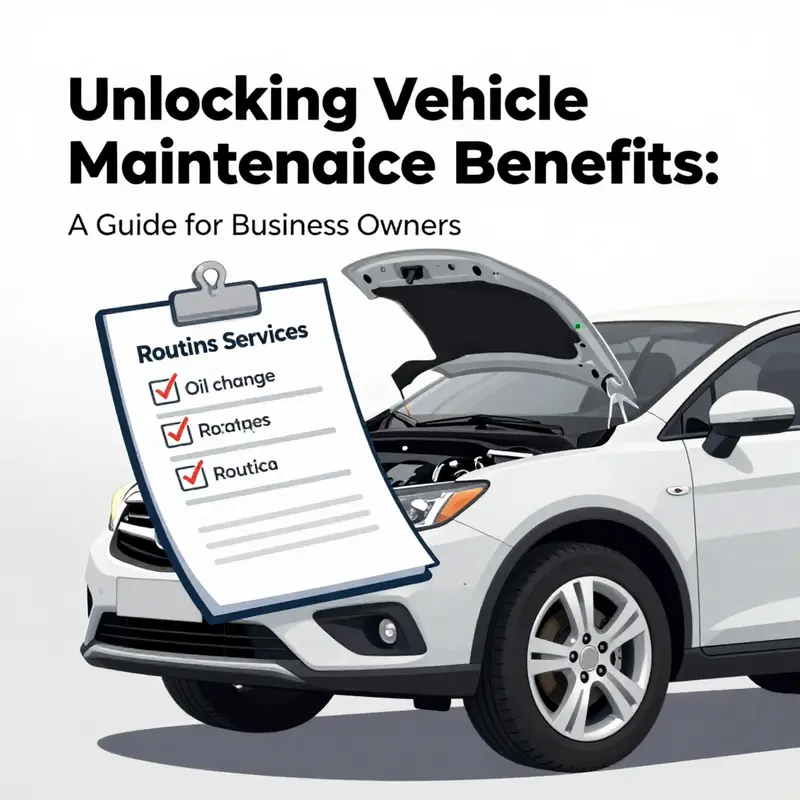
Auto insurance is designed to shield you from the financial blow of crashes, theft, and certain perils. It rarely covers routine maintenance, like oil changes, tire rotations, or brake work. You may still hear about programs that touch maintenance concerns, but they operate differently from traditional coverage. The distinction matters when you plan budgets and choose protections for your car.
Understanding what an auto policy actually covers means reading the fine print that accompanies every contract. Insurance is a risk-transfer tool. Its purpose is to indemnify you for acute events that disrupt your ability to drive or cause financial loss after those events. Routine service and wear-related repairs fall outside this remit. A breakdown caused by neglected maintenance is typically labeled preventable damage. In practice, that means the insurer is unlikely to pick up the tab for the root cause of the failure. The result is clear: your policy is not a maintenance fund. It is a safety net for accidents, theft, weather-related damage, and other listed perils. This separation helps keep premiums predictable and focuses coverage on unexpected shocks rather than ongoing upkeep.
This boundary is not merely a blanket rule. Policy language is explicit about what is excluded. A failure that stems from overdue service or worn components is commonly treated as wear and tear or neglect. Even when a breakdown occurs during a broader incident, such as a collision or a storm event, pre-existing mechanical problems can complicate a claim. If the damage contributed to the incident and those problems were known or avoidable through proper care, a claim could be reduced or denied. The practical effect is that owners must assume responsibility for maintenance costs, separate from the protections offered by the policy for accidents and theft.
For many readers, this separation raises a relevant question: if maintenance isn’t covered, are there still ways to align upkeep with insurance protections? The answer is yes, but those options live outside standard auto policies. Some insurers offer add-ons or partner networks that touch maintenance in practical, non-coverage ways. It might mean discounted service through affiliated providers, enhanced roadside assistance that helps you handle maintenance-related events, or access to maintenance-focused programs that ease the logistical burden of keeping a vehicle in good condition. None of these features convert routine maintenance into a covered claim, but they can reduce friction and cost when you search for service. In other words, these features are incentives and conveniences rather than indemnity for maintenance costs. If you’re exploring a policy, read the documentation carefully and ask questions about any maintenance-related add-ons or networks.
A useful way to frame these options is to view maintenance and insurance as two parallel tracks. The track you ride in the policy is the one that covers sudden, unforeseen events. The track you pay for separately is ongoing care and service. If you want to explore the basics of maintenance itself and why it matters, you can consult a concise overview that explains what maintenance encompasses and why it matters for reliability and safety. What is vehicle maintenance provides a plain-language foundation for those decisions, without conflating it with insurance coverage. What is vehicle maintenance.
From a risk-management perspective, the discipline of maintenance remains critical even though insurance does not foot the bill for routine care. Regular maintenance lowers the probability of breakdowns and can improve overall road safety. A well-maintained car is less likely to fail in the middle of a trip, less likely to leave you stranded, and less prone to cause or experience a serious accident due to worn systems. The link between care and risk is intuitive: better upkeep reduces the chances of a sudden, high-cost repair and can also influence the reliability of any claim that does arise. Still, the financial protection embedded in auto insurance is designed to absorb the unpredictable—events that do not arise from simple wear or neglect. This separation should guide how you structure your financial plan for owning a vehicle.
Because the landscape around maintenance and insurance can be subtle, it helps to be explicit about the practical options that sit outside standard policies. Extended warranties and maintenance plans are two broad categories that car owners often pursue for predictable costs and peace of mind. An extended warranty, sometimes termed a service contract, offers coverage for major components beyond the original warranty period. It is technically a separate product that markets itself as protection for aging parts and systems. Maintenance plans, on the other hand, are prepaid or per-visit agreements that cover scheduled services and sometimes particular wear items. They are typically offered by dealerships or third-party providers and are separate from, and not replacements for, insurance. They can deliver value by helping you anticipate maintenance expenses and by simplifying scheduling and cash flow.
In practice, the choice between these options depends on your vehicle’s age, its reliability history, and your tolerance for budgeting risk. A newer car with a strong factory warranty may benefit less from an extended warranty than a high-mileage or frequently used vehicle where the cost of major repairs could be uncertain. Maintenance plans can be appealing for drivers who want predictable service costs for routine items like oil changes, filter replacements, and tire services, especially when a schedule of visits is burdensome to manage. These plans often also include reminders and preferred service arrangements, which helps avoid gaps in maintenance that could otherwise raise the probability of an issue. It’s important to note that neither extended warranties nor maintenance plans are insurance in the traditional sense. They do not indemnify you for accidental damage or theft; they instead reduce the financial exposure associated with regular servicing and major component failures.
To ensure you’re making a well-informed choice, approach each option with a simple test: does this purchase reduce the risk of a sudden, costly event or simply shift the timing and management of routine maintenance? If the answer is the former, you may be looking at a product worth considering as part of a broader risk-management strategy. If the answer is the latter, you’re balancing budgeting convenience against possible service limitations or exclusions. Whatever path you choose, it’s prudent to keep maintenance separate from insurance and to treat both as essential parts of responsible car ownership.
The overarching takeaway is clear: standard auto policies protect against the unforeseen, not the ongoing care of a vehicle. Maintenance remains the owner’s obligation, while insurance provides a safety net for the unexpected. This division is not a failure of the product; it is a feature of how risk is priced and managed in the automotive ecosystem. If you want to deepen your understanding of maintenance concepts while keeping insurance distinct, start with a solid grounding in maintenance basics and then examine how that knowledge fits alongside the protections you purchase for risk events. The separation helps ensure you have the right tools for both parts of ownership.
In the end, the most reliable approach is to treat maintenance as a core personal responsibility supported by smart choices about add-ons or separate protections. Keep a detailed service log, preserve receipts, and stay ahead of manufacturer-recommended schedules. Regular checks and timely repairs reduce the chance of a preventable breakdown, but they also keep you in a steadier position should you ever face an insurance claim for an unrelated incident. There is a logic to this arrangement: it aligns incentives toward safe driving and prudent upkeep while preserving the integrity of insurance as a shield against the truly unpredictable.
For readers seeking official guidance on how the insurance industry defines coverage and exclusions related to vehicle maintenance, reference material from regulatory authorities and industry bodies can be helpful. The NAIC maintains resources that explain how contracts frame coverage and exclusions. You can explore authoritative guidance at https://www.naic.org/.
Beyond Collision Coverage: How Optional Add-Ons and Service Partnerships Help with Vehicle Maintenance
Understanding Optional Add-Ons and Service Partnerships
Auto insurance policies focus on protecting you from accidents, theft, and liability. They rarely pay for routine maintenance. Still, the insurance market has evolved. Many carriers now offer optional add-ons and partnerships that help drivers manage maintenance costs. These offerings sit between traditional insurance and a service plan. They are not replacements for scheduled upkeep. Instead, they aim to reduce surprises and reduce out-of-pocket expenses for common vehicle needs.
Optional add-ons vary widely. Some provide roadside assistance with expanded benefits. Others bundle discounted maintenance services through networks of shops. A few cover minor repairs that result from road hazards. The menu of services can include scheduled maintenance such as oil changes and tire rotations, minor mechanical repairs, windshield chip repair, towing, and rental car reimbursement. Because these are optional, they usually require a separate fee or a higher premium. The details matter: coverage limits, eligibility, and excluded services differ greatly.
When presented as a package, these add-ons offer convenience. Imagine a plan that schedules your routine oil changes at participating shops. Or a partnership that guarantees a fixed discount for brake pad replacement at local garages. For drivers who prefer a more hands-off approach, bundled services can simplify maintenance. They can also help when a small issue could otherwise lead to a larger repair bill.
However, optional plans are not universal. They rarely cover wear-and-tear. Normal maintenance items, such as replacing worn brake rotors after normal use, are not typically included. Coverage is often limited to specific services listed in the agreement. That makes it essential to read policy language closely before assuming a problem is covered.
For drivers with leased or financed vehicles, optional add-ons can complement existing obligations. Lease agreements often require regular maintenance. If a policy add-on helps manage those costs, it can keep you compliant. But never assume overlap. Manufacturer warranties, lease terms, and maintenance plans each have unique rules. Check how an insurer’s add-on coordinates with warranty coverage and lease obligations.
Cost and value are central considerations. Add-ons come with fees. Weigh these against your expected maintenance spending. If you drive infrequently and handle basic maintenance yourself, the add-on may not be cost-effective. Conversely, drivers who prefer convenience, who lack a trusted mechanic, or who own vehicles with higher service costs might benefit. Consider the frequency of covered services, any annual caps, and whether discounts apply at nearby providers.
Network restrictions shape actual value. Many partnered maintenance plans work with a network of approved repair shops. That network determines service availability and quality. A generous discount is worthless if no participating shop exists near you. Before enrolling, confirm local participation. Ask about shop vetting and service standards. Some partnerships use national chains, while others rely on local independent shops. Each model has pros and cons for price, turnaround time, and workmanship.
Claims and payment mechanics also vary. Some programs require you to pay the provider and seek reimbursement. Others let the network bill the insurer directly. Reimbursement can introduce delays or bureaucratic steps. If immediate payment relief matters, prioritize options that handle billing with the provider. Clarify required documentation and any pre-approval steps to avoid surprises.
Exclusions are common and often strict. Most add-ons exclude damage caused by neglect, modification, or preexisting mechanical issues. They may also exclude certain vehicle types, such as commercial-use vehicles or cars beyond a certain age or mileage. Read the fine print to learn about deductibles, waiting periods, and service limits. These details determine whether a plan will help the moment you need it.
Transparency and contract clarity matter. Marketing language can make a plan sound broader than it is. A phrase like “maintenance support” is ambiguous. The contract should list covered services, limits per service, annual caps, and any waiting periods. Ask for a written summary. Compare that summary with your typical maintenance schedule to see if it matches your needs.
Customer reviews can reveal real-world performance. Look for feedback focused on claims handling, provider network quality, and timeliness of reimbursements. If many customers report difficulty getting service from network shops, that’s a red flag. Conversely, consistent praise for easy scheduling and prompt payments suggests the plan delivers on promises.
Integration with other protections is important. For example, roadside assistance add-ons often include towing and lockout services. Some extend to limited repair services at the roadside. If you already carry a separate roadside membership, check whether the insurer’s offering supplements or duplicates it. Overlap reduces value and may mean you can drop one service to save money.
Consider the lifecycle of your vehicle. Older cars may have lower replacement value, but higher maintenance needs. For a vehicle past its warranty, a maintenance add-on might offer predictable costs for critical repairs. For a new car still under factory warranty, such add-ons might offer less value unless they cover services outside the warranty scope.
Evaluate alternatives. Independent prepaid maintenance plans, credit card benefits, or membership organizations can offer similar savings. Compare prices, service lists, and network reach. Sometimes a local dealership or independent shop offers a maintenance plan that fits your driving habits better. Don’t assume the insurer’s add-on is the best or only option.
When shopping, ask clear questions: Which services are included? What shops participate locally? How are payments handled? Are there waiting periods or annual caps? What is excluded? If the answers are vague, request written clarification before purchasing. Keep documentation of all interactions. If a claim is denied, well-documented questions and answers can prove helpful.
A practical approach is to map anticipated maintenance for the next year. List oil changes, tire rotations, brake checks, and any expected minor repairs. Compare that list to what the add-on covers. If the plan covers most items and saves money, it may be worthwhile. If not, consider building a dedicated maintenance savings account instead.
Ultimately, optional maintenance add-ons and partnerships extend an insurer’s role beyond indemnity. They reflect a service-driven approach to customer retention and convenience. These offerings can reduce hassle and make minor repairs more affordable. But they are not a substitute for regular vehicle care or for a thorough understanding of contractual limits.
For a concise primer on the fundamentals of vehicle upkeep, consult this guide on what is vehicle maintenance. It helps frame which services prove most valuable to insure or subsidize.
For a deeper look into how insurers frame maintenance help and the types of programs they may offer, see this detailed external analysis: https://www.marketwatch.com/story/does-car-insurance-cover-repairs-2026-1a5b3d8f
When the Policy Isn’t the Garage: Building Maintenance Planning Beyond Auto Insurance
Auto insurance is a safety net for surprises, not a coupon for routine vehicle care. When drivers think about coverage, they often imagine protection from collisions, theft, or weather-related damage. What many forget is that the standard auto policy generally leaves maintenance tasks—oil changes, tire rotations, brake jobs, and other regular service—outside its scope. Routine upkeep is a predictable cost built into owning a car, not an unpredictable loss that insurance pools together. Still, the gap between maintenance needs and insurance benefits creates a practical challenge for drivers: how to manage ongoing maintenance expenses when the policy offers no direct help? The answer lies in a combination of informed choices, practical planning, and sensible use of add ons or companion programs that some insurers and partners offer. The goal is not to bend the policy into a maintenance plan, but to align maintenance with financial preparedness so the car remains reliable without surprising you with large repair bills.
This chapter treats maintenance as a facet of vehicle ownership that sits alongside insurance, rather than beneath it. It explains why routine care falls outside standard coverage and then details the practical alternatives available. These include vehicle service contracts, roadside assistance programs, manufacturer maintenance packages, and strategic budgeting that together help drivers keep their vehicles in good shape without waiting for a breakdown to remind them. The emphasis is on proactive management: thinking ahead about how to fund maintenance as part of owning and operating a vehicle, and understanding where insurance fits—and does not fit—into that plan. As you move through this discussion, you’ll encounter the idea that insurance protects against the unexpected, while maintenance is about preventing the predictable from becoming expensive, and sometimes preventable, problems.
To frame the landscape clearly, it’s helpful to recognize what maintenance costs typically look like and why they are excluded from standard coverage. Routine services are aimed at preserving mechanical function and extending the vehicle’s life. These are costs born out of wear and tear and age, not events like a collision or a theft loss. Oil changes, for instance, are part of the ongoing care necessary to keep the engine lubricated and cooling systems functioning, while tire rotations help even out wear and extend tire life. Brake pad replacements, timing belt or chain inspections, air filter changes, and fluid flushes all fall into the preventive-maintenance category. When a driver neglects these tasks, the risk of a breakdown or a more expensive repair often climbs, which is precisely the kind of outcome insurance is not designed to subsidize. The result is a gap: insurance covers the unexpected, maintenance covers the expected, and many people discover that the two do not conveniently overlap.
Even as this separation persists in the policy language, there are practical pathways that many drivers use to bridge the maintenance gap. The most common approach is to rely on maintenance-focused products that operate alongside auto insurance rather than inside it. Vehicle service contracts, sometimes marketed as extended warranties, promise coverage for mechanical failures after the manufacturer’s warranty expires. The terms vary widely: some plans emphasize major systems like the engine and transmission, while others include select maintenance items or service calls for certain conditions. The value of these contracts depends on several factors, including the vehicle’s reliability history, the expected cost of repairs, the deductible or cost-sharing structure, and whether the contract’s terms align with your maintenance schedule. It’s essential to scrutinize what’s actually covered, the exclusions, and the transferability if you sell or trade in the vehicle. For some owners, a service contract can deliver peace of mind by providing predictable repair costs and reducing the odds of an unplanned, large outlay. For others, it can be a misfit if the contract overlaps with services they would have performed anyway or if the included maintenance items are too limited.
Another widely used option is roadside assistance programs offered by auto clubs or through credit card networks. These programs are valuable for the emergency side of vehicle care—towing when you’re stranded, battery jump-starts, locksmith services, or minor on-the-spot support. They typically do not cover the cost of actual repairs or routine maintenance. However, they can offer financial and logistical relief if a breakdown interrupts your plans or leaves you with a tow bill. Some programs may also provide member discounts on certain services at participating shops or networks, effectively giving you a reduction on maintenance costs rather than absorbing them. When evaluating roadside offerings, the key is to understand exactly what is included, what is discounted, and where the limits lie so you don’t mistake a discount for comprehensive repair coverage.
A third pathway centers on manufacturer-maintenance packages. Many automakers now offer maintenance plans either at the time of purchase or during the initial years of ownership. These packages typically cover routine services performed at the manufacturer’s recommended intervals—oil changes, inspections, fluid replacements, tire rotations, and sometimes multi-point checks. The benefit here is consistency: the maintenance schedule is aligned with factory specifications, and the service is delivered by technicians who are trained specifically for the vehicle. The cost structure can be attractive if you plan to keep the car for many years or intend to maximize the residual value by keeping good maintenance records. Yet, these packages are not universal, and the value hinges on your expected ownership horizon, the car’s reliability, and your comfort with sticking to a prescribed service cadence.
In addition to these formal products, there are broader strategies that improve maintenance budgeting without tying you to a particular provider. One straightforward approach is to treat maintenance as a financial habit rather than a reaction to breakdowns. Setting aside a fixed monthly amount into a dedicated maintenance fund creates a personal contingency that you control. The math behind this habit is simple: if you expect to perform basic service every 5,000 to 7,500 miles or every six months, depending on your vehicle and driving conditions, you can estimate annual maintenance costs and divide by 12. This approach not only smooths cash flow but also reduces the temptation to defer service because it seems expensive in the moment. For drivers who want a more structured path, some banking and financial platforms offer “maintenance savings” tools or sub-accounts that help earmark money for car care, making the discipline of saving feel more automatic and less burdensome over time.
A further dimension comes from the way manufacturers and dealers historically priced maintenance. Factory-authorized maintenance services can sometimes be bundled with pre-paid plans that cover a series of scheduled visits. While the upfront cost may appear higher, the value proposition is often the convenience and the assurance that services adhere to the vehicle’s standards. The price difference versus paying as you go can be favorable, especially if you value the simplicity of a fixed cadence and the ability to avoid schedule friction with a busy life. But as with all maintenance decisions, it pays to compare two or three options and weigh them against your driving patterns, the vehicle’s expected reliability, and your tolerance for potential price fluctuations in the future. The bottom line is clear: maintenance is predictable, but the way you fund it can be flexible, and the best choice is the one that best aligns with your ownership plans and risk tolerance.
To connect these ideas to practical behavior, consider how your driving habits influence maintenance needs. If your vehicle racks up miles quickly, or you routinely drive in challenging conditions—extreme temperatures, poor roads, heavy traffic—the maintenance calendar will skew toward more frequent service. In such cases, leaning on a manufacturer maintenance package or a reputable extended-warranty plan that emphasizes preventive service can be especially appealing. Conversely, if you keep a car for a shorter period or drive mostly in gentle conditions, a flexible maintenance budgeting approach, plus a basic roadside plan for emergencies, may suffice. The point is not to force maintenance into a one-size-fits-all policy but to design a personal upkeep strategy that matches how you use your car.
For readers seeking connective threads between maintenance planning and everyday cost savings, a practical reminder is worth noting: regular maintenance often yields indirect financial benefits. A well-maintained engine consumes fuel more efficiently, brakes wear more slowly, tires last longer, and minor issues are less likely to escalate into expensive repairs. In other words, preventive care has the potential to lower total ownership costs over time. These savings aren’t typically billed as insurance reimbursements, but they materialize as lower fuel bills, longer vehicle life, and fewer disruptions to daily routines. A useful way to internalize this is to view maintenance as a form of investment in reliability—one that reduces the probability of expensive surprises and preserves future resale value. To see how some of these ideas translate into real-world calculations, you can explore narratives about how vehicle maintenance affects gas expenses and overall efficiency. How Vehicle Maintenance Saves on Gas Expenses.
Against this backdrop, the decision framework becomes straightforward in practice: when you review an auto policy, you don’t expect it to pay for oil changes or tire rotations. Instead, you seek complementary tools that help you manage these recurring costs without compromising on vehicle reliability. If you value simplicity and predictability, a manufacturer’s maintenance plan paired with a disciplined budgeting approach often makes the most sense. If you want flexibility and broader coverage of repairs, a vehicle service contract that aligns with your ownership horizon could be the better route. And for genuine emergencies on the road, a robust roadside program can save you from the worst-case financial consequences of a breakdown. Each option serves a different purpose, and in combination they can create a robust, well-rounded maintenance strategy that protects both your car and your finances.
As you weigh these opportunities, it’s important to acknowledge what you should not expect from auto insurance in this area. The policy will not reimburse routine services, maintenance items, or normal wear-and-tear costs. It will, however, stand by you in the event of a covered accident or a listed peril that damages your vehicle. Understanding this delineation helps prevent disappointment and clarifies where to focus your energy and resources. It also clarifies why reading the fine print matters. Terms vary across providers and plans, and coverage can change with policy updates or new offerings. If you’re considering add-ons or alternative maintenance solutions, take the time to ask precise questions about coverage limits, deductibles, and exclusions. The most reliable way to compare options is to request details in writing from the insurer or program administrator and to compare them against your vehicle’s maintenance needs and your ownership timeline.
The broader narrative here is not about replacing one product with another, but about creating an integrated approach to vehicle care that respects the realities of insurance design and the realities of upkeep costs. Insurance protects the unforeseen; maintenance protects your vehicle’s reliability and your wallet by dampening the impact of predictable wear. When you align both sides thoughtfully, you result in less friction between necessary service and available funds. That alignment becomes especially important for new drivers, those with aging vehicles, and anyone planning long-term ownership who wants to avoid the emotional and financial drain of surprise repairs. The most practical takeaway is simple: treat maintenance as a planned expense supported by a mix of options that may include a warranty-like contract, a manufacturer maintenance plan, a robust roadside safety net, and disciplined saving. This combination creates a resilient approach to keeping a car in good working order while maintaining peace of mind about future costs.
For readers who want to ground these concepts in a broader context, it can be helpful to consult external resources that discuss what auto insurance does—and does not—cover. Such sources reinforce the separation between coverage for losses and expenditures you can anticipate through maintenance. The key is to balance informed choices with realistic expectations about what the policy can and cannot do. With that balance in mind, drivers can design maintenance strategies that suit their cars, their budgets, and their plans for ownership, rather than relying on insurance to shoulder routine care costs. In this sense, the maintenance decision becomes part of responsible car ownership, not a policy loophole to exploit.
External resource: What car insurance does not cover — Farm Bureau Financial Services.
Final thoughts
In navigating the complexities of vehicle maintenance as a business owner, it’s crucial to recognize the limitations of traditional auto insurance policies. While most mainstream insurers do not cover routine maintenance as part of their standard offerings, opportunities exist through optional add-ons and partnerships that can make maintaining your fleet more manageable. Exploring these avenues along with alternative service providers can secure the reliability of your vehicles, ensuring your business continues to thrive. Make informed choices about your insurance and maintenance needs to keep your operations running smoothly.