
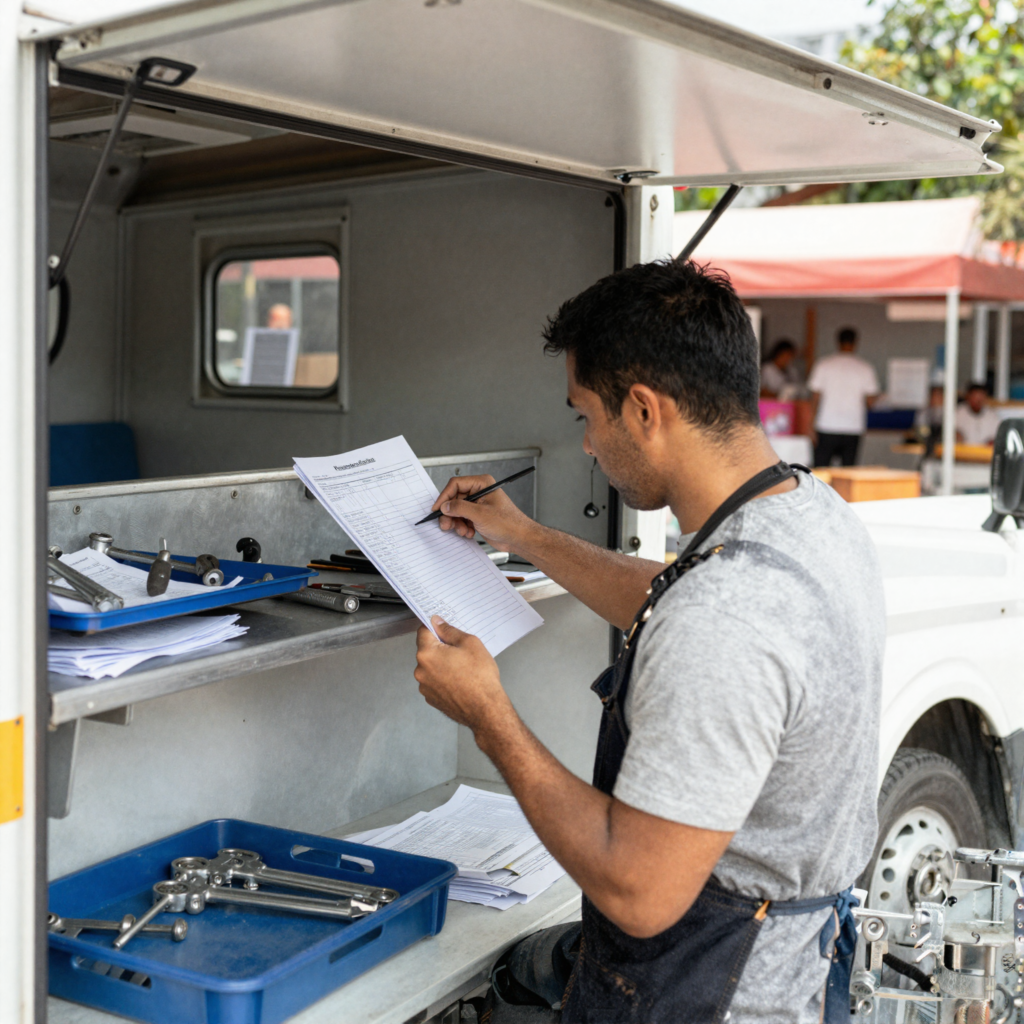
In the fast-paced world of the mobile food industry, clarity and organization are paramount to success. For business owners, maintaining accurate maintenance records for listed vehicles isn’t just a matter of compliance or efficiency; it is a vital component that can greatly affect the bottom line. These records serve as a comprehensive history of a vehicle’s performance and upkeep, providing insights that guide decisions regarding repairs, upgrades, and life cycles. Imagine facing unforeseen mechanical issues without access to vital vehicle history that could prevent costly downtimes. By cultivating meticulous maintenance records, food truck owners can ensure their vehicles operate optimally, ultimately meeting customer demands while reducing overhead costs. Not to mention, these records can bolster your business’s credibility and reliability in a competitive market. When you have well-documented maintenance practices, you’re not just managing a vehicle; you’re fostering a trust-based relationship with your clientele. So, whether you’re just launching your culinary venture or have been serving delicious meals on the go for years, understanding where to find and how to maintain these records should be your priority. Learn more about optimum vehicle performance here and ensure your mobile business thrives!
For effective vehicle management, it’s important to maintain a comprehensive set of maintenance records. Here’s a list of common documented maintenance records that every vehicle owner should keep:
-
Oil Change Records
Keeping track of oil changes is crucial for engine health and longevity. This record helps ensure that oil is changed at the recommended intervals, preventing engine wear. -
Inspection Reports
Regular inspections help identify potential issues before they become major problems. Records of these inspections verify compliance with local regulations and ensure road safety. -
Repair Logs
Documenting repairs helps track recurring issues and provides information that can be useful for future repairs. This is essential for diagnosing long-term problems. -
Maintenance Schedules
Following the manufacturer-recommended maintenance schedule is essential for optimal vehicle performance. These records ensure timely servicing and prolong vehicle life. -
Warranty & Recall Information
Keeping records related to warranties and recalls can protect against future liabilities and ensure that any applicable repairs are completed, maintaining the vehicle’s value.
For more detailed insights on vehicle maintenance, you can learn more about vehicle tricks and how maintenance records impact your vehicle’s health.
| Record Type | Purpose | Frequency of Updates |
|---|---|---|
| OEM Records | Document factory-specific procedures and warranty-related services. | Updated with each service. |
| Independent Shop Logs | Record non-warranty repairs and routine service history. | Updated as services are performed. |
| Digital Telematics Data | Provide real-time performance metrics and automated service reminders. | Continuous; updates in real-time. |
| Insurance Claim Histories | Outline vehicle accident history and significant repairs for reliability assessments. | Updated with each claim or repair. |
Where to Find Maintenance Records
As a business owner, keeping your vehicles in peak condition is essential for operational efficiency and safety. Identifying where to locate reliable maintenance records can simplify your vehicle management process. Below are several key sources to access these records:
1. Dealerships
Most manufacturers offer online portals where owners can access their vehicle’s entire maintenance history through authorized dealerships. For example, Toyota’s MyTIS portal and the FordPass app enable registered users to view detailed service records. This includes comprehensive data on every visit, such as services performed, parts replaced, and costs involved.
2. Vehicle History Reports
Services like Carfax and AutoCheck aggregate maintenance data from various sources. They provide reports that not only include dealership maintenance but also data from independent repair shops and collision centers nationwide. You can obtain these reports by entering your vehicle’s VIN (Vehicle Identification Number).
3. Online Databases
Web platforms like the National Motor Vehicle Title Information System (NMVTIS) allow users to access significant repair history, particularly regarding title and theft data. While not directly providing routine maintenance records, this supplemental information can be valuable for understanding more serious repairs a vehicle may have undergone.
4. Insurance Claims
Contacting your vehicle’s insurance provider can aid in accessing repair history related to accidents. Most insurance companies document repairs through claims, which can show major mechanical fixes and other significant maintenance not recorded at dealerships. Requesting this information typically requires the VIN and proof of ownership.
Best Practices to Access Records
- Register on Official Apps: Ensure you have your vehicle’s VIN to link to its digital history.
- Keep Digital Receipts: For non-dealer repairs, always ask for detailed receipts and store them securely in cloud-based applications.
- Verify Regularly: Log into your vehicle’s account every six months to confirm that the records are up-to-date and accurate.
Conclusion
By utilizing these resources and best practices, business owners can effectively manage their vehicle maintenance records, ensuring all necessary services are documented and easily retrievable.
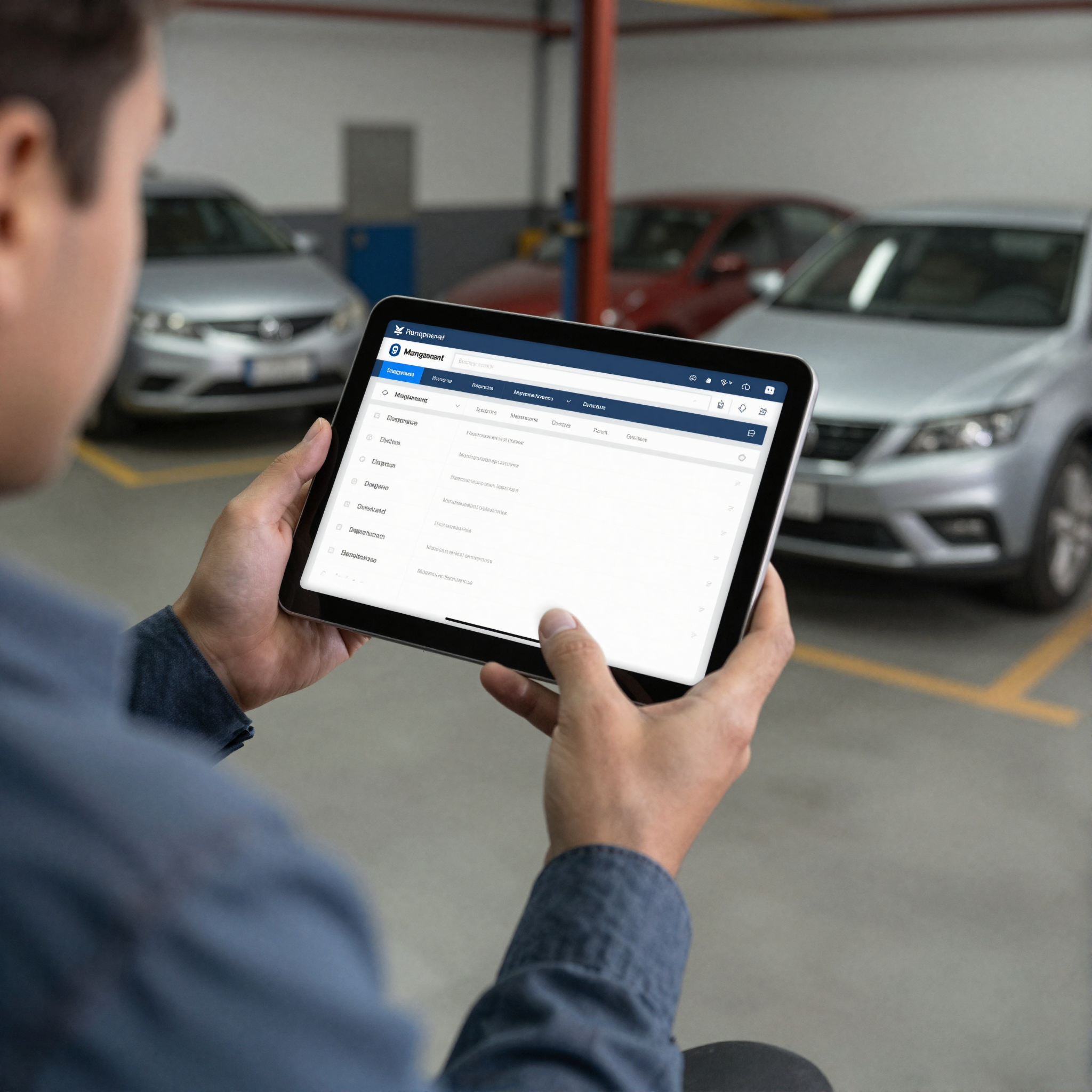
“Finding the maintenance records for our fleet of vehicles was always a challenge until we started using Vehicle Tricks. The user-friendly interface allowed me to quickly access the records I needed, saving our business time and reducing downtime. It’s been a game-changer in maintaining our fleet efficiently.”
- John D., Fleet Manager, ABC Logistics
By incorporating such testimonials, readers can see the tangible benefits of utilizing resources that simplify vehicle maintenance management. If you want to learn more about optimizing your vehicle maintenance, check out our blog on vehicle tricks for expert insights!

Importance of Maintaining Records for Business Value
For business owners dealing with vehicles, maintaining accurate and detailed records is crucial not only for day-to-day operations but also for maximizing the resale value of these assets. Comprehensive vehicle maintenance records serve as a testament to the care and diligence with which a vehicle has been maintained, making it more appealing to potential buyers. According to Edmunds, nearly 70% of buyers consider a complete maintenance history essential before making an offer, underlining the importance of these documents in the sales process.
Contribution to Resale Value
Well-maintained records significantly impact the resale value of a vehicle. A study by Kelley Blue Book revealed that vehicles with full maintenance logs average a $1,200 higher resale value compared to similar models without documentation. This premium reflects the reduced perceived risk; buyers are more inclined to trust that the vehicle has been properly serviced, thus minimizing the risk of hidden mechanical issues.
Additionally, vehicles serviced at authorized dealerships or with OEM parts boast even greater appeal and reliability. This perception can elevate resale prices by up to 20% compared to vehicles lacking proper documentation.
Benefits for Business Operations
Beyond resale value, well-maintained records streamline business operations. They provide valuable insights into each vehicle’s performance and maintenance history, aiding in effective fleet management. Keeping precise records allows business owners to plan for upcoming maintenance needs, improving operational efficiency and reducing unexpected repair costs. Moreover, a well-documented service history protects against potential liabilities, fortifying the business’s reputation for reliability. In conclusion, prioritizing comprehensive vehicle maintenance records is an investment that pays off during resale and supports overall business operations.

The chart displays the average annual depreciation rates of vehicles based on their maintenance records. Vehicles with regular maintenance records depreciate at a lower rate of about 15% to 20%, whereas those without depreciate significantly faster at rates ranging from 25% to 30%. This visual representation highlights the importance of keeping thorough maintenance records to mitigate depreciation.
In conclusion, maintaining accurate vehicle records is crucial for business operations. These records not only ensure compliance with industry regulations but also enhance operational efficiency, reduce costs, and boost asset value. Businesses that invest in digital record management systems can significantly reduce unplanned repairs and streamline their maintenance processes.
To effectively manage your vehicle records, consider utilizing reliable channels such as authorized dealerships and third-party platforms that offer comprehensive maintenance history. By regularly updating and reviewing these records, business owners can mitigate risks, improve safety, and ultimately protect their investment.
Taking action today to enhance your vehicle recordkeeping can lead to better decision-making and long-term benefits for your business. Ensure you start by integrating modern digital solutions into your operations to maximize efficiency and reliability in managing your fleet. For further insights on vehicle maintenance and management, check our blog on vehicle record systems and tips on finding vehicle maintenance records.
Explore Your Pizza Truck Options
Running a successful food truck business means ensuring that your vehicle runs smoothly, and this is where maintenance comes into play. If you’re considering entering the food truck world, especially with a pizza truck, exploring your options at truckpizza.net can open up new avenues for you. A well-maintained food truck not only delivers delicious food but also provides reliability, which is crucial in this fast-paced environment.
Proper maintenance aligns directly with success in the food truck industry; when you’re prepared and your equipment is in good working order, you reduce the chances of unexpected downtime. Setting a schedule for routine checks-ranging from inspecting cooking equipment to replenishing supplies-ensures you comply with health standards and can successfully serve your customers, building trust and loyalty.
Make the decision today to invest in your business with a pizza truck that you can maintain properly and efficiently. For expert advice and options tailored to your needs, contact us at the following:
- Email: [email protected]
- Phone: (555) 123-4567
Don’t wait until it’s too late; explore your pizza truck options at truckpizza.net and take the first step towards a successful food truck venture!